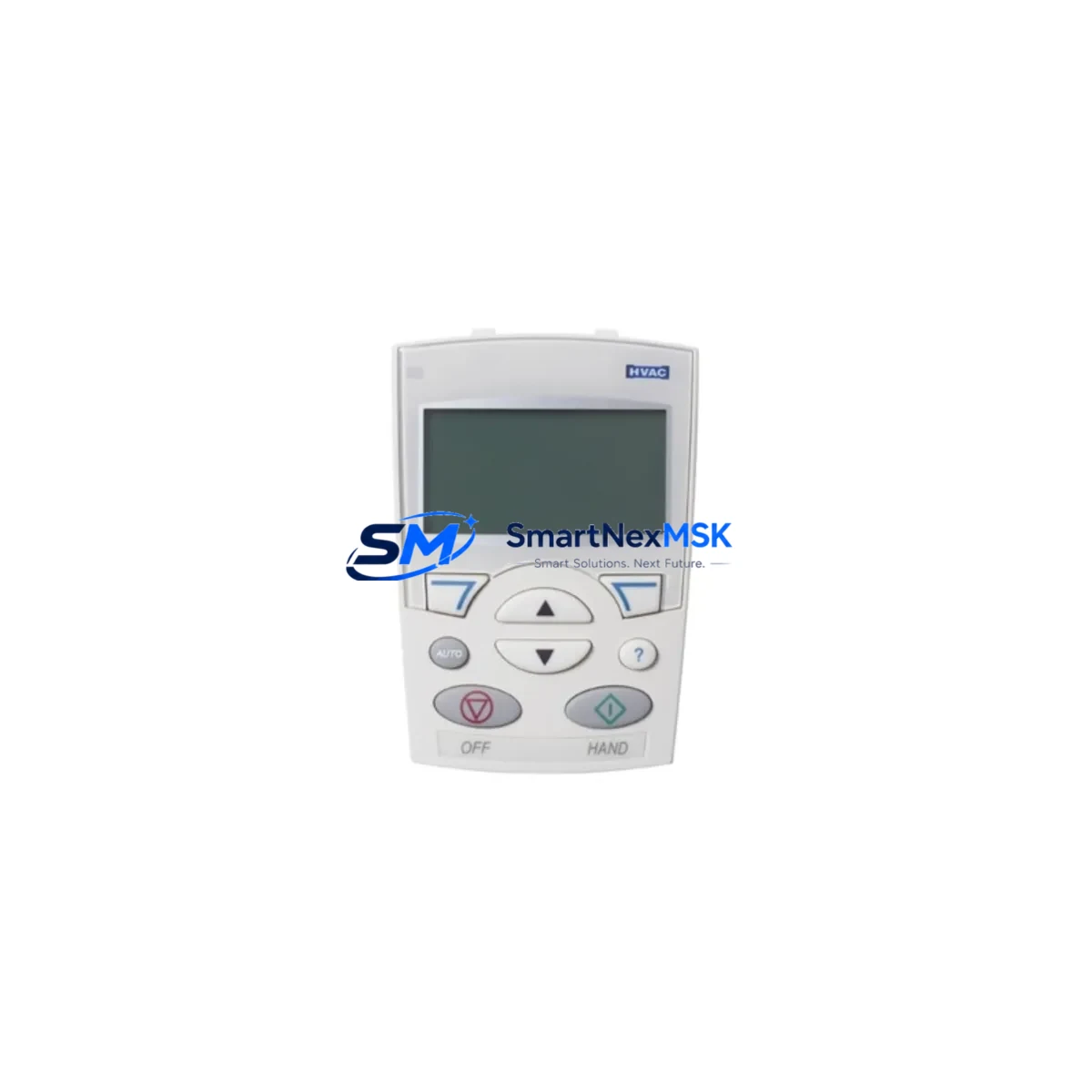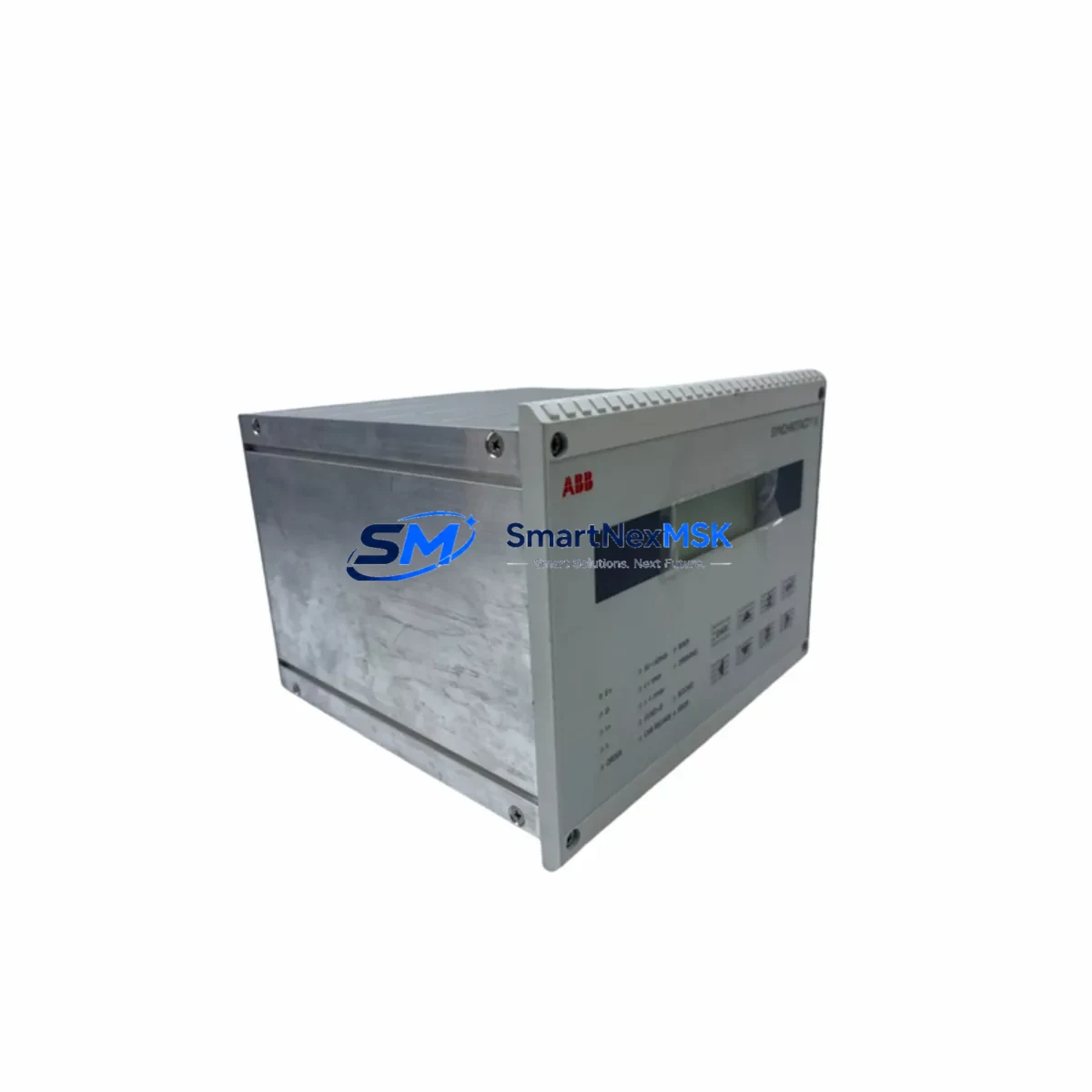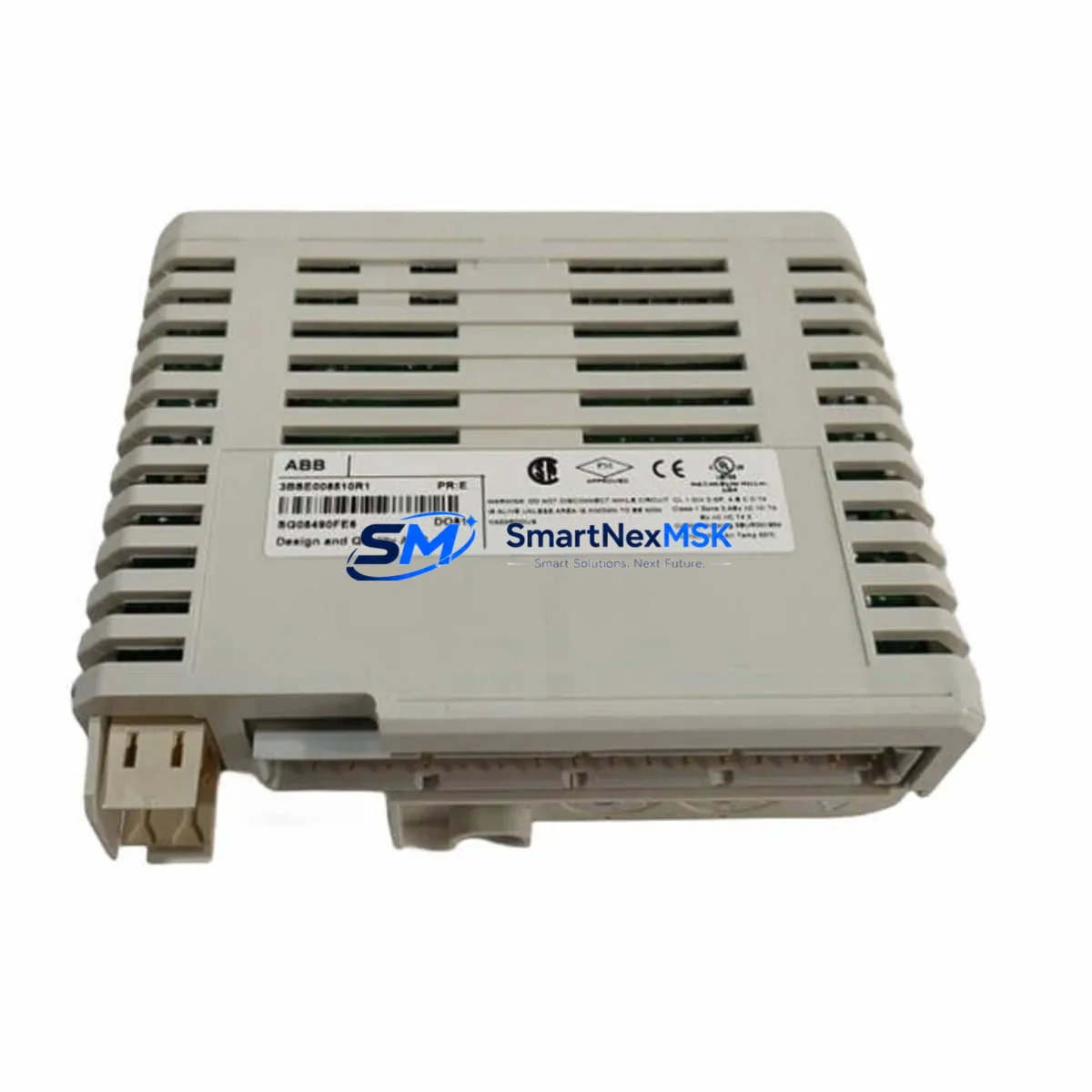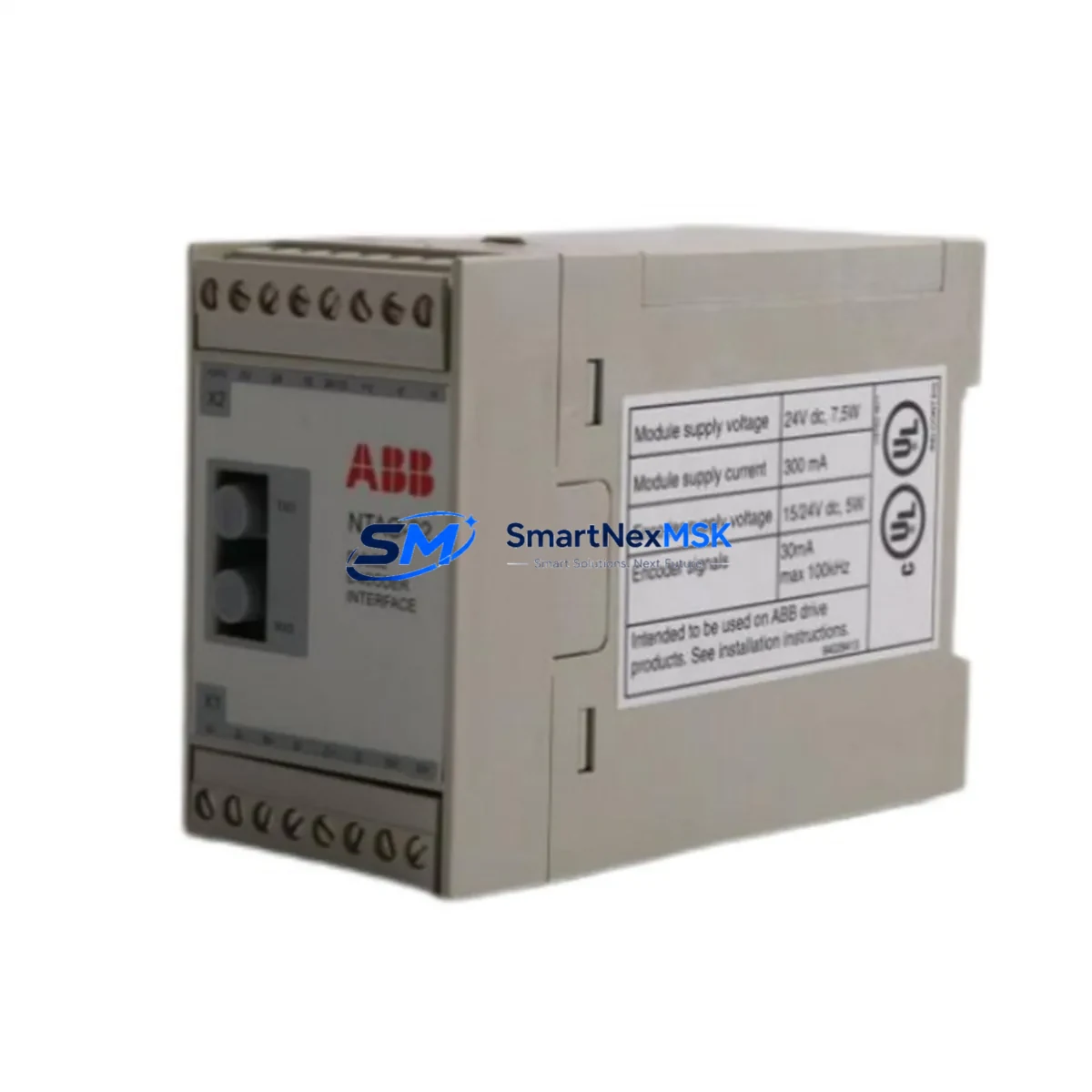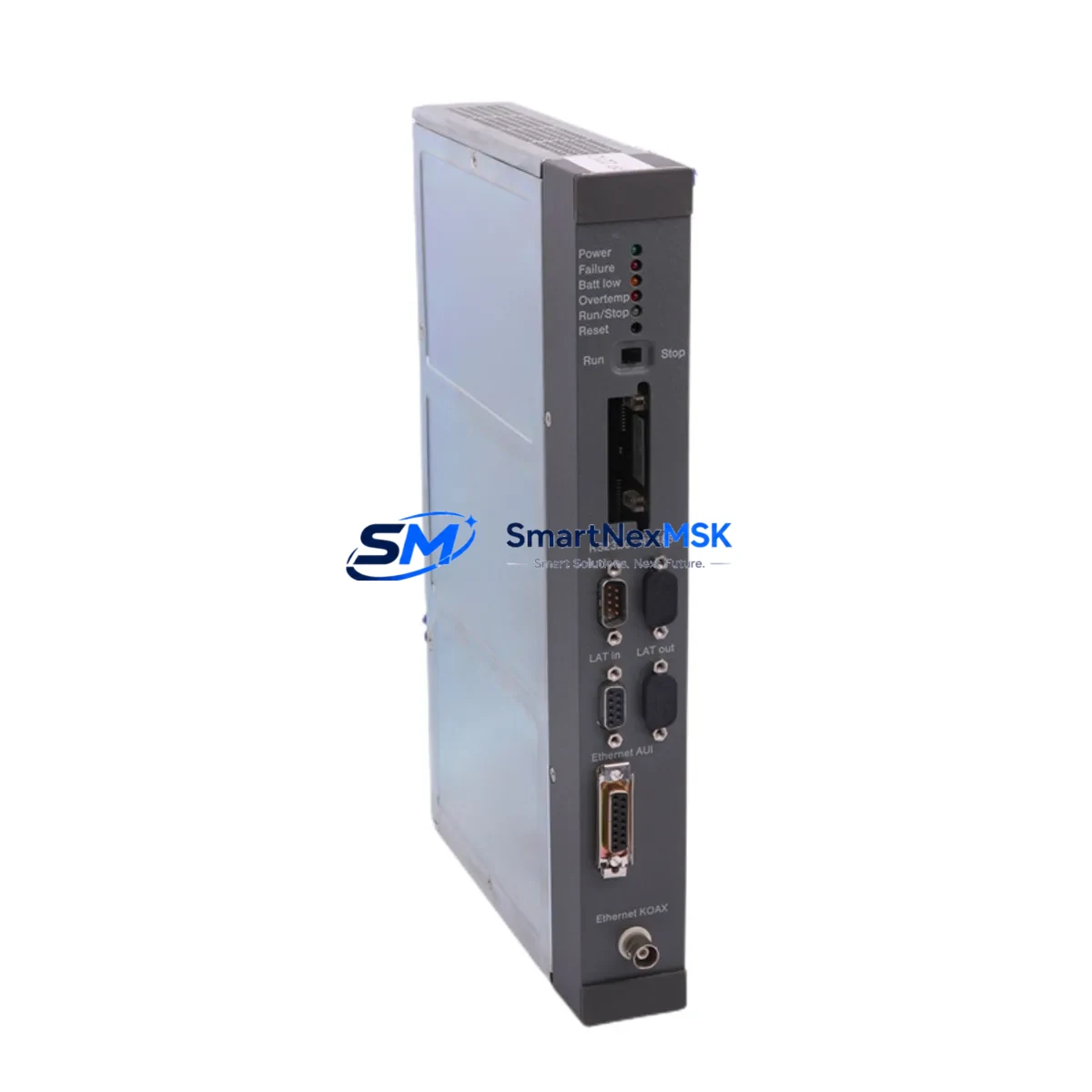
ABB DCP02 P37211-4-0369654 Retrofit-Ready DCS CPU for MOD 300 Control Systems
The ABB DCP02 P37211-4-0369654 is a high-reliability DCS CPU module engineered for the ABB Advant MOD 300 distributed control system platform. As legacy MOD 300 installations approach end-of-support milestones, plant engineers and system integrators increasingly rely on verified replacement units to sustain production continuity without committing to a full DCS migration. This module provides a direct, drop-in upgrade path for facilities operating aging Advant controllers, enabling targeted hardware refresh while preserving existing application logic, HMI configurations, and field wiring infrastructure.
Sourced from authorized distribution channels and subject to full functional verification prior to shipment, the DCP02 P37211-4-0369654 is stocked to support both emergency breakdown recovery and planned maintenance windows. Each unit ships with a 12-month warranty covering manufacturing defects and functional performance, giving procurement and maintenance teams the confidence to plan retrofit schedules without excessive safety stock.
Upgrade Compatibility Table
| Parameter | Details |
|---|---|
| Compatible Platform | ABB Advant MOD 300 DCS |
| Module Type | DCS CPU / Controller Module |
| Part Number | DCP02 / P37211-4-0369654 |
| Backplane Interface | MOD 300 standard rack bus; compatible with S100 I/O bus architecture |
| Communication Compatibility | MasterBus 300, PROFIBUS DP (via gateway), Modbus RTU (via communication module) |
| Installation Requirement | Direct slot replacement; no mechanical modification required |
| Wiring Compatibility | Existing terminal block wiring retained; no re-termination required |
| Replacement Recommendation | Suitable for 1:1 swap of failed or end-of-life DCP02 units |
| Commissioning Notes | Verify module address configuration; reload application program from engineering station |
| Warranty | 12 months from date of shipment |
Retrofit Planning for Existing Automation Systems
Successful integration of the DCP02 P37211-4-0369654 into an operating MOD 300 system begins well before the physical swap. A structured retrofit plan should account for the full control cabinet inventory, including the condition of the MOD 300 rack and backplane, the status of associated S100 I/O modules handling analog and digital field signals, and the health of the system power supply unit providing regulated 24 VDC to the controller bus. Degraded power supply output is a common root cause of intermittent CPU faults and should be inspected and replaced concurrently where necessary.
Communication infrastructure requires particular attention during any CPU replacement. The DCP02 interfaces with the plant network via MasterBus 300, and any associated MB300 communication modules or network interface cards installed in adjacent rack slots must be confirmed compatible with the replacement unit’s firmware revision. Where facilities are migrating toward modern Ethernet-based supervisory networks, a protocol gateway or communication bridge module may be required to translate between MasterBus 300 and PROFIBUS DP or Modbus TCP, ensuring that SCADA and historian systems continue to receive process data without interruption.
I/O expansion planning is equally critical. Plants running extended S100 I/O racks with AI810, AO810, DI810, or DO810 analog and digital I/O modules must verify that the replacement DCP02 unit correctly enumerates all connected I/O nodes during startup. Module addressing, configured via hardware DIP switches or engineering software, must match the original CPU’s address map to prevent I/O scan errors. Any discrepancy in the I/O address table will cause the controller to flag faults on startup and may prevent the application program from entering run mode.
HMI integration is another area requiring pre-swap verification. Operator stations running ABB Advant Station or third-party SCADA platforms connected via OPC DA or DDE interfaces should be tested against the replacement CPU before the maintenance window begins. Screen objects, alarm setpoints, and trend historian tags linked to specific controller memory addresses must be validated to confirm that the new CPU’s data map is consistent with the original. Where HMI graphics reference controller-specific tag names, a tag cross-reference audit is recommended prior to cutover.
For facilities also managing ABB AC800M or AC31 series controllers in adjacent control loops, the DCP02 retrofit can be coordinated with broader platform consolidation efforts. Engineering teams using ABB Control Builder or Advant Builder programming environments should archive the current application program, including all function block diagrams, sequential function charts, and structured text routines, before removing the original CPU. The archived program should be validated on a test bench or simulator where possible before being loaded onto the replacement module in the field.
Downtime Control During System Migration
Minimizing unplanned downtime during a DCS CPU replacement requires a disciplined pre-outage preparation protocol. Before the scheduled maintenance window, the engineering team should perform a full backup of the DCP02’s application program, parameter sets, and configuration data using the ABB Advant engineering workstation. This backup should be stored on both the local engineering PC and a removable medium to ensure recovery options are available if the replacement unit requires re-commissioning from scratch.
During the physical swap, field control continuity can be maintained by placing the affected control loops in manual mode at the operator station prior to CPU removal. Analog output modules such as the AO810 should be configured to hold last value or drive to a safe fallback position during the CPU offline period, preventing uncontrolled process excursions. Digital output modules should similarly be set to a defined safe state, coordinated with the process safety review for the affected unit.
Once the replacement DCP02 P37211-4-0369654 is seated in the rack and powered, the module address must be confirmed before the application program is loaded. Address conflicts with other modules in the rack — including communication modules, specialty function modules, or redundant CPU units — will prevent successful program execution. After the program is loaded and the CPU enters run mode, a systematic I/O checkout should be performed, verifying that each analog input channel reads correctly against field transmitter signals and that each digital output channel responds to controller commands. Communication link status between the DCP02 and the MasterBus 300 network should be confirmed at the network management station before returning loops to automatic control.
The entire cutover sequence, from CPU removal to return-to-auto, can typically be completed within a two- to four-hour maintenance window for a single-CPU replacement, provided that pre-outage preparation is thorough and the replacement unit has been pre-tested. Each DCP02 P37211-4-0369654 unit supplied by SMARTNEXMSK undergoes functional verification testing prior to shipment, reducing the risk of commissioning delays caused by latent hardware defects.
Retrofit Support FAQ
Q: Is the DCP02 P37211-4-0369654 a direct replacement for the original ABB MOD 300 DCP02 CPU?
A: Yes. The DCP02 P37211-4-0369654 is a verified replacement for the original ABB Advant MOD 300 DCP02 CPU module. It installs into the same rack slot, uses the same backplane connector, and is compatible with existing S100 I/O bus wiring. No mechanical modification to the control cabinet is required.
Q: What commissioning steps are required after installing the replacement DCP02?
A: After physical installation, confirm the module address matches the original configuration, reload the application program from the engineering workstation, verify I/O channel mapping against the original tag list, and confirm MasterBus 300 communication link status. A full I/O checkout and loop test is recommended before returning to automatic control.
Q: Can the DCP02 P37211-4-0369654 support communication protocol migration from MasterBus 300 to PROFIBUS or Modbus?
A: The DCP02 itself operates on the MasterBus 300 protocol native to the MOD 300 platform. Protocol migration to PROFIBUS DP or Modbus TCP requires an appropriate gateway or communication bridge module installed in the rack or at the network boundary. SMARTNEXMSK can advise on compatible gateway options for your specific migration path.
Q: What warranty coverage is provided, and has the unit been tested before shipment?
A: Every DCP02 P37211-4-0369654 unit is functionally tested prior to shipment and covered by a 12-month warranty from the date of delivery. The warranty covers manufacturing defects and verified functional failures under normal operating conditions. Units are shipped with appropriate ESD protection and packaging to prevent transit damage.
© 2026 SMARTNEXMSK. All rights reserved.
Original Source: https://smartnexmsk.com
Contact: [email protected] | +86 18259474341