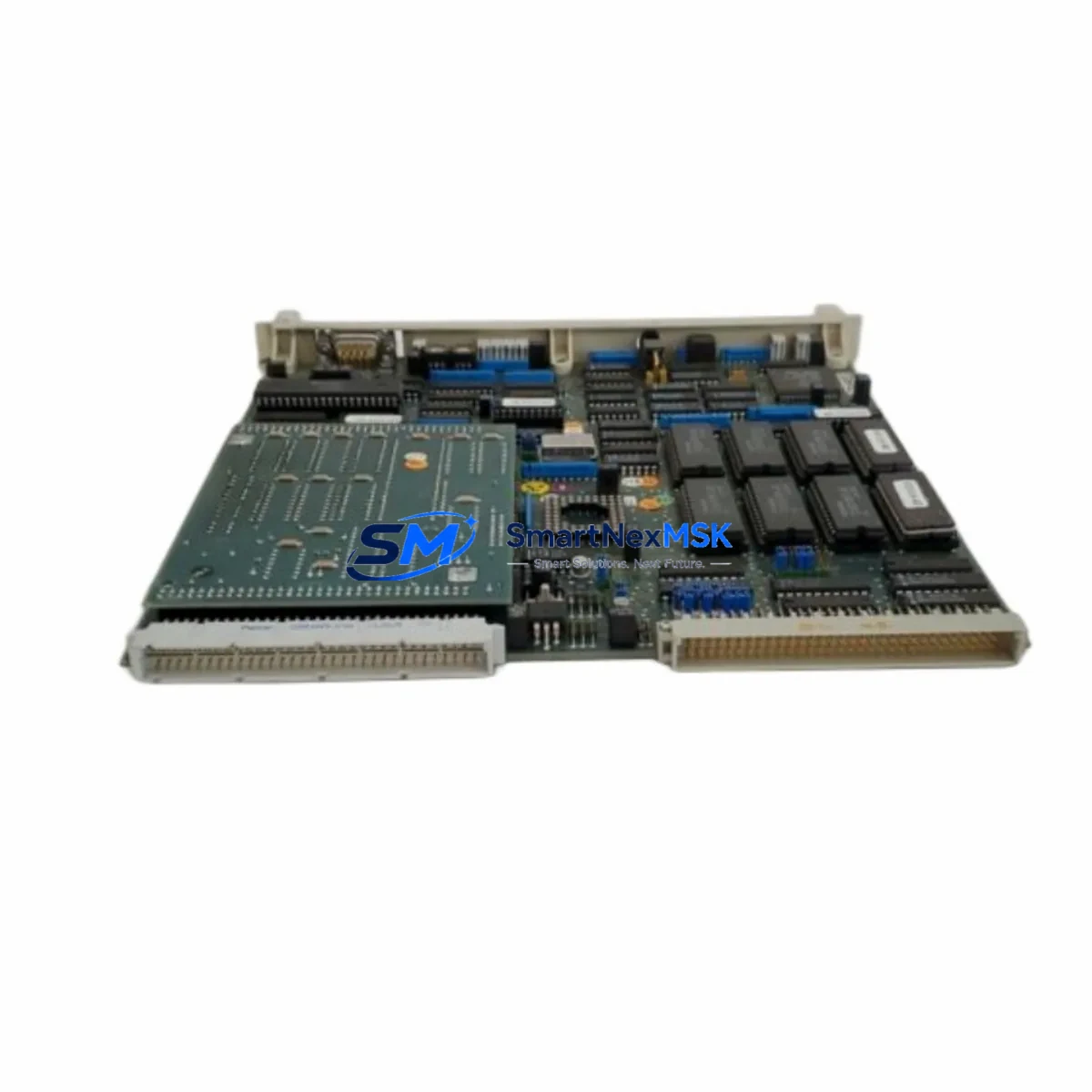
ABB DSCS140 57520001-EV Spare for MasterBus 300 DCS: Replacement & Downtime Control
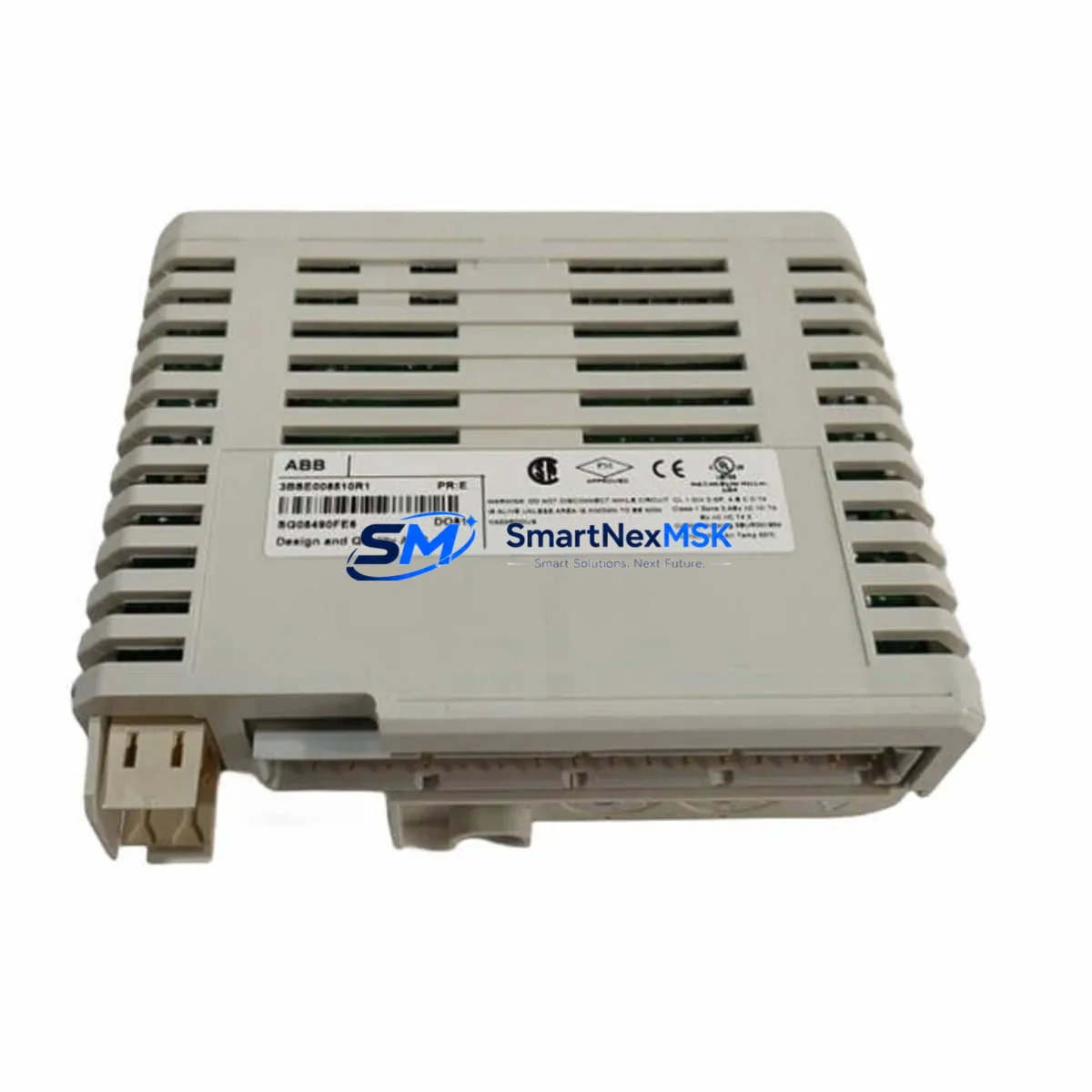
The ABB DSCS140 (57520001-EV) is a serial communication module designed for the Advant OCS MasterBus 300 distributed control system. In process-critical environments — petrochemical plants, power generation facilities, pulp and paper mills, and continuous manufacturing lines — the DSCS140 serves as the backbone of inter-node communication across the MasterBus 300 network. A failed or degraded DSCS140 can isolate an entire controller node from the supervisory layer, triggering unplanned shutdowns and cascading process alarms. Maintaining a verified spare on the shelf is the single most effective measure a maintenance team can take to protect uptime.
This listing supplies an original ABB DSCS140 57520001-EV, sourced from authorized industrial channels, individually tested before shipment, and covered by a 12-month warranty. Each unit is inspected for firmware revision compatibility, connector integrity, and communication signal quality prior to dispatch, ensuring it is ready for immediate installation without additional bench testing on site.
Spare Maintenance Table
| Parameter | Specification / Detail |
|---|---|
| Part Number | DSCS140 / 57520001-EV |
| Manufacturer | ABB (Asea Brown Boveri) |
| Series / Platform | Advant OCS — MasterBus 300 |
| Module Function | Serial Communication Interface for MasterBus 300 network |
| Compatible Controllers | AC 450, AC 410, AC 160 series nodes on MasterBus 300 |
| Communication Protocol | MasterBus 300 proprietary serial protocol |
| Mounting | Subrack / backplane slot — Advant OCS standard rack |
| Operating Voltage | Supplied via backplane (5 VDC / 24 VDC bus) |
| Operating Temperature | 0 °C to +55 °C (industrial panel environment) |
| Country of Origin | Germany |
| Condition | Original spare — tested before shipment |
| Warranty | 12 months from date of shipment |
| Lead Time | In-stock — ships within 2 business days |
| Compatibility Verification | Firmware revision and hardware variant confirmed prior to dispatch |
| Maintenance Recommendation | Replace at first sign of communication fault; keep one spare per active MasterBus 300 node |
Maintenance Planning for Continuous Operation
When a DSCS140 fault is identified during routine control cabinet inspection or triggered by a MasterBus 300 communication alarm, the replacement event should be treated as a broader system health checkpoint. Maintenance engineers should not limit their inspection to the failed module alone. The MasterBus 300 communication chain involves multiple interdependent components, and a degraded DSCS140 is frequently a symptom of upstream or downstream stress on the network.
Begin by verifying the 24 VDC backplane power supply — modules such as the DSPU110 or DSDP140 power distribution boards should be checked for output stability and ripple. A sagging backplane voltage is a common root cause of intermittent communication faults that initially appear as DSCS140 errors. Next, inspect the MasterBus 300 coaxial or twisted-pair trunk cable and its termination resistors; a damaged cable segment can cause reflections that stress the communication hardware of every node on the bus.
At the controller node level, the DSPC172 or DSPC110 processor module should be checked for active fault logs and memory integrity. If the DSCS140 replacement resolves the communication alarm but the processor continues to log soft errors, the processor module itself may be approaching end of service life. Similarly, the DSDI110A digital input modules and DSDO110 digital output modules in the same subrack should be visually inspected for discoloration, swollen capacitors, or loose connector pins — signs of thermal stress that often accompany communication module failures in aging cabinets.
For systems that include analog process signals, the DSAI130 analog input module and associated signal isolators in the marshalling cabinet should be verified for correct loop current and signal integrity. A noisy analog signal chain can introduce ground loops that propagate into the communication bus. Fuse holders and miniature circuit breakers protecting the 24 VDC instrument supply rail should also be tested for continuity and correct rating.
If the Advant OCS system interfaces with an operator station via an DSCS110 or similar gateway module, verify that the gateway’s communication parameters — baud rate, node address, and timeout settings — remain consistent with the replacement DSCS140’s factory defaults. Finally, review the DSTD110 or equivalent terminal board connections for corrosion or loose ferrules, particularly in humid or coastal industrial environments where contact resistance increases over time.
Proactive spare stocking for a MasterBus 300 system should include at minimum: one DSCS140 per active node, one spare processor module per controller type in service, and a set of I/O modules covering the highest-density input and output types deployed in the plant. This inventory posture reduces mean time to repair (MTTR) from days to hours and eliminates the risk of extended lead times on discontinued ABB Advant OCS hardware.
Site Replacement Workflow
Before removing the failed DSCS140, document the current node address and any DIP switch or jumper settings visible on the module face. Photograph the connector wiring if field terminations are present. Power down the affected subrack following the Advant OCS de-energization procedure — do not hot-swap the DSCS140 unless the system documentation explicitly permits it for your firmware revision.
Seat the replacement DSCS140 57520001-EV firmly into the backplane slot, ensuring the ejector levers are fully engaged. Restore power and observe the module status LEDs: a steady green RUN indicator and no active FAULT LED confirm successful initialization. From the operator station or engineering workstation, verify that the node reappears on the MasterBus 300 network map and that all associated I/O points return to scan.
If the system previously ran a legacy firmware version, confirm with your ABB system documentation whether the 57520001-EV hardware revision is backward-compatible. In most Advant OCS installations, the -EV suffix denotes an enhanced variant with improved EMC performance and is a direct drop-in replacement for earlier DSCS140 revisions. No software reconfiguration is typically required, which minimizes restart time and allows the process to resume within a single shift.
Log the replacement in the plant maintenance management system (CMMS) with the module serial number, installation date, and the failed unit’s observed fault mode. This record supports future reliability analysis and helps identify systemic issues — such as a recurring communication fault on a specific node — that may indicate a deeper infrastructure problem requiring engineering review.
Spare Parts Support FAQ
Q1: Is the DSCS140 57520001-EV still available as a new original spare, or only as refurbished stock?
This listing supplies original ABB DSCS140 57520001-EV units from industrial surplus and authorized distribution channels. Each unit undergoes functional testing before shipment. Where new old stock (NOS) is available, it is clearly identified. Refurbished units, if offered, are fully disclosed and carry the same 12-month warranty.
Q2: How do I verify compatibility with my specific Advant OCS controller revision before ordering?
Provide your controller node type (e.g., AC 450, AC 410), the existing DSCS140 hardware revision currently installed, and your MasterBus 300 firmware version. Our technical team will confirm compatibility before shipment. The 57520001-EV revision is compatible with the majority of MasterBus 300 installations produced between the mid-1990s and 2010s.
Q3: What testing is performed before the DSCS140 is shipped?
Each DSCS140 is powered up in a compatible Advant OCS test rack, communication initialization is verified, and the module is checked for correct LED status indication and error-free operation over a minimum test cycle. A test report is available upon request for critical plant applications.
Q4: What does the 12-month warranty cover, and what is the process if a unit fails after installation?
The 12-month warranty covers manufacturing defects and functional failures under normal operating conditions. If a unit fails within the warranty period, contact our support team with the order reference and a description of the fault. We will arrange a replacement shipment or issue a refund based on your preference. Warranty claims are typically resolved within 5 business days.
© 2026 SMARTNEXMSK. All rights reserved.
Original Source: https://smartnexmsk.com
Contact: [email protected] | +86 18259474341