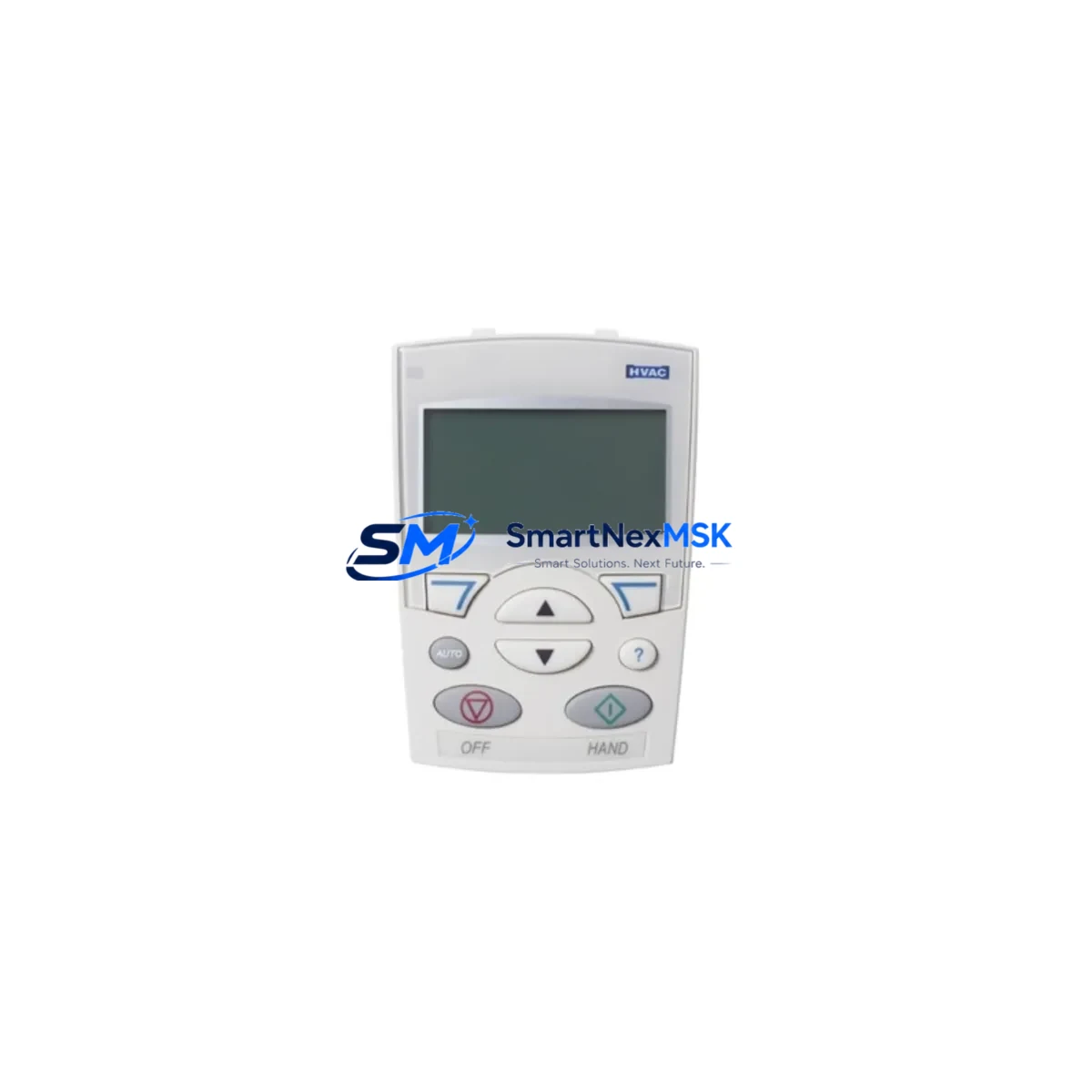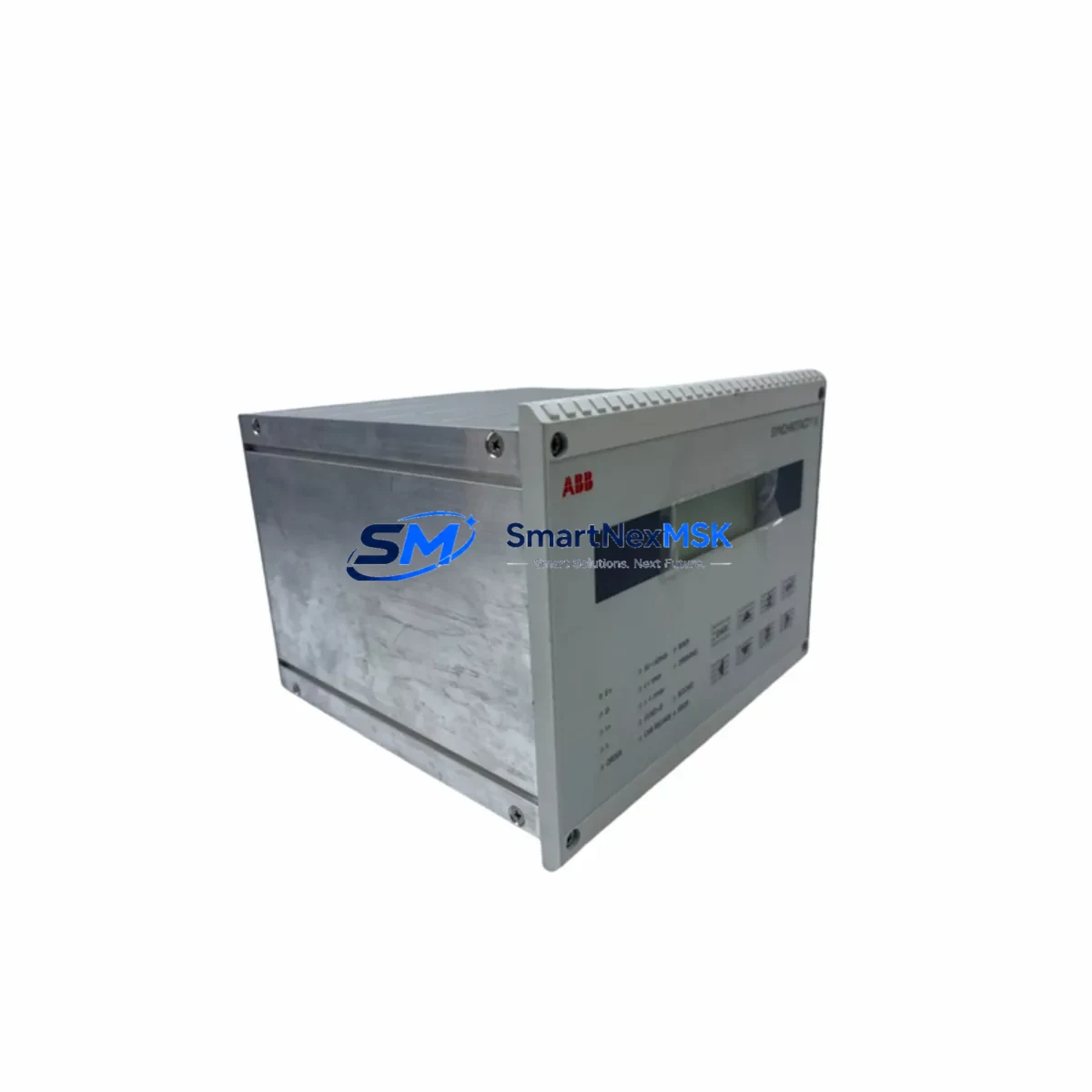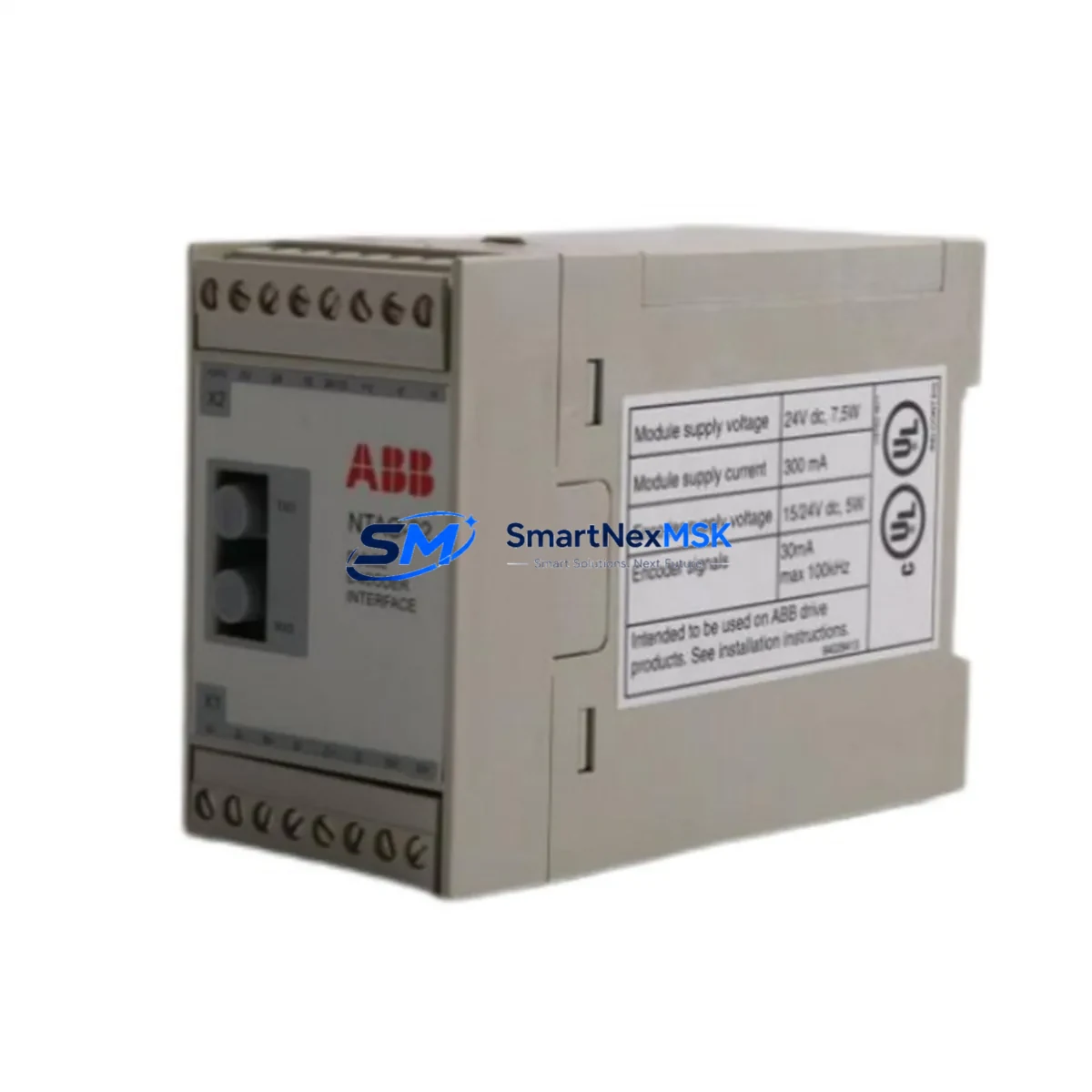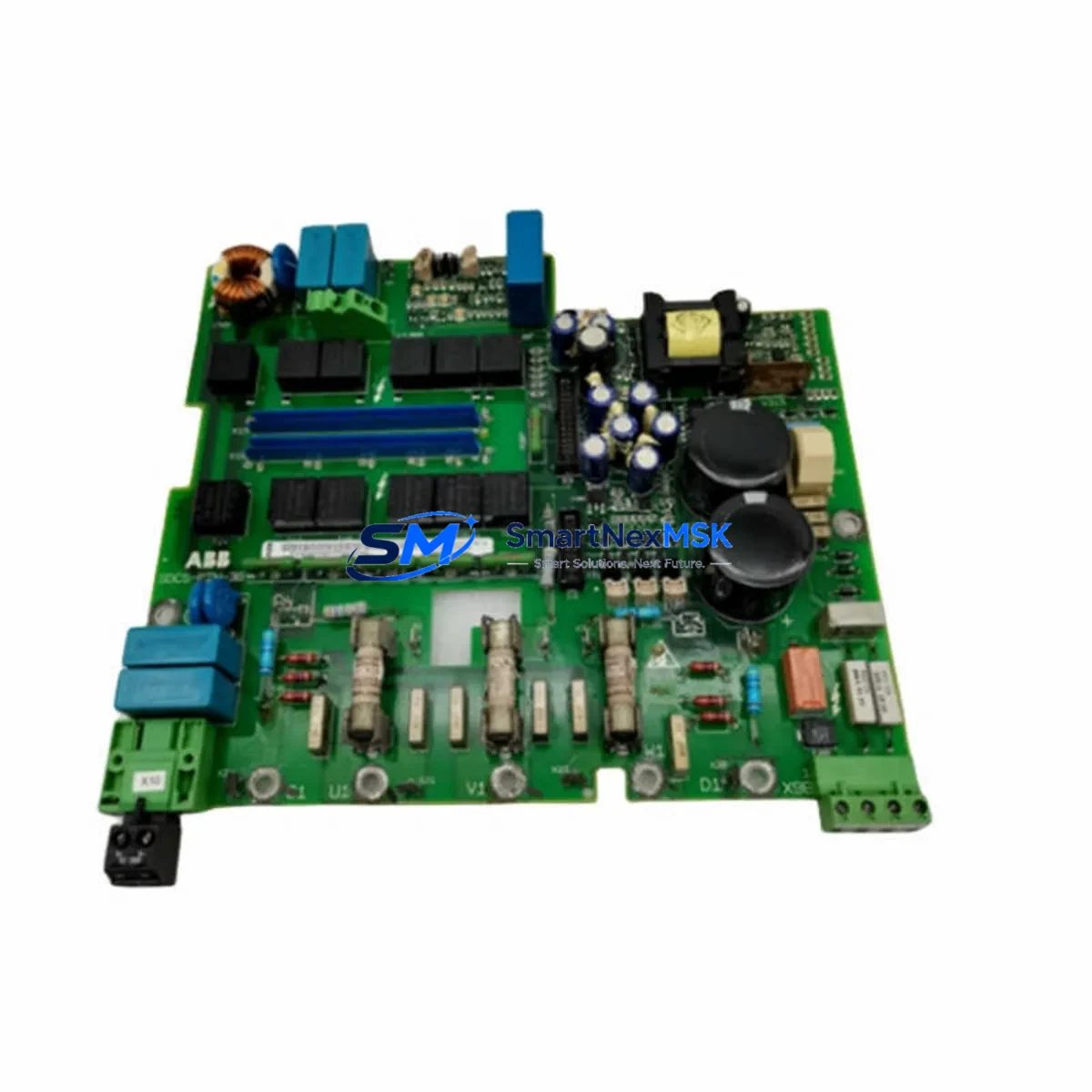
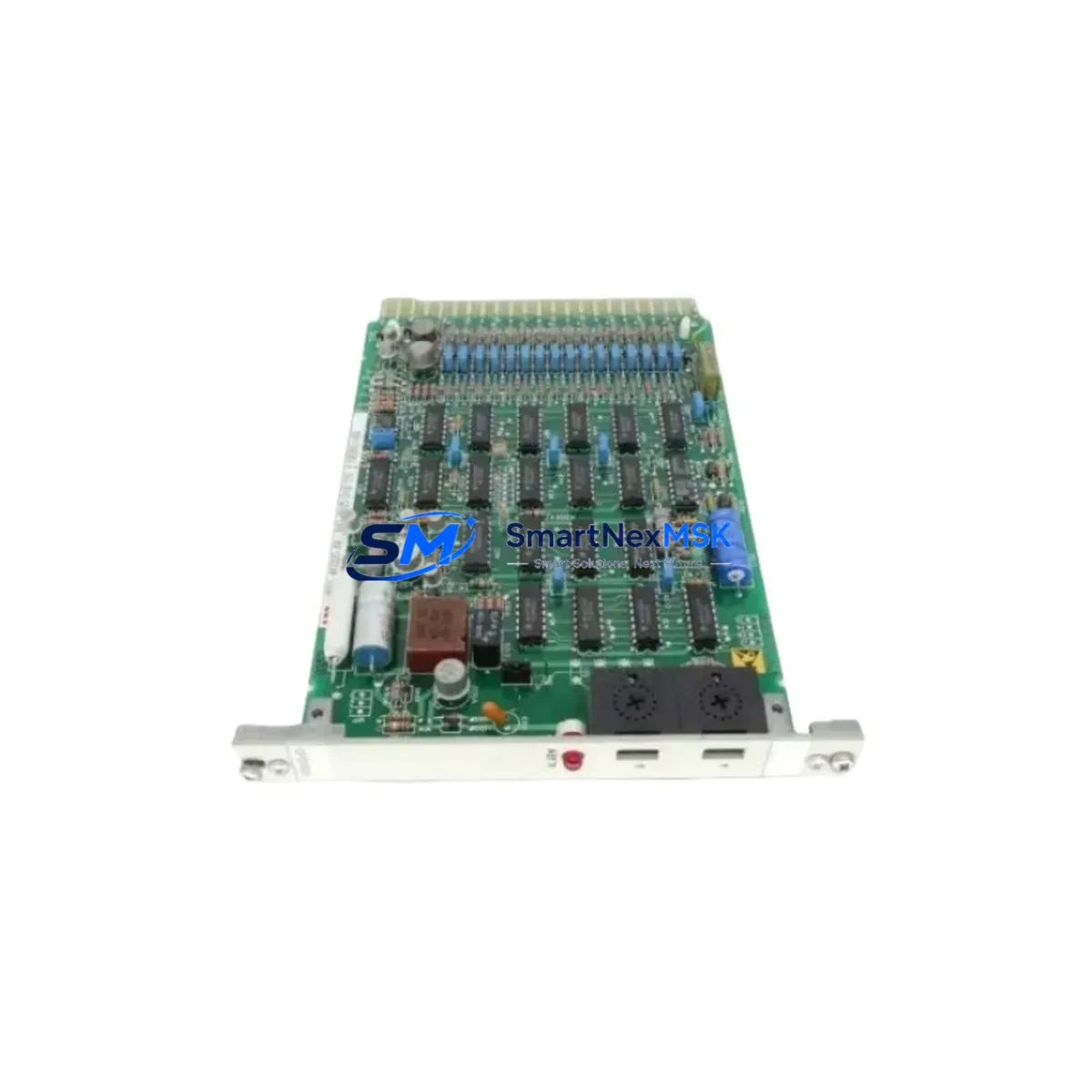
ABB HESG447440R001 Retrofit-Ready Bus Coupler for CS31 Control Systems
The ABB HESG447440R001 is a CS31 Bus Coupler Module engineered for seamless integration into legacy PROCONTIC automation architectures. As industrial facilities face increasing pressure to modernize aging distributed control systems without full-line shutdowns, the HESG447440R001 provides a verified, drop-in retrofit path that preserves existing field wiring, terminal layouts, and CS31 bus topology. Whether you are replacing a failed unit, upgrading a discontinued module, or migrating a control cabinet to a more maintainable platform, this coupler delivers the electrical and protocol compatibility required for a smooth transition.
The CS31 serial bus protocol, developed by ABB for the PROCONTIC T200 and T300 controller families, remains widely deployed across water treatment plants, packaging lines, material handling systems, and process automation cells. The HESG447440R001 acts as the critical interface between the CS31 bus master — typically an ABB HESG447440 or compatible CPU module — and the distributed I/O slave stations. Its role in the control architecture means that any replacement must be validated against the existing bus configuration, station addressing scheme, and cycle time parameters before commissioning.
Upgrade Compatibility Table
| Parameter | HESG447440R001 Specification | Retrofit Notes |
|---|---|---|
| Bus Protocol | ABB CS31 Serial Bus | Direct replacement for CS31-compatible couplers; no protocol conversion required |
| Mounting / Form Factor | DIN rail / backplane slot (PROCONTIC rack) | Verify rack slot pitch and backplane connector type before installation |
| Power Supply Requirement | 24 V DC (nominal) | Confirm existing PSU capacity covers module inrush; check ABB SSEL or SSEK power supply ratings |
| Station Address Configuration | Hardware DIP switch / rotary encoder | Record original address settings before removal; re-apply identical settings on replacement unit |
| Communication Compatibility | CS31 master–slave topology | Compatible with PROCONTIC T200/T300 CPU; verify firmware revision of bus master |
| I/O Expansion | Supports distributed digital and analog I/O slaves | Existing ABB DSDX110 or DSDO110 I/O modules remain fully compatible |
| Terminal Wiring | Screw-terminal field connections | Label and photograph all field wiring before disconnection; re-terminate per original drawing |
| HMI / SCADA Interface | Transparent to HMI layer | No HMI screen changes required; bus coupler is not directly addressed by SCADA |
| Programming Tool Compatibility | ABB Advant Builder / 907 PC tool | No program re-download required for like-for-like replacement |
| Warranty | 12-Month Warranty | Covers manufacturing defects; includes pre-shipment functional test |
Retrofit Planning for Existing Automation Systems
A successful retrofit begins well before the replacement module arrives on site. Engineers working with PROCONTIC-based control systems should start by auditing the full rack assembly. In a typical CS31 installation, the HESG447440R001 bus coupler shares the backplane with a PROCONTIC CPU module, one or more ABB SSEK or SSEL power supply modules, and potentially a communication gateway such as the HESG447440R0011 or a PROFIBUS DP interface card. Each of these components has interdependencies that must be understood before any module is removed.
Terminal wiring is the most time-sensitive task during a live-system retrofit. The CS31 bus coupler connects to field devices through a structured terminal block arrangement. Before disconnecting any wiring, technicians should capture a high-resolution photograph of the terminal strip, cross-reference it against the as-built wiring diagram, and tag each conductor. In systems where the original documentation is incomplete — a common situation in plants that have operated for 15 or more years — the terminal labeling on the HESG447440R001 itself provides a reliable reference for re-termination.
Station addressing is another critical checkpoint. The CS31 bus assigns each slave station a unique address, typically configured via rotary switches or DIP switches on the coupler or the associated I/O module. If the replacement HESG447440R001 is shipped with factory-default address settings, the bus master will fail to recognize the slave until the address is manually corrected. This step is frequently overlooked and is one of the leading causes of extended commissioning time during bus coupler replacements.
For systems that also include ABB DSDX110 digital input modules, DSDO110 digital output modules, or DSAI130 analog input cards connected downstream of the bus coupler, it is important to verify that the replacement coupler’s firmware is compatible with the slave module versions in the field. In most cases, the HESG447440R001 is backward-compatible with earlier I/O generations, but this should be confirmed against the system’s hardware revision matrix.
Where the control system includes an HMI panel — such as an ABB CP600 operator panel or a third-party SCADA workstation communicating via OPC — the bus coupler replacement is transparent at the HMI layer. The SCADA system addresses the CPU and I/O data points directly; the bus coupler is not a named node in the HMI configuration. This means that HMI screens, alarm setpoints, and trend configurations do not require modification during a like-for-like coupler replacement.
If the retrofit scope extends beyond a single module replacement to a broader platform migration — for example, moving from PROCONTIC T200 to an ABB AC500 or AC31 controller — the HESG447440R001 may serve as a transitional component during a phased cutover. In this scenario, the existing CS31 I/O infrastructure remains operational while the new CPU is commissioned in parallel, reducing the risk of a full-system outage. Programming cables such as the ABB TK501 or compatible USB-to-serial adapters are required for offline program backup before any hardware change is initiated.
Downtime Control During System Migration
Minimizing unplanned downtime is the primary operational concern during any bus coupler replacement. The HESG447440R001 supports a structured hot-swap preparation process that, when followed correctly, limits the control interruption to the time required for physical module exchange and address verification — typically 15 to 45 minutes for an experienced technician.
The recommended sequence is: (1) back up the CPU program using the ABB 907 PC programming tool or Advant Builder before touching any hardware; (2) place the CPU in STOP mode and confirm that all field outputs are in a safe de-energized state; (3) document and remove the bus coupler, noting the physical position of all DIP switches and rotary address encoders; (4) install the replacement HESG447440R001, configure the station address to match the original, and re-terminate all field wiring; (5) power up the module and verify CS31 bus communication via the CPU diagnostic LEDs or the programming tool’s online bus scan; (6) return the CPU to RUN mode and confirm that all I/O points are responding correctly before releasing the system to production.
For facilities that cannot tolerate even a brief control interruption, a cold-standby strategy is recommended: a pre-configured and pre-tested HESG447440R001 is kept in the maintenance store, with its station address pre-set to match the installed unit. This approach eliminates address configuration time during an emergency replacement and is consistent with best practices for critical infrastructure and continuous-process environments. All units supplied by SMARTNEXMSK are pre-shipment tested and shipped with a 12-month warranty, supporting this standby inventory strategy.
Retrofit Support FAQ
Q1: Is the HESG447440R001 a direct drop-in replacement for all CS31 bus couplers in the PROCONTIC range?
A: The HESG447440R001 is designed as a compatible replacement within the ABB CS31 / PROCONTIC ecosystem. For like-for-like substitution, the station address must be configured to match the original unit. If the original coupler carried a different part suffix (e.g., R0011 or R002), verify the hardware revision compatibility against your system’s documentation before installation. Our technical team can assist with cross-reference confirmation prior to shipment.
Q2: Do I need to re-download the PLC program after replacing the bus coupler?
A: In a like-for-like replacement where the station address is correctly set, no program re-download is required. The CPU retains its application program in non-volatile memory. However, it is strongly recommended to perform a full program backup using the ABB 907 PC tool or Advant Builder before any hardware intervention, as a precautionary measure against unexpected CPU behavior during power cycling.
Q3: What should I check if the CS31 bus fails to communicate after installing the replacement module?
A: The most common causes are incorrect station address settings, loose bus cable termination, and mismatched bus termination resistors at the end of the CS31 cable run. Verify the rotary address switches match the original configuration, confirm that the 120-ohm termination resistor is correctly installed at the last slave on the bus, and check the CPU’s bus diagnostic display for error codes. If the issue persists, our technical support team is available to assist with remote troubleshooting.
Q4: What does the 12-month warranty cover, and is pre-shipment testing included?
A: Every HESG447440R001 unit supplied by SMARTNEXMSK undergoes a pre-shipment functional test to verify bus communication, power consumption, and terminal integrity. The 12-month warranty covers manufacturing defects and functional failures under normal operating conditions. It does not cover damage resulting from incorrect installation, overvoltage, or environmental conditions outside the module’s rated specifications. Warranty claims are processed promptly, with replacement units dispatched within 3 business days of fault confirmation.
© 2026 SMARTNEXMSK. All rights reserved.
Original Source: https://smartnexmsk.com
Contact: [email protected] | +86 18259474341