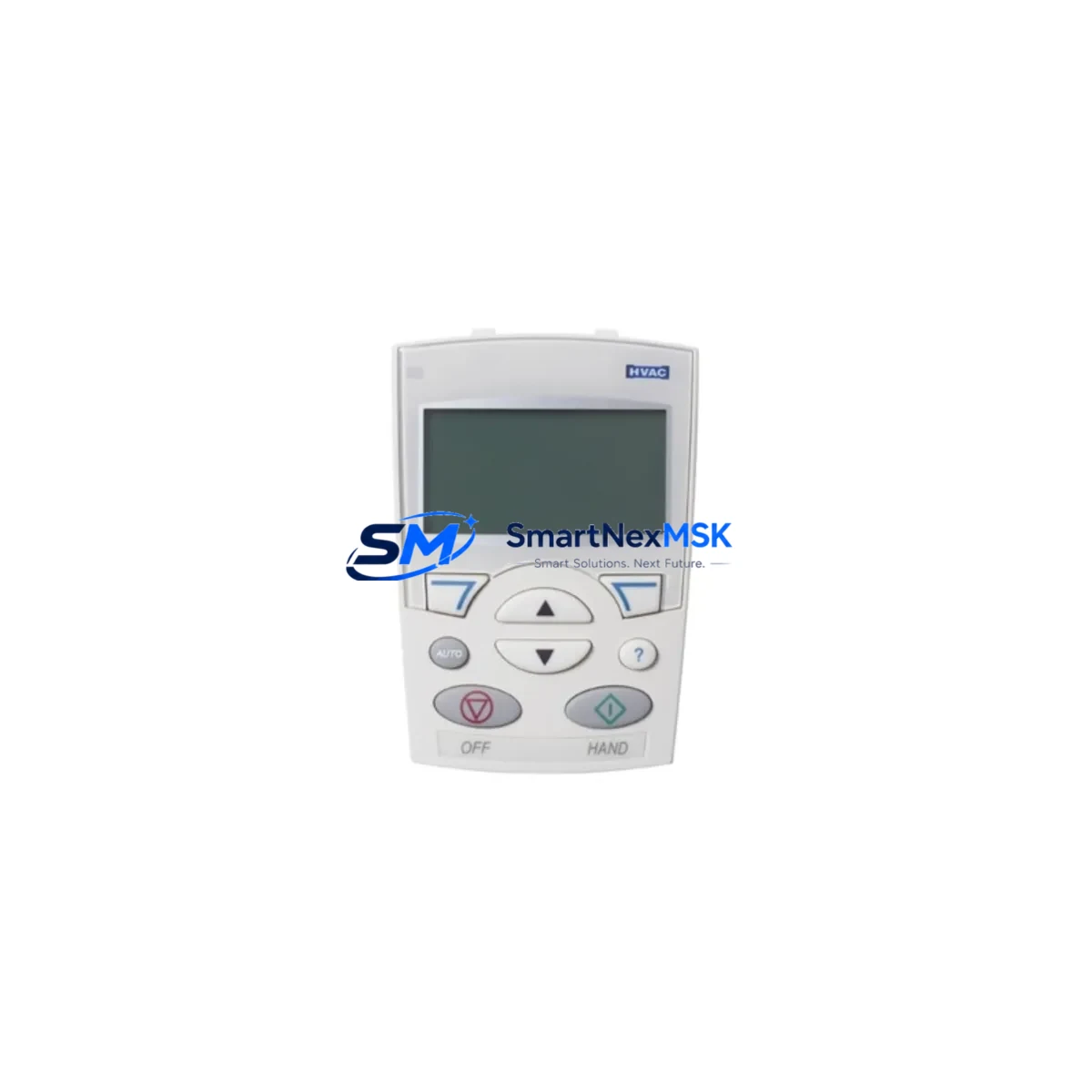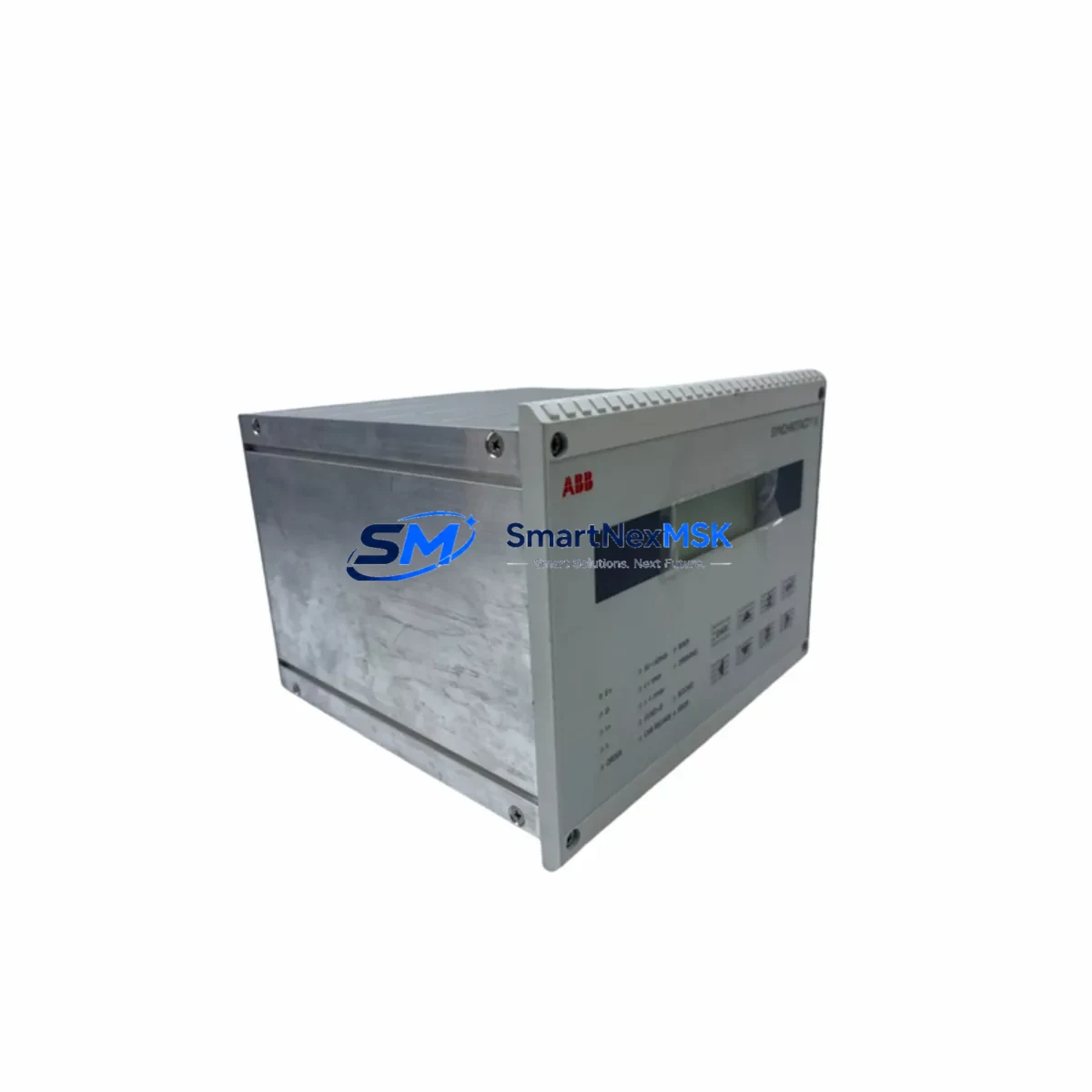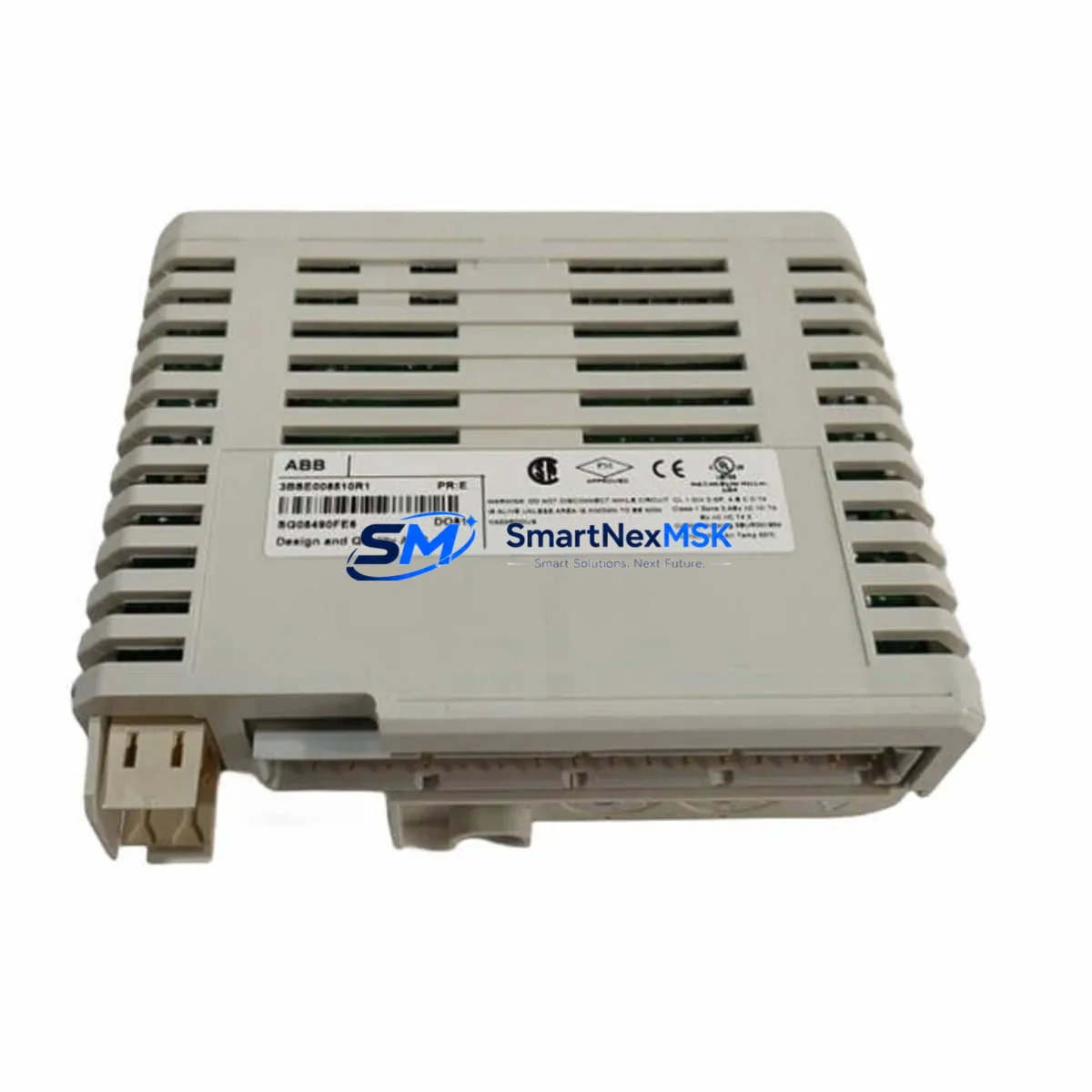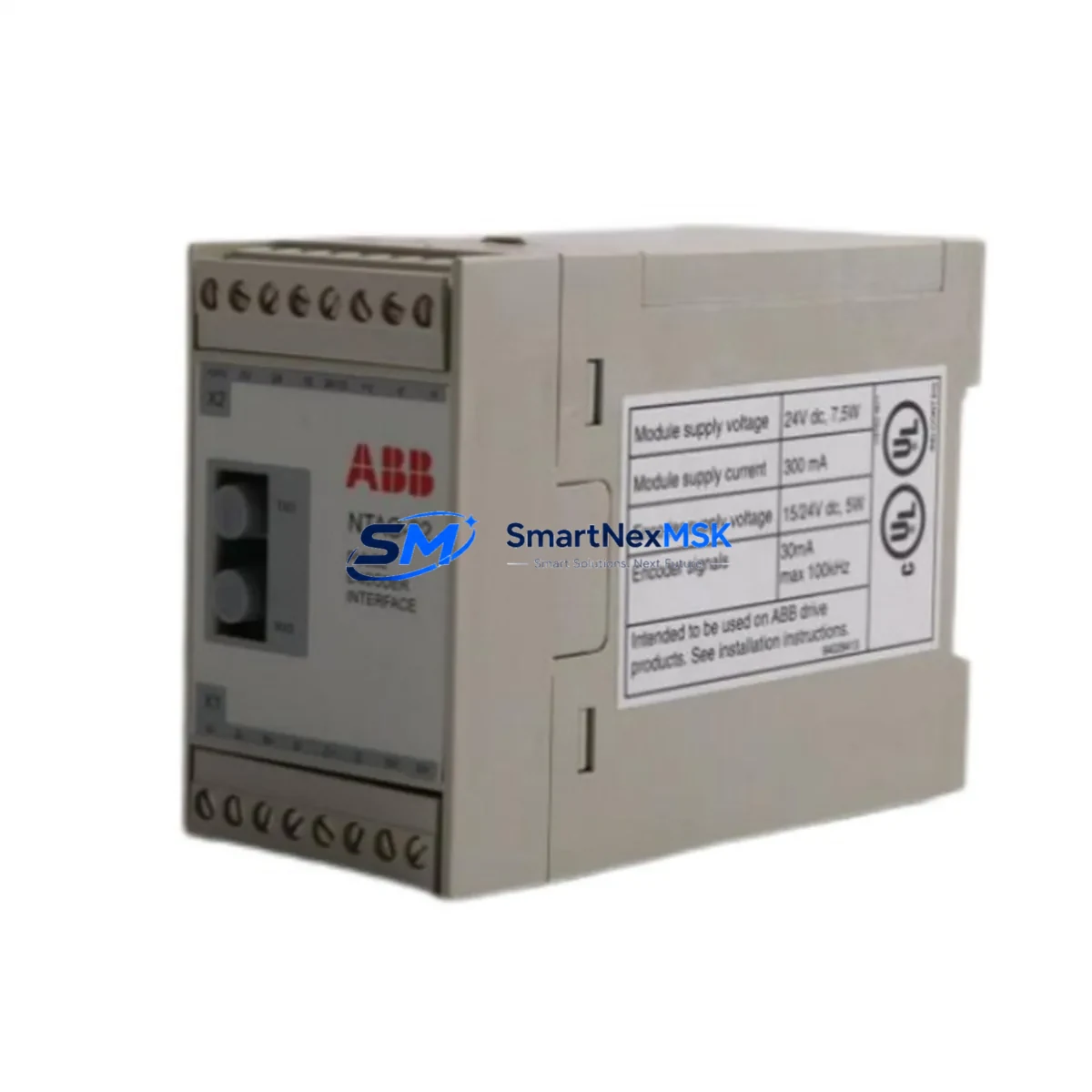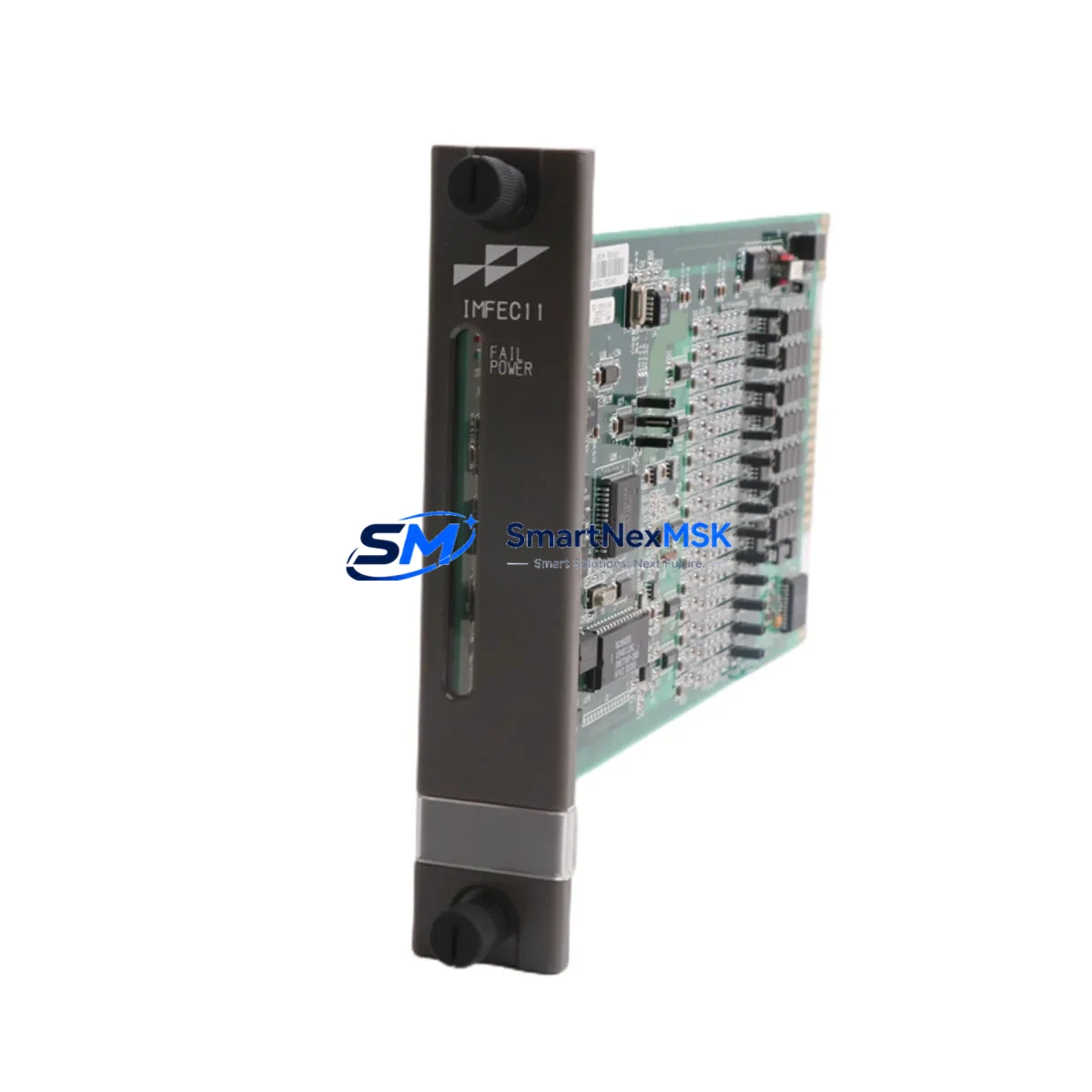
ABB IMFEC11 Retrofit-Ready Analog Input for Freelance DCS: Compatible Modernization & Smooth System Upgrade
The ABB IMFEC11 is an 8-channel, 4–20 mA, 16-bit resolution analog input module engineered for the ABB Freelance DCS control platform. Designed for direct rack-mount installation on the AC700F and AC800F controller backplanes, this module delivers high-accuracy process signal acquisition for legacy and modernized distributed control systems alike. Whether you are replacing a failed unit on an aging production line, upgrading a control cabinet to extend operational life, or migrating from an obsolete DCS architecture, the IMFEC11 provides a verified, drop-in compatible solution backed by a 12-month warranty and pre-shipment functional testing.
Industrial facilities running Freelance DCS installations frequently encounter the challenge of sourcing reliable replacement modules as original equipment reaches end-of-life. The IMFEC11 addresses this directly: it maintains full hardware and firmware compatibility with existing Freelance engineering stations, supports the standard PROFIBUS DP and HART communication layers used across the Freelance platform, and requires no modification to existing control logic or HMI tag databases when used as a like-for-like replacement.
Upgrade Compatibility Table
| Parameter | Specification / Recommendation |
|---|---|
| Module Type | 8-Channel Analog Input, 4–20 mA, 16-bit |
| Compatible Controllers | ABB AC700F, AC800F (Freelance DCS) |
| Backplane Interface | Standard Freelance I/O bus; direct slot replacement |
| Communication Protocol | PROFIBUS DP; HART pass-through supported |
| Installation Requirement | DIN-rail or rack-mount; no additional adapter required |
| Terminal Wiring | Compatible with existing field wiring; verify terminal block pitch before installation |
| Replacement Recommendation | Direct replacement for IMFEC11; verify firmware revision with engineering station |
| Commissioning Focus | Module address assignment, channel scaling verification, HART device re-recognition |
| Program Compatibility | Existing Control Builder F projects load without modification |
| Warranty | 12-Month Warranty | Pre-shipment functional test included |
Retrofit Planning for Existing Automation Systems
Successful retrofit of the IMFEC11 into an operating Freelance DCS environment requires systematic pre-installation planning. Begin by auditing the existing control cabinet layout: confirm that the target rack slot is physically compatible and that the AC700F or AC800F controller has sufficient I/O bus capacity to recognize the replacement module without requiring a full system restart. In multi-rack configurations, the IMFEC11 shares the same bus addressing scheme as other Freelance I/O modules, so module address conflicts must be resolved before powering up the new unit.
Power supply capacity is a critical checkpoint. The Freelance DCS power supply modules — such as the SD802F or equivalent 24 VDC rail-mount units — must be verified to provide adequate current headroom after the IMFEC11 is added or swapped. Overloaded power rails are a common cause of intermittent module faults in retrofit projects and should be measured under full load before commissioning.
Field wiring termination is the next priority. The IMFEC11 uses a standard screw-terminal field termination unit; confirm that the existing FTU (field termination unit) or marshalling cabinet wiring matches the channel-to-terminal mapping documented in the original loop drawings. In older installations, wiring labels may not match current documentation — a point-to-point continuity check is strongly recommended before energizing field loops.
For facilities also upgrading communication infrastructure, the IMFEC11 supports HART protocol pass-through, enabling integration with HART-capable asset management systems without replacing field instruments. If the migration path includes moving from PROFIBUS DP to a higher-level network such as PROFINET or Modbus TCP, a communication gateway module will be required alongside the IMFEC11 to bridge protocol layers — a common requirement when integrating Freelance DCS islands into a plant-wide SCADA or MES architecture.
I/O expansion projects often pair the IMFEC11 with complementary modules from the Freelance I/O family. Analog output modules such as the IMFEC12, digital input modules like the IMFED11, and digital output modules such as the IMFED12 are frequently installed in the same retrofit scope to modernize an entire control loop. For projects requiring thermocouple or RTD inputs, the IMFEC21 temperature input module is a natural companion. Backplane and rack assemblies — including the TB820V2 I/O bus extender and the TP830 termination panel — may also need replacement if the existing hardware shows signs of connector wear or corrosion.
HMI compatibility should be confirmed early in the retrofit plan. Existing ABB Freelance HMI screens built in Control Builder F or linked to an 800xA system will continue to display correctly after an IMFEC11 swap, provided that tag names and channel assignments remain unchanged. If the retrofit involves re-addressing modules or restructuring the I/O tree, HMI tag re-mapping will be required and should be scheduled as a discrete commissioning task.
Downtime Control During System Migration
Minimizing production downtime during an IMFEC11 replacement is achievable with disciplined pre-staging and a structured hot-swap or cold-swap procedure. For Freelance DCS systems that support redundant I/O configurations, the replacement module can be pre-configured offline using Control Builder F, loaded with the correct module parameters, and staged for installation before the maintenance window begins. This approach reduces in-window commissioning time to physical installation, address verification, and a channel-by-channel signal check — typically achievable within a two-hour planned outage.
For non-redundant installations, the recommended approach is to export and archive the current Control Builder F project before any hardware change. This preserves the original program logic, module configuration, and HMI tag structure as a recovery baseline. If the replacement module requires a firmware update to match the controller revision, this should be performed on the bench prior to installation to avoid consuming maintenance window time.
Field loop integrity should be verified channel by channel after installation using a loop calibrator to inject a known 4–20 mA signal and confirm that the engineering station displays the correct process value. HART device communication should be re-established through the HART handheld communicator or the asset management system before returning the loop to automatic control. Document all as-found and as-left readings to support future maintenance records and regulatory compliance requirements.
For large-scale migrations involving multiple racks or controller upgrades — for example, transitioning from an AC700F to an AC800F platform — a phased approach is strongly recommended. Migrate one rack or one process unit at a time, verify stable operation, and then proceed to the next segment. This strategy protects overall plant control continuity and limits the blast radius of any commissioning issue to a single process area.
Retrofit Support FAQ
Q1: Is the IMFEC11 a direct drop-in replacement for a failed module in my existing Freelance DCS rack?
Yes. The IMFEC11 is designed for direct slot replacement in AC700F and AC800F racks. No hardware adapters or backplane modifications are required. Verify that the firmware revision of the replacement module is compatible with your controller firmware version using the ABB Freelance compatibility matrix before installation.
Q2: Will my existing Control Builder F program and HMI screens work without modification after replacing the IMFEC11?
In a like-for-like replacement where module address and channel assignments remain unchanged, existing Control Builder F projects and HMI tag databases will function without modification. If module addressing or I/O tree structure changes are required as part of a broader upgrade, plan for a controlled re-download of the affected controller segment and HMI tag re-mapping.
Q3: How do I verify field wiring compatibility before installing the IMFEC11?
Confirm that the existing field termination unit (FTU) or terminal block wiring matches the IMFEC11 channel-to-terminal mapping. Perform a point-to-point continuity check on all field loops before energizing. For HART-enabled instruments, verify that the HART communication path is intact by connecting a HART handheld communicator to the loop before and after module installation.
Q4: What does the 12-month warranty cover, and is pre-shipment testing included?
Every IMFEC11 unit is functionally tested prior to shipment to verify analog input accuracy, channel isolation, and communication interface integrity. The 12-month warranty covers hardware defects and functional failures under normal operating conditions. Units are shipped with test records available upon request. Contact our technical team for warranty claims or commissioning support.
© 2026 SMARTNEXMSK. All rights reserved.
Original Source: https://smartnexmsk.com
Contact: [email protected] | +86 18259474341