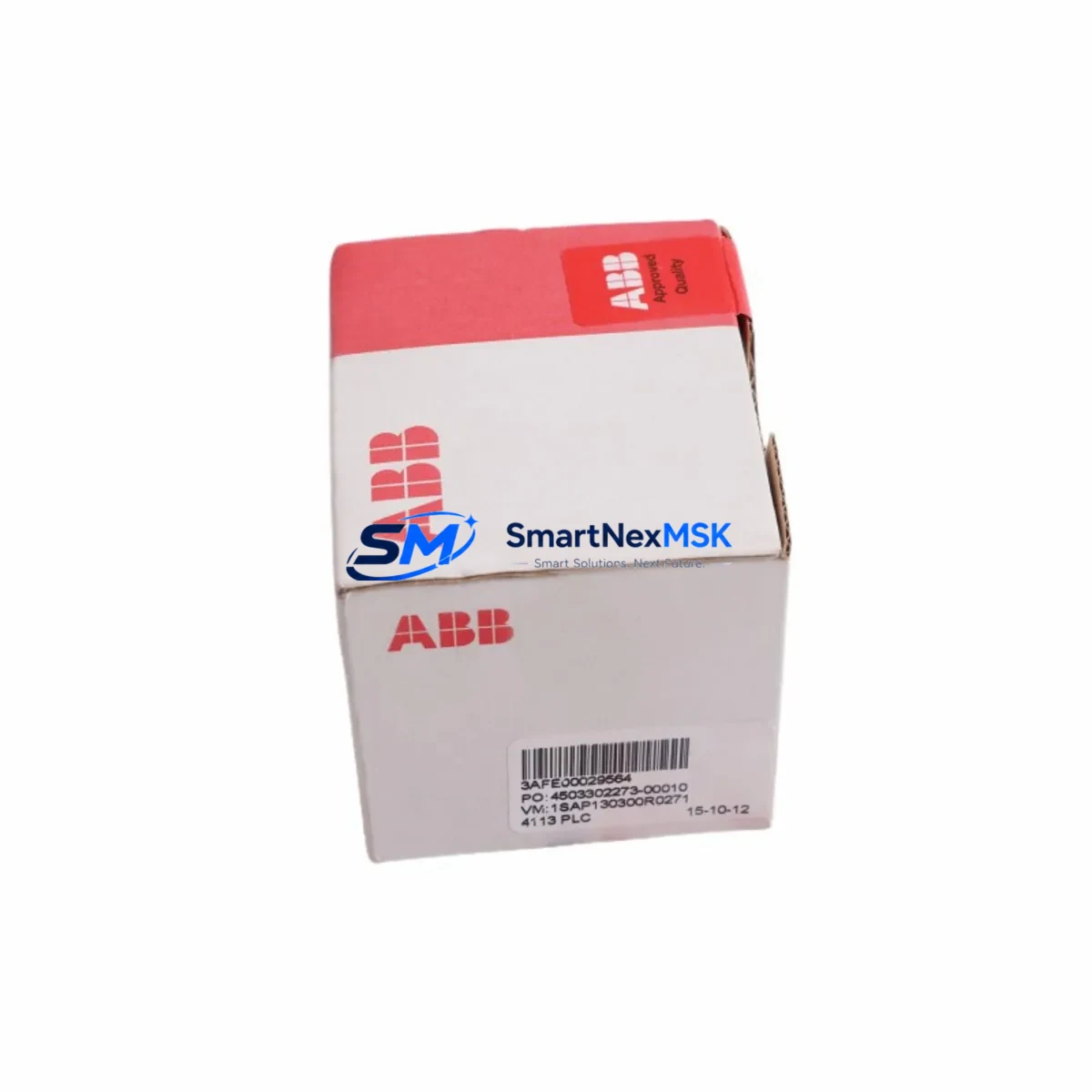
ABB PM573-ETH Retrofit-Ready CPU for AC500 Control Systems
The ABB PM573-ETH is a high-performance CPU module designed for the AC500 PLC platform, offering seamless integration into both new installations and legacy system retrofits. With onboard Ethernet connectivity, this module supports MODBUS TCP, FTP, and web server functions natively, making it an ideal drop-in replacement for aging AC500 controllers where communication modernization is a priority. Whether you are upgrading a discontinued PM554 or PM564 series CPU, migrating from a serial-based communication architecture, or expanding I/O capacity in an existing control cabinet, the PM573-ETH delivers the processing power and protocol flexibility required for today’s industrial environments.
Sourced from verified supply channels and fully tested prior to shipment, each PM573-ETH unit is backed by a 12-month warranty covering hardware defects and functional failures. Stock is maintained for rapid dispatch, minimizing procurement lead times for urgent retrofit and emergency replacement scenarios.
Upgrade Compatibility Table
| Parameter | PM573-ETH | Retrofit Notes |
|---|---|---|
| Backplane Interface | AC500 standard backplane bus | Compatible with TB521, TB541, TB561 terminal bases; verify slot addressing |
| Communication Ports | 1× Ethernet RJ45, 2× COM (RS-232/RS-485) | Replaces serial-only CPUs; COM ports retain legacy MODBUS RTU links |
| Replacing Discontinued Models | PM554, PM564, PM571, PM572 | Program re-compilation required; I/O mapping must be verified in PS501 Control Builder |
| Power Supply Compatibility | 24 VDC via terminal base | Confirm CP600 or CP400 power supply output capacity ≥ system load |
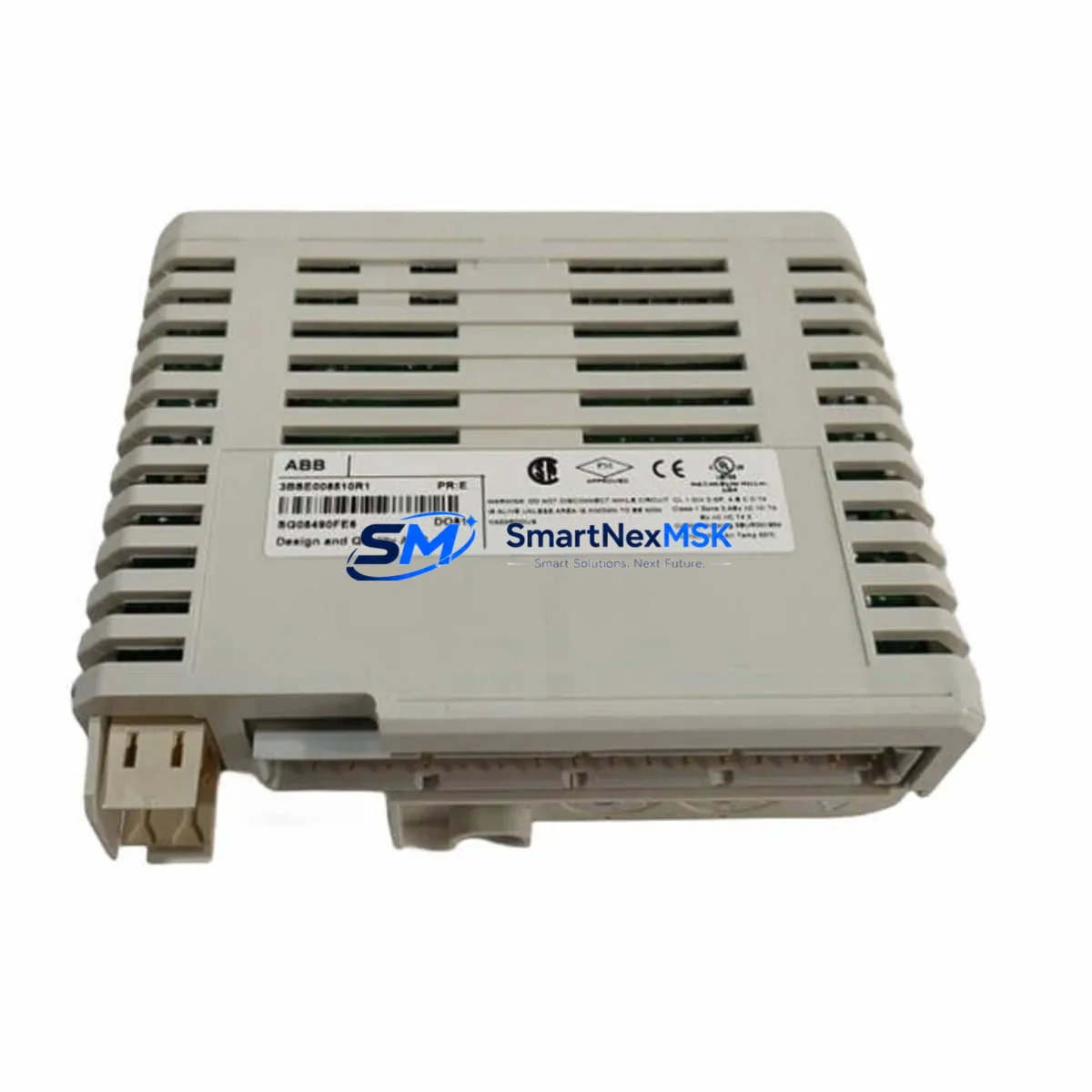
| I/O Expansion | Up to 10 expansion modules via S500 I/O bus | DI581, DO581, AI531, AO531 modules retain existing wiring |
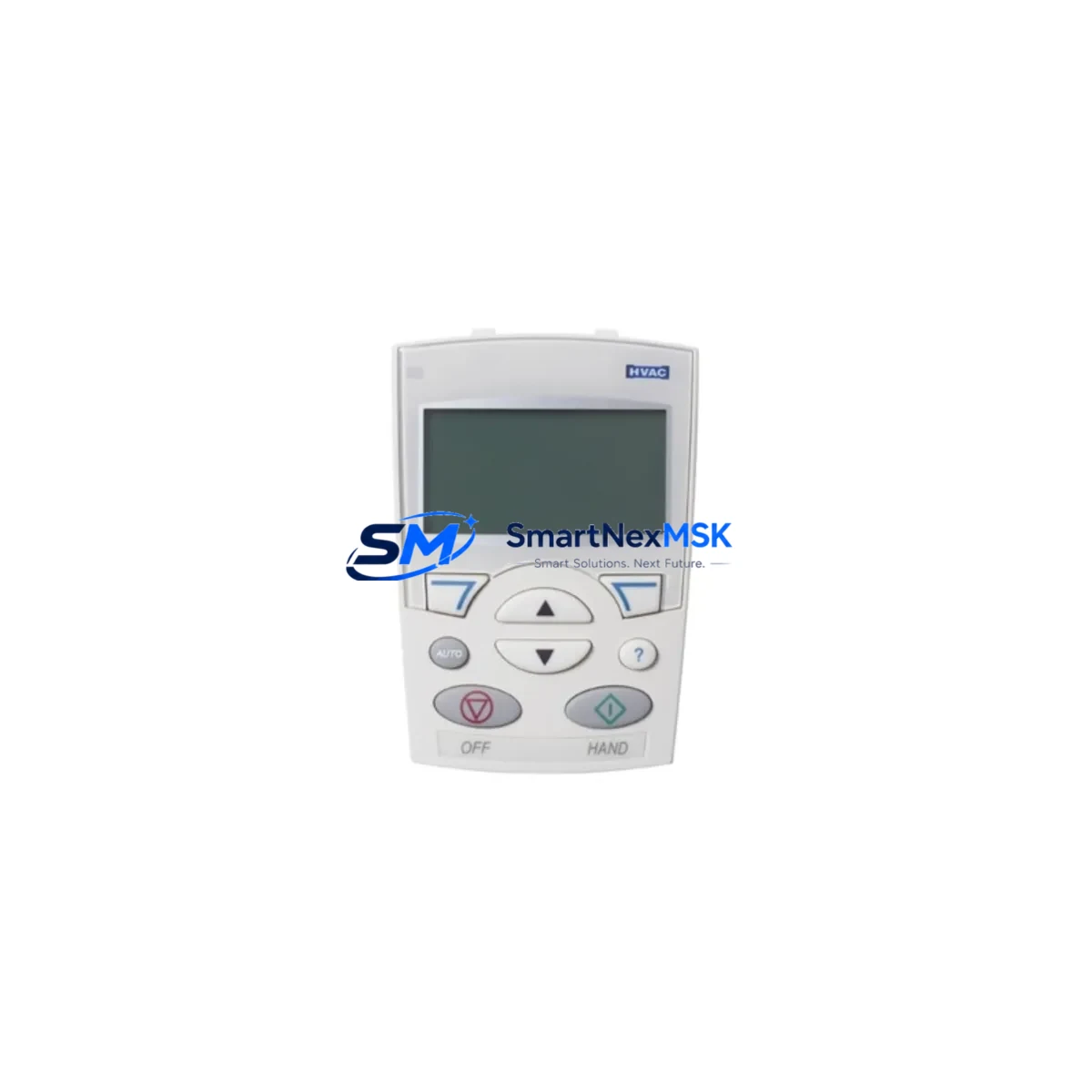
| HMI Connectivity | Ethernet or COM port | CP600 and CP400 HMI panels connect via Ethernet; update IP settings in HMI project |
| Programming Environment | PS501 Control Builder Plus | Import existing project; recompile and verify variable mapping before download |
| Installation Format | DIN rail via TB521/TB541 terminal base | No mechanical modification required for same-series terminal base swap |
| Warranty | 12-Month Hardware Warranty — covers functional defects, DOA replacement, and post-installation failures | |
Retrofit Planning for Existing Automation Systems
A successful PM573-ETH retrofit begins with a thorough audit of the existing control cabinet. Engineers should document the current CPU model, terminal base type, and all connected I/O modules before initiating any hardware swap. In most AC500 installations, the TB521-ETH or TB541 terminal base can be retained without modification, allowing the PM573-ETH to slot directly into the existing mechanical footprint.
Power budget verification is a critical pre-installation step. The system’s CP604 or CP607 power supply module must be confirmed to supply sufficient current for the PM573-ETH plus all connected S500 I/O modules. Expansion modules such as the DI581-S digital input module, DO581-S digital output module, AI531 analog input module, and AO531 analog output module each draw defined current from the backplane bus; the total load must remain within the power supply’s rated output.
For installations where the legacy CPU communicated via RS-485 MODBUS RTU to field devices or remote I/O, the PM573-ETH’s dual COM ports allow these links to be preserved without rewiring. Simultaneously, the onboard Ethernet port enables the addition of a CM589-PNIO PROFINET communication module or direct SCADA connectivity via MODBUS TCP, supporting protocol migration without disrupting existing field wiring.
HMI integration requires attention during the retrofit. Existing CP600 Pro HMI panels or CP400 operator panels connected via serial link should be reconfigured to use Ethernet communication where possible, taking advantage of the PM573-ETH’s native TCP/IP stack. HMI project variable bindings must be reviewed and updated to match any changes in the PLC program’s variable structure following recompilation in PS501 Control Builder Plus.
Where the retrofit involves expanding I/O capacity — a common requirement in production line upgrades — the PM573-ETH supports up to ten S500 I/O modules on the local bus. Additional remote I/O can be addressed via the DC532 communication interface module or through PROFIBUS DP using the CM572-DP communication module, enabling distributed I/O architectures without replacing the entire control platform.
All wiring terminations at the TB521 or TB541 terminal base remain unchanged during a same-series CPU swap, significantly reducing retrofit labor time and the risk of wiring errors. Field technicians should label all terminal connections before removal and photograph the existing wiring layout as a reference during reassembly.
Downtime Control During System Migration
Minimizing production downtime during a CPU replacement requires careful pre-staging and a structured cutover procedure. Before the maintenance window opens, the replacement PM573-ETH should be pre-configured offline: the existing PLC program should be exported from the current CPU using PS501 Control Builder Plus, recompiled for the PM573-ETH target, and verified in simulation mode to confirm logic integrity and I/O address mapping.
During the cutover, the sequence should follow a defined order: isolate the control cabinet from field power, remove the legacy CPU from the terminal base, install the PM573-ETH, restore power, download the pre-compiled program, and perform a controlled I/O force test before returning the system to automatic mode. This structured approach typically reduces active downtime to under two hours for standard AC500 installations.
Where continuous process control is required, consider implementing a parallel run strategy: install the PM573-ETH in a secondary rack with mirrored I/O connections and validate program execution against the live system before performing the final switchover. This approach is particularly effective in applications where the CM589-PNIO or CM572-DP communication modules are used for distributed I/O, as network topology changes can be validated without interrupting field device communication.
Post-installation, all communication links — including MODBUS TCP connections to SCADA systems, serial links to field instruments, and Ethernet connections to CP600 HMI panels — should be verified sequentially. A structured commissioning checklist covering each I/O point, communication channel, and HMI screen ensures that the retrofit is complete and the system is ready for production handover.
Retrofit Support FAQ
Q: Is the PM573-ETH a direct drop-in replacement for the PM564-ETH?
A: The PM573-ETH is mechanically compatible with the same TB521 and TB541 terminal bases used by the PM564-ETH and installs without cabinet modification. However, the program must be recompiled in PS501 Control Builder Plus for the PM573-ETH target hardware, as firmware differences between generations require a fresh build. I/O variable mapping and communication settings should be verified before the first program download.
Q: What pre-shipment testing is performed on each PM573-ETH unit?
A: Every PM573-ETH unit undergoes functional power-on testing, Ethernet port verification, and COM port communication checks before dispatch. Units are inspected for physical integrity and packaged in anti-static protection. Each shipment includes a test record confirming the unit passed pre-delivery verification. The 12-month warranty covers any hardware defect or functional failure identified after installation.
Q: How do I verify wiring compatibility before replacing the CPU?
A: The PM573-ETH uses the standard AC500 terminal base connector, so all field wiring at the TB521 or TB541 terminal base remains unchanged. Before the swap, document the existing I/O module addresses and confirm that the replacement CPU’s I/O configuration in PS501 matches the physical module layout. Pay particular attention to analog module scaling parameters in AI531 and AO531 modules, as these are stored in the CPU program and must be preserved during recompilation.
Q: Can the PM573-ETH communicate with third-party SCADA systems and legacy serial devices simultaneously?
A: Yes. The PM573-ETH supports concurrent MODBUS TCP communication via its Ethernet port and MODBUS RTU or custom serial protocols via its two COM ports. This allows the module to maintain existing RS-485 links to legacy field instruments while simultaneously connecting to modern SCADA platforms or MES systems over Ethernet, making it well-suited for phased migration projects where not all field devices are upgraded at once.
© 2026 SMARTNEXMSK. All rights reserved.
Original Source: https://smartnexmsk.com
Contact: [email protected] | +86 18259474341