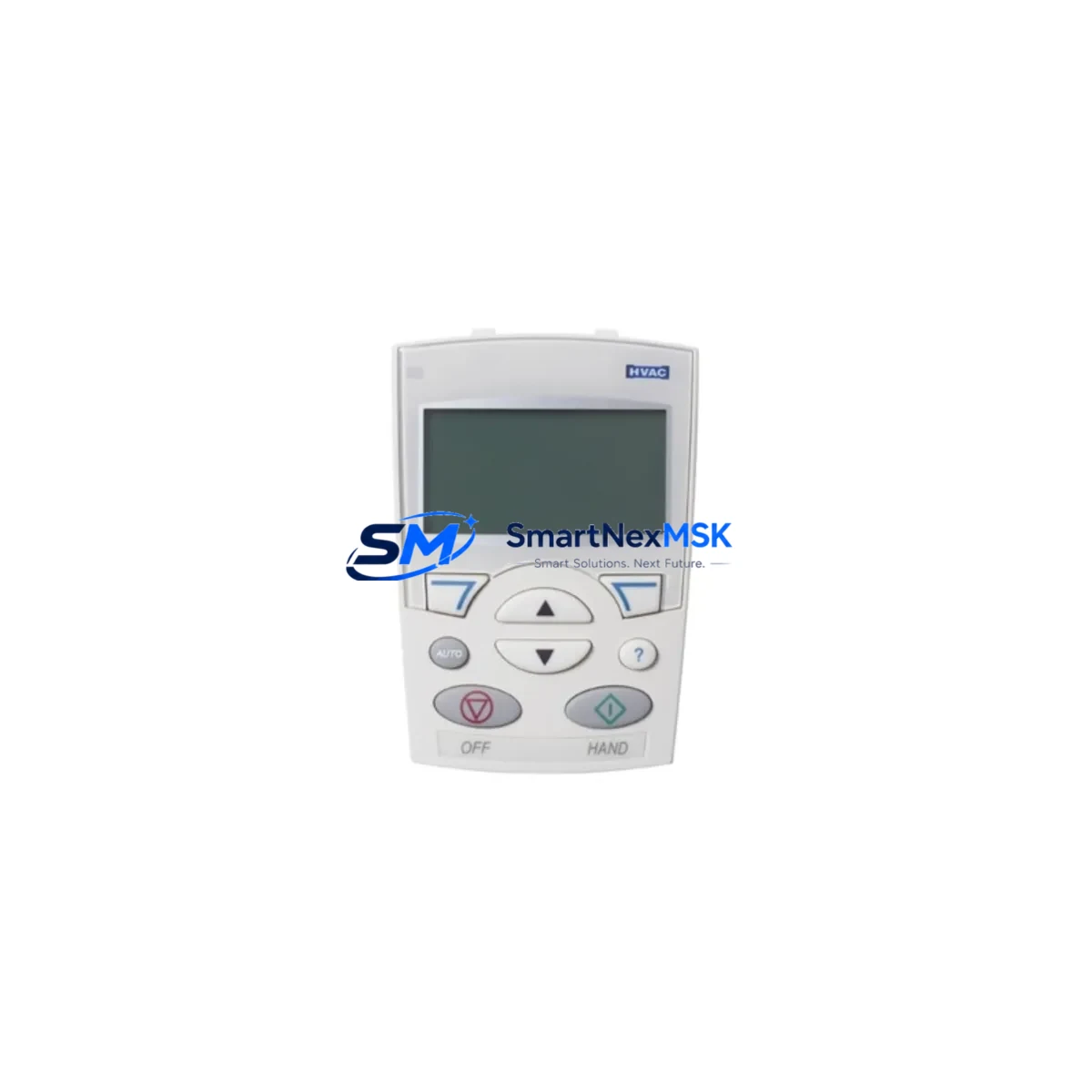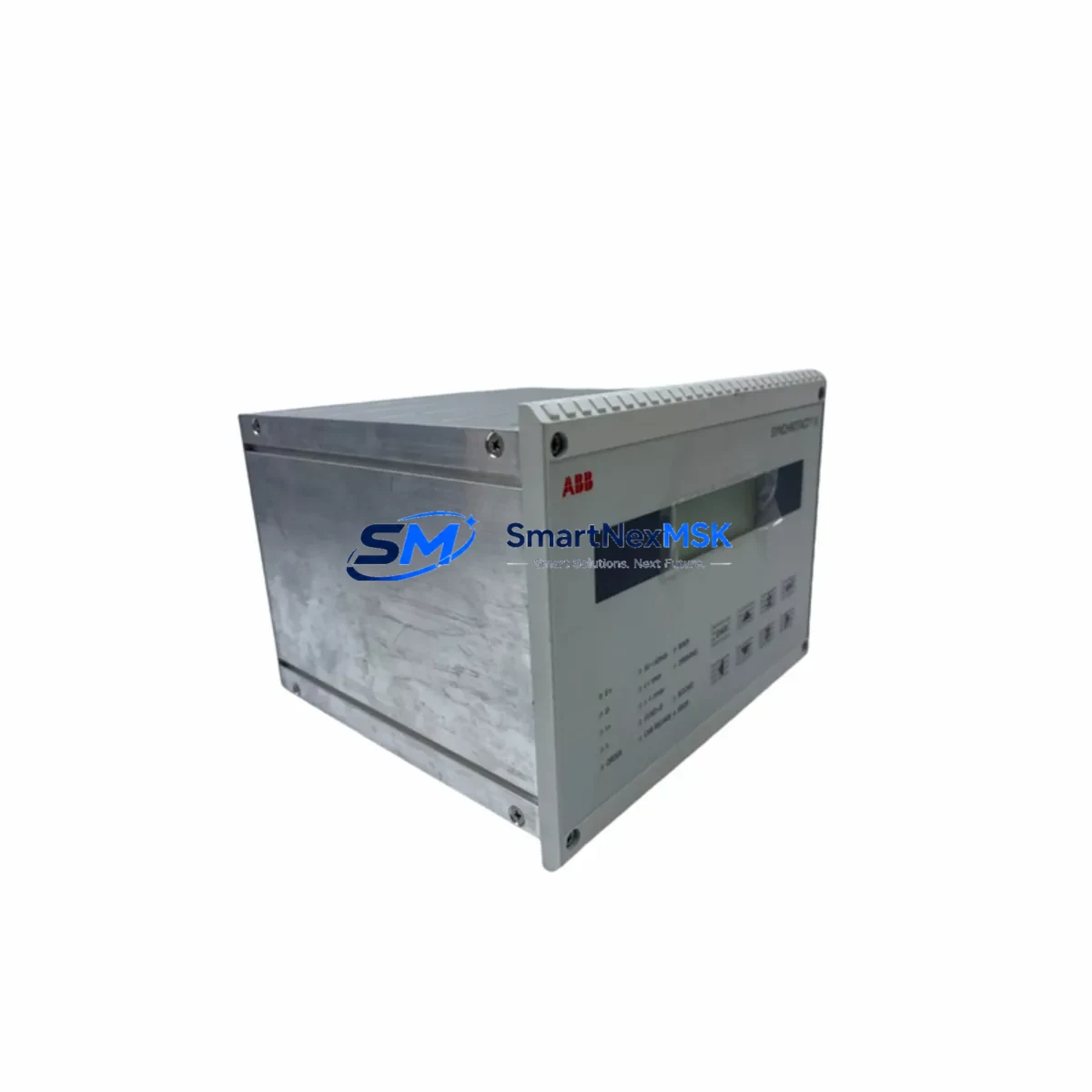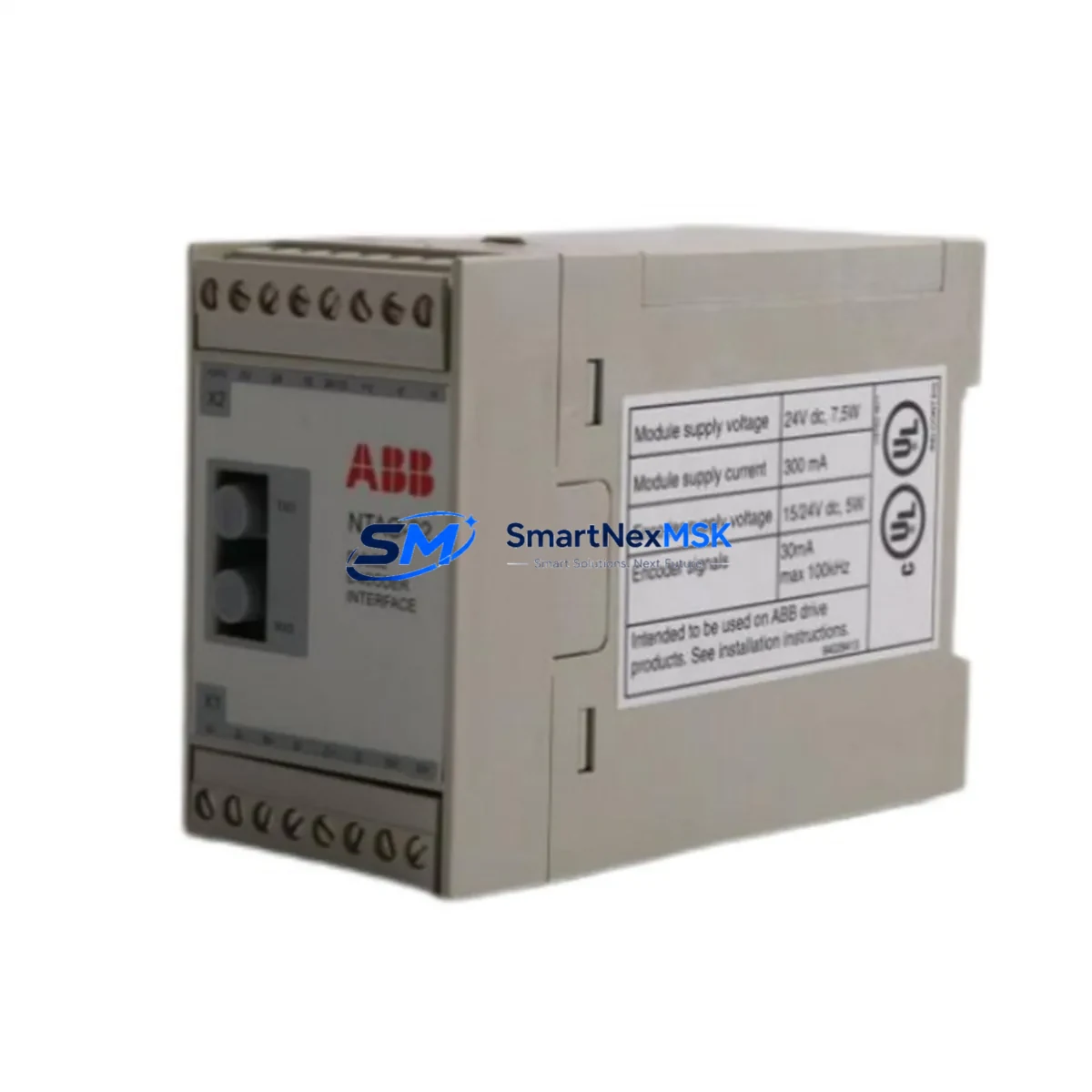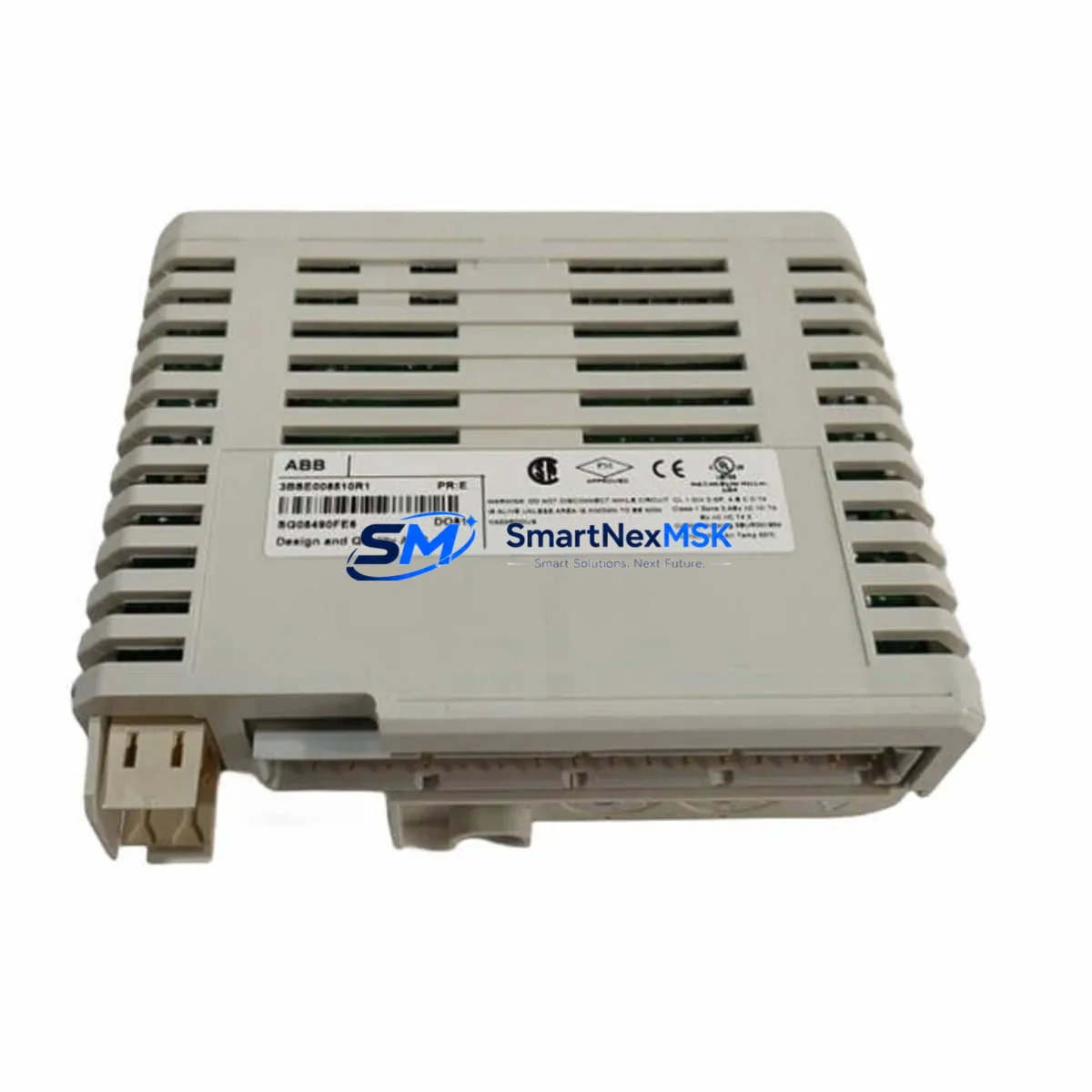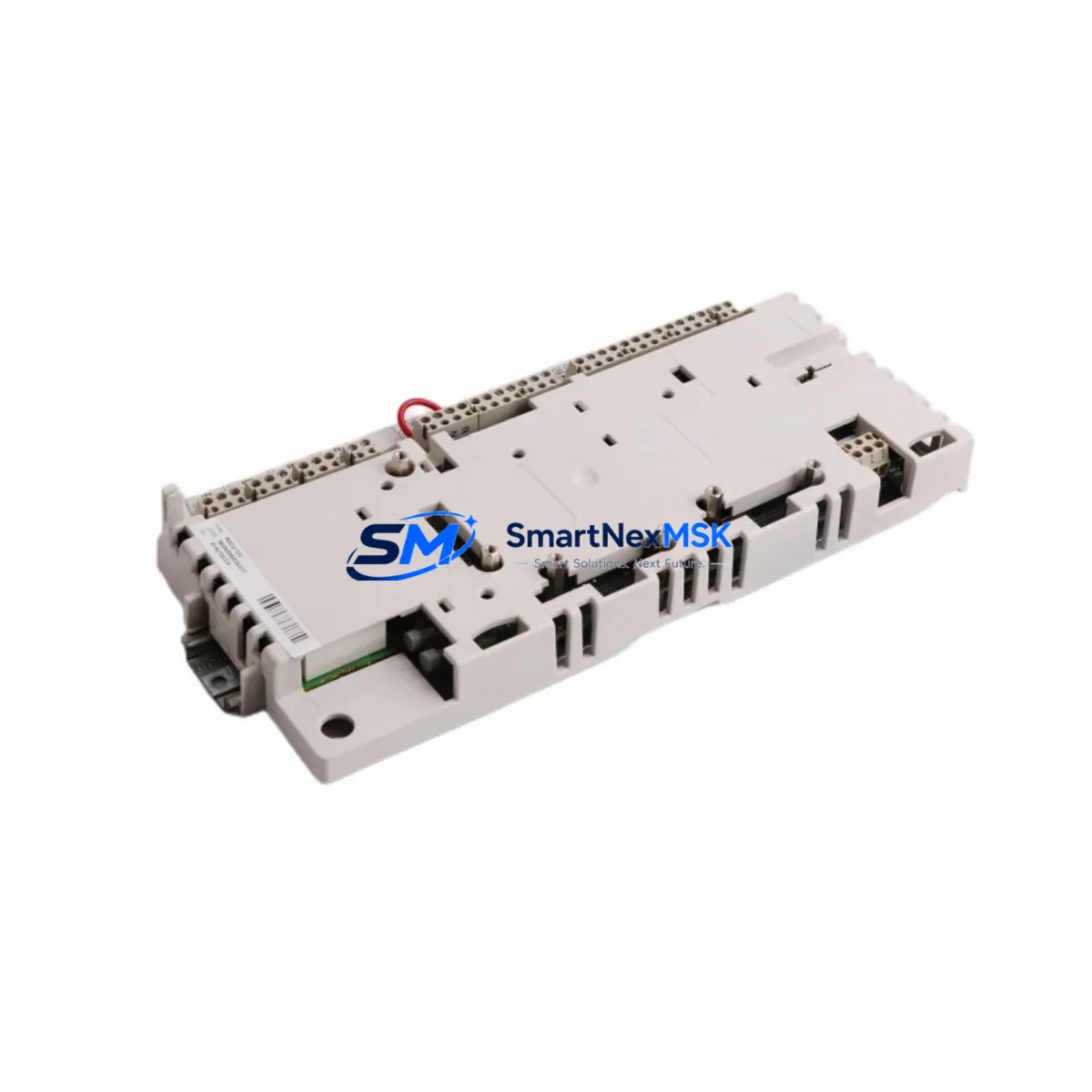
ABB RDCU-12C 3AUA0000036521 Maintenance-Ready Spare for ACS800 Automation
The ABB RDCU-12C (Part No. 3AUA0000036521) is the dedicated drive control unit for the ABB ACS800 series variable frequency drives — one of the most widely deployed AC drive platforms in industrial automation worldwide. As the central intelligence board governing motor control algorithms, speed reference processing, fault diagnostics, and fieldbus communication, the RDCU-12C is a mission-critical component in any ACS800-based drive system. When this board fails, the entire drive becomes inoperable, making rapid access to a verified, original spare the single most important factor in minimizing unplanned downtime.
At SMARTNEXMSK, we stock the RDCU-12C 3AUA0000036521 as an original ABB spare, sourced through established industrial supply channels and subjected to pre-shipment functional testing. Each unit ships with a 12-month warranty covering manufacturing defects and operational failures under normal industrial use conditions. Our inventory is maintained specifically to support maintenance engineers and procurement teams who cannot afford extended lead times from OEM channels.
Spare Maintenance Table
| Parameter | Specification |
|---|---|
| Part Number | RDCU-12C / 3AUA0000036521 |
| Brand | ABB |
| Compatible Series | ACS800 (Single Drive & Multi-Drive) |
| Function | Drive Control Unit — motor control, speed reference, fault management, fieldbus interface |
| Fieldbus Support | DDCS (Drive-to-Drive Communication System); compatible with RDCO-01/02/03/04 adapters |
| Supply Voltage | Powered internally via ACS800 drive backplane (24 VDC logic supply) |
| Operating Temperature | 0°C to +55°C (storage: -40°C to +70°C) |
| Mounting | Direct plug-in to ACS800 control section slot |
| Country of Origin | Germany (DE) |
| Weight | 680 g |
| Condition | Original, new or recertified — tested before shipment |
| Warranty | 12 Months — covers manufacturing defects and operational failure under normal use |
| Delivery | Express worldwide shipping; DHL / FedEx / UPS available |
| Application Environment | Industrial automation, process control, HVAC, water treatment, oil & gas, mining |
| Maintenance Recommendation | Inspect connector pins, clean board surface, verify firmware version compatibility before installation |
Maintenance Planning for Continuous Operation
When a maintenance or reliability engineer identifies the RDCU-12C as the failed component in an ACS800 drive, the replacement workflow rarely ends with the control board alone. A thorough site inspection and root-cause analysis should accompany any RDCU-12C swap to prevent repeat failures and ensure the drive returns to stable operation.
Begin by inspecting the APOW-01 auxiliary power supply board, which provides the 24 VDC logic voltage that feeds the RDCU-12C. A degraded or intermittently failing APOW-01 is a common upstream cause of RDCU-12C damage — replacing the control unit without verifying the power supply risks damaging the new board within weeks. Similarly, the AINT-xx interface board (the specific variant depends on the ACS800 frame size) should be checked for burnt traces, loose connectors, and correct seating, as it bridges the RDCU-12C to the power section.
Fieldbus communication integrity is another critical checkpoint. If the ACS800 is integrated into a PROFIBUS, DeviceNet, or Modbus network via an RDCO-01, RDCO-02, or RDCO-04 communication adapter, these modules should be inspected and their firmware versions confirmed compatible with the replacement RDCU-12C. A firmware mismatch between the control unit and the communication adapter is a frequent cause of post-replacement communication faults that are difficult to diagnose without proper documentation.
On the I/O side, verify the condition of the RAIO-01 analog I/O extension module and any RDIO-01 digital I/O extension modules installed in the drive’s option slots. These modules connect directly to the RDCU-12C’s option board interface and can sustain damage from the same electrical event that caused the original control board failure. Check terminal blocks and wiring harnesses for signs of overheating, insulation breakdown, or loose terminations.
For drives operating in environments with high harmonic distortion or unstable grid conditions, inspect the BCON-11 or BCON-12 brake control board and any associated braking resistor circuits. Overvoltage events that trip the drive’s DC bus protection are a known cause of RDCU-12C stress. If the site has a history of nuisance overvoltage faults, a review of the braking circuit and the drive’s overvoltage control parameters is warranted before returning the drive to service.
Finally, for ACS800 drives in multi-drive cabinet configurations, inspect the RDCU-12C in adjacent drive modules as well. In a common DC bus system, a fault in one drive module can propagate transients that stress the control boards of neighboring units. Proactive inspection of the full cabinet — including fuse condition, bus bar connections, and cooling fan operation — is best practice whenever one drive in a multi-drive system requires a control board replacement.
Site Replacement Workflow
Step 1 — Isolate and de-energize: Follow site LOTO (Lockout/Tagout) procedures. Confirm the ACS800 DC bus has fully discharged (minimum 5 minutes after power-off, verify with a calibrated multimeter) before opening the drive cabinet.
Step 2 — Document current configuration: Before removing the RDCU-12C, record all drive parameters using the ACS800’s parameter backup function via the CDP-312R control panel or DriveWindow software. The RDCU-12C stores drive parameters in its onboard memory — a replacement board will arrive with factory defaults and must be reprogrammed. Having a parameter backup eliminates the risk of losing application-specific tuning data.
Step 3 — Remove the failed board: Disconnect all ribbon cables and option board connectors from the RDCU-12C. Note the orientation and routing of each cable. Remove the board from its mounting slot using the extraction handles — do not force or lever the board, as the connector pins are fragile.
Step 4 — Inspect and clean: Before installing the replacement RDCU-12C 3AUA0000036521, inspect the drive’s control section for contamination, corrosion, or physical damage. Clean the slot and connector area with dry compressed air. Verify that the replacement board’s hardware revision is compatible with the drive’s firmware version — consult the ACS800 firmware release notes if in doubt.
Step 5 — Install and restore parameters: Seat the replacement RDCU-12C firmly into the control slot. Reconnect all cables in the documented order. Power up the drive and restore the parameter backup. Verify motor control mode, speed references, I/O assignments, and fieldbus node address before releasing the drive to production.
Step 6 — Functional test: Run the drive through a no-load test cycle, then a loaded test at reduced speed before returning to full production speed. Monitor the drive’s fault log for the first 24 hours of operation.
Spare Parts Support FAQ
Q1: Is the RDCU-12C 3AUA0000036521 compatible with all ACS800 frame sizes?
The RDCU-12C is the standard control unit for the ACS800 single-drive series across multiple frame sizes (R2 through R8 and larger cabinet configurations). However, compatibility depends on the specific ACS800 variant and firmware version. We recommend confirming the drive’s type designation and existing firmware version before ordering. Our technical team can assist with compatibility verification — contact us at [email protected] with your drive’s full type code.
Q2: What is included in the 12-month warranty, and how does the claims process work?
The 12-month warranty covers manufacturing defects and operational failures under normal industrial operating conditions. It does not cover damage caused by incorrect installation, overvoltage events beyond the board’s rated tolerance, or physical mishandling. In the event of a warranty claim, contact us with the order number, a description of the failure, and photos of the board. We will arrange a replacement or repair at no additional cost within the warranty period.
Q3: How is the RDCU-12C tested before shipment?
Each RDCU-12C unit undergoes a pre-shipment functional check that includes visual inspection for physical damage, connector integrity verification, and where test equipment permits, a power-on test to confirm the board initializes correctly. Units that do not pass inspection are not shipped. Test records are available on request for critical applications.
Q4: Can you support long-term spare parts stocking for ACS800 fleets?
Yes. For facilities operating multiple ACS800 drives, we offer long-term supply agreements and reserved stock arrangements for the RDCU-12C and related components. Planned spare parts stocking — maintaining at least one RDCU-12C per 5–10 drives in service — is the most effective strategy for minimizing unplanned downtime risk in aging ACS800 installations. Contact our sales team to discuss volume pricing and inventory reservation options.
© 2026 SMARTNEXMSK. All rights reserved.
Original Source: https://smartnexmsk.com
Contact: [email protected] | +86 18259474341