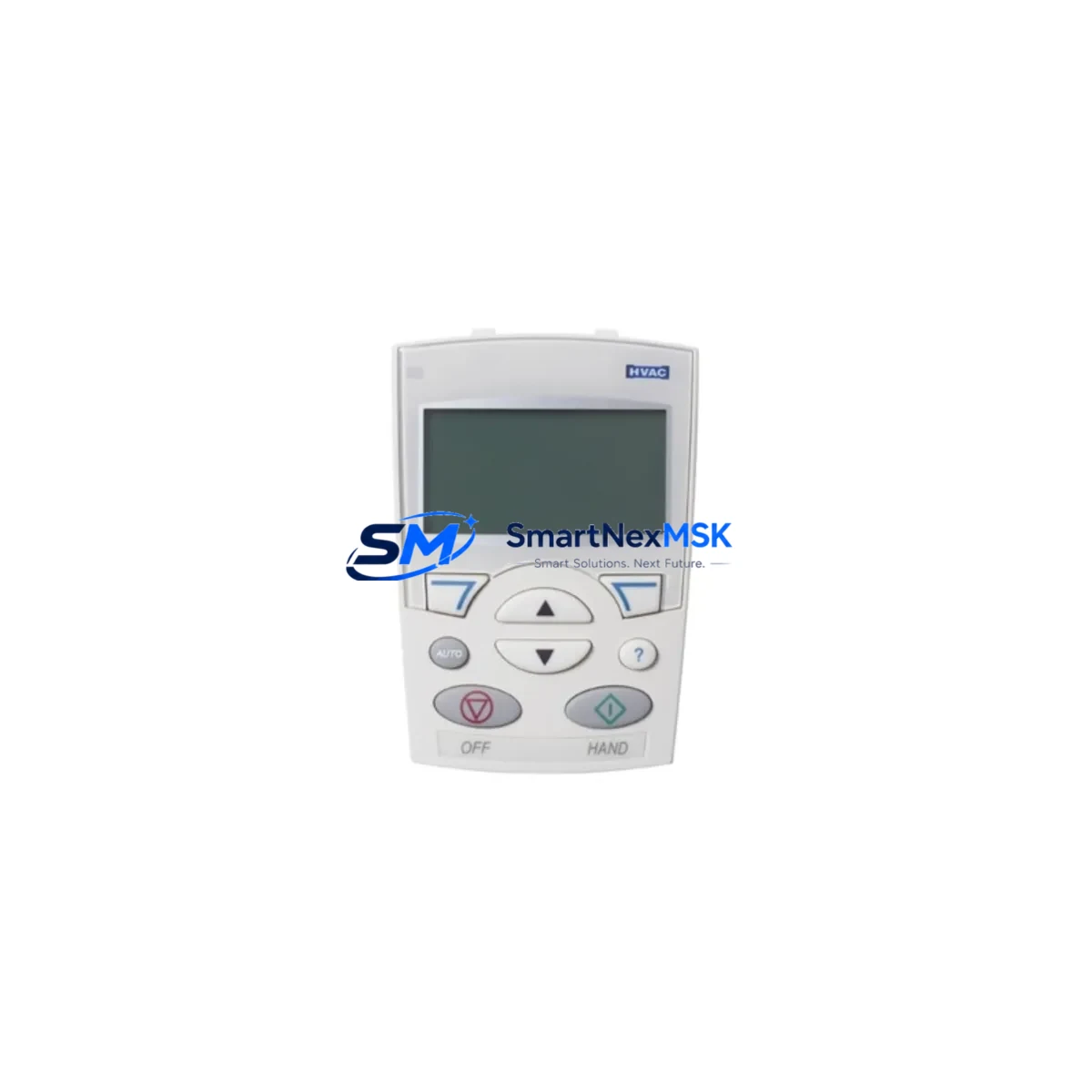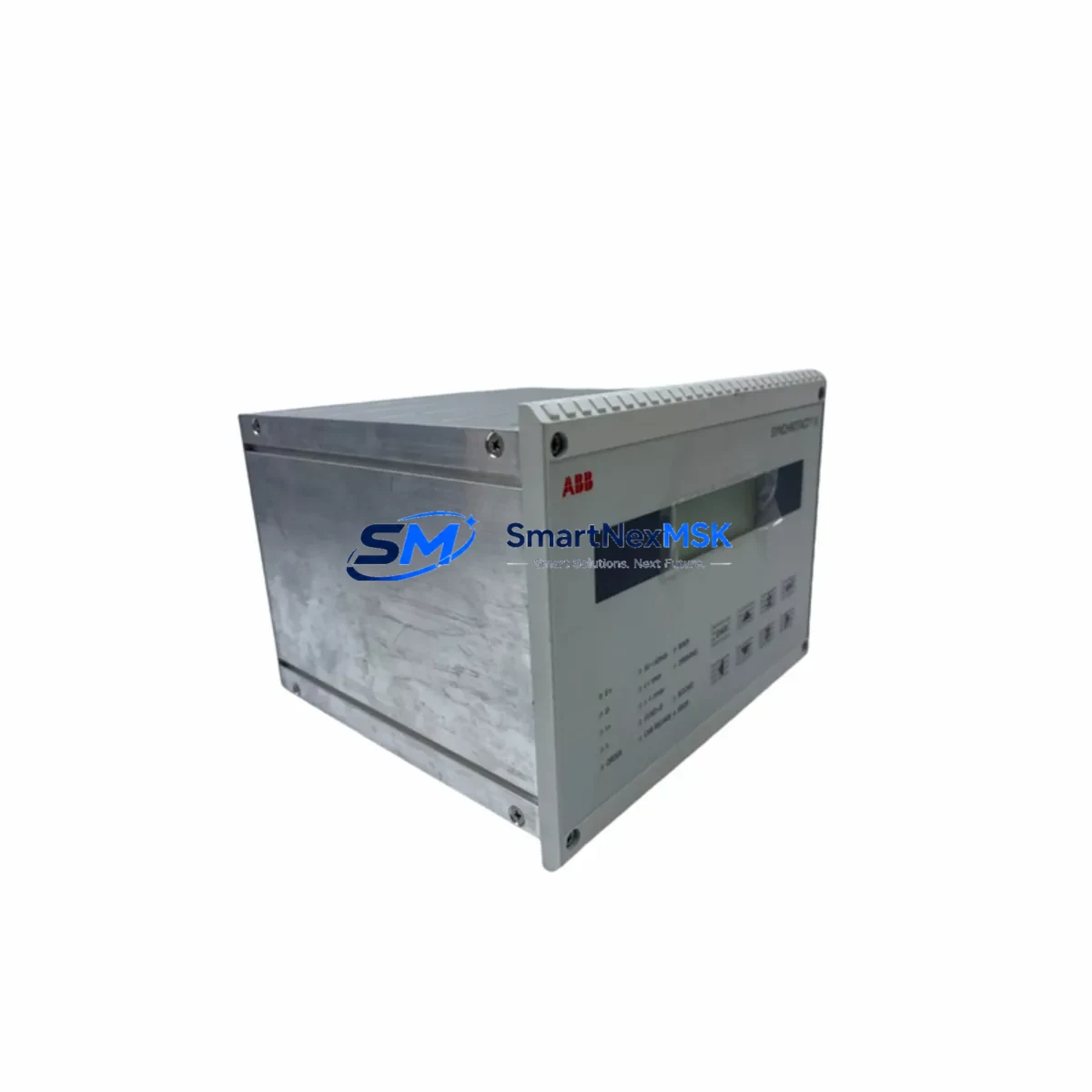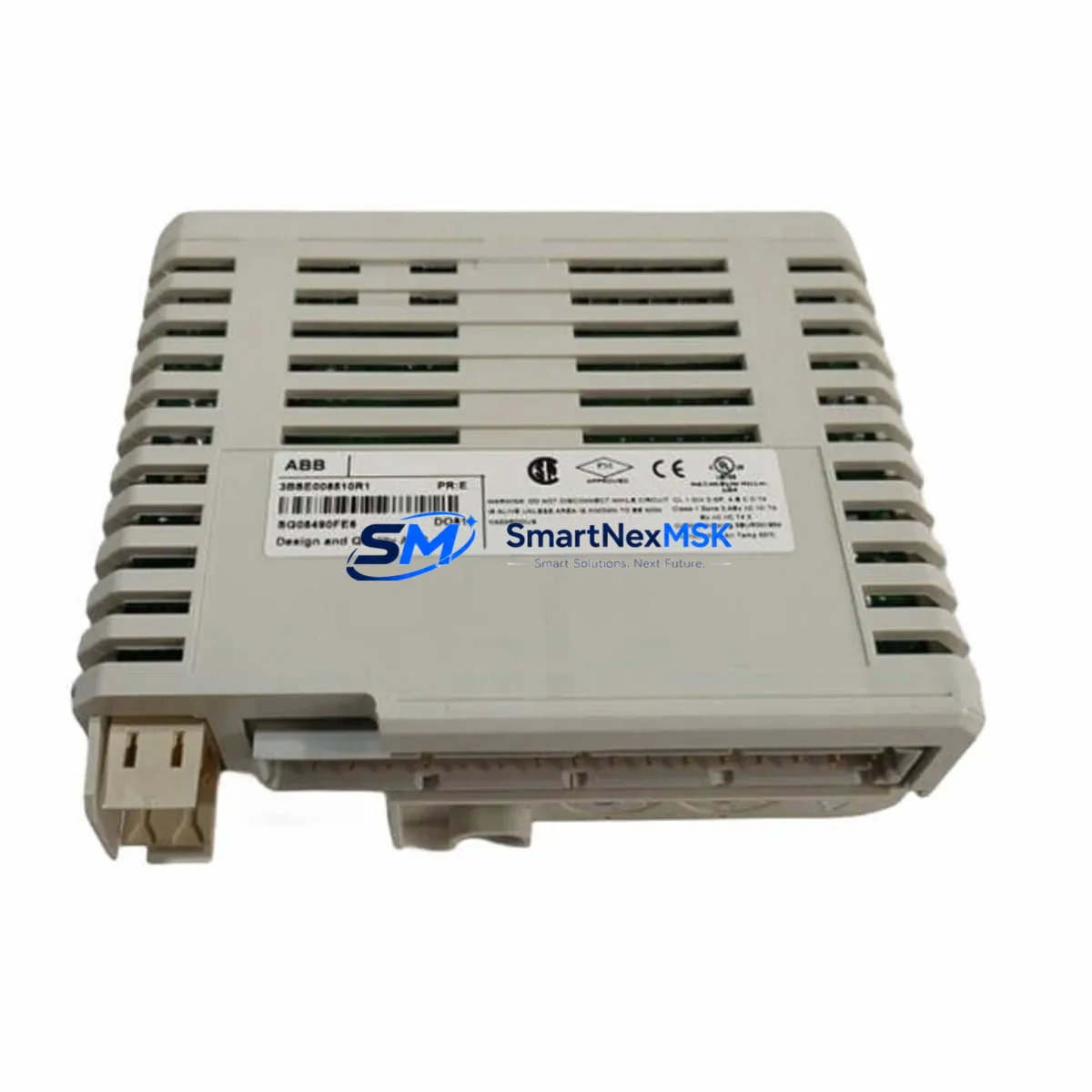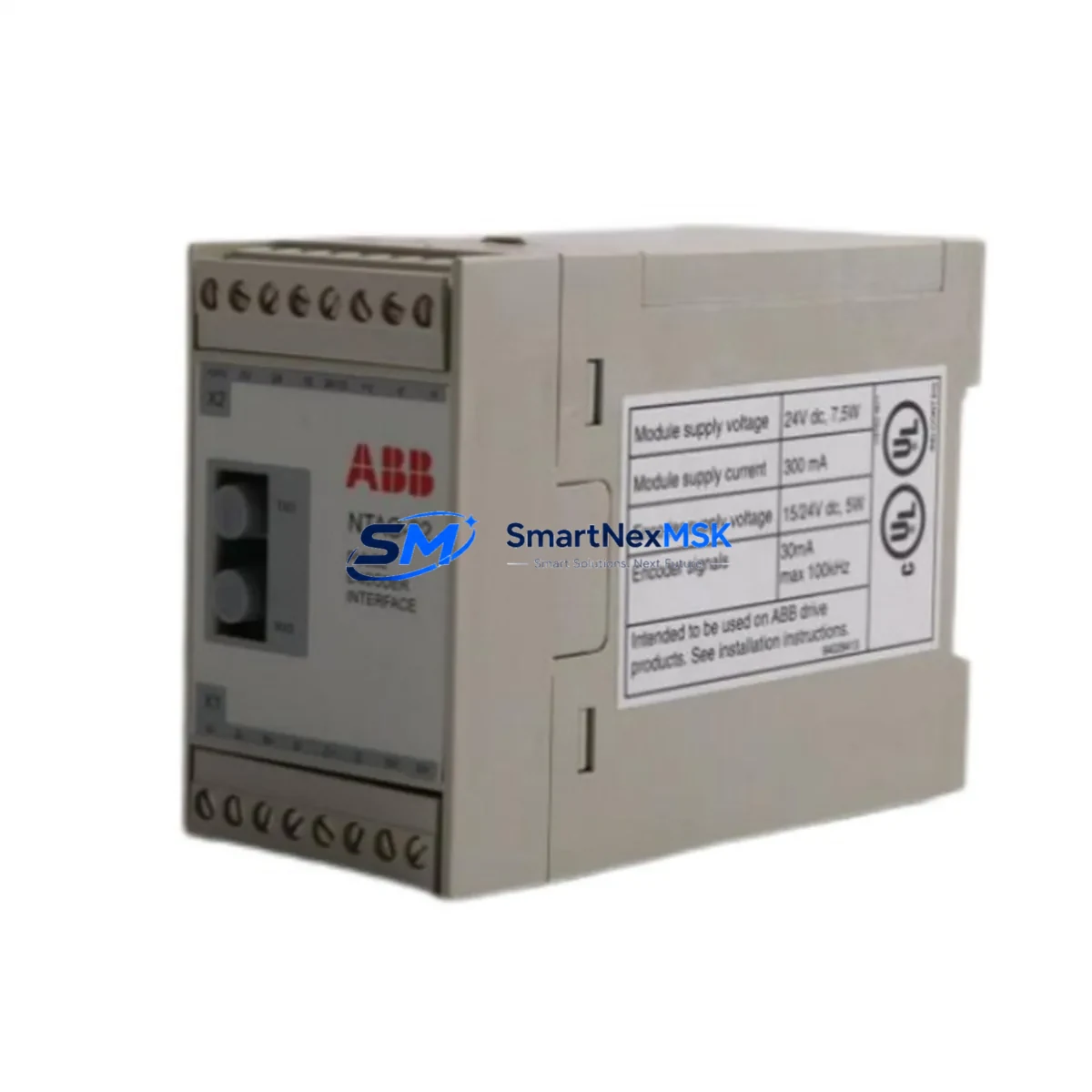
ABB SD32D Retrofit-Ready Digital I/O for Slimline Control Systems: Compatible Modernization & Smooth Legacy Upgrade
The ABB SD32D is a 32-point digital input/output expansion module engineered for the ABB Slimline PLC series, widely deployed across discrete manufacturing, building automation, and process control installations. As legacy Slimline systems approach end-of-life and original spare parts become increasingly scarce, the SD32D has emerged as the preferred retrofit-ready solution for engineers tasked with modernizing aging control cabinets without triggering a full platform migration. Whether you are replacing a discontinued I/O card, expanding an existing rack, or migrating from an older communication architecture, the SD32D delivers the compatibility, reliability, and documentation support that industrial retrofit projects demand.
Sourced from verified supply channels and subject to full functional testing prior to dispatch, every SD32D unit shipped by SMARTNEXMSK is backed by a 12-month warranty covering manufacturing defects and operational failures under normal industrial service conditions. Stock is maintained to support urgent replacement orders, with same-day processing available for in-stock items.
Upgrade Compatibility Table
| Parameter | ABB SD32D Specification | Retrofit Notes |
|---|---|---|
| Module Type | 32-Point Digital I/O Expansion | Replaces discontinued 16/32-pt DI/DO cards in Slimline racks |
| Compatible Series | ABB Slimline PLC (AC500 Slimline, S500 Slimline) | Verify rack backplane revision before installation |
| Backplane Interface | Slimline proprietary bus connector | Confirm slot position and bus termination with existing rack layout |
| Terminal Wiring | Screw-type removable terminal block, 24 VDC I/O | Existing field wiring typically reusable; verify conductor cross-section |
| Communication Compatibility | Local bus via CPU coupler (PM5xx / PM5xx-ETH) | No additional communication module required for local I/O expansion |
| Module Address | Configured via CPU programming tool (Automation Builder) | Re-map I/O addresses in existing PLC program if slot position changes |
| Installation Requirement | DIN rail, Slimline expansion rack | No panel modification required for like-for-like slot replacement |
| Replacement Recommendation | Direct drop-in for compatible discontinued Slimline DI/DO modules | Cross-reference original part number before ordering |
| Commissioning Focus | I/O mapping, force test, HMI tag verification | Run full I/O force test before returning system to production |
| Warranty | 12 Months | Covers manufacturing defects under normal operating conditions |
Retrofit Planning for Existing Automation Systems
Successful integration of the ABB SD32D into an existing Slimline control system begins well before the module arrives on site. A structured retrofit plan reduces risk, protects the original control logic, and ensures that field devices remain operational throughout the transition.
Power Budget Verification: Before adding the SD32D to an existing rack, confirm that the ABB Slimline power supply module — typically a PS501 or PS502 variant — has sufficient residual capacity to support the additional I/O load. Each digital I/O module draws current from the backplane bus; exceeding the power supply rating will cause unpredictable module behavior or system faults. If the existing power supply is already near capacity, a supplementary Slimline bus extension power supply may be required.
Rack and Backplane Assessment: The SD32D occupies one slot in the Slimline expansion rack. Verify the total number of occupied slots against the rack’s maximum module count. If the existing Slimline expansion rack is fully populated, an additional rack segment with a bus coupler will be necessary. Confirm that the backplane revision is compatible with the SD32D firmware version to avoid bus communication errors.
CPU and Coupler Compatibility: The SD32D communicates with the system CPU — such as the ABB PM554 or PM564 CPU module — through the local Slimline bus. If the retrofit involves migrating from an older CPU generation, verify that the new CPU’s Automation Builder project template supports the SD32D’s I/O object library. In systems where a Slimline fieldbus coupler (e.g., PROFIBUS or PROFINET variant) is used for remote I/O, confirm that the coupler firmware supports the SD32D’s GSD or GSDML device description file.
Terminal Block and Field Wiring: The SD32D uses a removable screw-type terminal block, which simplifies replacement without disturbing field wiring. However, engineers should verify that existing cable labels, conductor cross-sections, and terminal assignments match the SD32D’s pinout. In older installations where wiring documentation is incomplete, a full terminal-by-terminal continuity check is recommended before energizing the module. If the original module used a different terminal block pitch, a wiring adapter or re-termination may be required.
I/O Address and Program Compatibility: When the SD32D replaces a module in the same rack slot, the I/O address mapping in the PLC program typically remains unchanged. However, if the module is installed in a different slot — due to rack reconfiguration or the addition of a Slimline analog input module or Slimline analog output module — all affected I/O addresses must be remapped in the Automation Builder project. Failure to update address assignments will result in incorrect field device control and potential safety hazards.
HMI and SCADA Integration: In systems where an ABB CP600 HMI panel or third-party SCADA system monitors digital I/O status, verify that all tag references linked to the replaced module’s I/O points are updated to reflect any address changes. HMI screens displaying motor run/stop status, valve open/close feedback, or alarm inputs sourced from the SD32D’s channels must be validated against the updated PLC program before the system is returned to service.
Communication Protocol Migration: In retrofit projects that also involve migrating from a legacy serial communication protocol (e.g., Modbus RTU via an ABB Slimline CM572 communication module) to Ethernet-based protocols such as Modbus TCP or PROFINET, the SD32D’s local bus integration remains unaffected. The communication migration is handled at the CPU or coupler level, allowing the SD32D to continue operating as a standard local I/O module regardless of the upstream protocol change.
Downtime Control During System Migration
Minimizing production downtime is the primary operational constraint in any industrial retrofit project. For SD32D installations, the following approach has proven effective across a range of Slimline system upgrades:
Pre-Staging and Bench Testing: Configure the SD32D in a bench environment using a spare ABB PM5xx CPU module and a test rack before the scheduled maintenance window. Load the updated Automation Builder project, verify I/O mapping, and confirm that all digital channels respond correctly to simulated field signals. This eliminates configuration errors that would otherwise consume valuable on-site time.
Program Backup and Version Control: Before any hardware change, create a full backup of the existing PLC program, including all variable declarations, function block instances, and communication configurations. Store the backup on an offline medium and verify that the ABB programming cable (USB or Ethernet) and Automation Builder software version used for the backup are available on site for emergency restoration.
Controlled Shutdown Sequence: Coordinate the shutdown sequence with the process control team to ensure that all field devices connected to the SD32D’s I/O channels are in a safe state before power is removed from the rack. For systems with interlock logic, verify that removing the module will not trigger unintended safety responses in adjacent control loops.
Hot-Swap Considerations: The Slimline system does not support hot-swapping of I/O modules under power. The rack must be de-energized before removing or inserting the SD32D. Plan the power-down sequence to include the Slimline power supply module and any connected field device circuits to prevent transient damage to the new module’s input protection circuits.
Post-Installation Commissioning: After installing the SD32D and restoring power, perform a structured commissioning sequence: confirm module status LEDs indicate normal operation, execute a full I/O force test for all 32 channels, verify HMI tag updates, and run a timed production cycle under operator supervision before releasing the system to automatic control. Document all commissioning results for the maintenance record.
Spare Module Inventory: For critical production lines, maintain at least one additional SD32D as an on-site spare. SMARTNEXMSK maintains buffer stock of the SD32D to support rapid replenishment, with a standard lead time of 3–7 business days for international shipments and same-day dispatch for in-stock orders.
Retrofit Support FAQ
Q1: Is the ABB SD32D a direct drop-in replacement for my existing Slimline digital I/O module?
In most cases, yes — provided the replacement module occupies the same rack slot and the original I/O address mapping is preserved in the PLC program. Cross-reference the original part number against the SD32D’s compatibility list and verify backplane connector compatibility before ordering. If the slot position changes, I/O address remapping in Automation Builder will be required.
Q2: What commissioning steps are required after installing the SD32D?
After installation, confirm that the module’s status LEDs indicate normal bus communication with the CPU. Download the updated PLC program (if address changes were made), execute a full 32-channel I/O force test, verify HMI tag responses, and run a supervised production cycle. Record all commissioning results and retain the pre-retrofit program backup for at least 12 months.
Q3: Can the SD32D be used in a system that is migrating from PROFIBUS to PROFINET?
Yes. The SD32D operates on the local Slimline backplane bus and is independent of the upstream fieldbus protocol. The protocol migration is managed at the CPU or fieldbus coupler level. The SD32D will continue to function as a standard local I/O module regardless of whether the system uses PROFIBUS, PROFINET, Modbus TCP, or any other supported communication protocol at the network layer.
Q4: What does the 12-month warranty cover, and how is a warranty claim processed?
The 12-month warranty covers manufacturing defects and operational failures occurring under normal industrial service conditions, including standard temperature, humidity, and vibration ranges specified in the ABB Slimline product documentation. Warranty claims are initiated by contacting SMARTNEXMSK at [email protected] with the order reference, a description of the fault, and photographic evidence of the defect. Replacement units are dispatched upon fault verification, with return shipping of the defective module arranged by SMARTNEXMSK.
© 2026 SMARTNEXMSK. All rights reserved.
Original Source: https://smartnexmsk.com
Contact: [email protected] | +86 18259474341