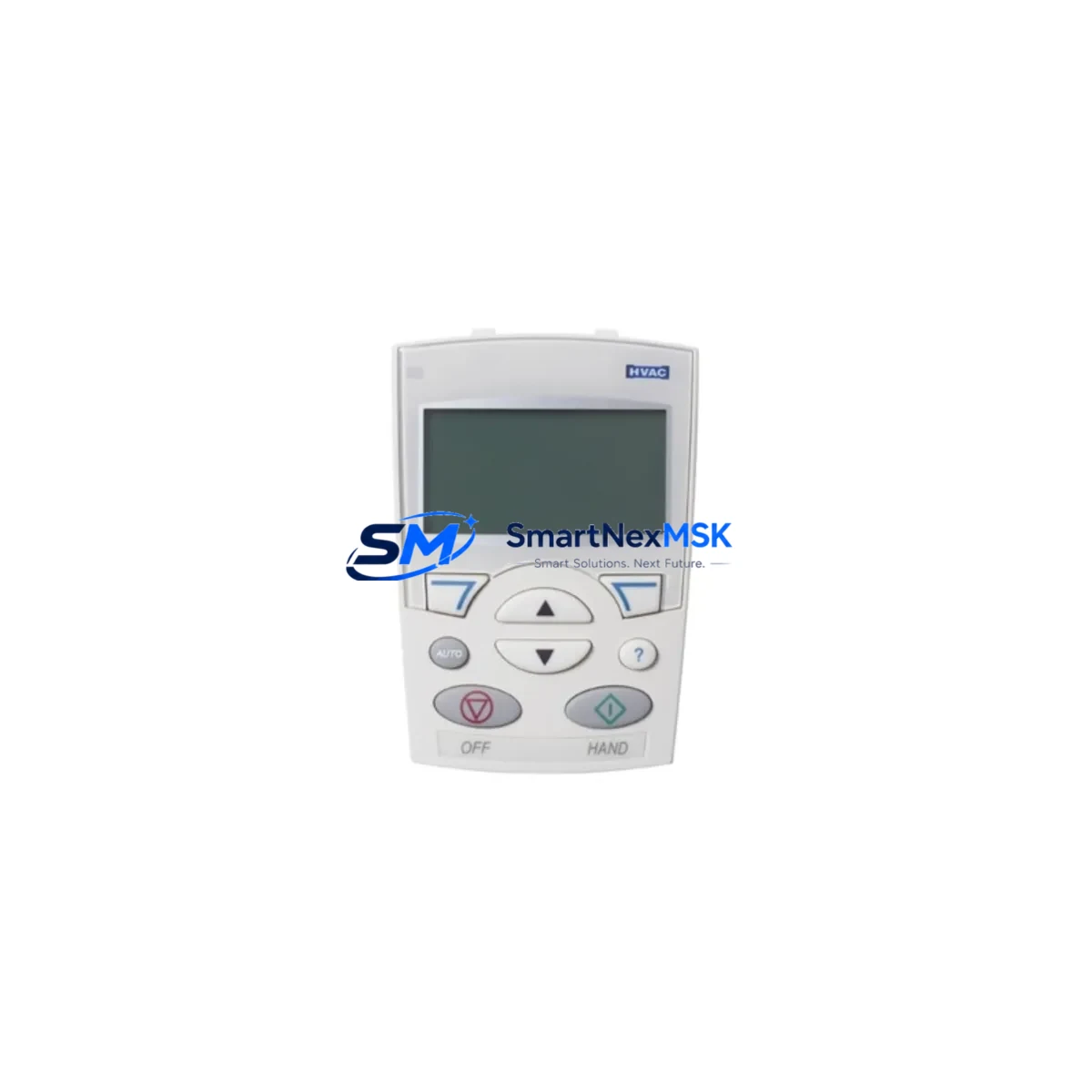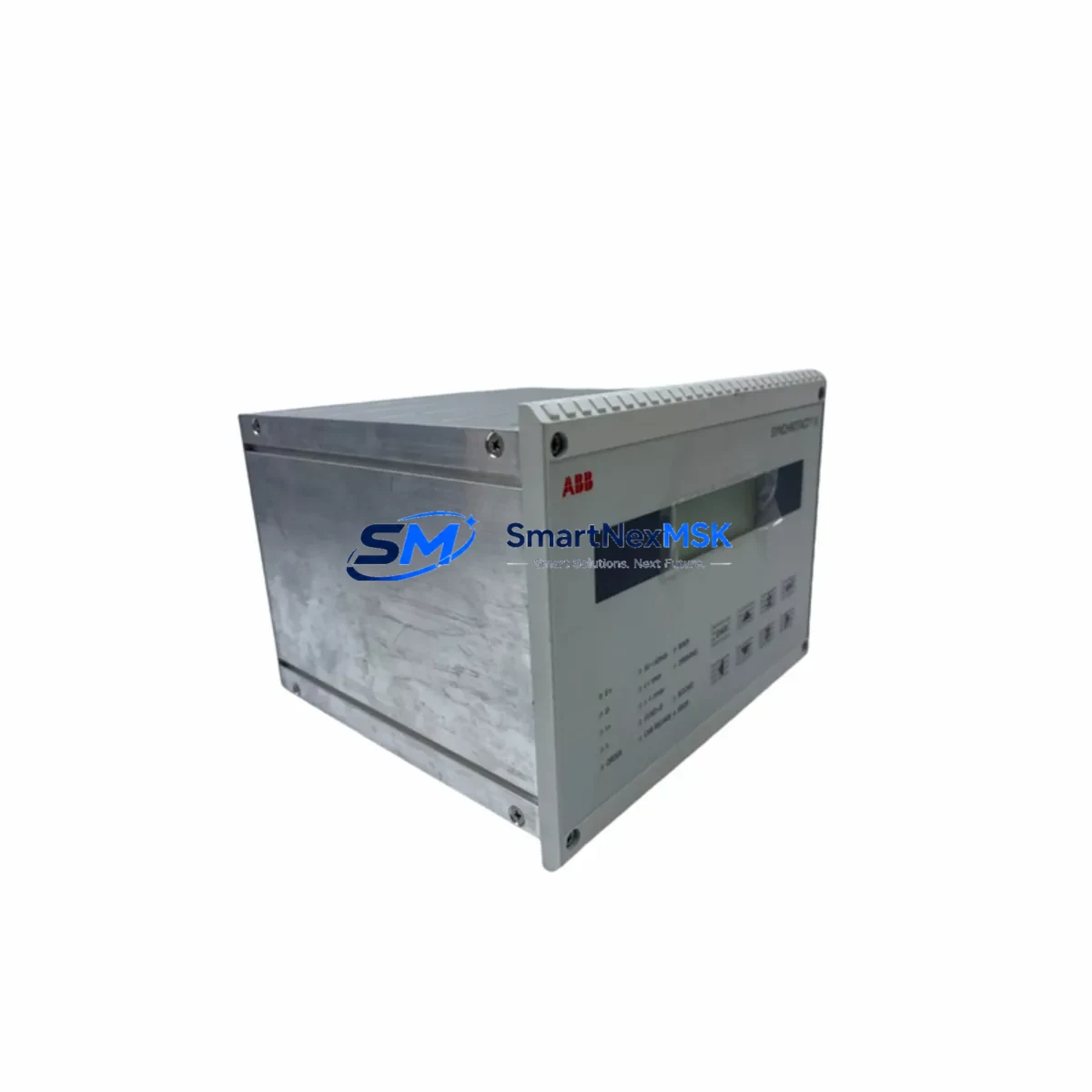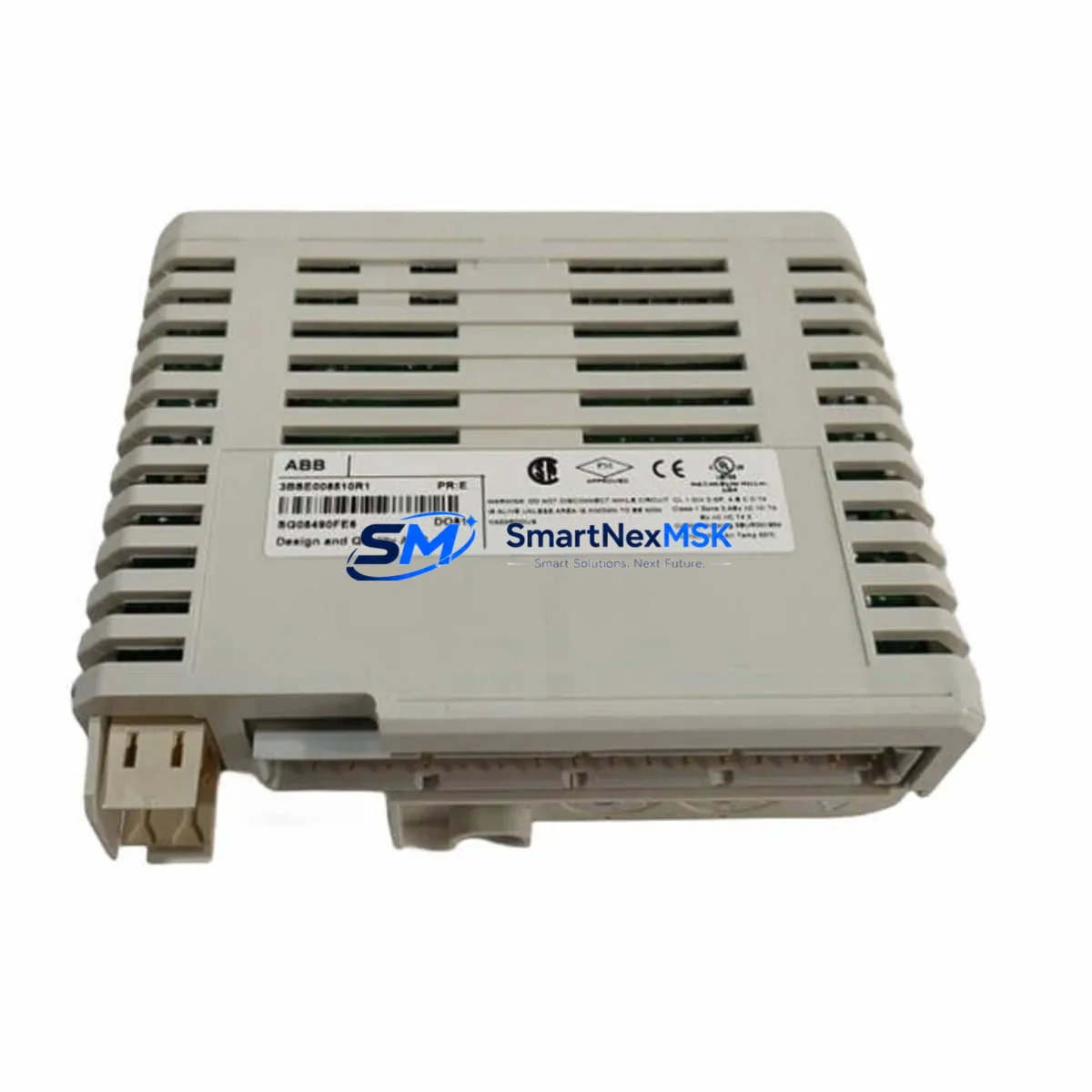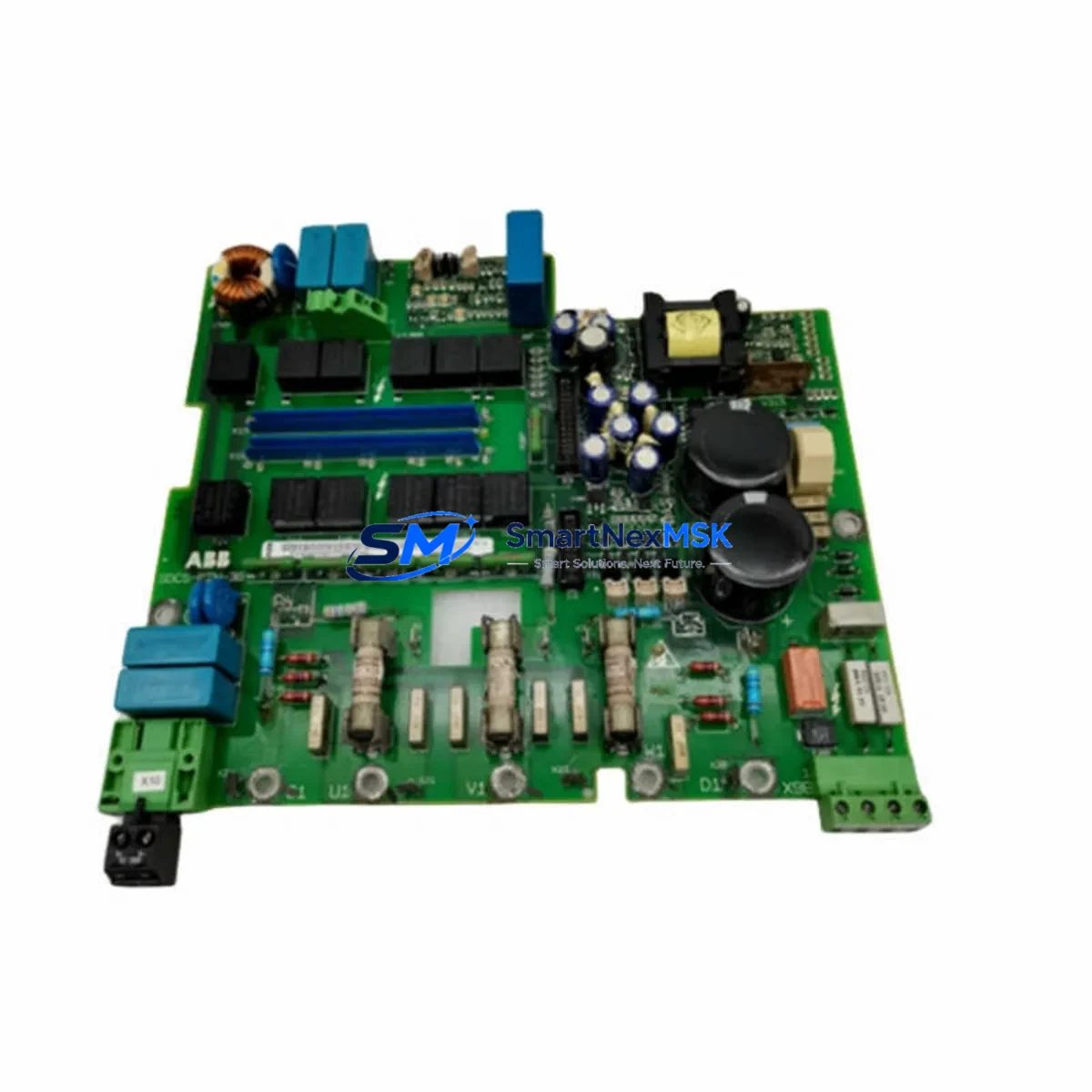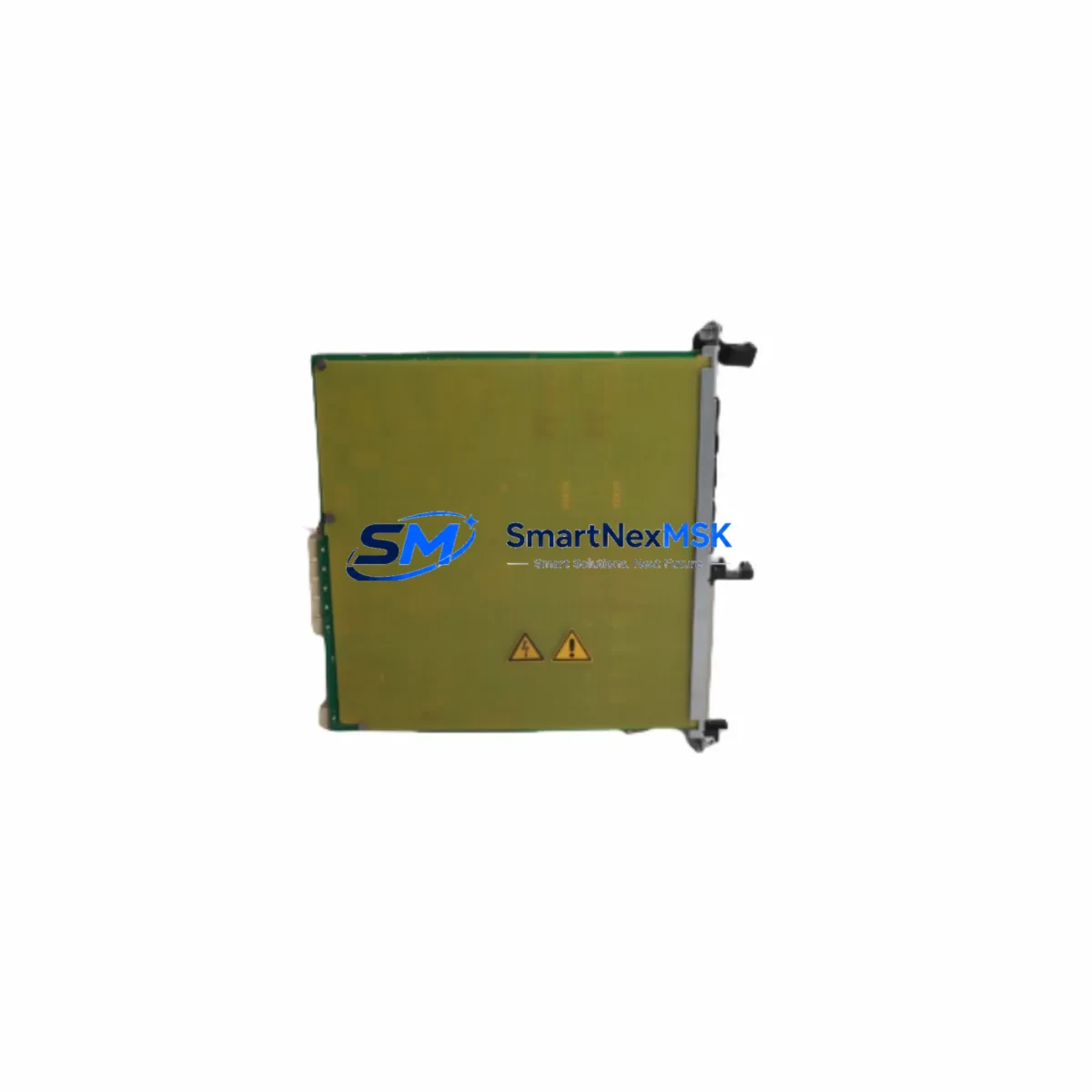
ABB TEPI1-R1D 1KHW002601R0001 Retrofit-Ready AC Drive Control Board for ACS800 Control Systems
The ABB TEPI1-R1D 1KHW002601R0001 (also referenced as 1KHW002602R0001) is a pulse encoder interface and control board designed for the ABB ACS800 series AC drives. As legacy ACS800 installations age and original spare parts become increasingly scarce, this board serves as a critical retrofit component for engineers managing drive system upgrades, control cabinet refurbishments, and production line continuity. Whether you are replacing a failed encoder interface card, migrating from an older ACS600 platform, or expanding I/O capacity within an existing ACS800 rack, the TEPI1-R1D provides a verified, drop-in compatible solution backed by a 12-month warranty.
Our inventory is sourced from authorized channels and subject to full functional testing prior to dispatch. Each unit undergoes power-on verification, signal integrity checks, and communication link validation to ensure it meets ABB factory specifications. We maintain buffer stock to support urgent replacement orders, minimizing unplanned downtime on critical production assets.
Upgrade Compatibility Table
| Parameter | Details |
|---|---|
| Primary SKU | TEPI1-R1D / 1KHW002601R0001 |
| Cross-Reference SKU | 1KHW002602R0001 |
| Compatible Drive Series | ABB ACS800 (all frame sizes) |
| Replaces / Upgrades | ACS600 encoder interface boards (with wiring adaptation) |
| Backplane Interface | ACS800 standard option slot (D-type connector) |
| Encoder Input | Incremental TTL / HTL pulse encoder, up to 16384 ppr |
| Communication Compatibility | DDCS fiber-optic link; compatible with RDCO-02/03 communication modules |
| Power Supply Requirement | +5 VDC / +24 VDC from ACS800 option board power rail |
| Installation Type | Direct slot insertion — no mechanical modification required |
| Commissioning Tool | DriveWindow 2 / DriveStudio via RDCO or USB-to-DDCS adapter |
| Firmware Compatibility | ACS800 standard application program v.6.x and above |
| Warranty | 12 Months — covers functional failure under normal operating conditions |
| Condition | New / Tested Surplus — full functional verification before shipment |
Retrofit Planning for Existing Automation Systems
Integrating the TEPI1-R1D into an existing ACS800 installation requires a structured approach to avoid configuration errors and unplanned downtime. Before removing the failed board, engineers should document the current parameter set using DriveWindow 2 or export the parameter file via the RDCO-02 communication module. This ensures that encoder resolution settings, speed scaling factors, and closed-loop PID parameters can be restored accurately after the board swap.
Terminal wiring on the TEPI1-R1D follows the standard ACS800 encoder interface pinout. If migrating from an older ACS600 NTAC-02 encoder interface module, terminal mapping differences must be verified against the ACS800 hardware manual before reconnecting the encoder cable. Shielded twisted-pair cabling is mandatory for encoder signal lines exceeding 10 meters to prevent noise-induced pulse errors at high speeds.
For systems where the ACS800 drive communicates upstream with a Siemens S7-300 PLC or an Allen-Bradley ControlLogix controller via PROFIBUS-DP or Modbus RTU, the communication link should be verified independently of the encoder board replacement. The RPBA-01 PROFIBUS adapter or RMBA-01 Modbus adapter installed in adjacent option slots should remain undisturbed during the TEPI1-R1D swap. After reinstallation, confirm that the drive’s node address and baud rate parameters (Group 51 in ACS800 standard firmware) are intact.
In multi-drive cabinet configurations using an ACS800-07 cabinet drive with a shared DC bus, the encoder board address assignment (parameter 98.01 in the ACS800 parameter list) must be unique across all drives sharing the DDCS ring. Duplicate addresses will cause communication faults on the fiber-optic link. If the system includes an APBU-44C branching unit for DDCS topology management, verify ring continuity after board replacement using the DriveStudio diagnostics panel.
For installations that also involve AINT-02 inverter control boards or APOW-01 power supply boards within the same ACS800 frame, these components should be inspected for capacitor aging and thermal stress during the same maintenance window. Combining encoder board replacement with a broader preventive maintenance sweep reduces total intervention time and avoids repeat shutdowns within a short period.
HMI panels connected to the ACS800 — such as the ACS-CP-C control panel or a third-party SCADA terminal reading drive status via Modbus — should be monitored during the first post-retrofit run cycle to confirm that speed feedback, torque reference, and fault status signals are displaying correctly. Any discrepancy in speed readout typically indicates an encoder ppr mismatch in parameter 50.01 and can be corrected without a full recommission.
Downtime Control During System Migration
Minimizing production interruption during an ACS800 encoder board replacement depends on preparation quality. The recommended approach is a cold-swap procedure: isolate the drive from mains power, discharge the DC bus capacitors per ABB safety guidelines (minimum 5 minutes after power-off), and confirm zero voltage with a calibrated meter before opening the option board compartment.
Parameter backup is the single most important pre-swap action. A complete parameter upload to DriveWindow 2 or to the ACS-CP-C panel memory takes less than two minutes and eliminates the risk of losing tuned speed controller gains, application macro settings, and I/O configuration. After installing the TEPI1-R1D, restore the parameter file and verify Group 50 (speed measurement) and Group 98 (option modules) before re-energizing.
For processes where even brief interruptions are costly — such as paper mills, extruder lines, or crane hoist systems — a pre-staged replacement board with parameters pre-loaded via DriveStudio offline mode can reduce swap time to under 15 minutes. Our team can provide pre-configuration support upon request. All shipped units include a test report confirming encoder channel A/B/Z signal integrity and power rail voltage compliance, so field teams can proceed with confidence rather than spending time on incoming inspection.
Once the drive is back online, run the motor at low speed (10–15 Hz) in open-loop mode first to confirm basic drive operation, then switch to closed-loop speed control and verify encoder feedback stability using the DriveWindow signal monitor. Log the first 30 minutes of operation data as a baseline for future predictive maintenance reference.
Retrofit Support FAQ
Q1: Is the TEPI1-R1D 1KHW002601R0001 a direct replacement for 1KHW002602R0001?
Yes. The 1KHW002601R0001 and 1KHW002602R0001 are functionally equivalent part numbers representing the same TEPI1-R1D board across different ABB revision batches. Both fit the same ACS800 option slot and use identical firmware and parameter assignments. No hardware or software modification is required when substituting one for the other.
Q2: What commissioning steps are required after installing the TEPI1-R1D?
After physical installation, restore the parameter backup and verify the following: (1) Parameter 98.01 — confirm TEPI1 is recognized as an installed option module; (2) Parameter 50.01 — set encoder pulses per revolution to match the motor encoder nameplate; (3) Parameter 50.02 — set encoder measurement mode (A/B quadrature recommended); (4) Run autophasing if the motor is a permanent magnet type. No additional hardware calibration is needed for standard induction motor applications.
Q3: Can the TEPI1-R1D be used in ACS800 drives communicating via PROFIBUS-DP?
Yes. The TEPI1-R1D occupies a dedicated encoder option slot and does not conflict with fieldbus adapter modules such as the RPBA-01 (PROFIBUS-DP) or RCNA-01 (ControlNet) installed in separate option slots. Both modules operate independently on the ACS800 backplane. Ensure that the PROFIBUS node address and baud rate settings in Group 51 are preserved during the board swap.
Q4: What does the 12-month warranty cover, and what is the return process?
The 12-month warranty covers functional failure of the TEPI1-R1D board under normal operating conditions, including encoder signal processing faults, power rail failures, and communication link errors attributable to the board itself. Physical damage caused by incorrect installation, overvoltage, or ESD mishandling is excluded. To initiate a warranty claim, contact our sales team with the order reference and a brief fault description. Replacement or repair is processed within 5 business days of receiving the returned unit.
© 2026 SMARTNEXMSK. All rights reserved.
Original Source: https://smartnexmsk.com
Contact: [email protected] | +86 18259474341