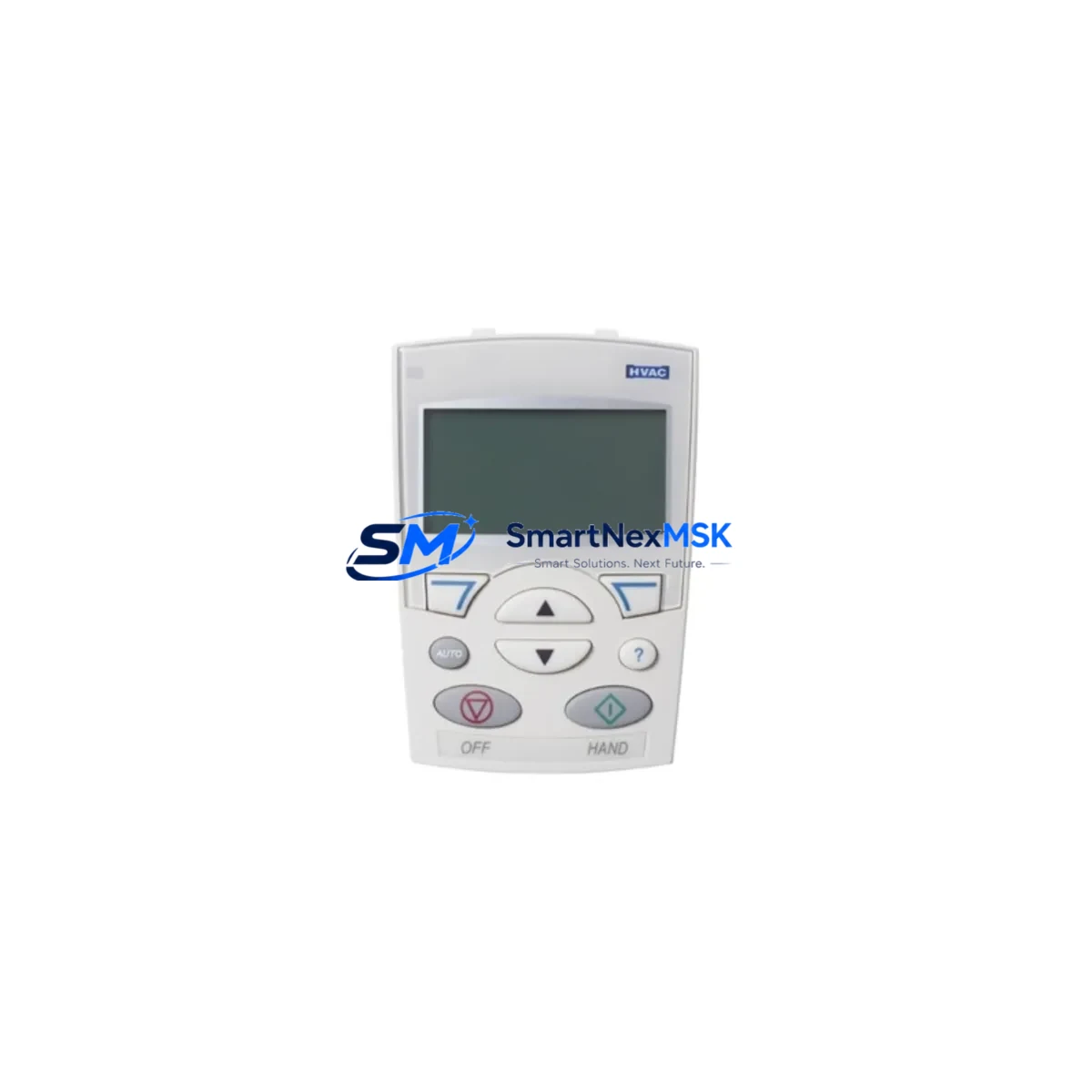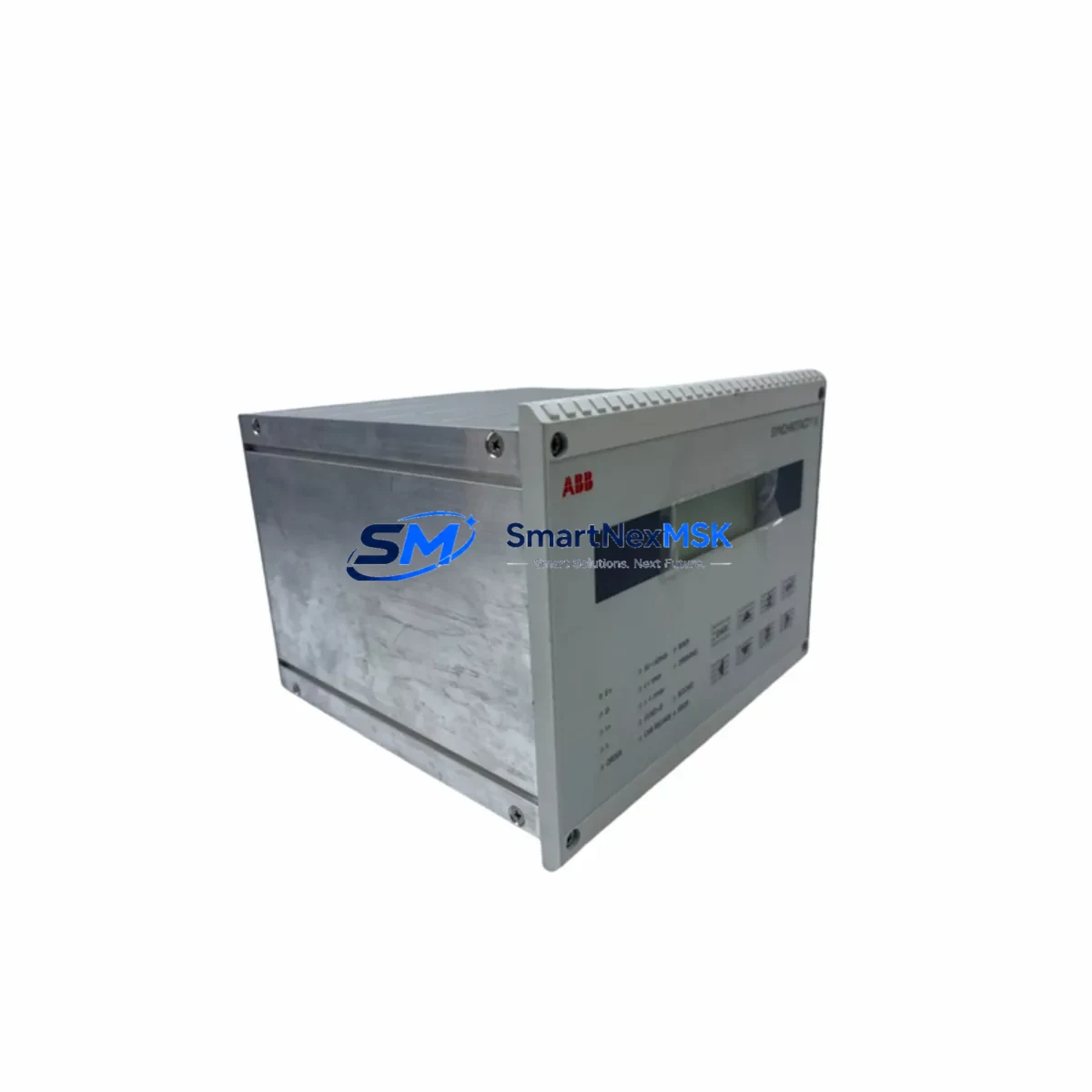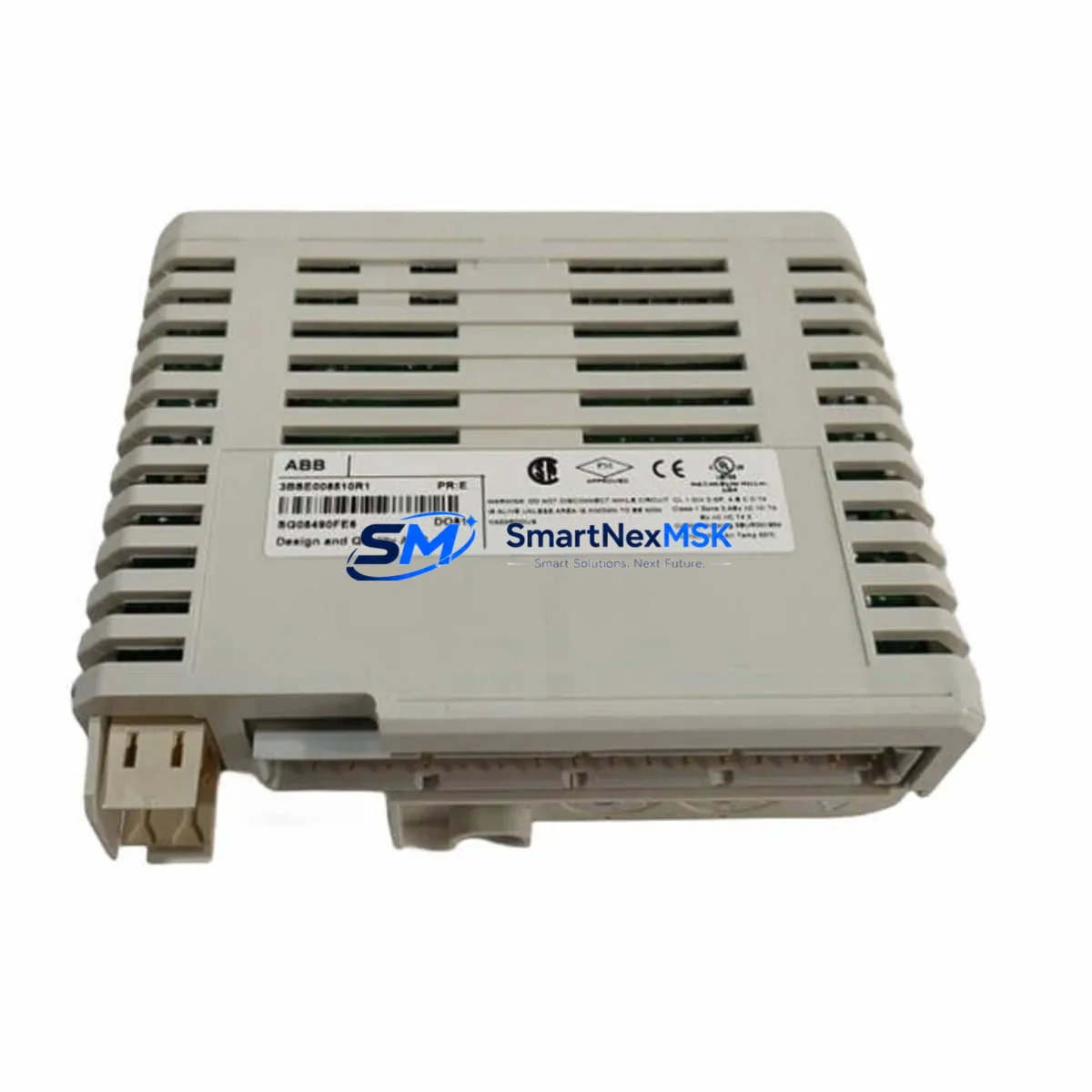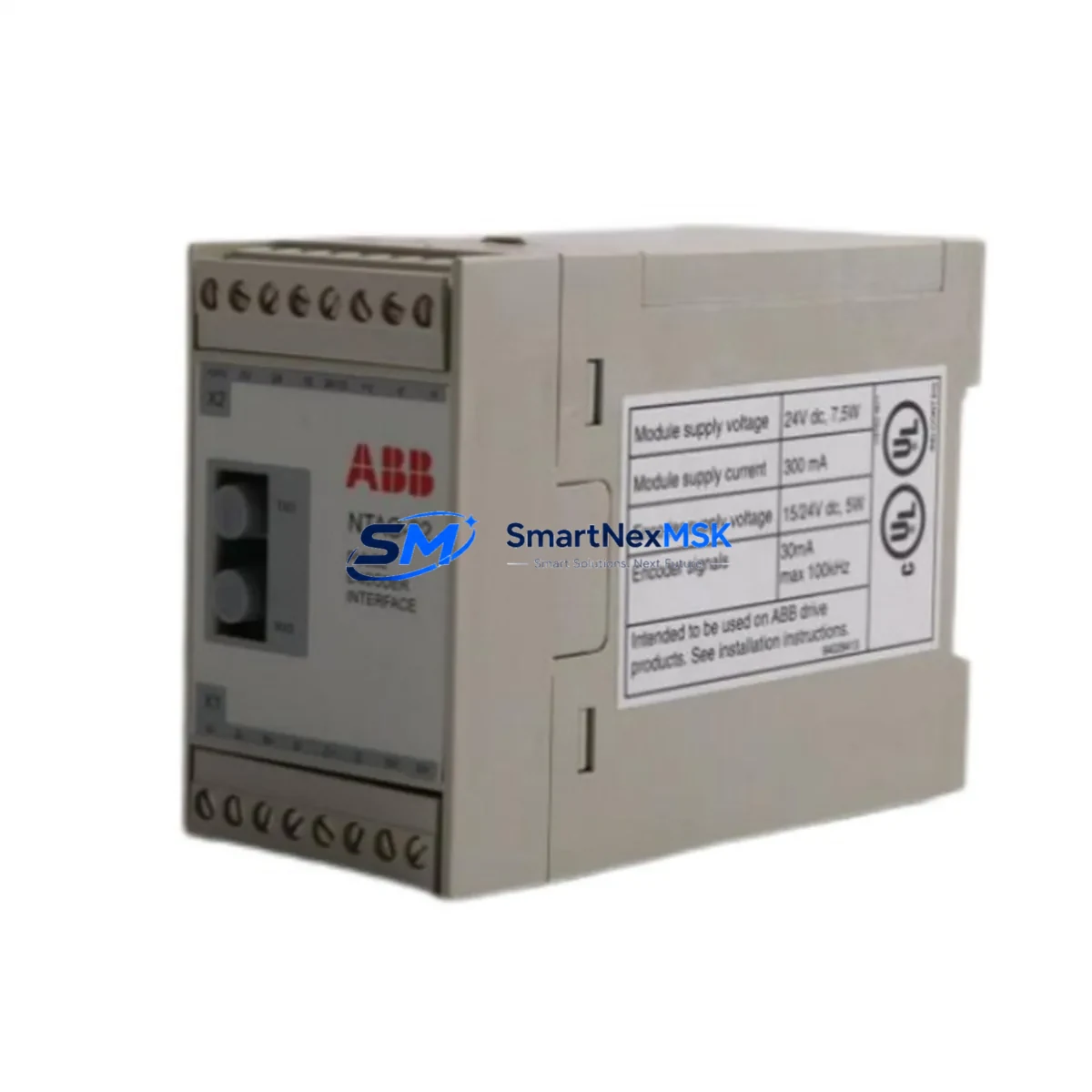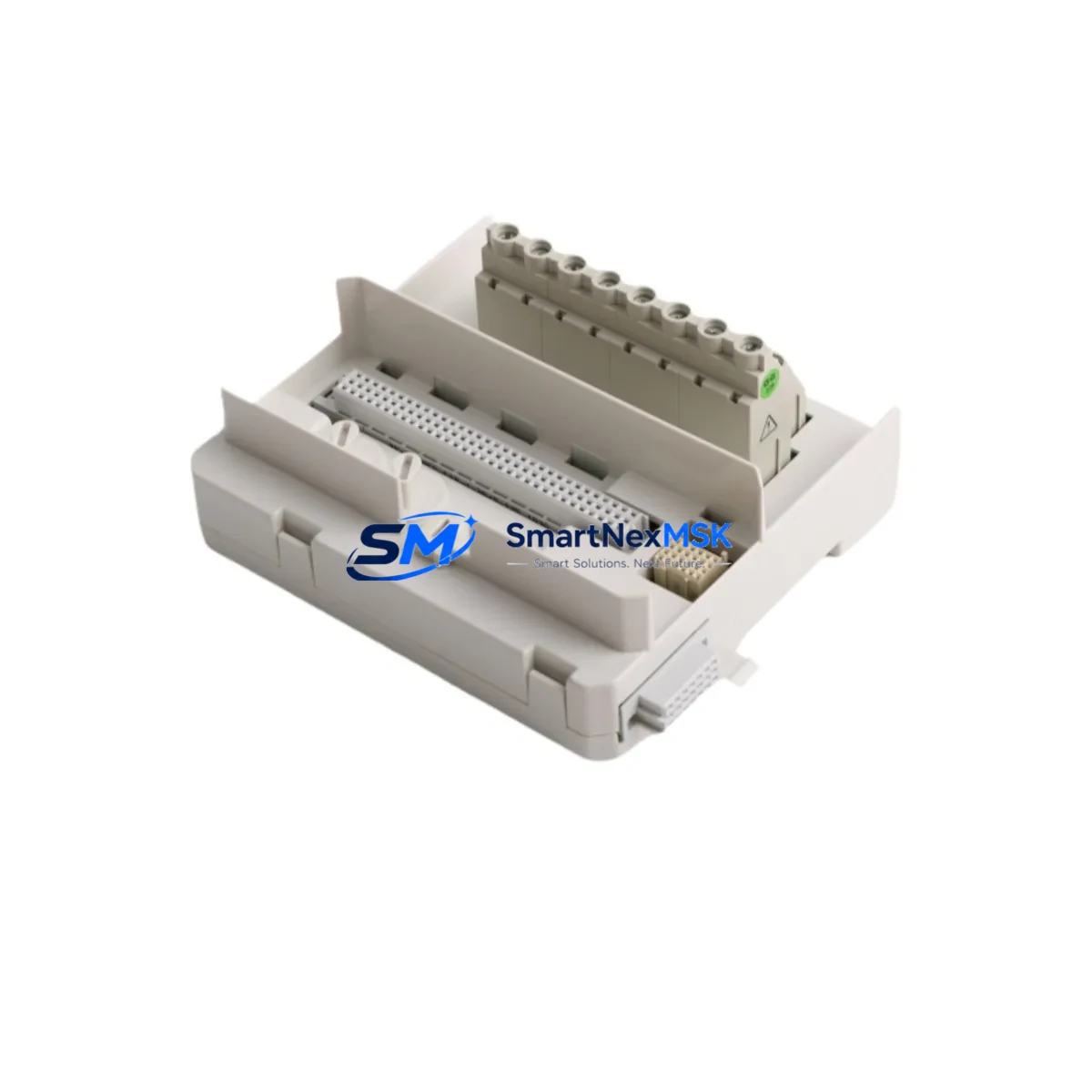
ABB TU831V1 3BSE013235R1 Retrofit-Ready MTU for S800 I/O Control Systems
The ABB TU831V1 (part number 3BSE013235R1) is a field-proven Module Termination Unit (MTU) engineered for the ABB S800 I/O series — one of the most widely deployed distributed I/O platforms in process automation, power generation, oil & gas, and chemical plant control systems. As legacy DCS installations built on the AC800M controller platform approach end-of-life support cycles, the TU831V1 has become one of the most sought-after retrofit and replacement components for engineers tasked with sustaining or modernizing existing control infrastructure without committing to a full system overhaul.
This unit provides the physical and electrical interface between S800 I/O modules and field wiring, supporting both single and redundant module configurations. Its compact DIN-rail mounting design allows direct installation into existing control cabinets with minimal mechanical modification — an ideal drop-in solution for sites where cabinet space is constrained and downtime windows are narrow. Every unit supplied by SMARTNEXMSK is pre-tested prior to shipment and backed by a 12-month warranty from the shipment date.
Upgrade Compatibility Table
| Parameter | Details |
|---|---|
| Part Number | 3BSE013235R1 |
| Model | TU831V1 |
| Series | ABB S800 I/O |
| Compatible Controller | AC800M (PM861, PM864, PM866) |
| Compatible I/O Modules | AI810, DI810, DO810, AO810, AI820, DI820 |
| Mounting | DIN Rail, direct backplane connection |
| Communication Interface | S800 I/O Bus (ModuleBus) |
| Redundancy Support | Yes — dual-slot module redundancy configuration |
| Power Supply Requirement | 24 VDC via S800 I/O bus or local PSU (SD821 / SD822) |
| Terminal Type | Screw-type field wiring terminals (0.5–2.5 mm²) |
| Installation Requirement | No firmware update required; plug-and-play with existing S800 bus |
| Replaces / Supersedes | TU830V1, TU831 (earlier revisions) |
| Commissioning Note | Verify DIP switch module address matches original configuration |
| Pre-Shipment Testing | Bus interface verification and terminal continuity checks performed |
| Warranty | 12 Months from shipment date |
Retrofit Planning for Existing Automation Systems
Successful retrofit of the TU831V1 into an operating plant begins well before the physical swap. Engineers should start by auditing the existing S800 I/O bus topology — particularly the number of occupied slots on each TB820V2 or TB840A bus extender — to confirm that the replacement MTU will occupy the correct bus position and that no address conflicts exist with adjacent modules such as the AI810 analog input module or DI810 digital input module already installed in the rack.
Power budget verification is a critical pre-installation step. The TU831V1 draws its operating power from the 24 VDC S800 I/O bus rail. If the existing SD821 or SD822 power supply unit is already operating near capacity due to a dense I/O configuration — for example, a cabinet populated with multiple DO810 digital output modules and AO810 analog output modules — adding or replacing an MTU without recalculating the load can cause bus undervoltage faults. Measuring rail voltage at the far end of the bus before proceeding is strongly recommended.
Field wiring termination must be fully documented before disconnecting the old unit. The TU831V1 uses screw-type terminals compatible with standard 0.5–2.5 mm² conductors. Technicians should photograph or log each terminal assignment against the original loop drawings, particularly for analog channels connected to transmitters or control valves, where incorrect re-termination can cause immediate process upsets. In cabinets where a CI854A PROFIBUS communication interface or CI840A PROFINET adapter is installed alongside the S800 I/O bus, care must be taken to avoid disturbing adjacent wiring during the MTU exchange.
For sites running the AC800M controller with Control Builder M software, no controller-side configuration changes are typically required when replacing a like-for-like TU831V1. The S800 I/O bus uses a self-describing protocol (ModuleBus) that automatically recognizes the module type upon power-up. However, if the replacement is part of a broader migration — for example, moving from an older PM861 controller to a PM866 — the engineer should verify that the Control Builder M project file reflects the correct hardware configuration before downloading to the controller. In such cases, the programming cable (TK212A or USB-to-serial adapter) and a laptop with Control Builder M installed should be on-site before the maintenance window begins.
HMI screens connected via the AC800M — whether running ABB’s 800xA system or a third-party SCADA via OPC — should be validated after the MTU replacement to confirm that all I/O tags are reading correctly and that no channel offset errors have been introduced. This is especially important for AO810 analog output modules driving control valves, where a misconfigured channel can result in unintended actuator movement during the post-replacement checkout.
Downtime Control During System Migration
Minimizing production downtime during an S800 I/O MTU replacement requires a structured approach. Where the process permits, the preferred method is a hot-standby swap using the TU831V1’s redundancy capability: install the new MTU in the redundant slot, verify that the S800 bus recognizes it and that the AC800M controller has switched I/O traffic to the new unit, then remove the failed or obsolete original MTU. This approach keeps field I/O active throughout the exchange and eliminates the need for a process shutdown.
For non-redundant configurations, the replacement window should be planned during a scheduled maintenance stop. Before powering down the affected I/O segment, the control engineer should place all associated control loops in manual mode at the AC800M or at the DCS operator station, ensuring that field devices such as control valves and motor starters hold their last commanded position. The original program logic in the PM864 or PM866 controller does not need to be modified or re-downloaded for a like-for-like MTU replacement — the controller will resume normal scan execution as soon as the bus is restored and the DIP switch address is confirmed correct.
Post-replacement commissioning should include a full channel-by-channel I/O verification using the Control Builder M online diagnostic view, confirming that each AI810 or DI810 channel reports the expected field value before returning loops to automatic control. All replacement units supplied by SMARTNEXMSK are pre-tested prior to shipment, reducing the risk of receiving a defective unit and shortening the on-site commissioning window. Inventory is maintained in stock for rapid dispatch, supporting urgent breakdown and emergency replacement scenarios.
Retrofit Support FAQ
Q1: Is the TU831V1 (3BSE013235R1) a direct drop-in replacement for the TU830V1?
A: Yes. The TU831V1 is the current revision of the TU830V1 and is mechanically and electrically compatible. No wiring changes or controller configuration updates are required for a direct swap in an existing S800 I/O installation.
Q2: Do I need to update the AC800M firmware or Control Builder M project before installing the TU831V1?
A: In most cases, no. The S800 ModuleBus protocol is self-describing, and the AC800M will automatically recognize the TU831V1 upon power-up. If you are simultaneously upgrading the controller from PM861 to PM864 or PM866, a project download will be required, but this is independent of the MTU replacement itself.
Q3: How do I verify the module address configuration before installation?
A: The TU831V1 uses DIP switches on the unit body to set the module address on the S800 I/O bus. Before installation, confirm the address setting on the original unit and replicate it exactly on the replacement. Mismatched addresses will cause the AC800M to report a hardware mismatch fault and the I/O module will not be scanned.
Q4: What does the 12-month warranty cover, and what pre-shipment testing is performed?
A: Every TU831V1 unit supplied by SMARTNEXMSK undergoes functional testing prior to shipment, including bus interface verification and terminal continuity checks. The 12-month warranty covers manufacturing defects and functional failures under normal operating conditions. Units are shipped with full traceability documentation. For warranty claims or technical support, contact [email protected].
© 2026 SMARTNEXMSK. All rights reserved.
Original Source: https://smartnexmsk.com
Contact: [email protected] | +86 18259474341