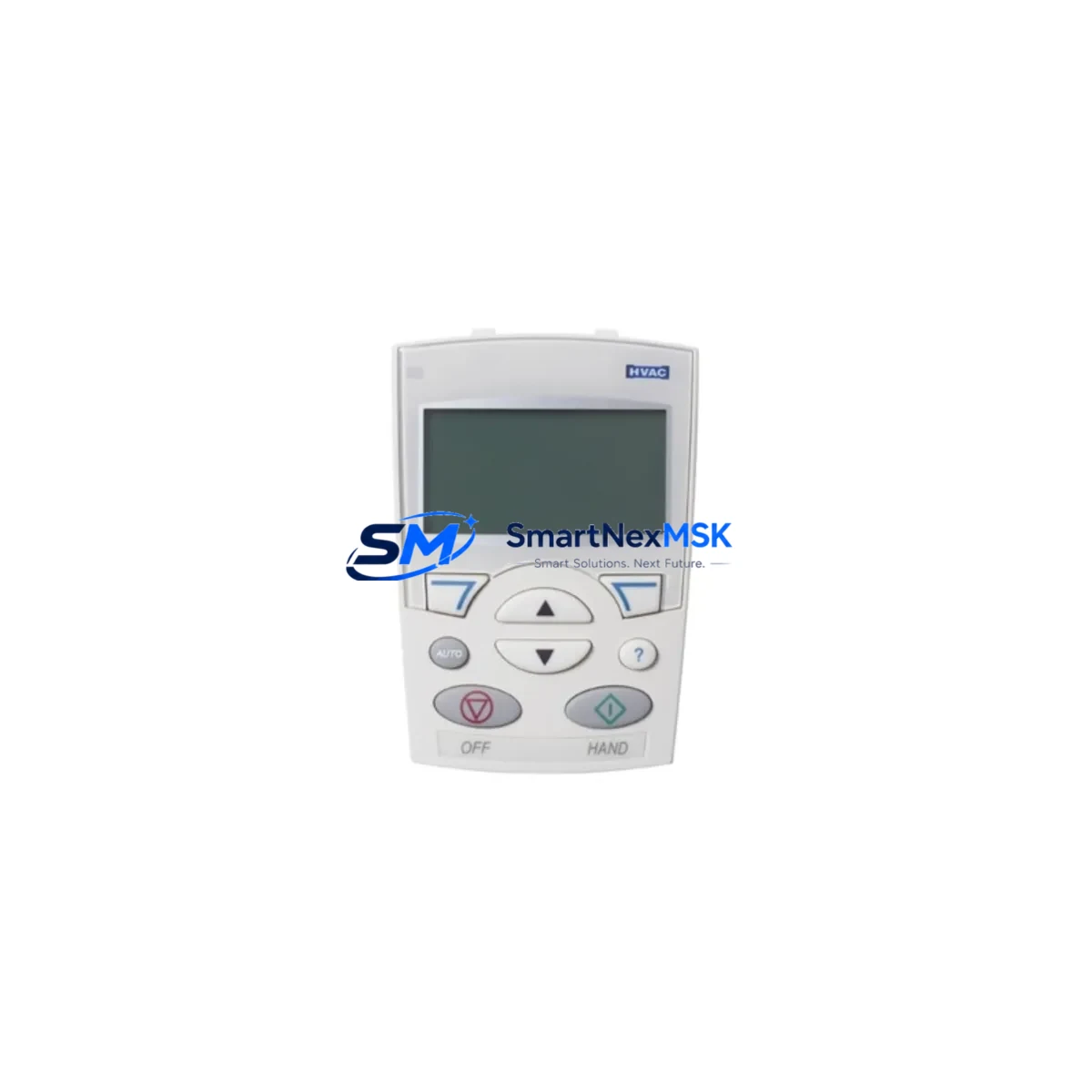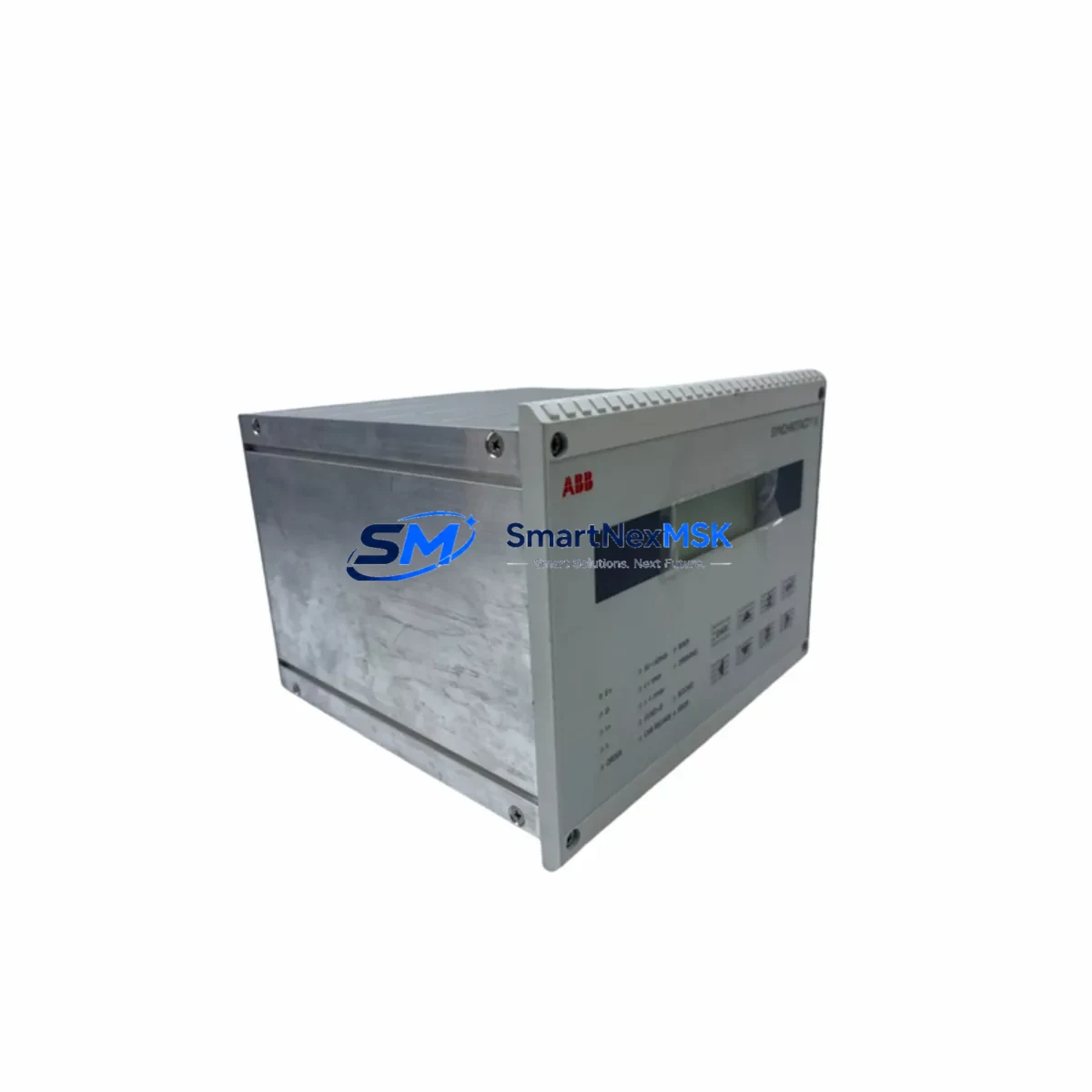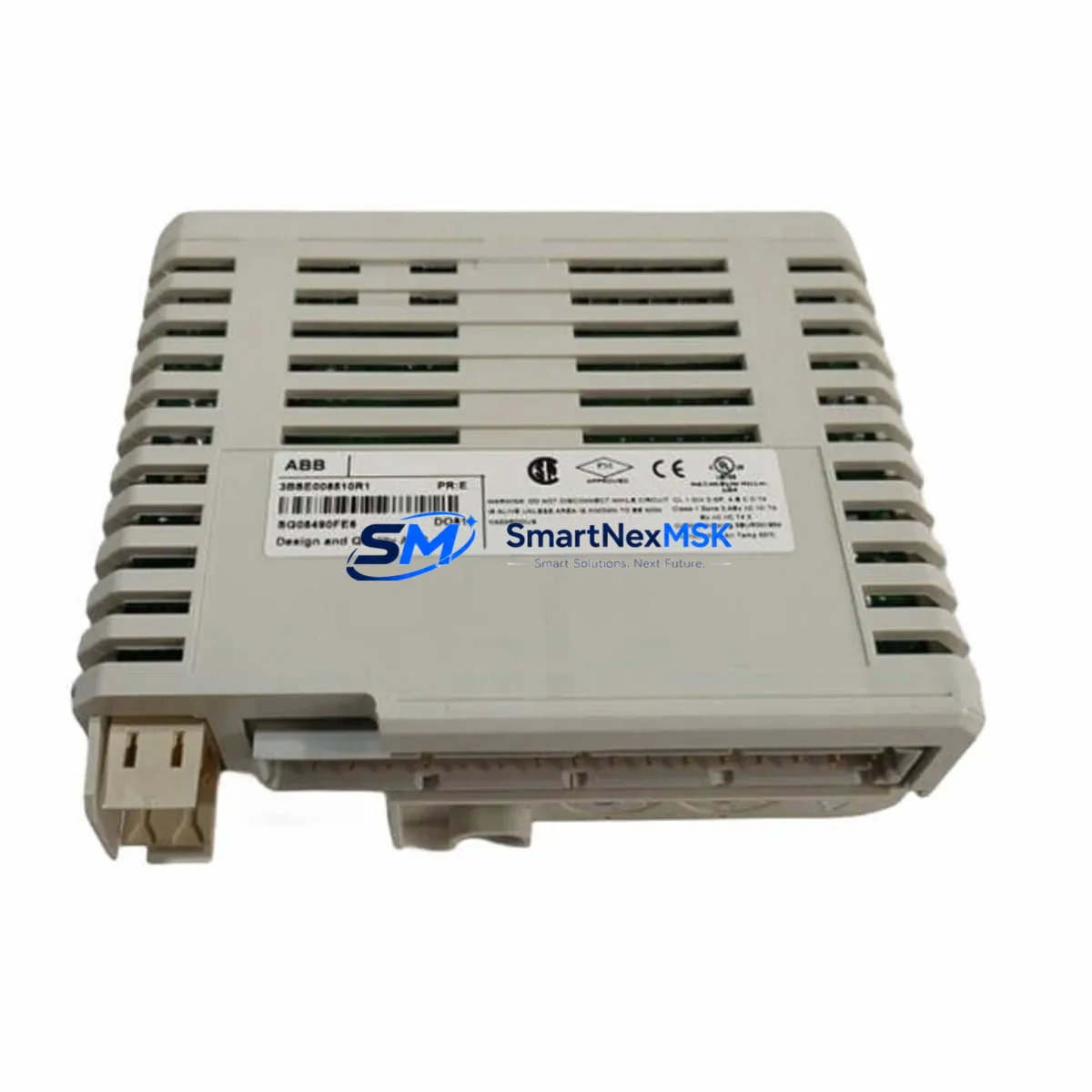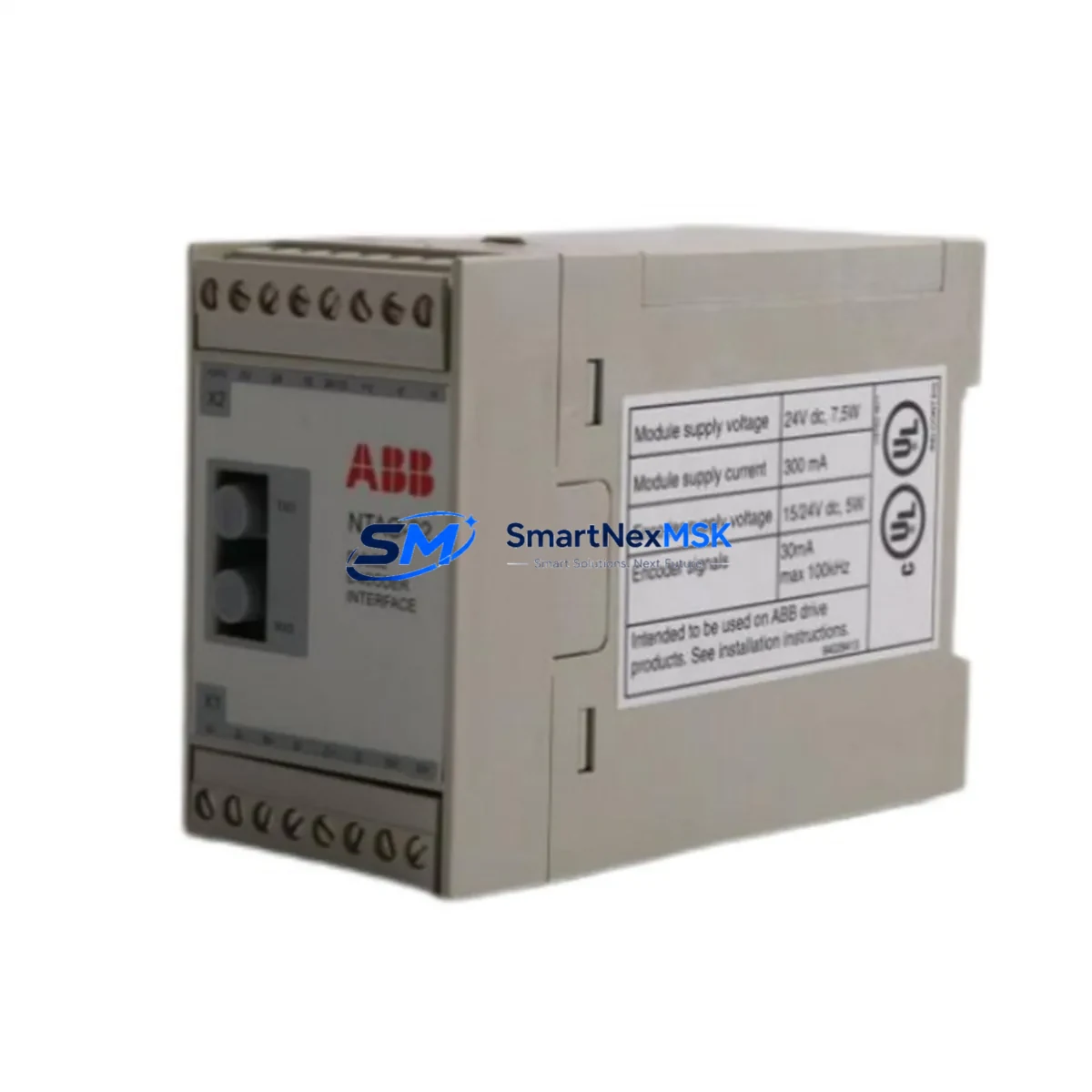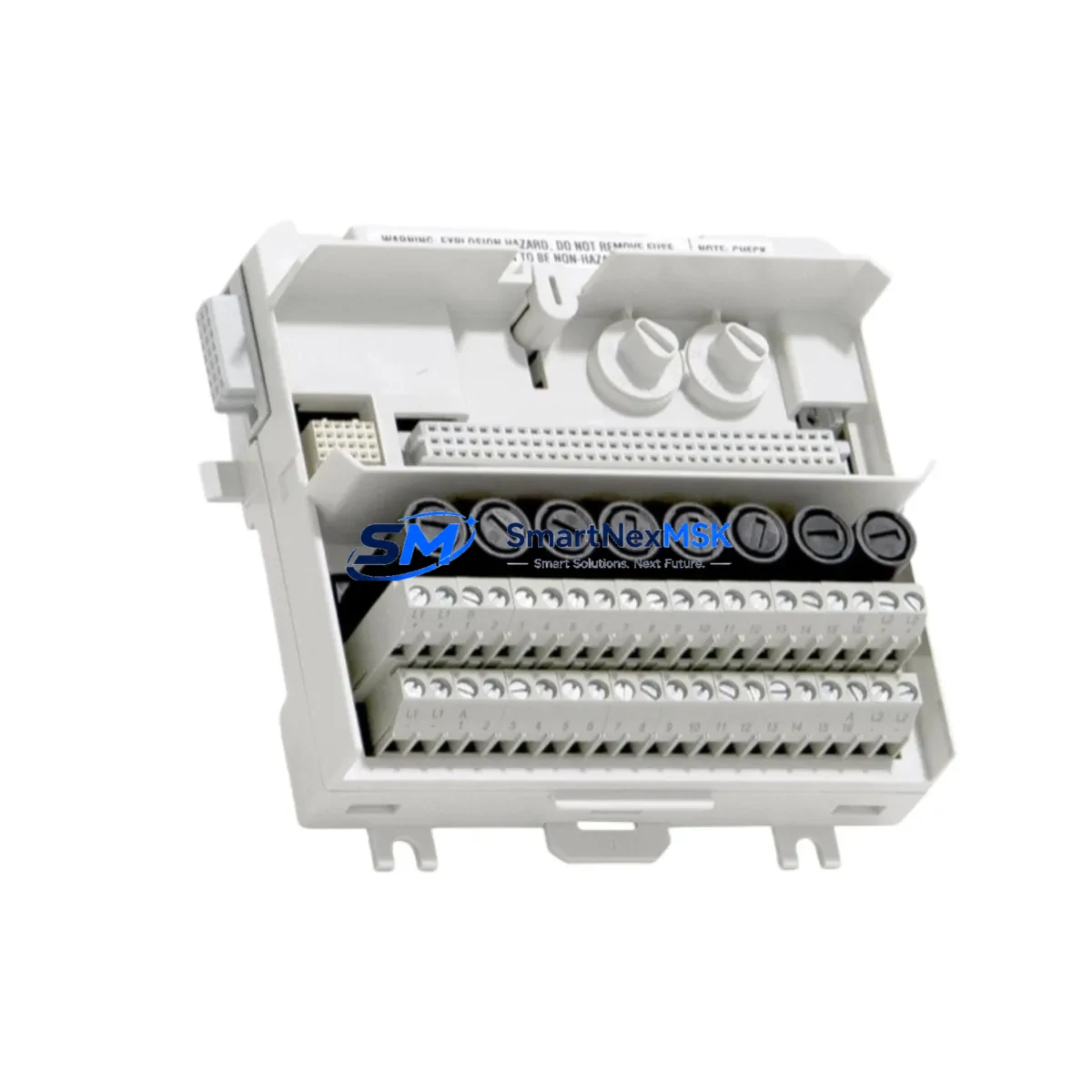
ABB TU838 Retrofit-Ready Terminal Unit for S800 I/O Control Systems
The ABB TU838 Extended Marshalling Terminal Unit is a proven, retrofit-ready solution for engineers and maintenance teams managing legacy S800 I/O distributed control system infrastructure. Whether you are replacing a failed unit on an active production line, upgrading an aging control cabinet, or migrating from an obsolete marshalling architecture, the TU838 delivers the electrical compatibility, mechanical form factor, and signal integrity required for a smooth, low-risk transition. SMARTNEXMSK maintains verified stock of the TU838 with full pre-shipment functional testing and a 12-month warranty on every unit.
The TU838 is designed to work within the ABB S800 I/O ecosystem, interfacing directly with I/O modules such as the AI810, AO810, DI810, and DO810 series. It provides the physical terminal connection layer between field wiring and the I/O module, eliminating the need to re-terminate field cables during a module swap or system upgrade. This is critical in retrofit scenarios where minimizing downtime and protecting existing wiring infrastructure are primary engineering constraints.
Upgrade Compatibility Table
| Parameter | Details |
|---|---|
| SKU / Part Number | TU838 |
| Brand / Manufacturer | ABB |
| Compatible Series | ABB S800 I/O (Freelance, System 800xA, AC800M) |
| Module Interface | Extended Marshalling Terminal Unit — accepts S800 I/O modules directly |
| Field Wiring Terminals | Screw-type terminals; compatible with existing field cable terminations |
| Backplane / Rack Mounting | DIN rail mountable; compatible with TB820 and TB840 bus modem configurations |
| Communication Compatibility | PROFIBUS DP, MasterBus 300, and S800 I/O bus protocols |
| Replacement Suitability | Direct drop-in replacement for existing TU838 installations; no re-wiring required |
| Commissioning Notes | Verify module address assignment in AC800M controller; confirm I/O channel mapping in Control Builder |
| Warranty | 12 months from shipment date, covering manufacturing defects and functional failure |
Retrofit Planning for Existing Automation Systems
Successful retrofit of the TU838 into an existing S800 I/O system requires a structured approach that accounts for both hardware compatibility and software configuration. Before removing the failed or obsolete unit, engineers should document the existing terminal wiring layout, photograph all field cable connections, and record the module address assigned to the I/O slot in the AC800M controller configuration. This documentation becomes the reference baseline for post-installation verification.
In a typical S800 I/O retrofit scenario, the TU838 is mounted on a DIN rail within the control cabinet and connected to the I/O bus via the TB820 bus modem or TB840A redundant bus modem, depending on the system architecture. The I/O module — for example an AI810 analog input module or a DI810 digital input module — plugs directly into the TU838, establishing the signal path from field instruments to the controller. If the existing installation uses a CI854 PROFIBUS DP communication interface module, engineers must confirm that the PROFIBUS address and baud rate settings are preserved during the swap to avoid communication faults on the network segment.
For systems running ABB System 800xA or Freelance DCS, the HMI faceplate and alarm configuration tied to the replaced I/O channel should be reviewed in the engineering station before the unit is brought back online. In many legacy installations, the I/O channel tags are mapped to PM866 or PM891 processor module configurations, and any mismatch between the physical module address and the software tag assignment will result in a communication fault or incorrect process value display on the operator station.
Power supply capacity is another critical checkpoint. The TU838 draws power from the S800 I/O bus, which is typically fed by an SD821 or SD822 power supply unit. Before installing additional I/O modules or expanding the marshalling configuration, engineers should verify that the available bus current budget is sufficient to support the expanded load. Overloading the bus power supply is a common cause of intermittent faults in retrofit projects where additional I/O capacity is added to an existing rack without recalculating the power budget.
In projects involving communication protocol migration — for example, transitioning from MasterBus 300 to PROFIBUS DP — the TU838 remains mechanically and electrically compatible, but the communication interface module must be updated accordingly. This type of migration is common in plants upgrading from older ABB Advant OCS or MOD 300 control platforms to System 800xA, where the S800 I/O hardware is retained but the communication backbone is modernized. The TU838’s compatibility with both legacy and current ABB I/O bus architectures makes it a preferred choice for phased migration strategies that minimize capital expenditure.
Downtime Control During System Migration
Minimizing unplanned downtime is the primary operational constraint in any industrial control system retrofit. For TU838 replacement projects, SMARTNEXMSK recommends a pre-staged swap methodology: the replacement unit is configured, address-verified, and bench-tested before the maintenance window begins, so that the physical installation and wiring reconnection can be completed within a single planned shutdown period.
Before initiating the swap, the control program logic in the AC800M controller should be backed up using ABB Control Builder M, and the current I/O channel values should be recorded for post-installation comparison. If the system supports hot-standby redundancy via a redundant processor module such as the PM891, the switchover sequence should be tested in advance to confirm that the redundant path remains active during the physical module replacement.
Field wiring reconnection should follow the documented terminal layout captured before removal. Once the TU838 is installed and the I/O module is seated, the engineer should perform a channel-by-channel signal verification against the process values recorded before the shutdown. Any discrepancy in analog signal scaling or digital input state should be investigated before the system is returned to automatic control mode. Communication link integrity between the TU838, the bus modem, and the CI854 interface module should be confirmed via the diagnostic LEDs on each component before the operator station is released to production.
SMARTNEXMSK ships all TU838 units with a pre-shipment functional test report, reducing the risk of receiving a non-functional unit and eliminating the need for incoming inspection delays. Standard lead time from order confirmation to dispatch is 1–3 business days for in-stock units, supporting tight maintenance window scheduling.
Retrofit Support FAQ
Q: Is the TU838 a direct drop-in replacement for an existing TU838 installation?
A: Yes. The TU838 is a direct mechanical and electrical replacement for existing TU838 units in S800 I/O systems. Field wiring terminals are compatible with existing cable terminations, and no re-wiring is required. The I/O module address assignment in the AC800M controller does not need to be changed, provided the replacement unit is installed in the same physical slot position.
Q: What commissioning steps are required after installing the TU838?
A: After physical installation, verify that the I/O module is correctly seated on the TU838 and that the bus modem connection is secure. In ABB Control Builder M, confirm that the I/O channel tags are online and reporting correct process values. Check the diagnostic LEDs on the TB820 or TB840A bus modem for communication status. Perform a channel-by-channel signal verification against pre-shutdown reference values before returning the loop to automatic control.
Q: Can the TU838 be used with both PROFIBUS DP and MasterBus 300 communication architectures?
A: Yes. The TU838 is compatible with both PROFIBUS DP and MasterBus 300 I/O bus configurations. The communication protocol is determined by the interface module (e.g., CI854 for PROFIBUS DP) and the bus modem, not by the terminal unit itself. This makes the TU838 suitable for both legacy system maintenance and protocol migration projects.
Q: What warranty coverage is provided, and what does it include?
A: Every TU838 unit supplied by SMARTNEXMSK is covered by a 12-month warranty from the date of shipment. The warranty covers manufacturing defects and functional failure under normal operating conditions. Each unit is pre-shipment tested and ships with a functional test report. For warranty claims, contact [email protected] with the order reference and a description of the fault.
© 2026 SMARTNEXMSK. All rights reserved.
Original Source: https://smartnexmsk.com
Contact: [email protected] | +86 18259474341