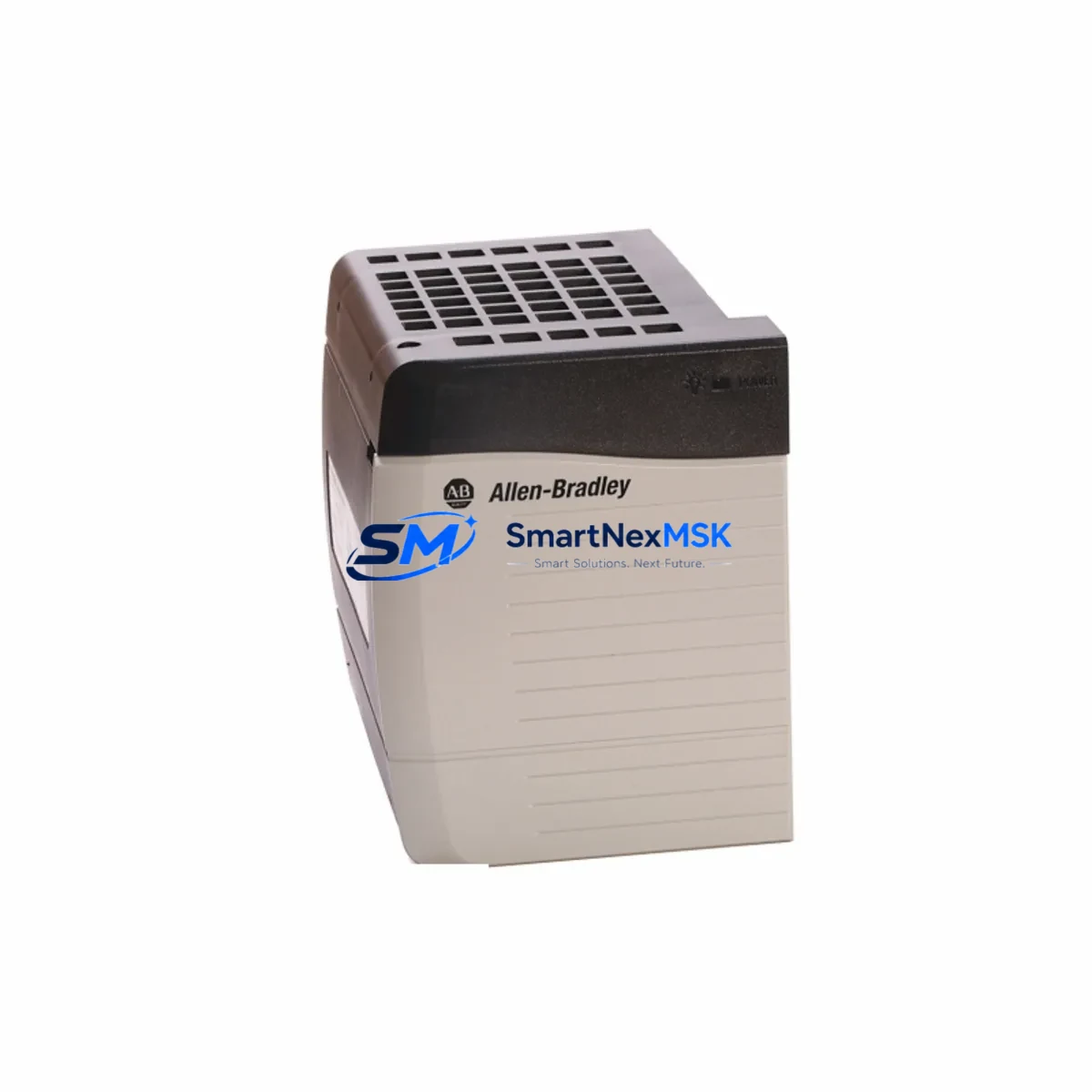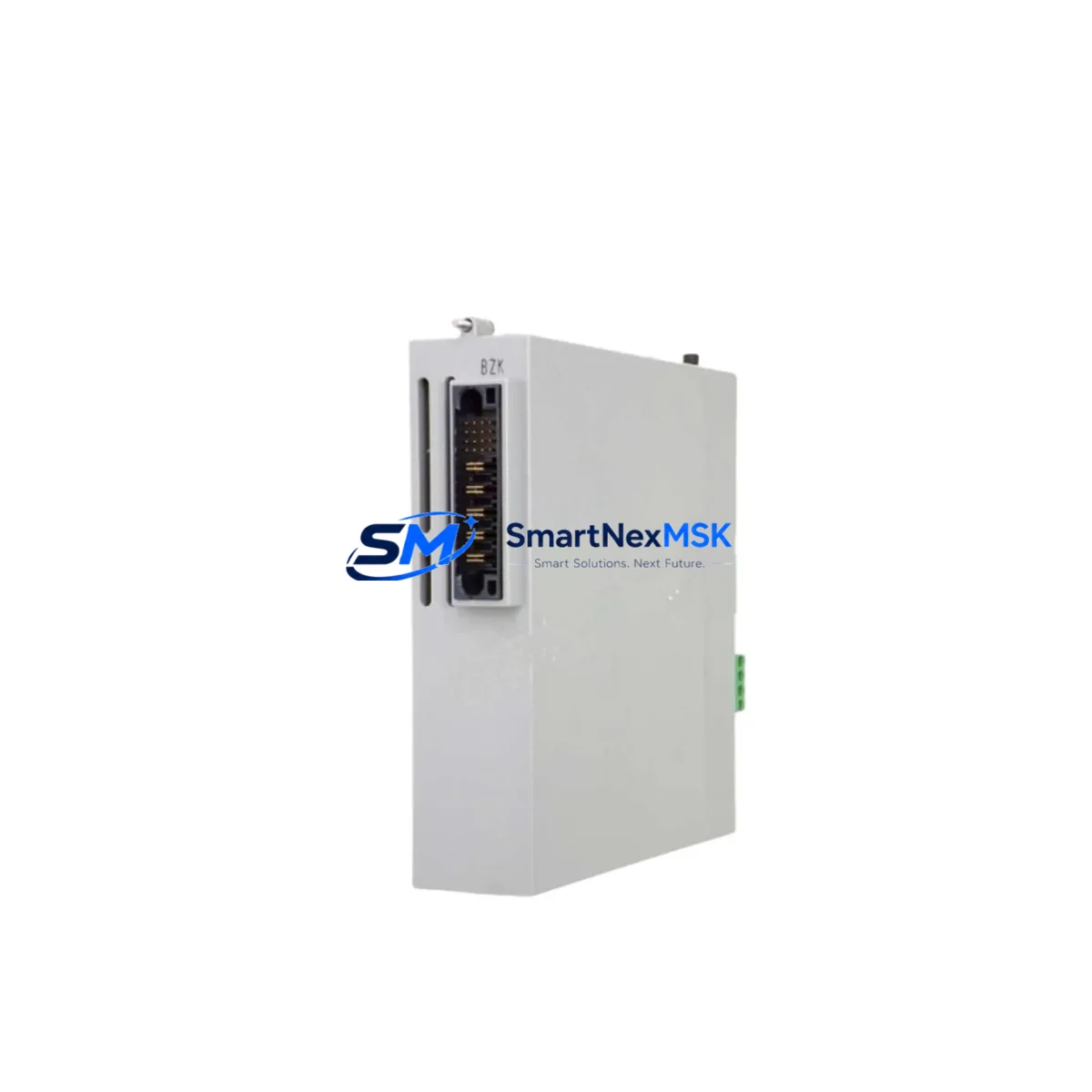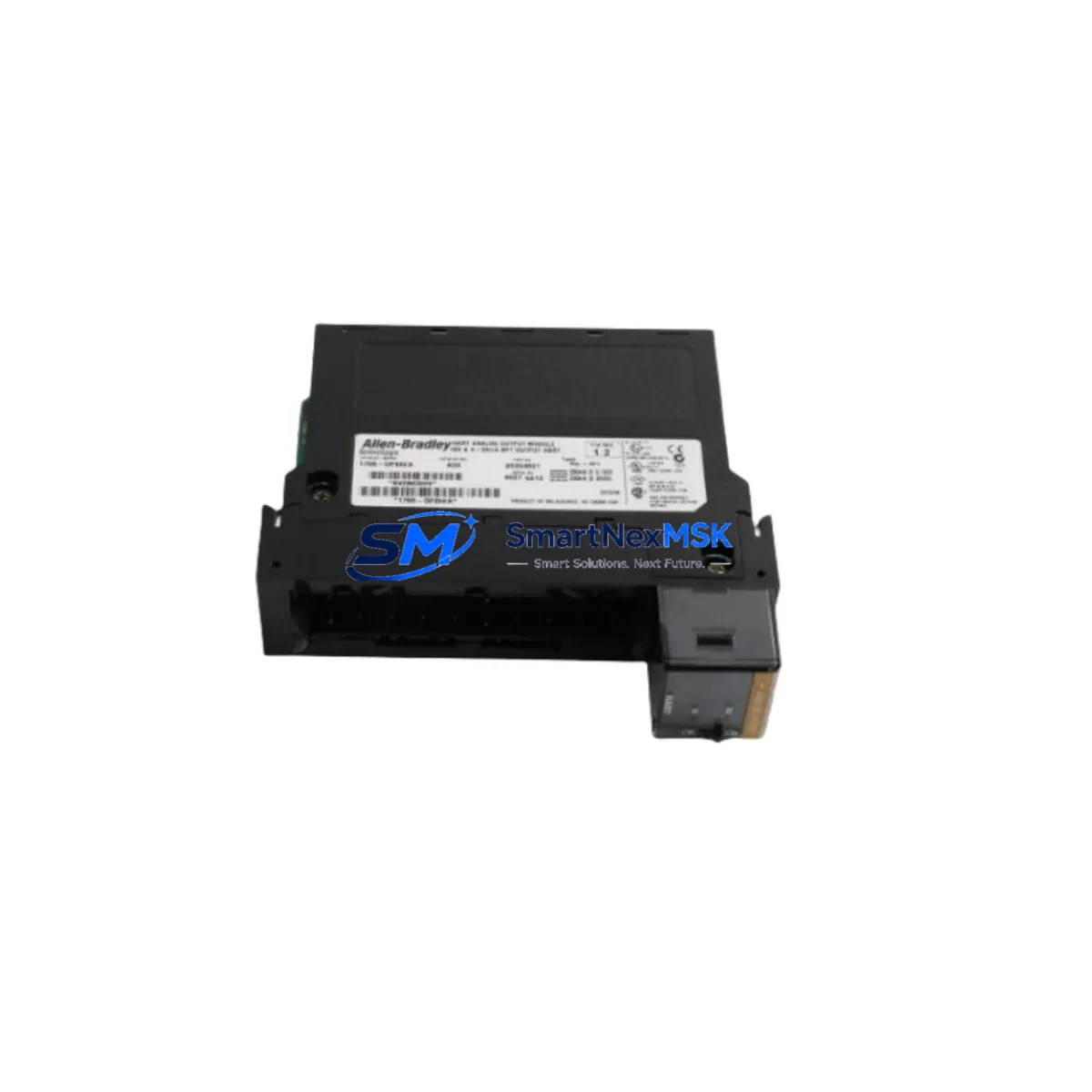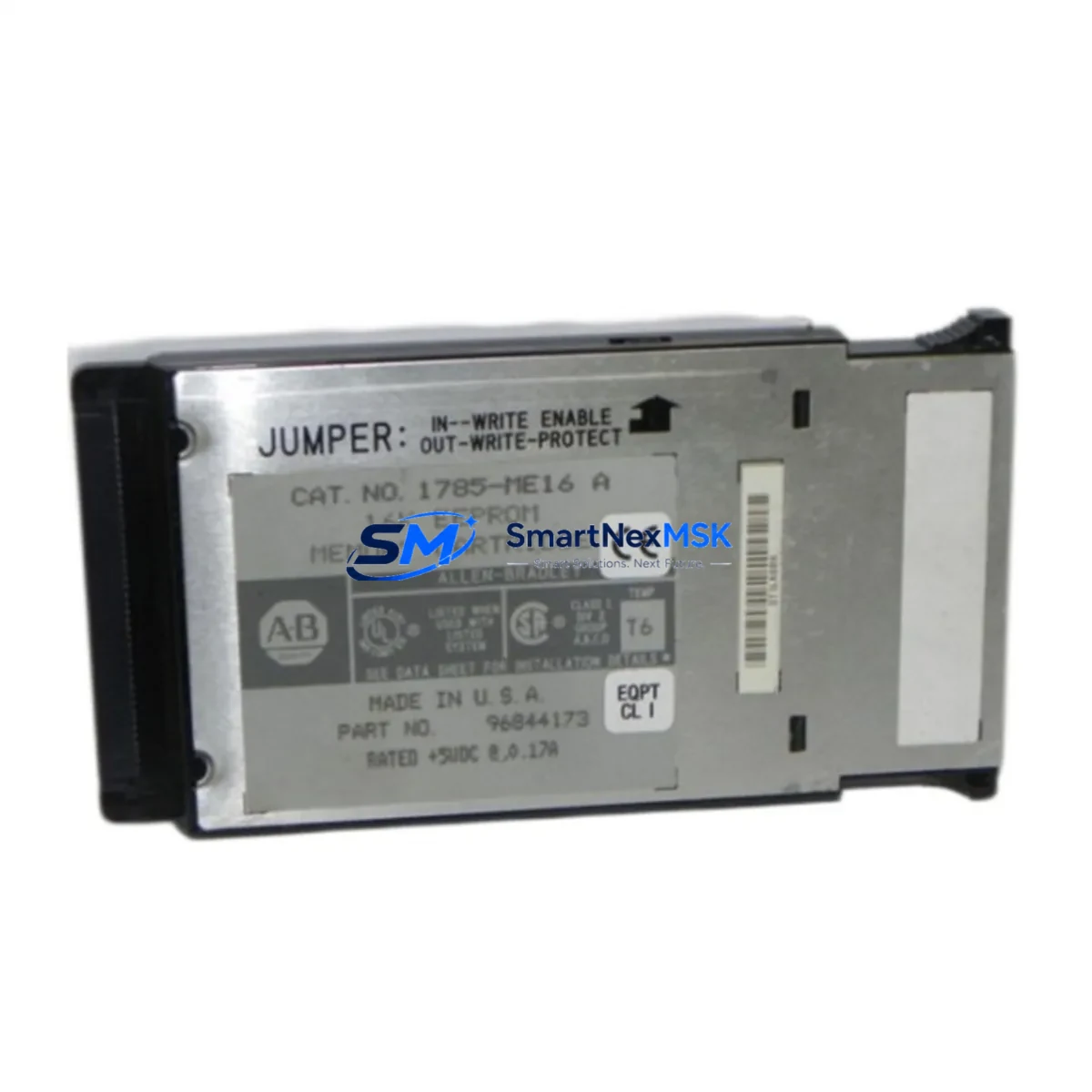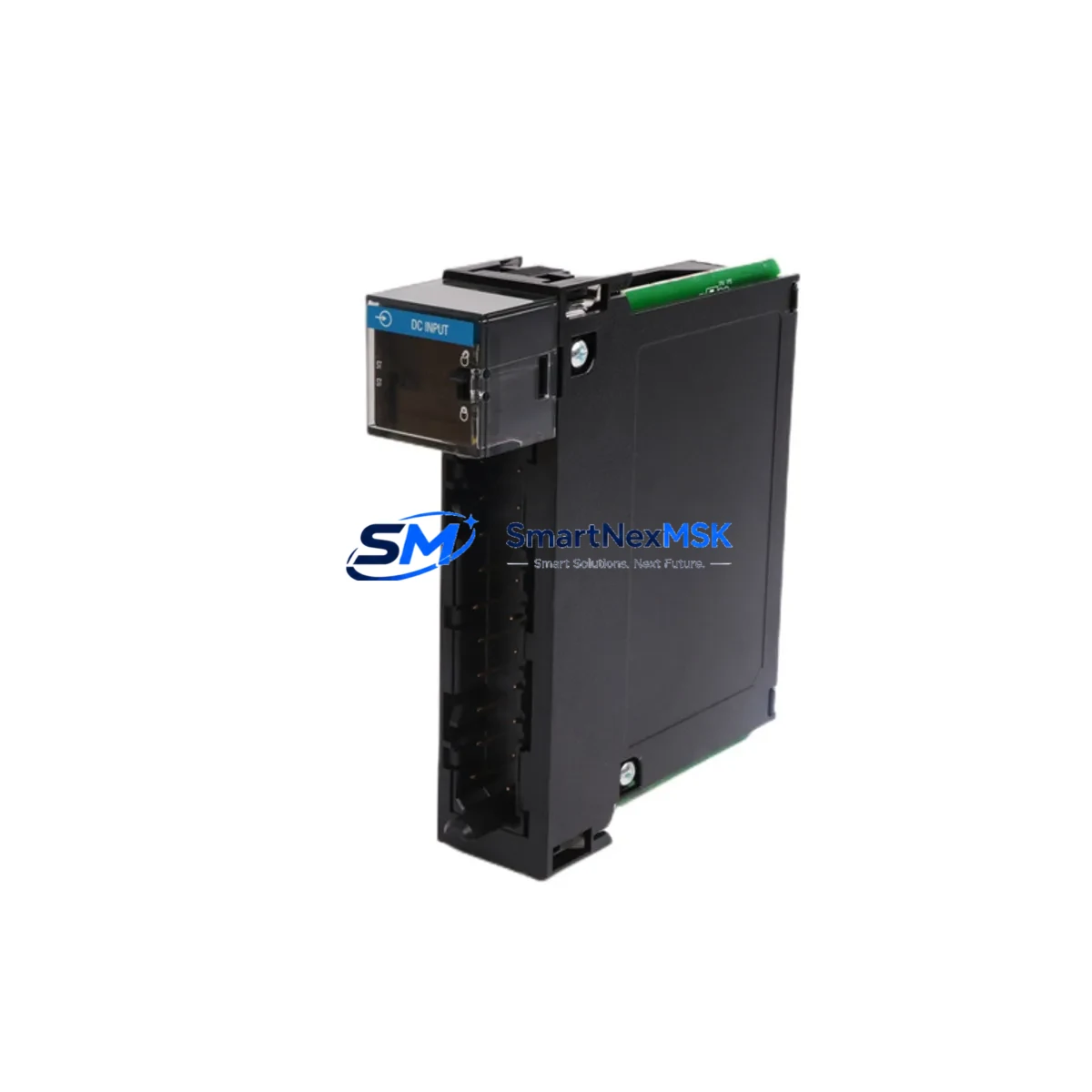
Allen-Bradley 1756-IC16 Retrofit-Ready DC Input for ControlLogix Systems
The Allen-Bradley 1756-IC16 is a 16-point, 48V DC sourcing digital input module designed for the ControlLogix 1756 chassis platform. As legacy automation infrastructure ages and OEM support windows close, the 1756-IC16 has become one of the most sought-after retrofit components for engineers tasked with modernizing existing control panels without full system replacement. Whether you are recovering from an unplanned failure, executing a planned upgrade cycle, or migrating from an older PLC-5 or SLC 500 architecture to ControlLogix, this module provides a reliable, wiring-compatible solution that minimizes engineering rework and commissioning time.
Each unit supplied by SMARTNEXMSK is sourced from verified industrial channels, subjected to functional power-on testing, and backed by a 12-month warranty covering manufacturing defects and operational failures under normal industrial conditions. Fast global shipping is available with full export documentation upon request.
Upgrade Compatibility Table
| Parameter | 1756-IC16 Specification | Retrofit Notes |
|---|---|---|
| Input Points | 16 points, sourcing (IEC Type 1) | Direct replacement for same-point-count legacy modules |
| Input Voltage | 48V DC nominal (30–60V DC range) | Verify field device supply voltage before swap |
| Backplane Interface | 1756 ControlLogix backplane | Compatible with all 1756 chassis sizes (4, 7, 10, 13, 17-slot) |
| Module Addressing | Slot-based, configured via RSLogix 5000 / Studio 5000 | Re-use existing tag structure; verify slot assignment in controller project |
| Communication | ControlLogix backplane (proprietary) | No additional network card required for local I/O |
| Wiring Termination | Removable terminal block (RTB) — 1756-TBCH or 1756-TBS6H | Existing RTB can be reused if undamaged; inspect for corrosion |
| Program Compatibility | Ladder Logic, FBD, SFC, ST via Studio 5000 | No program rewrite required for direct slot replacement |
| HMI Integration | Tag-server compatible (FactoryTalk View SE/ME) | HMI tag paths remain valid if module slot is unchanged |
| Warranty | 12 months from shipment date — covers functional failure under normal operating conditions | |
Retrofit Planning for Existing Automation Systems
Successful integration of the 1756-IC16 into an existing control system begins well before the module arrives on-site. Engineers should start by auditing the current 1756 chassis configuration, confirming available slot positions, and reviewing the power budget of the installed 1756-PA72 or 1756-PB72 power supply. Each chassis slot draws current from the backplane, and adding or replacing modules without verifying the power supply’s remaining capacity can cause intermittent faults or prevent the controller from completing its power-up sequence.
Wiring compatibility is the next critical checkpoint. The 1756-IC16 uses a removable terminal block — typically the 1756-TBCH (cage clamp) or 1756-TBS6H (screw clamp) — which can be disconnected from the old module and transferred directly to the replacement unit, preserving field wiring without re-termination. This is one of the most significant time-savers during a live panel retrofit. Confirm that the existing RTB is in good condition and that terminal labeling matches the current I/O wiring diagram before transfer.
For sites migrating from older PLC-5 or SLC 500 platforms, the 1756-IC16 is commonly deployed alongside a 1756-DHRIO module to maintain DH+ or Remote I/O communication links during a phased migration, allowing legacy HMI panels and remote I/O racks to remain operational while the new ControlLogix controller takes over supervisory control. In parallel, engineers often install a 1756-EN2T or 1756-EN2TR EtherNet/IP communication module to establish the primary network backbone for SCADA integration and remote diagnostics.
I/O expansion during the same retrofit window is also common. Sites frequently add 1756-OB16E or 1756-OA16 output modules alongside the 1756-IC16 to replace aging relay output cards, and 1756-IF8 analog input modules to consolidate legacy analog signal wiring onto the ControlLogix platform. A 1756-L73 or 1756-L74 controller is the typical host processor in these configurations, providing the memory and scan-time headroom needed to absorb expanded I/O maps without performance degradation.
Where the retrofit involves a remote I/O drop, a 1756-AENT or 1756-EN2T adapter in a remote 1756 chassis connects back to the main rack over EtherNet/IP, eliminating the need for dedicated coaxial or DH+ cabling runs. Programming cables such as the 1784-U2DHP USB-to-DH+ adapter may be required during commissioning if the site still operates legacy programming terminals alongside the new Studio 5000 environment.
Downtime Control During System Migration
Minimizing unplanned downtime is the primary concern for any production facility undertaking a control system retrofit. The 1756-IC16’s removable terminal block architecture is central to this strategy: by pre-wiring a new RTB on the bench and staging the replacement module in advance, the physical swap can be completed in under five minutes per slot, with no field re-termination required.
Before any module is removed, the existing controller project should be backed up to a secure offline location using Studio 5000 or RSLogix 5000, and the current I/O configuration should be documented with a full slot map printout. If the controller supports partial fault tolerance, configure the replacement slot as inhibited in the project prior to the swap, then un-inhibit after installation to allow the controller to re-establish communication without triggering a major fault.
For critical processes that cannot tolerate even brief I/O interruption, a hot-swap procedure is supported on ControlLogix platforms — the 1756-IC16 can be inserted and removed from a powered chassis without requiring a controller restart, provided the chassis and power supply are in good health. After insertion, the module will automatically configure itself from the controller’s stored configuration, and field inputs will resume scanning within one to two program scan cycles. HMI displays connected via FactoryTalk View will reflect live input states without operator intervention, preserving control room visibility throughout the swap.
Post-installation verification should include a point-by-point I/O force test to confirm each of the 16 input channels responds correctly to field signals, followed by a review of the controller’s diagnostic buffer for any module-related fault codes. Shipping test records and functional test reports are available upon request for traceability purposes.
Retrofit Support FAQ
Q: Is the 1756-IC16 a direct drop-in replacement for the original module?
A: Yes. The 1756-IC16 is a direct slot-for-slot replacement within any 1756 ControlLogix chassis. The module uses the same backplane connector, the same RTB interface, and the same Studio 5000 configuration profile as the original. No program changes are required if the replacement module occupies the same chassis slot.
Q: Can the existing field wiring and terminal block be reused?
A: In most cases, yes. The removable terminal block (1756-TBCH or 1756-TBS6H) detaches from the module body and can be transferred directly to the replacement unit. Inspect the RTB for damaged terminals, corrosion, or loose conductors before reuse. If the RTB is damaged, a new one can be pre-wired on the bench before the scheduled maintenance window.
Q: What commissioning steps are required after installation?
A: After seating the module in the chassis, verify that Studio 5000 recognizes the module in the correct slot and that no inhibit flag is active. Perform a point-by-point force test on all 16 input channels to confirm field signal integrity. Review the controller’s diagnostic log for any configuration mismatch faults. For sites with FactoryTalk View HMI, confirm that input tag values are updating correctly on all relevant display pages.
Q: What does the 12-month warranty cover?
A: The 12-month warranty covers functional failure of the module under normal industrial operating conditions, including backplane communication faults, input channel failures, and power-up failures attributable to manufacturing defects. It does not cover damage resulting from incorrect installation voltage, physical impact, or exposure to environments outside the module’s rated operating specifications. Warranty claims are processed with return shipping support and replacement dispatch within 5 business days of fault confirmation.
© 2026 SMARTNEXMSK. All rights reserved.
Original Source: https://smartnexmsk.com
Contact: [email protected] | +86 18259474341