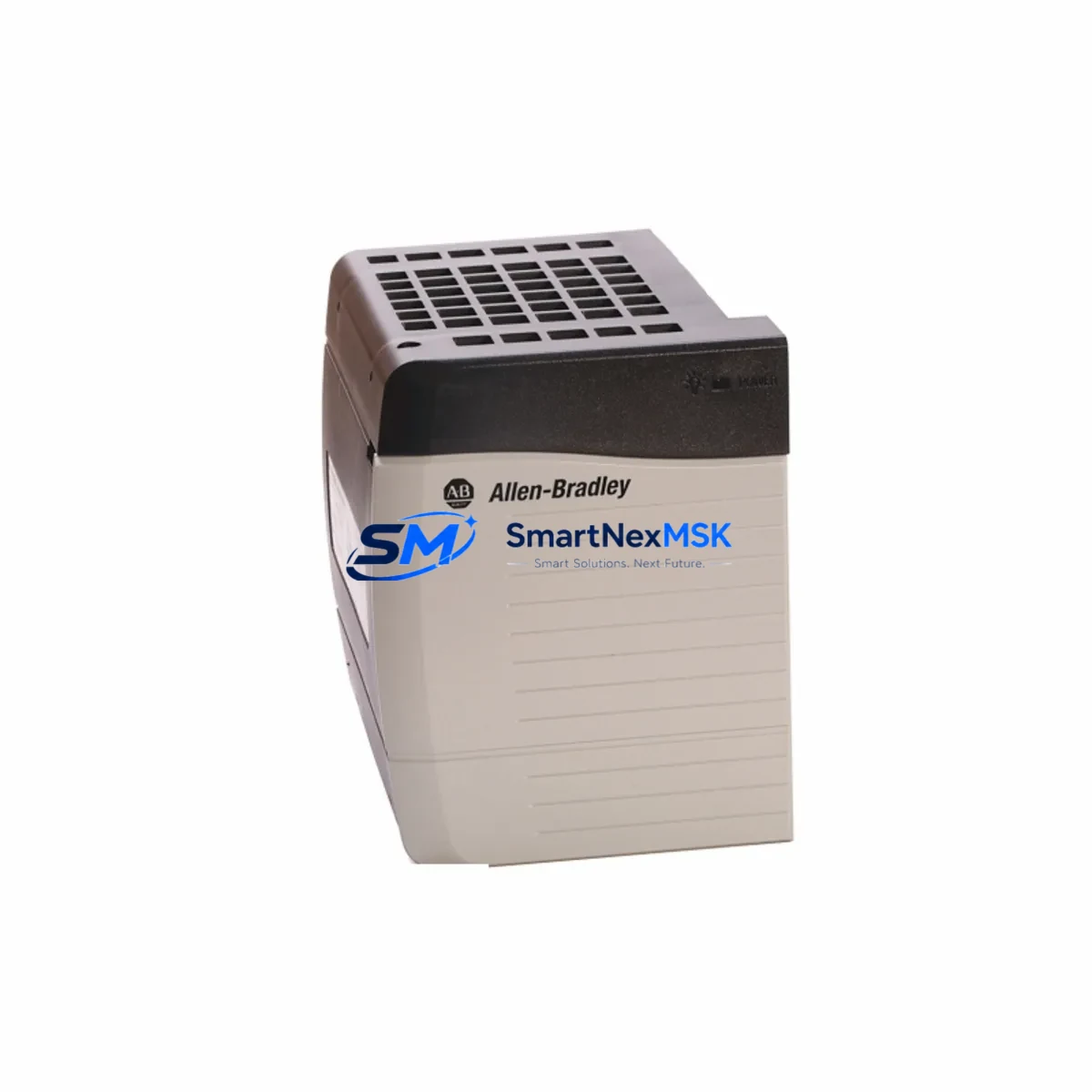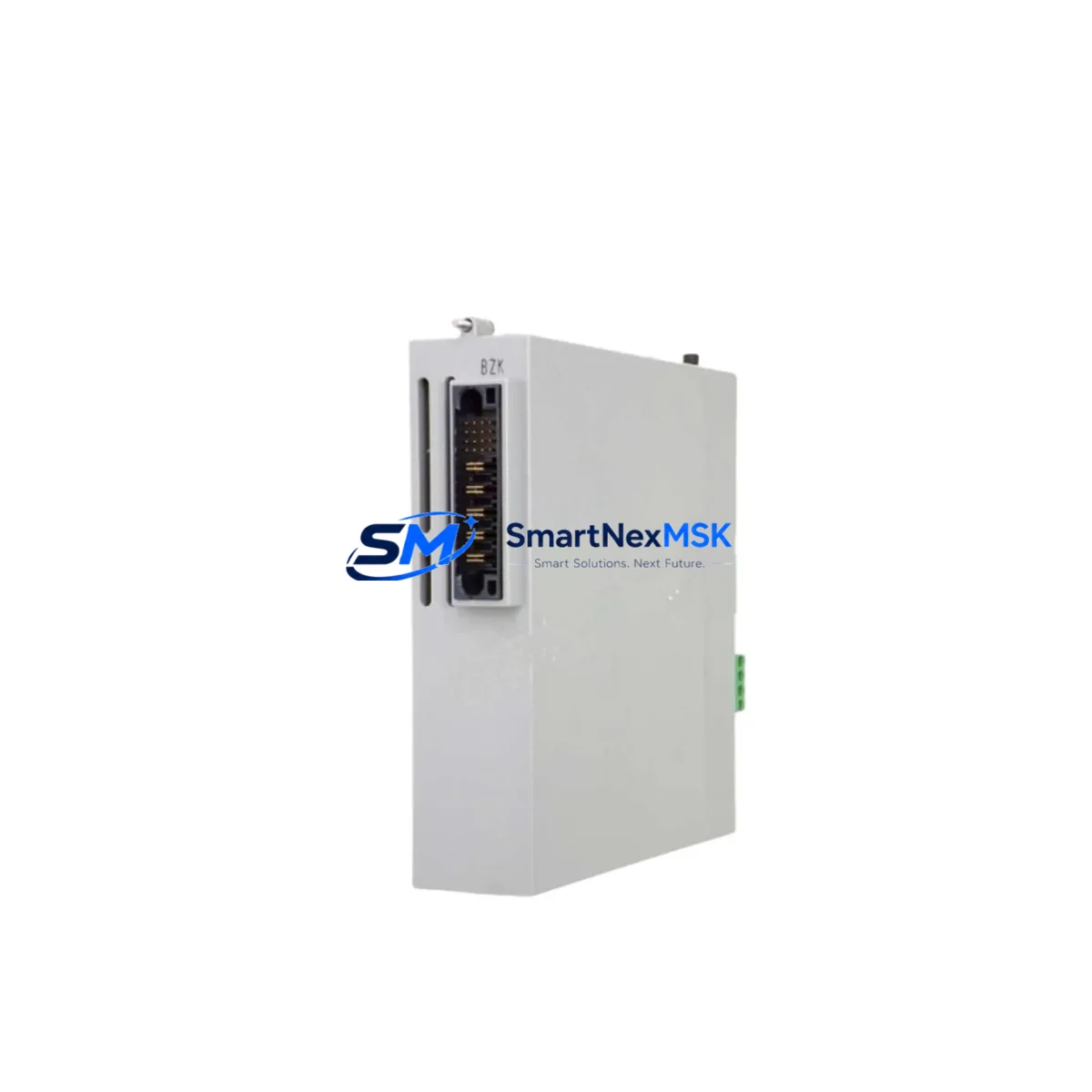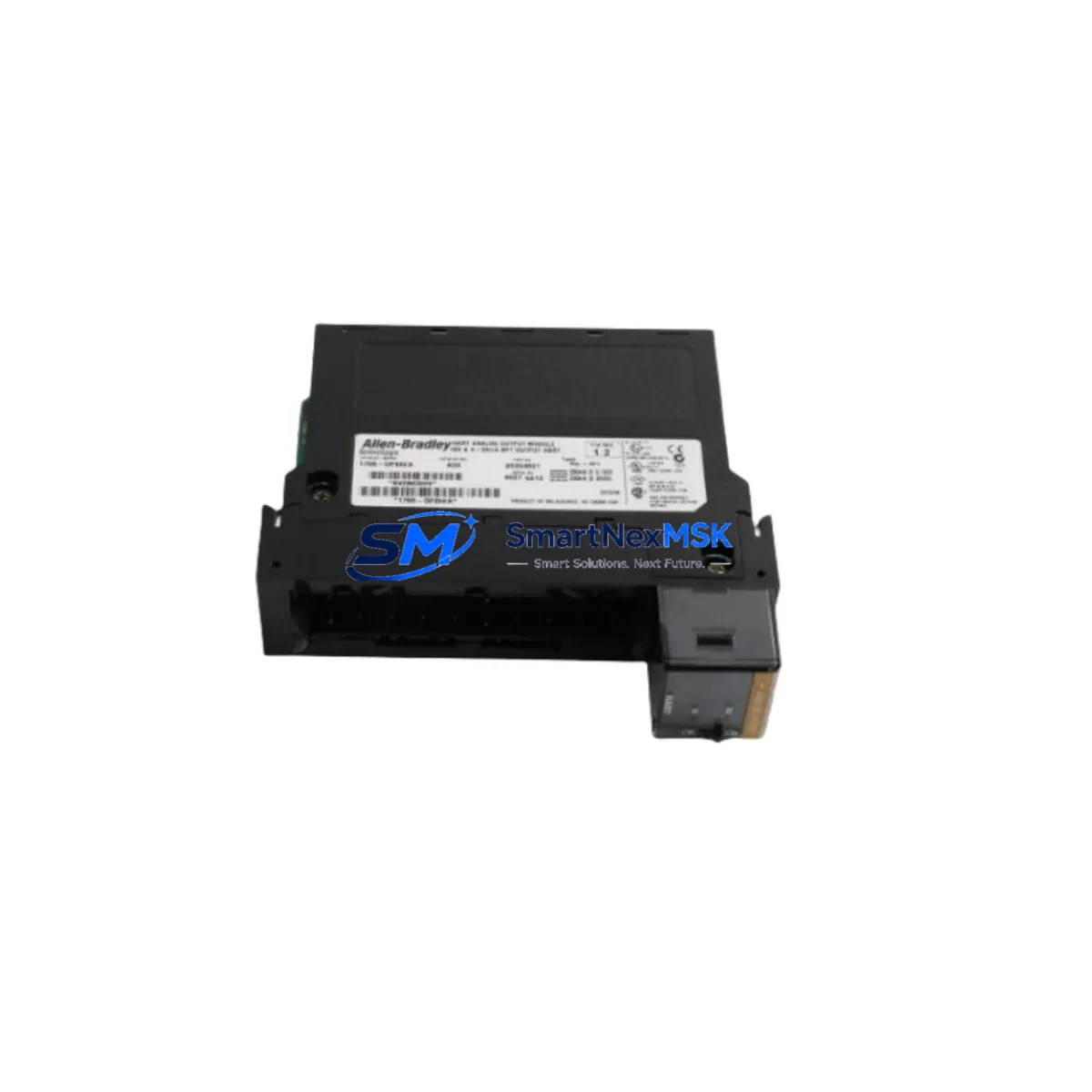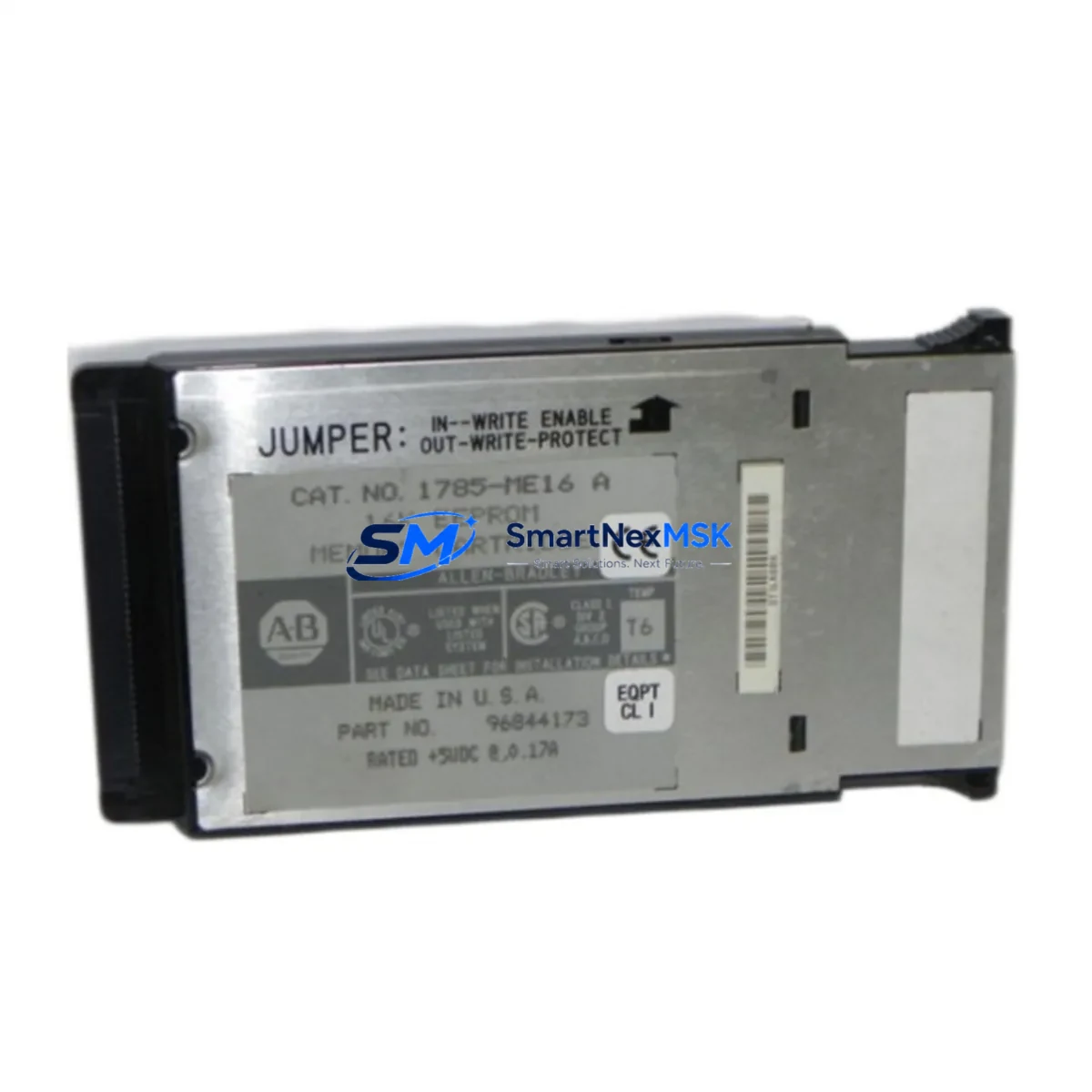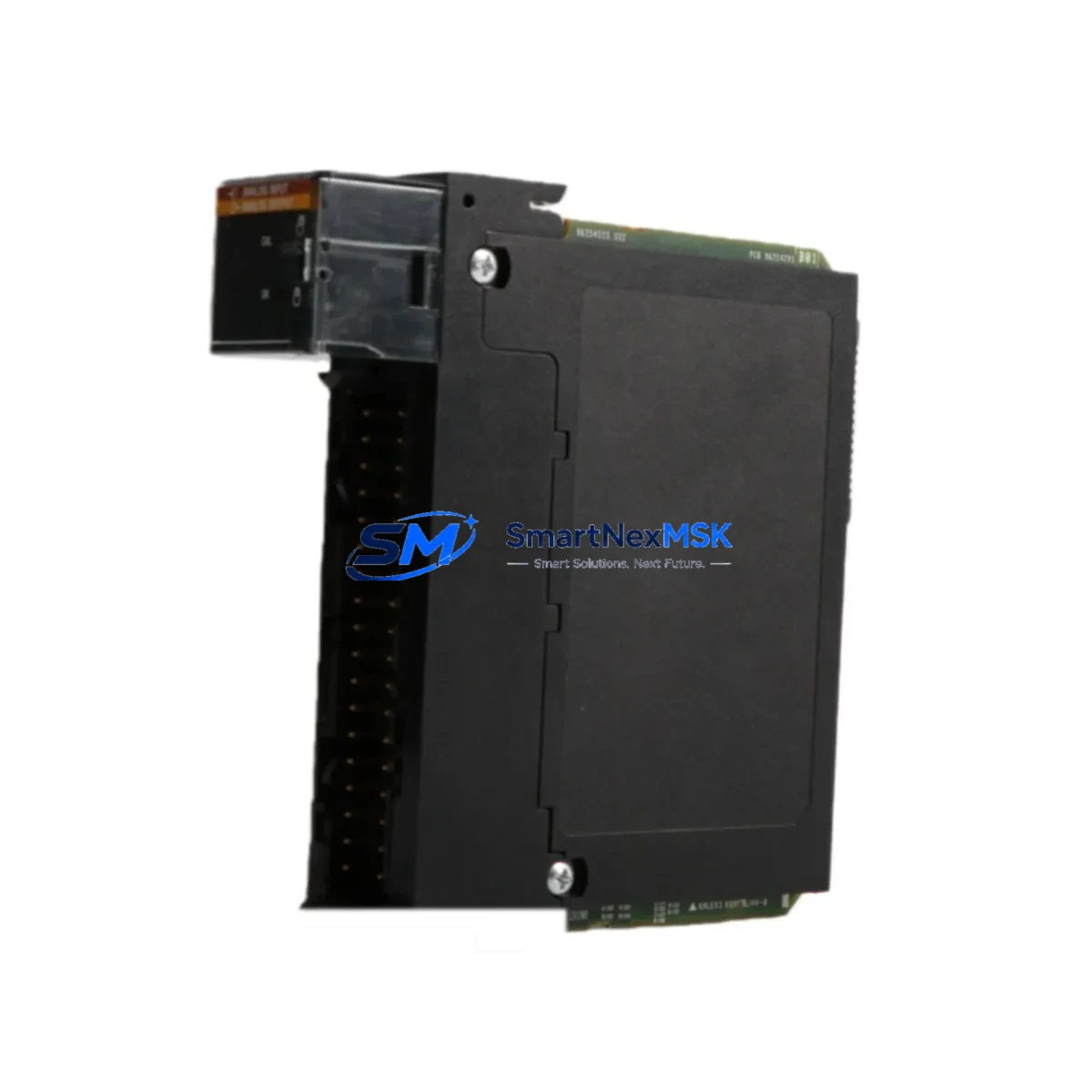
Allen-Bradley 1756-IF4FXOF2F Retrofit-Ready HART Analog I/O for ControlLogix 1756 Control Systems
The Allen-Bradley 1756-IF4FXOF2F is a combination HART-enabled analog input/output module designed for the ControlLogix 1756 backplane platform. With four HART analog inputs and two HART analog outputs, this module supports both legacy process instrumentation and modern field device integration in a single slot. For facilities managing aging ControlLogix systems or executing phased modernization programs, the 1756-IF4FXOF2F represents a reliable, drop-in upgrade path that preserves existing wiring infrastructure while enabling HART pass-through communication to field devices such as smart transmitters, control valves, and positioners.
Industrial sites running legacy 1756-series control cabinets frequently encounter obsolescence challenges when sourcing discontinued analog I/O modules. The 1756-IF4FXOF2F is a direct functional replacement for earlier ControlLogix analog modules including the 1756-IF4 and 1756-OF2, and it integrates seamlessly into existing 1756-A4, 1756-A7, 1756-A10, and 1756-A13 chassis without requiring backplane reconfiguration. Engineers planning a control system retrofit can retain the existing 1756-L7x or 1756-L8x controller, the existing 1756-EN2T or 1756-EN3T EtherNet/IP communication module, and the existing 1756-PA72 or 1756-PB72 power supply — replacing only the I/O module itself to restore full analog channel functionality.
When integrating the 1756-IF4FXOF2F into an existing system, engineers should verify the following before installation: available backplane current budget (the module draws 250 mA at 5 VDC and 3 mA at 24 VDC), terminal block wiring compatibility with existing field cables (the module uses a 20-pin RTB or IFM wiring system), module slot address assignment in the I/O tree within Studio 5000 Logix Designer, and HART channel configuration for each field device. If the legacy program was written for a non-HART analog module, the replacement tag structure in the controller program may require minor revision to accommodate the HART data structure overlay, though the core analog PV and CV tags remain compatible.
Upgrade Compatibility Table
| Parameter | Detail |
|---|---|
| Module SKU | 1756-IF4FXOF2F |
| Platform | Allen-Bradley ControlLogix 1756 Series |
| Compatible Chassis | 1756-A4, 1756-A7, 1756-A10, 1756-A13, 1756-A17 |
| Compatible Controllers | 1756-L6x, 1756-L7x, 1756-L8x (Studio 5000 v20+) |
| Replaces / Upgrades From | 1756-IF4, 1756-OF2, 1756-IF6I, 1756-OF6CI (non-HART variants) |
| Analog Inputs | 4 channels, HART-enabled, 4–20 mA / 0–20 mA / ±10 VDC |
| Analog Outputs | 2 channels, HART-enabled, 4–20 mA / 0–20 mA |
| Backplane Interface | ControlLogix standard backplane, single slot |
| Communication Protocol | EtherNet/IP (via controller), HART (field device layer) |
| Wiring System | 20-pin RTB (1756-TBNH / 1756-TBNF) or IFM |
| Power Draw | 250 mA @ 5 VDC; 3 mA @ 24 VDC |
| Installation | Hot-swap capable with ControlLogix chassis |
| Commissioning Note | Verify slot address, tag mapping, and HART device configuration in Studio 5000 |
| Warranty | 12 Months — covers manufacturing defects, functional failure, and DOA replacement |
Retrofit Planning for Existing Automation Systems
A successful retrofit begins with a thorough audit of the existing control cabinet. For ControlLogix-based systems, this means documenting the current chassis model (1756-A7 or 1756-A10 are most common in mid-size process cells), confirming the firmware revision of the 1756-L7x or 1756-L8x controller, and reviewing the existing I/O tree in Studio 5000 Logix Designer to identify the slot address and module definition of the unit being replaced.
The 1756-IF4FXOF2F occupies a single backplane slot and communicates with the controller via the standard ControlLogix backplane protocol. No additional communication modules are required. However, if the system uses a 1756-EN2T or 1756-EN3T EtherNet/IP bridge module for remote I/O access, engineers should confirm that the module firmware supports the HART data structure returned by the 1756-IF4FXOF2F. In most cases, upgrading the 1756-EN2T firmware to the latest revision resolves any tag-mapping discrepancies.
Field wiring is typically the most time-sensitive aspect of a retrofit. The 1756-IF4FXOF2F uses a 20-pin removable terminal block (RTB), compatible with the 1756-TBNH (cage clamp) or 1756-TBNF (screw clamp) wiring systems. If the existing installation uses an IFM (interface module) and pre-wired cable assembly, the same IFM can be reused with the replacement module, eliminating the need to re-terminate field cables at the terminal block — a significant time saving during a live-line changeover. Engineers should also verify that the 1756-PA72 or 1756-PB72 power supply in the chassis has sufficient current headroom to support the replacement module alongside existing modules such as the 1756-IB16, 1756-OB16E, or 1756-IF16 already installed in the rack.
For systems that include an HMI — typically a PanelView Plus 7 or PanelView 800 — the analog channel tags referenced in the HMI project should be reviewed to confirm that the tag names and data types remain consistent after the module swap. In most ControlLogix retrofit scenarios, the HMI project requires no modification if the replacement module is configured with the same slot address and the same channel engineering unit ranges as the original module.
Downtime Control During System Migration
Minimizing unplanned downtime is the primary operational concern during any I/O module replacement on a live production system. For the 1756-IF4FXOF2F retrofit, the recommended approach is to pre-configure the replacement module offline using Studio 5000 before the maintenance window begins. This involves creating a temporary offline project file, defining the module in the correct slot with the correct channel configuration, and exporting the module configuration for comparison against the live system.
During the maintenance window, the ControlLogix chassis supports hot-swap of I/O modules without requiring a controller restart, provided the controller is in Run mode and the module is not inhibited. Engineers should place the affected analog channels in manual mode at the DCS or SCADA level before physically removing the old module, ensuring that field devices such as control valves remain in their last commanded position during the swap. After inserting the 1756-IF4FXOF2F, the controller will automatically download the pre-configured module definition and begin scanning the new module within seconds.
Post-installation verification should include confirming that all four analog input channels are reading expected PV values from field transmitters, that both analog output channels are driving the correct mA signals to control valves or positioners, and that HART communication is active on each channel where HART devices are connected. A channel-by-channel loop check using a HART communicator or AMS Device Manager confirms full signal integrity before returning the system to automatic control. Total planned downtime for a single-module swap using this procedure is typically under 30 minutes for an experienced controls engineer.
Retrofit Support FAQ
Q: Is the 1756-IF4FXOF2F a direct drop-in replacement for the 1756-IF4 or 1756-OF2?
A: Functionally yes — the 1756-IF4FXOF2F provides the same analog input and output channel count and is backplane-compatible with all standard 1756-series chassis. The key difference is the addition of HART communication capability on all channels. The module definition in Studio 5000 must be updated to reflect the new module catalog number, and the HART data structure tags will appear in the controller tag database. Existing analog PV and CV tags remain structurally compatible.
Q: What wiring changes are required when replacing a non-HART analog module?
A: No field wiring changes are required if the existing installation uses a 20-pin RTB or a compatible IFM cable assembly. The terminal pinout for analog input and output channels is identical to the standard ControlLogix analog module wiring convention. If HART communication is not needed, the HART terminals can simply be left unconnected without affecting analog signal performance.
Q: How is the module tested before shipment?
A: Each 1756-IF4FXOF2F unit undergoes functional testing prior to shipment, including backplane communication verification, analog channel signal accuracy check across the full 4–20 mA range, and HART protocol handshake confirmation. Units are shipped with original or equivalent protective packaging. A 12-month warranty covers manufacturing defects, functional failure under normal operating conditions, and DOA (dead-on-arrival) replacement at no additional cost.
Q: Can this module be used in a remote I/O rack connected via a 1756-EN2T EtherNet/IP module?
A: Yes. The 1756-IF4FXOF2F operates in any standard ControlLogix chassis, whether local to the controller or in a remote rack connected via a 1756-EN2T or 1756-EN3T EtherNet/IP communication module. HART pass-through communication is managed at the controller level via the EtherNet/IP backplane path, and no additional hardware is required to enable HART device access from a remote rack configuration.
© 2026 SMARTNEXMSK. All rights reserved.
Original Source: https://smartnexmsk.com
Contact: [email protected] | +86 18259474341