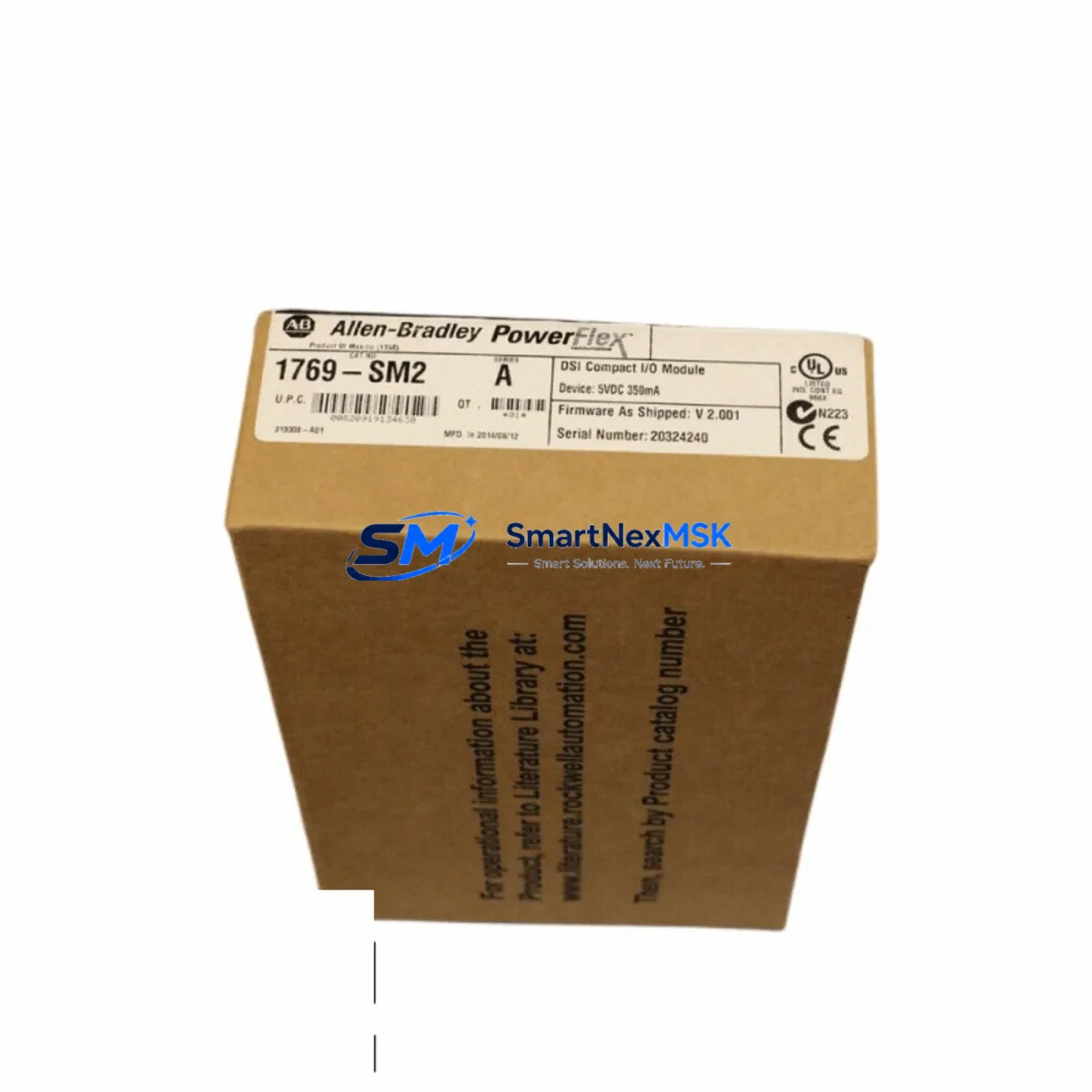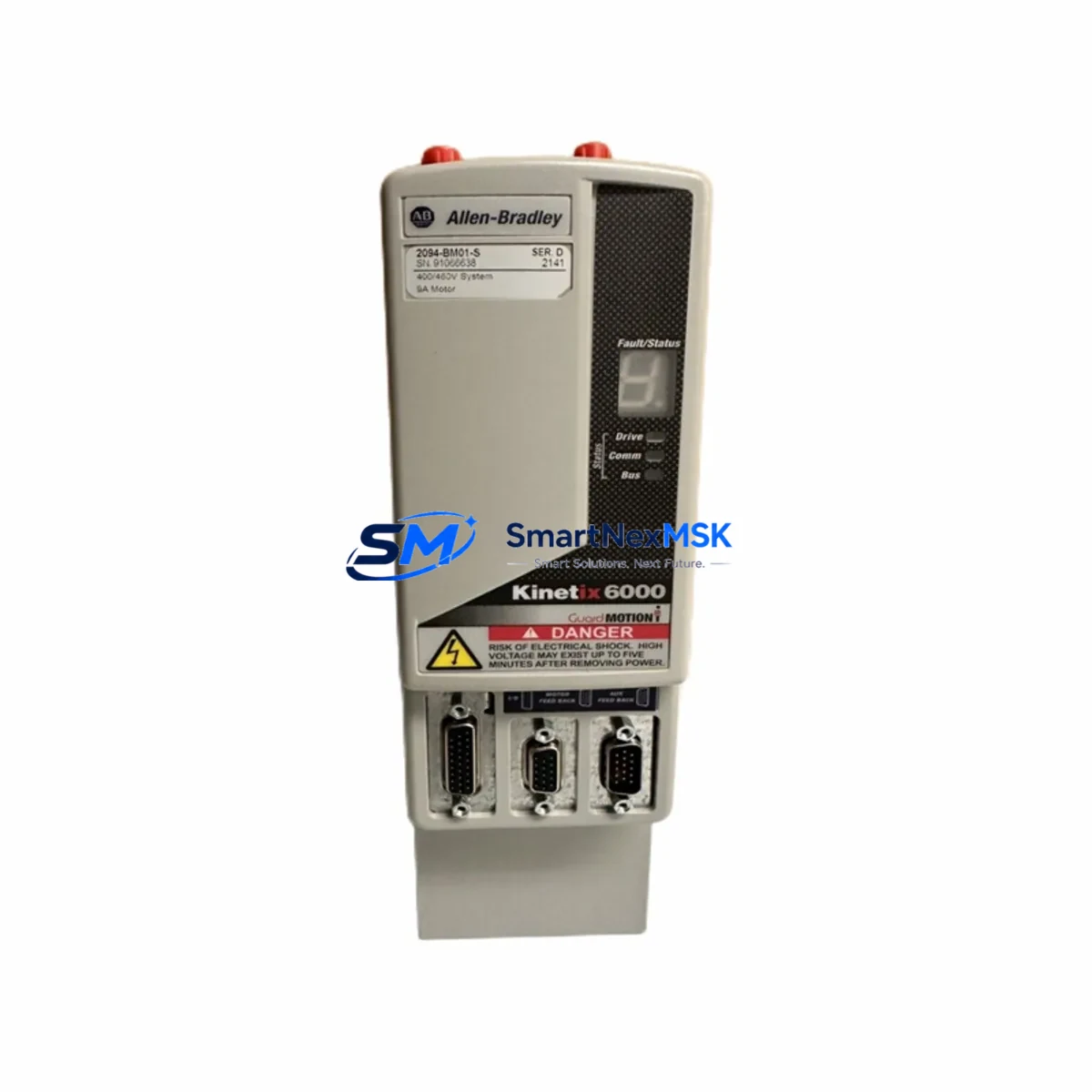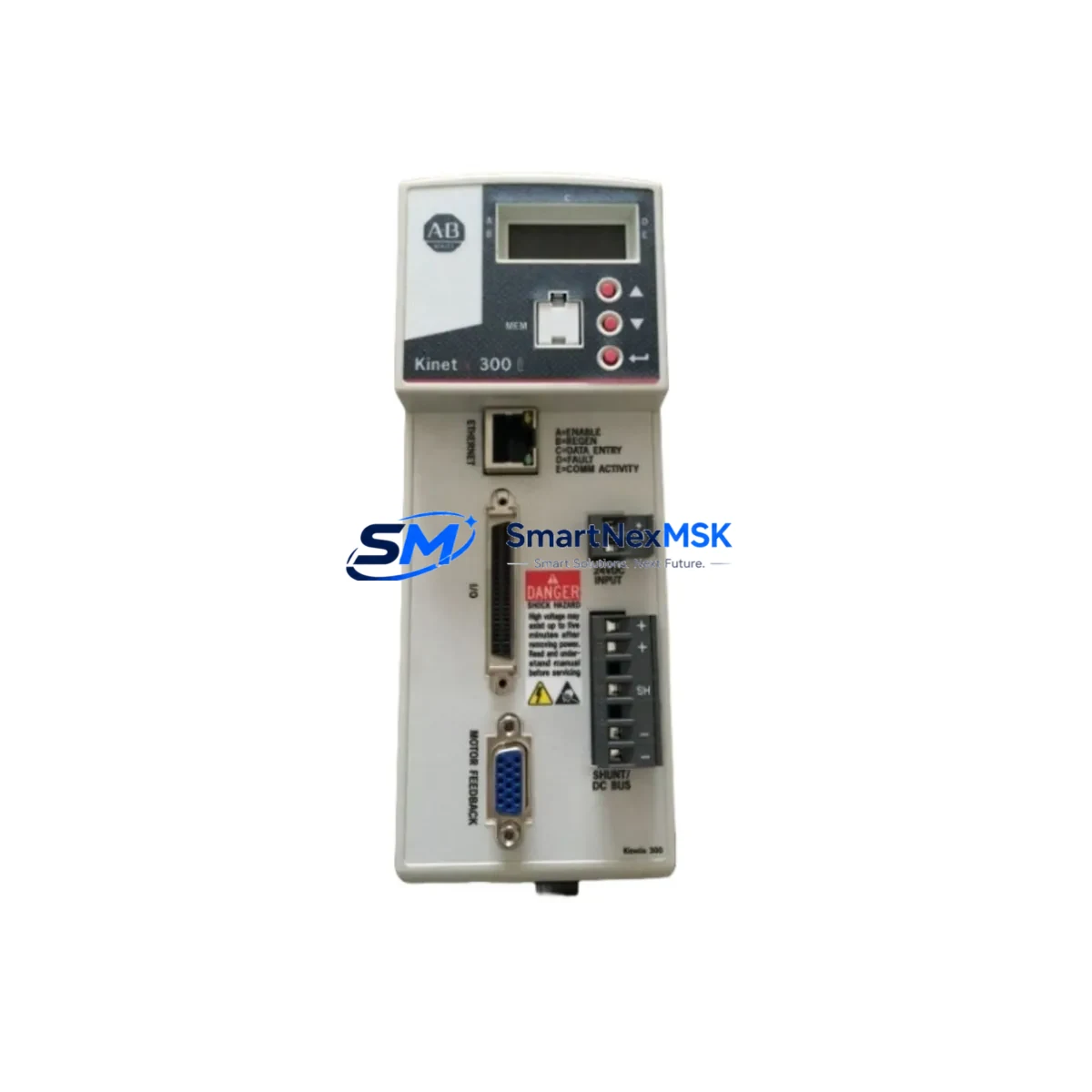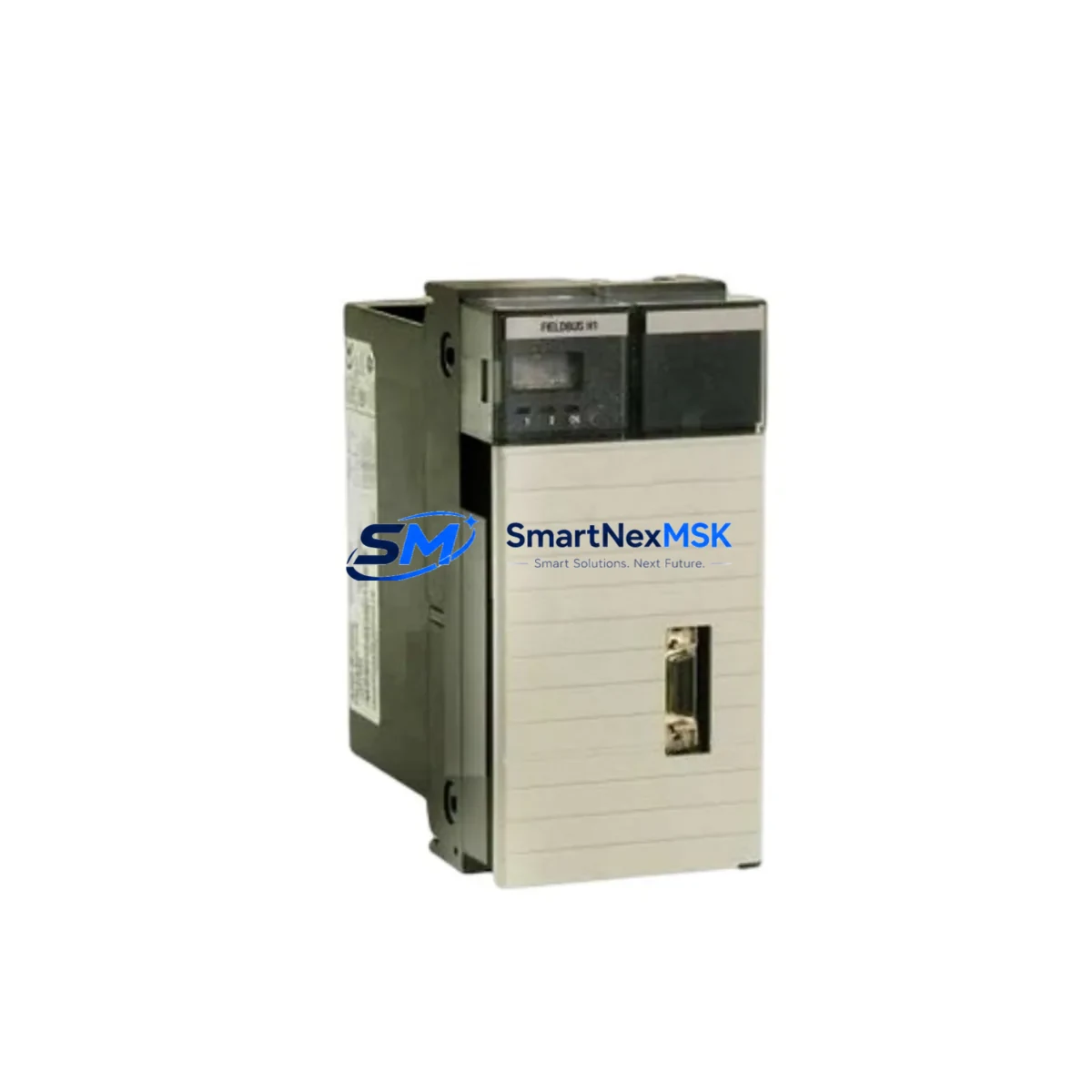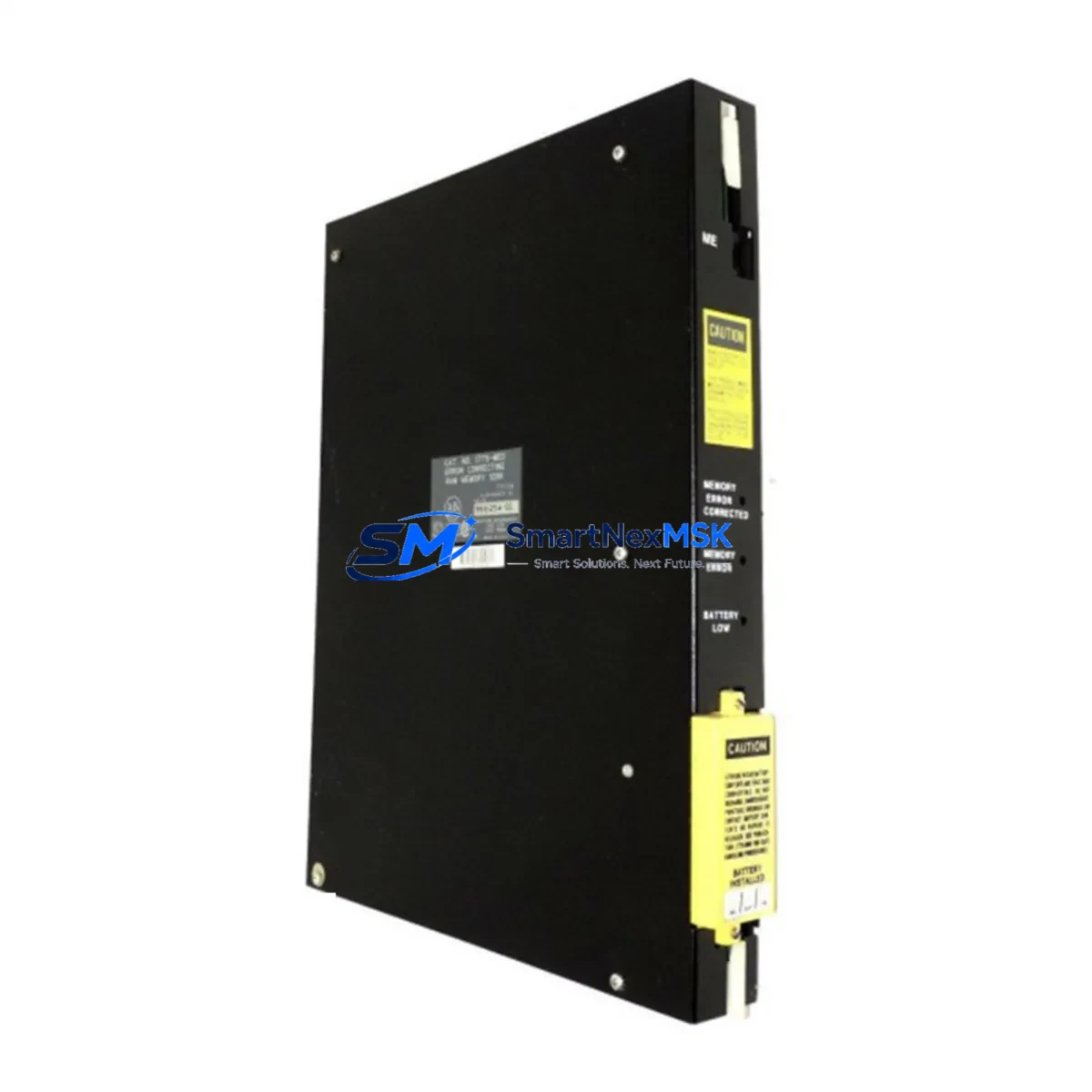
Allen-Bradley 1775-MED Maintenance-Ready Spare for PLC-2 Automation
The Allen-Bradley 1775-MED is an original memory module designed for the PLC-2 programmable controller family — one of the most widely deployed legacy automation platforms in discrete manufacturing, material handling, and process control environments. For maintenance engineers managing aging control systems, sourcing a verified 1775-MED spare is a critical step in any downtime-reduction strategy. This module provides the program storage capacity required to sustain PLC-2 controller operation, and its availability as a tested, original spare directly supports rapid fault recovery and planned maintenance cycles.
Industrial facilities that continue to operate PLC-2-based control cabinets face increasing pressure to maintain spare parts inventory as OEM support windows close. The 1775-MED addresses this challenge directly: it is a drop-in replacement for failed or degraded memory modules in existing PLC-2 racks, requiring no firmware modification or hardware redesign. Procurement engineers sourcing this component for MRO (Maintenance, Repair, and Operations) stock can rely on its original specification compliance, tested functionality, and 12-month warranty coverage to justify inclusion in critical spare parts lists.
Spare Maintenance Table
| Parameter | Specification |
|---|---|
| Part Number | 1775-MED |
| Brand | Allen-Bradley (Rockwell Automation) |
| Series | PLC-2 |
| Module Type | Memory Module (EEPROM/RAM) |
| Compatibility | Allen-Bradley PLC-2 family controllers (1772, 1774, 1775 series racks) |
| Installation | Direct plug-in to PLC-2 processor or memory expansion slot |
| Application Environment | Industrial control panels, discrete manufacturing, process automation |
| Origin | USA (Original Allen-Bradley manufacture) |
| Condition | Original spare — tested before shipment |
| Warranty | 12 Months |
| Maintenance Recommendation | Replace at first sign of memory fault, checksum error, or processor communication failure; keep one unit in on-site spare stock |
Maintenance Planning for Continuous Operation
When a 1775-MED memory module fault is identified during routine control cabinet inspection or triggered by a processor fault alarm, the replacement workflow should extend beyond the module itself. Maintenance engineers are advised to conduct a concurrent inspection of the surrounding PLC-2 system components to prevent repeat failures and ensure full system restoration.
Begin with the 1775-S4A or 1775-S4B PLC-2 processor module — a memory fault can sometimes originate from processor-side communication errors rather than the memory module itself. Verify the processor’s battery-backed RAM status and confirm the 1775-KA communications adapter is functioning correctly if the controller is networked via Data Highway. Inspect the 1771-P4 or 1771-P7 power supply module for output voltage stability; undervoltage conditions are a leading cause of memory corruption in legacy PLC racks. Check the backplane bus connectors on the 1771-A1B or 1771-A2B I/O chassis for oxidation or mechanical damage that could cause intermittent data errors.
On the I/O side, inspect 1771-OAD output modules and 1771-IAD input modules for signs of overload or contact wear, particularly in high-cycle applications. If the control system includes relay output modules such as the 1771-OW relay output module, verify contact resistance and coil integrity. For systems with analog signal loops, check 1771-IFE or 1771-OFE analog I/O modules for drift or calibration deviation that may have contributed to process anomalies preceding the memory fault.
Communications infrastructure should also be reviewed: confirm the 1785-KA5 or 1784-KT Data Highway Plus interface is operating within specification if the PLC-2 is integrated into a supervisory network. Terminal blocks and wiring within the control cabinet — particularly Allen-Bradley 1492-series terminal blocks — should be inspected for loose connections that could introduce noise into the processor bus. Finally, if an HMI or operator panel is connected, verify the PanelView 300 or PanelView 550 communication link is re-established after module replacement and that the program loaded from the 1775-MED matches the last validated backup.
Site Replacement Workflow
Replacing the 1775-MED in a live industrial environment requires a structured approach to minimize downtime and avoid program loss. Before removal, confirm that the PLC-2 program has been backed up to an external programming terminal using RSLogix 500 or the legacy 1770-T3 Industrial Terminal. Power down the PLC-2 rack following the site lockout/tagout (LOTO) procedure, then carefully extract the 1775-MED from its slot, noting the orientation and any DIP switch settings that may be present on the module.
Install the replacement 1775-MED, ensuring full seating in the connector. Restore power and observe the processor status indicators — a solid RUN light and absence of fault codes confirms successful module recognition. Reload the program from backup if the module does not retain the previously stored program. Perform a full I/O scan and verify all field device states match expected values before returning the system to automatic operation. Document the replacement in the site maintenance log, including the serial number of the removed module and the date of installation of the replacement spare.
This workflow is applicable whether the 1775-MED is being replaced as an emergency corrective action or as part of a scheduled preventive maintenance interval. For facilities managing multiple PLC-2 controllers, maintaining a minimum of one 1775-MED per controller in on-site spare stock is recommended to support same-shift fault recovery without waiting for external procurement.
Spare Parts Support FAQ
Q: Is the 1775-MED compatible with all PLC-2 processor variants?
A: The 1775-MED is designed for use within the Allen-Bradley PLC-2 family, including controllers housed in 1771-series I/O chassis. Compatibility should be confirmed against the specific processor model (e.g., 1772-LX, 1774-LX) and rack configuration before installation. Our technical team can assist with compatibility verification prior to shipment.
Q: How is the 1775-MED tested before shipment?
A: Each unit undergoes functional verification prior to dispatch, including power-on self-test confirmation and communication interface checks. Units that do not pass testing are not shipped. A 12-month warranty is provided on all shipped units, covering defects in materials and workmanship under normal industrial operating conditions.
Q: What is the recommended spare parts stocking strategy for PLC-2 systems?
A: For facilities with active PLC-2 installations, we recommend maintaining at minimum one 1775-MED memory module, one processor module of the installed type, and one power supply module per control system. For multi-controller sites, a shared pool of two to three units per model is a cost-effective approach that balances inventory carrying cost against downtime risk.
Q: Can you supply the 1775-MED on a long-term or repeat-order basis?
A: Yes. We support long-term supply agreements for MRO and capital spare parts programs. Contact our sales team to discuss volume pricing, reserved stock arrangements, and scheduled delivery programs tailored to your maintenance planning cycle.
© 2026 SMARTNEXMSK. All rights reserved.
Original Source: https://smartnexmsk.com
Contact: [email protected] | +86 18259474341