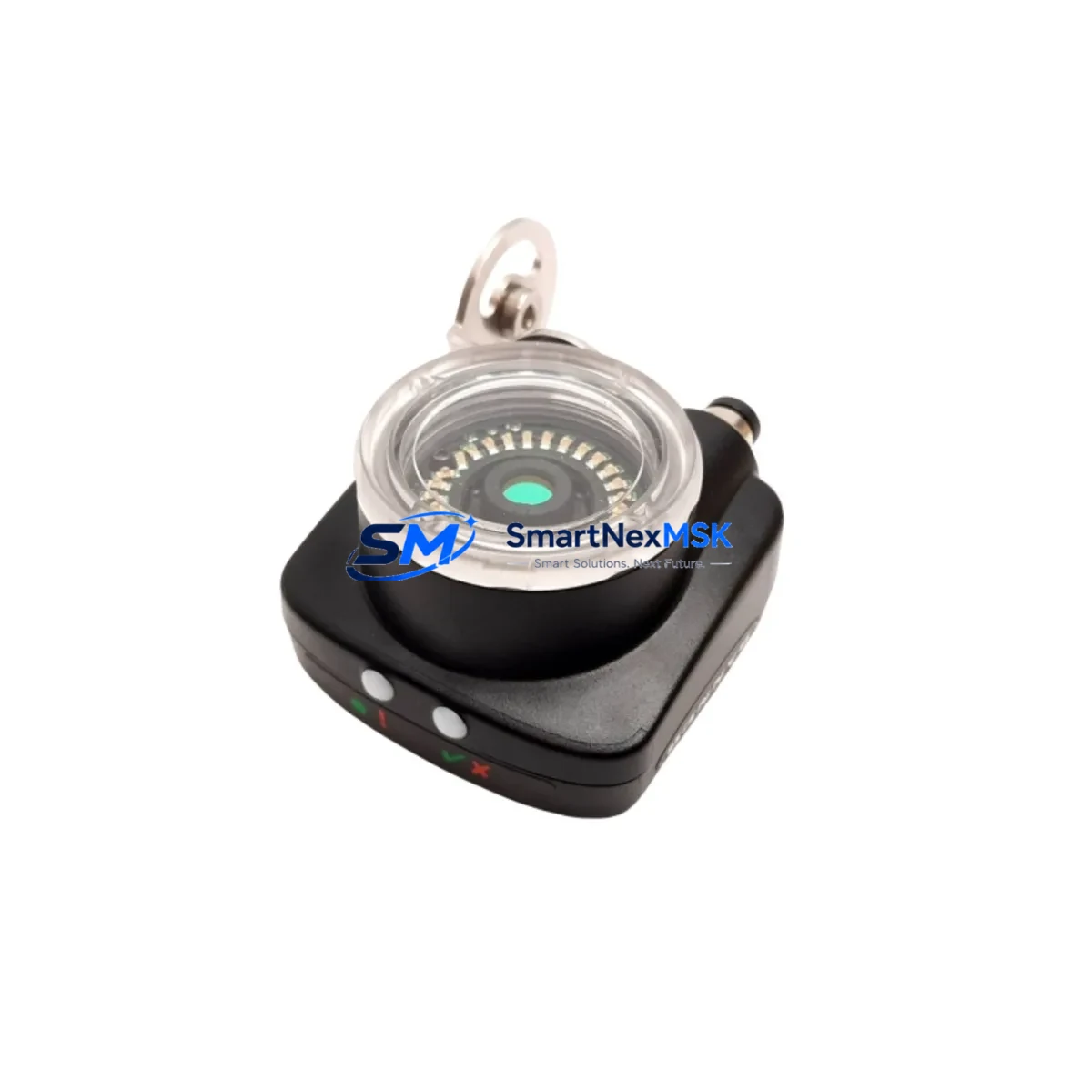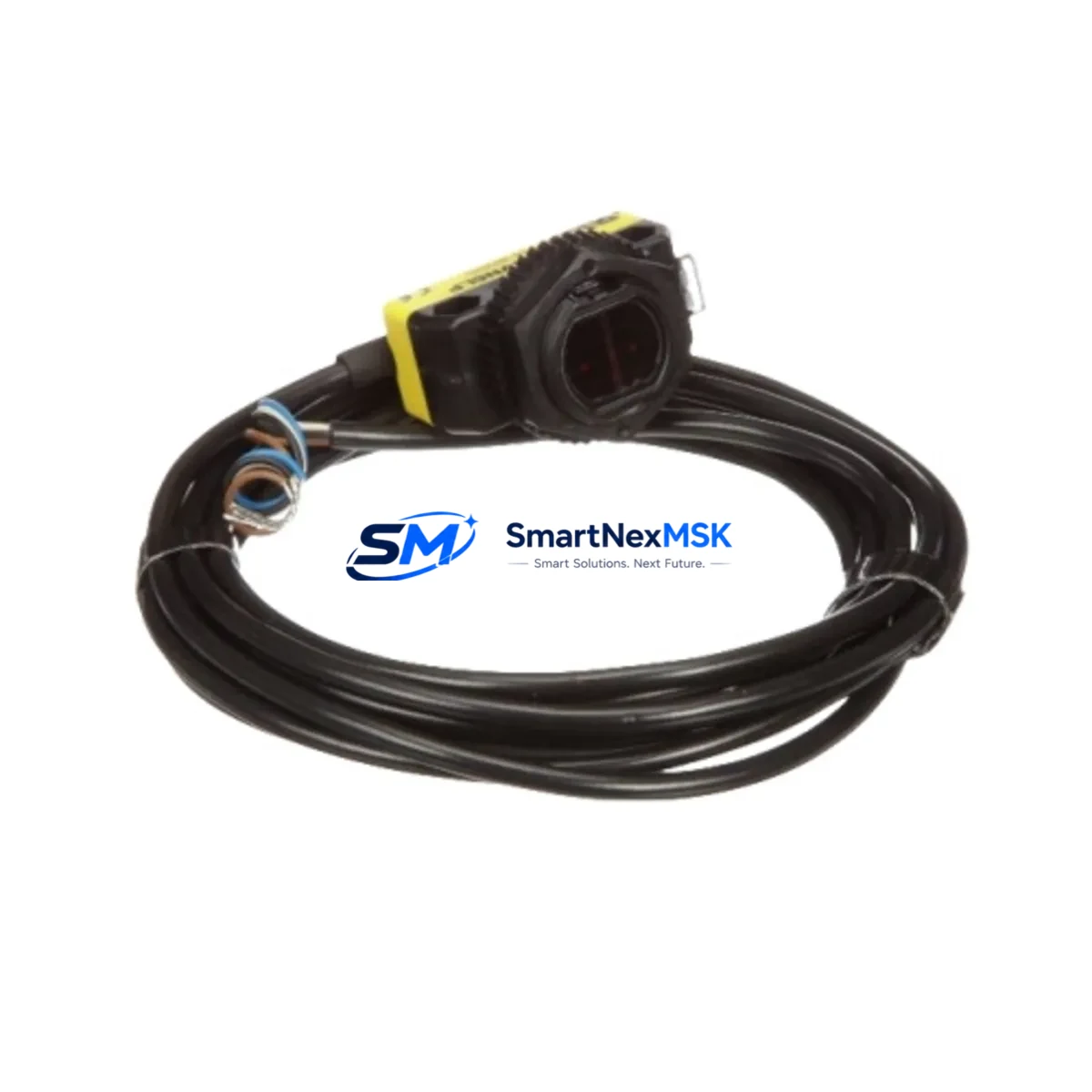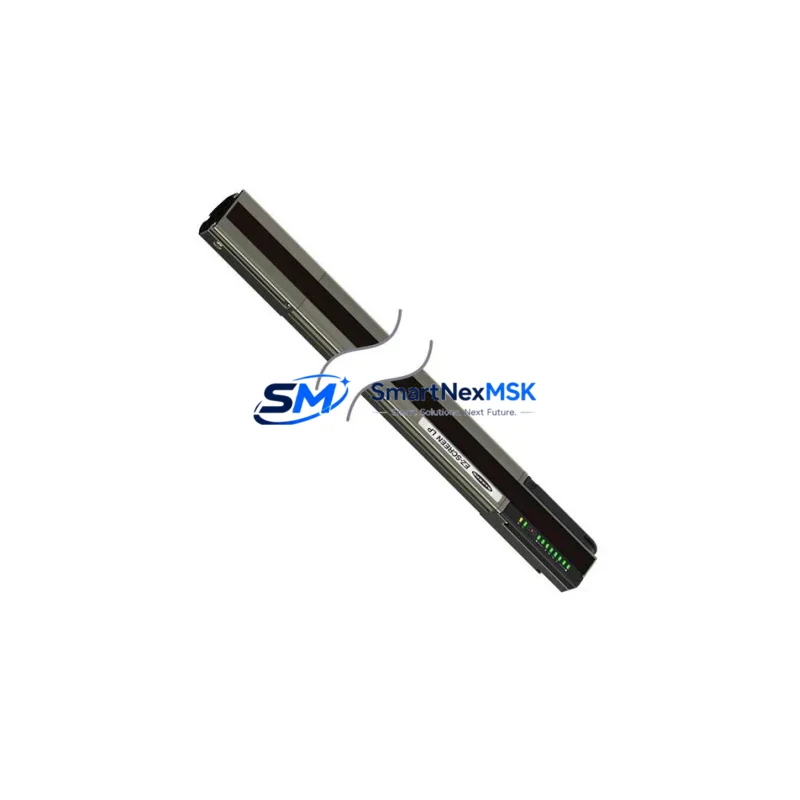
Banner SLPR14-270NP8 Retrofit-Ready Safety Light Curtain Receiver for SLP Series Control Systems
The Banner SLPR14-270NP8 is a 270 mm protective height, 14 mm resolution safety light curtain receiver engineered for seamless compatibility with Banner Engineering’s SLP Series safety light curtain systems. As legacy SLP Series installations age and original components approach end-of-life, the SLPR14-270NP8 provides a verified drop-in retrofit solution that preserves existing wiring infrastructure, maintains safety integrity level compliance, and eliminates the need for full system redesign. Whether you are replacing a failed unit on an active production line, upgrading a control cabinet to meet current safety standards, or restoring a dormant system, this receiver is stocked, tested, and ready to ship with a 12-month warranty.
Industrial facilities operating Banner SLP Series light curtains frequently encounter situations where the original receiver has been discontinued or is no longer available through standard distribution channels. The SLPR14-270NP8 addresses this gap directly. Its M12 quick-disconnect interface and standard DIN rail or bracket mounting pattern align with the original SLP Series mechanical footprint, allowing technicians to complete a receiver swap without modifying the machine guarding frame, repositioning the emitter unit (such as the companion SLPE14-270NP8), or rewiring the safety relay module downstream.
Before beginning a retrofit, engineers should verify several critical parameters. Power supply capacity must be confirmed — the SLPR14-270NP8 operates on 24 VDC and draws current within the SLP Series specification envelope, but aging control cabinets with shared 24 V rails may require load recalculation if additional I/O modules or communication cards have been added since original commissioning. Terminal block wiring should be mapped against the original panel drawing; the OSSD1 and OSSD2 output lines, the machine stop relay, and the muting input connections must be verified before energizing the replacement unit.
Systems that integrate the SLP receiver with a Banner SC26-2 safety controller or a third-party safety relay such as the Pilz PNOZ X3 should confirm that the OSSD output timing and pulse test characteristics of the SLPR14-270NP8 are compatible with the downstream safety logic device. In most SLP Series installations, this compatibility is maintained without firmware changes. However, if the safety controller has been updated or replaced since the original installation, a functional safety validation test — including a full beam-break response test and OSSD cross-fault detection check — must be performed and documented before returning the machine to production.
For facilities migrating from older Banner SLP configurations to a more integrated safety architecture, the SLPR14-270NP8 can serve as an interim solution while a broader upgrade to a Banner EZ-SCREEN LS or Banner SG Series system is planned. During this transition period, the existing SLP emitter, mounting brackets, and cable runs remain in service, reducing capital expenditure and minimizing the scope of the safety validation exercise. The receiver’s standard PNP OSSD outputs are compatible with most modern safety PLCs, including Siemens ET 200SP F-modules and Allen-Bradley GuardLogix safety I/O, enabling phased integration without a full cutover.
Control cabinet upgrades that involve replacing a legacy Banner IM-T-9A muting module or adding a new muting lamp assembly should be coordinated with the receiver replacement to ensure the muting input logic is correctly re-established. Muting sensor pairs, typically Banner QS18 photoelectric sensors mounted at the infeed and outfeed of a press or conveyor, must be re-timed and verified after any receiver swap to confirm that the muting window does not inadvertently suppress a genuine hazard detection event.
Communication protocol migration is less of a concern with the SLPR14-270NP8 than with PLC-based safety modules, since the SLP Series uses hardwired OSSD outputs rather than fieldbus communication. However, if the broader control system is being migrated from a legacy Profibus DP network to PROFINET or EtherNet/IP, the safety I/O mapping in the new safety PLC program must be updated to reflect the physical input addresses assigned to the OSSD channels. This is a software task performed in the safety PLC engineering tool and does not affect the receiver hardware itself.
All SLPR14-270NP8 units supplied by SMARTNEXMSK are sourced from authorized distribution channels, individually inspected prior to dispatch, and covered by a 12-month warranty against manufacturing defects. Inventory is maintained to support urgent replacement orders, with same-day dispatch available for in-stock units. Export documentation, including commercial invoice, packing list, and certificate of origin, is provided for international shipments.
Upgrade Compatibility Table
| Parameter | Detail |
|---|---|
| Compatible Series | Banner SLP Series Safety Light Curtains |
| Protective Height | 270 mm |
| Resolution | 14 mm (finger detection) |
| Supply Voltage | 24 VDC ±20% |
| Output Type | PNP OSSD × 2 (solid-state safety outputs) |
| Connection Interface | M12 quick-disconnect (8-pin) |
| Mounting | Standard SLP Series bracket / DIN rail compatible |
| Communication Compatibility | Hardwired OSSD — compatible with safety relays and safety PLCs |
| Replacement Recommendation | Direct drop-in for SLPR14-270NP8 and equivalent SLP receiver variants |
| Commissioning Requirement | Functional safety test (beam-break + OSSD cross-fault) required after installation |
| Warranty | 12 months from date of shipment |
Retrofit Planning for Existing Automation Systems
A successful retrofit begins with a complete audit of the existing installation. Technicians should document the current SLP Series emitter model (typically the SLPE14-270NP8 or equivalent), the safety relay or safety controller model, the muting module type, and the cable routing from the receiver to the control cabinet. The M12 cable assembly connecting the receiver to the junction box should be inspected for insulation damage, connector corrosion, and correct pin assignment before reuse with the replacement unit.
Inside the control cabinet, the safety relay — whether a Banner SC26-2, a Pilz PNOZ X3P, or a Schmersal SRB301LC — should be checked for contact wear and correct wiring of the feedback loop (EDM circuit). If the safety relay is also being replaced as part of the upgrade, the new relay must be wired and tested independently before connecting the OSSD outputs from the SLPR14-270NP8. The 24 VDC power supply feeding the light curtain system — often a Phoenix Contact QUINT-PS or equivalent — should be load-tested to confirm it can support the combined current draw of the receiver, emitter, and any additional I/O modules added during the upgrade.
For systems where the SLP receiver interfaces with a safety PLC I/O module, such as a Siemens ET 200SP F-DI 8×24VDC HF or an Allen-Bradley 1734-IB8S Point Guard I/O module, the safety program must be reviewed to confirm that the OSSD input channels are correctly configured for PNP input type and that the discrepancy monitoring time is set within the SLPR14-270NP8 specification. Any changes to the safety program require a full safety validation and re-download to the safety PLC before the machine is released for production.
Downtime Control During System Migration
Minimizing unplanned downtime during a safety light curtain receiver replacement requires preparation before the maintenance window begins. The replacement SLPR14-270NP8 should be on-site and pre-inspected before the machine is taken out of service. A copy of the original wiring diagram, the safety relay datasheet, and the SLP Series installation manual should be available to the technician performing the swap.
The recommended sequence is: isolate the machine from energy sources following LOTO procedures, disconnect the M12 cable from the existing receiver, remove the receiver from its mounting bracket, install the SLPR14-270NP8 using the existing hardware, reconnect the M12 cable, restore power, and perform the functional safety test before releasing the machine. If the original program logic in the safety PLC or safety relay has not been modified, no program changes are required, and the machine can typically be returned to service within the planned maintenance window. Retaining the original OSSD wiring and not modifying the safety relay feedback loop are the two most effective measures for preserving control continuity and avoiding extended commissioning time.
For facilities with strict OEE targets, a spare SLPR14-270NP8 held in local inventory eliminates the lead time variable entirely. SMARTNEXMSK maintains stock to support both planned maintenance programs and emergency breakdown orders.
Retrofit Support FAQ
Q: Is the SLPR14-270NP8 a direct replacement for the original Banner SLP Series receiver?
A: Yes. The SLPR14-270NP8 is designed as a direct drop-in replacement for the original SLP Series receiver of the same model number. The mechanical mounting pattern, M12 connector pinout, and OSSD output characteristics are identical to the original specification. No modifications to the mounting bracket, cable assembly, or safety relay wiring are required in a standard replacement scenario.
Q: What commissioning steps are required after installing the replacement receiver?
A: After installation and before returning the machine to production, a functional safety test must be performed. This includes a full beam-break test across the entire protective height to confirm all beams are active, an OSSD cross-fault detection test to verify the safety outputs respond correctly to a simulated fault condition, and a muting function test if muting is configured. Results should be recorded in the machine safety log.
Q: Can the SLPR14-270NP8 be used with a safety PLC instead of a dedicated safety relay?
A: Yes. The PNP OSSD outputs of the SLPR14-270NP8 are compatible with safety PLC F-DI modules from major manufacturers including Siemens, Rockwell Automation, and Pilz. The safety program must be configured to monitor both OSSD channels with discrepancy detection enabled. Consult the safety PLC manufacturer’s application note for light curtain integration for specific parameter settings.
Q: What does the 12-month warranty cover?
A: The 12-month warranty covers manufacturing defects in materials and workmanship from the date of shipment. Units that fail under normal operating conditions within the warranty period will be replaced or repaired at no charge. The warranty does not cover damage resulting from incorrect installation, overvoltage, reverse polarity, or physical impact. All units are functionally tested prior to dispatch to minimize the risk of DOA failures.
© 2026 SMARTNEXMSK. All rights reserved.
Original Source: https://smartnexmsk.com
Contact: [email protected] | +86 18259474341