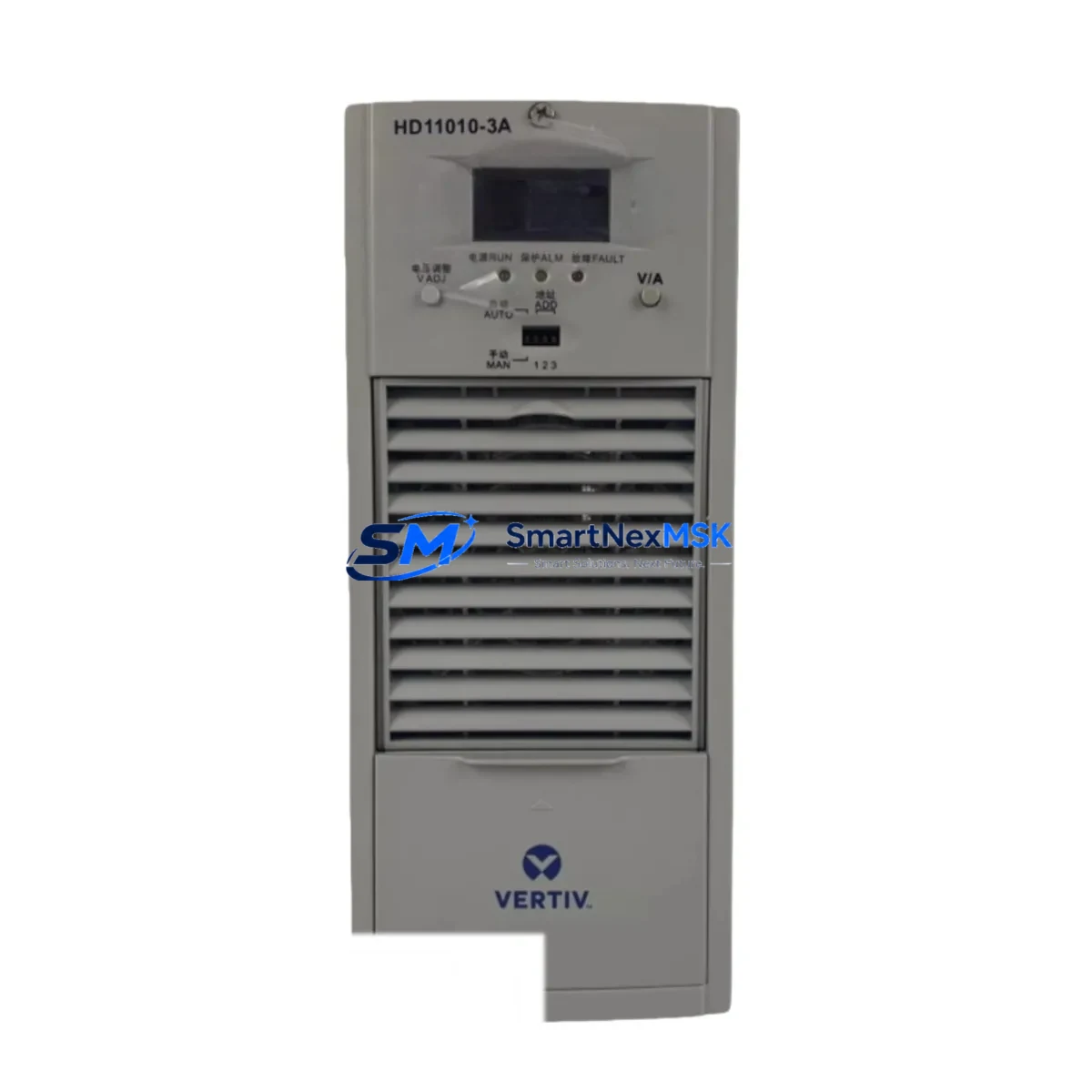
Emerson HD11010-3A Retrofit-Ready Battery Charging Module for DeltaV DCS: Compatible Modernization and Smooth System Upgrade
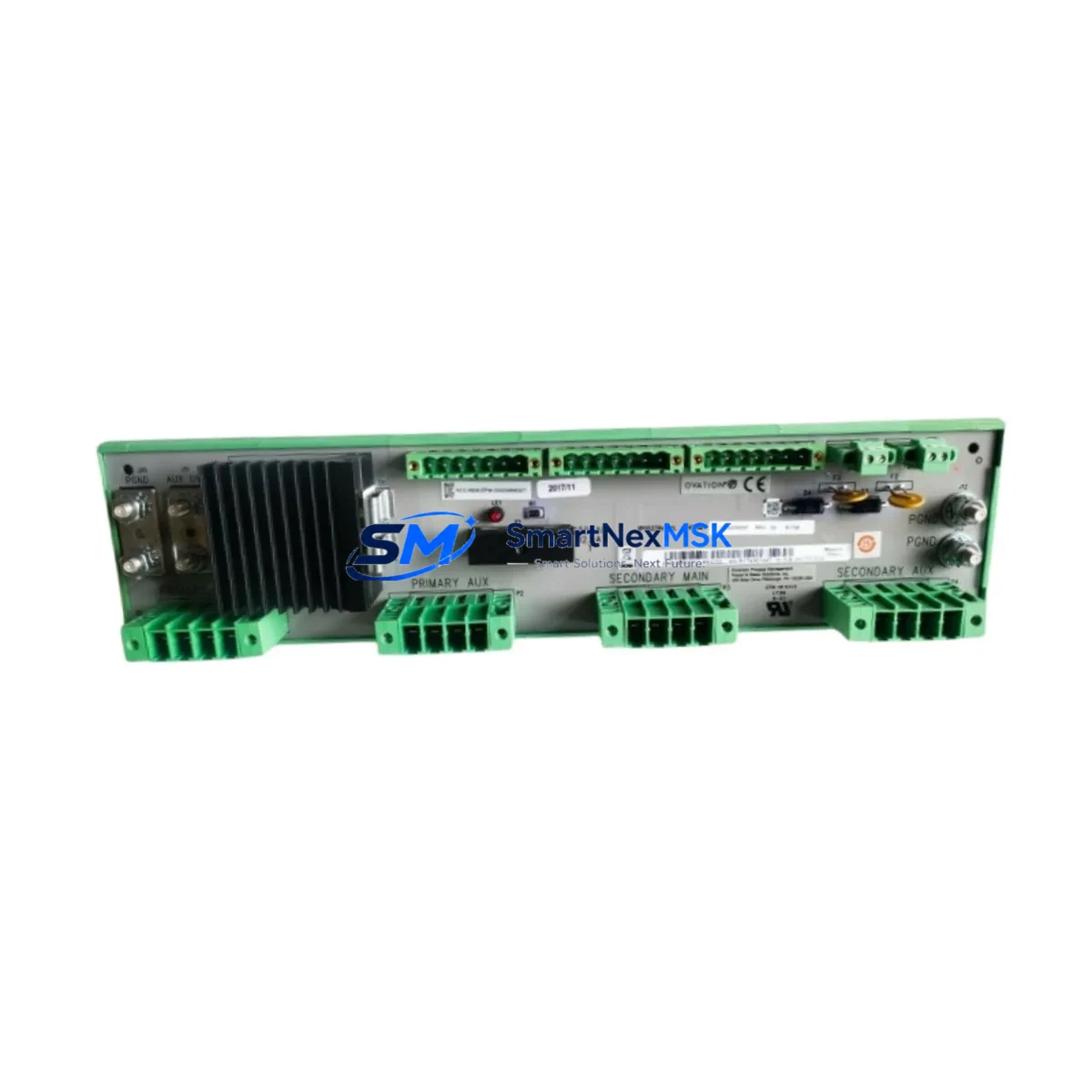
The Emerson HD11010-3A is a retrofit-ready battery charging module engineered for seamless integration into Emerson DeltaV Distributed Control System (DCS) environments. As legacy DeltaV installations age and original battery modules approach end-of-life or become discontinued, the HD11010-3A provides a verified drop-in replacement path that preserves existing wiring infrastructure, backplane connections, and control logic without requiring a full system overhaul. Whether you are managing a planned upgrade cycle or responding to an unplanned module failure, the HD11010-3A is stocked and ready to ship with a 12-month warranty.
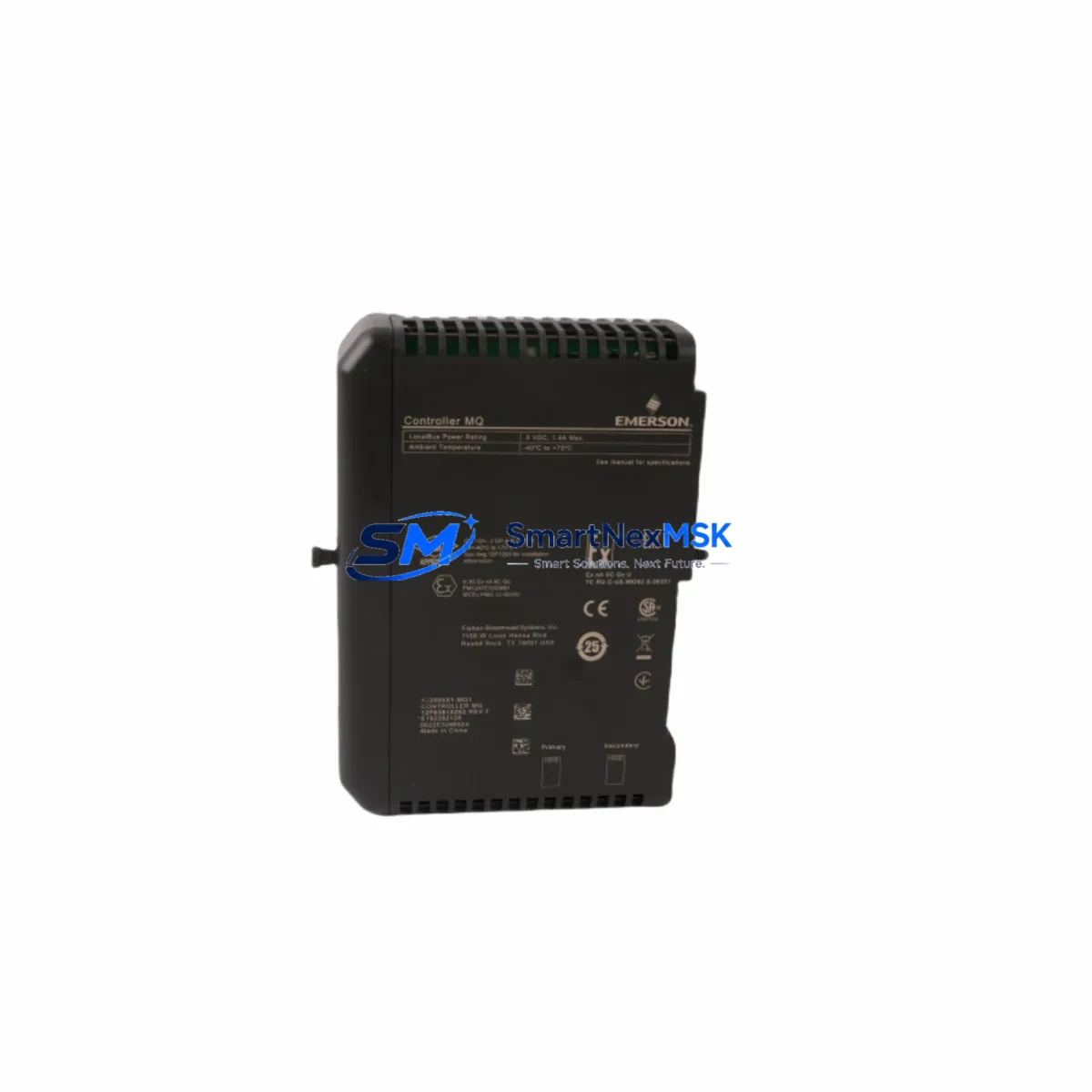
Industrial facilities running DeltaV S-series controllers — including the DeltaV MD Plus Controller and DeltaV SD Plus Controller — rely on battery-backed power continuity to protect volatile memory and maintain safe shutdown sequences during power interruptions. When the original battery charging module degrades or fails, the entire controller node becomes vulnerable. The HD11010-3A restores that protection layer with a form-factor-compatible design that fits standard DeltaV carrier assemblies and 2-wide or 8-wide power supply chassis configurations.
Upgrade Compatibility Table
| Parameter | Details |
|---|---|
| SKU / Part Number | HD11010-3A |
| Compatible Platform | Emerson DeltaV DCS S-series (MD Plus, SD Plus, SD Controllers) |
| Module Function | Battery Charging / Power Backup for Controller Node |
| Backplane Interface | DeltaV standard carrier backplane connector (2-wide / 8-wide chassis) |
| Installation Requirement | DIN rail or chassis slot mount; no additional wiring adapter required |
| Communication Compatibility | Passive power module — no fieldbus or protocol configuration required |
| Replacement Recommendation | Direct replacement for discontinued or degraded HD11010-3A units |
| Commissioning Notes | Verify battery charge status via DeltaV Diagnostics after installation; confirm no fault codes on controller node |
| Warranty | 12 Months — covers manufacturing defects and functional failure under normal operating conditions |
Retrofit Planning for Existing Automation Systems
A successful HD11010-3A retrofit begins well before the module arrives on-site. Engineers should audit the existing DeltaV cabinet layout, confirming the chassis type, slot assignment, and power budget. In a typical DeltaV S-series control cabinet, the battery module shares a carrier with the DeltaV MD Plus Controller or SD Plus Controller, and the power supply rail is fed by a DeltaV PSWA Power Supply or equivalent redundant power unit. Verifying that the power supply output capacity supports the charging current draw of the HD11010-3A is a mandatory pre-installation step.
Terminal wiring on the carrier assembly should be inspected for corrosion or loose connections before the new module is seated. If the retrofit is part of a broader control system modernization — for example, migrating from an older DeltaV M-series architecture to the current S-series — additional components such as DeltaV S-series I/O cards, CHARM I/O modules, or DeltaV SIS Logic Solvers may also require replacement or reconfiguration. In these scenarios, the HD11010-3A is typically installed as part of a phased upgrade, with the battery module replaced first to restore power continuity before I/O and controller cards are swapped.
For facilities integrating HART or FOUNDATION Fieldbus instruments, confirm that the DeltaV HART Interface Module or Fieldbus H1 Card firmware versions are compatible with the updated controller node after the battery module replacement. HMI screens built in DeltaV Operate should be reviewed to ensure that battery status faceplates and alarm displays reflect the new module’s diagnostic outputs correctly. If the site uses a DeltaV Workstation running DeltaV v13 or later, the module replacement is typically recognized automatically without requiring a database download.
Where the retrofit involves migrating from a third-party DCS platform — such as Honeywell TDC 3000, ABB Advant, or Yokogawa CENTUM — to DeltaV, the HD11010-3A is part of the new DeltaV infrastructure build-out. In these cross-platform migrations, the battery module is installed alongside new DeltaV MD Controllers, DeltaV I/O subsystems, and DeltaV redundant network switches, with the entire cabinet commissioned as a unit before cutover.
Downtime Control During System Migration
Minimizing unplanned downtime is the primary concern when replacing a battery charging module in an active DeltaV DCS environment. The recommended approach is to schedule the replacement during a planned maintenance window, with the controller node placed in a safe hold state and all critical process loops transferred to manual control or backup regulatory control. Before removing the existing HD11010-3A, export the current controller configuration from DeltaV Explorer and store a backup on the DeltaV Application Station to protect against any configuration loss.
The physical swap of the HD11010-3A is a hot-swap-capable operation on most DeltaV S-series carriers, meaning the controller node can remain powered during the exchange if the chassis supports redundant power. However, site-specific safety procedures should always take precedence. After seating the new module, allow a full battery charge cycle — typically 4 to 8 hours — before returning the node to automatic control. Monitor the DeltaV Diagnostics display for any residual fault codes related to battery voltage or charging current, and confirm that the controller’s non-volatile memory retention test passes before closing the maintenance window.
For sites where the HD11010-3A replacement is part of a larger I/O migration — for example, adding DeltaV CHARM Characterization Modules or replacing legacy DeltaV 8-channel Analog Input cards — coordinate the battery module installation as the first step to ensure the controller node is fully protected before any I/O reconfiguration begins. This sequencing protects existing program logic and prevents data loss if a power event occurs mid-migration.
Retrofit Support FAQ
Q1: Is the HD11010-3A a direct drop-in replacement for the original Emerson part?
Yes. The HD11010-3A is manufactured to the same form factor and electrical specification as the original Emerson DeltaV battery charging module. It seats directly into the standard DeltaV carrier without modification to wiring, backplane connectors, or chassis mounting hardware. No firmware update or database change is required on the DeltaV controller node.
Q2: What commissioning steps are required after installation?
After seating the module, verify the battery charge indicator via DeltaV Diagnostics and confirm no fault codes appear on the controller node. Allow a full charge cycle before returning the node to automatic control. If the replacement is part of a broader retrofit, also verify HMI battery status faceplates and confirm that the DeltaV Application Station reflects the updated module status.
Q3: How do I verify wiring and terminal compatibility before installation?
Review the DeltaV S-series Hardware Installation Guide for your specific carrier and chassis type. Inspect existing terminal connections on the carrier for corrosion or mechanical damage. The HD11010-3A uses the standard DeltaV backplane interface — no additional terminal adapters or wiring changes are required for a like-for-like replacement.
Q4: What does the 12-month warranty cover?
The 12-month warranty covers manufacturing defects and functional failure under normal operating conditions from the date of shipment. Each unit undergoes pre-shipment functional testing to verify charging circuit integrity and backplane connector continuity. Warranty claims are supported by SMARTNEXMSK with direct technical assistance and expedited replacement dispatch.
© 2026 SMARTNEXMSK. All rights reserved.
Original Source: https://smartnexmsk.com
Contact: [email protected] | +86 18259474341