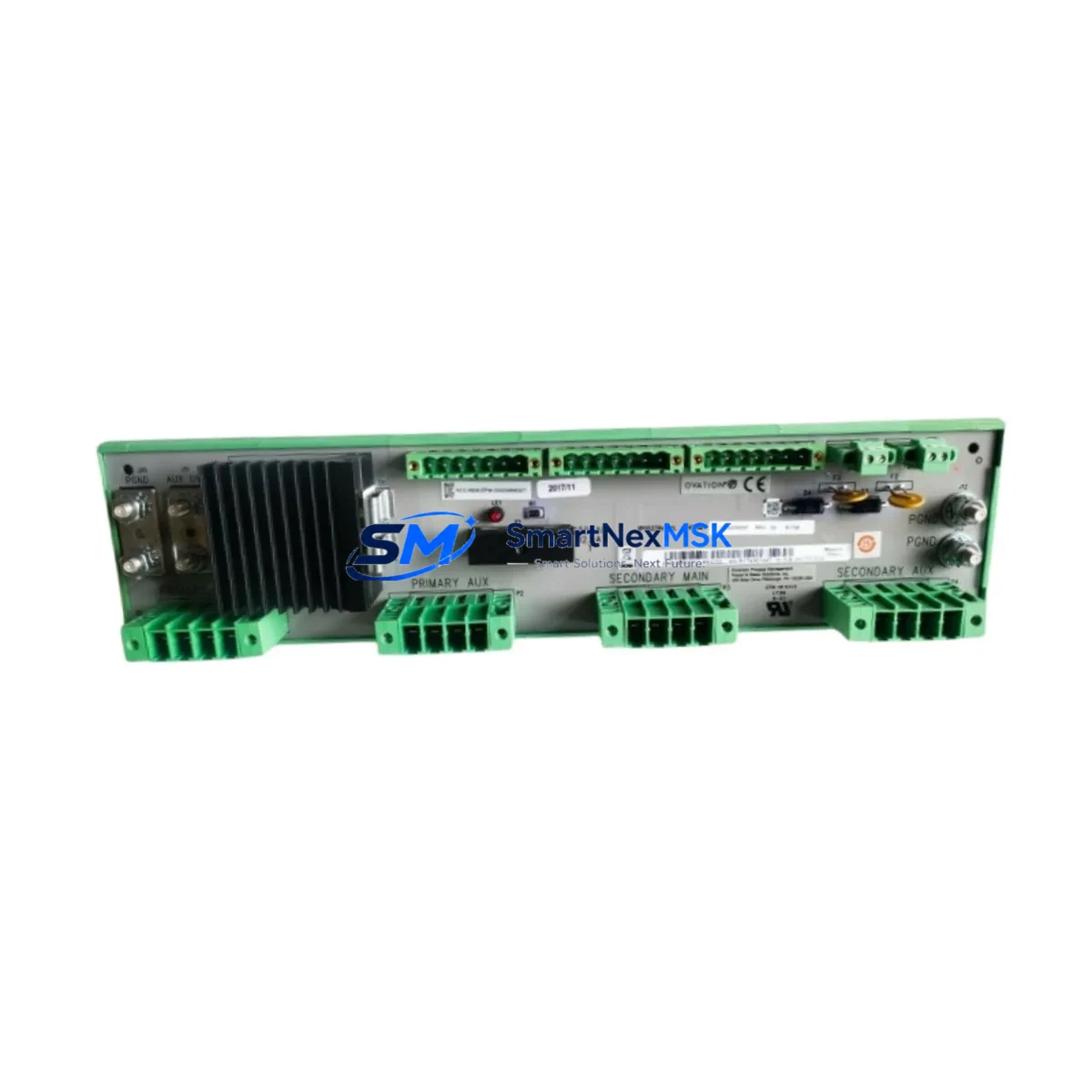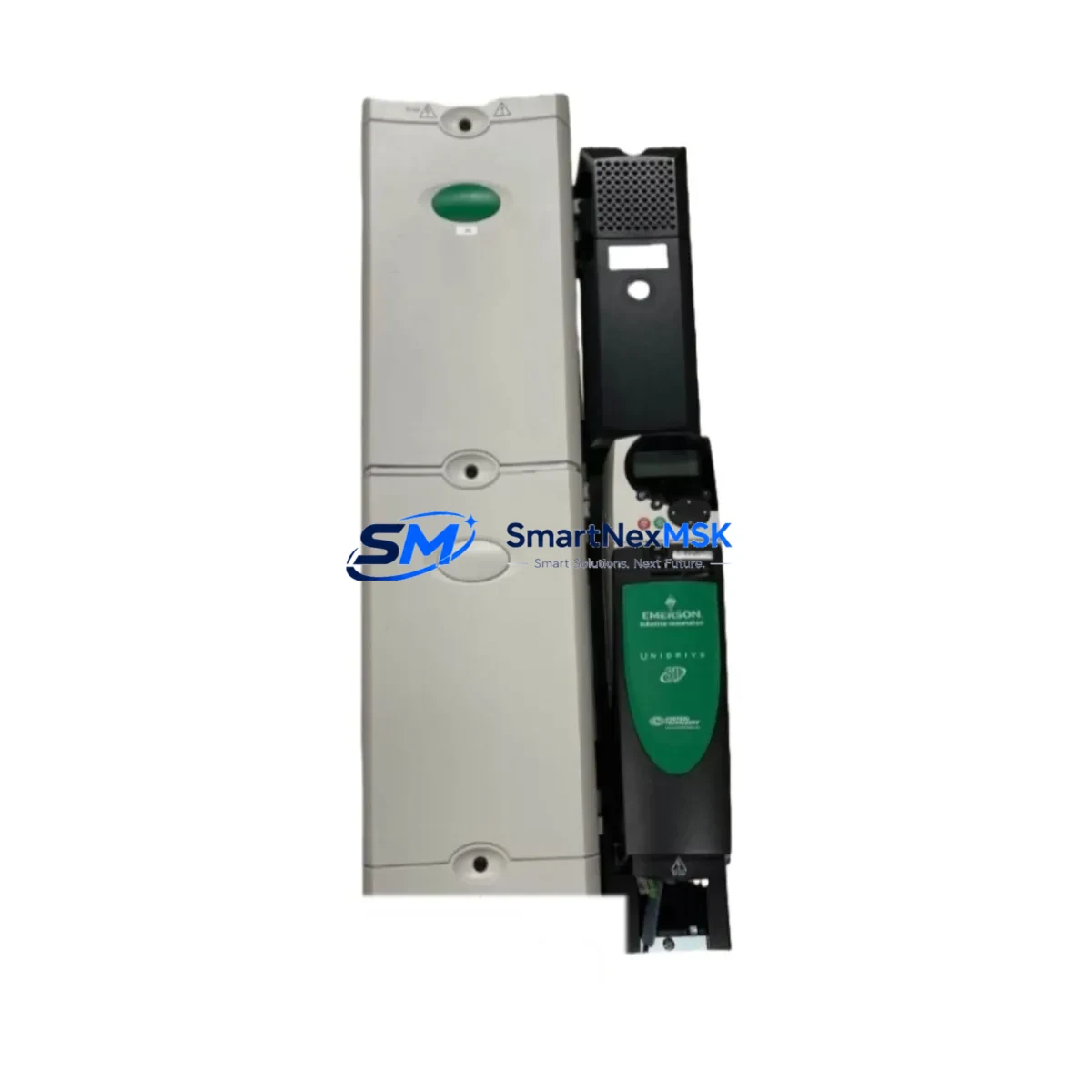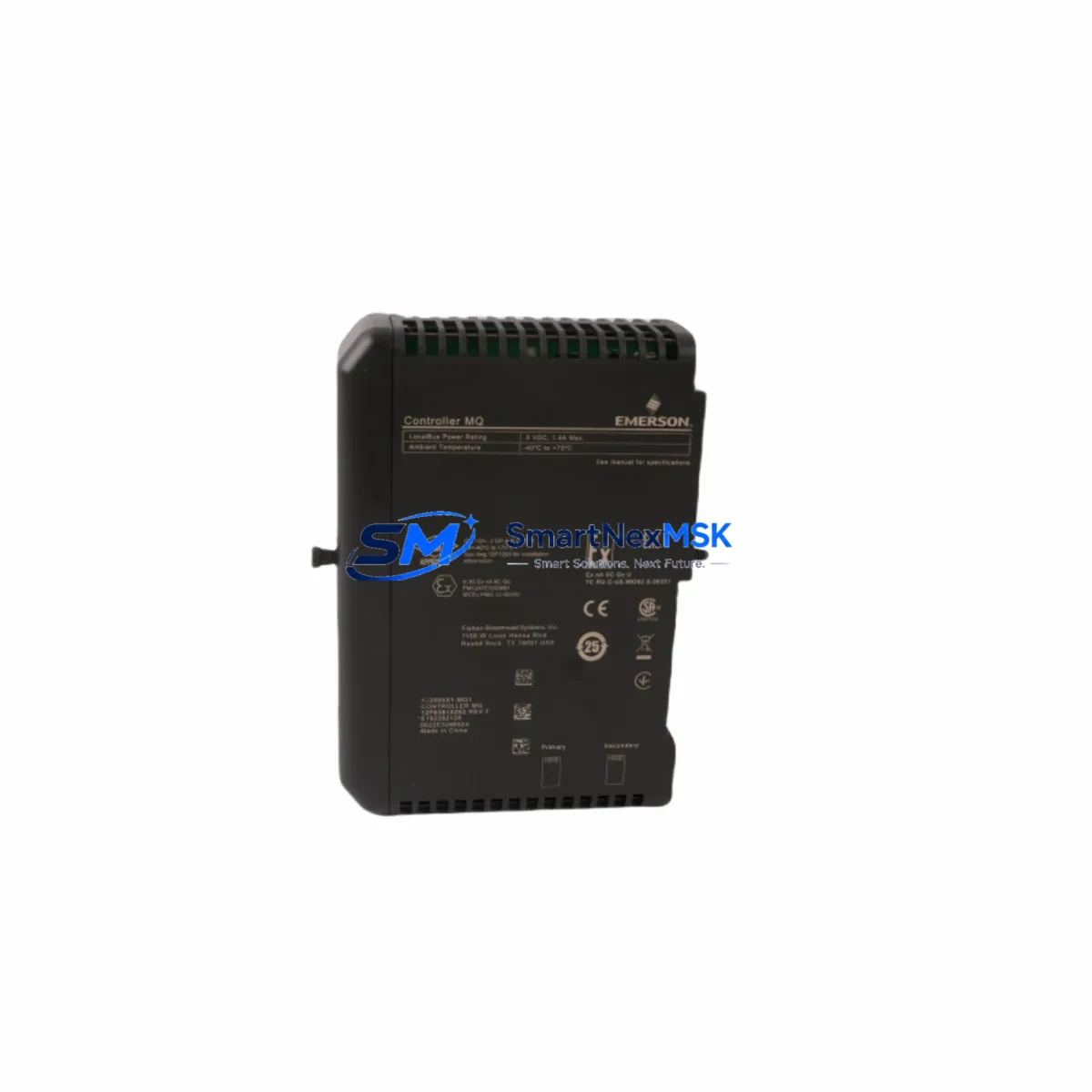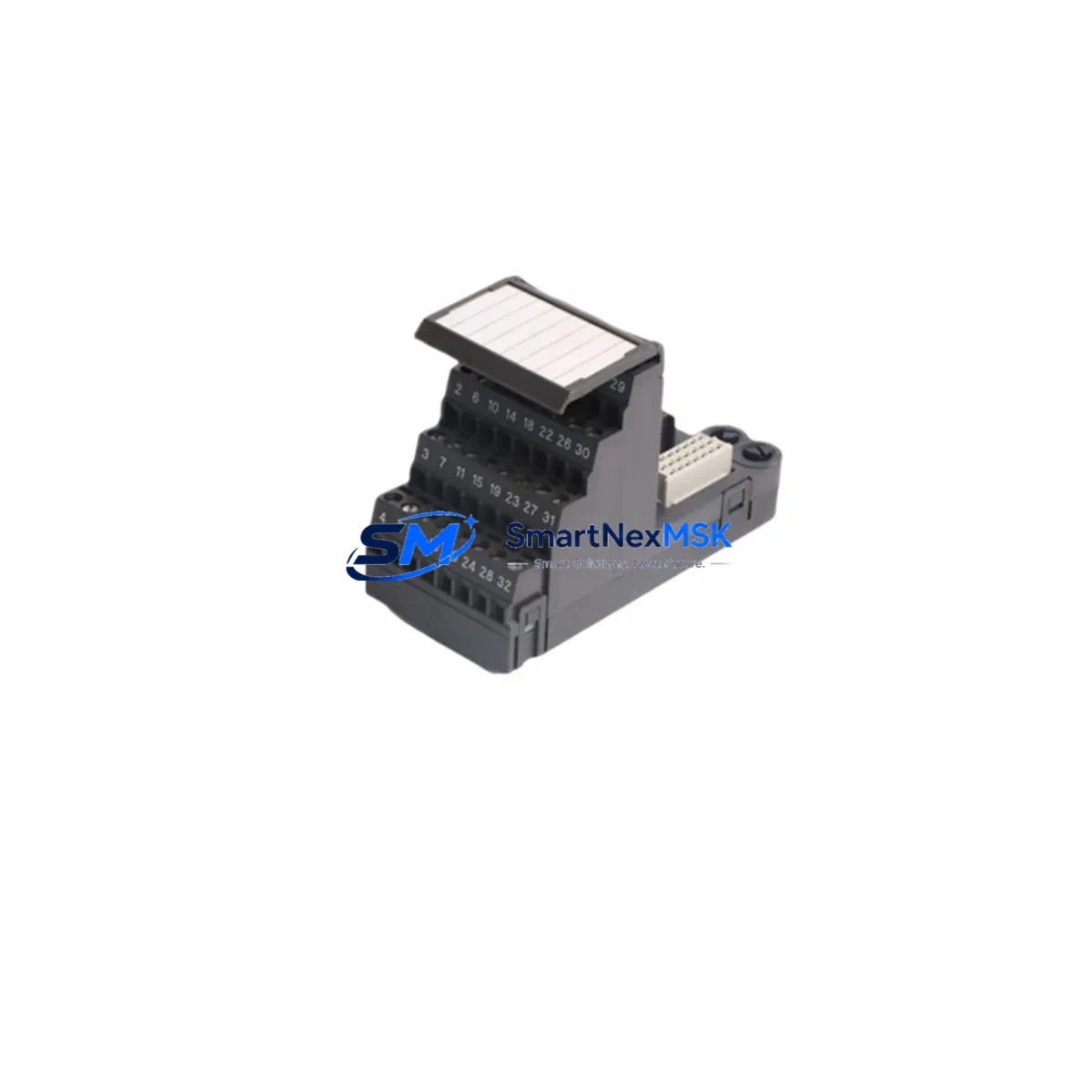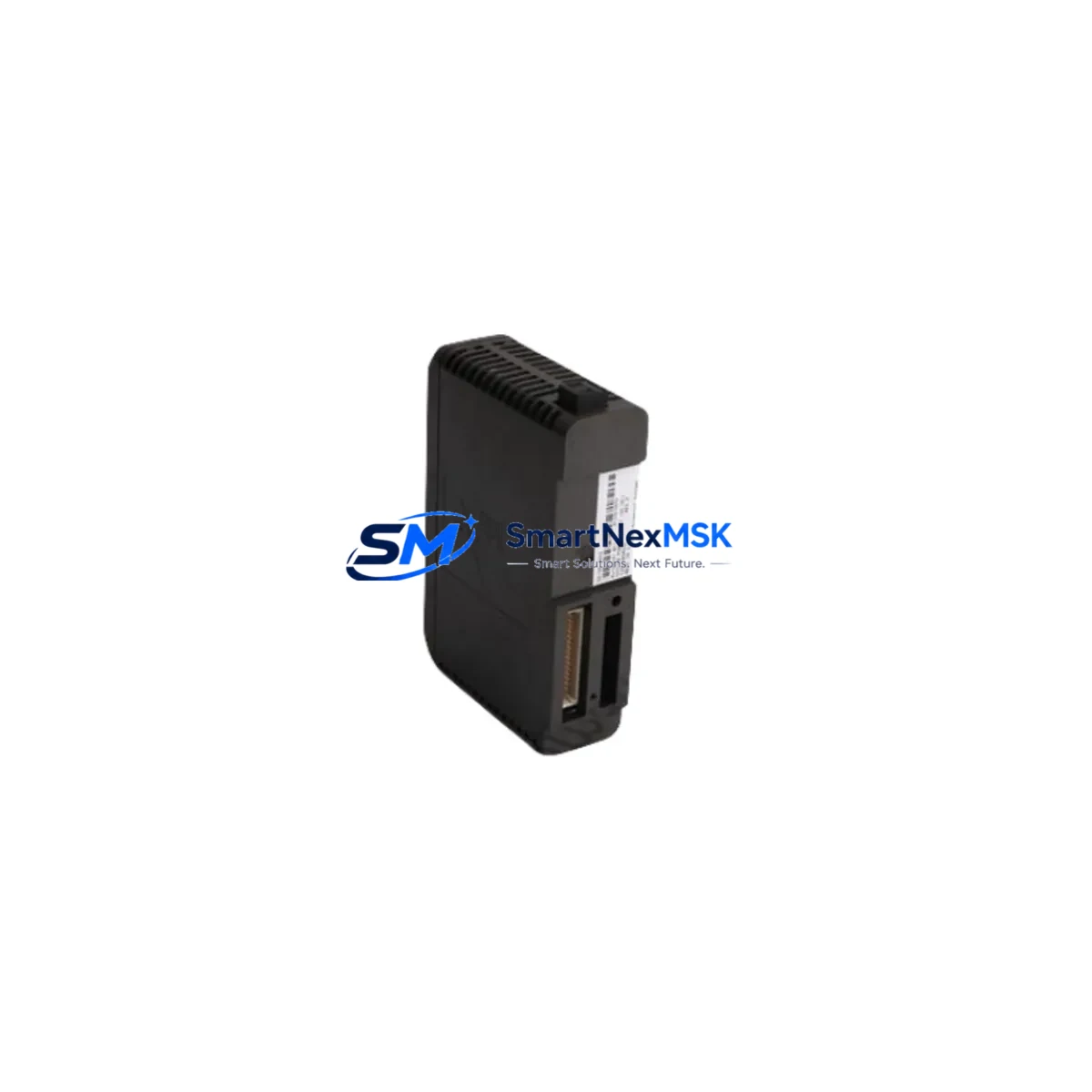
EMERSON PR6423/XXX/X4X CON021 Retrofit-Ready Signal Conditioner for EPRO Control Systems
The EMERSON PR6423/XXX/X4X CON021 is a high-precision proximity transducer signal conditioner engineered for seamless integration into EPRO vibration monitoring and machinery protection systems. Designed to serve as a direct retrofit replacement for aging or discontinued signal conditioning modules, this unit supports smooth migration from legacy Bently Nevada 3300 and 3500 series platforms to modern EPRO-based architectures without requiring full system redesign. Whether you are managing a planned upgrade or responding to an unplanned component failure, the PR6423/XXX/X4X CON021 delivers the electrical compatibility, signal fidelity, and mechanical form factor required to restore system integrity with minimal downtime.
In industrial environments where continuous machinery protection is non-negotiable — including turbines, compressors, pumps, and rotating equipment in oil and gas, power generation, and petrochemical facilities — the PR6423/XXX/X4X CON021 provides the reliability and traceability that maintenance engineers and reliability teams demand. Each unit is sourced from verified supply channels, undergoes pre-shipment functional testing, and is backed by a 12-month warranty covering manufacturing defects and performance deviations.
When planning a retrofit or emergency replacement using the PR6423/XXX/X4X CON021, engineers should verify the following parameters against the existing installation: supply voltage compatibility (typically –24 VDC for EPRO transducer systems), output signal range (4–20 mA or voltage output depending on the CON021 variant), terminal block wiring assignments, cable shield grounding topology, and the gap voltage calibration range of the installed proximity probe. The PR6423 series is designed for use with EMERSON EPRO PR6423 eddy-current proximity transducers and is not interchangeable with inductive or piezoelectric sensor types without signal chain reconfiguration.
Upgrade Compatibility Table
| Parameter | PR6423/XXX/X4X CON021 (This Unit) | Legacy / Replaced Models | Notes |
|---|---|---|---|
| Supply Voltage | –24 VDC (EPRO standard) | –24 VDC (Bently Nevada 3300/3500) | Direct voltage compatibility; verify polarity |
| Output Signal | 4–20 mA / Voltage (CON021 variant) | 4–20 mA / Voltage | Confirm output type matches DCS/PLC input card |
| Mounting / Form Factor | DIN rail / panel mount | DIN rail / panel mount | Check enclosure depth and terminal spacing |
| Communication Protocol | Analog (4–20 mA) | Analog (4–20 mA) | No protocol migration required for analog loops |
| Probe Compatibility | EPRO PR6423 eddy-current series | PR6422, PR6424 (with adapter) | Verify probe tip diameter and gap range |
| Installation Requirement | Standard terminal block wiring | Standard terminal block wiring | Re-use existing cable if within spec |
| Commissioning | Gap voltage calibration required | Gap voltage calibration required | Use EPRO calibration tool or oscilloscope |
| Warranty | 12-Month Warranty — covers manufacturing defects and performance deviations from published specifications | ||
Retrofit Planning for Existing Automation Systems
Successful integration of the PR6423/XXX/X4X CON021 into an existing control architecture requires a structured pre-installation review. Begin by auditing the current signal chain: identify the installed proximity probe model (typically an EMERSON EPRO PR6423 or compatible variant), the existing conditioner module, and the downstream input card — whether that is an analog input module on a Siemens S7-300 or S7-400 PLC, a Yokogawa CENTUM VP DCS I/O card, or a dedicated vibration monitor such as the EPRO MMS 6350 or MMS 6110.
For installations where the PR6423/XXX/X4X CON021 replaces a conditioner within a Bently Nevada 3500 rack, engineers must account for the differences in rack backplane power distribution. The Bently Nevada 3500/20 power supply module and 3500/22M transient data interface are not electrically equivalent to EPRO rack components; a standalone DIN-rail mounted conditioner like the CON021 eliminates the rack dependency entirely, simplifying the retrofit and reducing the risk of cascading failures during the changeover window.
Terminal wiring should be documented before disconnection. The PR6423/XXX/X4X CON021 uses a standard three-wire connection: power supply negative, signal output, and probe cable shield/common. If the existing installation uses a PR6423 extension cable (such as the CON011 or CON031 cable assembly), verify that the cable impedance and capacitance remain within the conditioner’s specified probe cable length limits — typically up to 100 meters for standard EPRO configurations. For longer cable runs, consult the EPRO system design guide or consider a signal repeater.
Where the downstream system is a modern DCS platform — such as an ABB System 800xA, Honeywell Experion PKS, or Emerson DeltaV — the 4–20 mA output of the CON021 connects directly to a standard analog input (AI) module. Confirm the AI module’s input impedance and loop power configuration. If the existing HMI faceplate or DCS graphic displays engineering-unit values derived from the conditioner’s output scaling, verify that the new conditioner’s output range and zero/span calibration match the original to avoid erroneous readings on operator displays without requiring HMI reprogramming.
For systems using PROFIBUS DP or HART-enabled I/O marshalling panels, the analog signal from the PR6423/XXX/X4X CON021 feeds into a HART-capable AI card or a remote I/O module such as a Pepperl+Fuchs KFD2 series isolator or a Phoenix Contact MACX analog signal conditioner. These intermediate devices do not require reconfiguration when the upstream conditioner is replaced with a functionally equivalent unit, provided the output signal range is preserved.
Downtime Control During System Migration
Minimizing unplanned downtime during a signal conditioner replacement is a primary concern for maintenance teams operating continuous processes. The PR6423/XXX/X4X CON021 is designed to support a hot-swap-compatible replacement workflow when the process permits a brief measurement interruption. The recommended procedure is as follows:
First, place the affected monitoring channel into bypass mode at the machinery protection system — whether that is an EPRO MMS 6823 overspeed protection module, a Bently Nevada 3500/40M proximitor I/O module, or a standalone relay output card — to prevent a spurious trip during the conditioner swap. Document the existing gap voltage reading (typically between –10 VDC and –18 VDC for a correctly installed EPRO proximity system) before disconnecting the old conditioner. This reference value is essential for post-installation verification.
After installing the PR6423/XXX/X4X CON021 and reconnecting the probe cable and power supply, restore power and measure the gap voltage at the conditioner’s output terminals. Adjust the probe position if the gap voltage deviates from the documented reference by more than ±0.5 VDC. Once the gap voltage is confirmed, verify the 4–20 mA output against the expected engineering-unit range at the DCS or PLC input card. Remove the bypass and confirm that the protection system resumes normal monitoring before returning the machine to service.
For planned outage windows, pre-staging the replacement conditioner with a bench calibration check — using a calibrated DC power supply and a precision milliammeter — reduces on-site commissioning time to under 30 minutes in most installations. All units shipped from SMARTNEXMSK are pre-tested against EMERSON EPRO factory specifications prior to dispatch, with test records available upon request.
Retrofit Support FAQ
Q1: Is the PR6423/XXX/X4X CON021 a direct drop-in replacement for the Bently Nevada 3300/16-24-01-01-00-00-00 proximitor?
A: The PR6423/XXX/X4X CON021 is functionally equivalent in terms of output signal (4–20 mA) and probe compatibility with EPRO PR6423 eddy-current transducers. However, it is not a rack-mounted module and does not plug into a Bently Nevada 3300 or 3500 backplane. It is intended as a standalone DIN-rail conditioner that replaces the signal conditioning function while eliminating the rack dependency. Wiring adaptation at the terminal block level is required.
Q2: What commissioning steps are required after installation?
A: After wiring, verify supply voltage polarity, measure the probe gap voltage (target: –12 VDC ±2 VDC for standard 5 mm gap), and confirm the 4–20 mA output corresponds to the expected displacement range at the DCS/PLC input. If the output deviates, adjust the probe gap mechanically or use the conditioner’s span/zero trimmer if available on the CON021 variant. Document all readings in the maintenance record.
Q3: Can the PR6423/XXX/X4X CON021 be used with non-EMERSON proximity probes?
A: The CON021 conditioner is optimized for use with EMERSON EPRO PR6423 series eddy-current proximity transducers. Use with probes from other manufacturers (e.g., Metrix, Wilcoxon, or non-EPRO Bently Nevada probes) may result in output scaling errors or reduced linearity due to differences in probe sensitivity (mV/mm). Compatibility testing is recommended before committing to a non-standard probe combination.
Q4: What does the 12-month warranty cover, and how is a warranty claim initiated?
A: The 12-month warranty covers manufacturing defects, component failures under normal operating conditions, and deviations from published EMERSON EPRO specifications. It does not cover damage resulting from incorrect wiring, overvoltage, mechanical impact, or installation in environments outside the rated temperature and humidity range. To initiate a warranty claim, contact SMARTNEXMSK with the order number, a description of the fault, and the gap voltage and output readings observed at the time of failure. Replacement or repair is typically completed within 10 business days of receiving the returned unit.
© 2026 SMARTNEXMSK. All rights reserved.
Original Source: https://smartnexmsk.com
Contact: [email protected] | +86 18259474341