Endress+Hauser CPM253-MR8010 Spare for Memosens Automation: Spare Replacement & Industrial Downtime Risk Control
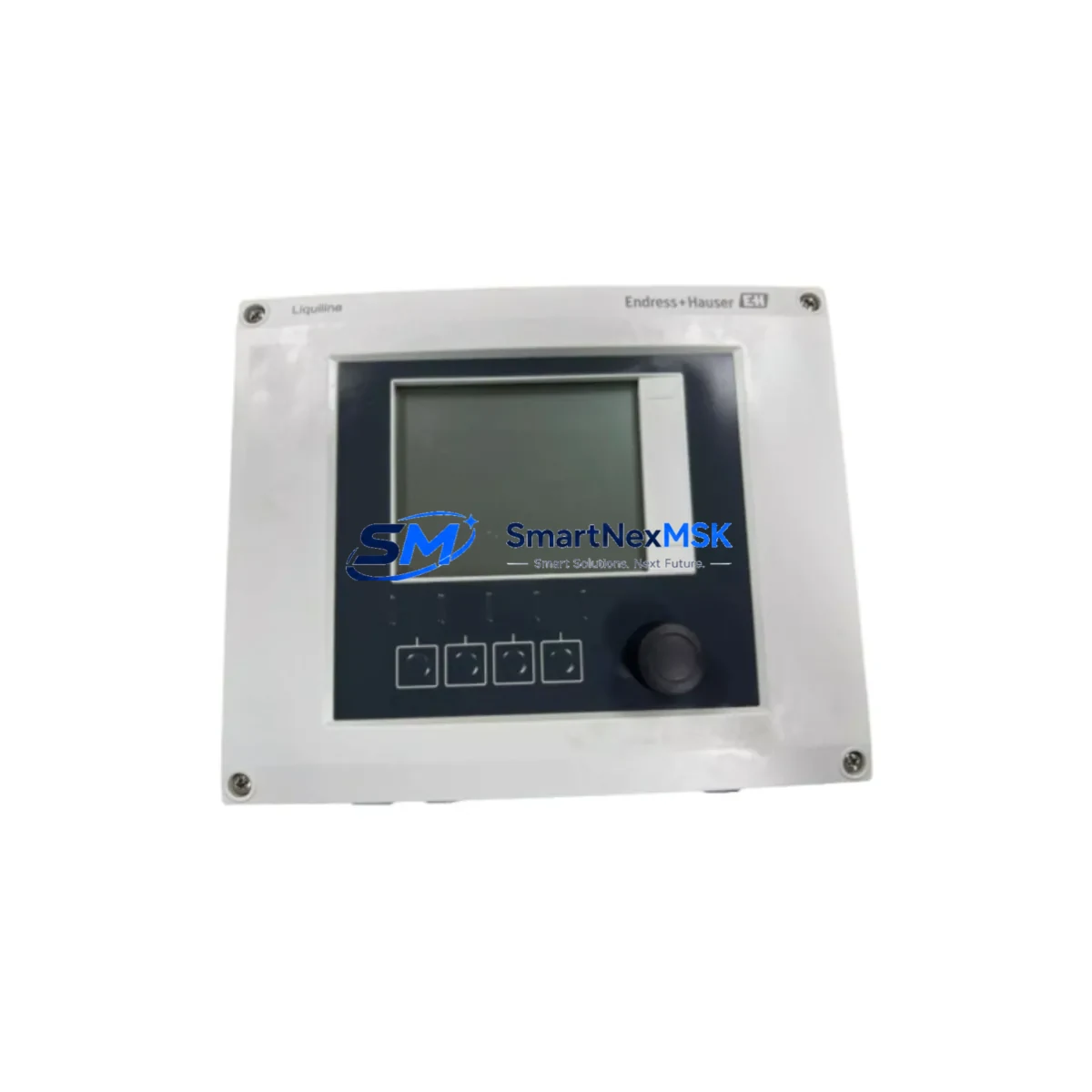
The Endress+Hauser CPM253-MR8010 is an original Memosens-protocol pH/ORP transmitter designed for continuous process monitoring in demanding industrial environments including water treatment, chemical processing, food & beverage, and pharmaceutical production. As a maintenance-ready spare, the CPM253-MR8010 enables rapid field replacement with zero reconfiguration overhead, making it a critical asset in any planned maintenance or emergency recovery scenario.
Sourced directly from authorized supply channels, each unit is individually tested prior to dispatch. With a 12-month warranty and documented compatibility with the Memosens CPC310 sensor family, this transmitter is the preferred choice for maintenance engineers seeking a verified, drop-in replacement that restores loop integrity without extended downtime.
For procurement engineers managing spare parts inventory, stocking the CPM253-MR8010 alongside its associated sensor and power infrastructure eliminates the most common single points of failure in pH measurement loops — a strategy that directly reduces mean time to repair (MTTR) and protects process continuity.
Spare Maintenance Table
| Parameter | Specification |
|---|---|
| Model / SKU | CPM253-MR8010 |
| Brand | Endress+Hauser |
| Series | Liquiline CM253 / Memosens |
| Product Type | pH/ORP Transmitter (Field Transmitter) |
| Communication Protocol | Memosens (digital, inductive) |
| Display | Backlit LCD, 2-line |
| Power Supply | 100–240 V AC / 24 V DC |
| Output Signal | 4–20 mA HART, relay outputs |
| Ingress Protection | IP66 / IP67 (NEMA 4X) |
| Ambient Temperature | -20 to +60 °C |
| Compatible Sensors | Memosens CPC310, CPS11D, CPS71D, CPS41D series |
| Mounting | Panel mount / field housing |
| Origin | Germany |
| Warranty | 12 Months |
| Condition | Original, tested before shipment |
| Maintenance Recommendation | Replace transmitter when calibration drift exceeds ±0.1 pH or sensor communication errors persist after sensor swap |
Maintenance Planning for Continuous Operation
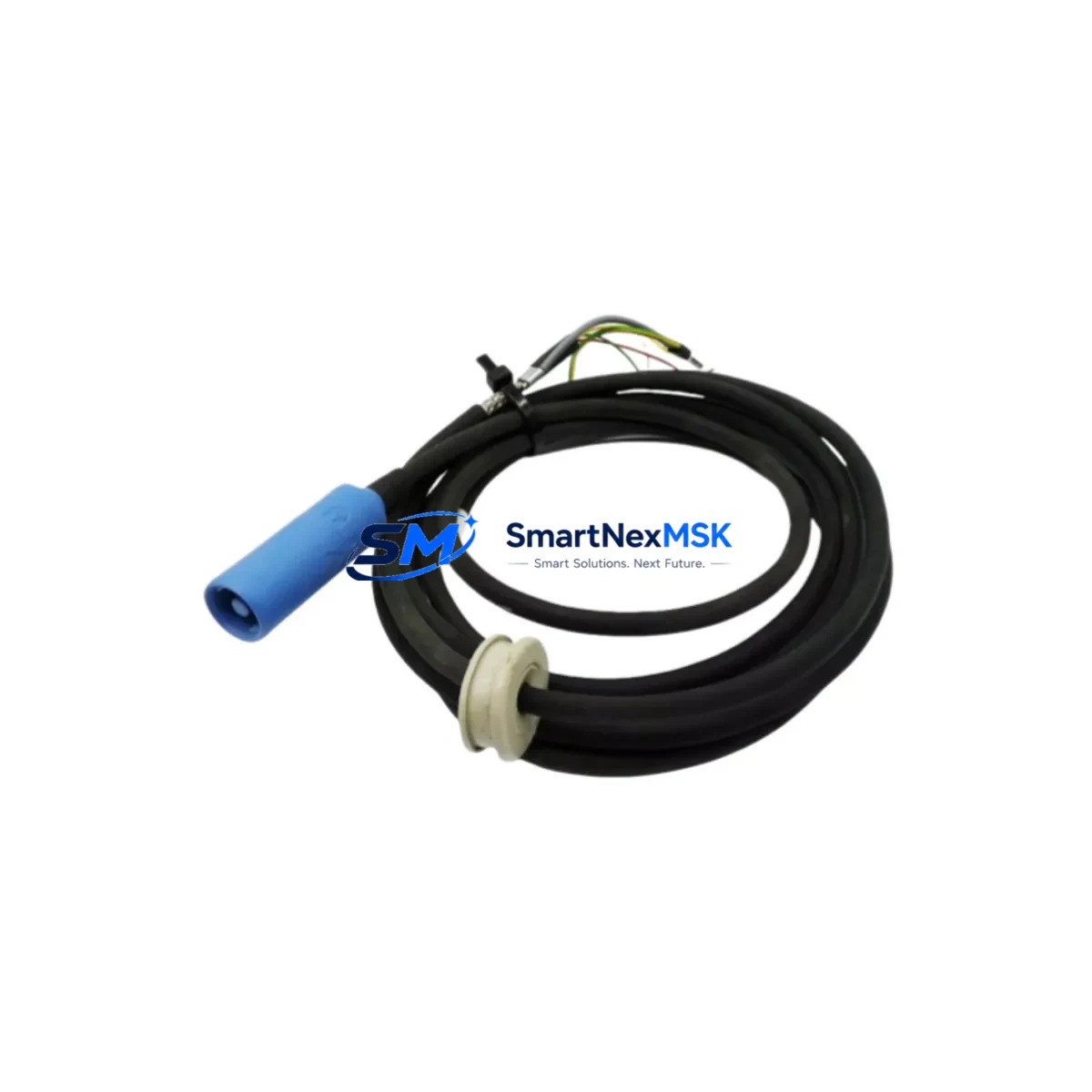
When replacing the CPM253-MR8010 in the field, a thorough inspection of the surrounding measurement loop is essential to prevent repeat failures and ensure restored accuracy. Maintenance engineers should begin by verifying the integrity of the Memosens sensor cable and connector — a degraded CYK10 Memosens cable is a frequent cause of intermittent communication faults that are often misattributed to the transmitter itself.
Next, confirm that the 24 V DC power supply feeding the transmitter is within tolerance. Voltage fluctuations from an aging DIN-rail power supply module can cause erratic 4–20 mA output and false alarms. If the installation uses a signal isolator or loop-powered barrier between the transmitter and the DCS input card, inspect the RN221N or equivalent signal conditioner for signs of thermal stress or output drift.
For installations integrated into a Simatic S7 or similar PLC system via HART, verify that the HART multiplexer or FDT/DTM communication interface is correctly mapped to the new transmitter’s device descriptor. Updating the device tag in the asset management system (e.g., Endress+Hauser W@M or FieldCare) at the time of replacement prevents configuration mismatches during the next scheduled audit.
In control cabinet environments, also inspect the terminal blocks and cable ferrules on the transmitter’s I/O wiring. Loose connections on the relay output terminals — commonly used for limit alarms or cleaning cycle triggers — are a hidden source of nuisance trips. If the installation includes a Liquiline CM444 or CM448 multi-parameter controller in the same panel, cross-check that the shared power rail and grounding scheme remain intact after the swap.
For plants running extended calibration intervals, consider pairing the CPM253-MR8010 replacement with a fresh Memosens CPS11D or CPS71D pH sensor to reset the full measurement chain. Documenting the sensor’s pre-calibration data (stored digitally in the Memosens chip) before removal provides a useful baseline for the maintenance record and supports predictive maintenance scheduling.
Site Replacement Workflow
Step 1 — Isolation & Safety: De-energize the transmitter loop at the field junction box. Confirm 0 V at the transmitter terminals before disconnecting wiring. For hazardous area installations, verify Ex certification compatibility of the replacement unit before proceeding.
Step 2 — Sensor Disconnection: Disconnect the Memosens sensor cable from the CPM253-MR8010. Note the sensor serial number and last calibration date from the transmitter’s stored memory before powering down — this data is retained in the Memosens sensor chip and will transfer automatically to the new transmitter on first connection.
Step 3 — Transmitter Removal: Remove the existing unit from its panel or field housing. Photograph the wiring layout before disconnecting terminals to ensure accurate re-termination.
Step 4 — Installation of CPM253-MR8010: Mount the replacement transmitter and re-terminate all wiring per the original layout. Reconnect the Memosens sensor cable. The new transmitter will automatically read the sensor’s stored calibration data, eliminating the need for immediate recalibration in most applications.
Step 5 — Commissioning & Verification: Restore power and confirm stable 4–20 mA output. Verify process value against a reference buffer solution. Check relay output states and HART communication if applicable. Update the asset tag and maintenance log.
This workflow is compatible with legacy CPM253 variants and supports seamless migration from older Liquisys M CPM223 installations, preserving existing wiring and sensor infrastructure while upgrading digital Memosens capability.
Spare Parts Support FAQ
Q1: Is the CPM253-MR8010 a direct replacement for older CPM253 variants?
Yes. The CPM253-MR8010 is backward compatible with earlier CPM253 configurations and supports the full Memosens sensor range. No wiring changes are required for standard panel or field housing installations. Verify the power supply voltage variant (AC or DC) matches your existing installation before ordering.
Q2: What testing is performed before shipment?
Each CPM253-MR8010 unit undergoes functional verification including power-on self-test, display check, 4–20 mA output calibration verification, and Memosens communication handshake test. A test report is available upon request. All units are shipped with original packaging and documentation.
Q3: How should I manage CPM253-MR8010 inventory for a multi-site plant?
For facilities operating multiple pH measurement loops, we recommend maintaining a minimum of one CPM253-MR8010 per five installed transmitters as a rotating spare. Pair each spare transmitter with a pre-calibrated Memosens sensor to enable a complete loop swap within a single maintenance window, minimizing process interruption.
Q4: What does the 12-month warranty cover?
The 12-month warranty covers manufacturing defects, component failure under normal operating conditions, and Memosens communication faults attributable to the transmitter. It does not cover damage from incorrect installation, overvoltage, or use outside specified environmental ratings. Warranty claims are processed with photographic evidence and a fault description; replacement or repair is dispatched within 5 business days of claim approval.
© 2026 SMARTNEXMSK. All rights reserved.
Original Source: https://smartnexmsk.com
Contact: [email protected] | +86 18259474341