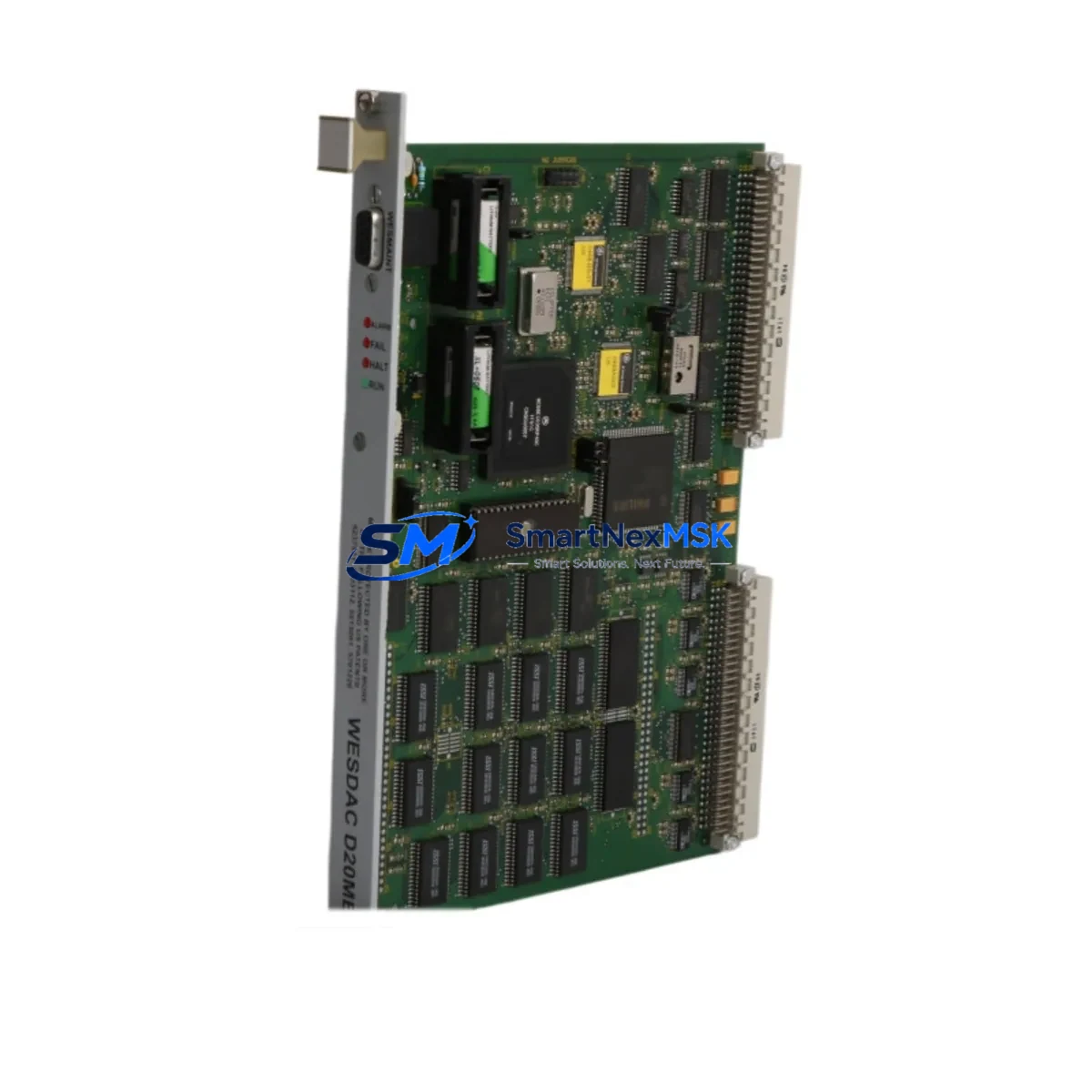
GE D20-ME Maintenance-Ready Spare for WESDAC DCS Automation
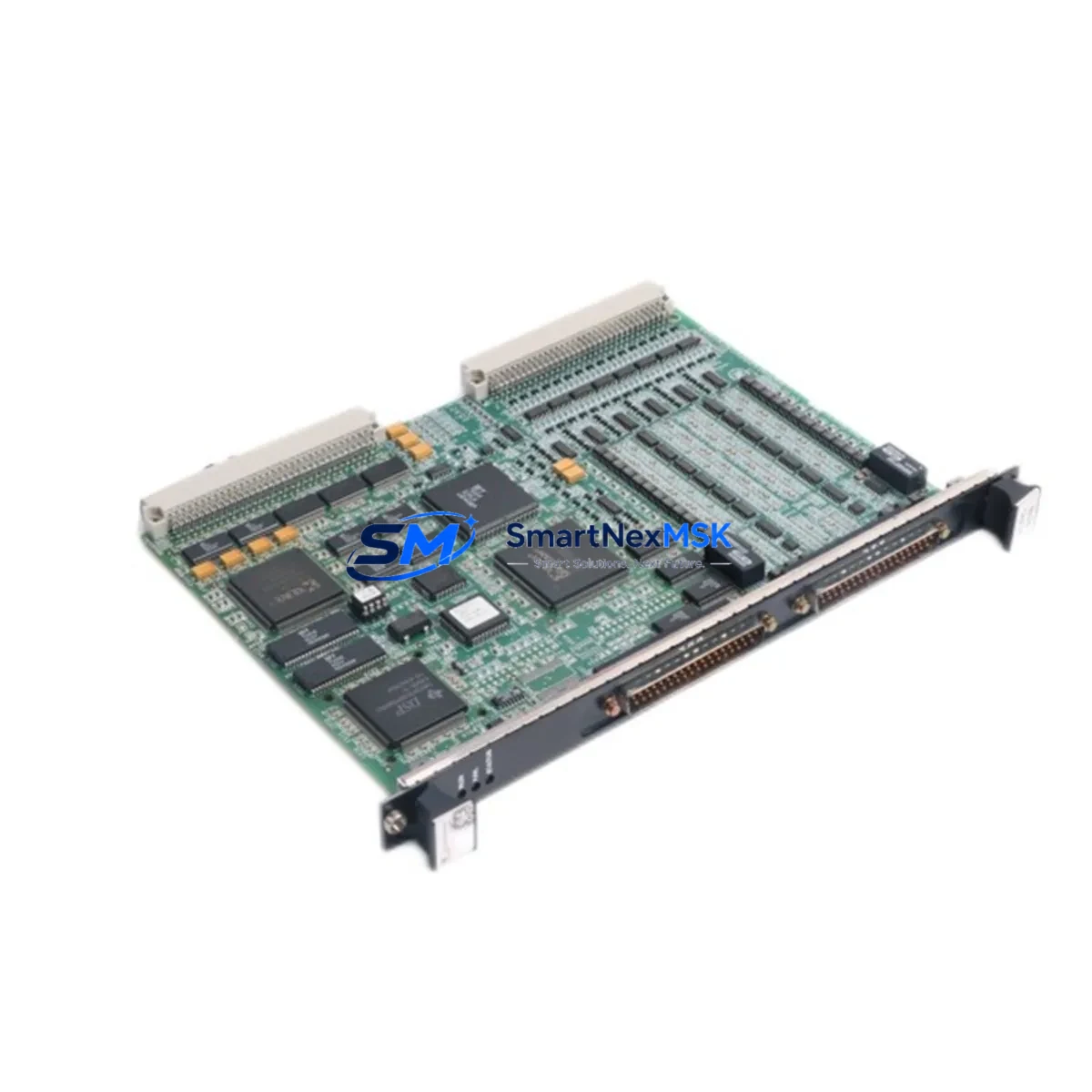
The GE D20-ME is a central processing unit module designed for the WESDAC Distributed Control System (DCS) platform — a proven architecture widely deployed in power generation, water treatment, pipeline control, and heavy industrial facilities. As original equipment from GE’s industrial automation division, the D20-ME serves as the computational core of the D20 RTU/DCS node, executing control logic, managing I/O polling cycles, and maintaining real-time communication with supervisory SCADA layers. For maintenance engineers managing aging WESDAC installations, securing a verified D20-ME spare is a critical step in any downtime-reduction strategy.
This listing provides an original GE D20-ME module — not a clone or third-party substitute — sourced from authorized industrial surplus channels, fully inspected, and tested prior to shipment. Each unit ships with a 12-month warranty covering manufacturing defects and functional failures under normal operating conditions.
Spare Maintenance Table
| Parameter | Specification / Detail |
|---|---|
| Part Number / SKU | D20-ME |
| Manufacturer | GE (General Electric) — Industrial Automation Division |
| Series / Platform | D20 / WESDAC DCS |
| Module Function | DCS CPU / Main Processor Module |
| Compatible Systems | GE WESDAC D20, D20+, D200 RTU/DCS nodes |
| Operating Voltage | Typically 24 VDC (system bus powered) |
| Communication Interfaces | Serial (RS-232/RS-485), proprietary WESDAC backplane bus |
| Operating Temperature | 0°C to 60°C (industrial panel environment) |
| Mounting | DIN-rail / D20 chassis backplane slot |
| Country of Origin | United States |
| Condition | Original / Surplus — Tested Before Shipment |
| Warranty | 12 Months — Functional Guarantee |
| Typical Application | Power generation, water/wastewater, pipeline SCADA, substation automation |
| Maintenance Recommendation | Replace as matched pair with D20 I/O modules; verify firmware revision before installation |
Maintenance Planning for Continuous Operation
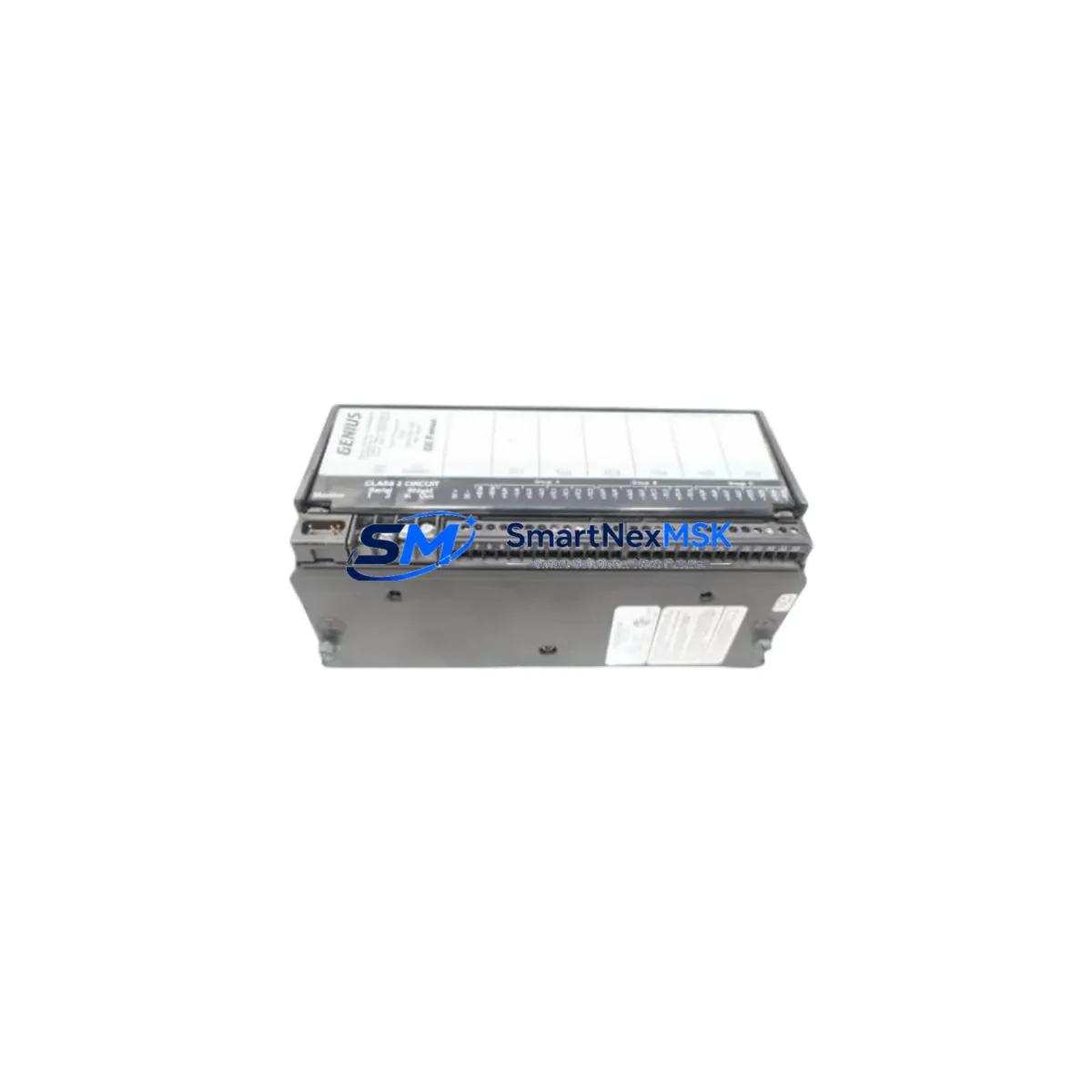
When a D20-ME CPU module fails or is flagged during a scheduled inspection, the replacement process rarely ends with the CPU alone. Experienced maintenance engineers treat a D20-ME swap as an opportunity to audit the entire D20 node and its surrounding electrical infrastructure. The D20 chassis typically houses companion I/O modules — including the D20-DI digital input module and D20-DO digital output module — which share the same backplane bus and are subject to the same thermal and electrical stress cycles. If the CPU has degraded, these I/O cards should be inspected for contact wear, connector oxidation, and firmware compatibility.
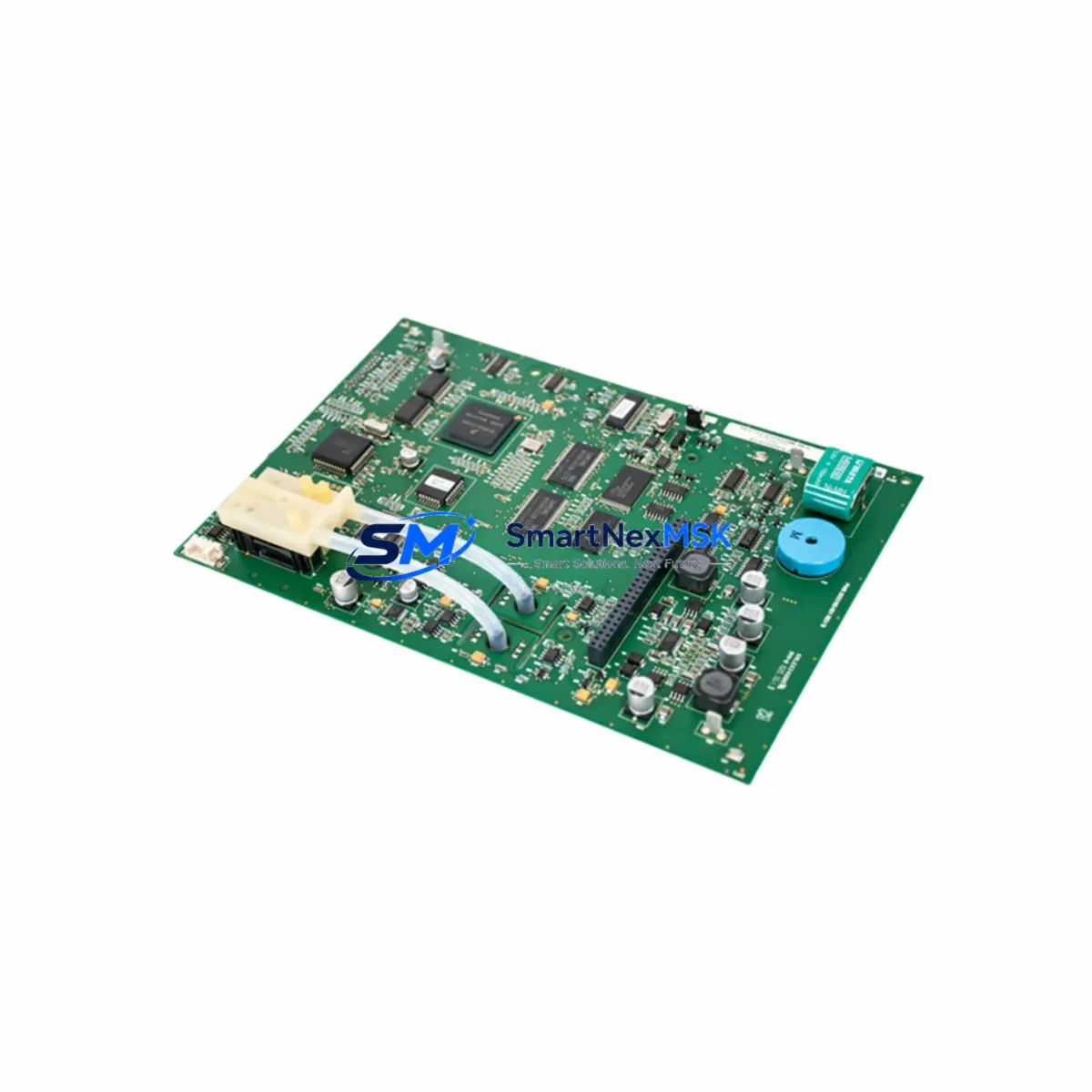
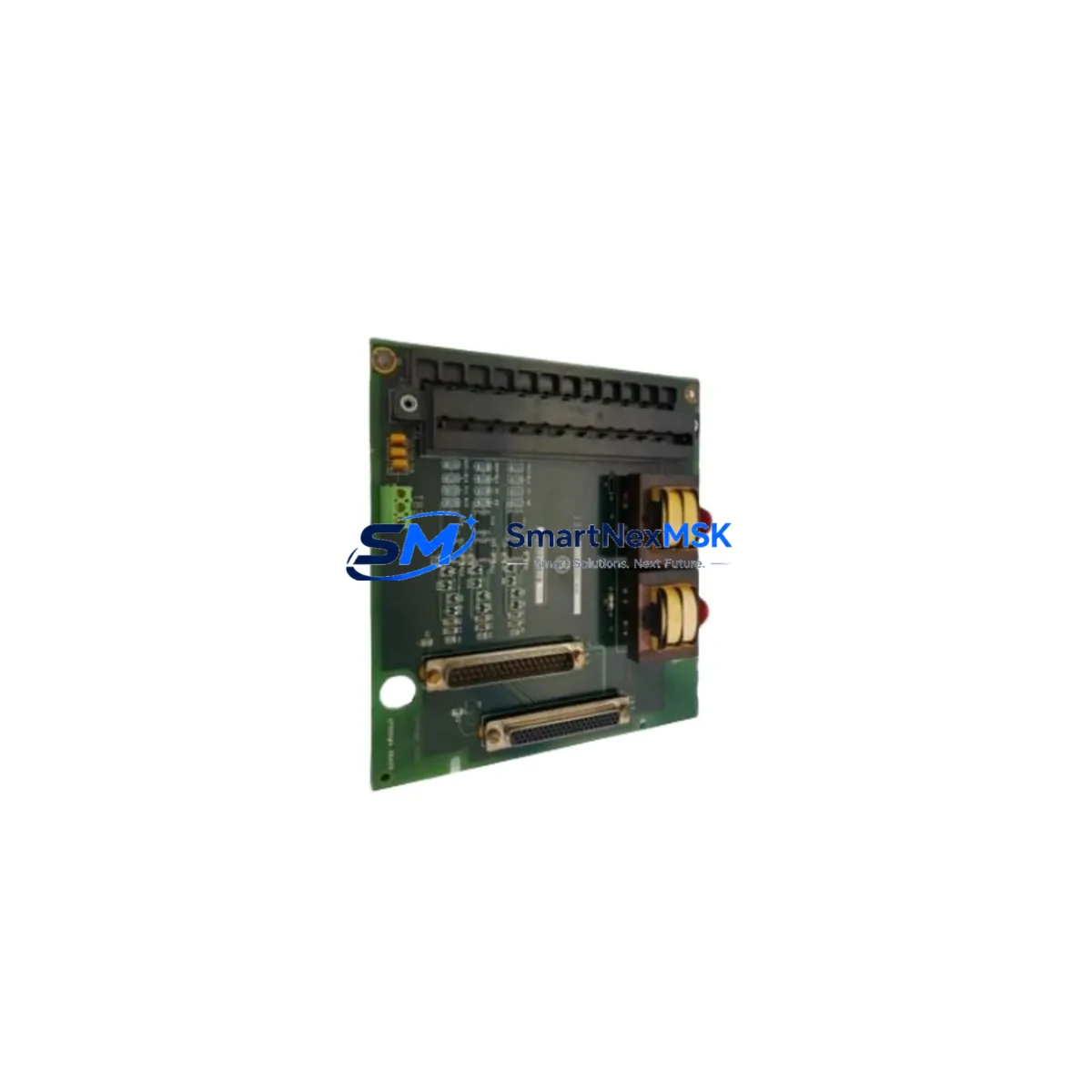
The D20 power supply module (often a dedicated 24 VDC regulated supply within the control cabinet) is another critical component to verify during a D20-ME replacement. An unstable or under-rated power supply is a common root cause of intermittent CPU resets and communication dropouts. Alongside the power supply, inspect the terminal blocks and field wiring terminations on the I/O side — loose or corroded terminals can introduce signal noise that mimics CPU faults.
For sites running WESDAC systems integrated with SCADA via serial communication, the D20 communication module (supporting RS-232 or RS-485 protocols) should be tested independently after the CPU swap to confirm that polling cycles resume correctly. In multi-node architectures, the D20 network interface card or modem module may also require re-initialization. If the site uses a GE UR series relay or Multilin protection relay in the same electrical panel, verify that their communication addresses and baud rates remain synchronized with the restored D20-ME node.
Procurement engineers building a WESDAC spare parts inventory should also consider stocking the D20 analog input module for 4–20 mA signal loops, as well as surge protection devices on field signal lines — particularly in outdoor RTU enclosures exposed to lightning risk. A GE D20 battery backup module or equivalent UPS for the control cabinet ensures that the D20-ME retains its configuration and real-time clock data during power interruptions, reducing recommissioning time after an outage.
Site Replacement Workflow
Step 1 — Pre-Replacement Verification: Before removing the existing D20-ME, document the current firmware version, node address, and communication parameters using the WESDAC configuration tool or terminal emulator. Photograph the wiring and connector positions on the backplane.
Step 2 — Safe Isolation: Follow site lockout/tagout (LOTO) procedures. De-energize the D20 chassis power supply. Confirm zero voltage at the backplane connector before handling the CPU module.
Step 3 — Module Swap: Remove the faulty D20-ME by releasing the front-panel ejector levers. Insert the replacement module firmly into the same backplane slot. Ensure the module is fully seated and the locking tabs are engaged.
Step 4 — Configuration Restore: Power up the chassis and load the saved configuration file to the new D20-ME. Verify node address, scan rate, and communication port settings match the original. For systems using ladder logic or function block programs stored on the CPU, reload from the engineering workstation backup.
Step 5 — Functional Test: Confirm all I/O points are scanning correctly, SCADA polling is re-established, and alarm states are cleared. Run a 15-minute observation period before returning the system to automatic control. This workflow minimizes mean time to repair (MTTR) and reduces unplanned downtime to under two hours for a prepared maintenance team.
Spare Parts Support FAQ
Q1: Is this D20-ME a new or refurbished unit?
This is an original GE D20-ME module sourced from authorized industrial surplus. Each unit undergoes functional testing prior to shipment. Units are not remanufactured or cloned. The 12-month warranty covers all functional defects identified under normal operating conditions.
Q2: How do I confirm compatibility with my existing WESDAC system?
Compatibility is determined by the D20 chassis generation and firmware revision. Please provide your existing module’s part number label (including any suffix codes) and chassis model when placing your order. Our technical team will cross-reference against known revision matrices to confirm a direct fit before shipment.
Q3: What is your inventory policy for long-term WESDAC support?
We maintain a dedicated buffer stock of D20-series modules to support customers with multi-year maintenance contracts and aging WESDAC installations. For facilities requiring guaranteed availability over a 12–36 month horizon, we recommend a blanket purchase agreement. Contact our sales team to discuss consignment or reserved-stock arrangements.
Q4: What pre-shipment testing is performed on each D20-ME unit?
Each D20-ME is powered up in a test chassis, subjected to a communication loop-back test, and verified for correct I/O bus response before packaging. Units that fail any test stage are quarantined and not shipped. A test report is available upon request for quality-critical procurement processes.
© 2026 SMARTNEXMSK. All rights reserved.
Original Source: https://smartnexmsk.com
Contact: [email protected] | +86 18259474341