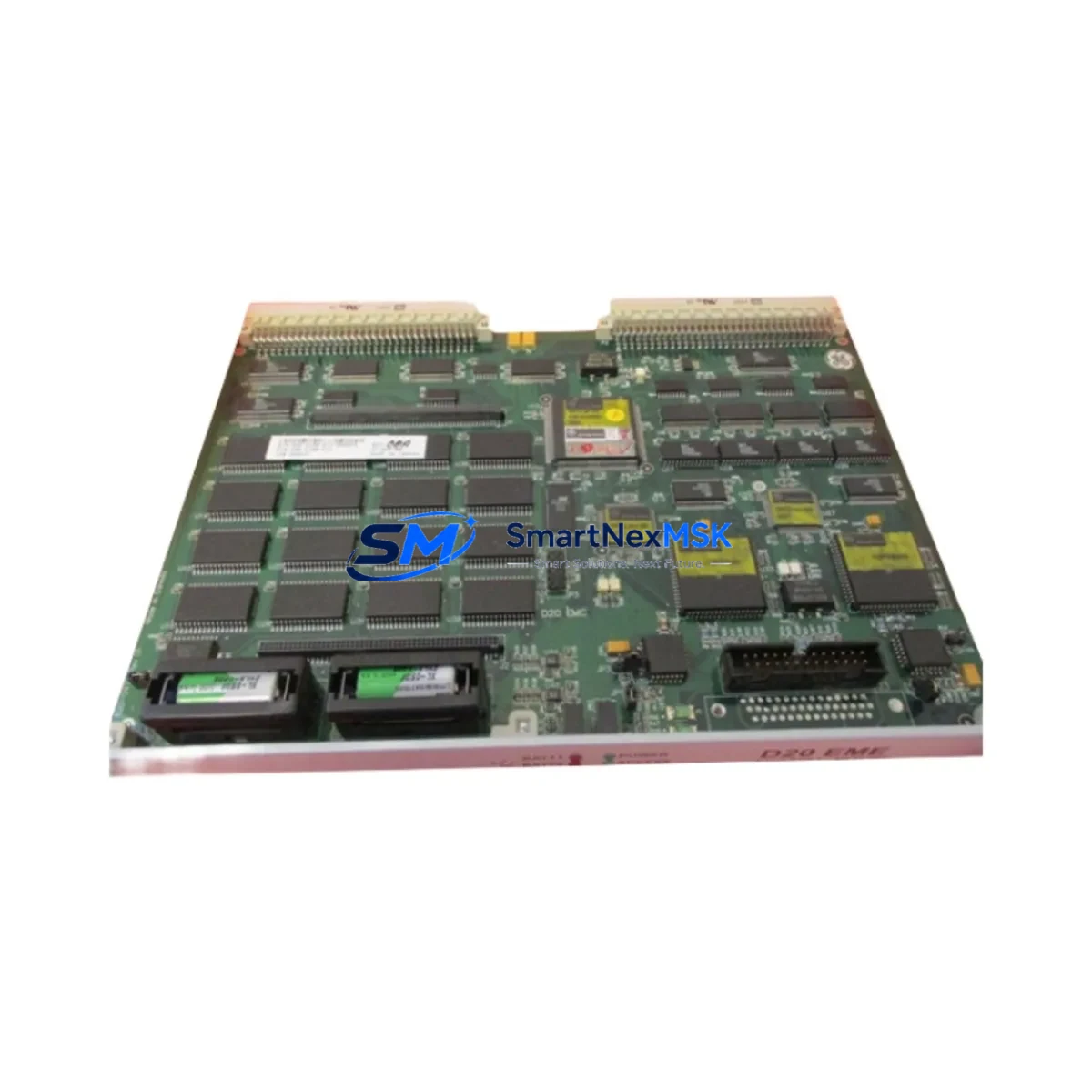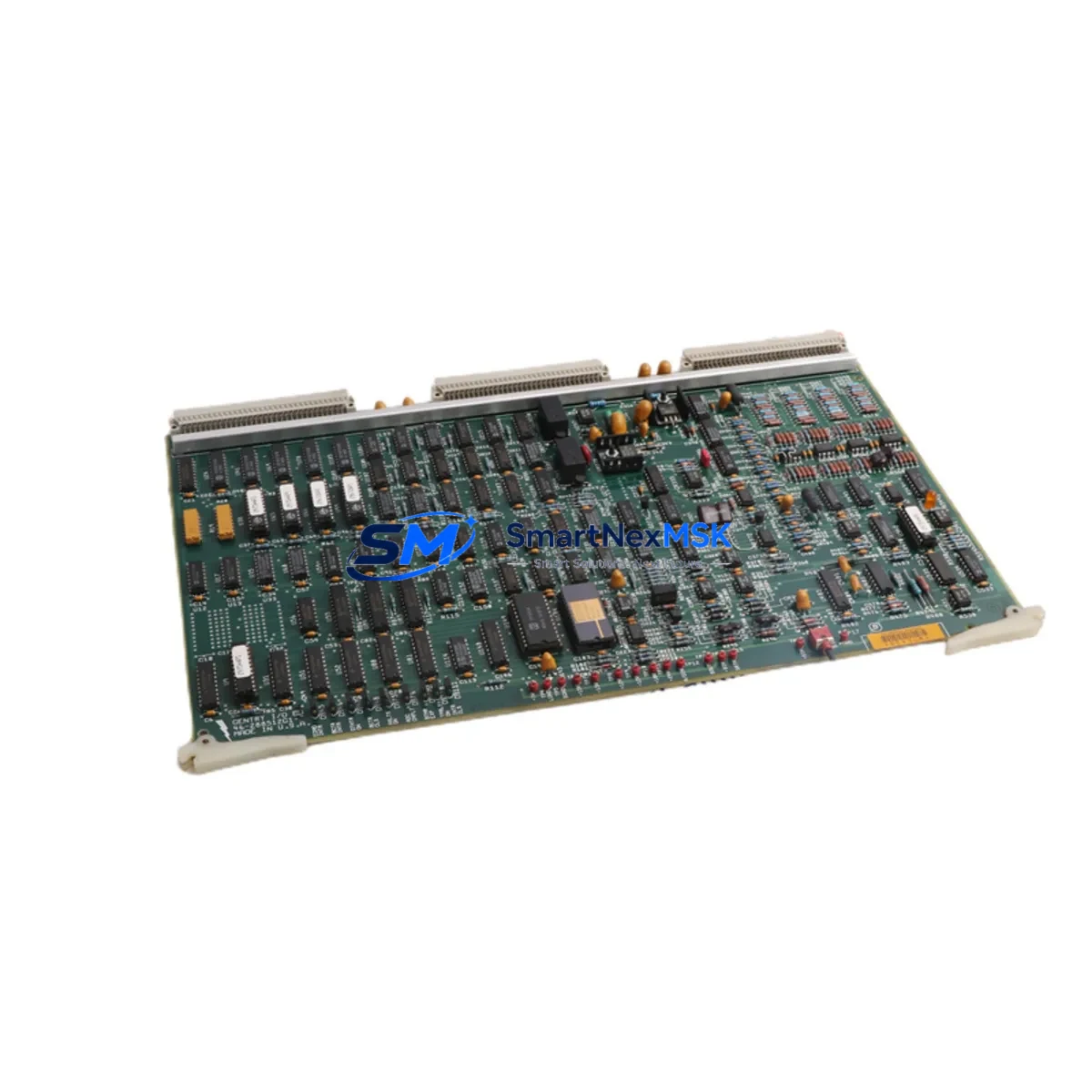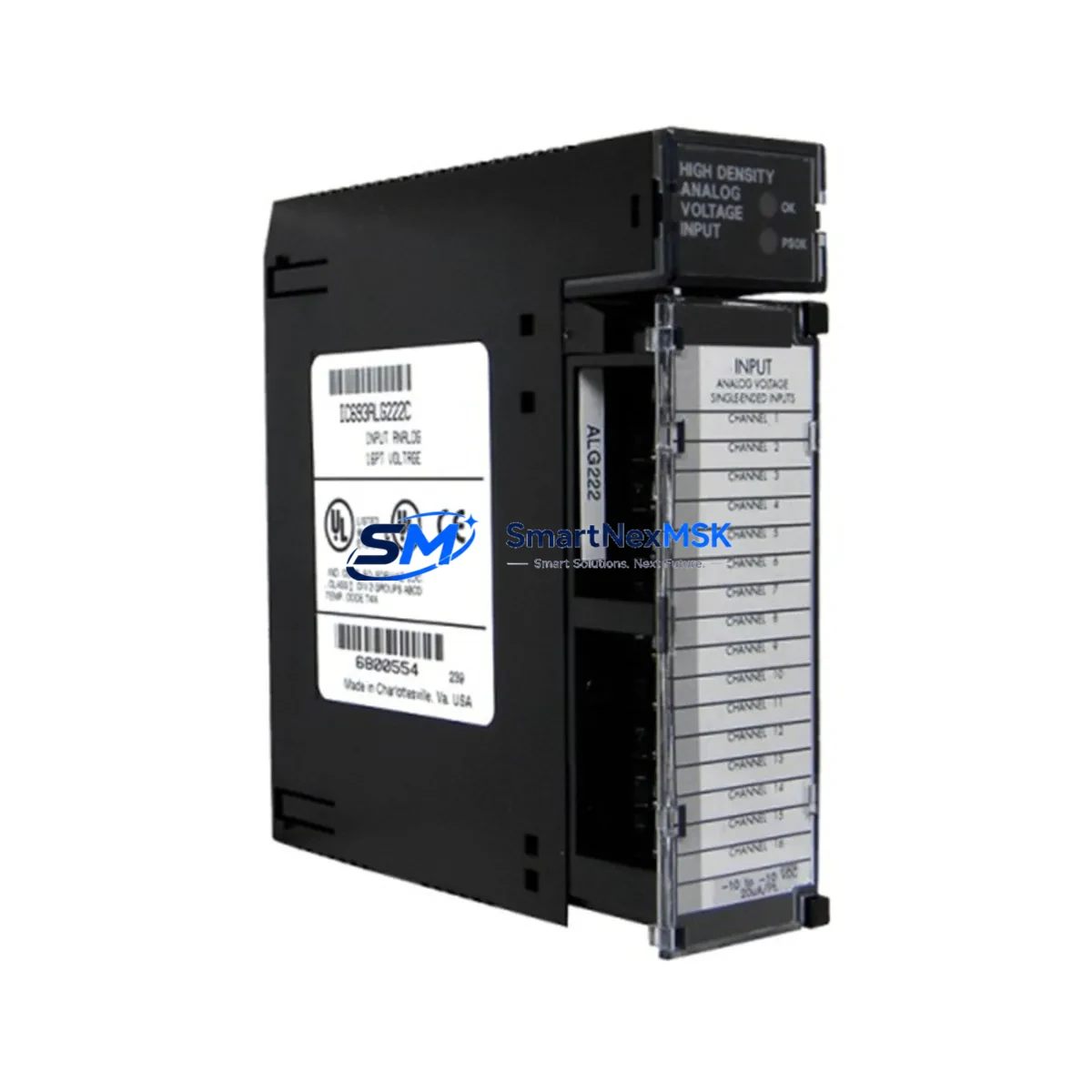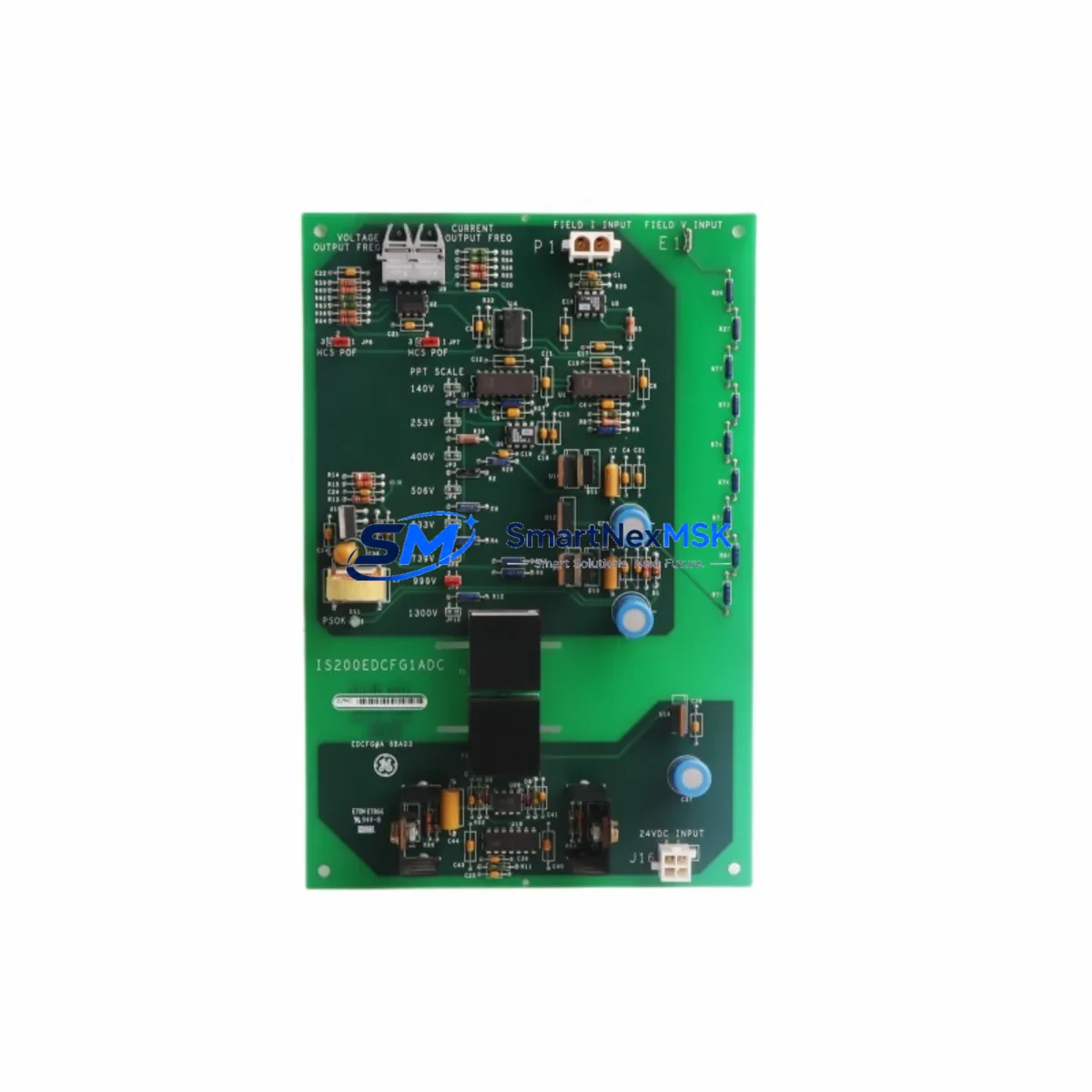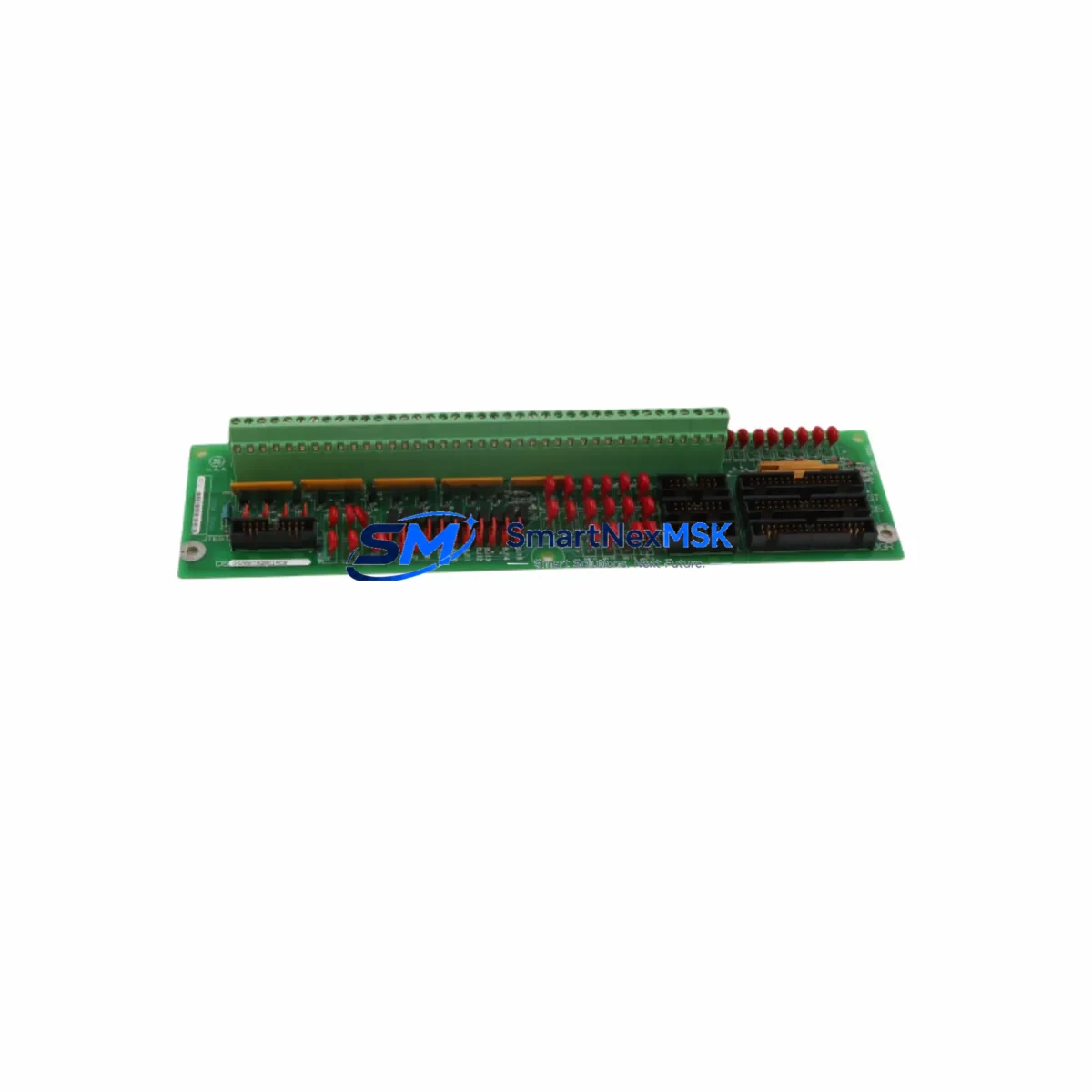
GE DS200TBQBG1ACB Retrofit-Ready SDCC Card for Mark V Control Systems
The GE DS200TBQBG1ACB is a Sequence and Diagnostic Control Card (SDCC) engineered for the GE Mark V Speedtronic turbine control platform. As aging Mark V systems approach end-of-support and original spare parts become increasingly scarce, the DS200TBQBG1ACB has become a critical component in retrofit projects, emergency replacements, and planned control-system upgrades across gas turbine, steam turbine, and combined-cycle power generation facilities worldwide.
Whether you are managing a mid-life turbine overhaul, recovering from an unplanned trip, or executing a phased migration from Mark V to a newer control architecture, sourcing a verified, tested DS200TBQBG1ACB from reliable inventory is the first step toward restoring full system availability. SMARTNEXMSK maintains ready stock of this card, fully inspected and backed by a 12-month warranty.
Upgrade Compatibility Table
| Parameter | Details |
|---|---|
| Compatible Platform | GE Mark V Speedtronic Turbine Control System |
| Card Function | Sequence & Diagnostic Control Card (SDCC) |
| Backplane Interface | Mark V VME-style rack backplane; verify slot assignment with existing rack layout before installation |
| Communication Compatibility | Compatible with Mark V internal ARCNET communication bus; verify node address settings match original card configuration |
| Power Supply Requirement | +5 VDC, ±15 VDC via backplane; confirm power supply capacity (typically DS200PCCAG1A or equivalent) before hot-swap or cold-swap replacement |
| Terminal Wiring | No direct field wiring on SDCC; I/O routed through terminal boards such as DS200TBQBG1ACB companion boards — verify all ribbon cable and connector seating |
| Replacement Recommendation | Direct drop-in replacement for failed or degraded DS200TBQBG1ACB; confirm firmware revision compatibility with site-specific application software |
| Commissioning Focus | Module address jumper settings, ARCNET node ID, watchdog timer reset, and I/O diagnostic scan after card swap |
| Warranty | 12 months from date of shipment — covers manufacturing defects and functional failure under normal operating conditions |
Retrofit Planning for Existing Automation Systems
A successful DS200TBQBG1ACB retrofit begins well before the card arrives on site. Engineers responsible for Mark V modernization projects must audit the full control cabinet to identify every component that interacts with the SDCC. In a typical Mark V enclosure, the SDCC communicates with the DS200SDCIG2AEB or similar I/O interface boards, and its diagnostic outputs feed into the DS200TCQAG1BHF or equivalent TCQ card that manages trip logic. The rack itself — commonly a DS200SLCCG3AEE or related chassis — must be inspected for backplane connector integrity before any card swap.
Power distribution within the cabinet is equally critical. The DS200PCCAG1A power conditioning card supplies regulated voltages to the SDCC slot; a degraded power supply is frequently the root cause of SDCC failures and must be tested independently. If the site is also upgrading communication infrastructure, the DS200CPCBG1AEE communications processor card and associated ARCNET cabling should be inspected and replaced if signal integrity is marginal.
For facilities migrating from Mark V toward Mark VIe or a third-party DCS, the DS200TBQBG1ACB often serves as a bridge component — keeping the legacy turbine running reliably while the new control platform is engineered, factory-accepted, and staged for cutover. During this period, the DS200DSPCH1ADA digital signal processor card and the DS200IOCAG1ABA I/O controller may also require attention, particularly if the site has experienced intermittent faults or nuisance trips.
HMI connectivity is another area that demands careful planning. Many Mark V installations use a Cimplicity HMI workstation communicating over a serial or Ethernet gateway. After replacing the SDCC, operators should verify that all HMI faceplates, alarm setpoints, and trend displays reflect the correct tag mappings. If the site uses a GE Toolbox programming terminal connected via a DS200TCEAG1BHF or similar programming cable, the application software should be re-downloaded and verified against the as-built configuration baseline before returning the unit to service.
Terminal board integrity is a frequently overlooked element of SDCC retrofits. The DS200TBCBG1AAB and related terminal boards that interface field signals to the Mark V rack must be inspected for corrosion, loose screw terminals, and damaged ribbon connectors. Replacing the SDCC without addressing terminal board degradation will not resolve underlying reliability issues and may introduce new faults during commissioning.
Downtime Control During System Migration
Minimizing turbine downtime during a DS200TBQBG1ACB replacement requires a structured, pre-planned approach. The following practices are recommended for sites where generation continuity is a priority:
Pre-swap preparation: Before removing the failed card, perform a full backup of the Mark V application software using GE Toolbox. Document all jumper positions, DIP switch settings, and node address configurations on the existing SDCC. Photograph the card orientation, connector positions, and any site-specific labels. This documentation becomes the commissioning baseline for the replacement card.
Staged replacement: Where the Mark V architecture supports redundant control paths (e.g., TMR — Triple Modular Redundancy configurations with R, S, and T controllers), the failed SDCC can often be replaced while the remaining two controllers maintain turbine operation. Confirm with the site control engineer that the TMR voting logic is functioning correctly on the healthy controllers before initiating the swap on the faulted channel.
Cold-swap protocol: For simplex Mark V installations, a controlled shutdown is required. Coordinate with operations to select a planned maintenance window. Isolate the affected controller, remove the DS200TBQBG1ACB, install the replacement, and restore power in sequence. Allow the SDCC to complete its self-diagnostic cycle — typically 30 to 90 seconds — before re-enabling I/O scanning.
Post-swap verification: After the replacement card is seated and powered, verify ARCNET communication status on the Mark V operator interface. Confirm that all I/O points are scanning correctly, that no new diagnostic alarms are present, and that the turbine control sequence responds correctly to manual test commands before returning to automatic operation. Document the replacement in the site maintenance management system (CMMS) and retain the 12-month warranty certificate for the new DS200TBQBG1ACB.
Program logic integrity: The original application software — including sequence logic, protection setpoints, and calibration constants — must be re-verified after any SDCC replacement. Do not assume that a previously downloaded program is intact; always re-download from the verified backup and perform a point-by-point I/O check before turbine restart.
Retrofit Support FAQ
Q1: Is the DS200TBQBG1ACB a direct replacement for all Mark V SDCC variants?
The DS200TBQBG1ACB is the primary SDCC variant for the GE Mark V Speedtronic platform. However, Mark V systems were produced in multiple hardware revisions over their production life. Before ordering, confirm the existing card’s full part number, hardware revision suffix, and firmware version with your site documentation or GE Toolbox configuration file. SMARTNEXMSK’s technical team can assist with cross-reference verification prior to shipment.
Q2: What commissioning steps are required after installing a replacement DS200TBQBG1ACB?
After physical installation, the following steps are required: (1) verify jumper and DIP switch settings match the original card; (2) re-download the application software from a verified backup using GE Toolbox; (3) confirm ARCNET node communication with all other Mark V controllers; (4) perform a full I/O diagnostic scan; (5) execute a manual sequence test before returning to automatic turbine control. Document all steps in the site CMMS.
Q3: Can the DS200TBQBG1ACB be used in a Mark V TMR (Triple Modular Redundancy) configuration?
Yes. The DS200TBQBG1ACB is compatible with both simplex and TMR Mark V configurations. In a TMR system, the card occupies one of the R, S, or T controller slots. Replacement in a TMR system can often be performed with the turbine online if the remaining two controllers are healthy and the TMR voting logic is confirmed operational. Always consult the site-specific Mark V system manual and obtain operations approval before performing a live card swap.
Q4: What does the 12-month warranty cover, and what is the return process?
The 12-month warranty covers manufacturing defects and functional failure under normal operating and environmental conditions as specified in the GE Mark V hardware documentation. It does not cover damage resulting from incorrect installation, overvoltage, or physical mishandling. To initiate a warranty claim, contact SMARTNEXMSK at [email protected] with the original order number, a description of the fault, and any available diagnostic data from the Mark V operator interface. Replacement or repair will be processed within the agreed lead time.
© 2026 SMARTNEXMSK. All rights reserved.
Original Source: https://smartnexmsk.com
Contact: [email protected] | +86 18259474341