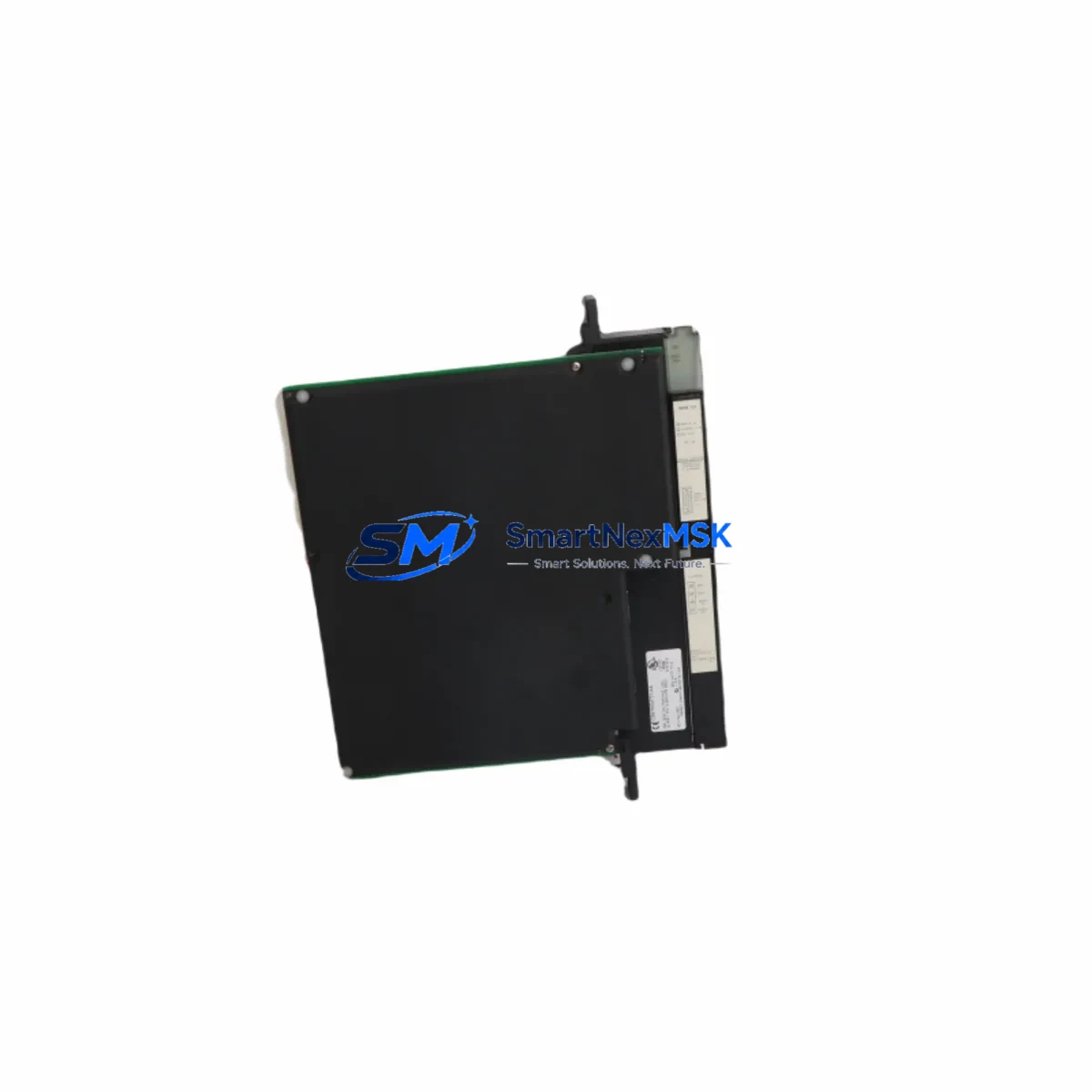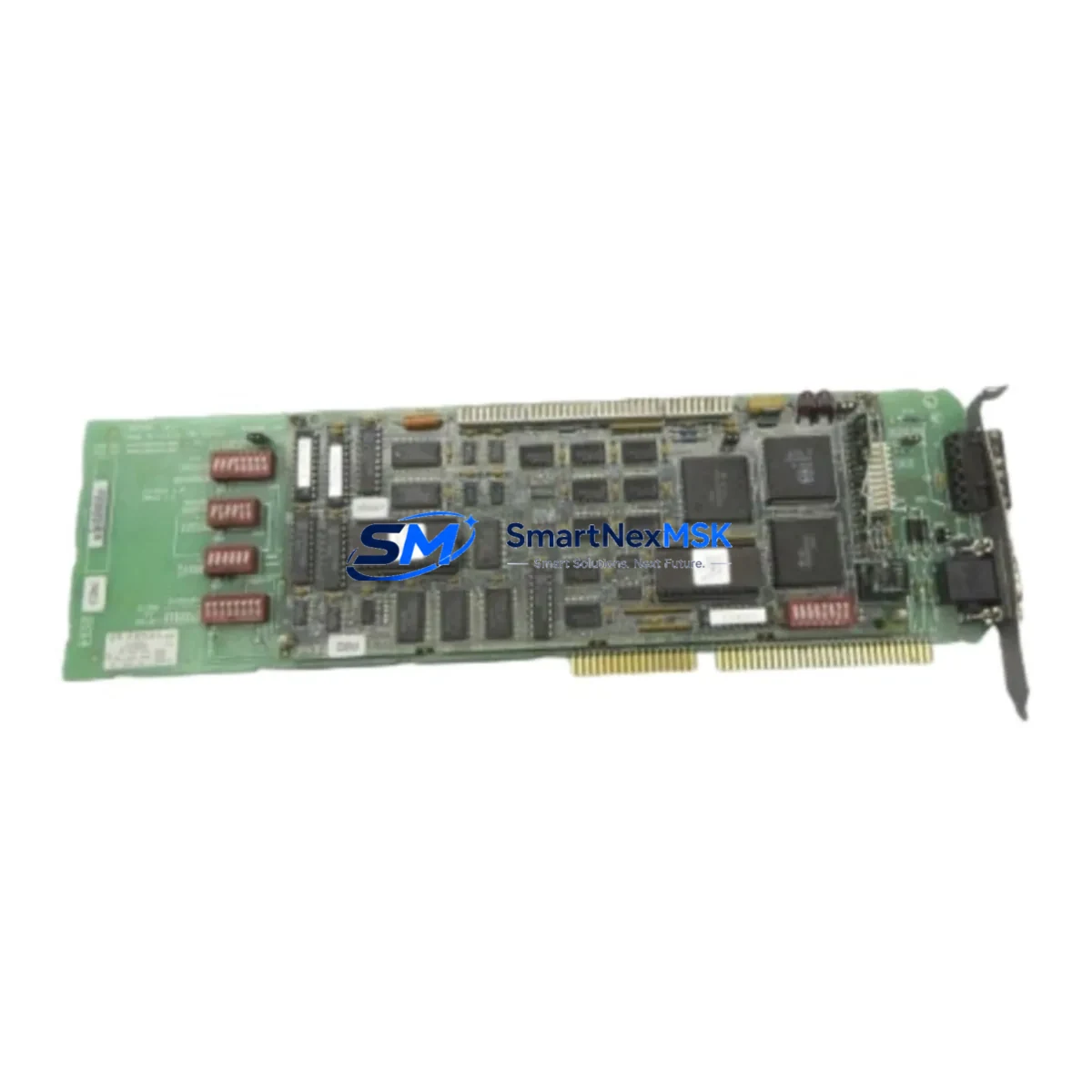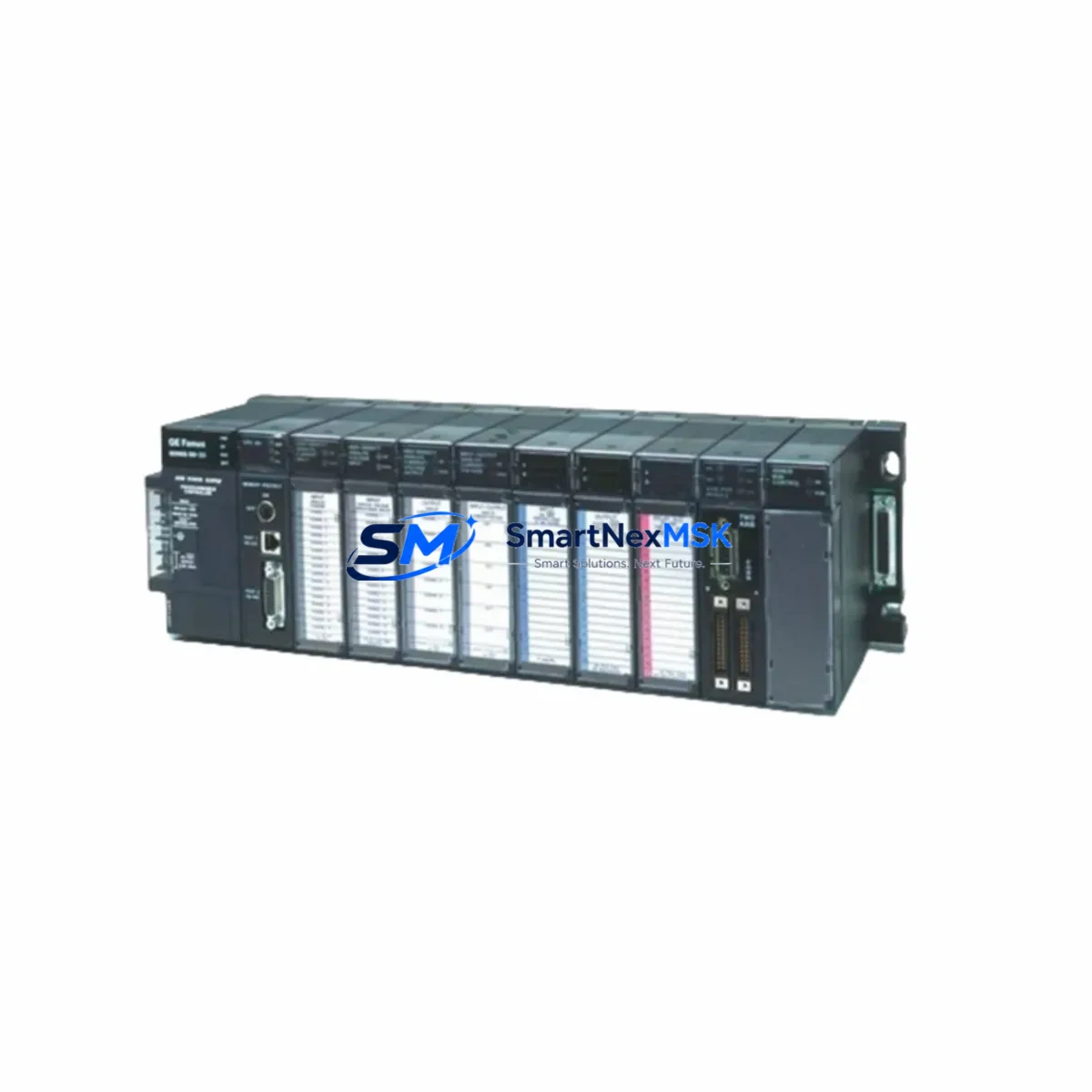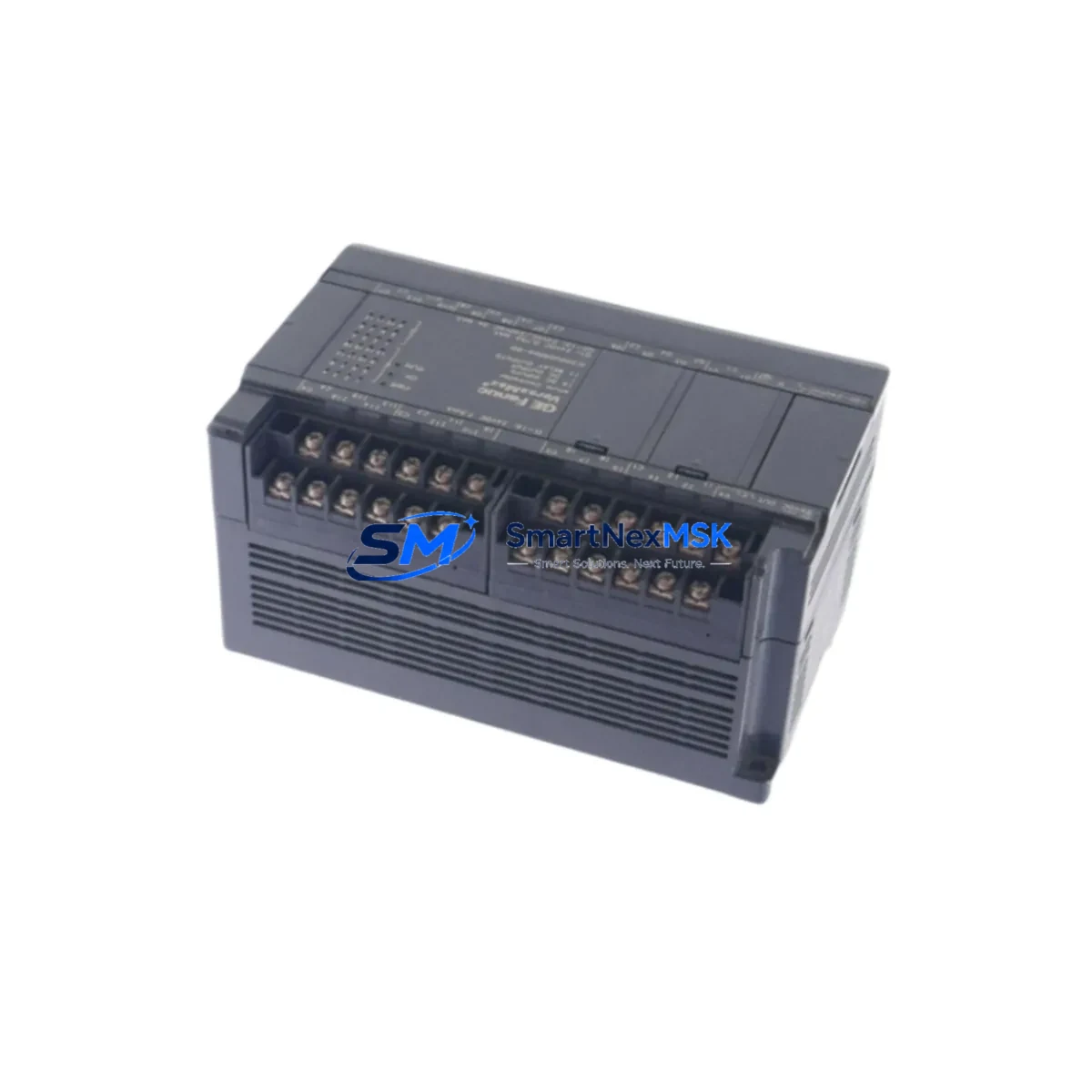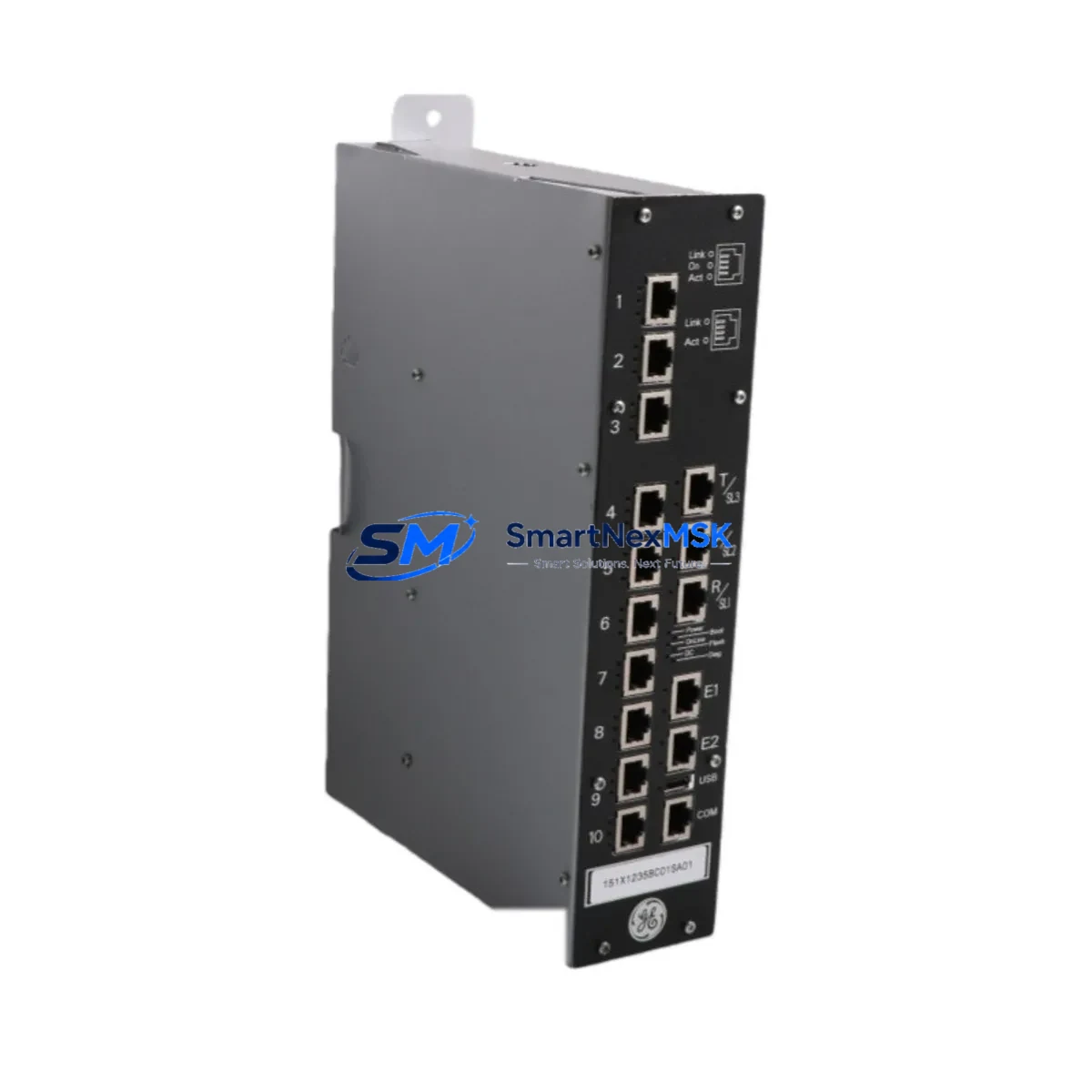
GE Fanuc 151X1235BC01SA41 Retrofit-Ready Controller for Mark VI Control Systems
The GE Fanuc 151X1235BC01SA41 is a turbine controller module engineered for the Mark VI distributed control platform — one of GE’s most widely deployed turbine management architectures in power generation, oil & gas, and heavy industrial facilities. As the Mark VI platform ages and original modules reach end-of-life, sourcing a verified, wiring-compatible replacement becomes critical to maintaining operational continuity without committing to a full system overhaul.
This module serves as a direct retrofit solution for facilities running legacy Mark VI cabinets where the original 151X1235BC01SA41 has failed, degraded, or is no longer available through standard OEM channels. Our stock is sourced, inspected, and function-tested prior to shipment, ensuring that each unit meets the electrical and communication specifications required for seamless integration into existing Mark VI control racks.
For maintenance engineers managing aging turbine control infrastructure, the ability to replace a single controller module — without rewriting ladder logic, reconfiguring HMI screens, or rewiring terminal blocks — is the difference between a two-hour recovery and a multi-day outage. The 151X1235BC01SA41 is designed to slot into the existing Mark VI backplane with no structural modification, preserving the original I/O mapping and communication addressing.
Upgrade Compatibility Table
| Parameter | Details |
|---|---|
| SKU / Part Number | 151X1235BC01SA41 |
| Brand | GE Fanuc |
| Compatible Platform | Mark VI Turbine Control System |
| Module Function | Turbine Controller — I/O, logic execution, and communication management |
| Backplane Interface | Mark VI standard VME-compatible rack interface |
| Communication Protocol | IONet (GE proprietary), compatible with Mark VI IONET topology |
| Power Supply Requirement | 24 VDC nominal (verify with existing PSU capacity before installation) |
| Installation Type | Direct rack-mount, no structural modification required |
| Replacement Compatibility | Drop-in for original 151X1235BC01SA41; verify firmware revision with site engineer |
| Commissioning Requirement | Address configuration via ToolboxST; HMI tag mapping verification recommended |
| Pre-Shipment Testing | Function-tested and inspected before dispatch |
| Warranty | 12-Month Warranty |
| Origin | United States |
| Shipping | Global express shipping; lead time confirmed at order |
Retrofit Planning for Existing Automation Systems
A successful retrofit of the 151X1235BC01SA41 requires more than a physical module swap. Maintenance and procurement engineers should treat this replacement as a structured migration task, beginning with a full audit of the surrounding Mark VI cabinet before the new module is installed.
Start by verifying the Mark VI power supply module — typically a redundant 24 VDC PSU pair — to confirm it can sustain the load of the replacement controller without voltage sag during startup. Aging power supplies in long-running Mark VI cabinets are a common secondary failure point that surfaces only after a controller replacement triggers a full system restart.
Next, inspect the Mark VI I/O terminal boards (such as the TRLY, TTUR, or TPRO series terminal modules) connected to the controller. Corroded terminals, loose ferrules, or degraded wiring insulation can introduce signal errors that are incorrectly attributed to the new module. Clean and re-torque all terminal connections before powering up.
The IONet communication cables linking the controller to the Mark VI IONET switch or peer controllers should be inspected for physical damage and connector integrity. IONet is a deterministic Ethernet-based protocol, and any cable fault will disrupt the real-time control loop. Replace any suspect cables before commissioning the new module.
If the site uses a ToolboxST engineering workstation for configuration, ensure the replacement module’s firmware version is compatible with the existing project file. In some cases, a firmware update or project re-download is required after module swap. Coordinate with the control system engineer to have the ToolboxST laptop and project backup on-site during the replacement window.
For facilities where the Mark VI interfaces with a GE HMI (Cimplicity or iFIX), verify that the tag database and OPC server connections remain intact after the module is replaced. Controller address changes — even minor ones — can cause HMI display dropouts that require tag re-mapping. Pre-validate the HMI configuration against the replacement module’s address settings before going live.
Additionally, review the status of the Mark VI VCMI or VCRC communication interface cards in the same rack. These cards manage the upstream DCS or SCADA link, and a controller replacement is an ideal opportunity to inspect them for firmware currency and connector wear. Similarly, check the Mark VI battery backup module if present — a depleted battery will cause program loss on the next power cycle, negating the benefit of the controller replacement.
Finally, confirm that any signal isolators or surge protection modules on the field wiring side are functioning correctly. Transient events that damaged the original 151X1235BC01SA41 may have also degraded upstream protection components, leaving the new module exposed to the same fault condition.
Downtime Control During System Migration
Replacing the 151X1235BC01SA41 in a live Mark VI environment demands a disciplined approach to minimizing downtime and protecting the existing control program. The following workflow is recommended for sites where turbine availability is critical:
1. Pre-Outage Preparation: Back up the full ToolboxST project, including all I/O configurations, alarm setpoints, and communication parameters. Export the HMI tag list and document the current IONet node addresses. Photograph all terminal wiring before disconnection.
2. Controlled Shutdown: Follow the site’s turbine shutdown procedure to bring the unit to a safe, de-energized state. Do not attempt a hot-swap of the controller module — the Mark VI does not support live controller replacement without specific redundancy configurations.
3. Module Extraction and Installation: Remove the failed 151X1235BC01SA41 from the rack, noting the slot position and any jumper or DIP switch settings. Install the replacement module in the same slot. Verify that all backplane connectors are fully seated.
4. Configuration Restore: Using ToolboxST, download the backed-up project to the new module. Verify that the module address, I/O assignments, and communication parameters match the original configuration. Do not modify the program logic during this step — changes should be made in a separate, planned maintenance window.
5. System Restart and Verification: Power up the Mark VI cabinet and monitor the IONet status indicators. Confirm that all I/O modules report healthy status and that the HMI displays are updating correctly. Run a pre-start checklist before returning the turbine to service.
This structured approach consistently achieves controller replacement within a 4–8 hour maintenance window, even on complex multi-controller Mark VI installations, minimizing revenue impact from unplanned outages.
Retrofit Support FAQ
Q1: Is the 151X1235BC01SA41 a direct drop-in replacement for the original GE Fanuc module?
Yes. The replacement module is physically and electrically compatible with the original Mark VI rack slot. However, we recommend verifying the firmware revision with your site control engineer, as some Mark VI project files are revision-specific. Our technical team can assist with firmware compatibility checks prior to shipment.
Q2: What pre-shipment testing is performed on each unit?
Every 151X1235BC01SA41 unit undergoes functional testing before dispatch, including power-on verification, communication interface checks, and I/O continuity testing. A test report is available upon request. Units are packaged in anti-static, shock-protected packaging to prevent transit damage.
Q3: What is covered under the 12-month warranty?
The 12-month warranty covers manufacturing defects and functional failures under normal operating conditions. It does not cover damage caused by incorrect installation, overvoltage events, or physical mishandling. Warranty claims are processed with a replacement unit dispatched after the failed module is returned and inspected.
Q4: Can you supply multiple units for a planned spare parts inventory?
Yes. We maintain stock of the 151X1235BC01SA41 and can fulfill both single-unit emergency orders and multi-unit blanket orders for planned spare parts programs. Lead times and volume pricing are confirmed at order. Contact our team to discuss long-term supply agreements for Mark VI critical spares.
© 2026 SMARTNEXMSK. All rights reserved.
Original Source: https://smartnexmsk.com
Contact: [email protected] | +86 18259474341