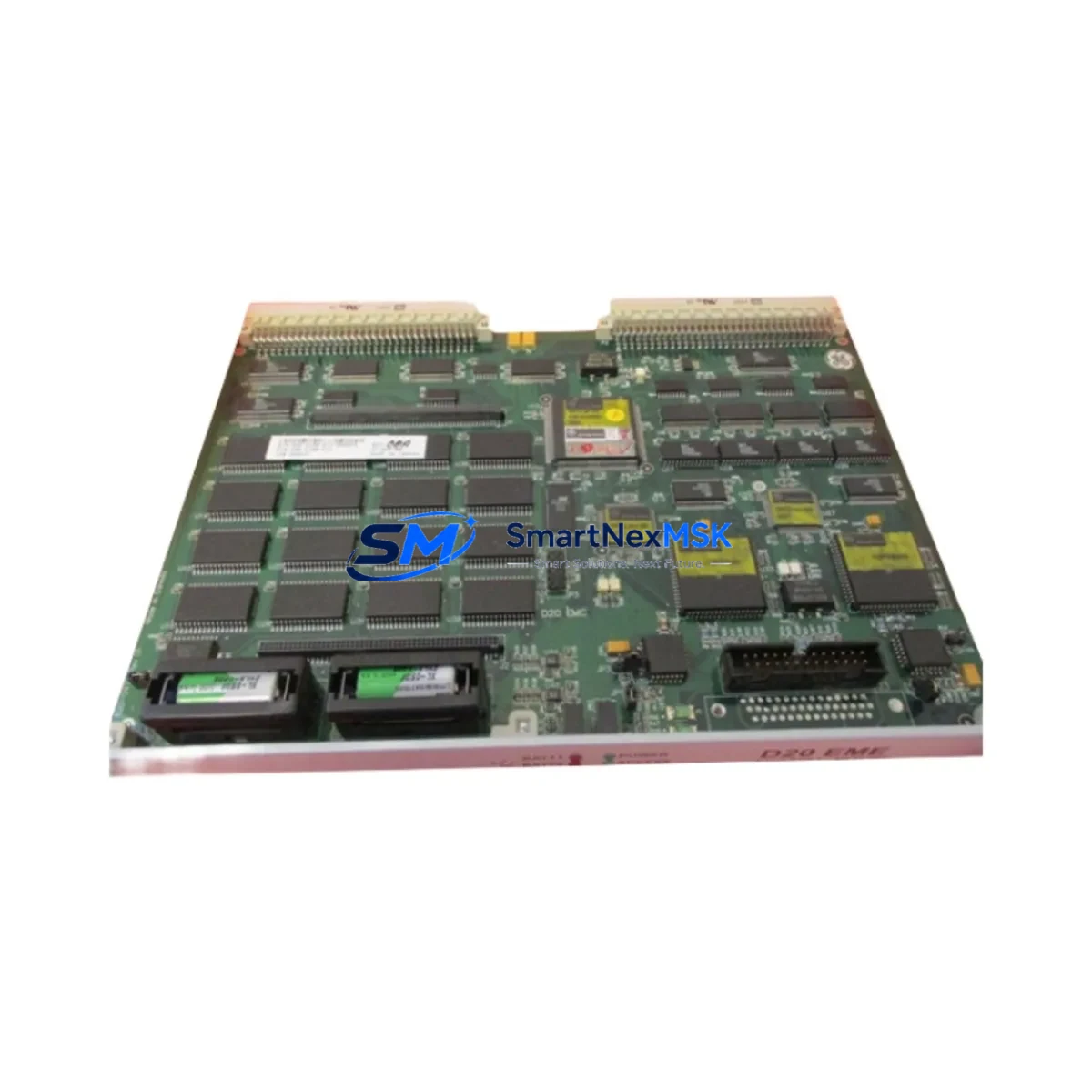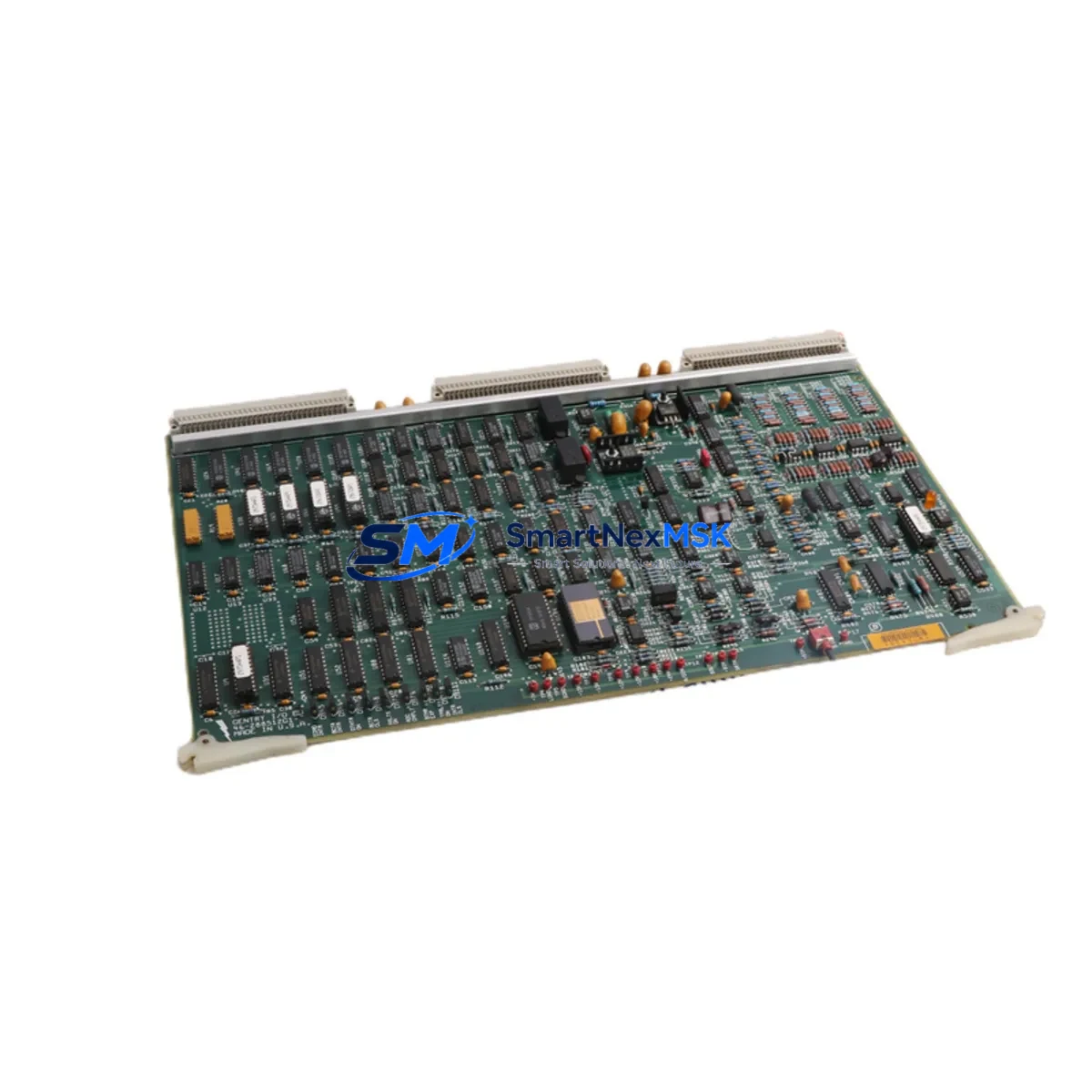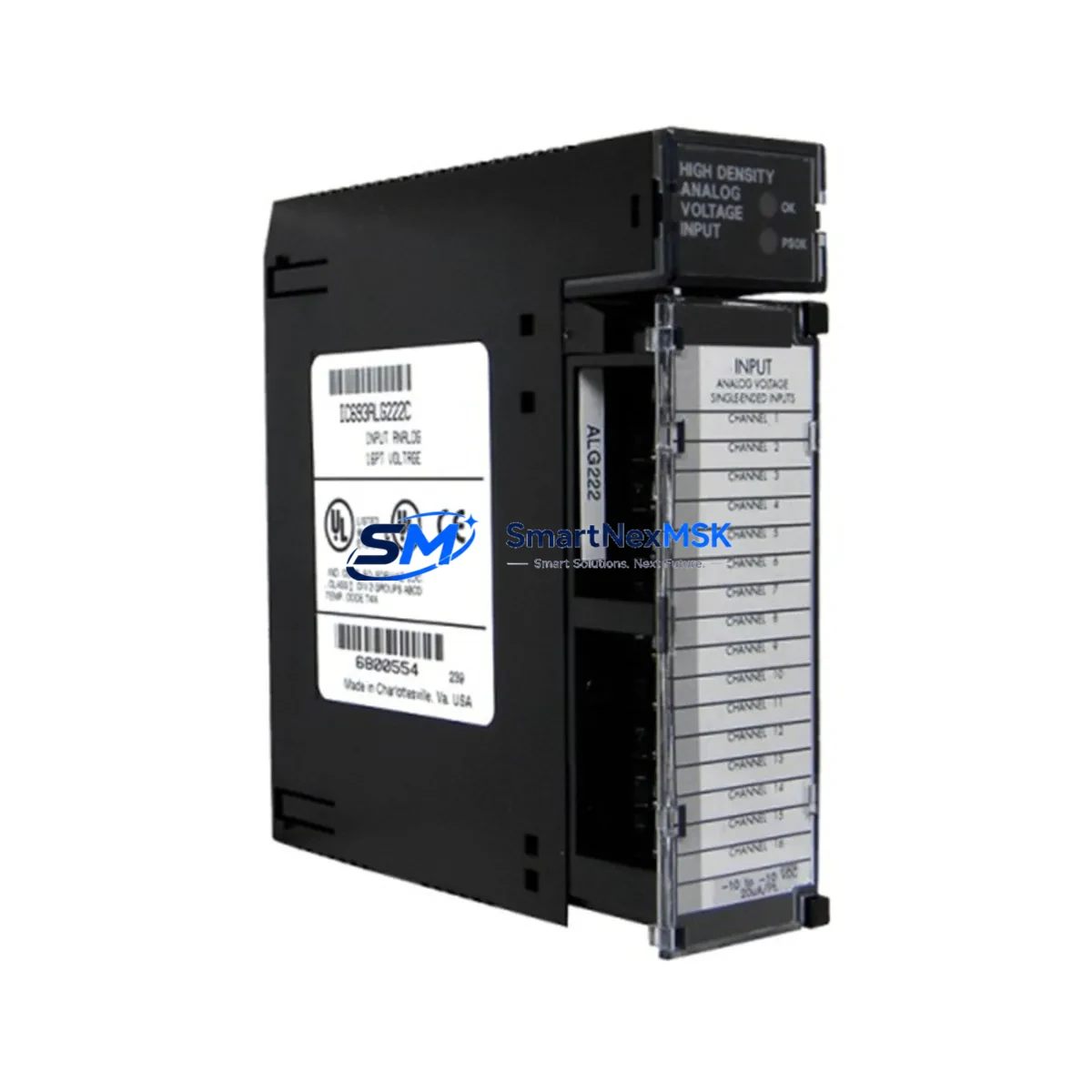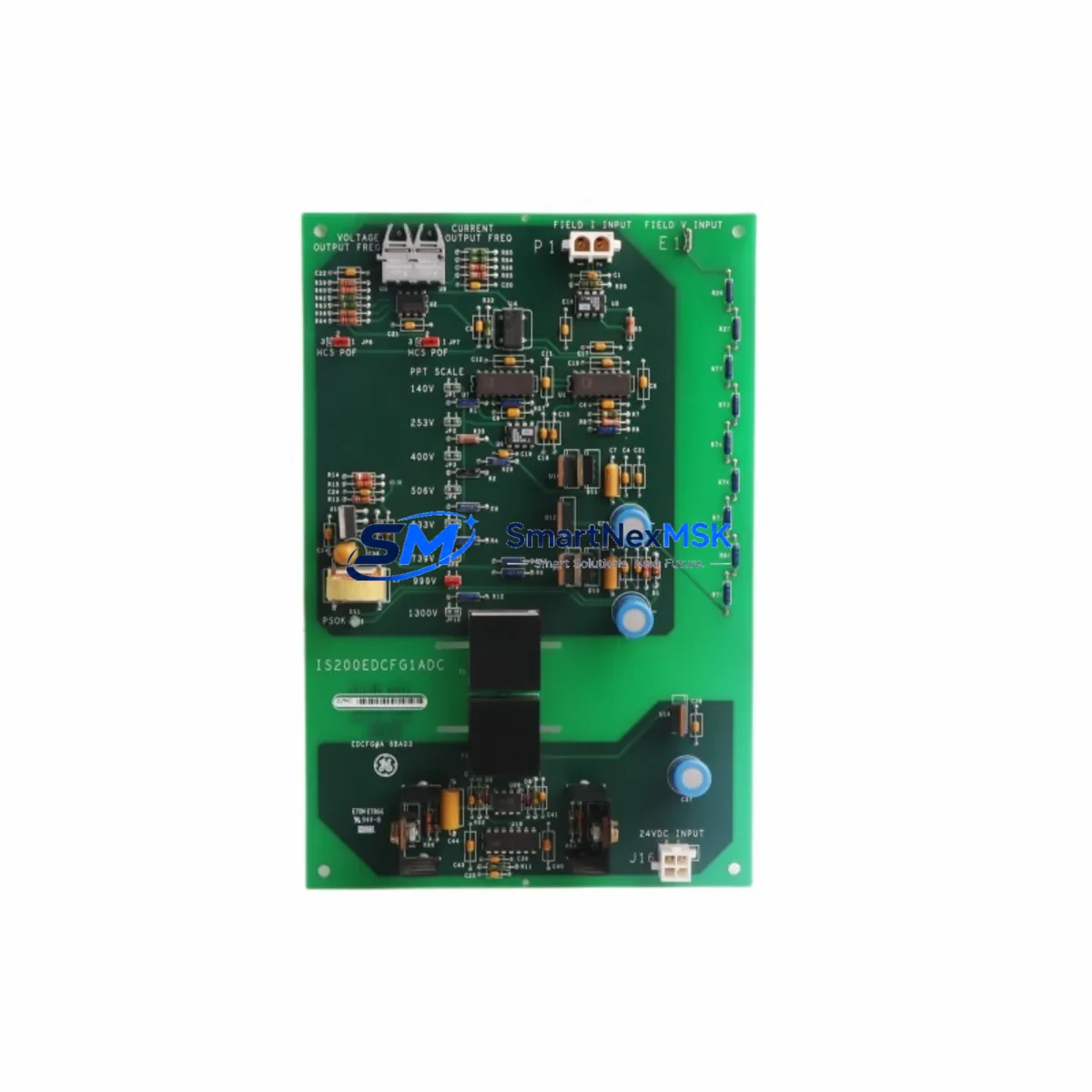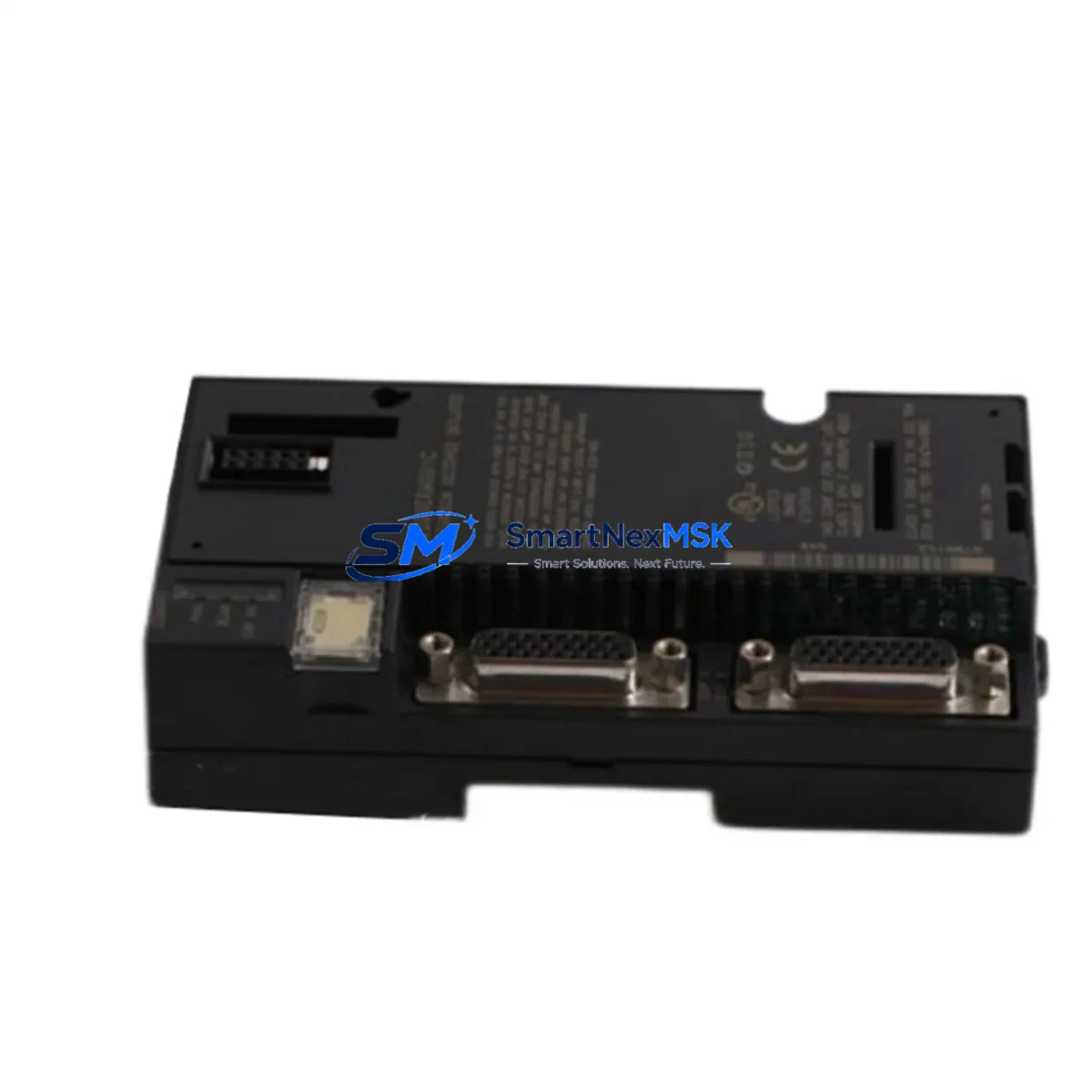
GE IC3600LSFD1B Retrofit-Ready Input Filter for Mark I/II Control Systems
The GE IC3600LSFD1B is a legacy input filter card originally designed for General Electric’s Speedtronic Mark I and Mark II gas turbine control platforms. As these systems approach end-of-life and OEM support is discontinued, plant engineers and control system integrators increasingly rely on verified aftermarket replacements and retrofit-grade spares to sustain turbine operations without committing to a full platform migration. SMARTNEXMSK maintains in-stock inventory of the IC3600LSFD1B to support emergency replacements, scheduled overhauls, and phased modernization projects across power generation, oil & gas, and industrial process facilities.
The IC3600LSFD1B functions as a signal conditioning and input filtering module within the Mark I/II control cabinet. It processes analog and discrete input signals before they reach the core logic cards, suppressing electrical noise and protecting downstream processing modules from transient interference. In aging turbine control systems, degraded filter cards are a common root cause of erratic speed signals, false trip events, and unstable flame detection readings. Replacing the IC3600LSFD1B with a tested, specification-matched unit restores signal integrity and eliminates nuisance shutdowns without requiring changes to the existing wiring harness or rack configuration.
When planning a retrofit or card-level replacement, engineers must verify several compatibility parameters before installation. The IC3600LSFD1B occupies a dedicated slot in the Mark I/II card rack — confirm the slot address and backplane connector pinout against the original system drawing. Terminal wiring uses the standard Mark I/II field terminal board layout; no rewiring is required if the replacement card matches the original revision level. Power draw from the +5 VDC and ±15 VDC backplane rails should be confirmed against the power supply module capacity — the IC3600EPSC1A or equivalent Mark I/II power supply card must have sufficient headroom to support the replacement without triggering an undervoltage condition on adjacent logic cards such as the IC3600LSSC1C speed control card or the IC3600LSLA1A load control card.
Program compatibility is a critical checkpoint in any Mark I/II card replacement. The IC3600LSFD1B does not carry onboard firmware, so no software re-flashing is required. However, the turbine control program stored in the IC3600SRHA1A or equivalent sequencing card must be verified to confirm that the I/O address assignments and scaling parameters for the filter card’s input channels remain consistent with the replacement unit’s channel mapping. If the site uses a GE Mark V or Mark VI as a parallel monitoring system, confirm that the communication link between the legacy Mark I/II rack and the newer platform — typically via a IS200DSPXH1A or similar interface card — is not affected by the card swap.
For sites undertaking a broader control system modernization, the IC3600LSFD1B replacement is often the first step in a phased upgrade path. A common migration sequence begins with card-level replacements in the existing Mark I/II rack, followed by the introduction of a Mark VIe controller as a parallel system, and ultimately a full cutover with the legacy rack retained as a cold standby. During this transition, the IS200TREGH1B terminal board and associated I/O modules in the Mark VIe system must be mapped to match the existing field wiring, minimizing the need for cable changes in the junction box and control cabinet. The IC3600LSFD1B continues to serve the legacy rack throughout this period, ensuring uninterrupted turbine protection until the final cutover is validated.
HMI screen updates are another consideration during card replacement. If the site operates a GE Cimplicity or equivalent SCADA display tied to the Mark I/II system, verify that the analog input tags associated with the IC3600LSFD1B channels are correctly mapped and that alarm setpoints are not inadvertently reset during the card swap. Communication links to the DCS or plant historian — whether via Modbus RTU, hardwired 4–20 mA loops, or a IC3600TCCA1 communications card — should be tested after installation to confirm data continuity.
All IC3600LSFD1B units supplied by SMARTNEXMSK are functionally tested prior to shipment. Each card undergoes power-on verification, channel-level signal injection testing, and visual inspection for component condition and connector integrity. Units are shipped in anti-static packaging with a detailed test report. A 12-month warranty covers all supplied cards against functional failure under normal operating conditions. Expedited shipping is available for emergency outage support, with same-day dispatch for in-stock orders placed before the daily cutoff.
Upgrade Compatibility Table
| Parameter | IC3600LSFD1B Specification | Retrofit Notes |
|---|---|---|
| Compatible Platform | GE Speedtronic Mark I, Mark II | Verify rack slot address against original system drawing |
| Backplane Interface | Mark I/II standard card-edge connector | No backplane modification required for same-revision replacement |
| Power Supply Requirement | +5 VDC, ±15 VDC from backplane | Confirm IC3600EPSC1A power supply headroom before installation |
| Field Wiring | Mark I/II terminal board standard | No rewiring required if revision level matches original |
| Firmware | None (passive filter card) | No re-flashing required; verify I/O address mapping in control program |
| Communication Compatibility | Hardwired I/O; no onboard comms | Verify Modbus/4–20 mA links via IC3600TCCA1 after swap |
| Replacement Path | Direct drop-in for IC3600LSFD1B | Compatible with phased Mark VIe migration |
| Commissioning | Signal injection test recommended | Verify channel scaling and alarm setpoints post-installation |
| Warranty | 12 Months | Covers functional failure under normal operating conditions |
Retrofit Planning for Existing Automation Systems
A successful IC3600LSFD1B retrofit begins with a thorough audit of the existing Mark I/II control cabinet. Before ordering the replacement card, document the current slot assignment, revision letter, and any field modifications noted on the as-built drawings. In many aging installations, the original IC3600LSFD1B has been supplemented with external signal conditioning hardware — verify whether any such additions affect the input signal levels seen by the replacement card.
The Mark I/II card rack typically houses a combination of logic, I/O, and power modules in a fixed slot arrangement. Adjacent cards such as the IC3600LSSC1C speed control card, the IC3600LSLA1A load control card, and the IC3600SRHA1A sequencing card must remain undisturbed during the IC3600LSFD1B swap. Use proper ESD precautions and confirm that the rack power is de-energized before card removal. The IC3600EPSC1A power supply card should be inspected at the same time — a degraded power supply is frequently the underlying cause of filter card failures and should be replaced concurrently if output ripple or voltage sag is detected.
For sites that have already introduced a GE Mark V or Mark VIe controller as part of a phased modernization, the IC3600LSFD1B replacement supports continued operation of the legacy Mark I/II rack during the transition period. The IS200TREGH1B terminal board in the Mark VIe system can be pre-wired in parallel with the existing Mark I/II field terminals, allowing a hot-cutover with minimal disruption. Programming cables such as the IC690ACC901 or equivalent GE serial programming cable may be required to verify and back up the existing Mark I/II control program before any hardware changes are made.
Communication module integrity should be confirmed as part of the retrofit checklist. If the site uses a IC3600TCCA1 communications card for Modbus RTU or serial data exchange with a DCS or historian, test the communication link before and after the IC3600LSFD1B replacement to confirm that the card swap has not introduced any ground loop or impedance mismatch on the signal bus. For sites with 4–20 mA analog outputs feeding a distributed control system, verify loop continuity and zero/span calibration on all channels associated with the replaced card.
Downtime Control During System Migration
Minimizing turbine downtime during a Mark I/II card replacement requires careful pre-planning and a structured commissioning sequence. Begin by scheduling the replacement during a planned maintenance window aligned with the turbine’s inspection cycle. Prepare a pre-tested spare IC3600LSFD1B unit — verified by signal injection testing — so that the physical swap can be completed within a single shift without waiting for bench testing on-site.
Before de-energizing the control rack, capture a full snapshot of the current control program, I/O status, and alarm configuration. For Mark I/II systems, this typically involves photographing or printing the current HMI display states and recording all active setpoints. If the site uses a GE Cimplicity workstation or a third-party SCADA system, confirm that the historian is logging correctly and that no critical alarms are masked before the rack is powered down.
After installing the replacement IC3600LSFD1B, perform a staged power-up sequence: energize the rack power supply first, verify backplane voltages at the IC3600EPSC1A test points, then confirm that the replacement card’s status indicators are normal before reconnecting field wiring. Run a signal injection test on each input channel to verify that the filter card is passing signals correctly to the downstream logic cards. Confirm that the turbine protection logic — including overspeed, flame-out, and vibration trip channels — is responding correctly before returning the unit to service. This structured approach typically allows a card-level replacement to be completed with less than four hours of controlled downtime, preserving production continuity and avoiding unplanned outages.
Retrofit Support FAQ
Q: Is the IC3600LSFD1B a direct drop-in replacement for the original GE card?
A: Yes, provided the replacement unit matches the original revision letter and the rack slot assignment is unchanged. No backplane modifications or wiring changes are required for a same-revision swap. If the revision level differs, review the GE Mark I/II engineering change notice for that revision to confirm compatibility.
Q: What commissioning steps are required after installing the replacement card?
A: After installation, perform a signal injection test on all input channels, verify I/O address mapping in the control program, confirm alarm setpoints on the HMI, and test all communication links (Modbus, 4–20 mA) associated with the replaced card. A full turbine protection logic test is recommended before returning to service.
Q: How do I verify wiring compatibility before installation?
A: Compare the terminal board wiring diagram for the replacement IC3600LSFD1B against the as-built drawings for the existing installation. Confirm field wire gauge, shielding, and termination points match the original configuration. If the site has undergone any field modifications, document these before the swap to ensure the replacement card is wired identically.
Q: What does the 12-month warranty cover?
A: The 12-month warranty covers functional failure of the IC3600LSFD1B under normal operating conditions, including backplane power supply within specification and correct installation per GE Mark I/II guidelines. Each unit is shipped with a pre-shipment test report confirming power-on verification and channel-level signal injection results. Warranty claims are supported by SMARTNEXMSK’s technical team with same-day response for critical outage situations.
© 2026 SMARTNEXMSK. All rights reserved.
Original Source: https://smartnexmsk.com
Contact: [email protected] | +86 18259474341