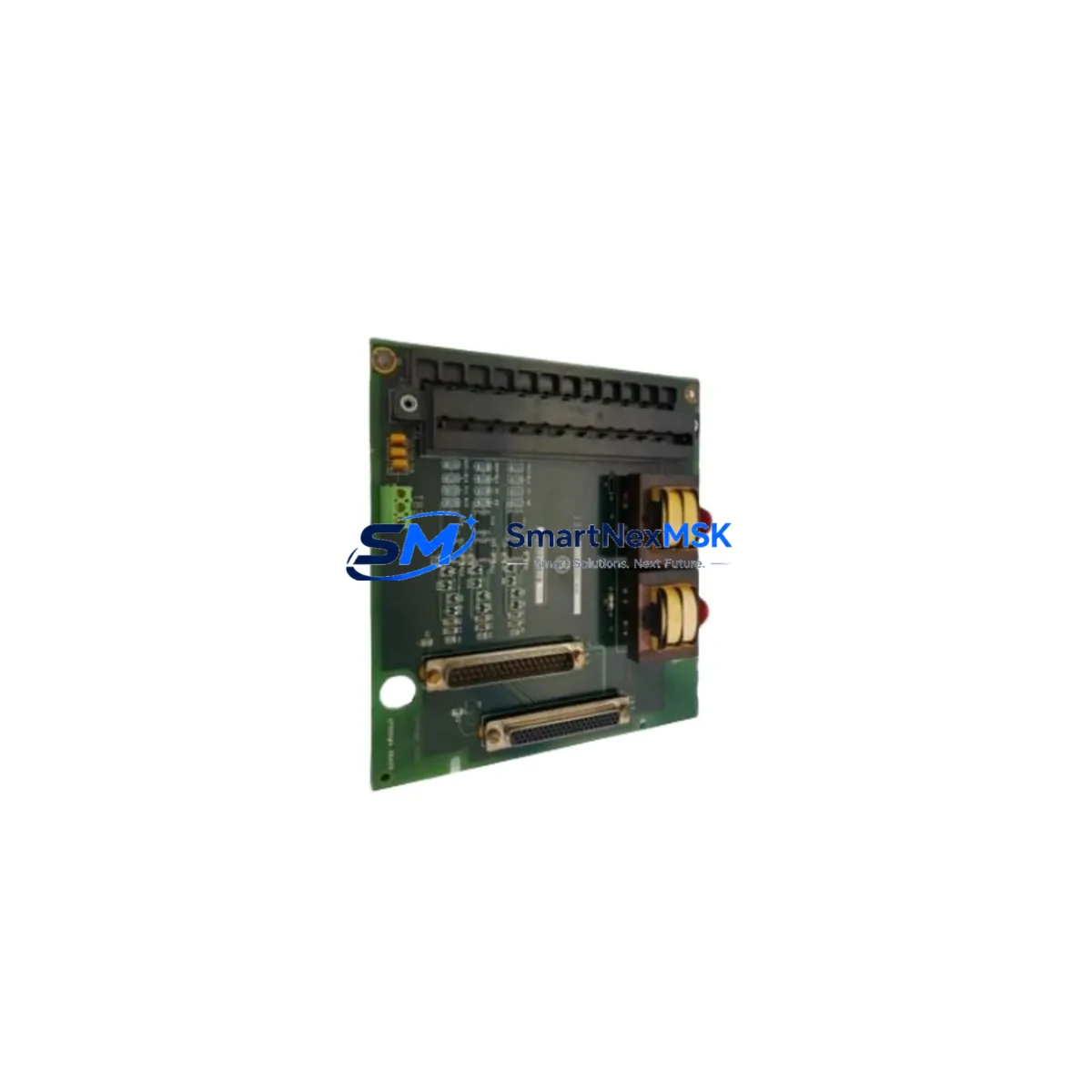
GE IS200PTURH1A Maintenance-Ready Spare for Mark VI Automation
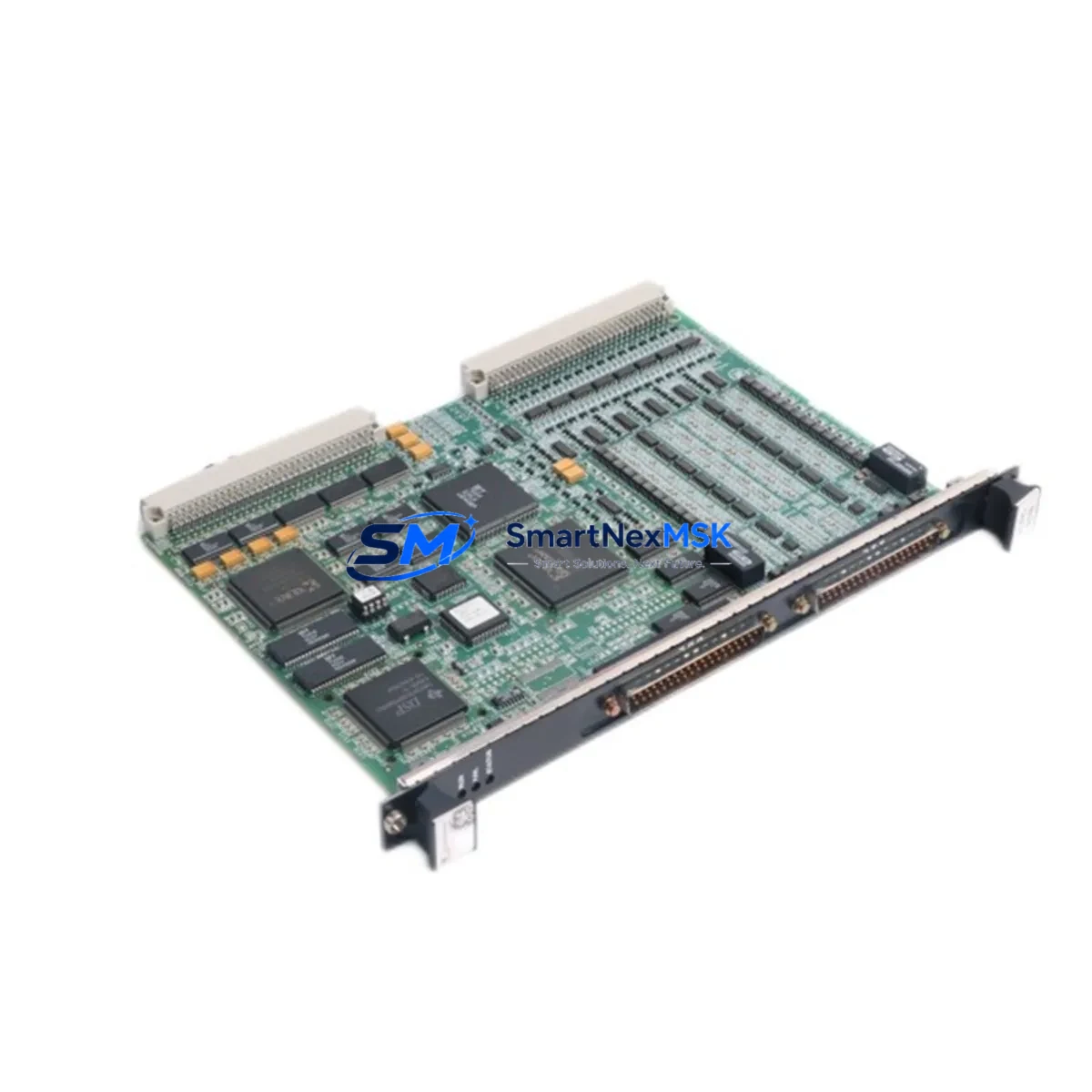
The GE IS200PTURH1A is an original vibration monitoring I/O card designed for the GE Mark VI turbine control system. For maintenance engineers managing gas turbine, steam turbine, or combined-cycle plant control cabinets, this module is a critical spare that directly impacts plant availability. When a vibration monitoring channel fails or produces erratic readings, the risk of unplanned shutdown escalates rapidly. Stocking a verified IS200PTURH1A spare eliminates the lead-time gap that turns a minor fault into a multi-day outage.
This card interfaces with proximity probes and velocity sensors to deliver real-time shaft vibration, eccentricity, and axial position data to the Mark VI controller. Its role in the protection loop means that any degradation — whether from connector oxidation, component aging, or surge damage — must be addressed with a like-for-like replacement to maintain system integrity and OEM calibration baselines.
Spare Maintenance Table
| Parameter | Specification / Detail |
|---|---|
| Part Number | IS200PTURH1A |
| Brand / OEM | GE (General Electric) |
| Compatible System | GE Mark VI Turbine Control System |
| Module Function | Vibration Monitoring I/O — proximity probe & velocity sensor interface |
| Measured Parameters | Shaft vibration, eccentricity, axial position, speed |
| Form Factor | PCB card, Mark VI VME/card-cage compatible |
| Input Channels | Multiple analog inputs for Bently Nevada-compatible proximity probes |
| Operating Voltage | Per Mark VI backplane supply (typically ±15 VDC, +5 VDC) |
| Operating Temperature | 0 °C to 60 °C (standard industrial control cabinet range) |
| Origin | USA — Original GE manufacture |
| Condition | Original spare — tested before shipment |
| Warranty | 12 Months |
| Shipping | Worldwide express; ESD-safe packaging |
| Maintenance Recommendation | Replace at first sign of channel fault, probe signal dropout, or vibration alarm anomaly |
Maintenance Planning for Continuous Operation
Replacing the IS200PTURH1A in a live Mark VI cabinet is rarely an isolated task. Maintenance engineers should treat this as an opportunity for a broader control-cabinet inspection to prevent secondary failures. Begin by verifying the condition of the IS200VTURH1A or IS200PTURH1B companion vibration cards in the same rack — these modules share the same backplane power rails and are subject to identical thermal and electrical stress cycles.
Check the IS200BICLH1A I/O terminal board that mates with the vibration card. Corroded or loose terminal connections on this board are a common root cause of intermittent channel faults that are misdiagnosed as card failures. Inspect all field wiring terminations and confirm probe cable shielding continuity.
The IS200PSCDH1A power supply card feeding the Mark VI rack should be load-tested; a sagging ±15 VDC rail will cause measurement drift across all analog I/O cards simultaneously. Similarly, review the IS200DSPXH1A digital signal processor card — it processes the conditioned vibration signals downstream and must be confirmed fault-free before commissioning the replacement IS200PTURH1A.
For communication integrity, verify the IS200ECTBH1A Ethernet communication terminal board and the IS200TREGH1A turbine regulation card are operating within normal parameters. A vibration-related trip event can sometimes mask concurrent faults in these modules that only surface after the primary card is replaced.
Procurement engineers building a Mark VI spare-parts kit should also consider stocking the IS200EXHSH1A excitation handler card and the IS200ACLAH1A analog control card, both of which are frequently co-located in the same control cabinet and share similar obsolescence risk profiles. Maintaining a minimum of one spare per critical card type reduces mean time to repair (MTTR) from days to hours.
Site Replacement Workflow
Step 1 — Pre-replacement verification: Confirm the IS200PTURH1A part number against the cabinet drawing and the Mark VI configuration file. Cross-reference the hardware revision suffix (H1A) to ensure compatibility with the installed firmware version on the UCVEH or UCVEM controller board.
Step 2 — Safe isolation: Follow the plant’s lock-out/tag-out (LOTO) procedure. The Mark VI supports hot-swap on TMR (Triple Modular Redundant) configurations; confirm your system architecture before attempting live replacement. For simplex systems, a controlled shutdown is required.
Step 3 — Physical swap: Remove the faulty card using the extraction levers. Inspect the backplane connector for bent pins or contamination. Seat the replacement IS200PTURH1A firmly and verify the card-edge locking mechanism is engaged.
Step 4 — Configuration restore: Using GE’s ToolboxST software, download the existing I/O configuration to the replacement card. Verify all channel assignments, probe gap voltages, and alarm setpoints match the original configuration baseline.
Step 5 — Functional test: With probes connected, confirm live vibration readings are within expected range (typically 0–25 mils pp for shaft vibration). Verify that trip and alarm relay outputs respond correctly to simulated over-vibration conditions before returning the unit to service.
This workflow minimizes downtime, preserves system compatibility, and ensures the replacement card is fully commissioned before the turbine is returned to load.
Spare Parts Support FAQ
Q1: Is the IS200PTURH1A tested before shipment?
Yes. Every unit undergoes functional verification prior to dispatch. Test records are available on request. All units ship in ESD-safe anti-static packaging with a 12-month warranty covering manufacturing defects and functional failure under normal operating conditions.
Q2: Can this card replace an IS200PTURH1B or other suffix variants?
Hardware suffix variants (H1A, H1B, H1C) may differ in minor component revisions. Compatibility depends on the Mark VI firmware version and I/O configuration loaded in ToolboxST. We recommend confirming the installed firmware revision before ordering. Our technical team can assist with compatibility verification based on your cabinet drawing and software version.
Q3: What is the recommended spare-parts stocking strategy for Mark VI vibration cards?
For critical turbine applications, maintain a minimum of one IS200PTURH1A per Mark VI cabinet. For TMR systems with three redundant I/O racks, stock at least two spares. Given the obsolescence status of many Mark VI components, procuring spares proactively — rather than reactively — is strongly advised to avoid extended lead times during emergency outages.
Q4: How long does delivery take for urgent orders?
In-stock units ship within 24–48 hours via express courier (DHL, FedEx, or equivalent). Worldwide delivery typically takes 3–7 business days depending on destination. For critical plant shutdowns, contact us directly to arrange priority dispatch and customs pre-clearance documentation.
© 2026 SMARTNEXMSK. All rights reserved.
Original Source: https://smartnexmsk.com
Contact: [email protected] | +86 18259474341