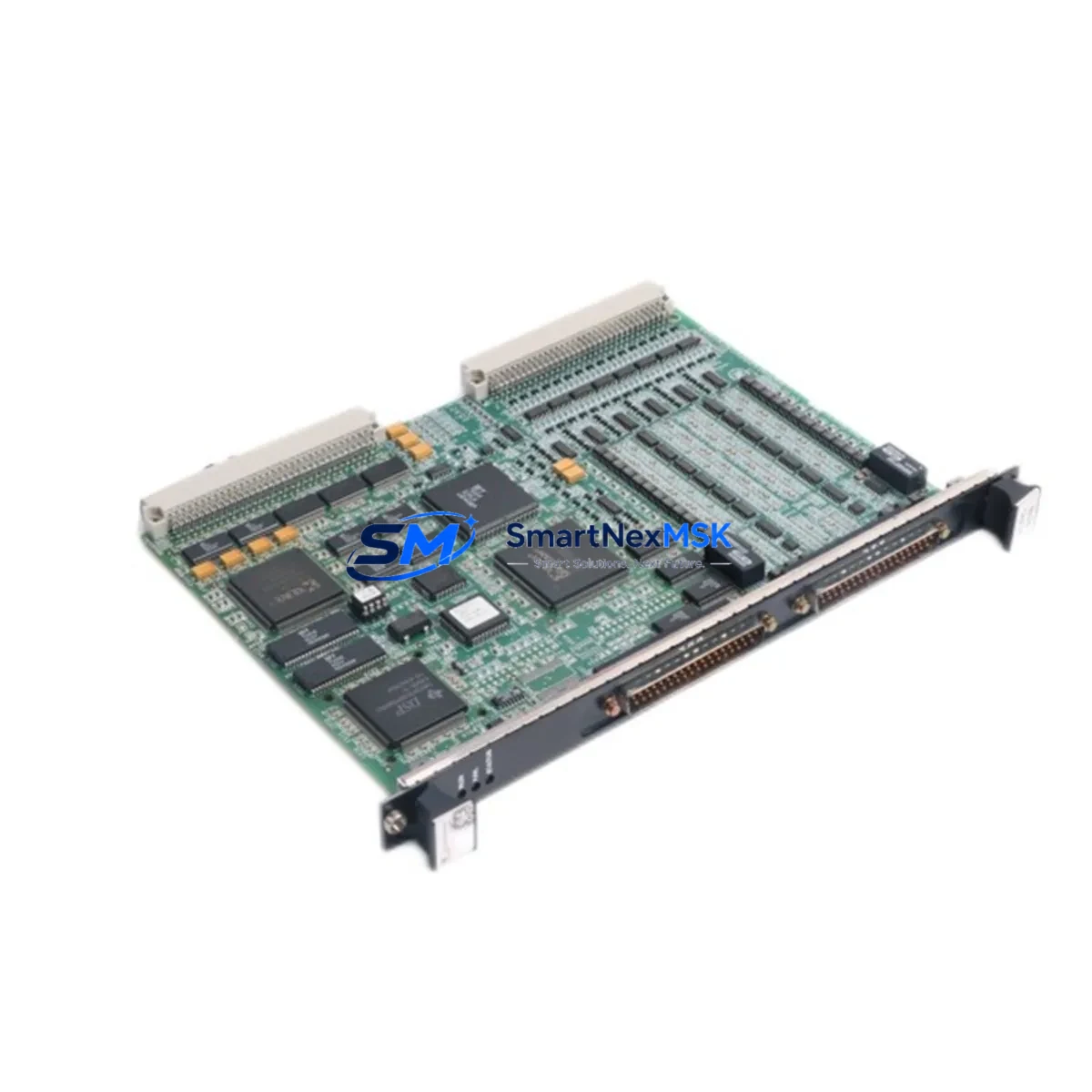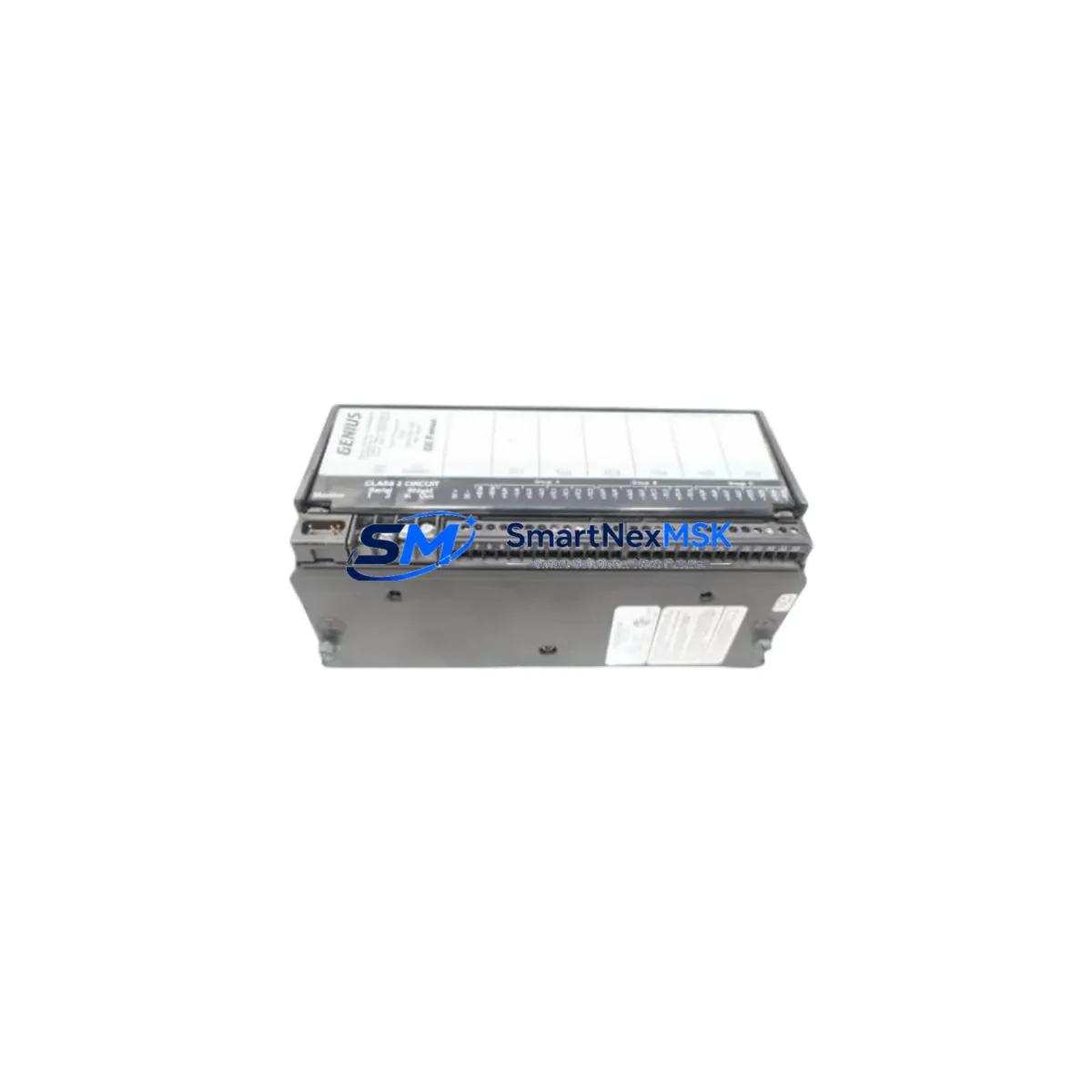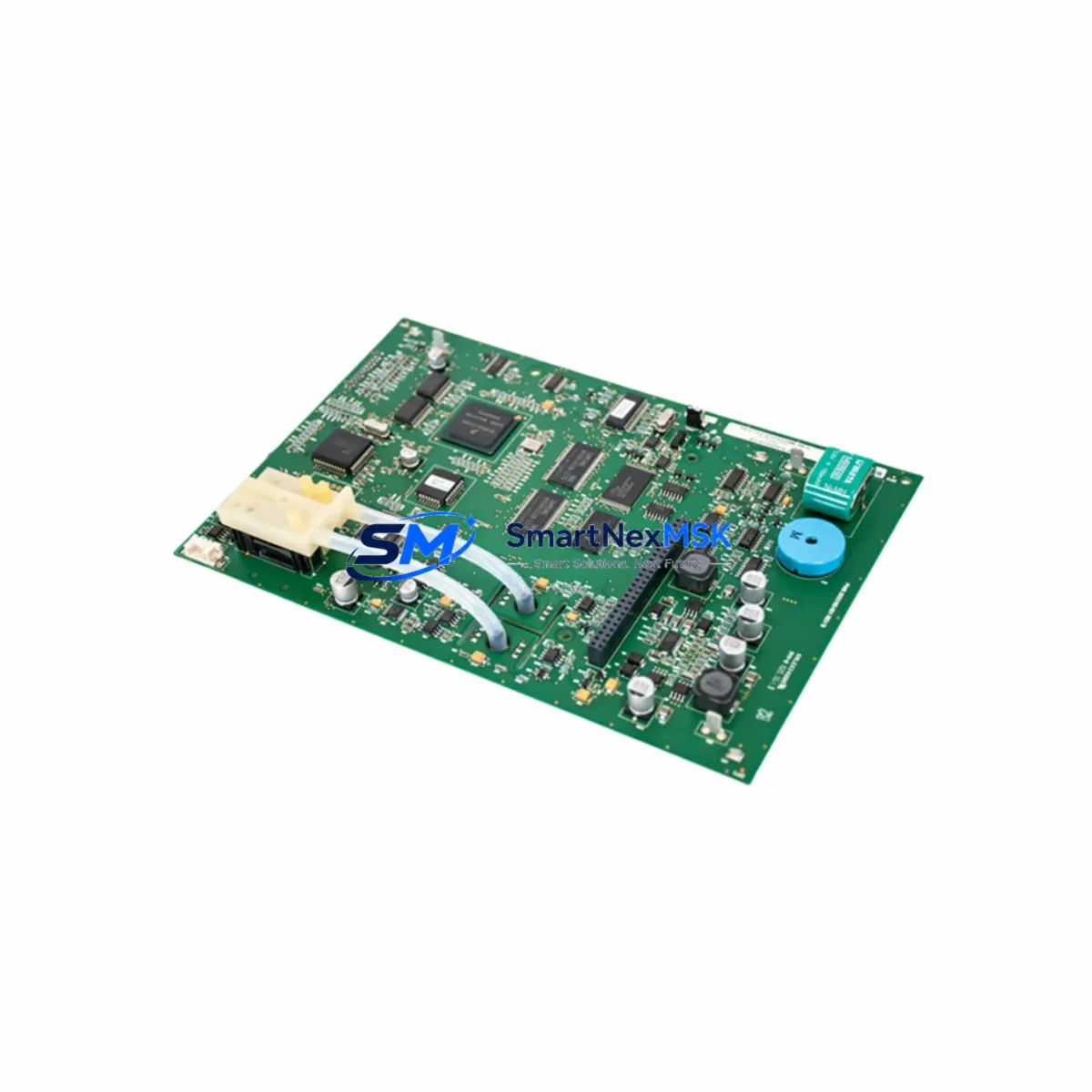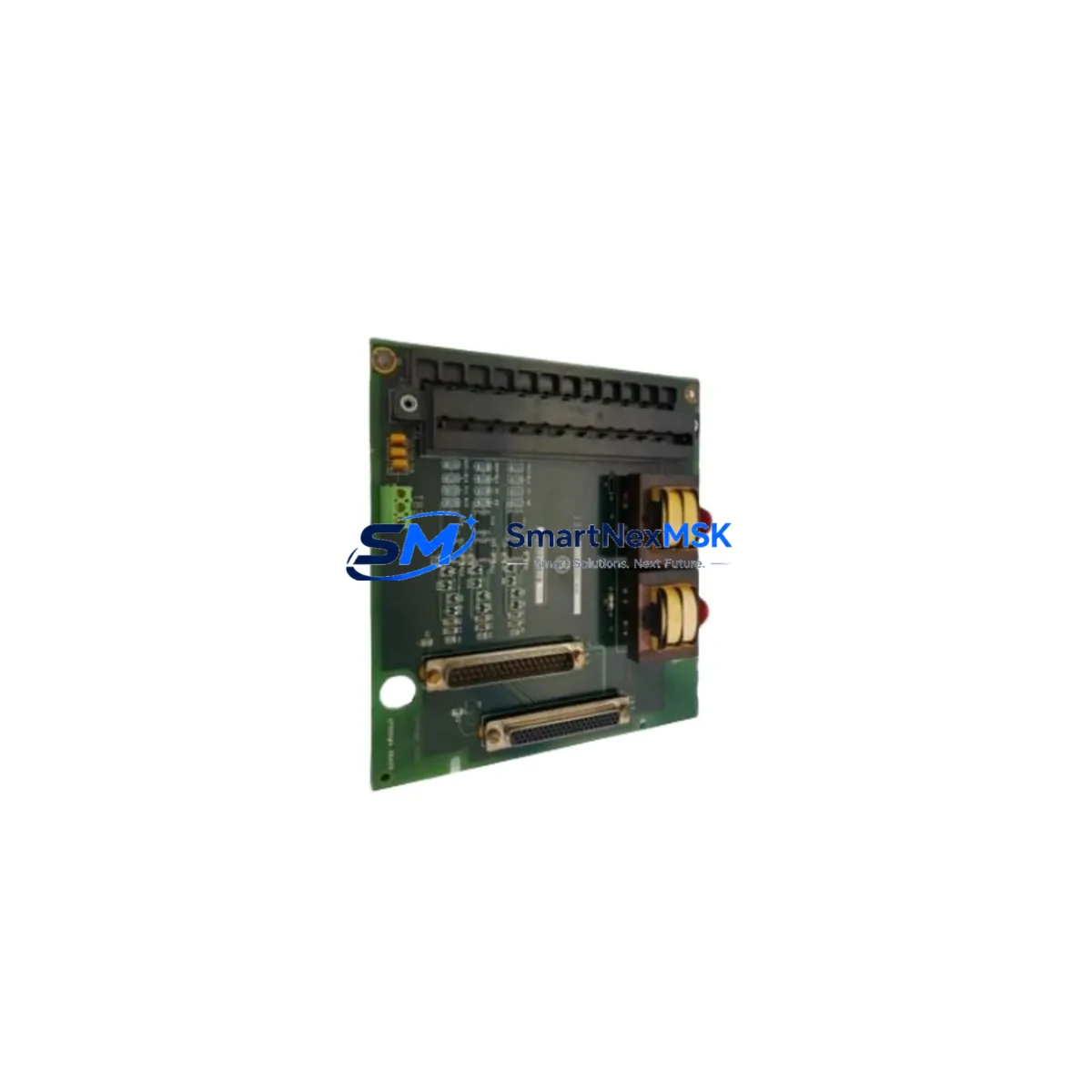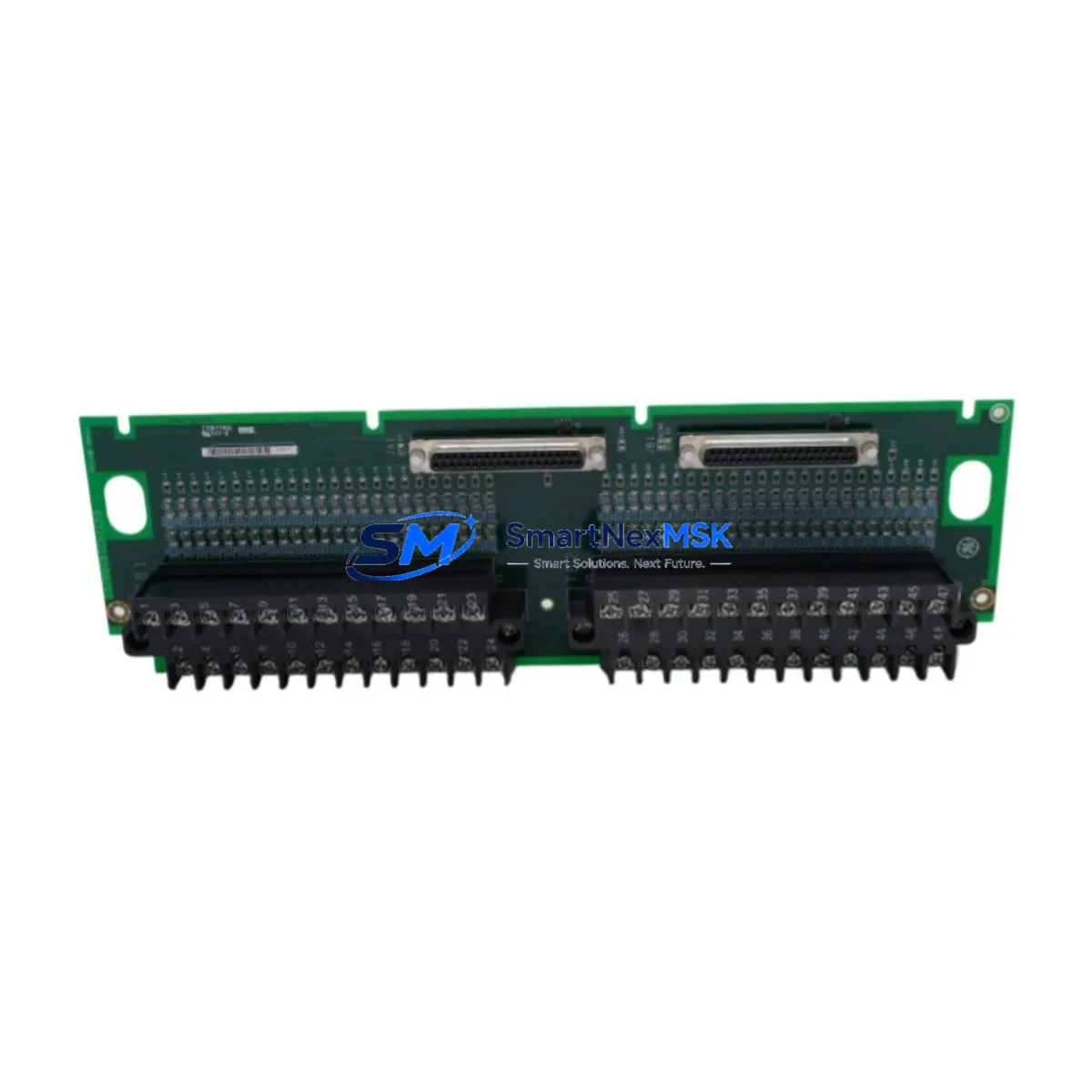
GE IS200TBTCH1BBB Retrofit-Ready Thermocouple Terminal Board for Mark VI Control Systems
The GE IS200TBTCH1BBB is a thermocouple terminal board engineered for the GE Mark VI turbine control platform, one of the most widely deployed distributed control systems in gas turbine, steam turbine, and combined-cycle power generation facilities worldwide. As aging Mark VI installations approach end-of-life support cycles, the IS200TBTCH1BBB has become a critical component in both emergency spare replacement and planned system modernization projects. Whether you are restoring a tripped unit, executing a scheduled outage upgrade, or migrating from a legacy Mark V architecture, this board provides the signal conditioning and terminal interface required to maintain thermocouple-based temperature monitoring across your turbine control loop.
The IS200TBTCH1BBB interfaces directly with the Mark VI I/O rack, accepting Type K, Type J, and Type T thermocouple inputs from exhaust thermocouples, combustion zone sensors, and bearing temperature detectors. Its cold junction compensation circuitry ensures measurement accuracy without requiring external reference modules, which simplifies wiring during retrofit installations where panel space is constrained. The board is designed for direct backplane insertion into the Mark VI I/O chassis, sharing the same rack form factor as companion boards such as the IS200TBCIH1B current input terminal board and the IS200TTURH1BBB turbine protection terminal board, allowing mixed I/O configurations within a single enclosure.
During retrofit planning, engineers must verify that the existing IS215VCMIH2B VME communication module firmware is compatible with the replacement board’s I/O map. In most Mark VI installations, the I/O configuration is stored within the CIMPLICITY HMI project and the ToolboxST application engineering environment. Before swapping the IS200TBTCH1BBB, the site team should export the current I/O configuration, confirm the thermocouple channel assignments, and validate that the replacement board’s hardware revision matches the expected firmware baseline. Mismatched hardware revisions between the terminal board and the IS215UCVEH2A controller card can result in diagnostic faults that prevent the unit from entering service.
Power supply integrity is a prerequisite for a successful board swap. The Mark VI rack draws regulated 28 VDC from the IS200EPCTG1A power converter module, and any degradation in rail voltage will manifest as erratic thermocouple readings or board initialization failures. Before installing the IS200TBTCH1BBB, technicians should measure the 28 VDC rail at the backplane connector and confirm it is within the ±2% tolerance specified in GE’s Mark VI hardware manual. If the power converter is also approaching end-of-life, a concurrent replacement of the IS200EPCTG1A alongside the thermocouple board eliminates a second outage window and reduces total downtime exposure.
Terminal wiring adaptation is another key consideration. The IS200TBTCH1BBB uses a 37-pin D-sub field wiring connector on its front face. If the existing installation uses a legacy wiring harness routed to a IS200TBCIH1B-style terminal block, the field cables may require re-termination or the use of an adapter harness. Document all thermocouple pair polarities before disconnecting field wiring, as reversed polarity on a Type K thermocouple will produce a negative temperature reading that the controller may interpret as a sensor fault, triggering a protective trip. Color-code or label each wire pair against the original loop drawing before removal.
For sites migrating from Mark V to Mark VI, the IS200TBTCH1BBB is a standard component in the I/O migration kit. The Mark V used a different thermocouple input architecture based on the DS200TCQAG1BHF thermocouple input board, which is not directly compatible with the Mark VI backplane. The migration requires a full I/O remapping exercise in ToolboxST, reassignment of thermocouple channels to the new I/O addresses, and a cold-start commissioning sequence to verify that all temperature signals are reading correctly before the unit is returned to automatic control. The IS200STCIH1A simplex thermocouple input board may also be encountered in single-channel configurations during this migration and should be documented as part of the as-found I/O audit.
Upgrade Compatibility Table
| Parameter | Details |
|---|---|
| Compatible Platform | GE Mark VI Turbine Control System |
| Replaces / Supersedes | IS200TBTCH1BBB (same SKU, OEM and compatible aftermarket) |
| Backplane Interface | Mark VI VME I/O Rack — direct slot insertion |
| Input Type | Thermocouple (Type K, J, T); cold junction compensated |
| Field Connector | 37-pin D-sub (front-face field wiring) |
| Power Requirement | 28 VDC from IS200EPCTG1A or equivalent power converter |
| Communication Compatibility | Compatible with IS215VCMIH2B VME communication module |
| Engineering Tool | GE ToolboxST (I/O configuration and channel mapping) |
| HMI Compatibility | CIMPLICITY HMI — no screen rebuild required for drop-in replacement |
| Installation Requirement | Rack power-down recommended; ESD precautions required |
| Retrofit from Mark V | Requires I/O remapping; replaces DS200TCQAG1BHF architecture |
| Warranty | 12-Month Warranty — covers manufacturing defects and functional failure |
Retrofit Planning for Existing Automation Systems
A successful IS200TBTCH1BBB retrofit begins with a thorough as-found audit of the existing I/O rack. Identify all occupied slots in the Mark VI chassis, document the board types and hardware revisions, and cross-reference against the ToolboxST I/O configuration file. In a typical Mark VI enclosure, the thermocouple terminal board shares the rack with the IS200TBCIH1B current input board, the IS200TTURH1BBB turbine protection board, and the IS215UCVEH2A controller card. The rack may also contain an IS200EPCTG1A power converter and an IS215VCMIH2B communication module. Each of these components must be confirmed operational before the replacement board is inserted, as a pre-existing fault in an adjacent module can mask the root cause of the original failure and lead to repeat trips after the new board is installed.
For I/O expansion projects, the IS200TBTCH1BBB can be added to an available rack slot to increase the number of thermocouple channels available to the controller. This is common in combustion tuning upgrades where additional exhaust thermocouple strings are installed to improve spread monitoring. In this scenario, the new board must be assigned a unique I/O address in ToolboxST, and the CIMPLICITY HMI display must be updated to include the new temperature points. The IS200STCIH1A simplex thermocouple input board is an alternative for single-channel additions where a full 37-pin terminal board is not warranted.
Programming cable access is required during commissioning. The IC693CBL316 or equivalent USB-to-serial programming cable is used to connect a laptop running ToolboxST to the Mark VI controller for online monitoring and I/O forcing during loop checks. Confirm that the laptop’s COM port settings match the controller’s serial configuration before beginning the commissioning sequence. All thermocouple channels should be forced to a known engineering value and verified against the CIMPLICITY display before the unit is released for startup.
Downtime Control During System Migration
Minimizing downtime during an IS200TBTCH1BBB replacement requires pre-staging the replacement board, pre-printing the wiring documentation, and coordinating the swap with the operations team to align with a planned maintenance window. In a TMR (Triple Modular Redundant) Mark VI configuration, it may be possible to replace the thermocouple board in one redundant channel while the other two channels remain in service, allowing the turbine to continue operating in a degraded-redundancy mode. Confirm this capability with the site’s control system engineer and the applicable GE Mark VI maintenance manual before attempting a hot-swap procedure.
Before removing the failed board, use ToolboxST to place the affected I/O channel in a forced or bypassed state to prevent a spurious trip signal from propagating to the protection logic. Document the forced state in the site’s management of change (MOC) log. After the replacement board is installed and the rack is powered, verify that all thermocouple channels return to their expected readings within the normal operating range before releasing the forced state. If any channel reads outside the expected range, re-check the field wiring polarity and the cold junction compensation reference before concluding that the replacement board is faulty.
Original program logic does not need to be reloaded for a like-for-like IS200TBTCH1BBB replacement. The ToolboxST configuration resides in the controller, not the terminal board, so the I/O mapping, alarm setpoints, and protection logic are preserved across the board swap. This is a significant advantage over older architectures such as the Mark V, where some board replacements required a full program download and cold-start sequence. The result is a faster return to service and reduced exposure to human error during the commissioning phase.
Retrofit Support FAQ
Q: Is the IS200TBTCH1BBB a direct drop-in replacement for a failed unit of the same part number?
A: Yes. The IS200TBTCH1BBB is a direct slot-for-slot replacement within the Mark VI I/O rack. No ToolboxST configuration changes are required for a like-for-like swap, provided the hardware revision of the replacement board is compatible with the installed firmware baseline. Confirm the hardware revision on the board label before installation.
Q: What pre-shipment testing is performed on the IS200TBTCH1BBB?
A: Each unit undergoes functional verification prior to shipment, including backplane interface continuity checks, thermocouple input channel verification, and cold junction compensation validation. A test report is available upon request. All units are covered by a 12-month warranty against manufacturing defects and functional failure from the date of shipment.
Q: Can the IS200TBTCH1BBB be used to replace a DS200TCQAG1BHF from a Mark V system?
A: No — the DS200TCQAG1BHF is a Mark V architecture board and is not physically or electrically compatible with the Mark VI backplane. A Mark V to Mark VI migration requires a full I/O remapping exercise in ToolboxST and new field wiring terminations. The IS200TBTCH1BBB is the correct destination component for thermocouple inputs in the Mark VI platform after migration.
Q: What wiring changes are needed when replacing the IS200TBTCH1BBB?
A: For a like-for-like replacement, the existing 37-pin D-sub field wiring harness can be reconnected directly to the replacement board without modification, provided the connector and wiring are in good condition. Document all thermocouple pair polarities before disconnection. If the field wiring uses a legacy adapter harness from a Mark V migration, inspect the harness for compatibility with the IS200TBTCH1BBB’s 37-pin connector pinout before reconnecting.
© 2026 SMARTNEXMSK. All rights reserved.
Original Source: https://smartnexmsk.com
Contact: [email protected] | +86 18259474341