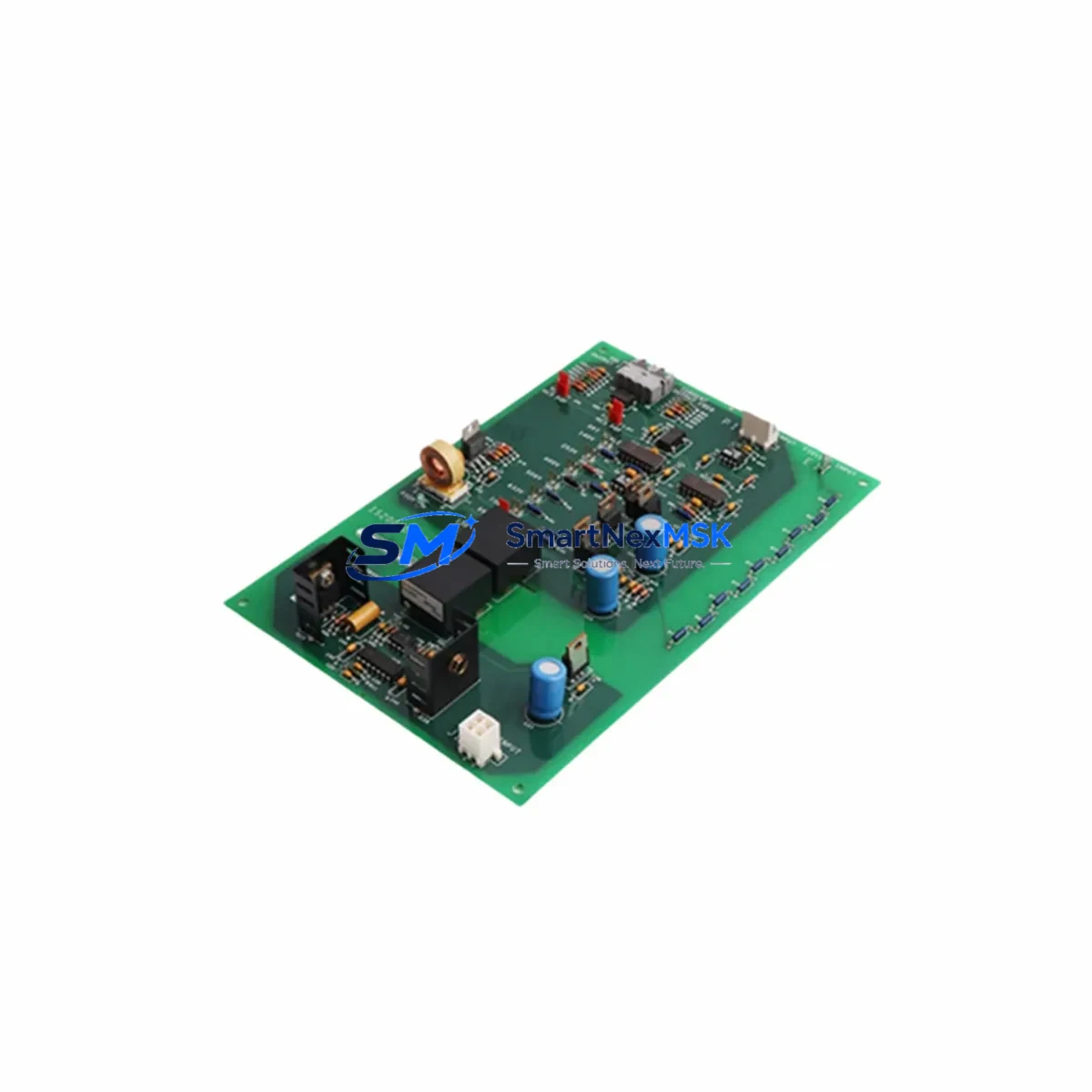
GE IS210HSLAH1ADE Retrofit-Ready Interface Module for Mark VI Control Systems
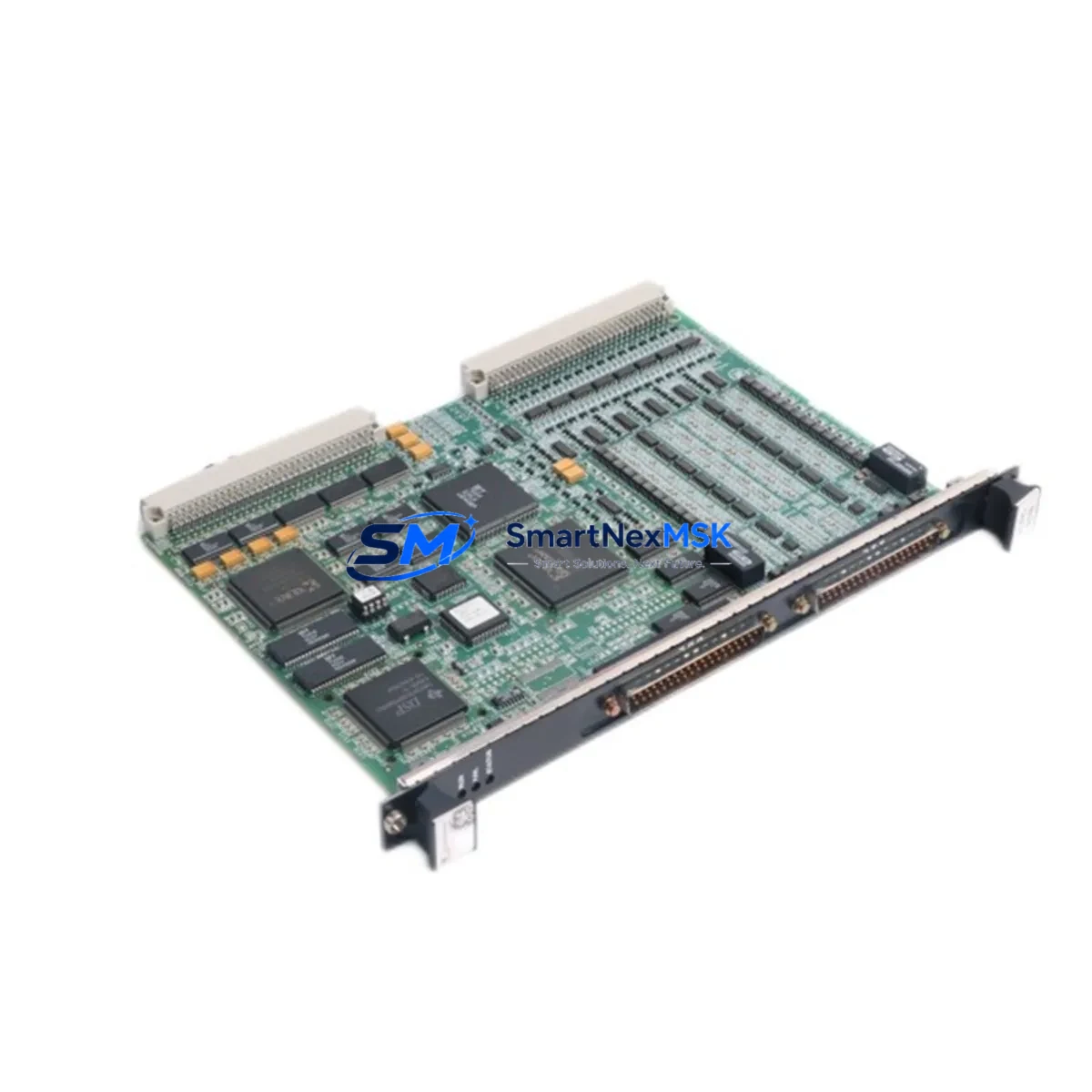
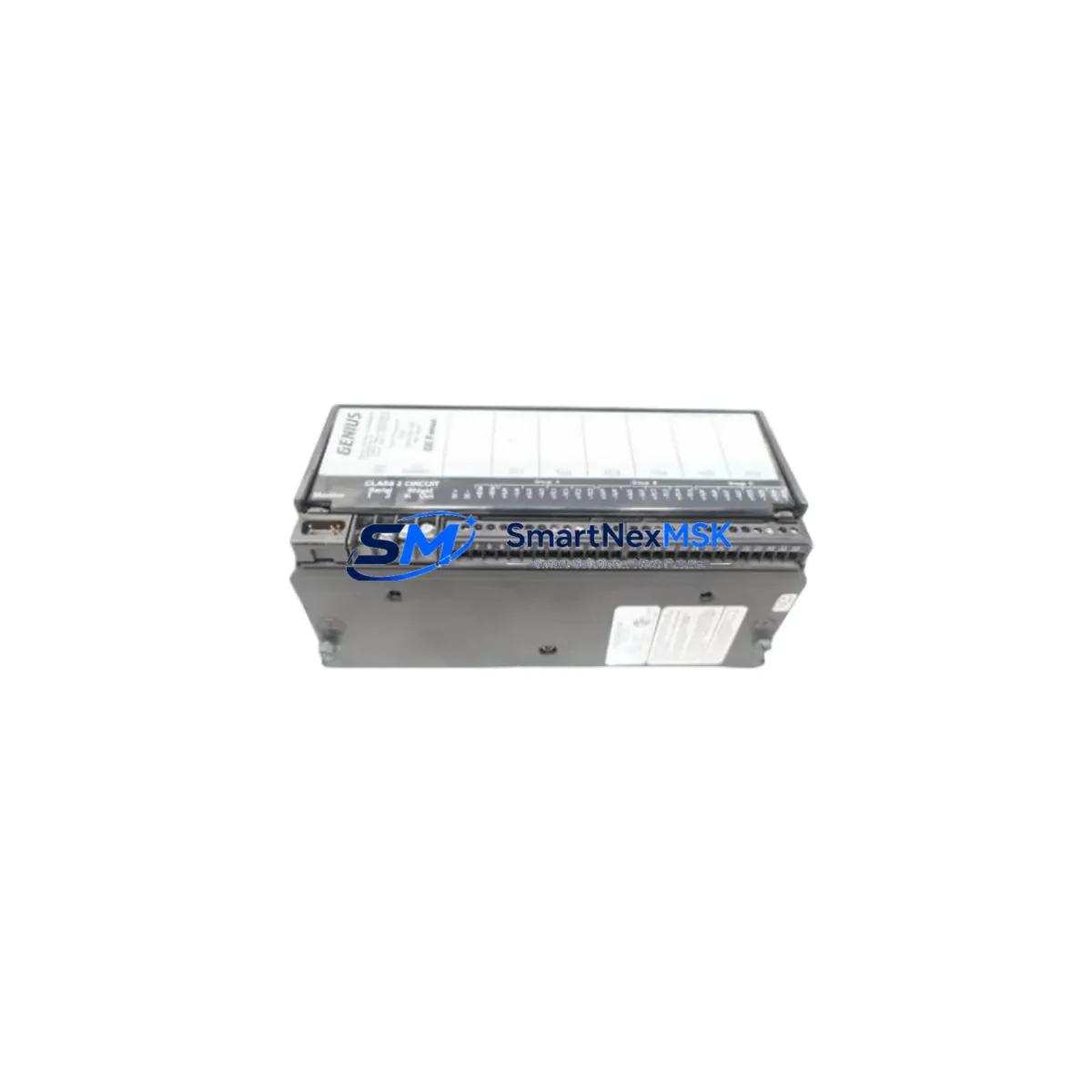
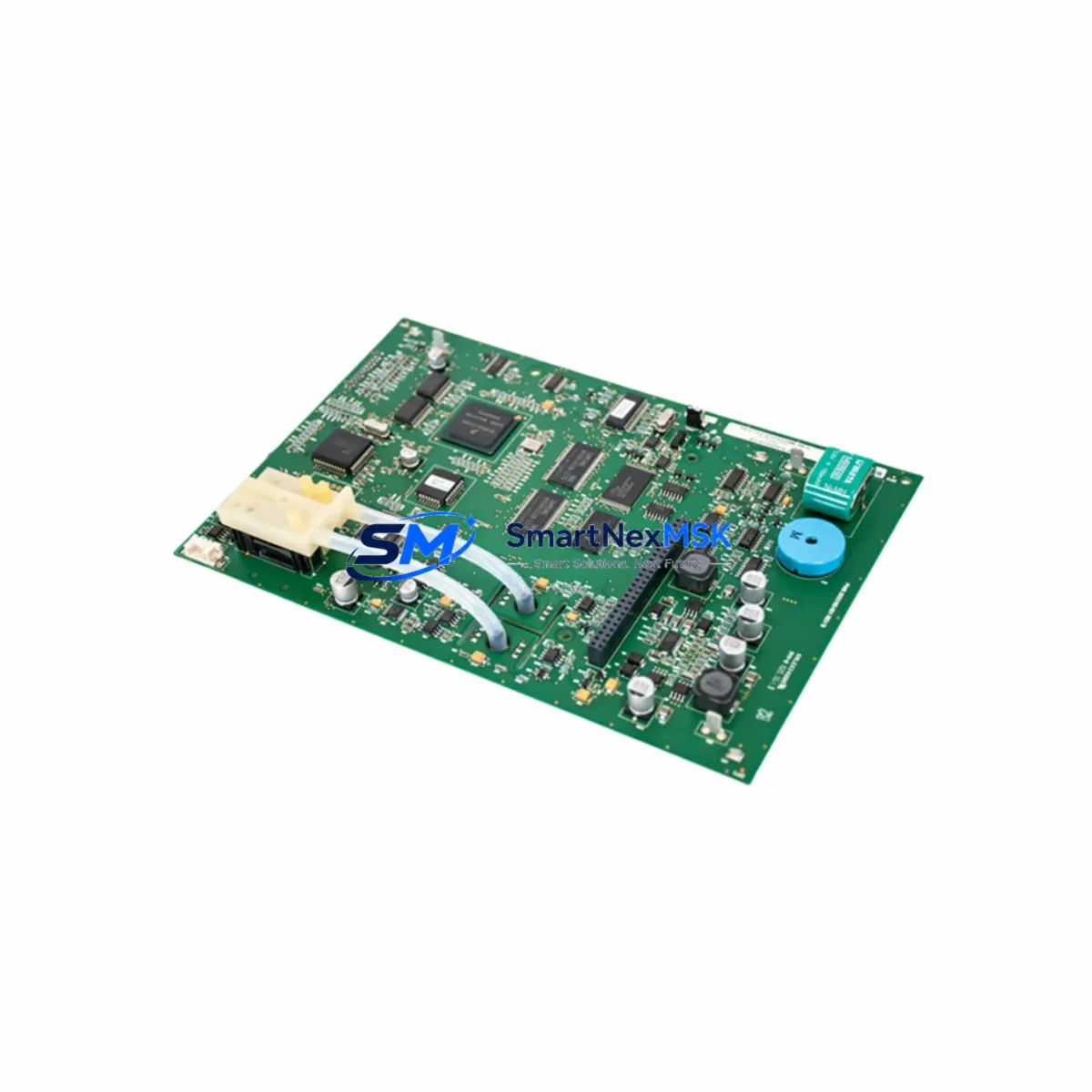
The GE IS210HSLAH1ADE is a High-Speed Link (HSL) interface board engineered for the GE Mark VI turbine control platform. As legacy Mark VI installations approach end-of-support milestones, plant engineers and system integrators increasingly rely on verified replacement modules like the IS210HSLAH1ADE to sustain operational continuity without committing to a full control system overhaul. This module serves as a direct retrofit solution for aging or failed HSL interface boards, enabling smooth migration from discontinued inventory while preserving existing wiring, backplane connections, and control logic.
Whether you are managing a gas turbine, steam turbine, or combined-cycle plant running on the Mark VI platform, the IS210HSLAH1ADE provides the communication backbone between the controller and field I/O. Its compatibility with the UCSC, UCSC1, and UCSC2 controller cards makes it a preferred choice for engineers who need to restore system functionality with minimal downtime and without reprogramming the turbine control application.
Upgrade Compatibility Table
| Parameter | Details |
|---|---|
| Compatible Platform | GE Mark VI Turbine Control System |
| Module Function | High-Speed Link (HSL) Interface Board |
| Compatible Controllers | UCSC, UCSC1, UCSC2 |
| Backplane Interface | Mark VI VME-style backplane slot |
| Communication Protocol | GE High-Speed Link (HSL) proprietary protocol |
| Replacement Compatibility | Direct drop-in for failed or discontinued IS210HSLAH1ADE units |
| Wiring Adaptation | No rewiring required; existing terminal block connections retained |
| Installation Requirement | Correct slot assignment per Mark VI rack configuration drawing |
| Commissioning Note | Module address verification via ToolboxST required after swap |
| Warranty | 12-Month Warranty — tested and verified before shipment |
Retrofit Planning for Existing Automation Systems
Successful retrofit of the IS210HSLAH1ADE begins well before the module arrives on site. Engineers should pull the Mark VI rack layout drawing and confirm the exact slot position designated for the HSL interface board. The module seats into the VME-style backplane of the Mark VI I/O rack, and incorrect slot placement will prevent the UCSC controller from recognizing the board during initialization.
Power supply capacity is a critical pre-check. The Mark VI rack is typically powered by a redundant IS200EPCTG1A or IS200EPCTG1B power entry module. Before inserting the replacement IS210HSLAH1ADE, verify that the rack’s 5 VDC and 24 VDC rails are within specification. An undersized or degraded power supply can cause intermittent HSL communication faults that are difficult to distinguish from a faulty interface board.
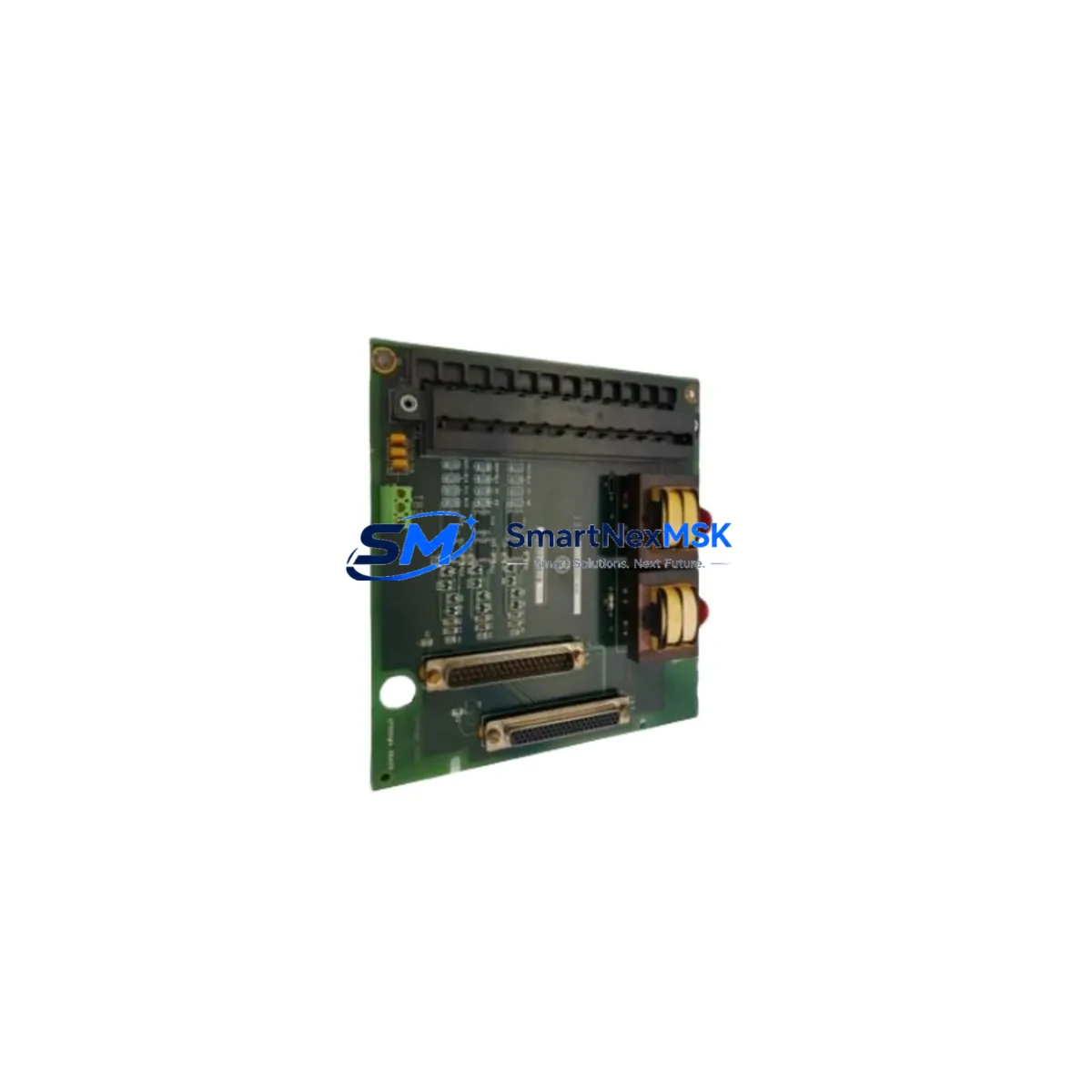
Terminal block wiring on the associated I/O terminal boards — such as the IS200TBCIH2C or IS200TBCIH2BCA — should be inspected for corrosion, loose ferrules, and correct conductor routing before the module swap. These terminal boards carry the field wiring for thermocouples, RTDs, and discrete I/O signals that the HSL interface aggregates and forwards to the controller. Confirming signal integrity at the terminal level eliminates a common source of post-replacement diagnostic confusion.
Module addressing is handled through the ToolboxST configuration environment. After physical installation, the engineer must open the Mark VI project file, navigate to the I/O configuration tree, and verify that the IS210HSLAH1ADE is assigned the correct device address matching the rack slot. If the project was originally configured for a different hardware revision, a minor configuration update may be required — but in most cases the application logic in the UCSC controller remains untouched.
For plants that also operate GE Mark VIe systems in adjacent control cabinets, the migration path may involve transitioning HSL-based I/O to the newer EtherNet/IP or IONet communication architecture supported by the IS420UCSBH3A or IS420UCSBH4A controllers. In such cases, the IS210HSLAH1ADE serves as a bridging solution, keeping the legacy Mark VI rack operational while the broader system upgrade is planned and budgeted. Companion modules commonly involved in this type of phased upgrade include the IS200VSVOH1B servo output board, IS200TREGH1B voltage regulator terminal board, IS200TTURH1CBB turbine trip terminal board, and IS210AEBIH3BEC analog I/O board — all of which may require parallel verification during a rack-level retrofit.
HMI screen mapping should also be reviewed. If the plant uses a GE Cimplicity or iFIX SCADA system connected to the Mark VI via the SRLYEH or Ethernet gateway, confirm that the HSL data points mapped to the HMI remain consistent after the module replacement. Tag name mismatches between the ToolboxST configuration and the HMI database are a known source of post-commissioning alarms.
Downtime Control During System Migration
Minimizing turbine or process downtime during an IS210HSLAH1ADE replacement requires a structured hot-swap or planned outage protocol. For Mark VI systems with redundant HSL paths, it is possible to isolate the failed module while the redundant channel maintains I/O communication — allowing the replacement to be staged without a full turbine trip. Engineers should confirm redundancy status in ToolboxST before proceeding.
Prior to module removal, export and archive the current ToolboxST project file, including all I/O calibration data and alarm setpoints. This backup ensures that if the replacement module requires a firmware update or configuration push, the original logic can be restored exactly. The UCSC controller retains its application program in non-volatile memory, so a module swap at the HSL interface level does not erase turbine control logic — but a full project download may be required if the new module’s firmware version differs from the original.
Field commissioning after installation should follow the Mark VI startup checklist: confirm module LED status (PWR, COM, and FAULT indicators), verify HSL link establishment in the ToolboxST diagnostics panel, check I/O signal readback against field measurements, and clear any latched diagnostic alarms before returning the turbine to automatic control. Total replacement time for a prepared team with the correct module in hand is typically two to four hours, including functional verification.
All IS210HSLAH1ADE units supplied by SMARTNEXMSK are tested under simulated rack conditions prior to shipment. Each module undergoes power-on self-test, communication link verification, and visual inspection. A 12-month warranty covers manufacturing defects and functional failures under normal operating conditions.
Retrofit Support FAQ
Q1: Is the IS210HSLAH1ADE a direct drop-in replacement for my existing Mark VI HSL interface board?
Yes. The IS210HSLAH1ADE is designed as a direct replacement for the same part number in Mark VI racks. No wiring changes are required at the terminal board level. A ToolboxST configuration verification is recommended after installation to confirm module address and HSL link status.
Q2: What commissioning steps are required after installing the replacement module?
After seating the module in the correct backplane slot, open ToolboxST and verify the device address assignment. Check the module’s LED indicators for normal status (PWR solid green, COM active, FAULT off). Run an I/O signal check against field measurements and clear any latched diagnostic alarms before returning the system to service.
Q3: Will the replacement IS210HSLAH1ADE affect my existing turbine control program?
No. The UCSC controller stores the application program in non-volatile memory independently of the HSL interface board. Replacing the IS210HSLAH1ADE does not erase or alter the turbine control logic. A configuration download may be required only if the replacement module’s firmware version differs significantly from the original.
Q4: What warranty and pre-shipment testing does SMARTNEXMSK provide?
Every IS210HSLAH1ADE unit is tested prior to shipment, including power-on self-test, HSL communication link verification, and full visual inspection. A 12-month warranty is provided covering functional defects under normal operating conditions. Contact our team for expedited shipping options and technical support during installation.
© 2026 SMARTNEXMSK. All rights reserved.
Original Source: https://smartnexmsk.com
Contact: [email protected] | +86 18259474341