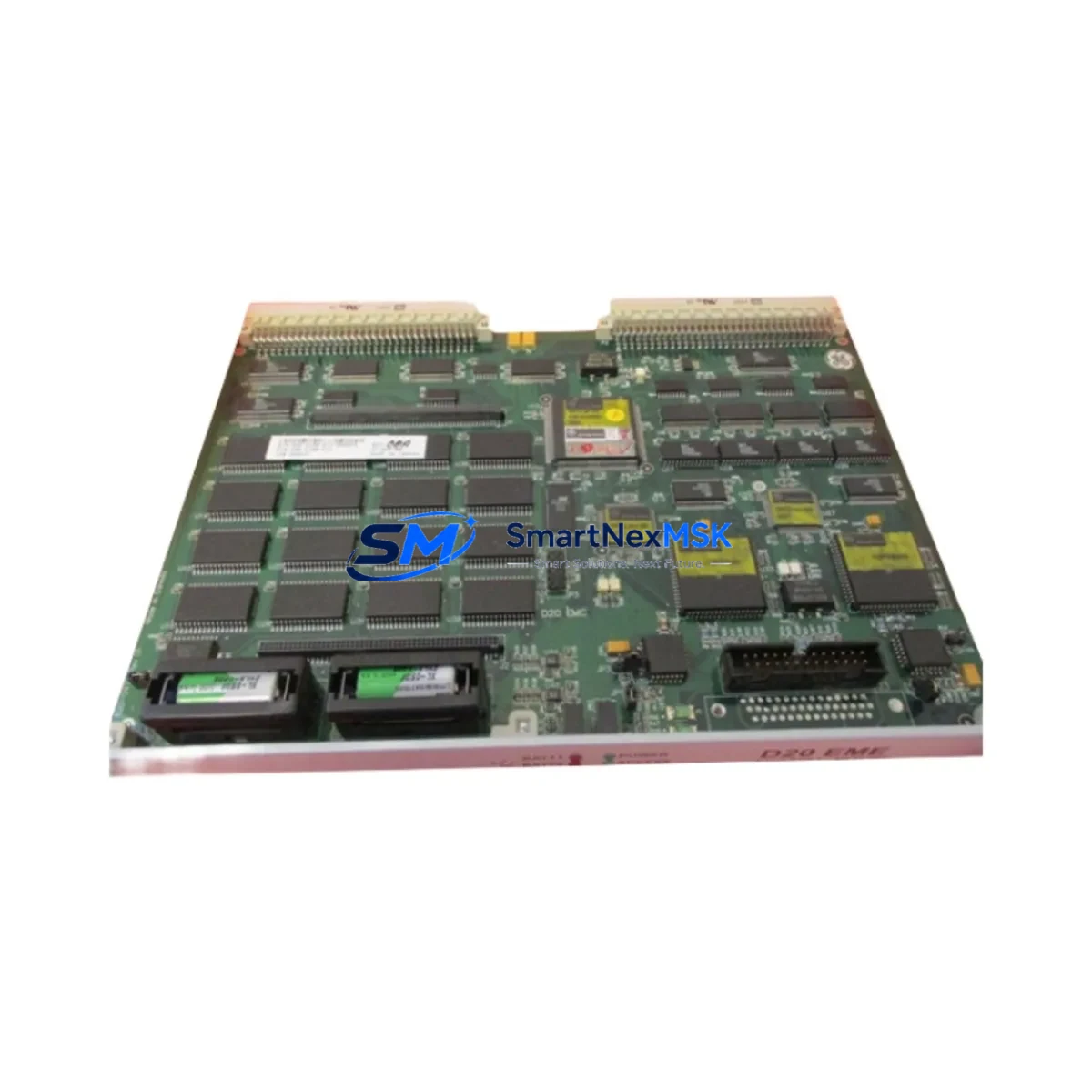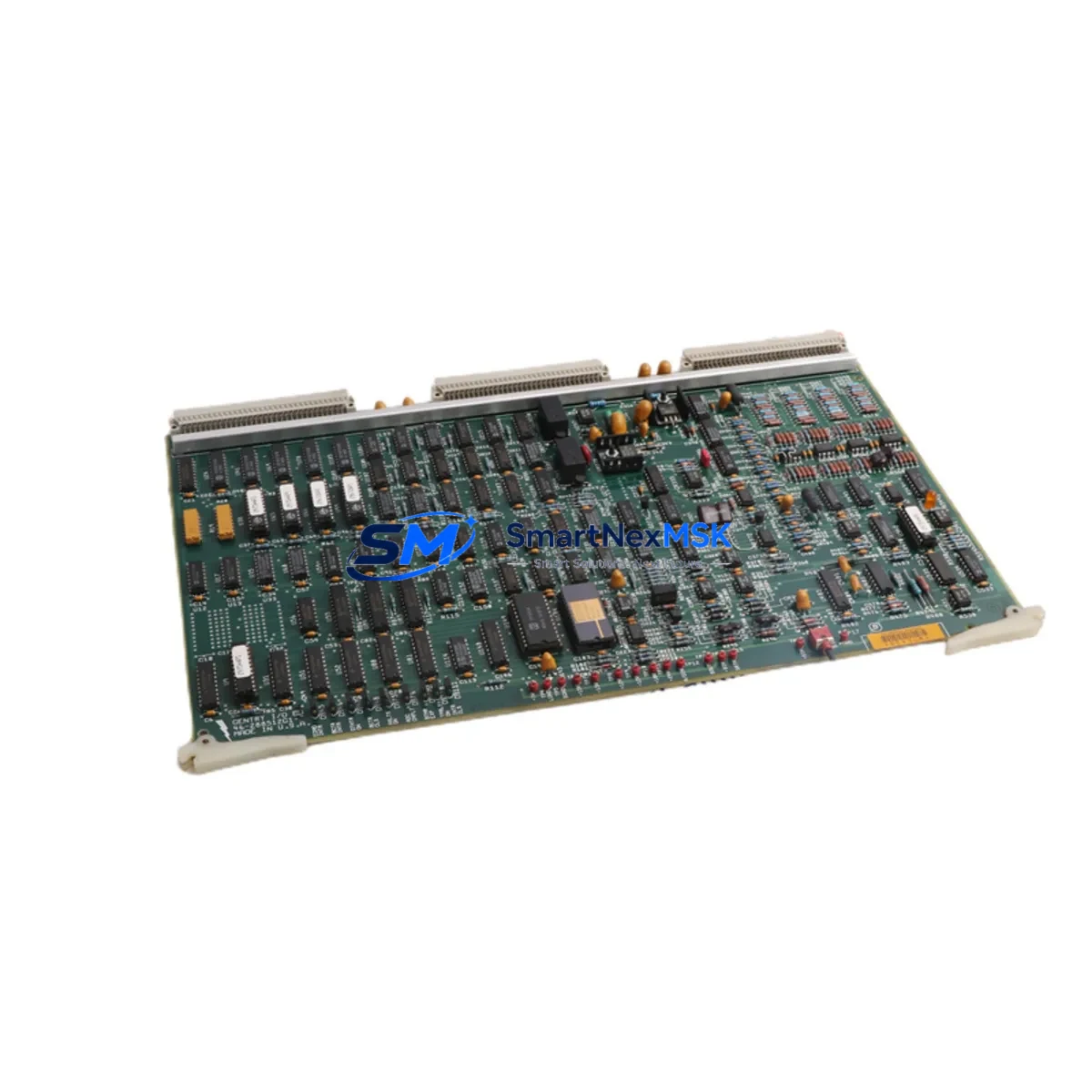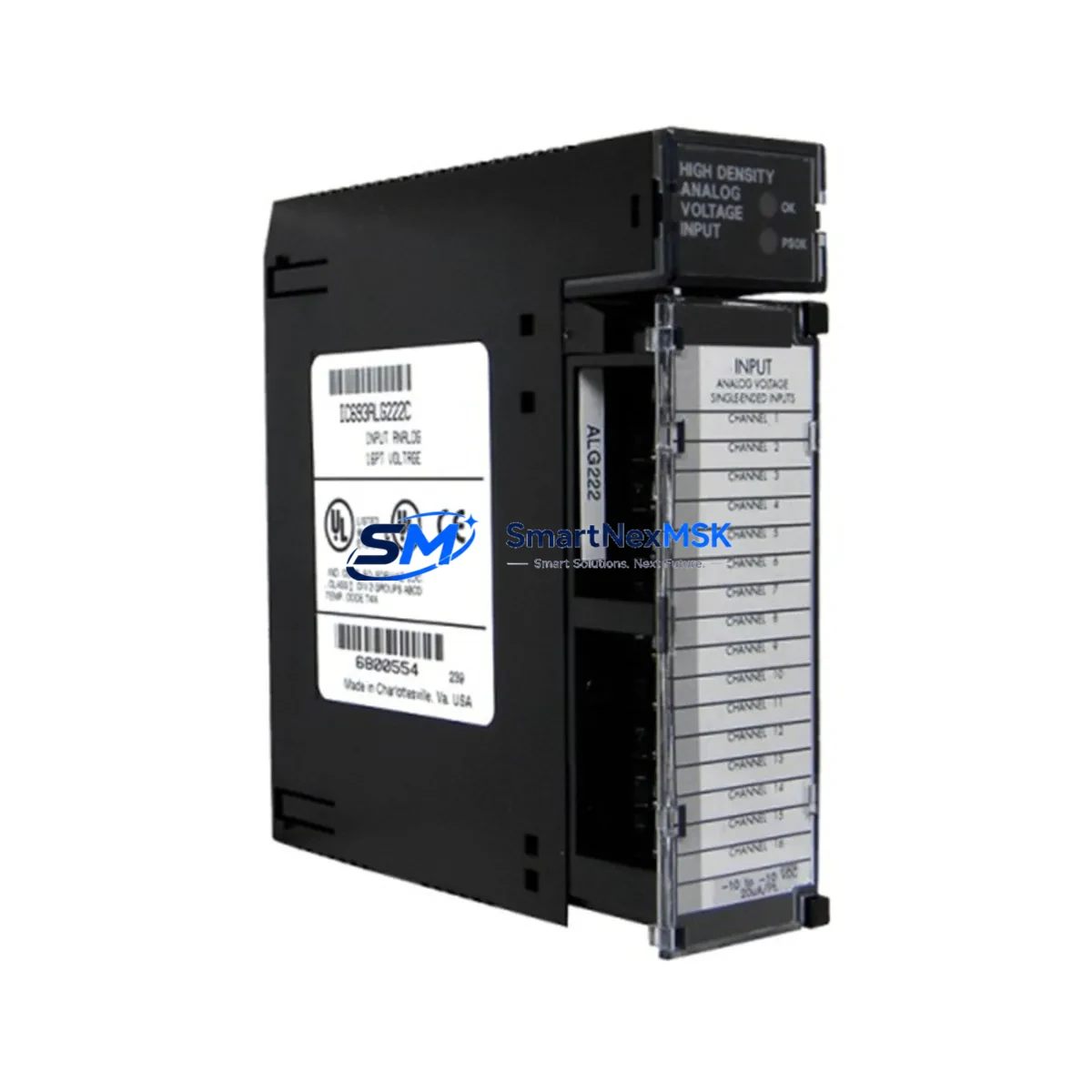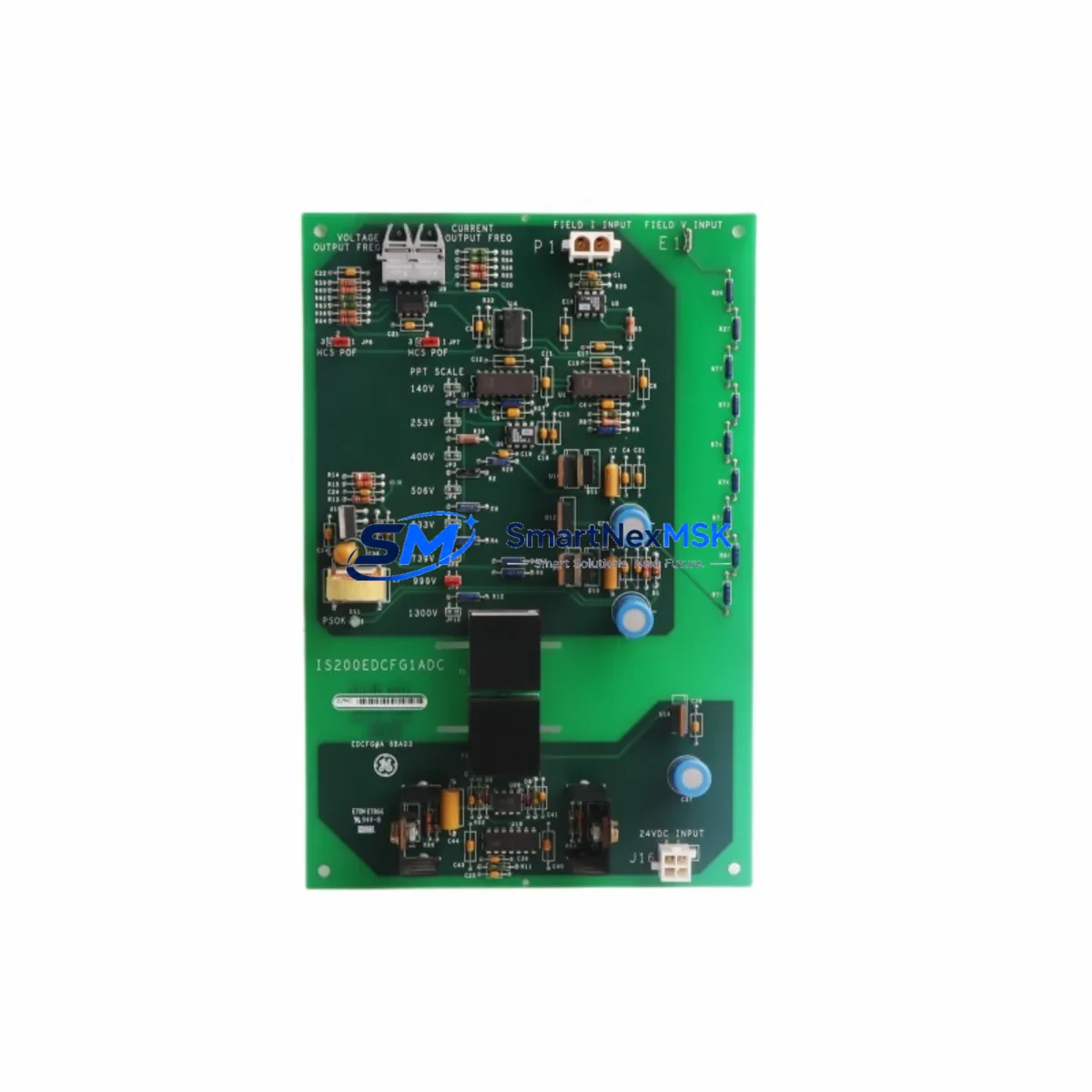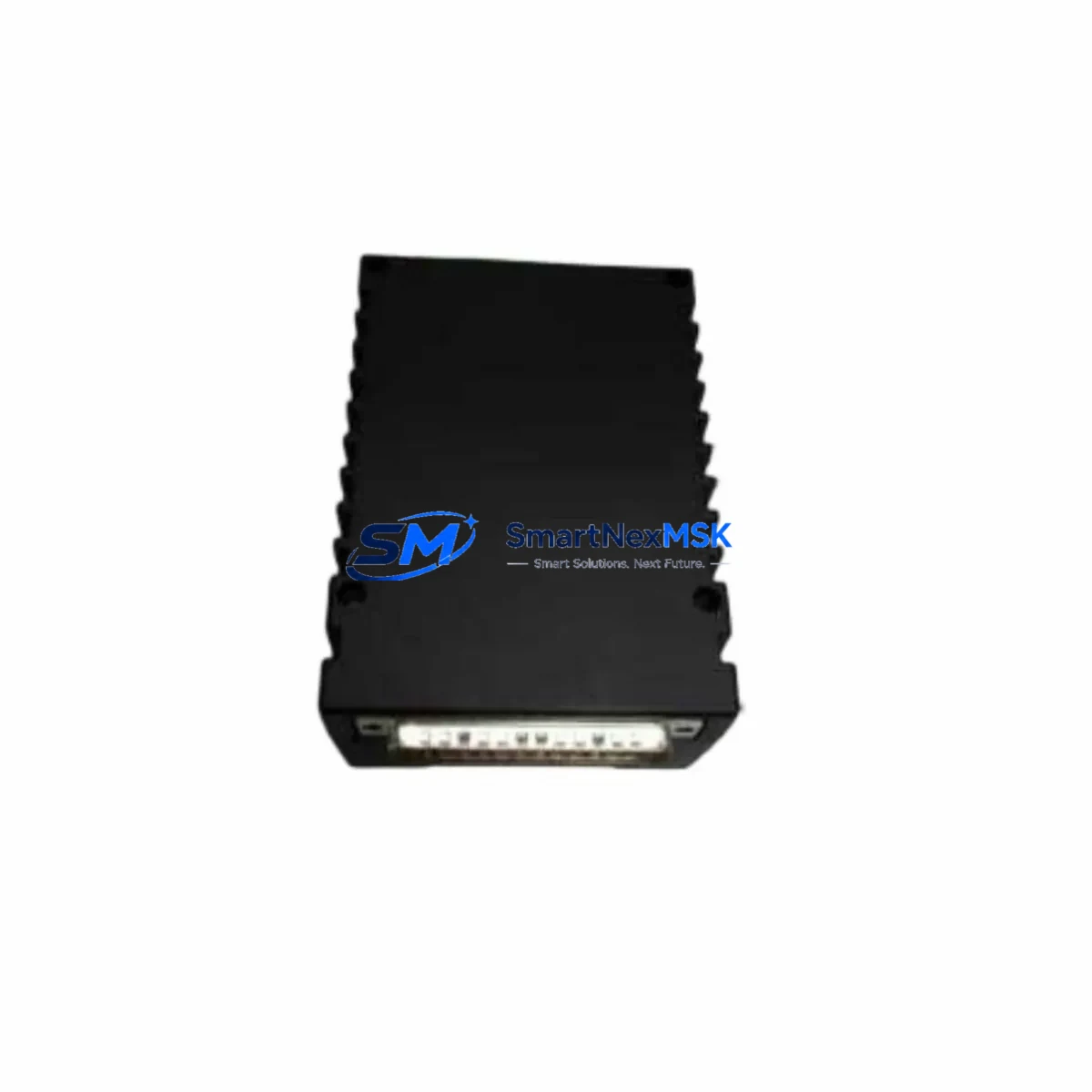
GE IS220PAICH1A Retrofit-Ready Analog I/O Pack for Mark VIe Control Systems
The GE IS220PAICH1A is a high-density Analog I/O Pack engineered for the Mark VIe distributed control system, widely deployed in power generation, oil & gas, and heavy industrial facilities. As legacy Mark V and Mark VI platforms approach end-of-life, the IS220PAICH1A has become a critical component in retrofit and modernization projects — providing a direct upgrade path that preserves existing field wiring, terminal block layouts, and IONet communication architecture.
Whether you are replacing a failed IS220PAICH1A in an operating turbine control cabinet, migrating from a Mark VI analog I/O pack, or expanding I/O capacity in an existing Mark VIe rack, this module ships from verified stock with full functional testing and a 12-month warranty.
Upgrade Compatibility Table
| Parameter | IS220PAICH1A Specification | Retrofit Notes |
|---|---|---|
| Module Type | Analog I/O Pack (Mixed AI/AO) | Direct replacement for IS220PAICH1A in Mark VIe racks |
| Communication Protocol | IONet (Ethernet-based, 100 Mbps) | Compatible with existing IONet switches and VCMI controllers |
| Backplane Interface | Mark VIe I/O Pack connector (standard) | Fits IS200 series terminal boards; verify TB model before installation |
| Power Supply Requirement | 28 VDC nominal from IS200 power distribution | Confirm IS200EPSMG or IS200EPSMH power supply capacity before adding modules |
| Analog Inputs | 16 channels, 4–20 mA / 0–10 V configurable | Verify field transmitter wiring polarity and loop power configuration |
| Analog Outputs | 8 channels, 4–20 mA | Check actuator load impedance; confirm AO scaling in ToolboxST |
| Module Address | Configured via ToolboxST hardware configuration | Assign IONet node address; match existing configuration to avoid I/O remapping |
| Mounting | IS200 series I/O rack, DIN rail compatible terminal boards | No mechanical modification required for like-for-like replacement |
| Firmware Compatibility | Mark VIe firmware R04.x and above | Confirm controller firmware version in ToolboxST before commissioning |
| Commissioning Tool | GE ToolboxST | Required for module recognition, I/O calibration, and diagnostic verification |
| Warranty | 12-Month Warranty — covers functional defects under normal operating conditions | |
Retrofit Planning for Existing Automation Systems
Retrofitting a Mark VIe analog I/O section requires careful pre-engineering to avoid unplanned downtime and configuration errors. The IS220PAICH1A integrates into the IS200 series rack infrastructure, sharing the same backplane and terminal board ecosystem as other IS220 family modules such as the IS220PDIOH1A (digital I/O pack) and the IS220PTCCH1A (thermocouple input pack). When planning a multi-module retrofit, it is common to simultaneously address the IS200TBAIH1C terminal board — the standard analog input termination board — and the IS200TBCIH1C for combined analog I/O termination.
Power budget verification is a mandatory first step. The IS220PAICH1A draws power from the rack’s 28 VDC distribution bus, supplied by the IS200EPSMG or IS200EPSMH power supply module. Before adding or replacing analog I/O packs, calculate the total current draw across all installed I/O packs in the rack to confirm the power supply is not operating near its rated limit. Overloading the power supply is a common cause of intermittent module faults during retrofit commissioning.
Terminal wiring verification is equally critical. The IS220PAICH1A connects to field instruments — pressure transmitters, flow meters, temperature transmitters, and control valve positioners — through the terminal board. Each analog input channel must be verified for loop power configuration (active vs. passive transmitter), wiring polarity, and shield grounding. Analog output channels driving control valve positioners require confirmation of load impedance and AO scaling parameters within ToolboxST.
For systems migrating from a Mark VI PPDA or PPDB analog I/O board, the IS220PAICH1A represents the recommended upgrade path. The Mark VI PPDA used a VME-based backplane with hardwired I/O, while the Mark VIe IS220PAICH1A uses IONet for all I/O communication. This protocol migration requires the installation of an IS200VCMIH2C VCMI controller (or equivalent) to bridge the IONet network, and a full I/O remapping exercise in ToolboxST to reassign signal tags from the legacy PPDA address space to the new IONet node structure.
HMI screen updates are often overlooked during analog I/O retrofits. If the plant uses a GE Cimplicity HMI or a third-party SCADA system connected via OPC-DA or OPC-UA, analog signal tag names and engineering unit scaling must be verified after the I/O remapping is complete. Discrepancies between the ToolboxST configuration and the HMI tag database are a frequent source of post-retrofit alarms and operator confusion.
Communication link integrity should be validated using the IONet diagnostic tools within ToolboxST. Verify that the IS220PAICH1A is recognized on the IONet network, that its node address does not conflict with other modules, and that the IS200IOCIH2C IONet communication interface or equivalent switch infrastructure is correctly configured for the expanded I/O count. In redundant control architectures, confirm that both the primary and secondary VCMI controllers can communicate with the new module.
Downtime Control During System Migration
Minimizing downtime during an IS220PAICH1A replacement or retrofit is achievable with disciplined pre-commissioning preparation. The most effective strategy is to complete all ToolboxST configuration changes — including I/O address assignment, signal scaling, and alarm limit verification — on an offline copy of the controller configuration before the maintenance window begins. This allows the actual module swap and IONet commissioning to be completed in under two hours for a like-for-like replacement.
For systems where the IS220PAICH1A controls critical process loops — such as turbine fuel control, steam temperature regulation, or compressor surge control — coordinate with the operations team to place affected control loops in manual mode before removing the module. Document the current output values of all analog outputs so that manual setpoints can be maintained during the changeover period. The IS220PAICH1A’s analog output channels will default to a safe state (typically 4 mA or 0%) upon module removal; confirm this behavior with the site’s safety instrumented system (SIS) requirements.
After installing the replacement IS220PAICH1A, use ToolboxST to perform a live I/O check: verify that each analog input channel reads the correct engineering unit value from the field transmitter, and that each analog output channel drives the correct current to its actuator. Compare readings against the pre-shutdown baseline to confirm wiring integrity. Once all channels are verified, return control loops to automatic mode in a controlled sequence, monitoring process variables for stability before releasing the unit to normal operation.
For planned system upgrades involving multiple IS220 family modules, consider a phased approach: replace and commission one I/O pack at a time, returning each section to service before proceeding to the next. This limits the scope of any single maintenance window and reduces the risk of a full-system outage caused by a configuration error in a newly installed module.
Retrofit Support FAQ
Q1: Is the IS220PAICH1A a direct drop-in replacement for a failed IS220PAICH1A in my Mark VIe system?
Yes. The IS220PAICH1A is a like-for-like replacement. It uses the same IONet interface, the same IS200 series terminal board connections, and the same ToolboxST configuration structure. No hardware modification is required. After installation, ToolboxST will automatically recognize the module at its assigned IONet node address, and I/O will resume normal operation once the controller is synchronized.
Q2: Can the IS220PAICH1A replace analog I/O boards from a legacy Mark VI system?
The IS220PAICH1A is a Mark VIe module and is not directly backward compatible with Mark VI VME-based I/O boards such as the PPDA or PPDB. A Mark VI to Mark VIe migration requires the installation of Mark VIe rack infrastructure, including a VCMI controller and IONet network components. However, field wiring to terminal boards can often be reused, significantly reducing rewiring costs. Contact our technical team for a migration feasibility assessment.
Q3: What wiring checks are required before installing the IS220PAICH1A?
Before installation, verify the following: (1) terminal board model compatibility — confirm the IS200TBAIH1C or IS200TBCIH1C is installed and in good condition; (2) loop power configuration for each analog input channel — determine whether transmitters are 2-wire (loop-powered) or 4-wire (self-powered) and configure the terminal board jumpers accordingly; (3) analog output load impedance — confirm that connected actuators are within the 0–750 Ω load range; (4) shield grounding — verify that cable shields are grounded at one end only to prevent ground loops.
Q4: What does the 12-month warranty cover, and how is it processed?
The 12-month warranty covers functional defects in the IS220PAICH1A under normal operating conditions, including IONet communication failures, analog channel measurement errors beyond specification, and power supply interface faults. It does not cover damage caused by incorrect installation, overvoltage, or physical impact. To initiate a warranty claim, contact [email protected] with the module serial number, fault description, and ToolboxST diagnostic log. Replacement units are shipped from stock, typically within 3–5 business days of claim approval.
© 2026 SMARTNEXMSK. All rights reserved.
Original Source: https://smartnexmsk.com
Contact: [email protected] | +86 18259474341