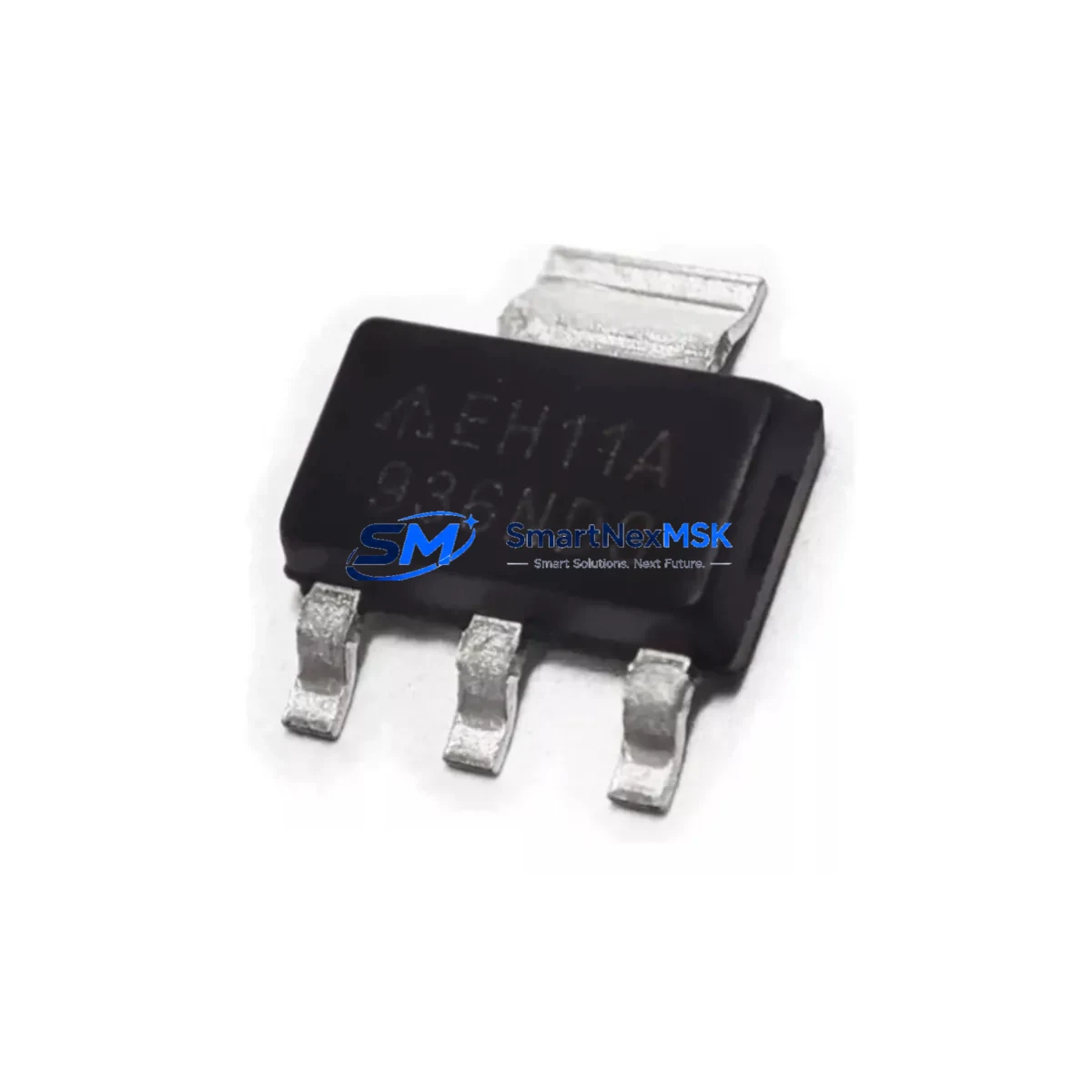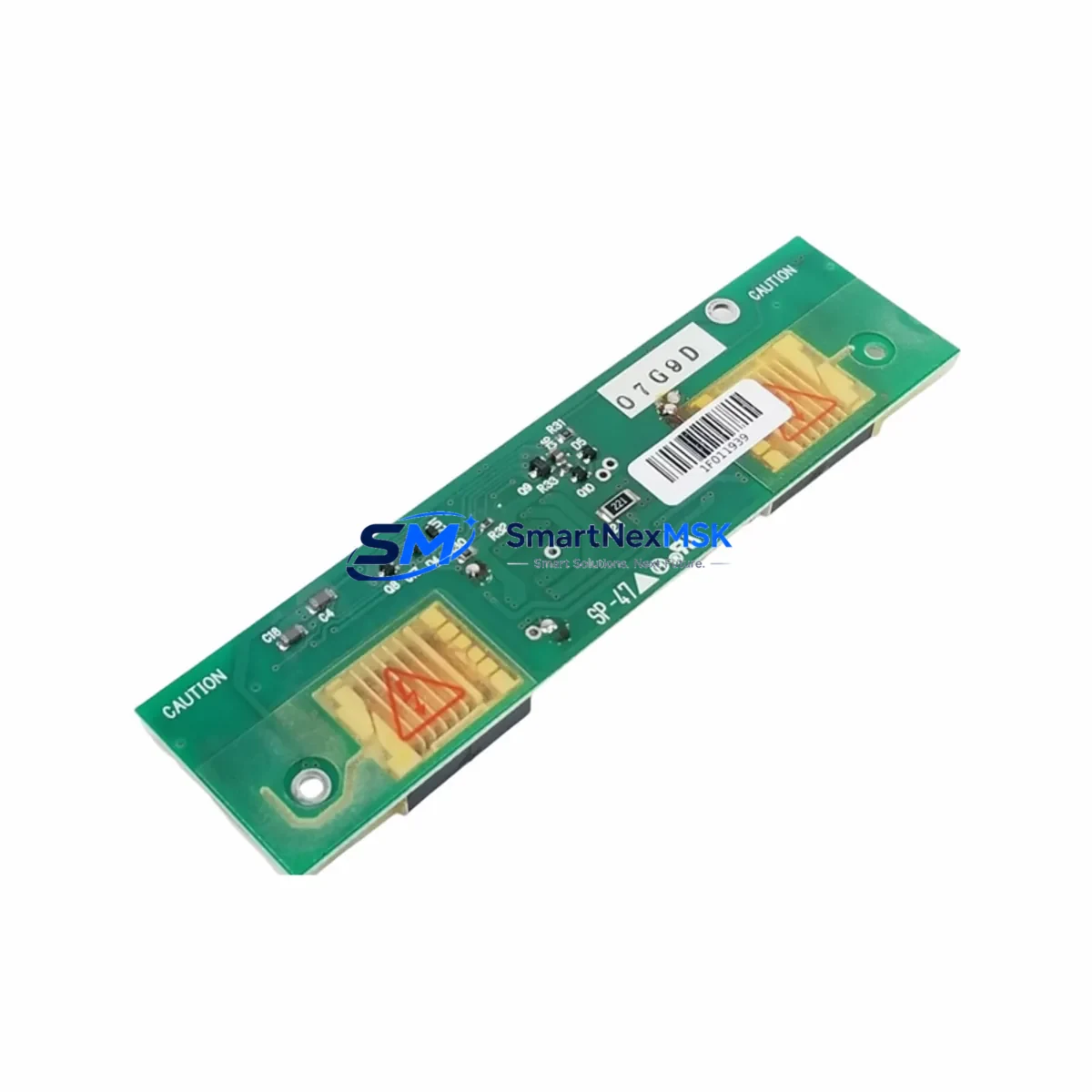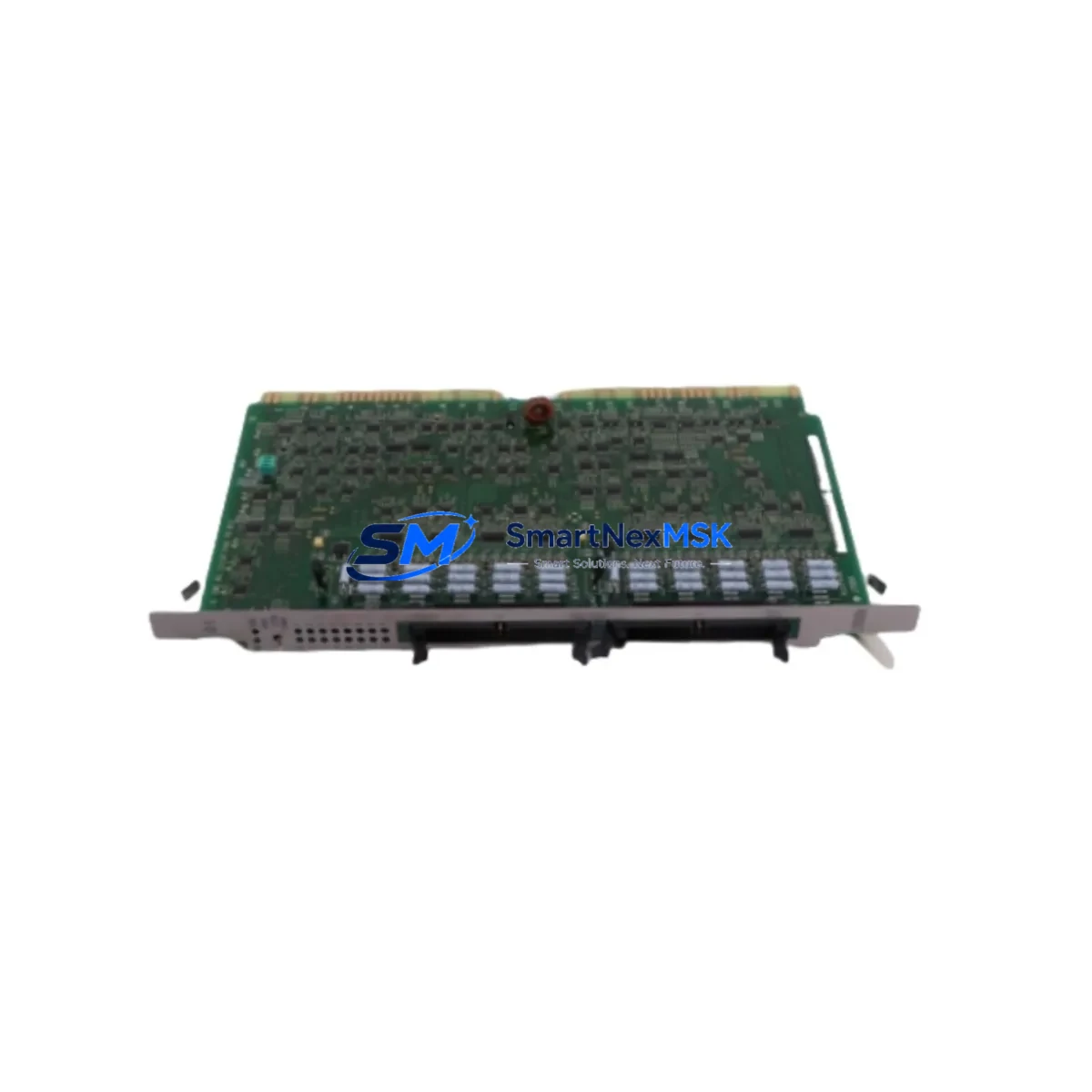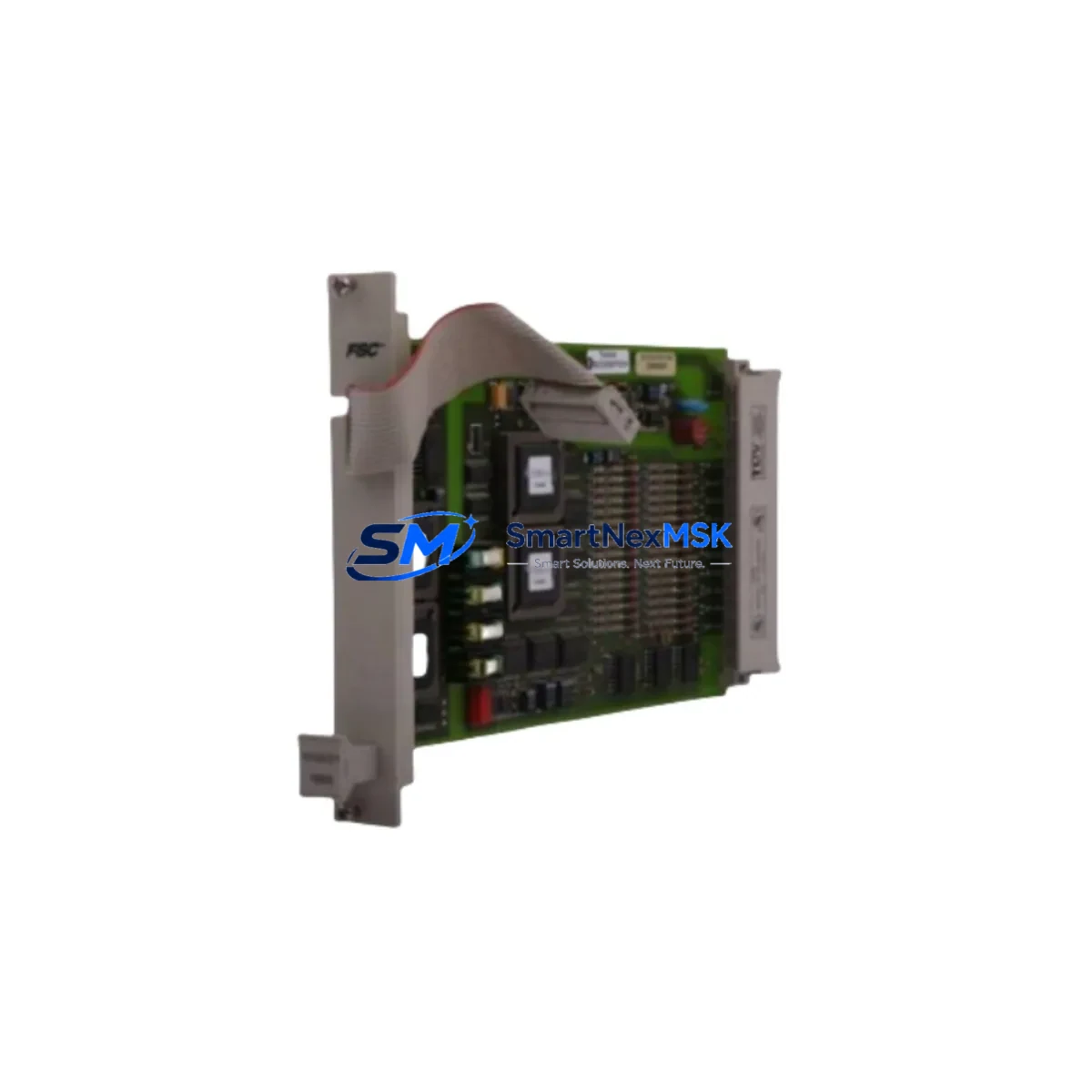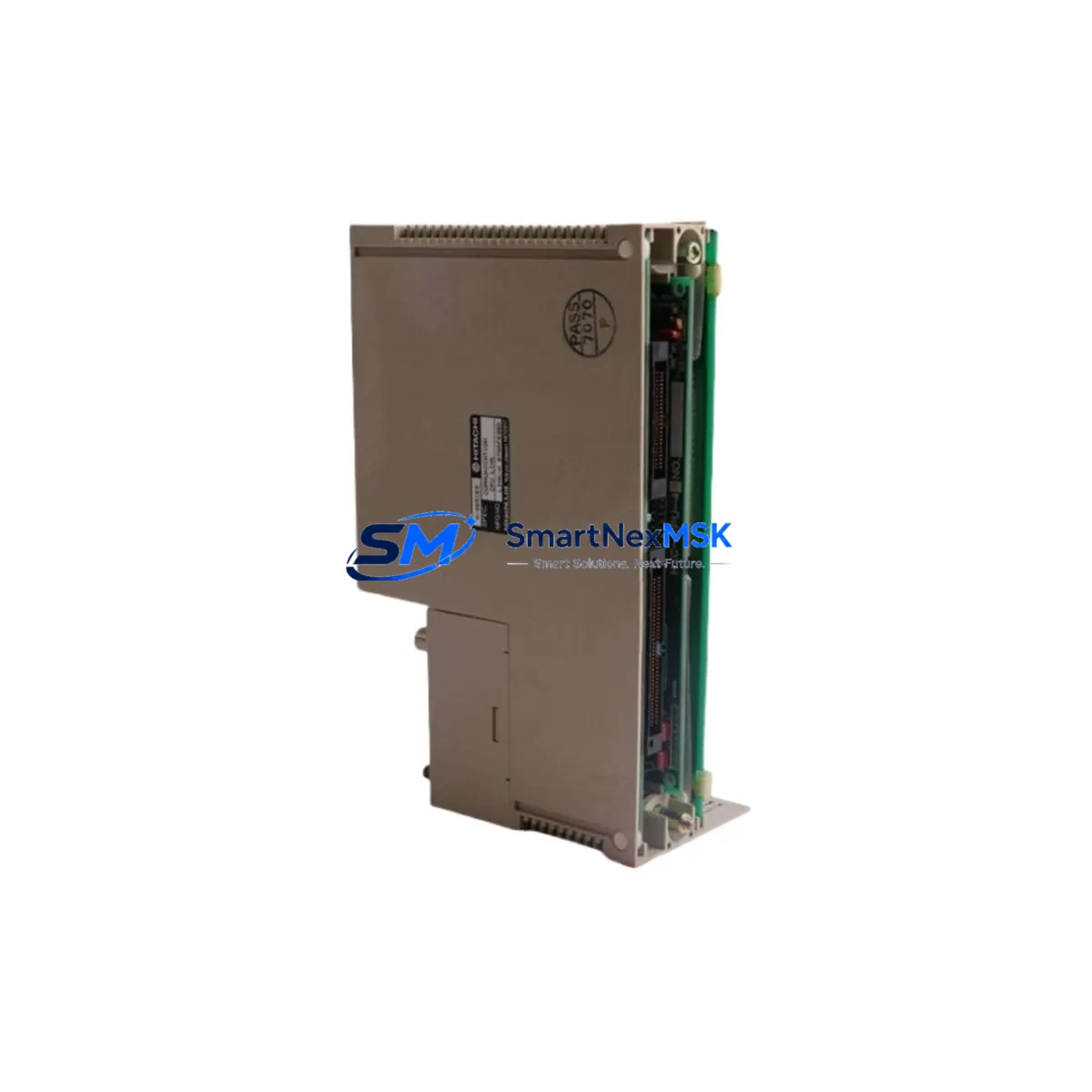
Hitachi LPD150A Retrofit-Ready Power Supply for H-Series Control Systems
The Hitachi LPD150A is a dedicated DC power supply module engineered for the Hitachi H-Series programmable logic controller platform. As legacy H-Series installations approach end-of-service milestones, the LPD150A has become one of the most sought-after retrofit components for engineers tasked with modernizing aging control cabinets without replacing the entire automation architecture. Whether you are restoring a discontinued spare, upgrading a degraded power rail, or migrating a production line from an obsolete control platform, the LPD150A delivers the electrical stability and form-factor compatibility that H-Series backplanes demand.
Sourced directly from verified industrial supply channels and subjected to pre-shipment functional testing, each unit leaves our facility with full output voltage verification, load regulation confirmation, and ripple measurement records. Our 12-month warranty covers all units against manufacturing defects and premature failure under rated operating conditions, giving procurement teams and maintenance engineers the confidence to plan long-cycle retrofits without carrying excessive safety stock.
Upgrade Compatibility Table
| Parameter | Detail |
|---|---|
| Compatible Platform | Hitachi H-Series PLC (H-200, H-252, H-302, H-702) |
| Module Type | DC Power Supply Module |
| Backplane Interface | H-Series standard backplane connector — direct slot-in replacement |
| Installation Requirement | No mechanical modification required; matches original mounting pitch and DIN rail footprint |
| Terminal Wiring | Compatible with original LPD-series terminal block layout; verify AC input voltage range before energizing |
| Communication Compatibility | Passive power module — no protocol dependency; compatible with H-Series CPU modules including EH-CPU448, EH-CPU516, and EH-CPU548 |
| Replacement Recommendation | Direct replacement for LPD150A; evaluate LPD300A if load expansion is planned |
| Commissioning Notes | Confirm backplane slot assignment, verify DC bus voltage under full I/O load, check earthing continuity before restart |
| Warranty | 12 Months — covers manufacturing defects and rated-condition failures |
Retrofit Planning for Existing Automation Systems
A successful LPD150A retrofit begins well before the module arrives on site. Engineers should first audit the existing H-Series rack configuration, identifying the total number of occupied slots and the cumulative current draw of all installed I/O modules. The H-Series platform commonly pairs the LPD150A with a range of digital and analog expansion modules — including the Hitachi EH-XD32 32-point digital input module and the Hitachi EH-YT16 transistor output module — and the aggregate load of these cards must remain within the LPD150A’s rated output capacity. If the retrofit scope includes adding new I/O points, engineers should evaluate whether the existing power budget accommodates the additional draw or whether an upgrade to the LPD300A is warranted.
Backplane integrity is the next checkpoint. The H-Series uses a passive backplane bus that distributes both logic power and field power across all installed modules. Before installing the replacement LPD150A, inspect the backplane connector for oxidation, bent pins, or thermal stress marks — common findings in racks that have operated continuously for more than a decade. The Hitachi H-Series base unit (rack chassis) should also be checked for slot-locking mechanism wear, as a loose power module can cause intermittent bus faults that are difficult to diagnose under load.
For sites running Hitachi’s LADDER EDITOR or EH-150 programming software, the existing CPU program stored in the EH-CPU448 or EH-CPU516 does not require modification when replacing only the power supply module. The LPD150A is transparent to the CPU’s I/O scan cycle and does not occupy a logical address in the program. However, if the retrofit coincides with a CPU upgrade — for example, migrating from an EH-CPU series to a newer Hitachi EH-A series controller — the program must be re-verified for instruction set compatibility and any deprecated function blocks must be rewritten before the new CPU is brought online.
Communication infrastructure deserves equal attention. H-Series installations frequently use Hitachi H-7338 RS-232C programming cables or H-7339 RS-422 adapters for HMI connectivity and SCADA integration. When the power supply is replaced, the communication link between the CPU and any connected HMI panels — such as legacy Hitachi HMI operator terminals — should be re-established and verified before returning the line to production. If the site is migrating from a serial MODBUS RTU topology to Ethernet-based MODBUS TCP, this retrofit window is an appropriate time to introduce an Ethernet communication module into the H-Series rack, reducing future downtime exposure.
Finally, document the pre-retrofit and post-retrofit DC bus voltage readings at the backplane test points. This baseline data supports future predictive maintenance cycles and provides evidence of system health for quality audits and insurance compliance records.
Downtime Control During System Migration
Minimizing production downtime during an LPD150A replacement requires a structured hot-swap protocol even though the H-Series power supply is not hot-swappable by design. The recommended approach is a controlled, planned shutdown executed during a scheduled maintenance window. Before de-energizing the rack, capture a full program backup from the CPU using the EH-150 programming software or a compatible memory cassette. This ensures that if the CPU loses its battery-backed RAM during the power interruption — a risk in units where the backup battery has not been recently replaced — the program can be restored immediately without re-engineering.
With the rack de-energized and the AC input isolated at the upstream breaker, the LPD150A can be removed by releasing the module locking lever and sliding the unit from the backplane slot. The replacement module should be inserted firmly until the backplane connector seats fully and the locking lever engages. Before restoring AC power, verify that all I/O wiring remains intact, that no field devices were inadvertently de-energized during the outage window, and that the HMI operator terminal is in a safe state to receive a CPU restart signal.
On power restoration, monitor the DC bus voltage at the backplane test points for the first 60 seconds of operation. A stable reading within the rated tolerance confirms that the replacement LPD150A is performing correctly. The CPU should resume its scan cycle automatically from the last saved program state if battery backup was maintained. If the CPU enters a fault state, check the fault code via the programming terminal and clear any power-loss flags before releasing the line to production operators. Total planned downtime for a straightforward LPD150A swap, including pre-work and post-restoration verification, typically falls within a 30-to-90-minute window for experienced maintenance teams.
Retrofit Support FAQ
Q1: Is the LPD150A a direct drop-in replacement for the original Hitachi H-Series power supply?
Yes. The LPD150A is designed to the original Hitachi H-Series mechanical and electrical specification. It uses the same backplane connector, the same terminal block layout, and the same mounting footprint as the factory-installed unit. No wiring modifications or mechanical adaptations are required for a standard replacement. Confirm the AC input voltage range on your site matches the module’s rated input before energizing.
Q2: What pre-shipment testing is performed on each LPD150A unit?
Every LPD150A unit undergoes output voltage verification under no-load and full-load conditions, load regulation measurement, and ripple and noise testing prior to shipment. Units that do not meet specification are quarantined and not dispatched. A test record is available upon request for quality-critical procurement processes. All units are covered by a 12-month warranty from the date of shipment.
Q3: Can the LPD150A support additional I/O modules added during the retrofit?
The LPD150A is rated for a specific maximum output current. If your retrofit plan includes adding new I/O expansion modules — such as additional EH-XD32 digital input cards or analog modules — calculate the total current draw of all installed modules and compare it against the LPD150A’s rated capacity. If the new load exceeds the rating, the LPD300A is the recommended upgrade path and fits the same backplane slot without chassis modification.
Q4: What should I verify regarding HMI and communication links after replacing the power supply?
After the LPD150A replacement and CPU restart, re-establish and verify all communication links before returning the system to production. This includes the RS-232C or RS-422 link between the CPU and any connected HMI operator terminals, the SCADA polling connection if applicable, and any peer-to-peer links between H-Series racks in multi-rack configurations. Confirm that the HMI displays are reading live data correctly and that no communication timeout alarms are active before releasing the line.
© 2026 SMARTNEXMSK. All rights reserved.
Original Source: https://smartnexmsk.com
Contact: [email protected] | +86 18259474341