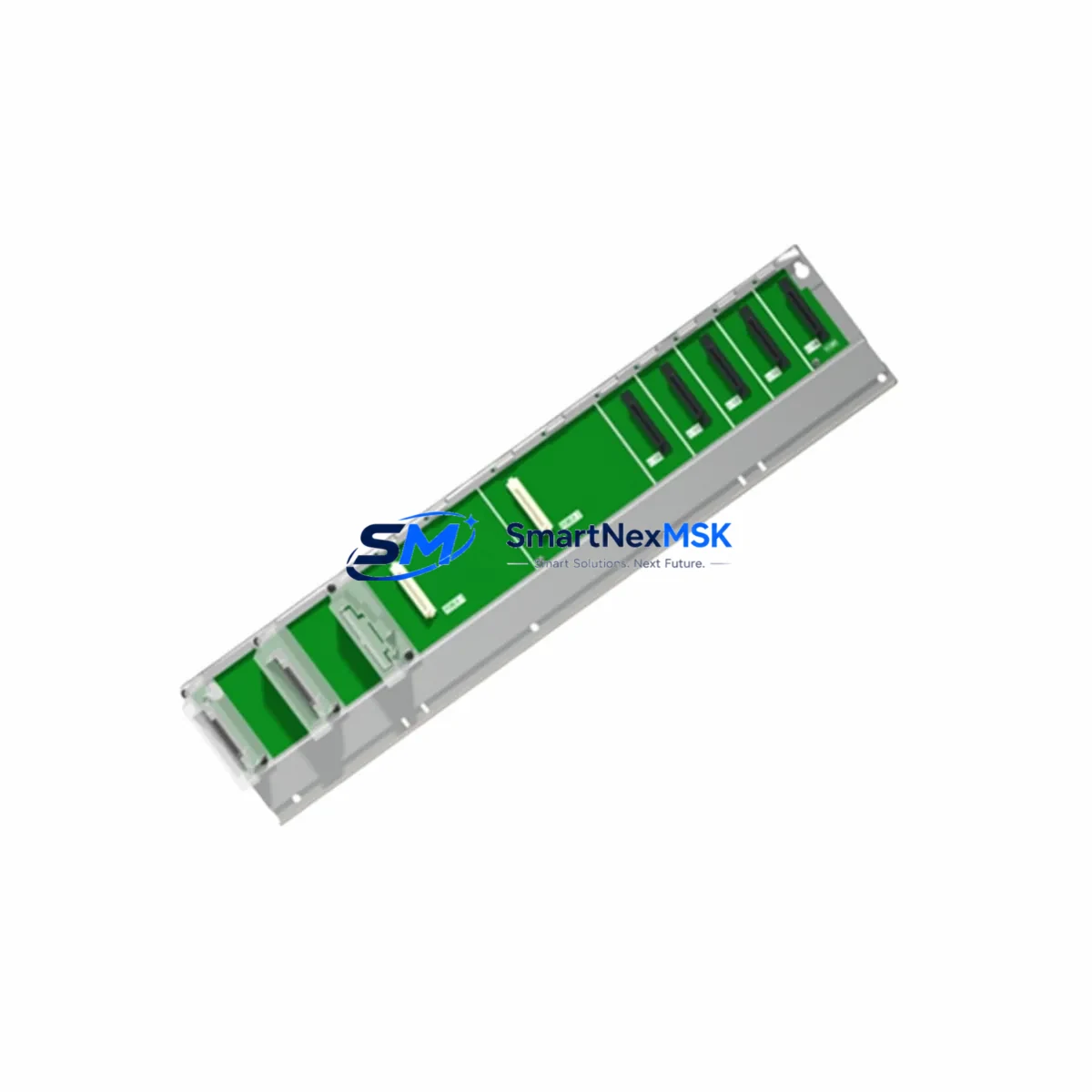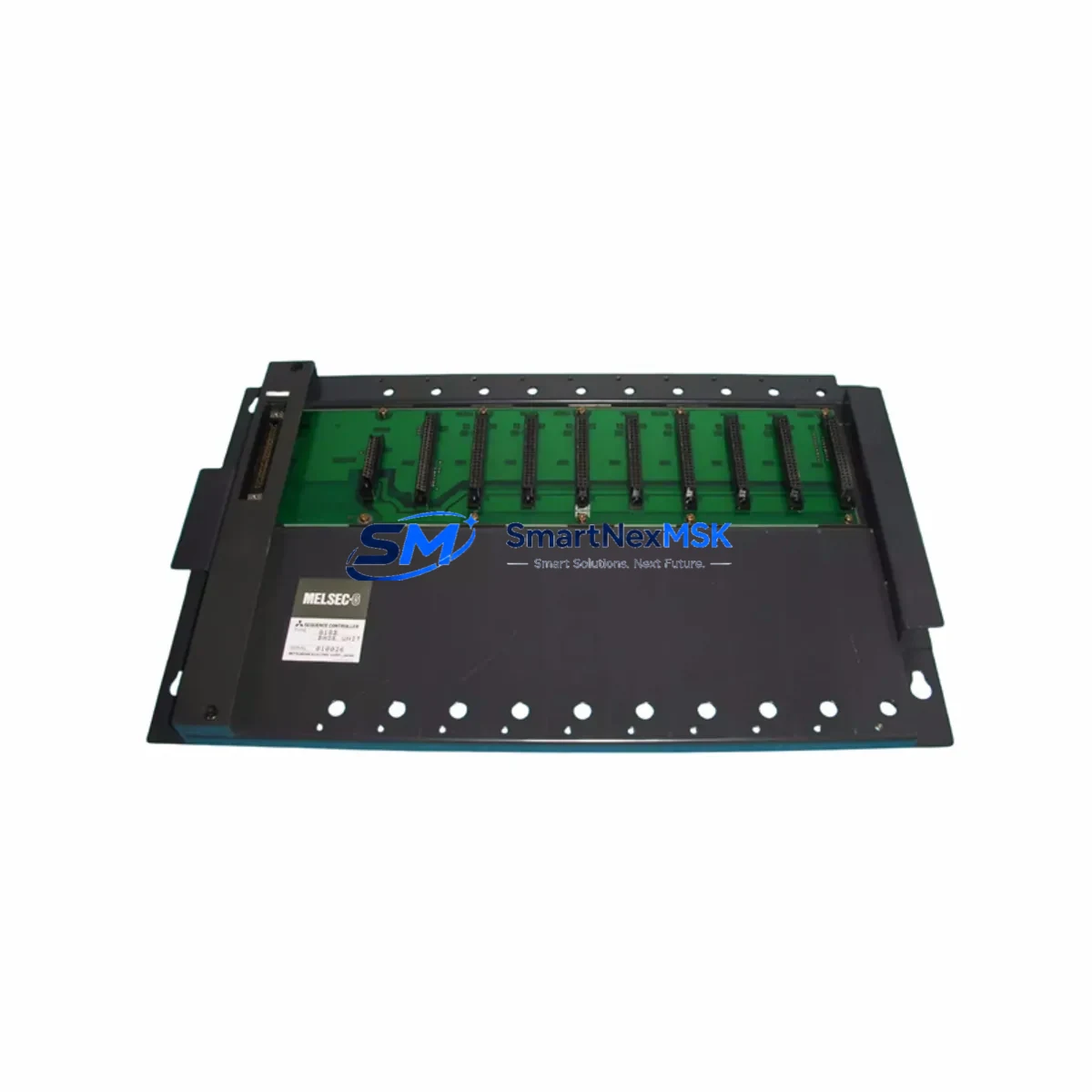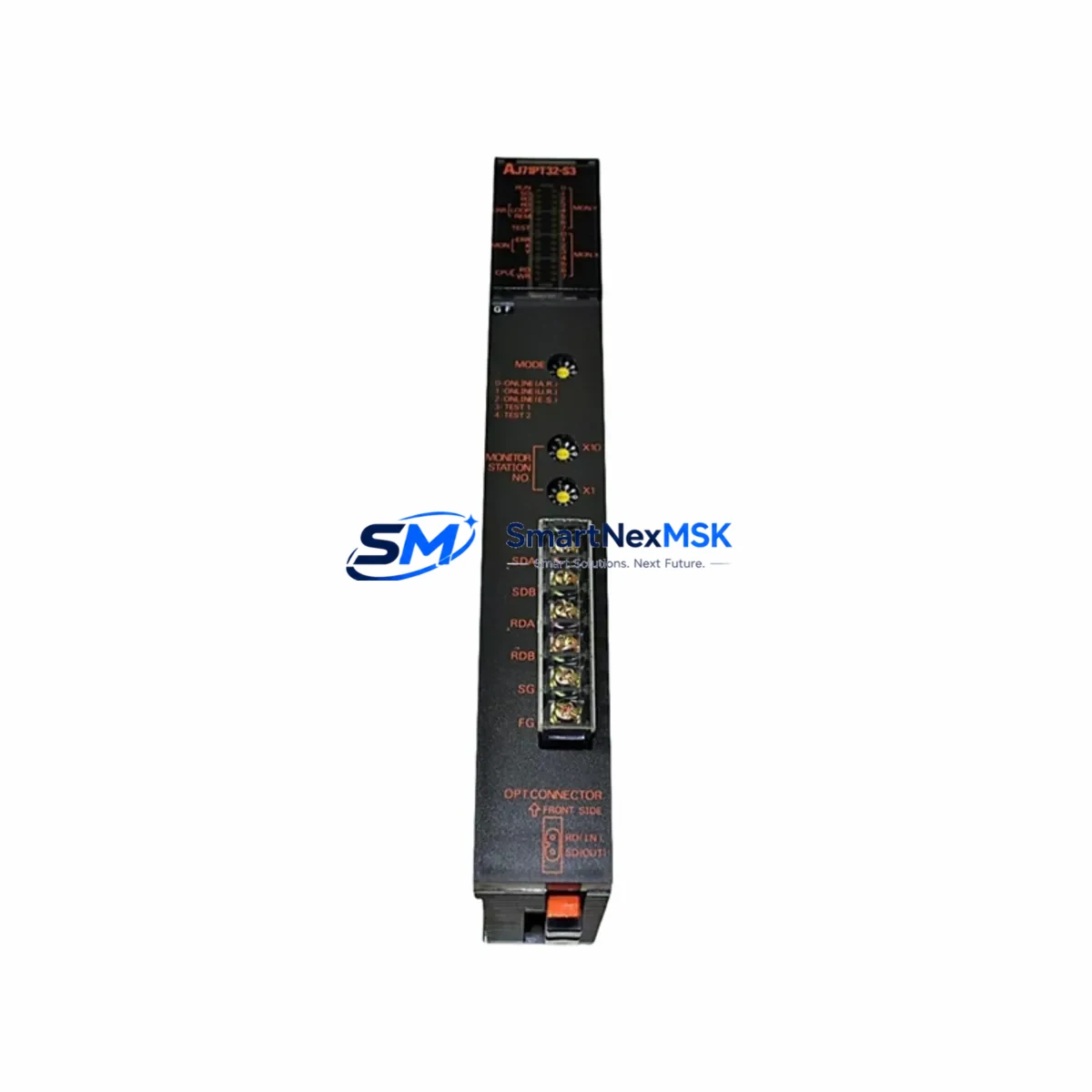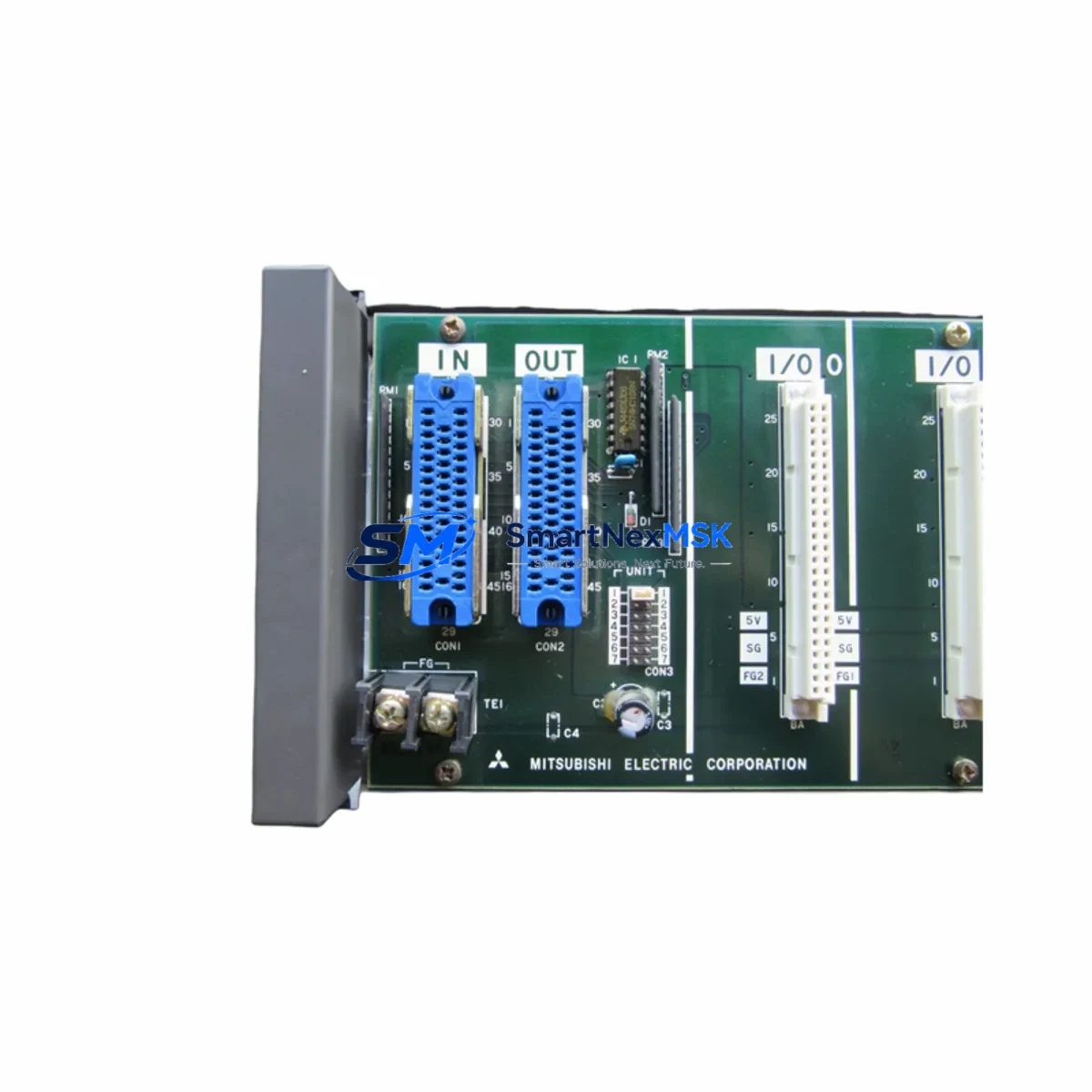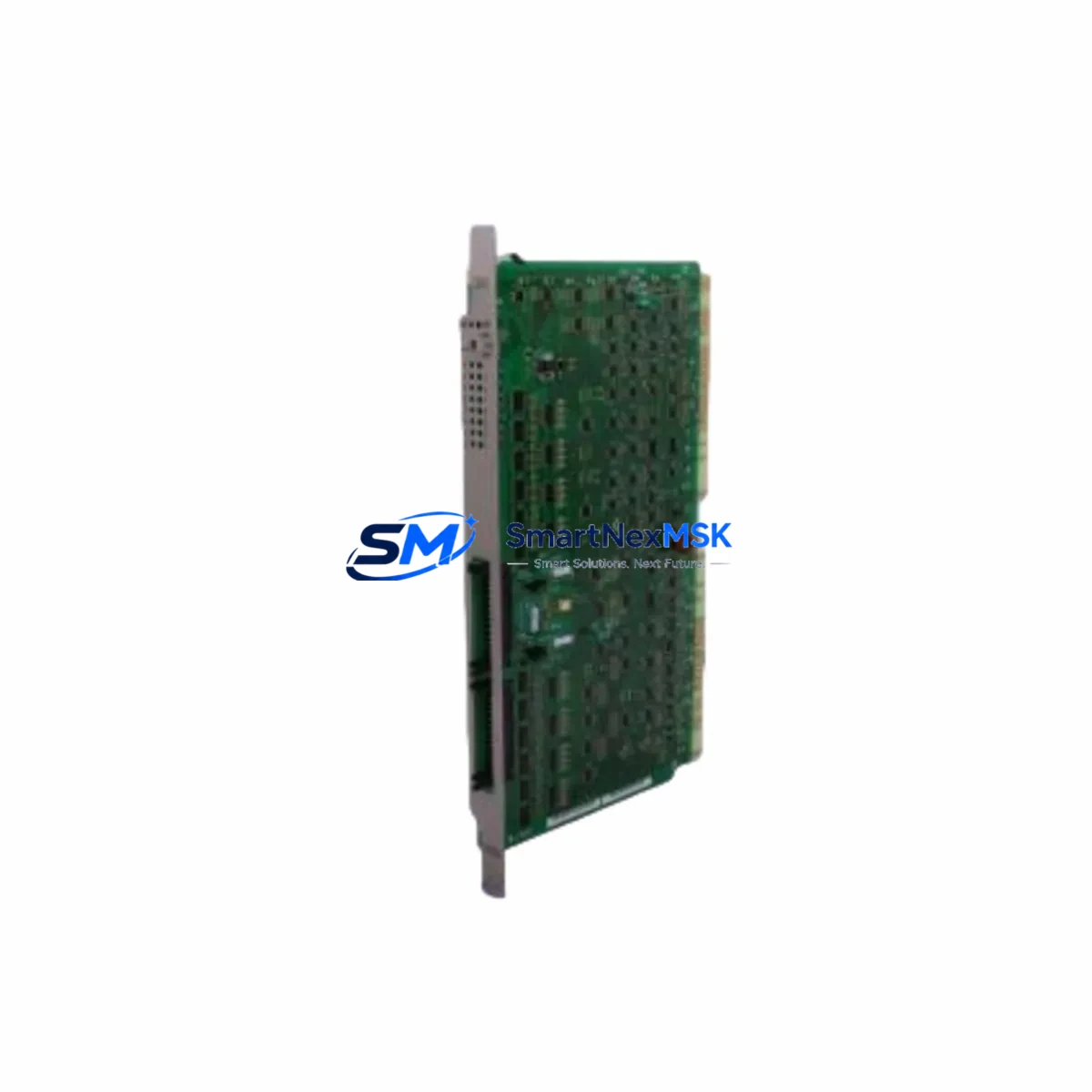
Mitsubishi G64BIF Retrofit-Ready AC Servo for MELSERVO Control Systems
The Mitsubishi Electric G64BIF is a precision AC servo motor from the MELSERVO series, engineered for demanding motion control applications across industrial automation, machine tool, and process control environments. As legacy MELSERVO systems approach end-of-life or require capacity expansion, the G64BIF remains a critical retrofit and replacement component — enabling engineers to restore full servo axis functionality without redesigning the entire control architecture. Whether you are replacing a failed unit on a CNC machining center, upgrading a packaging line, or restoring a discontinued axis on a multi-axis robot cell, the G64BIF delivers the dimensional and electrical compatibility needed for a smooth, low-downtime transition.
Sourced from verified supply channels and subjected to pre-shipment functional testing, every G64BIF unit shipped by SMARTNEXMSK is backed by a 12-month warranty covering manufacturing defects and operational failures under normal industrial use conditions. Our inventory is maintained to support both urgent single-unit replacements and planned bulk procurement for MRO and capital project schedules.
Upgrade Compatibility Table
| Parameter | Details |
|---|---|
| SKU / Part Number | G64BIF |
| Brand / Series | Mitsubishi Electric / MELSERVO |
| Motor Type | AC Servo Motor |
| Origin | Japan |
| Interface / Connector | Compatible with MELSERVO MR-J / MR-C series servo amplifier connectors |
| Encoder Type | Incremental / Absolute encoder (series-dependent; verify with amplifier model) |
| Mounting | Flange-mount; verify frame size against existing mechanical drawing |
| Communication Compatibility | SSCNET / analog command interface per amplifier pairing |
| Replacement Scope | Direct replacement for same-frame MELSERVO G-series motors; cross-reference required for non-G series |
| Wiring Adaptation | Confirm power cable gauge, brake circuit (if applicable), and encoder cable shielding |
| Commissioning Notes | Re-tune servo gains after replacement; verify electronic gear ratio and position loop parameters in MR Configurator |
| Warranty | 12-Month Warranty — covers manufacturing defects and functional failures under normal operating conditions |
Retrofit Planning for Existing Automation Systems
A successful G64BIF retrofit begins well before the motor arrives on site. Engineers should first audit the existing servo amplifier — typically a Mitsubishi MR-J2S, MR-J3, or MR-J4 series drive — to confirm that the amplifier’s rated output current and voltage match the G64BIF’s nameplate requirements. The servo amplifier’s parameter file should be backed up using MR Configurator2 software before any hardware is disturbed, preserving all tuning data, electronic gear ratios, and homing offsets that have been accumulated over years of production operation.
On the mechanical side, the G64BIF’s shaft diameter, key dimensions, and flange bolt pattern must be verified against the existing coupling and gearbox interface. In many retrofit scenarios, the original coupling half can be reused if the shaft diameter matches, significantly reducing alignment time. Where a gearbox or ball screw is involved, confirm that the motor’s rated torque and inertia ratio remain within the amplifier’s stable control range — this is especially important when replacing a motor that may have been derated in service.
The wiring harness deserves careful attention. The power cable connecting the amplifier to the G64BIF must be rated for the motor’s peak current draw, and the encoder cable must use individually shielded twisted pairs to prevent signal corruption from adjacent VFD cables or high-current bus bars. In control cabinets where a Mitsubishi Q-series PLC or iQ-R series controller manages the motion axis via SSCNET III/H, the network topology should be verified to ensure the replacement motor’s amplifier is correctly addressed in the servo network scan. If the system also includes a GOT2000 series HMI displaying axis position or alarm status, the screen tags linked to servo feedback registers should be tested after commissioning to confirm data integrity.
For multi-axis systems, it is advisable to replace the G64BIF during a planned maintenance window rather than an emergency breakdown, allowing time to verify the axis home position, re-run the JOG cycle, and confirm that the axis reaches its software travel limits correctly. If the system uses a Mitsubishi MR-J4W multi-axis amplifier, the axis assignment within the amplifier must be confirmed before powering up. Additionally, if the control cabinet includes a Mitsubishi FR-A800 series inverter driving auxiliary axes or cooling fans, ensure that the servo replacement work does not inadvertently disturb the inverter’s parameter settings or its communication link to the PLC.
Where the original G64BIF was paired with a Mitsubishi MR-BAT6V1SET battery backup for absolute encoder retention, the battery condition should be checked and replaced if necessary during the same maintenance window — a depleted battery will trigger an absolute position loss alarm on first power-up, requiring a full homing cycle that may not be acceptable in continuous production environments. Finally, confirm that the servo amplifier’s regenerative resistor or braking unit is correctly sized for the G64BIF’s inertia load, particularly in vertical axis or high-cycle applications where regenerative energy is significant.
Downtime Control During System Migration
Minimizing production downtime during a G64BIF replacement requires a structured pre-work protocol. Before the maintenance window opens, the replacement motor should be pre-inspected, the encoder cable pre-assembled and tested for continuity and insulation resistance, and the servo amplifier parameter file exported and stored on a USB drive or engineering laptop. A printed copy of the axis wiring diagram — including terminal numbers, cable colors, and shield grounding points — should be available at the control cabinet to eliminate reference errors under time pressure.
During the swap, the original motor’s coupling should be removed carefully to avoid disturbing the load-side alignment. After the G64BIF is mounted and wired, perform an insulation resistance test on the motor windings before energizing the amplifier. Power up the amplifier in test mode, clear any encoder alarms, and perform a low-speed JOG run in both directions to confirm rotation direction and encoder feedback polarity. If the system uses a Mitsubishi MT-Developer2 or GX Works3 programming environment, the motion program should be placed in manual mode during commissioning to prevent automatic cycle execution before the axis is fully verified.
Once the axis is confirmed operational, restore the servo amplifier parameters from the backup file, re-enable the automatic cycle, and monitor the first production run for any position deviation alarms or torque saturation warnings. Document the replacement date, the new motor’s serial number, and the post-commissioning gain settings in the machine maintenance log to support future troubleshooting and warranty claims.
Retrofit Support FAQ
Q1: Is the G64BIF a direct drop-in replacement for other MELSERVO G-series motors?
A: The G64BIF is dimensionally and electrically compatible with same-frame MELSERVO G-series motors. However, customers should verify the shaft diameter, flange size, encoder type (incremental vs. absolute), and amplifier model before ordering. Our technical team can assist with cross-reference confirmation based on your existing motor nameplate data.
Q2: What pre-shipment testing is performed on the G64BIF?
A: Every unit undergoes functional energization testing, encoder signal verification, winding resistance measurement, and insulation resistance testing before shipment. A test report is available upon request. All units are shipped with protective packaging to prevent transit damage to the shaft, encoder, and connector interfaces.
Q3: Can the G64BIF be used with a Mitsubishi MR-J4 or MR-J3 series amplifier?
A: Compatibility depends on the amplifier’s rated output and the motor’s electrical specifications. The G64BIF is designed for the MELSERVO platform, but amplifier-motor pairing must be confirmed against Mitsubishi’s servo selection guide. Contact our team with your amplifier model number for a compatibility assessment before purchase.
Q4: What does the 12-month warranty cover, and how is a warranty claim processed?
A: The 12-month warranty covers manufacturing defects and functional failures under normal industrial operating conditions, commencing from the date of shipment. To initiate a warranty claim, contact [email protected] with the order number, unit serial number, and a description of the failure. We will arrange return logistics and provide a replacement or repair within an agreed lead time.
© 2026 SMARTNEXMSK. All rights reserved.
Original Source: https://smartnexmsk.com
Contact: [email protected] | +86 18259474341