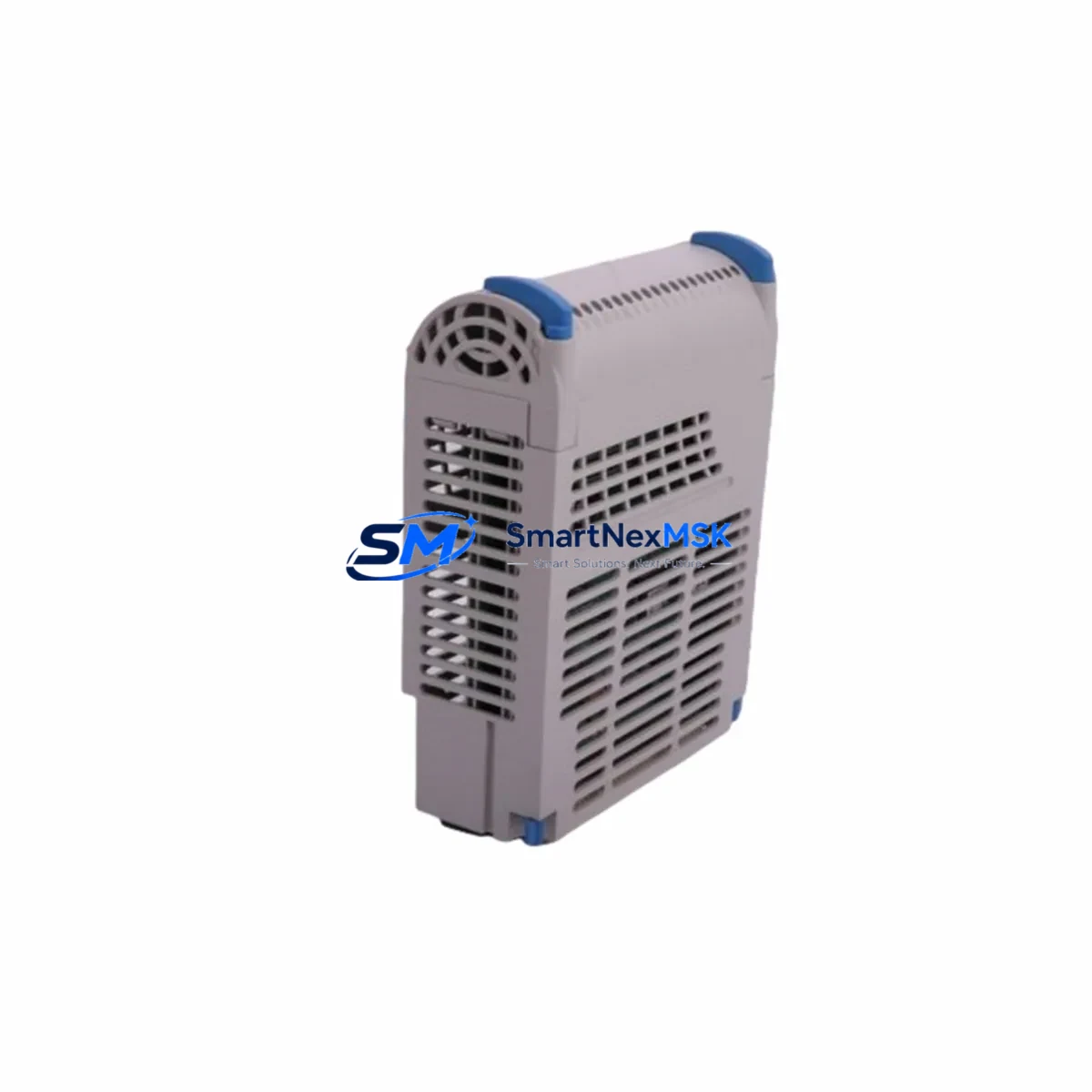
NIKON GLG5412 Retrofit-Ready DC Power Module for NSR Series Control Systems
The NIKON GLG5412 is a DC Power Module engineered for seamless integration into NSR Series stepper lithography systems. As semiconductor fabs and precision manufacturing facilities face increasing pressure to extend the operational life of legacy equipment, the GLG5412 has become a critical retrofit component for engineers managing NSR-series control cabinet upgrades, power subsystem replacements, and planned preventive maintenance cycles. Whether you are replacing a failed unit, upgrading aging power infrastructure, or executing a full control system modernization, the GLG5412 delivers the electrical performance and form-factor compatibility required for a smooth, low-risk transition.
Upgrade Compatibility Table
| Parameter | Details |
|---|---|
| SKU / Part Number | GLG5412 |
| Brand | NIKON |
| Compatible Series | NSR Series (NSR-S205C, NSR-S306C, NSR-S610C and related platforms) |
| Module Type | DC Power Module |
| Installation Format | Rack/backplane mount — verify slot pitch and connector keying before installation |
| Communication Compatibility | Internal DC bus; no fieldbus protocol dependency |
| Replacement Recommendation | Direct drop-in for original GLG5412; confirm output voltage rails and connector pinout against site-specific wiring diagrams |
| Commissioning Notes | Verify DC output stability under load before enabling motion axes; check interlock signals with the main controller board |
| Origin | Japan |
| Warranty | 12-Month Warranty — covers manufacturing defects under normal operating conditions |
Retrofit Planning for Existing Automation Systems
Successful integration of the GLG5412 into an existing NSR-series control cabinet begins well before the module arrives on-site. Engineers should start by auditing the current power distribution architecture: confirm that the existing backplane or rack assembly can accommodate the GLG5412’s connector footprint, and cross-reference the terminal block wiring against the original schematics. In many NSR installations, the DC power subsystem feeds multiple downstream boards simultaneously — including the main CPU board, the stage controller card, the laser control interface, and the I/O expansion modules — so any voltage deviation during the swap window must be carefully managed.
During the planning phase, it is advisable to document the current state of all interlock circuits. The GLG5412 interfaces with the system’s safety relay chain, and any wiring discrepancy at the terminal strip can trigger fault states that prevent the system from completing its initialization sequence. Teams that have previously worked on NSR-series retrofits often note that the alignment between the power module’s enable signal and the main controller’s boot sequence is a common commissioning checkpoint that requires careful attention.
For sites running mixed-generation NSR equipment, the GLG5412 retrofit is frequently performed alongside replacement of the axis drive amplifier cards, the vacuum control interface board, and the environmental sensor modules. In some cases, the HMI panel — typically a dedicated operator workstation running proprietary NIKON software — may require a display refresh or I/O remapping after the power module is replaced, particularly if the original unit had developed intermittent faults that caused the HMI to log persistent alarm states. Clearing these historical fault logs and verifying that the HMI correctly reflects the new module’s status is a standard post-installation step.
Communication link integrity should also be verified after installation. NSR-series systems typically use a combination of internal parallel bus connections and serial communication links between the main controller, the reticle stage, and the wafer stage subsystems. After replacing the GLG5412, engineers should confirm that all communication links re-establish correctly and that no timeout errors appear in the system diagnostic log. If the site also uses an external host computer for recipe management and lot tracking, the host interface connection should be tested under normal production conditions before the system is returned to service.
For facilities managing multiple NSR units, it is common practice to maintain a small buffer stock of GLG5412 modules alongside other high-turnover spares such as the NSR illumination power supply unit, the stage motor driver cards, the reticle handler control board, and the main system fuse assembly. Keeping these components available on-site significantly reduces unplanned downtime when a power module failure occurs during a production run.
Downtime Control During System Migration
Minimizing downtime during a GLG5412 replacement requires a structured approach that protects both the original program logic and the physical integrity of the control system. Before powering down the NSR unit, the engineering team should capture a full backup of the system configuration, including all recipe parameters, calibration offsets, and interlock threshold settings stored in the main controller’s non-volatile memory. This backup ensures that if any configuration data is lost during the power cycle, it can be restored without requiring a full recalibration cycle.
The physical replacement procedure should be performed with the main power isolated and all stored energy in the DC bus discharged. After installing the GLG5412, the system should be powered up in stages: first verify the DC output rails with a calibrated meter before enabling the downstream loads, then bring up the main controller and confirm that all subsystems report a healthy status before enabling the motion axes. This staged power-up sequence prevents inrush current events that could stress newly installed components and helps isolate any wiring issues before they affect the broader system.
For sites with strict production schedules, it is worth noting that a well-prepared GLG5412 replacement — with all parts, tools, and documentation staged in advance — can typically be completed within a planned maintenance window, keeping unplanned production loss to a minimum. SMARTNEXMSK ships pre-tested GLG5412 modules with a functional test report included, allowing the receiving engineer to verify the module’s output characteristics before installation and reducing the risk of a second downtime event caused by a defective replacement part.
Retrofit Support FAQ
Q1: Is the GLG5412 a direct replacement for the original NIKON part, or are there wiring modifications required?
The GLG5412 supplied by SMARTNEXMSK is sourced to match the original NIKON specification. In most NSR-series installations, it is a direct drop-in replacement. However, we recommend verifying the connector pinout and output voltage ratings against your site-specific wiring diagram before installation, as minor revisions may exist between NSR sub-variants.
Q2: What commissioning steps are required after installing the GLG5412?
After installation, verify DC output voltage stability under no-load and full-load conditions, confirm that all interlock signals are correctly received by the main controller, and check that the HMI panel clears any residual fault states from the previous module. A full system initialization sequence should be completed before returning the unit to production.
Q3: Can the GLG5412 be used in NSR models other than the one it was originally installed in?
The GLG5412 is compatible across multiple NSR-series platforms that share the same power module specification. Compatibility should be confirmed by comparing the part number on the original module’s label with the GLG5412 datasheet. If you are unsure, contact our technical team with your NSR model number and we will confirm compatibility before shipment.
Q4: What does the 12-month warranty cover, and what is the process for a warranty claim?
The 12-month warranty covers manufacturing defects and functional failures under normal operating conditions. It does not cover damage caused by incorrect installation, overvoltage events, or physical mishandling. To initiate a warranty claim, contact SMARTNEXMSK with your order number, a description of the fault, and any available diagnostic data. We will arrange for inspection and replacement or repair as appropriate.
© 2026 SMARTNEXMSK. All rights reserved.
Original Source: https://smartnexmsk.com
Contact: [email protected] | +86 18259474341