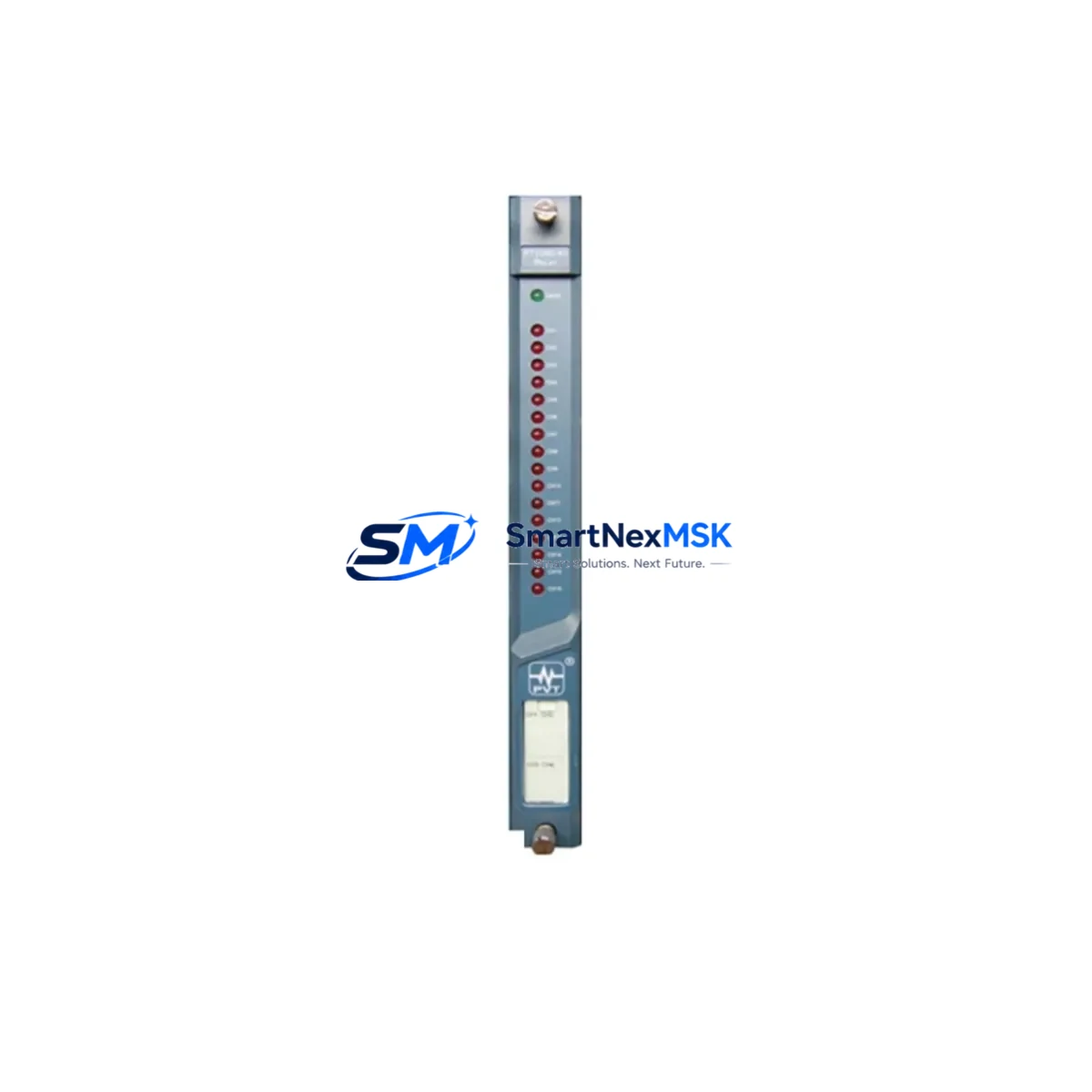
Provib Tech PT2060/53-A0-H Maintenance-Ready Spare PT2060: Spare Replacement & Industrial Downtime Risk Control
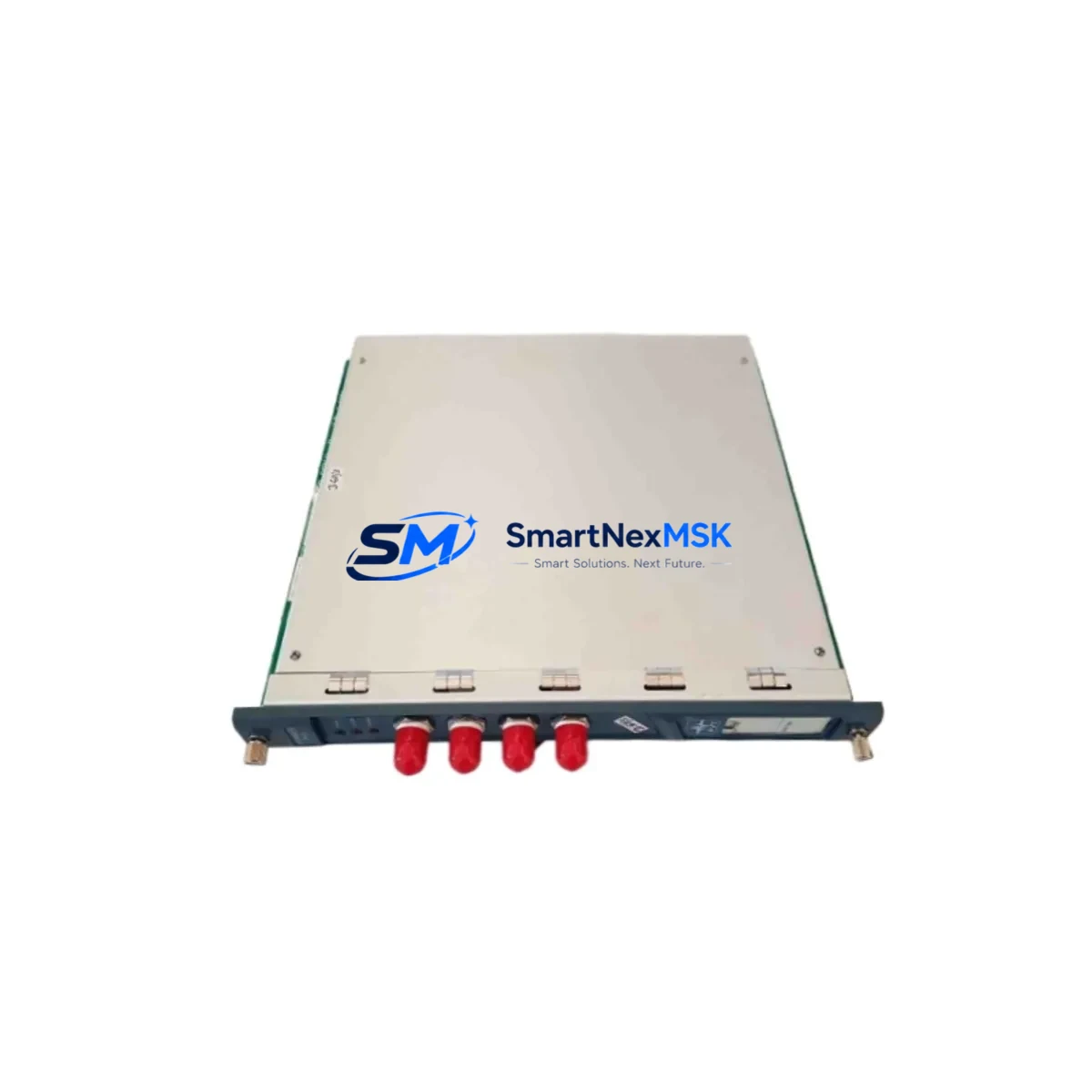
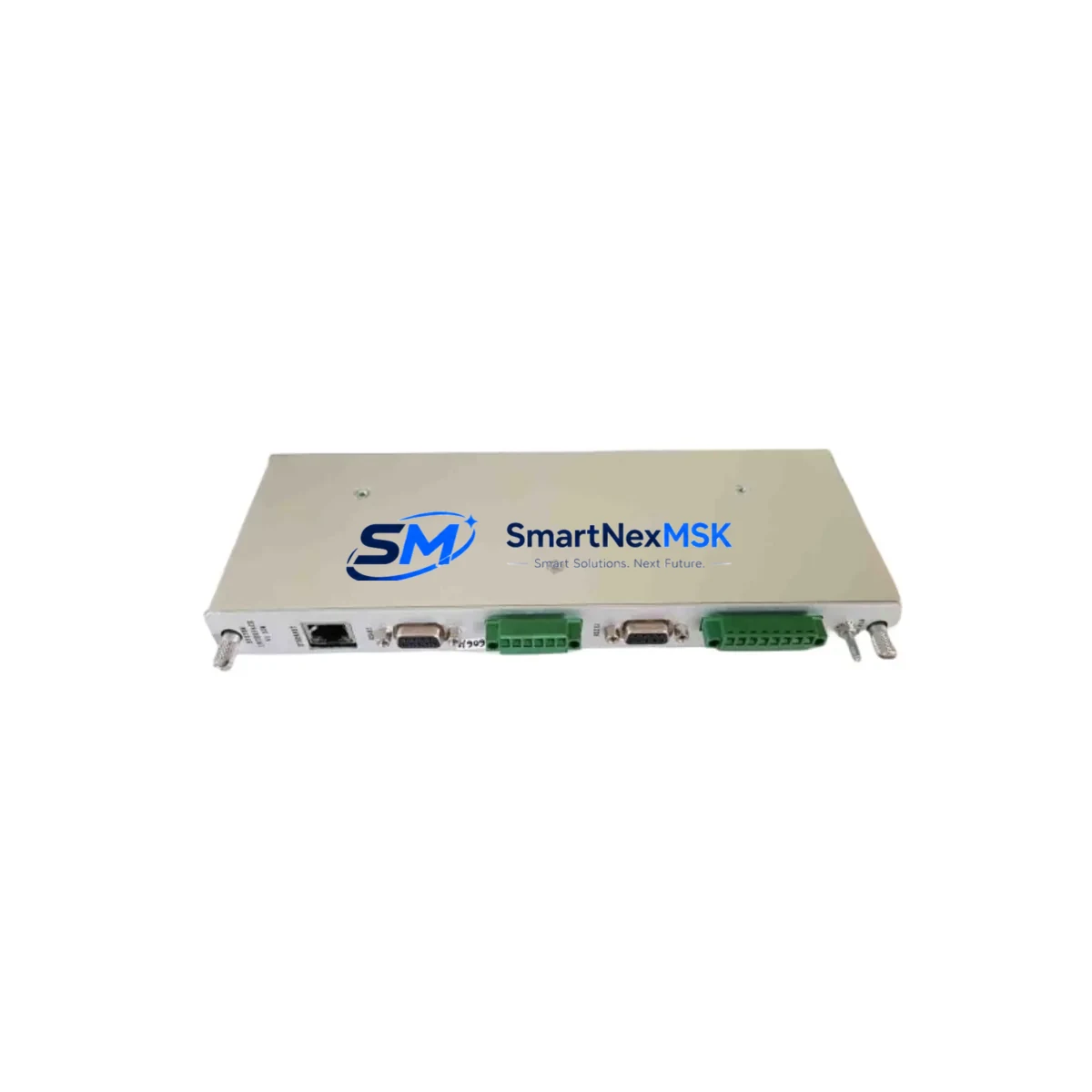
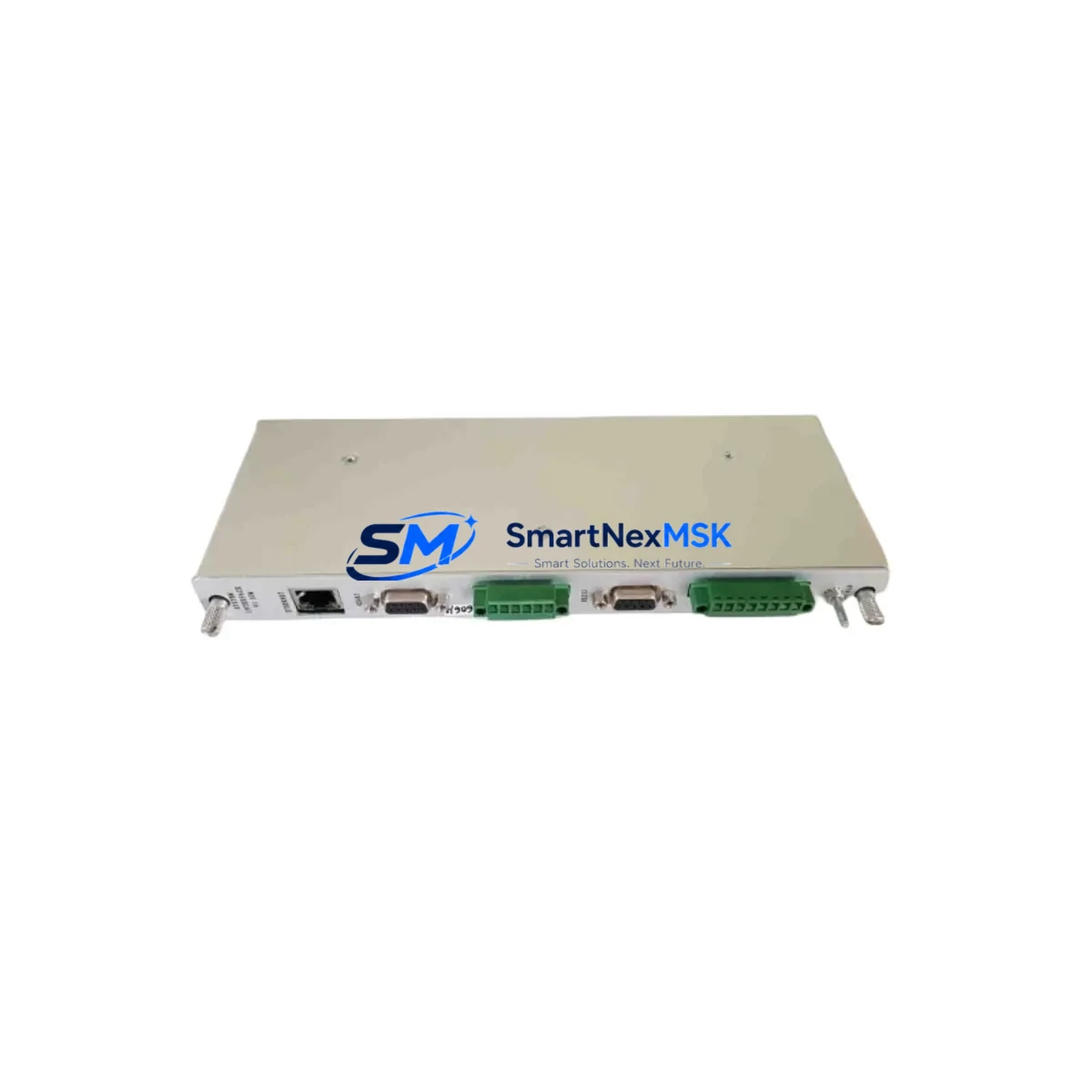
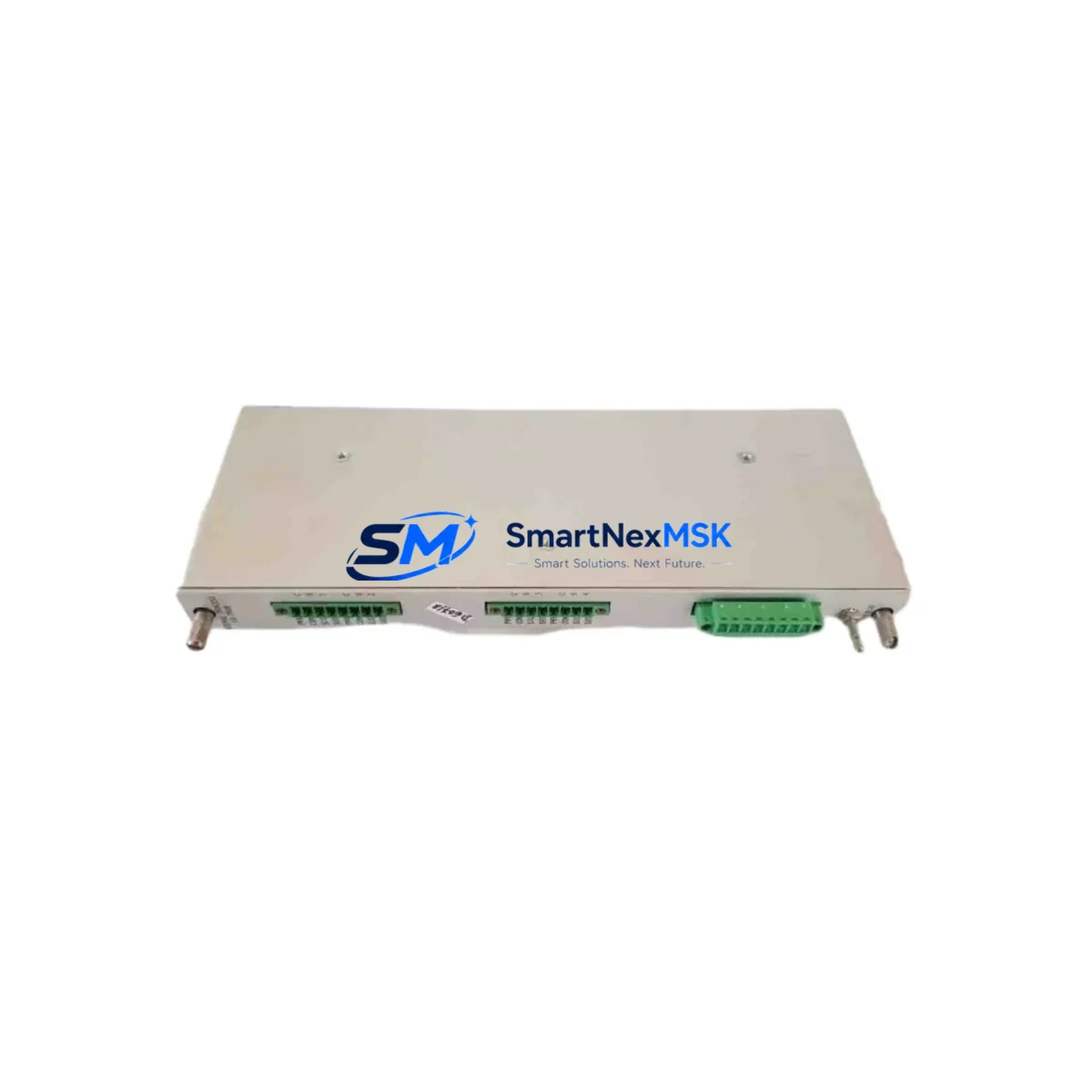
The Provib Tech PT2060/53-A0-H is an original relay output proximity and vibration monitoring module from the PT2060 Series, engineered for continuous-duty industrial environments where unplanned downtime carries significant operational and financial consequences. Designed for rotating machinery protection systems, turbine monitoring panels, and compressor control cabinets, this module delivers reliable signal conditioning and relay switching output for vibration transducer circuits. Sourced directly from authorized supply chains, every unit shipped by SMARTNEXMSK undergoes pre-shipment functional verification and is backed by a 12-month warranty.
For maintenance engineers managing aging automation infrastructure, the PT2060/53-A0-H represents a critical line-replaceable unit (LRU). Its compact DIN-rail form factor and standardized terminal assignments allow for rapid field swap-out without rewiring, minimizing mean time to repair (MTTR) in both planned and emergency maintenance scenarios. Procurement engineers will appreciate the long-term supply commitment: SMARTNEXMSK maintains buffer stock of PT2060 Series modules to support multi-year maintenance contracts and OEM-equivalent replacement programs.
Spare Maintenance Table
| Parameter | Specification / Value |
|---|---|
| Part Number / SKU | PT2060/53-A0-H |
| Brand | Provib Tech |
| Series | PT2060 |
| Product Type | Vibration Monitoring Module (Relay Output) |
| Output Type | Relay contact output (SPDT) |
| Input Compatibility | Eddy-current / proximity transducer signals (PT2060 Series) |
| Mounting | DIN-rail, 35 mm standard |
| Operating Temperature | -20°C to +70°C (industrial ambient) |
| Country of Origin | Germany (DE) |
| Weight | 800 g (packaged) |
| Application Environment | Turbine monitoring, compressor protection, rotating machinery control cabinets |
| Compatibility | Drop-in replacement for PT2060/53-A0-H; compatible with PT2060 Series monitoring racks |
| Maintenance Recommendation | Inspect relay contacts and terminal torque at each planned shutdown; replace every 5–8 years or upon relay chatter/output drift |
| Warranty | 12 Months — covers manufacturing defects and functional failure under normal operating conditions |
| Pre-Shipment Test | Functional output verification, relay actuation test, terminal continuity check |
Maintenance Planning for Continuous Operation
When scheduling a replacement of the PT2060/53-A0-H in a rotating machinery protection panel, experienced maintenance engineers treat this module as one node in a broader system health review. A thorough inspection should extend to the PT2060 Series power supply module feeding the monitoring rack — supply voltage drift or ripple is a leading cause of false relay trips and premature module failure. Simultaneously, verify the condition of the eddy-current proximity probe and extension cable (typically Bently Nevada-compatible or Provib Tech PT series), as cable insulation breakdown or connector corrosion will produce erratic vibration signals regardless of module condition.
Within the same control cabinet, check the terminal block assemblies (Phoenix Contact or equivalent) for loose connections, oxidation, and correct torque — vibration-intensive environments accelerate terminal fatigue. The relay output wiring feeding downstream PLC digital input cards or safety relay modules should be inspected for chafing and correct fusing; a blown 2A or 4A glass fuse in the relay output circuit is a common silent fault that masks module operation. If the PT2060/53-A0-H interfaces with a DCS analog input card or a PLC I/O module (such as a Siemens S7-300 SM321/SM331 or equivalent), confirm that the input card’s channel is reading correctly before condemning the vibration module.
For systems using signal isolators or signal conditioners between the vibration module and the control system, inspect the isolator for output offset or gain drift — these components age in parallel with the monitoring module and are frequently overlooked during fault isolation. Where HMI panels display vibration trend data, cross-reference the HMI historical trend against the raw relay output to distinguish a genuine vibration event from a signal chain fault. Finally, review the backplane or rack connector of the PT2060 monitoring rack for bent pins or contamination, particularly in environments with airborne particulates or condensation risk.
Site Replacement Workflow
Step 1 — Pre-replacement verification: Confirm the installed module SKU matches PT2060/53-A0-H. Cross-reference the relay output configuration (normally open / normally closed) and alarm setpoint settings documented in the site maintenance record. Photograph the terminal wiring before disconnection.
Step 2 — Safe isolation: De-energize the monitoring rack supply following site LOTO (Lockout/Tagout) procedures. For hot-swap capable racks, consult the PT2060 Series installation manual before attempting live replacement — not all relay output variants support hot-swap.
Step 3 — Module swap: Remove the faulty PT2060/53-A0-H by releasing the DIN-rail locking tab. Insert the replacement unit, ensuring the module seats fully into the rack connector. Reconnect terminals per the photographed reference, verifying correct torque (typically 0.5–0.6 Nm for 2.5 mm² terminals).
Step 4 — Functional test: Re-energize the rack and confirm the relay output status LED matches the expected state. Simulate a vibration alarm condition (or use the module’s test input if available) to verify relay actuation and downstream PLC/DCS response. Log the replacement in the site CMMS with the new module serial number and warranty start date.
Step 5 — System compatibility confirmation: Verify that the replacement module’s relay contact rating, alarm setpoint range, and output polarity are identical to the removed unit. Mismatched relay ratings or inverted output logic are the two most common compatibility errors during like-for-like spare replacements.
Spare Parts Support FAQ
Q1: What is the expected service life of the PT2060/53-A0-H, and when should it be proactively replaced?
Under normal continuous-duty industrial conditions, PT2060 Series relay output modules typically deliver 8–12 years of reliable service. Proactive replacement is recommended at the 5–7 year mark for critical machinery protection applications, or immediately upon observation of relay chatter, output signal drift, or intermittent alarm trips that cannot be attributed to the process or transducer.
Q2: How do I verify compatibility before installing the PT2060/53-A0-H as a replacement for an older or variant SKU?
Confirm that the replacement module matches the installed unit on four key parameters: relay output type (SPDT/DPDT), alarm setpoint range, supply voltage rating, and transducer input impedance. If replacing a legacy variant with a slightly different suffix, contact SMARTNEXMSK at [email protected] with the original nameplate data for cross-reference confirmation before installation.
Q3: What pre-shipment checks does SMARTNEXMSK perform on the PT2060/53-A0-H?
Every PT2060/53-A0-H unit undergoes a functional output verification test, relay actuation cycle test, and terminal continuity check prior to dispatch. Units are shipped in anti-static packaging with individual test records available on request. The 12-month warranty covers manufacturing defects and functional failure under normal operating conditions from the date of receipt.
Q4: Can SMARTNEXMSK support long-term or blanket purchase orders for PT2060 Series modules?
Yes. SMARTNEXMSK maintains dedicated buffer stock of PT2060 Series components to support multi-year maintenance contracts, annual shutdown kits, and OEM-equivalent spare parts programs. Contact our team to discuss volume pricing, reserved stock agreements, and consolidated shipment scheduling to reduce per-unit logistics costs.
© 2026 SMARTNEXMSK. All rights reserved.
Original Source: https://smartnexmsk.com
Contact: [email protected] | +86 18259474341