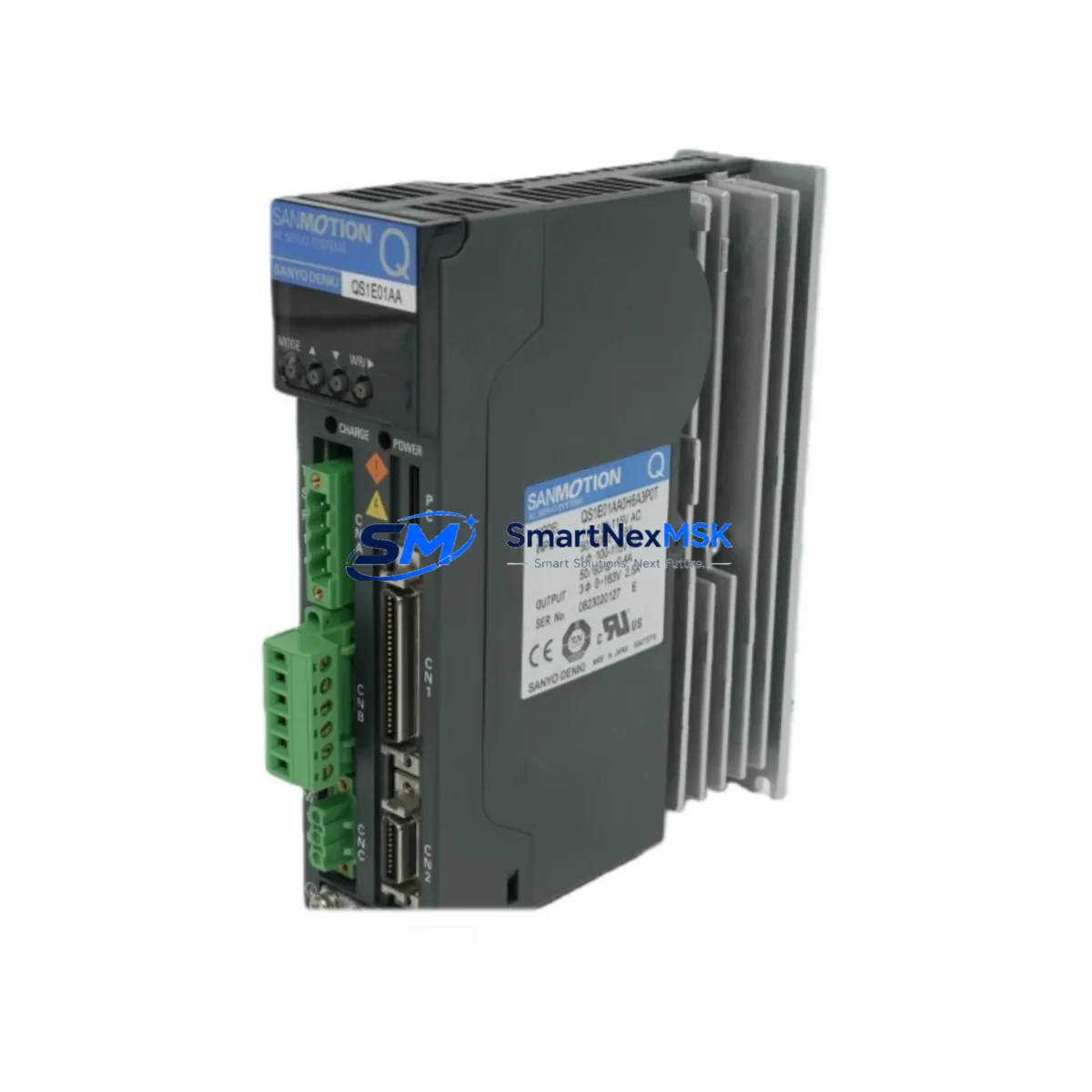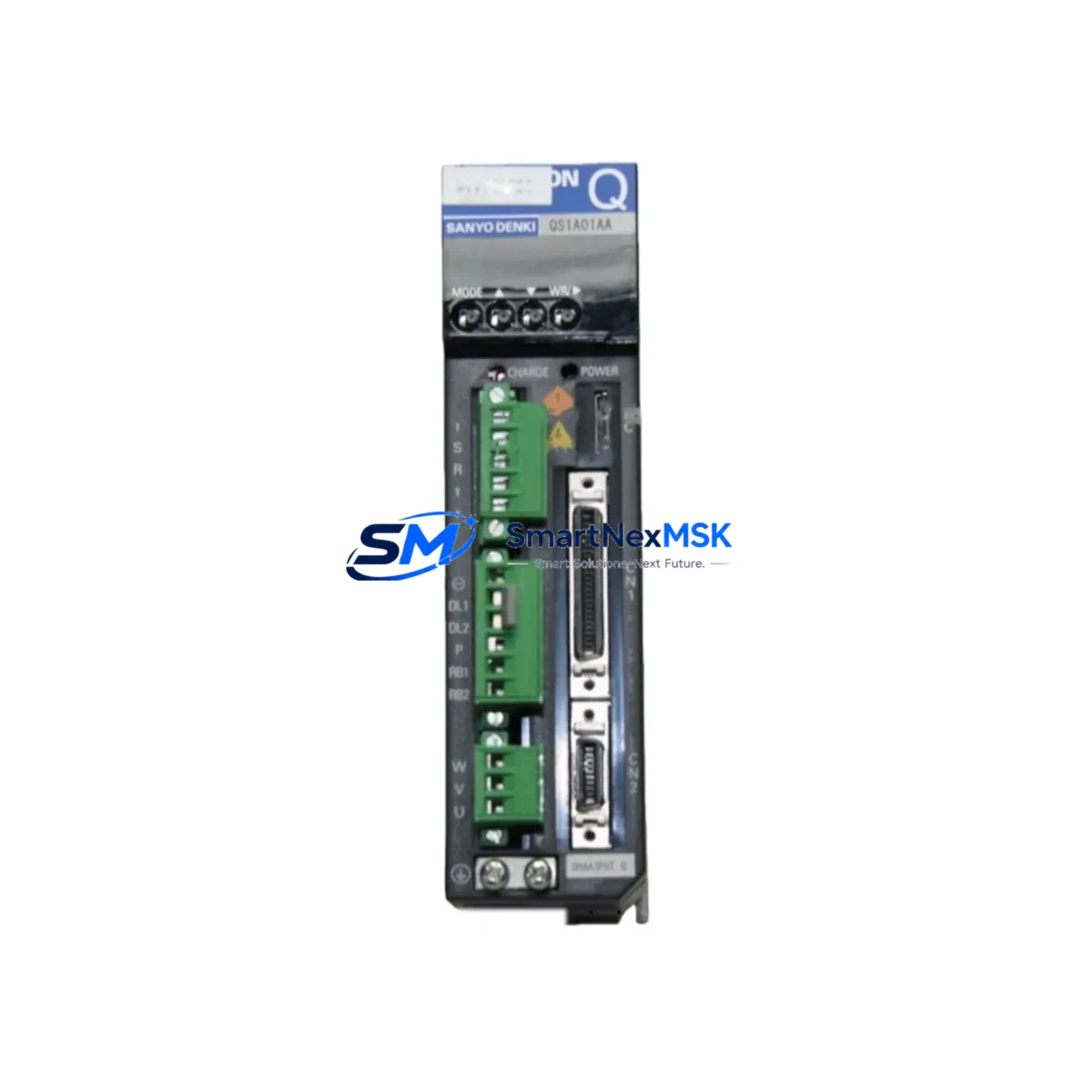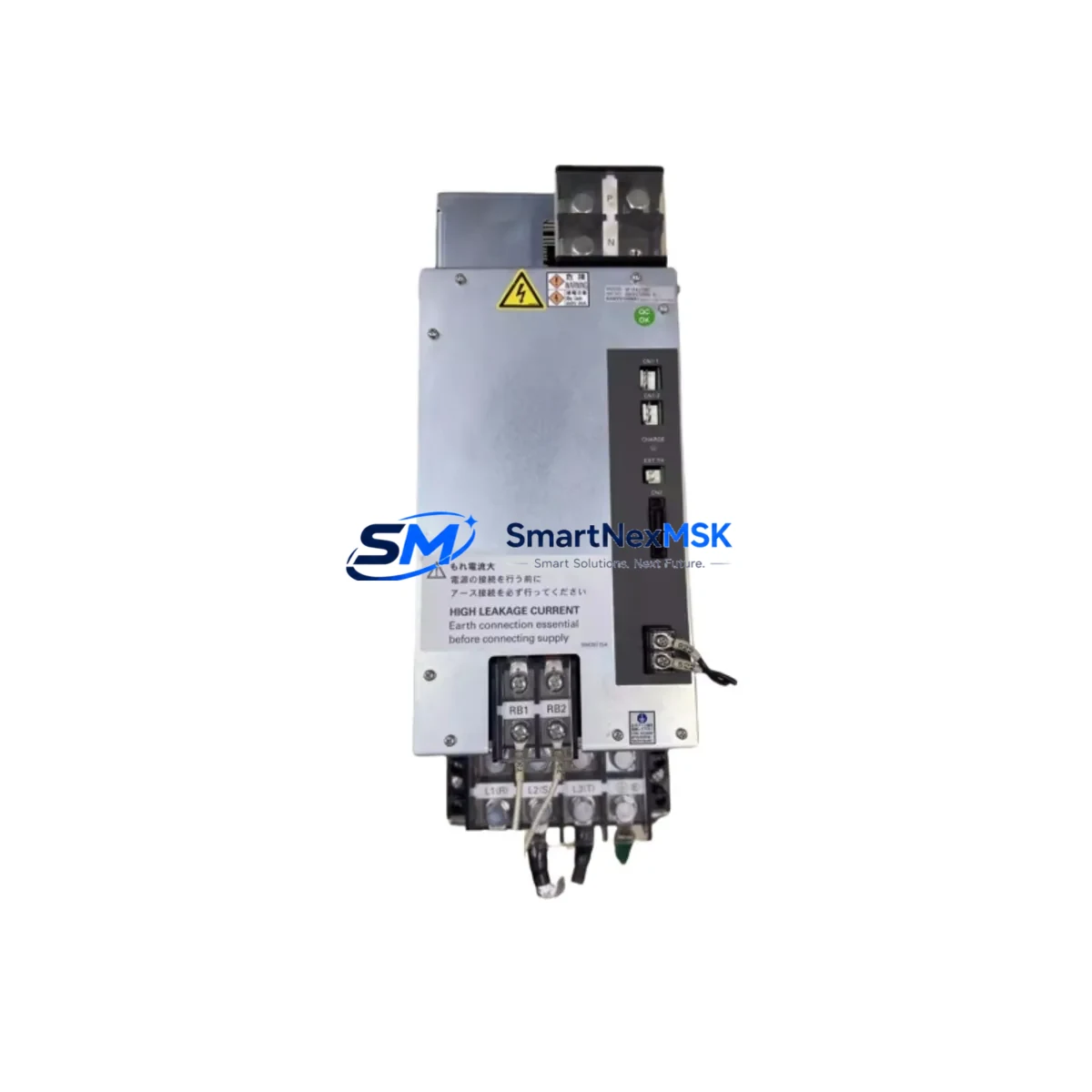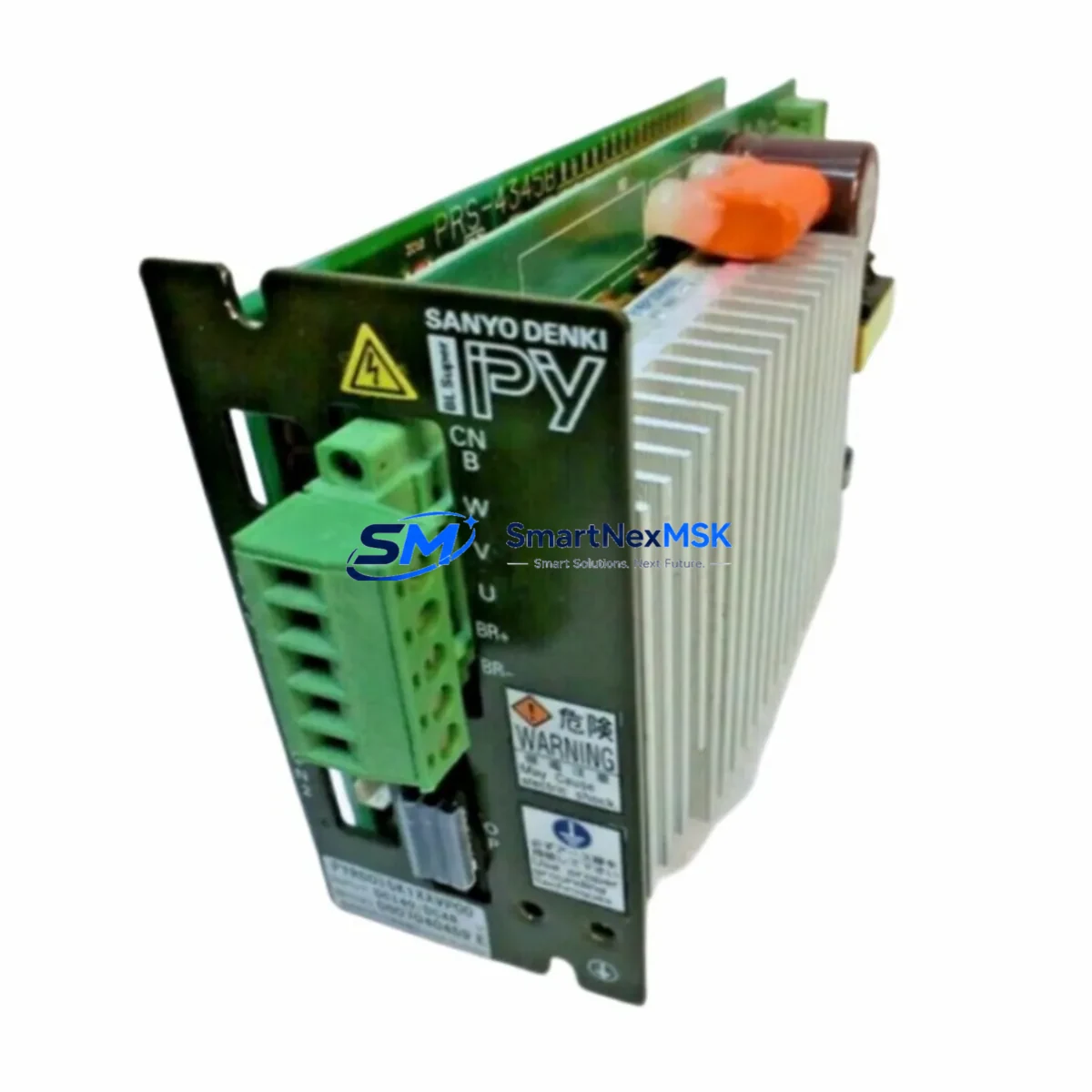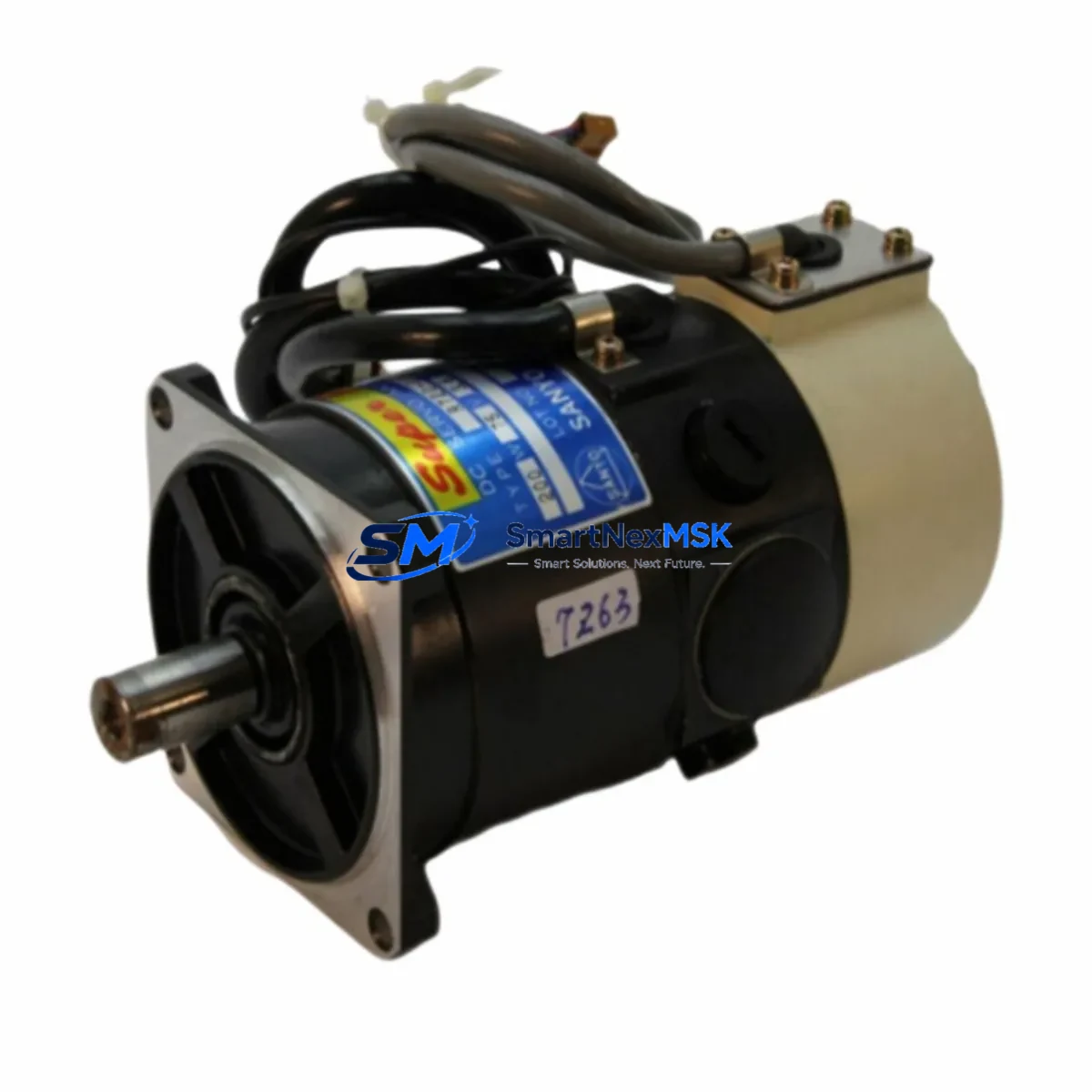
SANYO DENKI R720-012E18 E681000C30 Retrofit-Ready AC Servo Motor for R Series Control Systems
The SANYO DENKI R720-012E18 E681000C30 is a high-performance AC Servo Motor engineered for seamless integration into R Series servo control systems. As legacy automation lines reach end-of-life and OEM support for discontinued models becomes increasingly difficult to secure, this unit serves as a verified drop-in replacement for aging R Series servo axes — enabling plant engineers and system integrators to restore full motion control capability without redesigning the control cabinet or rewriting PLC logic.
Whether you are replacing a failed unit on an active production line, upgrading a servo axis as part of a broader control system modernization, or sourcing a long-lead spare for a critical machine, the R720-012E18 E681000C30 delivers the electrical and mechanical compatibility required for a controlled, low-risk retrofit. Each unit shipped by SMARTNEXMSK is subject to pre-shipment functional testing and is backed by a 12-month warranty covering manufacturing defects and operational failures under normal service conditions.
Upgrade Compatibility Table
| Parameter | Details |
|---|---|
| SKU / Part Number | R720-012E18 E681000C30 |
| Brand | SANYO DENKI |
| Series | R Series AC Servo Motor |
| Compatible Controllers | SANYO DENKI R Series Servo Drives (e.g. RS2A, RS2B series amplifiers) |
| Encoder Interface | Incremental / Serial encoder — verify encoder cable pinout against existing wiring diagram before installation |
| Power Supply Requirement | Confirm servo amplifier output voltage and current rating matches motor nameplate specifications |
| Mounting / Frame | Flange-mount; verify bolt pattern and shaft diameter against machine coupling before ordering |
| Communication Protocol | Analog ±10V / Pulse-direction — confirm amplifier command interface matches existing motion controller output |
| Replacement Recommendation | Direct drop-in for R720-012E18 E681000C30; cross-reference encoder resolution and brake option if applicable |
| Commissioning Notes | Re-enter servo gain parameters (Kp, Ki, Kd) from original amplifier backup; perform JOG test before returning axis to auto mode |
| Warranty | 12 Months — covers manufacturing defects and operational failure under normal service conditions |
Retrofit Planning for Existing Automation Systems
Successful integration of the R720-012E18 E681000C30 into an existing control system requires a structured pre-installation review. Before removing the failed motor, engineers should document the current servo amplifier parameter set — including position loop gain, velocity loop gain, acceleration/deceleration ramp times, and electronic gear ratio — using the amplifier’s front-panel keypad or PC configuration software. For systems running SANYO DENKI RS2A or RS2B series amplifiers, parameter backup can be performed via the RS-232C or USB configuration port before any hardware is disturbed.
On the mechanical side, confirm that the replacement motor’s shaft diameter, key slot dimensions, and flange bolt pattern match the existing coupling and mounting plate. If the original motor included a holding brake option (suffix code indicating brake variant), verify that the replacement unit carries the same brake specification — the brake power supply wiring and release logic in the PLC program must match. For systems where the servo axis interfaces with a Mitsubishi MELSEC Q Series or iQ-R Series PLC via high-speed pulse output or SSCNET III/H fiber optic network, the motion controller’s axis parameter table must be updated to reflect the new motor’s encoder resolution and inertia ratio before enabling the axis.
In multi-axis control cabinets, the retrofit often involves adjacent components. The servo amplifier’s regenerative resistor or regenerative braking unit should be inspected for capacity adequacy when replacing a motor with a different inertia load. The 24VDC control power supply — commonly a OMRON S8VS or similar DIN-rail unit — should be verified to have sufficient current headroom for the amplifier’s control circuit. If the system uses a DeviceNet or PROFIBUS-DP communication module for distributed I/O, confirm that the network scan list and node address assignments remain intact after the hardware swap. For systems with Keyence or Panasonic HMI touch panels, verify that the servo axis status tags and alarm display pages correctly map to the amplifier’s fault output signals after recommissioning.
Where the original control cabinet includes a terminal block wiring harness connecting the motor power leads (U, V, W) and encoder cable to the amplifier, use the original wiring diagram to confirm conductor color coding and shield grounding points. Improper shield termination on the encoder cable is a common source of position feedback noise that can cause servo hunting or E-stop faults during initial commissioning. For systems using Yaskawa Sigma-7 or Panasonic MINAS A6 amplifiers in adjacent axes on the same machine, ensure that the ground bus and EMC filter configuration in the control cabinet is not disturbed during the motor swap.
Downtime Control During System Migration
Minimizing unplanned downtime during a servo motor replacement requires preparation before the machine is taken offline. The recommended approach is to pre-stage the replacement R720-012E18 E681000C30 unit alongside a printed copy of the amplifier parameter list, the motor wiring diagram, and the encoder cable pinout. If the machine’s PLC program includes a servo axis homing routine, document the home position offset value stored in the controller’s non-volatile memory — this value must be re-entered after the motor is replaced and the axis is re-homed.
For production lines where the servo axis is part of a synchronized multi-axis motion sequence, coordinate the replacement window with the production scheduler to align with a planned maintenance shift. Use the PLC’s online monitoring function to verify that all other axes are in a safe stopped state before isolating power to the affected servo amplifier. After the motor swap, perform a manual JOG test at low speed to confirm correct rotation direction and encoder feedback polarity before enabling the automatic cycle. If the system uses a safety relay module or safety PLC (e.g. PILZ PNOZ or Siemens ET 200SP F-module) for axis-level safe torque off (STO), verify that the STO circuit is correctly re-engaged and tested before returning the machine to production. Keeping a pre-tested spare unit in local inventory — sourced from SMARTNEXMSK’s stocked supply — is the most effective strategy for reducing mean time to repair (MTTR) on critical servo axes.
Retrofit Support FAQ
Q1: Is the R720-012E18 E681000C30 a direct replacement for the original SANYO DENKI R Series motor on my machine?
A: In most R Series applications, yes. Confirm the encoder type (incremental vs. absolute), brake option, and shaft/flange dimensions against your machine’s BOM or the original motor nameplate before ordering. Our technical team can assist with cross-reference verification.
Q2: What commissioning steps are required after installing the replacement motor?
A: Restore the servo amplifier parameter backup to the amplifier, perform a manual JOG test to verify rotation direction and encoder feedback, re-execute the axis homing routine, and confirm that the servo ready signal is correctly received by the PLC before enabling the automatic cycle. For amplifiers without a saved parameter backup, contact us for default parameter guidance specific to your amplifier model.
Q3: How do I verify wiring compatibility before installation?
A: Compare the motor power connector pinout (U, V, W, PE) and encoder connector pinout against the existing cable harness using the amplifier’s wiring diagram. Pay particular attention to encoder shield grounding and brake wiring polarity. SMARTNEXMSK can provide wiring reference documentation upon request.
Q4: What does the 12-month warranty cover, and what is the return process?
A: The 12-month warranty covers manufacturing defects and operational failures under normal service conditions from the date of shipment. Units that fail within the warranty period should be returned with a fault description and the original order reference. SMARTNEXMSK will arrange inspection and replacement or repair at no charge for confirmed warranty cases. Contact [email protected] to initiate a warranty claim.
© 2026 SMARTNEXMSK. All rights reserved.
Original Source: https://smartnexmsk.com
Contact: [email protected] | +86 18259474341