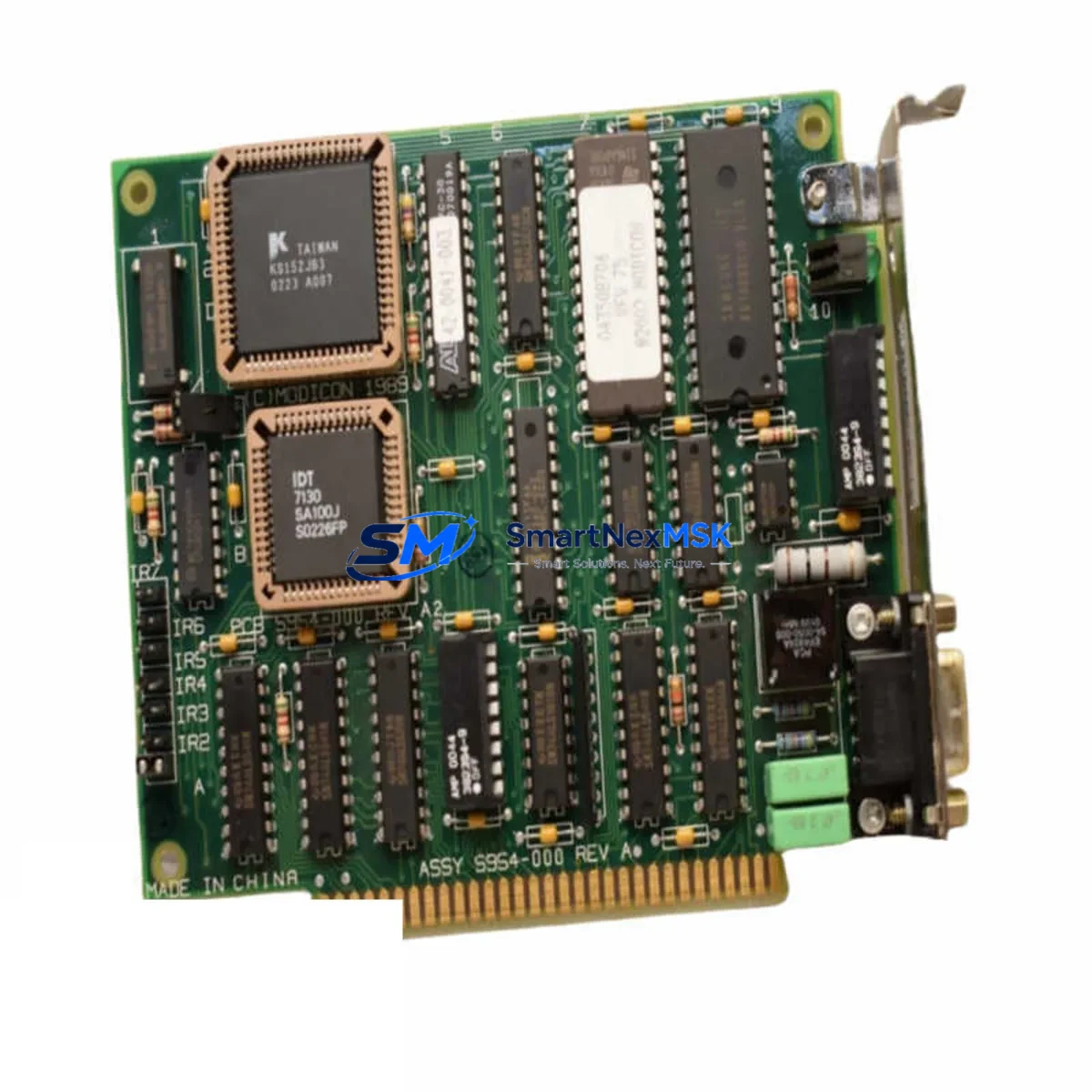
Schneider BCH2MM0813CA6C Spare for Lexium BCH2 Automation
The Schneider Electric BCH2MM0813CA6C is an original AC servo motor from the Lexium BCH2 series, engineered for high-precision motion control in industrial automation systems. With an 80mm frame, IP65 ingress protection rating, and a rated speed of 3000 RPM, this servo motor is a critical drive component in CNC machining centers, packaging lines, textile machinery, robotic arms, and general-purpose servo-driven axes. When this unit fails or reaches end-of-service life, unplanned downtime can cascade across the entire motion control loop — making a pre-qualified, tested spare essential for any maintenance-conscious facility.
Sourced directly from authorized supply channels, every BCH2MM0813CA6C unit shipped by SMARTNEXMSK undergoes pre-shipment electrical verification including insulation resistance check, encoder signal integrity test, and shaft runout inspection. Each unit is backed by a 12-month warranty and ships with full documentation support.
Spare Maintenance Table
| Parameter | Specification |
|---|---|
| Part Number / SKU | BCH2MM0813CA6C |
| Brand | Schneider Electric |
| Series | Lexium BCH2 |
| Product Type | AC Servo Motor |
| Frame Size | 80mm |
| Rated Speed | 3000 RPM |
| Ingress Protection | IP65 |
| Encoder Type | Incremental / Absolute (series-dependent) |
| Shaft Configuration | Keyed shaft with flange mount |
| Cooling Method | Natural convection (self-cooled) |
| Compatible Drive | Lexium LXM32 / LXM28 servo drives |
| Mounting Standard | IEC 60034 / EN 60034 |
| Origin | France |
| Application Environment | Industrial automation, CNC, packaging, robotics |
| Maintenance Interval | Per OEM schedule or condition-based |
| Warranty | 12 Months |
| Supply Condition | Original, new, pre-shipment tested |
Maintenance Planning for Continuous Operation
When a BCH2MM0813CA6C servo motor is flagged for replacement during a planned shutdown or emergency callout, experienced maintenance engineers know that the motor itself is rarely the only component requiring attention. A thorough inspection of the surrounding motion control circuit is essential to prevent repeat failures and ensure the axis returns to full specification.
Begin with the Lexium LXM32 or LXM28 servo drive paired to this motor — check DC bus voltage, regenerative braking resistor condition, and drive firmware version compatibility with the replacement motor’s encoder protocol. If the drive has accumulated fault history codes related to overcurrent or encoder loss, it may be approaching its own service threshold and should be added to the next procurement cycle.
Inspect the servo power cable and encoder feedback cable (typically BCH2 series motor cables with M23 or M17 connectors) for insulation damage, connector pin corrosion, and shield continuity. A degraded encoder cable is a common root cause of servo faults that are misdiagnosed as motor failures. Replacing the motor without addressing cable integrity will result in recurring alarms.
Review the 24VDC control power supply feeding the drive’s logic circuit and brake release circuit. Units such as the Schneider Electric ABL8 series or equivalent SITOP PSU power supplies should be load-tested to confirm output stability under full panel load. Voltage sag on the 24V rail is a known contributor to intermittent servo enable faults.
Check the motor holding brake circuit — the BCH2MM0813CA6C includes an integrated electromagnetic brake on certain variants. Verify brake release relay contact condition, coil resistance, and response time. A worn relay in the brake control circuit can cause axis drift or brake engagement faults even with a new motor installed.
For systems using Modbus RTU, CANopen, or EtherCAT communication between the motion controller and the Lexium drive, validate node addressing, baud rate settings, and cable termination resistors after motor replacement. Communication parameter mismatches post-replacement are a frequent source of commissioning delays.
Also inspect the terminal block wiring in the servo cabinet — particularly the U/V/W power terminals and PE ground connection. Loose or oxidized terminals at the drive output can cause phase imbalance, leading to premature motor winding failure. Torque all terminals to specification and apply anti-oxidation compound where appropriate.
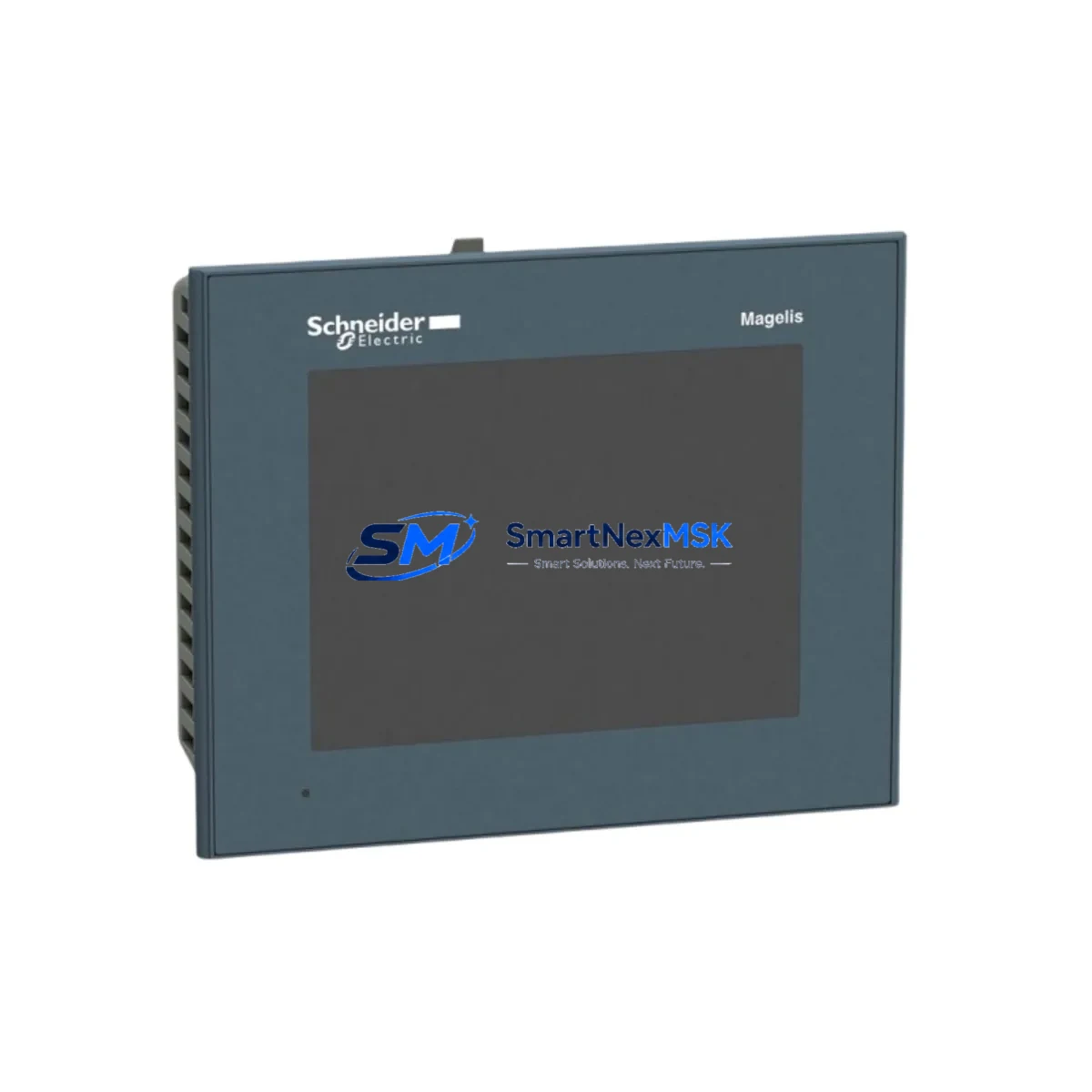
If the system includes a Magelis HMI or Vijeo Designer panel displaying axis status, verify that the axis parameter block (position scaling, speed limits, torque limits) is correctly configured for the replacement motor’s rated values. Parameter mismatches between the HMI recipe and the new motor’s nameplate data can cause nuisance trips during the first production run.
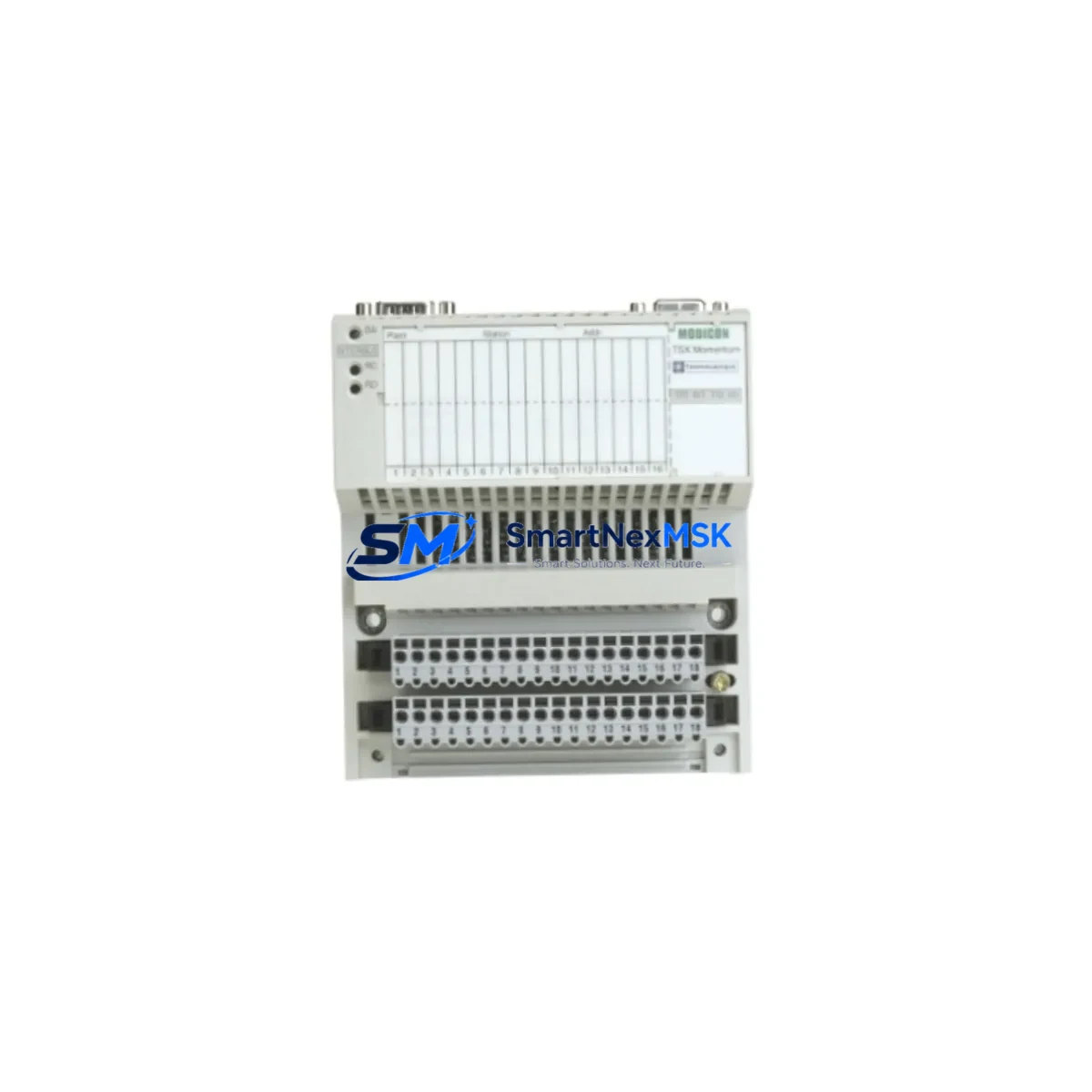
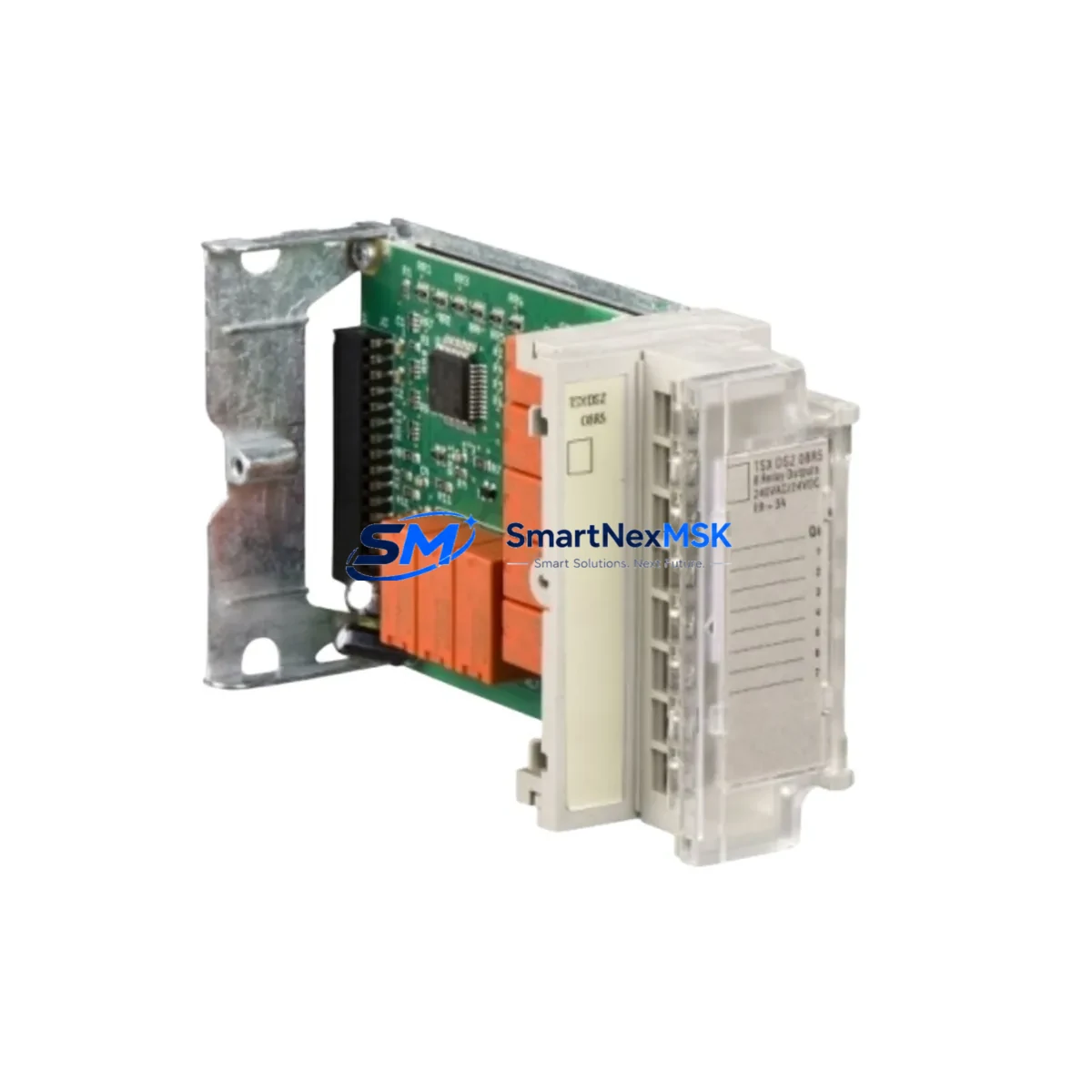
Finally, review the I/O module handling the servo ready, servo fault, and home position signals — typically a Modicon TM3 or TM2 digital I/O module. Confirm signal logic levels and response times are within specification, and that no latent wiring faults exist on the fault output circuit that could mask a genuine drive alarm.
Site Replacement Workflow
Step 1 — Isolation & Lockout: De-energize the servo drive and motor circuit following LOTO procedures. Discharge the DC bus capacitors (minimum 5 minutes after power-off) before opening the drive cabinet or disconnecting motor cables.
Step 2 — Documentation: Photograph existing cable routing, connector orientation, and terminal labeling before disconnection. Record the current drive parameter set using the Lexium drive keypad or SoMove commissioning software — this is critical for restoring axis behavior after motor swap.
Step 3 — Motor Removal: Disconnect the power cable (U/V/W/PE) and encoder feedback cable. Remove the motor mounting bolts and carefully extract the motor from the mechanical coupling or gearbox. Inspect the coupling insert for wear and replace if necessary.
Step 4 — Replacement Installation: Mount the BCH2MM0813CA6C replacement unit, torque mounting bolts to OEM specification, and reconnect all cables in reverse order. Verify encoder cable shield grounding at the drive end only (single-point grounding).
Step 5 — Parameter Restore & Commissioning: Restore the saved drive parameter set. Perform a motor auto-tune sequence if required by the drive firmware. Run the axis through a low-speed jog cycle before returning to full production speed. Confirm no fault codes are active and that position feedback is stable.
Step 6 — Documentation & Spare Replenishment: Update the maintenance log with the replacement date, unit serial number, and technician sign-off. Initiate a replenishment order for the next BCH2MM0813CA6C spare to maintain minimum stock levels and avoid future stockout risk.
Spare Parts Support FAQ
Q1: Is the BCH2MM0813CA6C still available as a new original part, or only as a refurbished unit?
All BCH2MM0813CA6C units supplied by SMARTNEXMSK are new, original Schneider Electric components sourced through authorized channels. We do not supply refurbished, remanufactured, or grey-market units. Each shipment includes a pre-shipment test report and is covered by a 12-month warranty from the date of delivery.
Q2: How do I confirm compatibility between the BCH2MM0813CA6C and my existing Lexium servo drive?
Compatibility is determined by the drive model, encoder protocol, and motor power rating. The BCH2MM0813CA6C is designed for use with Lexium LXM32 and LXM28 series drives. Before ordering, provide your drive model number and existing motor nameplate data to our technical team at [email protected] for a compatibility confirmation. We can also cross-reference against your existing SoMove project file if available.
Q3: What is the recommended spare holding quantity for a facility running multiple BCH2 servo axes?
For facilities operating 5 or more BCH2 servo axes on the same motor frame and power rating, we recommend maintaining a minimum of 1–2 units on-site as cold standby spares. For critical production lines where downtime cost exceeds USD 5,000/hour, a hot standby strategy with 2+ units is advisable. SMARTNEXMSK offers volume pricing and scheduled delivery programs to support strategic spare parts inventory planning.
Q4: What does the 12-month warranty cover, and what is the return process if a unit is found defective?
The 12-month warranty covers manufacturing defects, premature electrical failure under normal operating conditions, and encoder malfunction not caused by external mechanical damage or improper installation. If a defect is identified within the warranty period, contact [email protected] with the order reference, unit serial number, and a brief fault description. Our team will arrange return logistics and ship a replacement unit within the agreed lead time. Units showing evidence of overvoltage, incorrect wiring, or physical impact damage are assessed on a case-by-case basis.
© 2026 SMARTNEXMSK. All rights reserved.
Original Source: https://smartnexmsk.com
Contact: [email protected] | +86 18259474341