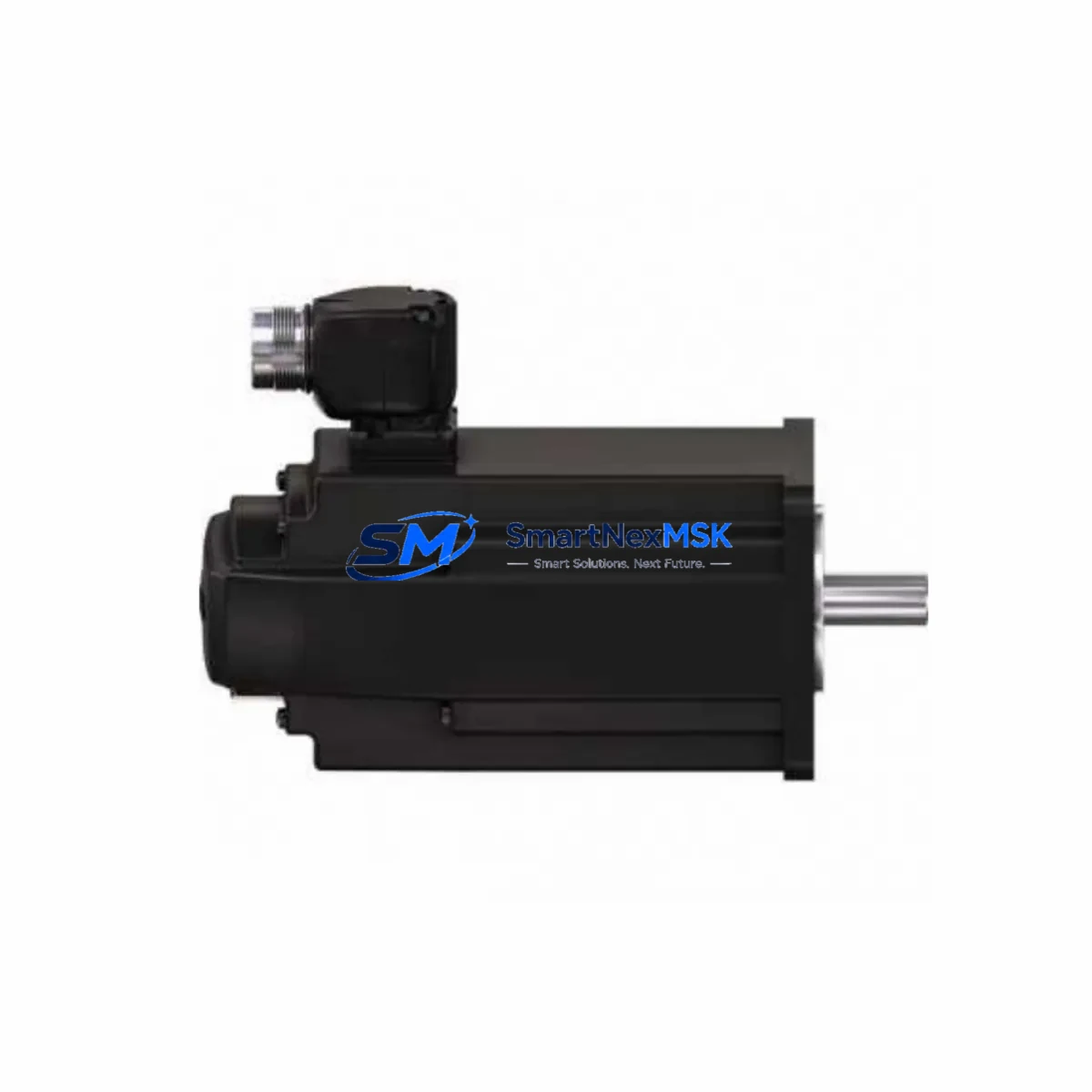
Schneider BMH1002P22A2A Maintenance-Ready Spare for Lexium Automation
The Schneider Electric BMH1002P22A2A is a Lexium BMH series AC servo motor rated at 1.0 kW, 3000 RPM, with IP65 ingress protection and a 23-bit absolute encoder. Designed for high-dynamic motion control in industrial automation systems, this motor is a direct original spare for Lexium 32 and Lexium 62 servo drive platforms. For maintenance engineers managing aging servo axes, unplanned motor failure is one of the highest-risk downtime events on the production floor. Stocking a verified BMH1002P22A2A spare eliminates the lead-time gap and enables same-day axis restoration.
Every unit shipped by SMARTNEXMSK undergoes pre-shipment electrical verification — encoder signal integrity, winding insulation resistance, and shaft runout — before dispatch. A 12-month warranty is included on all spare parts. Units are sourced from original manufacturer channels and stored in ESD-safe, climate-controlled conditions to preserve encoder and winding integrity.
Spare Maintenance Table
| Parameter | Specification |
|---|---|
| Part Number | BMH1002P22A2A |
| Brand | Schneider Electric |
| Series | Lexium BMH |
| Rated Power | 1.0 kW |
| Rated Speed | 3000 RPM |
| Encoder Type | 23-bit Absolute Multiturn |
| Protection Rating | IP65 |
| Shaft Type | Smooth shaft with keyway (P-type) |
| Brake | No brake (2-type) |
| Compatible Drives | Lexium 32A, Lexium 32M, Lexium 62 |
| Mounting | IEC flange, B5 face mount |
| Origin | France |
| Condition | New, Original OEM |
| Pre-shipment Test | Encoder signal, winding insulation, shaft runout |
| Warranty | 12 Months |
| Typical Application | CNC axes, packaging lines, conveyor drives, robotic joints |
| Maintenance Interval | Inspect encoder cable and connector every 6 months; replace bearing grease per OEM schedule |
Maintenance Planning for Continuous Operation
When a BMH1002P22A2A servo motor is flagged during routine inspection or fails in service, the replacement event should be treated as a full servo axis audit — not just a motor swap. Maintenance engineers should simultaneously inspect the paired Lexium 32A or Lexium 62 servo drive for fault history, DC bus voltage stability, and IGBT thermal performance. A degraded drive can destroy a new motor within hours if the root cause is not isolated first.
The encoder feedback cable (VW3M5101 or equivalent shielded SinCos/EnDat cable) must be inspected for jacket abrasion, connector pin corrosion, and shield continuity. Encoder cable faults are the leading cause of premature BMH motor replacement in high-cycle applications. Replace the cable as a standard item whenever the motor is changed.
Check the 24 VDC control power supply feeding the drive’s logic board — voltage sag below 22 V during motor start can trigger encoder communication faults and false overcurrent trips. A dedicated Phaseo ABL8 series power supply is recommended for Lexium drive control circuits. Inspect the motor power cable (VW3M5102 series) for insulation breakdown, particularly at cable entry glands and drag-chain exit points.
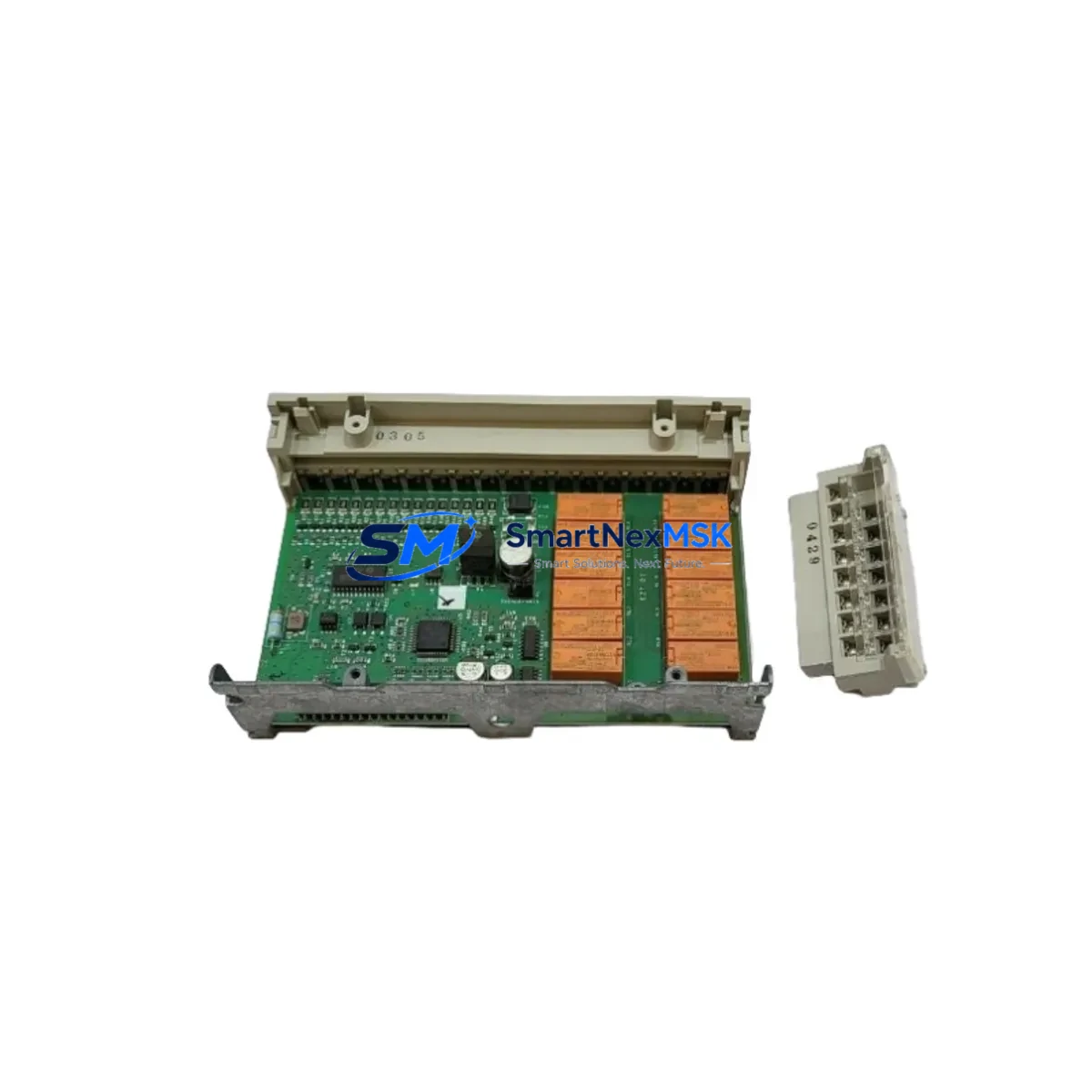
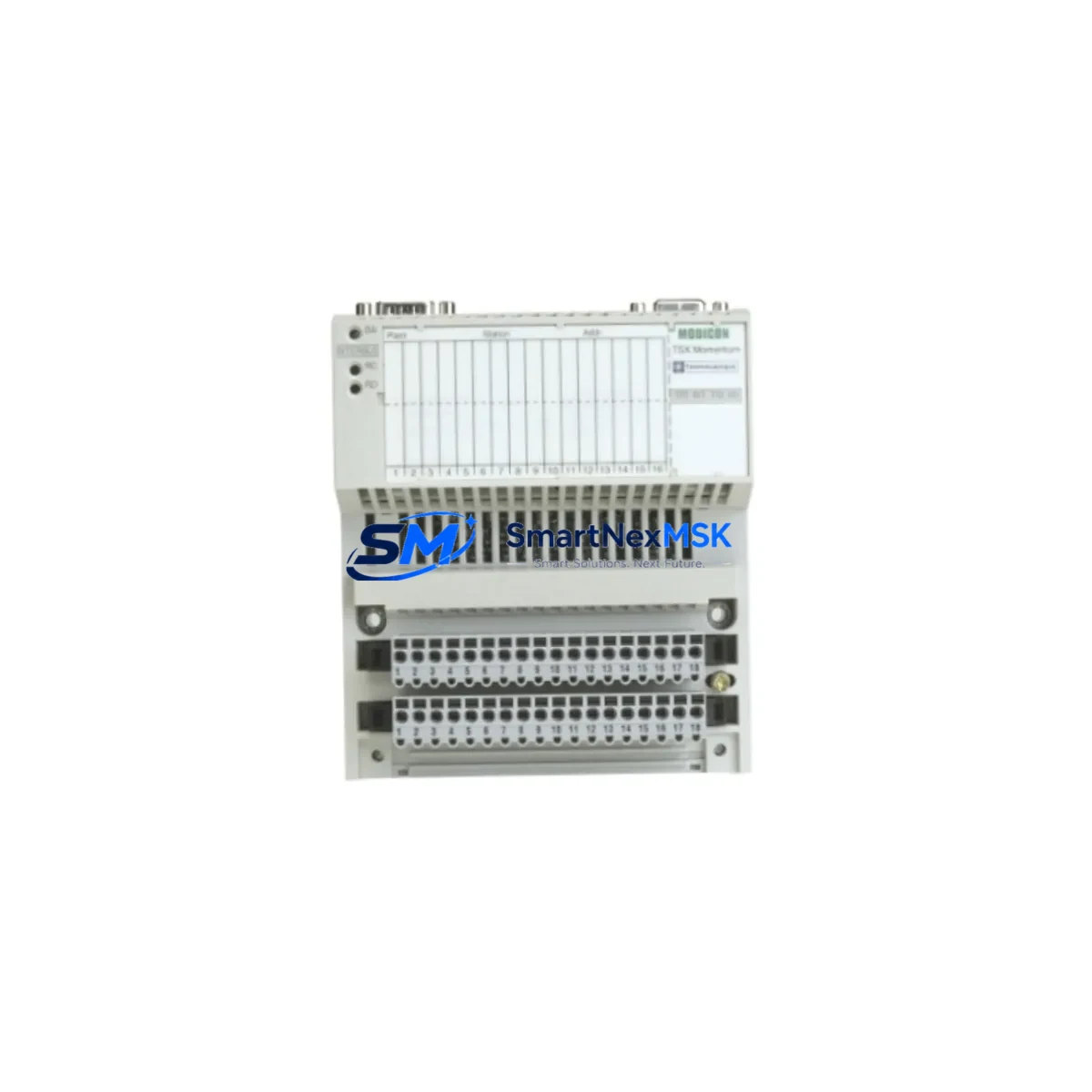
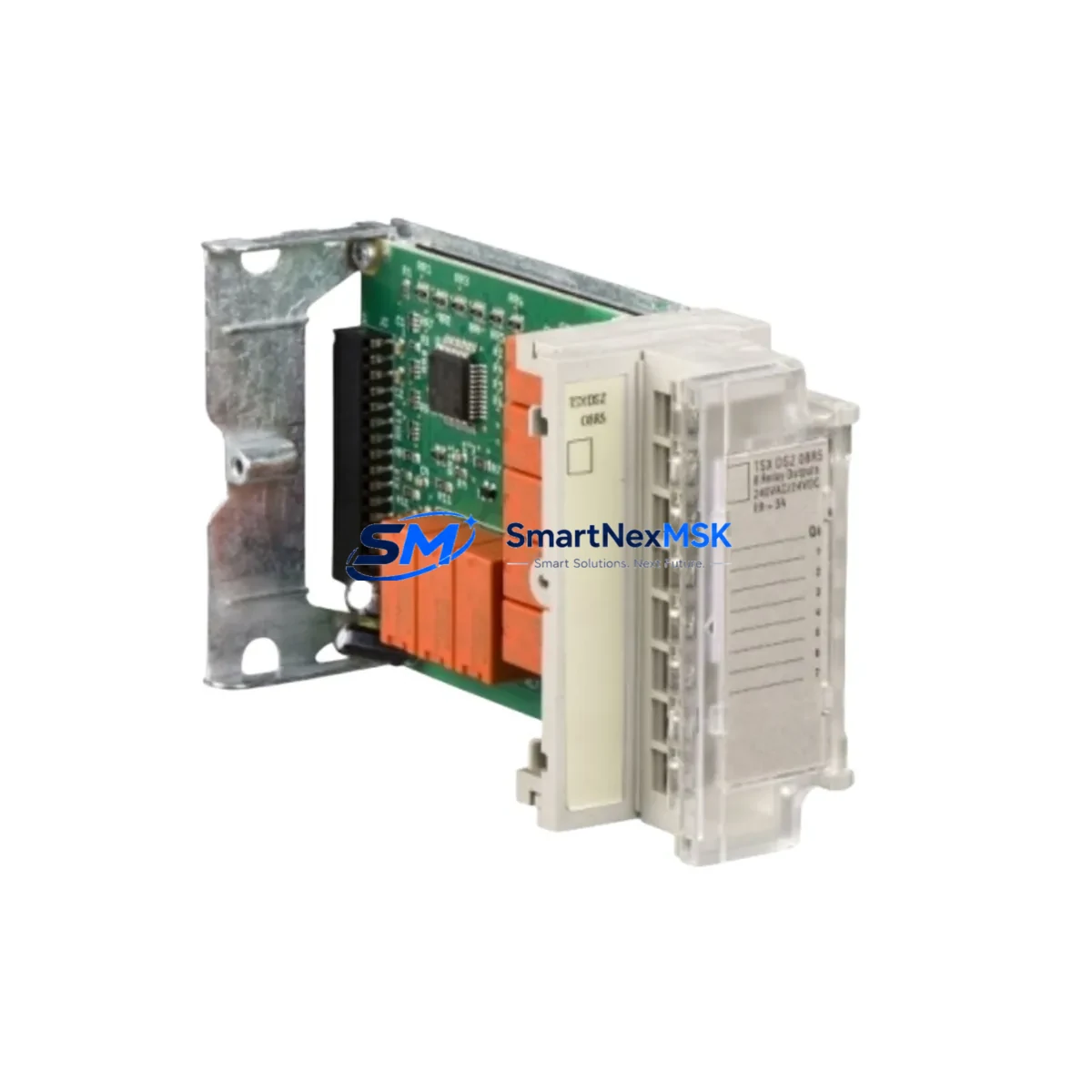
For control cabinet inspection, verify the terminal block wiring on the drive’s I/O connector — specifically the enable signal (DI0), fault reset (DI1), and speed/torque reference inputs. Loose terminals on these circuits cause intermittent axis faults that are difficult to reproduce during static testing. Inspect the 24 VDC relay outputs used for motor brake control and axis-ready signals; contact wear on these relays is a common source of nuisance faults in older installations.
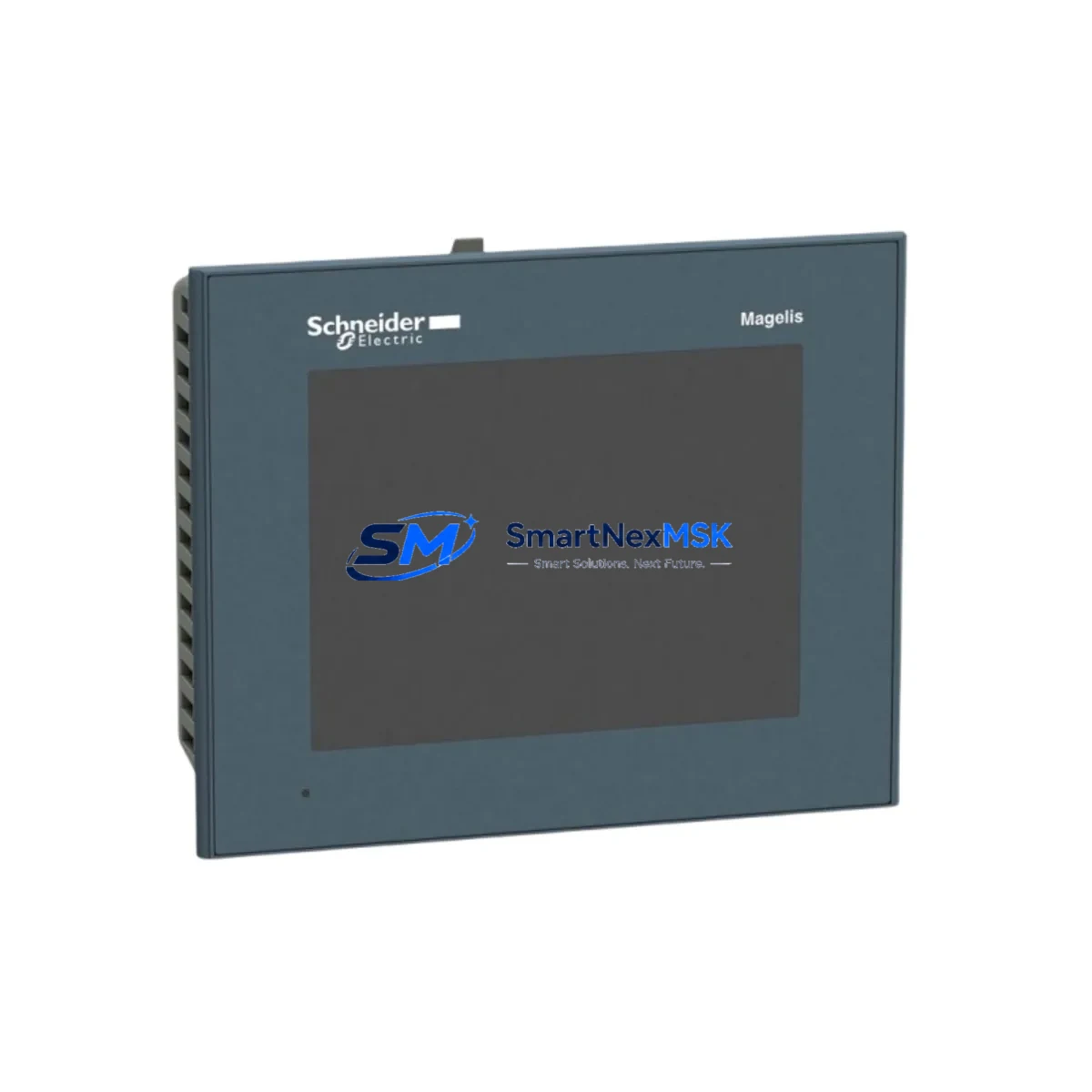
If the machine uses a Modicon M340 or M580 PLC for motion coordination, review the CANopen or EtherCAT node configuration after motor replacement to confirm the axis node address and encoder resolution parameters match the new motor’s encoder specification. A mismatch in encoder resolution between the old and new motor variant will cause position drift or following-error faults immediately after commissioning. Also verify the Magelis HMIGTO or XBTGT HMI displays correct axis status after the replacement — some HMI screens cache drive fault codes that must be manually cleared.
For installations with signal isolators or analog output modules providing speed reference to the drive, confirm the 0–10 V or ±10 V reference signal is within calibration. A drifted analog reference will cause the axis to run at incorrect speed even with a correctly installed motor. Finally, check the cabinet fusing — a slow-blow fuse rated for the motor’s peak current (typically 1.5× rated current for a 1.0 kW motor) should be installed on the motor power feed. Undersized fusing is a common finding during post-failure audits.
Site Replacement Workflow
Step 1 — Fault Isolation: Before removing the failed motor, retrieve the drive fault log via the Lexium 32 keypad or SoMove software. Record all fault codes, timestamps, and operating hours. This data is critical for root-cause analysis and warranty claims.
Step 2 — Safe Isolation: De-energize the servo drive at the main circuit breaker and wait for the DC bus to discharge below 50 V (verify with a calibrated multimeter). Lock out / tag out per site LOTO procedure. Disconnect the motor power cable and encoder cable, labeling each connector.
Step 3 — Motor Removal: Support the motor body before unbolting the flange. Note the shaft coupling alignment marks if a jaw coupling or bellows coupling is used. Remove the coupling half from the old motor shaft before installation on the new unit.
Step 4 — New Motor Installation: Verify the BMH1002P22A2A nameplate matches the ordered part number. Install the coupling half, align to the load shaft within OEM tolerance (typically <0.05 mm TIR), and torque flange bolts to specification. Reconnect encoder cable first, then motor power cable. Confirm shield grounding at both ends.
Step 5 — Drive Recommissioning: Power up the drive and perform an encoder auto-tuning sequence if required by the drive firmware. Clear all stored fault codes. Run the axis through a slow jog cycle before returning to production speed. Monitor drive current and motor temperature for the first 30 minutes of operation.
Step 6 — Documentation: Update the maintenance log with the replacement date, new motor serial number, and post-installation test results. Schedule the next encoder cable inspection at 6 months.
Spare Parts Support FAQ
Q1: Is the BMH1002P22A2A compatible with both Lexium 32 and Lexium 62 drives?
Yes. The BMH1002P22A2A is compatible with Lexium 32A, Lexium 32M, and Lexium 62 servo drives when configured with the correct motor file in SoMove or Machine Expert. Confirm the encoder type (23-bit absolute multiturn) matches the drive’s feedback configuration before commissioning.
Q2: What is the recommended spare parts strategy for a multi-axis Lexium system?
For systems with 4 or more Lexium axes, we recommend stocking at least one BMH motor spare per motor frame size in use, one spare Lexium drive module, and a full set of encoder and power cables. This covers the most common single-point failures and reduces mean time to repair (MTTR) to under 2 hours for most axis faults.
Q3: How is the unit tested before shipment?
Every BMH1002P22A2A unit undergoes pre-shipment inspection including encoder signal verification, winding insulation resistance test (500 VDC megger), and shaft runout measurement. A test report is available on request. Units are packed in original or equivalent ESD-safe packaging with desiccant.
Q4: What does the 12-month warranty cover?
The 12-month warranty covers manufacturing defects, encoder failure, and winding faults under normal operating conditions. It does not cover damage from incorrect installation, overvoltage, or mechanical overload. Warranty claims are processed within 5 business days of receiving the returned unit with a completed fault report.
© 2026 SMARTNEXMSK. All rights reserved.
Original Source: https://smartnexmsk.com
Contact: [email protected] | +86 18259474341