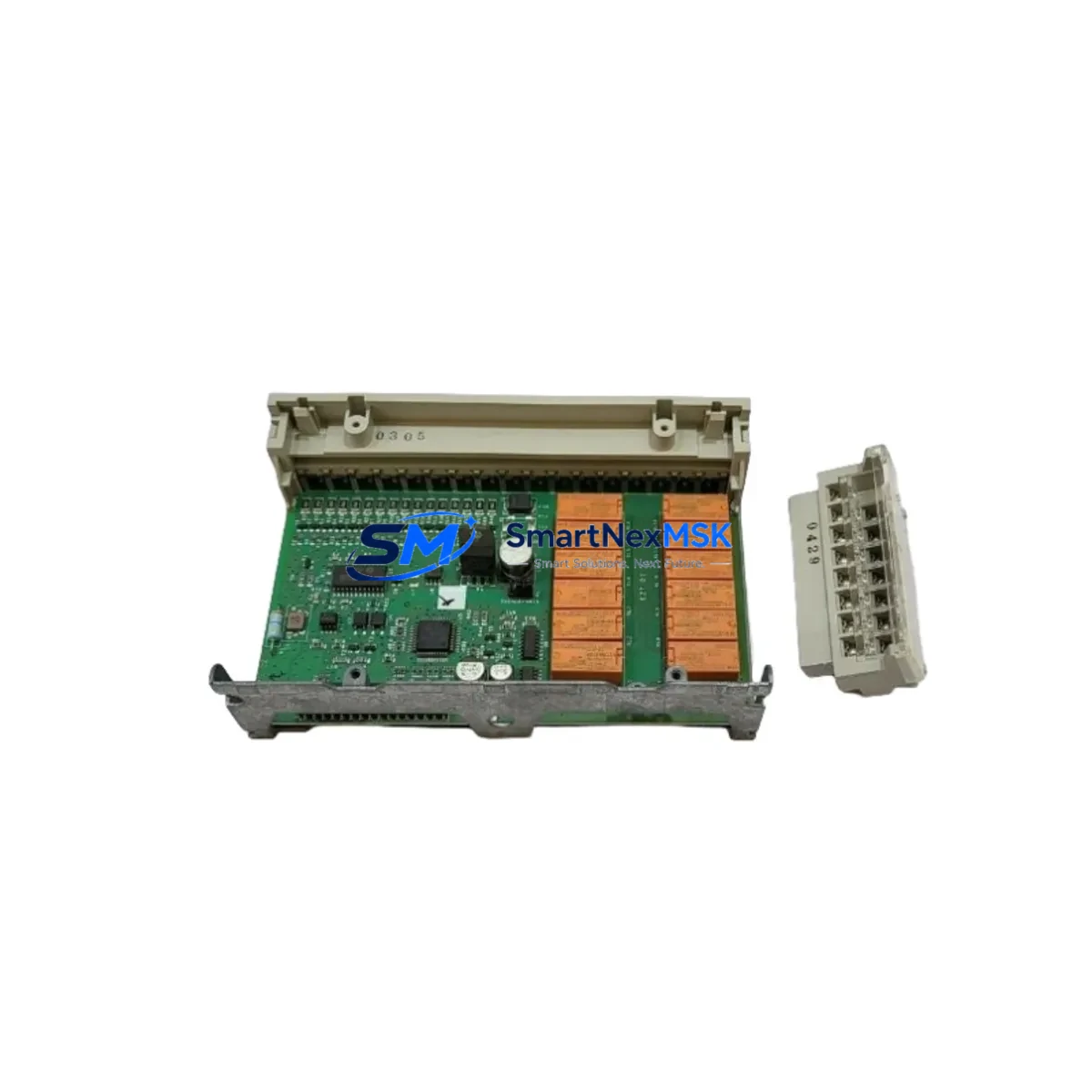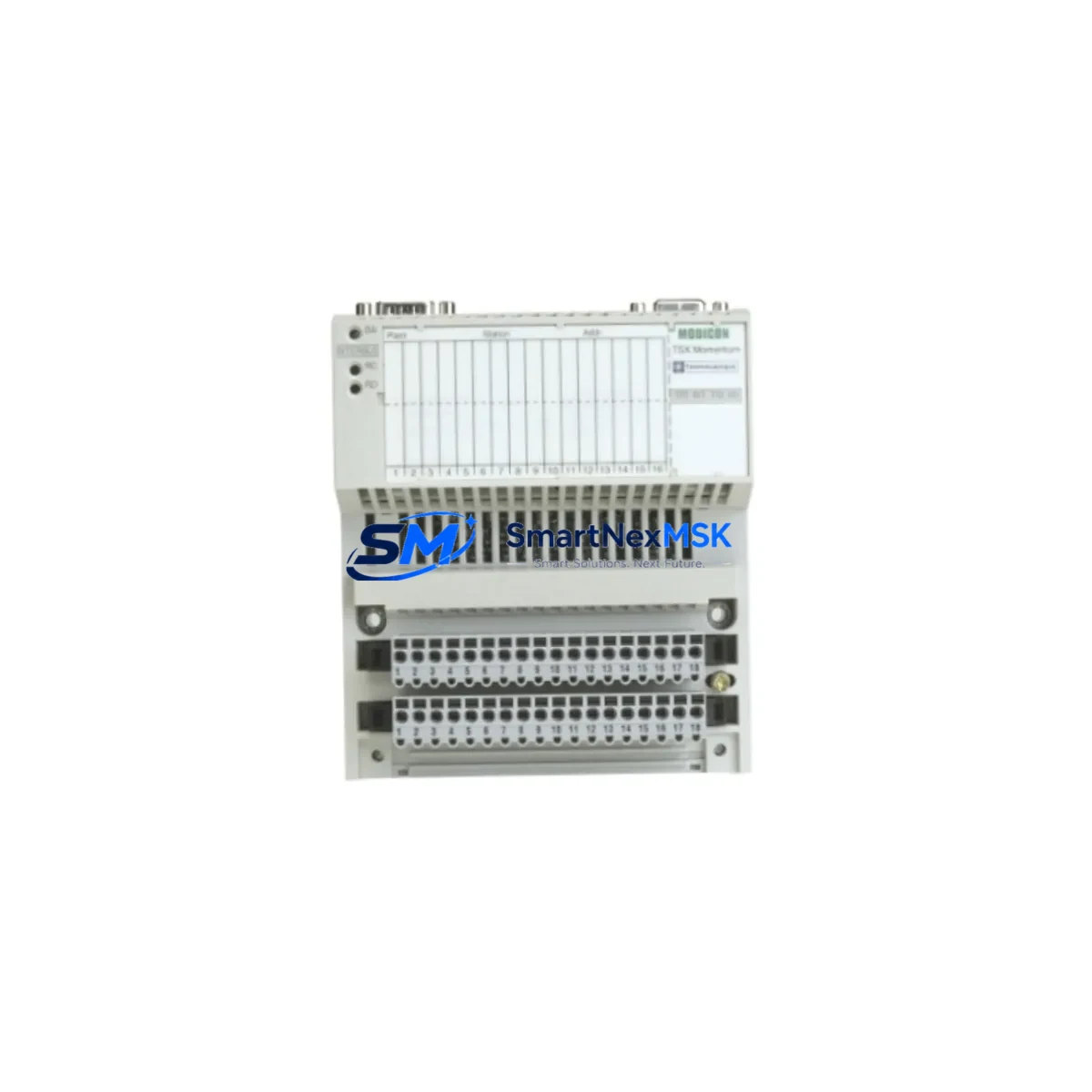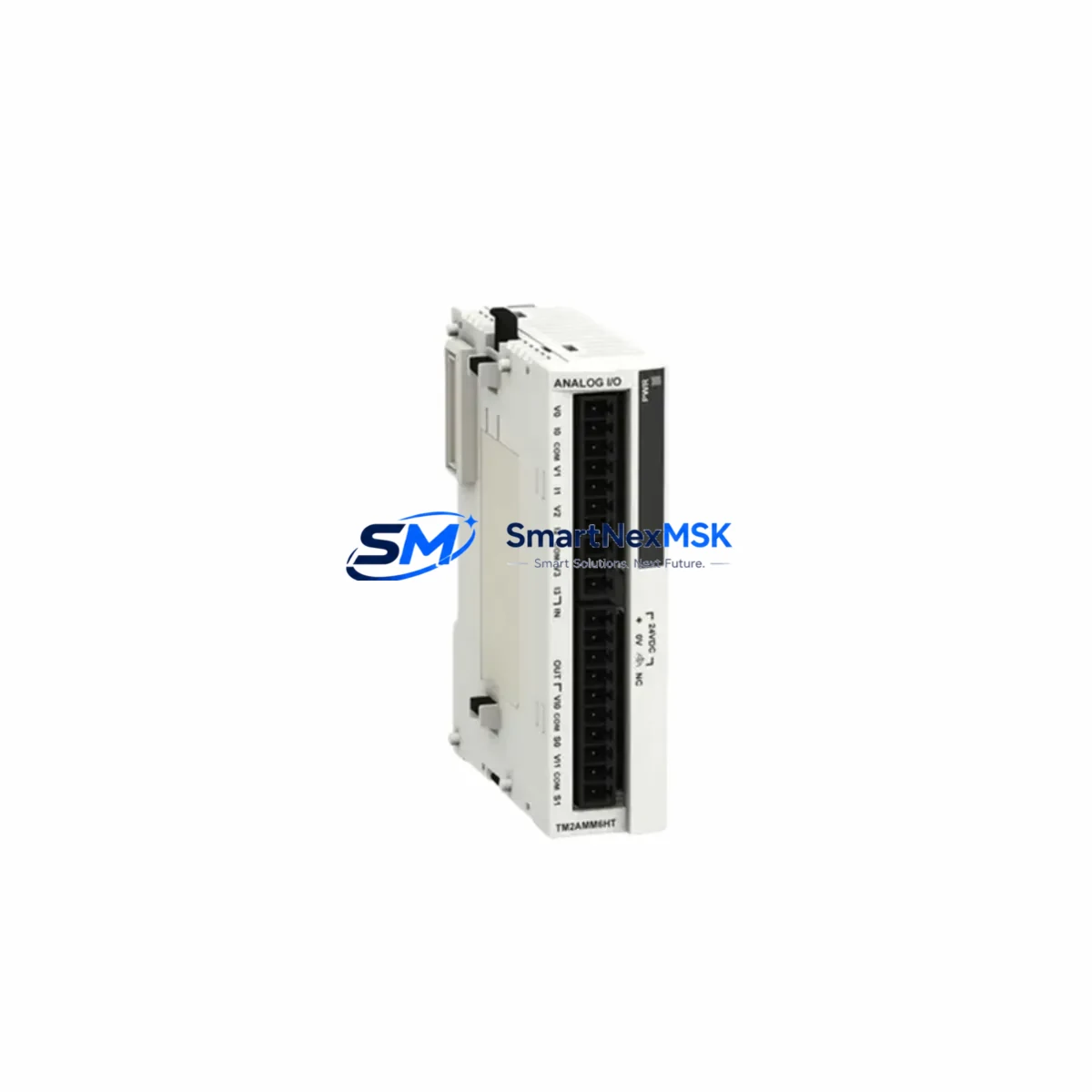
Schneider Electric TWDAVO2HT Spare for Twido Automation: Rapid Replacement & Downtime Control
The Schneider Electric TWDAVO2HT is a 2-channel analog output module designed for the Twido compact PLC platform. In industrial maintenance environments — from packaging lines and HVAC control panels to water treatment and discrete manufacturing — this module is a critical signal-conditioning component responsible for driving analog actuators, variable-speed drives, and process control loops. When the TWDAVO2HT fails or degrades, the downstream impact is immediate: loss of analog control, process deviation, and unplanned downtime. Sourcing a verified, original spare is the fastest path to system recovery.
At SMARTNEXMSK, every TWDAVO2HT unit is sourced from authorized supply chains, individually inspected, and shipped with a 12-month warranty. We maintain buffer stock to support both emergency replacement orders and planned maintenance procurement cycles.
Spare Maintenance Table
| Parameter | Specification |
|---|---|
| SKU / Part Number | TWDAVO2HT |
| Brand | Schneider Electric |
| Series | Twido Compact PLC |
| Module Type | Analog Output Module |
| Number of Channels | 2 Channels |
| Output Signal Type | Voltage / Current (configurable per channel) |
| Output Range | 0–10 V / 0–20 mA / 4–20 mA |
| Resolution | 12-bit |
| Supply Voltage | 24 VDC (via Twido base unit) |
| Compatibility | Twido TWDLCA•40DRF, TWDLMDA20DRT, TWDLMDA40DUK and compatible Twido bases |
| Mounting | DIN rail, right-side expansion on Twido base |
| Operating Temperature | 0°C to +55°C |
| Protection Rating | IP20 |
| Origin | France |
| Warranty | 12 Months — Tested Before Shipment |
| Maintenance Recommendation | Replace every 5–8 years or upon signal drift / output fault alarm |
Maintenance Planning for Continuous Operation
When a maintenance or procurement engineer identifies a fault on the TWDAVO2HT analog output module, the replacement workflow should extend beyond the module itself. A thorough control cabinet inspection at the time of replacement significantly reduces the risk of repeat failures and secondary faults.
Begin by verifying the 24 VDC power supply rail feeding the Twido base unit — a degraded power supply such as the TWDPWR24VDC or equivalent Twido-compatible PSU can cause erratic analog output behavior that mimics module failure. Check supply voltage under load before condemning the output module.
Inspect the Twido base unit (e.g., TWDLMDA20DRT or TWDLCA•40DRF) for backplane connector wear, corrosion on the expansion bus, and firmware version compatibility with the replacement TWDAVO2HT. Mismatched firmware revisions between the base and expansion modules are a known source of initialization faults in aging Twido systems.
Review the analog input modules in the same cabinet — particularly the TWDAMI2HT (2-channel analog input) or TWDAMI4HT (4-channel analog input) — as these often share the same signal conditioning environment. If the output module has failed due to electrical noise or ground loop issues, the input modules may be similarly stressed.
Check the terminal blocks and field wiring connected to the TWDAVO2HT output channels. Loose Weidmüller or Phoenix Contact terminal connections, corroded wire ferrules, or undersized cable cross-sections are common root causes of analog signal instability. Re-torque all terminals and verify cable shielding continuity to the cabinet ground bar.
If the Twido system communicates via CANopen or Modbus RTU, inspect the TWDNCO1M CANopen communication module or the RS-485 communication wiring for termination resistor integrity and bus loading. Communication faults can mask or trigger analog output errors in multi-drop configurations.
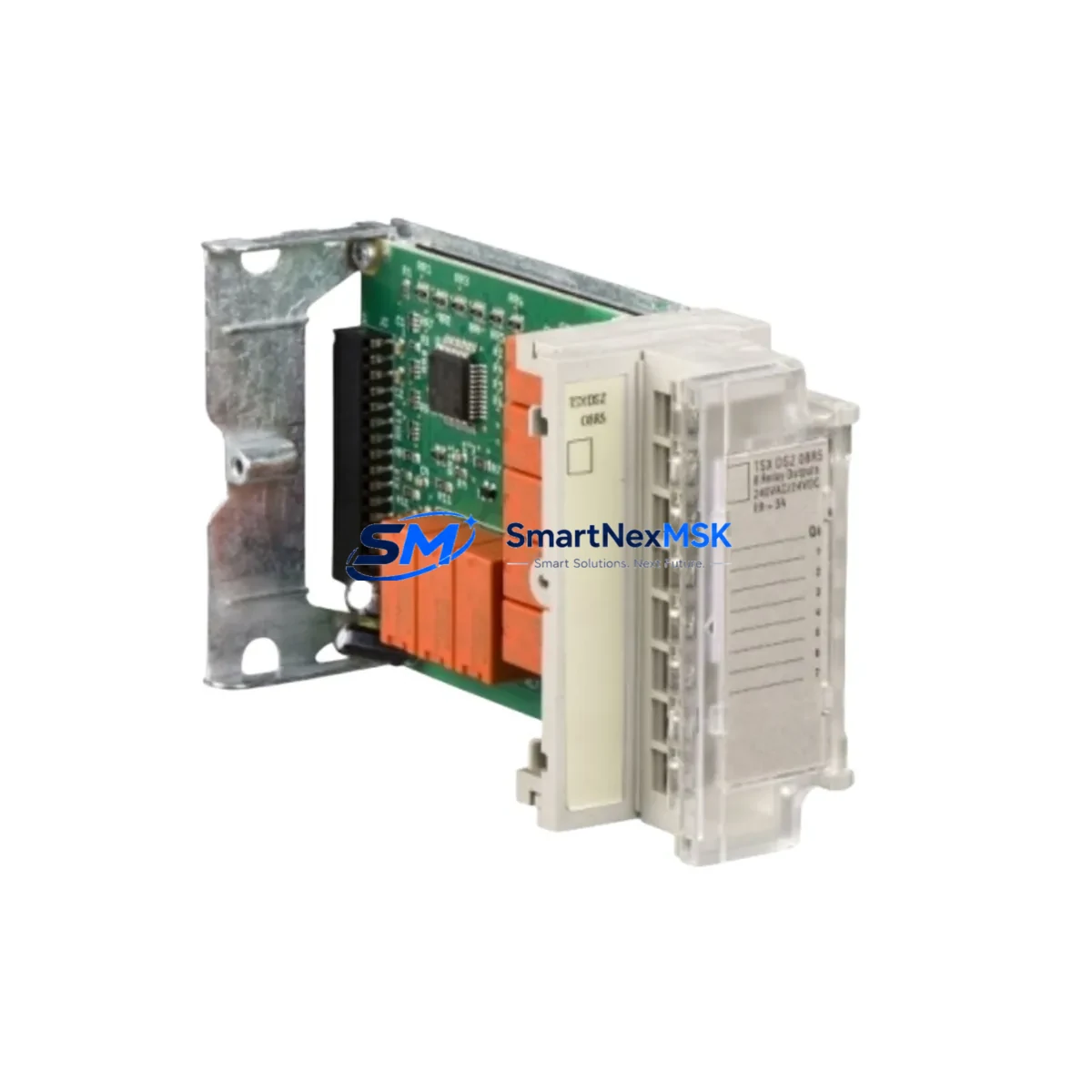
For systems with relay output modules such as the TWDDRA8RT in the same cabinet, verify that inductive load switching is properly suppressed with RC snubbers or flyback diodes — unfiltered switching transients are a leading cause of premature analog module degradation.
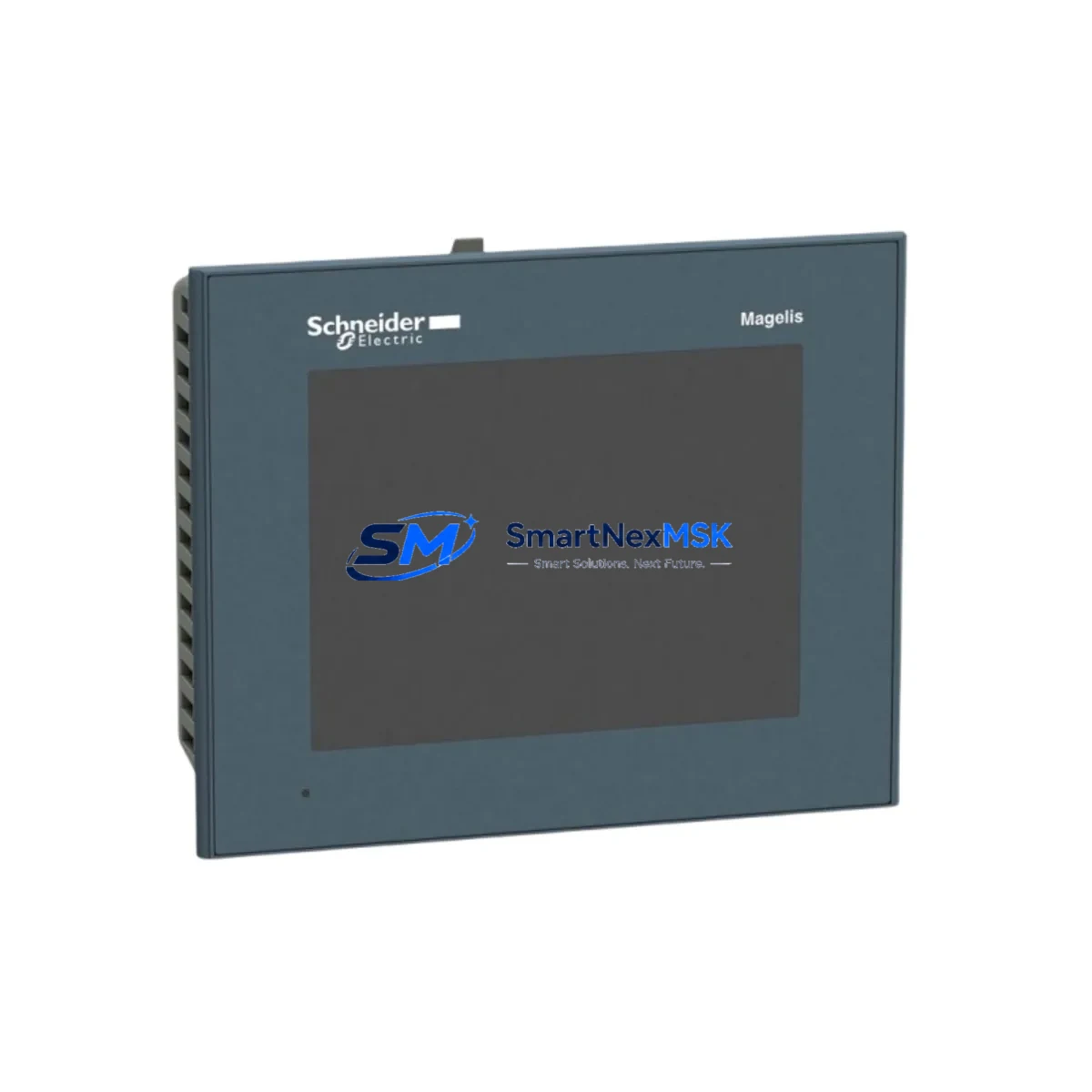
Finally, if the site uses a Magelis HMI (e.g., XBTGT2330 or similar) connected to the Twido PLC, confirm that the HMI program’s analog scaling parameters are updated to match the replacement module’s channel configuration, particularly if output type (voltage vs. current) is reconfigured during the swap.
Site Replacement Workflow
Step 1 — Isolate and document: Before removing the TWDAVO2HT, record the current analog output values displayed on the HMI or SCADA system. Note the wiring configuration (voltage or current mode) for each channel using the existing terminal labels or as-built drawings.
Step 2 — Power down safely: De-energize the Twido base unit via the main cabinet isolator. Verify zero voltage on the 24 VDC bus with a calibrated multimeter before disconnecting the expansion module.
Step 3 — Remove and replace: Disconnect field wiring from the TWDAVO2HT terminal block. Release the module from the Twido base expansion connector. Install the replacement TWDAVO2HT by aligning the expansion bus connector and securing the DIN rail clip. Reconnect field wiring per the documented channel configuration.
Step 4 — Power-up and verify: Re-energize the system. Confirm the Twido base unit recognizes the new module (no expansion fault LED). From the HMI or programming software (TwidoSuite), force each analog output channel to a known value and verify the corresponding field signal with a loop calibrator or multimeter.
Step 5 — Return to service: Clear any latched faults in the PLC program, restore automatic control mode, and document the replacement in the site maintenance log with the new module’s serial number and installation date.
This workflow minimizes mean time to repair (MTTR) and ensures the replacement TWDAVO2HT is fully validated before the process returns to automatic operation — a critical requirement in regulated or safety-instrumented environments.
Spare Parts Support FAQ
Q1: Is the TWDAVO2HT still available as a new original part, or only as a refurbished unit?
SMARTNEXMSK supplies original Schneider Electric TWDAVO2HT units sourced from authorized distribution and verified surplus channels. Each unit undergoes functional testing prior to shipment. Refurbished units are clearly identified separately. All units carry a 12-month warranty regardless of sourcing classification.
Q2: How do I confirm compatibility between the TWDAVO2HT and my existing Twido base unit?
The TWDAVO2HT is compatible with all standard Twido compact and modular base units that support right-side analog expansion. Confirm your base unit model number (e.g., TWDLMDA20DRT, TWDLCA•40DRF) and cross-reference against Schneider Electric’s Twido expansion compatibility matrix. Our technical team can assist with compatibility verification before order confirmation.
Q3: What pre-shipment testing is performed on each TWDAVO2HT unit?
Each TWDAVO2HT is powered up on a Twido test bench, both analog output channels are exercised across the full output range (0–10 V and 4–20 mA), and output linearity is verified against specification. Units that fail any test parameter are quarantined and not shipped. A test record is available upon request.
Q4: Can I order multiple TWDAVO2HT units for strategic spare stock, and what lead times apply?
Yes. SMARTNEXMSK supports both single-unit emergency orders and bulk spare stock procurement. In-stock units ship within 24–48 hours. For larger quantities or long-term supply agreements, contact our sales team to discuss pricing, lead times, and consignment stock arrangements. All orders include a 12-month warranty from the date of shipment.
© 2026 SMARTNEXMSK. All rights reserved.
Original Source: https://smartnexmsk.com
Contact: [email protected] | +86 18259474341