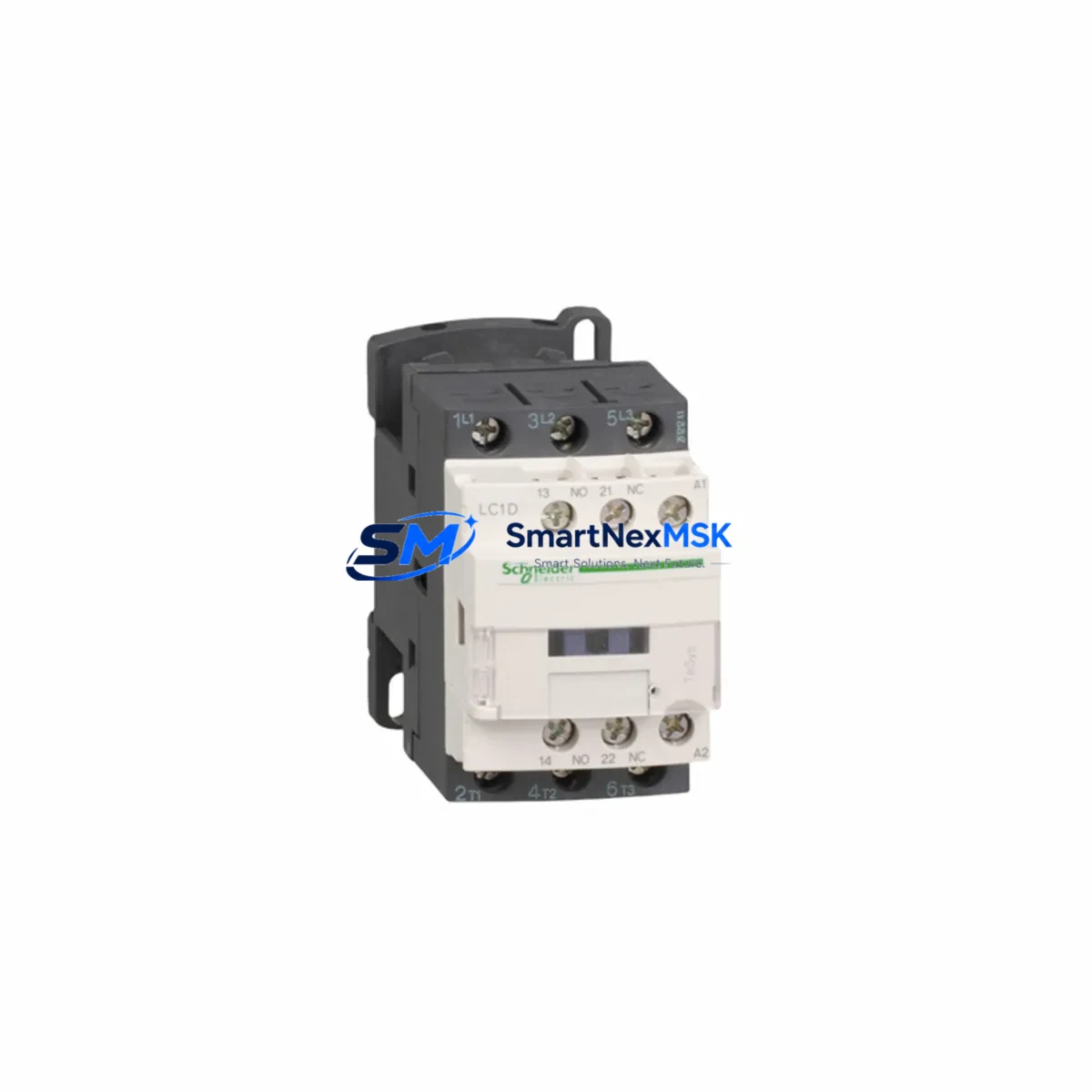
Schneider LC1D80M7C Maintenance-Ready Spare TeSys D: Spare Replacement & Industrial Downtime Risk Control
The Schneider Electric LC1D80M7C is an original TeSys D series 80A three-pole AC contactor engineered for heavy-duty motor control applications in industrial automation panels. As a maintenance-ready spare, the LC1D80M7C is a critical component for facilities operating motor starters, pump control circuits, HVAC systems, compressor panels, and conveyor drive cabinets. Sourced directly from authorized supply chains, every unit shipped by SMARTNEXMSK undergoes pre-shipment functional verification to ensure it meets OEM electrical specifications before leaving the warehouse.
For maintenance engineers managing aging TeSys D installations, the LC1D80M7C represents a direct, drop-in replacement for worn or failed contactors without requiring panel rewiring or firmware reconfiguration. Its 220V AC coil voltage (M7 suffix) and 80A rated operational current make it a standard workhorse across a wide range of industrial motor control centers (MCCs). Procurement engineers can rely on SMARTNEXMSK for consistent long-term supply, competitive lead times, and a 12-month warranty covering manufacturing defects — reducing the risk of unplanned downtime caused by counterfeit or substandard replacement parts.
Spare Maintenance Table
| Parameter | Specification |
|---|---|
| Part Number / SKU | LC1D80M7C |
| Brand | Schneider Electric |
| Series | TeSys D |
| Product Type | 3-Pole AC Contactor |
| Rated Operational Current (AC-3) | 80A @ 440V |
| Motor Power (400V / 3-phase) | 37 kW |
| Coil Voltage | 220V AC (50/60 Hz) — M7 suffix |
| Auxiliary Contacts | 1 NO + 1 NC (integrated) |
| Mounting | DIN rail or screw mounting |
| Enclosure / IP Rating | Open type (IP20 terminals) |
| Operating Temperature | -5°C to +60°C |
| Standards Compliance | IEC/EN 60947-4-1, CE |
| Origin | France (OEM manufactured) |
| Compatibility | TeSys D series; replaces LC1D80, LC1D80B7C, LC1D80F7C variants with matching coil voltage |
| Warranty | 12 Months — Manufacturing Defects Covered |
| Pre-Shipment Testing | Coil energization, contact resistance, insulation check |
| Shipping | Global express; EXW Xiamen available for bulk orders |
Maintenance Planning for Continuous Operation
When replacing the LC1D80M7C in a motor control panel, a thorough maintenance inspection of the surrounding circuit is essential to prevent repeat failures and ensure system reliability. Maintenance engineers should treat a contactor replacement as a trigger for a broader panel health check rather than an isolated swap.
Begin by inspecting the TeSys D overload relay (such as the LRD332 or LRD340) mounted directly below the contactor. Overload relays in the same thermal class often degrade in tandem with the contactor, especially in high-cycle applications. Check the bimetal trip settings and reset mechanism before re-energizing the circuit.
Next, verify the control circuit fuse and the 24VDC or 220VAC control power supply feeding the coil. A failing power supply module — such as a Schneider Electric Phaseo ABL7 series unit — can cause erratic coil energization, leading to premature contactor wear. Measure coil supply voltage under load to confirm it is within the ±10% tolerance band.
Inspect all control wiring terminals and DIN rail terminal blocks (e.g., Schneider Electric NSYTRV or Phoenix Contact UK series) for signs of thermal discoloration, loose crimps, or oxidized connections. Loose terminals are a leading cause of intermittent contactor faults in high-vibration environments.
If the LC1D80M7C is part of a star-delta starter or reversing starter assembly, also inspect the companion contactors — typically LC1D25 or LC1D32 units — for contact wear and mechanical interlock integrity. Replace worn interlock bridges and check the mechanical interlock module (LA9D11) if fitted.
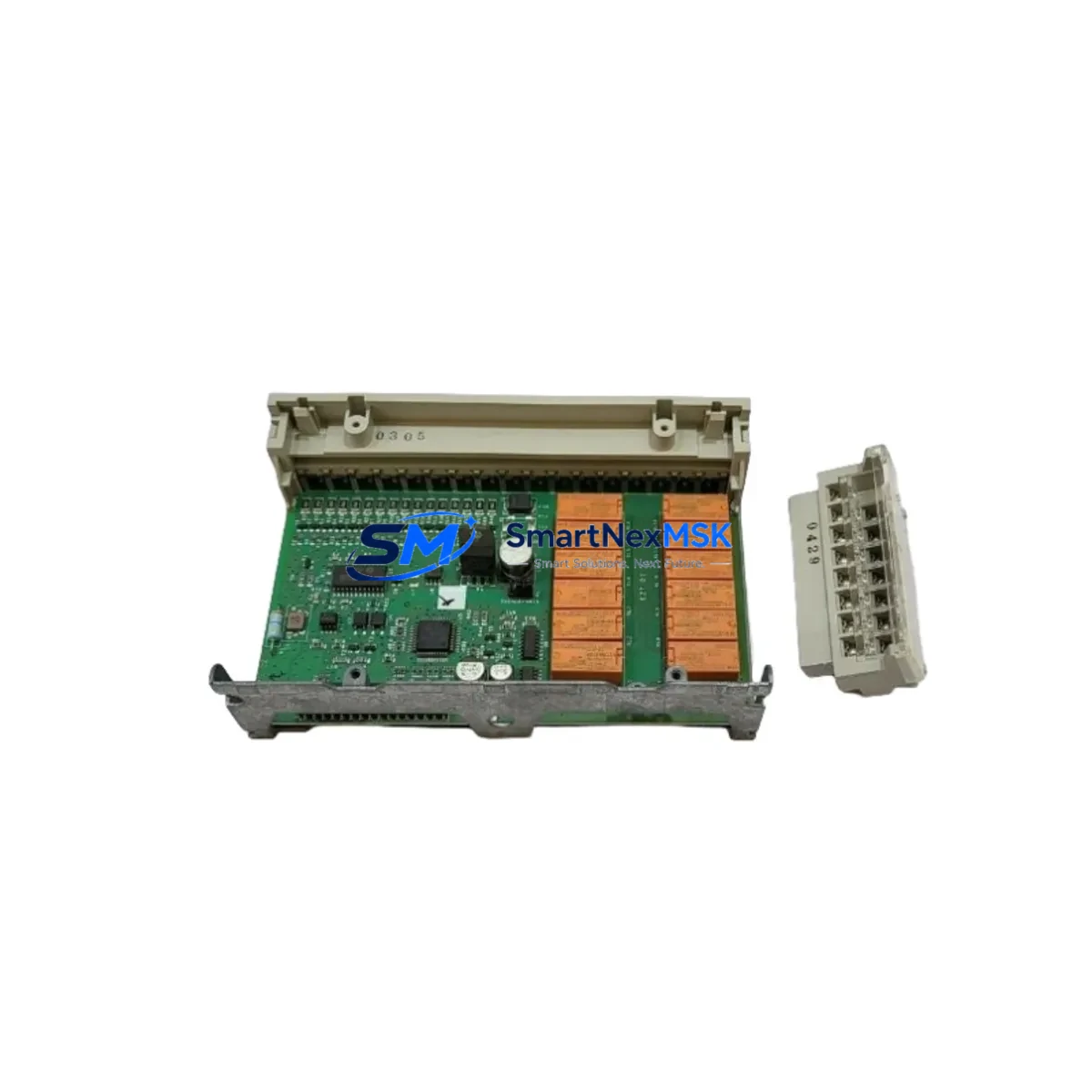
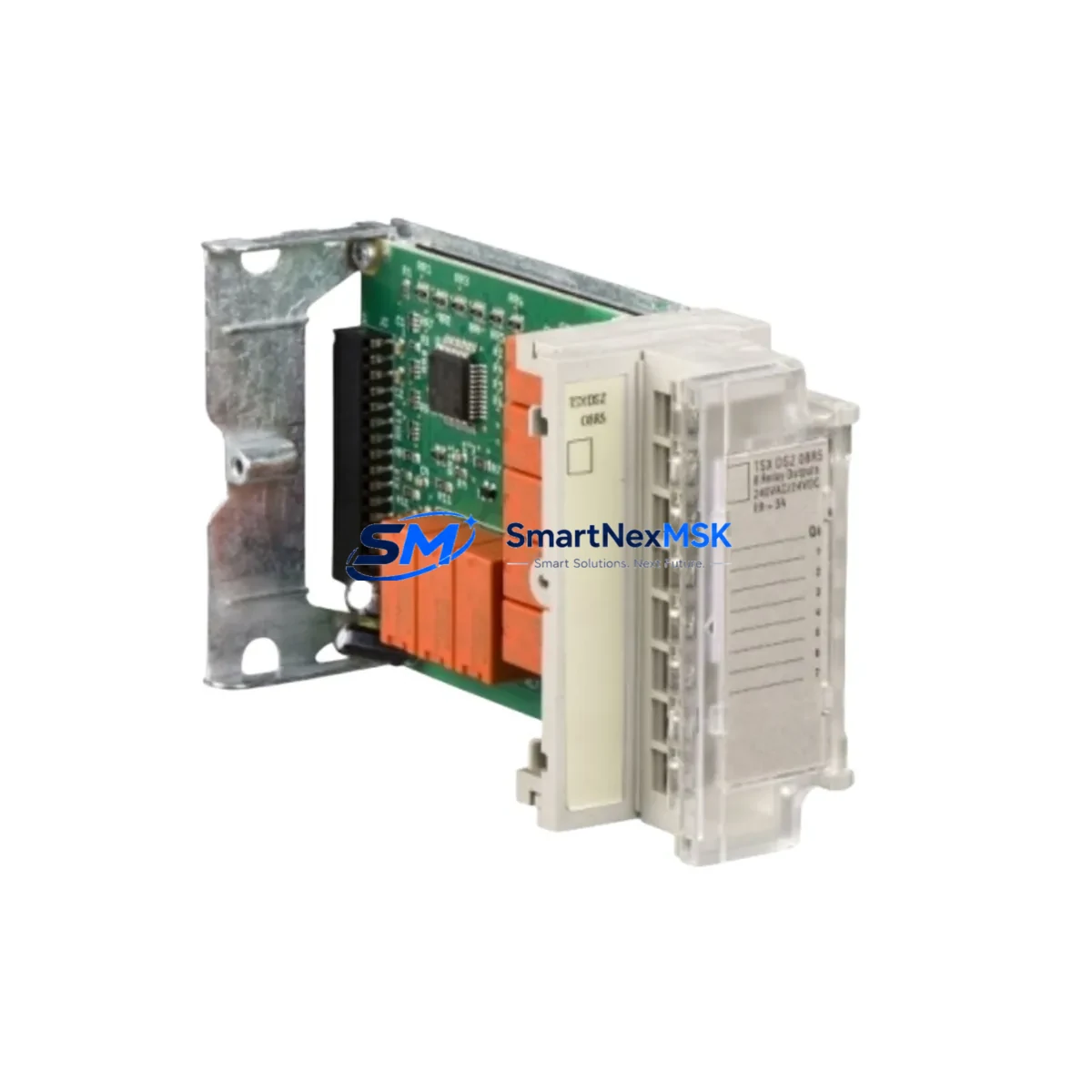
For panels integrated with a Schneider Electric Modicon M340 or M580 PLC, verify that the discrete output module (e.g., BMX DDO 3202K or BMX DDO 6402K) driving the contactor coil is delivering correct switching signals. Use a clamp meter on the output channel to confirm current draw is within spec. If the panel includes a Zelio Logic smart relay for local sequencing, check the relay output contacts for welding or excessive resistance.
Where signal isolation is required between the PLC output and the contactor coil circuit, inspect any installed signal isolators or interposing relays (such as Phoenix Contact PLC-RSC or Schneider Electric RXM series relay modules). These components are frequently overlooked during routine maintenance but are critical for protecting PLC output cards from inductive kickback.
Finally, check the surge suppressor or RC snubber fitted across the contactor coil (e.g., LA4DA2U varistor module for TeSys D). A failed suppressor will allow voltage spikes to propagate back into the control circuit, potentially damaging PLC output modules or HMI communication cards over time.
Site Replacement Workflow
Step 1 — Isolation & Lockout: Isolate the motor circuit at the upstream MCCB or disconnect switch. Apply LOTO (Lockout/Tagout) per site safety procedures. Verify absence of voltage on all three phases using a calibrated voltage tester.
Step 2 — Document Existing Wiring: Photograph or sketch the existing terminal connections (A1/A2 coil, L1/L2/L3 line, T1/T2/T3 load, auxiliary 13/14 and 21/22). The LC1D80M7C uses the same terminal layout as all TeSys D 80A variants, enabling direct substitution without rewiring in most installations.
Step 3 — Remove the Failed Unit: Disconnect the overload relay from the contactor base if fitted. Remove line and load power cables, then the coil control wires. Unclip from DIN rail or remove mounting screws.
Step 4 — Install the Replacement LC1D80M7C: Mount the new contactor, reconnect all terminals per the documented layout, and reattach the overload relay. Torque power terminals to the manufacturer’s specified value (typically 10–12 N·m for 80A class terminals).
Step 5 — Functional Verification: Before restoring full load, energize the coil at reduced load and verify correct pull-in and drop-out operation. Check auxiliary contact continuity. Restore full motor load and monitor current draw for the first 15 minutes of operation.
Step 6 — Update Maintenance Records: Log the replacement date, new part serial number, and any observations. Update the spare parts inventory to trigger reorder of a replacement LC1D80M7C for the next maintenance cycle.
Spare Parts Support FAQ
Q1: Is the LC1D80M7C a direct replacement for older TeSys D 80A contactors?
Yes. The LC1D80M7C is fully backward compatible with earlier TeSys D 80A variants sharing the same coil voltage (220V AC). Terminal layout, mounting footprint, and auxiliary contact positions are identical, allowing direct substitution without panel modification. Always confirm the coil voltage suffix (M7 = 220V AC) matches your existing installation before ordering.
Q2: How does SMARTNEXMSK verify authenticity before shipment?
Every LC1D80M7C unit undergoes a pre-shipment inspection protocol including coil energization testing, contact resistance measurement, and visual inspection of OEM markings, date codes, and packaging integrity. Units that do not pass inspection are quarantined and not shipped. A 12-month warranty against manufacturing defects is included with every order.
Q3: What is the recommended spare parts stocking strategy for TeSys D contactors?
For facilities with 10 or more LC1D80M7C units in service, we recommend maintaining a minimum of 2 units as on-site cold spares. For critical processes with zero-tolerance downtime requirements, consider a 1:5 ratio (one spare per five installed units). SMARTNEXMSK supports blanket purchase orders and scheduled delivery programs to help procurement teams maintain optimal inventory levels without excessive capital tied up in stock.
Q4: Can the LC1D80M7C be used in applications outside its rated current class?
The LC1D80M7C is rated for AC-3 duty at 80A / 37kW (400V). It should not be used in applications exceeding its rated operational current or in AC-4 (plugging/inching) duty without applying the appropriate derating factor per IEC 60947-4-1. For higher current requirements, Schneider Electric TeSys D variants such as the LC1D95 or LC1D115 should be considered. Contact SMARTNEXMSK for guidance on selecting the correct contactor for your specific application.
© 2026 SMARTNEXMSK. All rights reserved.
Original Source: https://smartnexmsk.com
Contact: [email protected] | +86 18259474341