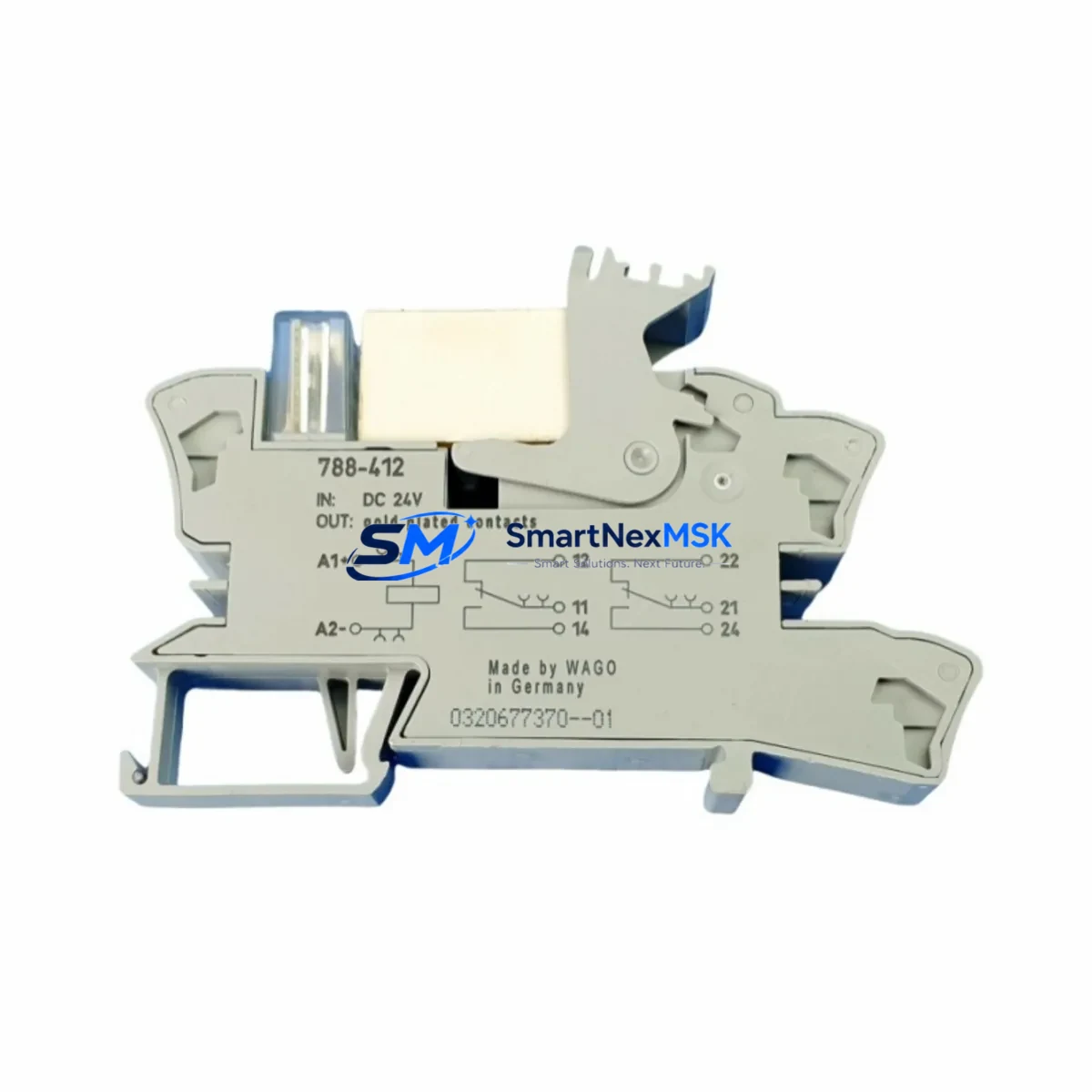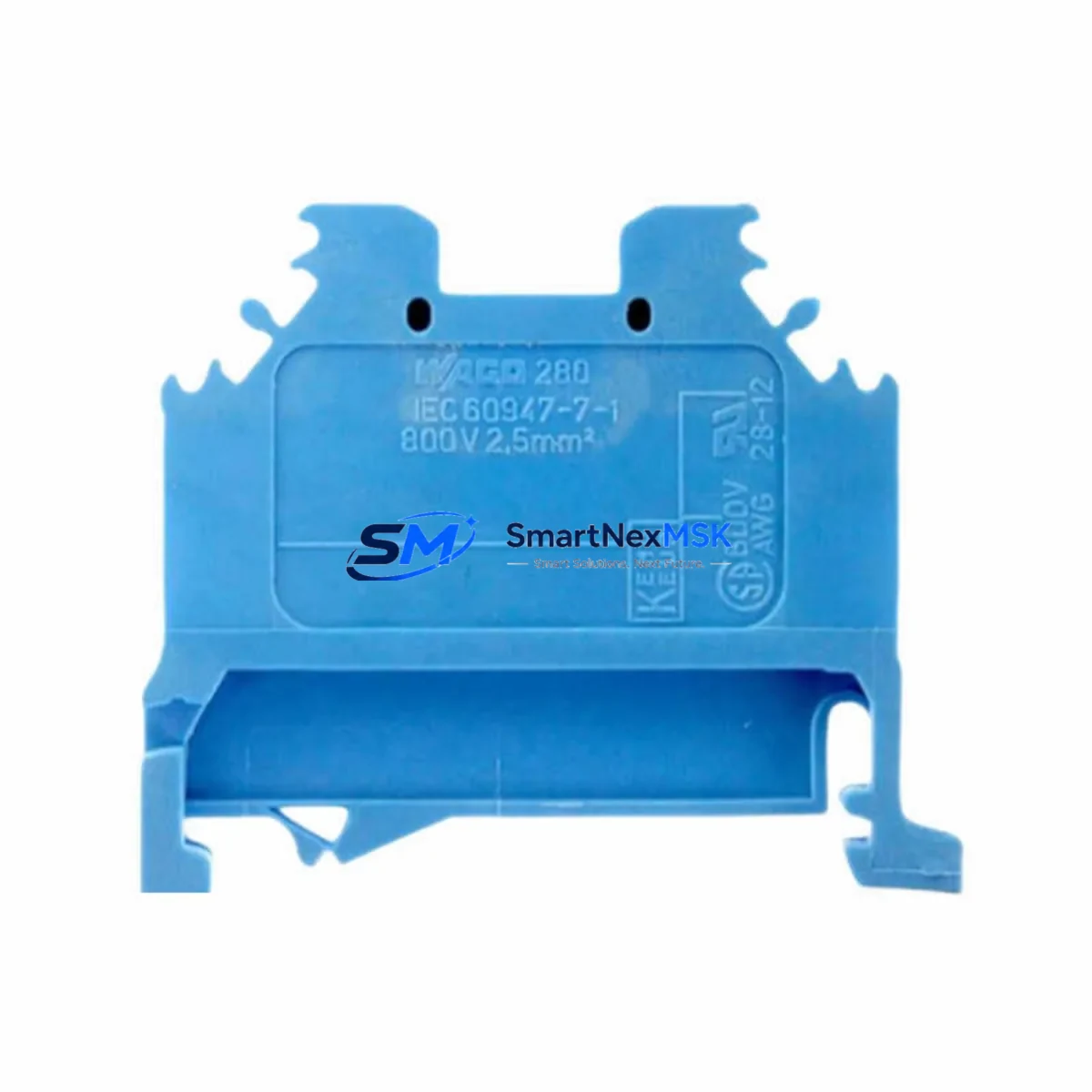
WAGO 280-104 Retrofit-Ready Terminal Block for TOPJOB S Control Systems
The WAGO 280-104 is a push-in TOPJOB S through terminal block rated at 32A and 800V, designed for DIN rail mounting in industrial control cabinets. As legacy wiring systems age and original components reach end-of-life, the 280-104 serves as a direct, retrofit-ready replacement that preserves existing wiring layouts, minimizes panel rework, and restores full electrical continuity without requiring cabinet redesign. Whether you are upgrading a 1990s-era relay panel, replacing worn WAGO 280-series blocks in a PLC I/O cabinet, or standardizing a mixed-brand terminal rail to a single TOPJOB S platform, the 280-104 delivers the mechanical and electrical compatibility needed for a smooth, low-risk transition.
The push-in connection technology eliminates the need for ferrule crimping tools during field installation, reducing technician time per terminal from minutes to seconds. The 280-104 accepts solid, stranded, and fine-stranded conductors from 0.08 mm² to 16 mm², covering the full range of control wiring gauges found in legacy automation panels. The orange actuator lever provides clear visual confirmation of conductor insertion status, a critical feature during commissioning and fault-finding in dense terminal strips.
In retrofit projects involving Siemens SIMATIC S7-300 or S7-400 distributed I/O cabinets, the 280-104 is frequently used alongside WAGO 280-101 (single-conductor feed-through), WAGO 280-107 (ground terminal), and WAGO 280-110 (end stop) to build complete, code-compliant terminal sections. When migrating from older screw-type terminal blocks such as the Phoenix Contact UK 6 or Weidmüller WDU 6, the 280-104 fits the same 35 mm DIN rail (EN 60715) and occupies a comparable pitch, allowing direct substitution without rail replacement. The WAGO 280-402 jumper and WAGO 280-434 test plug are compatible accessories that extend the functionality of the 280-104 in grouped circuit configurations.
For control systems integrators working on Rockwell Automation Allen-Bradley MCC upgrades or Schneider Electric Modicon TSX-series panel refurbishments, the 280-104 is a recognized cross-reference for legacy terminal blocks that are no longer manufactured. Its UL 508A listing and CE marking ensure compliance with both North American and European panel-building standards, simplifying documentation for retrofit projects subject to third-party inspection.
Upgrade Compatibility Table
| Parameter | WAGO 280-104 Specification | Retrofit Notes |
|---|---|---|
| Rated Current | 32A | Verify existing circuit breaker sizing; no derating required for standard control wiring |
| Rated Voltage | 800V AC/DC | Compatible with 24VDC, 120VAC, and 230VAC control circuits |
| Connection Method | Push-in (TOPJOB S) | Replaces screw-type terminals; no tool required for solid/stranded wire |
| Conductor Range | 0.08–16 mm² / AWG 28–6 | Covers legacy 1.5 mm², 2.5 mm², 4 mm², and 6 mm² control wiring |
| Mounting | 35 mm DIN rail (EN 60715) | Direct fit on existing rails; no rail replacement needed |
| Installation Pitch | 8 mm | Check available rail space; comparable to Phoenix Contact UK 6 pitch |
| Certifications | UL 508A, CE, IEC 60947-7-1 | Accepted by UL-listed panel shops and CE-marked control cabinets |
| Compatible Accessories | WAGO 280-402 jumper, 280-434 test plug, 280-110 end stop | Retain existing jumper groups where possible to reduce rewiring scope |
| Commissioning Check | Conductor insertion confirmation via orange actuator | Perform pull-test on each conductor after insertion; torque tool not required |
| Warranty | 12 Months | Covers manufacturing defects; includes pre-shipment functional inspection |
Retrofit Planning for Existing Automation Systems
A successful retrofit begins with a thorough audit of the existing terminal strip layout. Before removing any legacy terminal blocks, photograph the full terminal rail, label each conductor with a numbered sleeve, and cross-reference the wiring diagram to confirm circuit assignments. In panels where WAGO 280-series blocks are mixed with older screw-type terminals from other manufacturers, it is advisable to replace the entire terminal section in a single maintenance window to avoid mismatched connection technologies on the same rail segment.
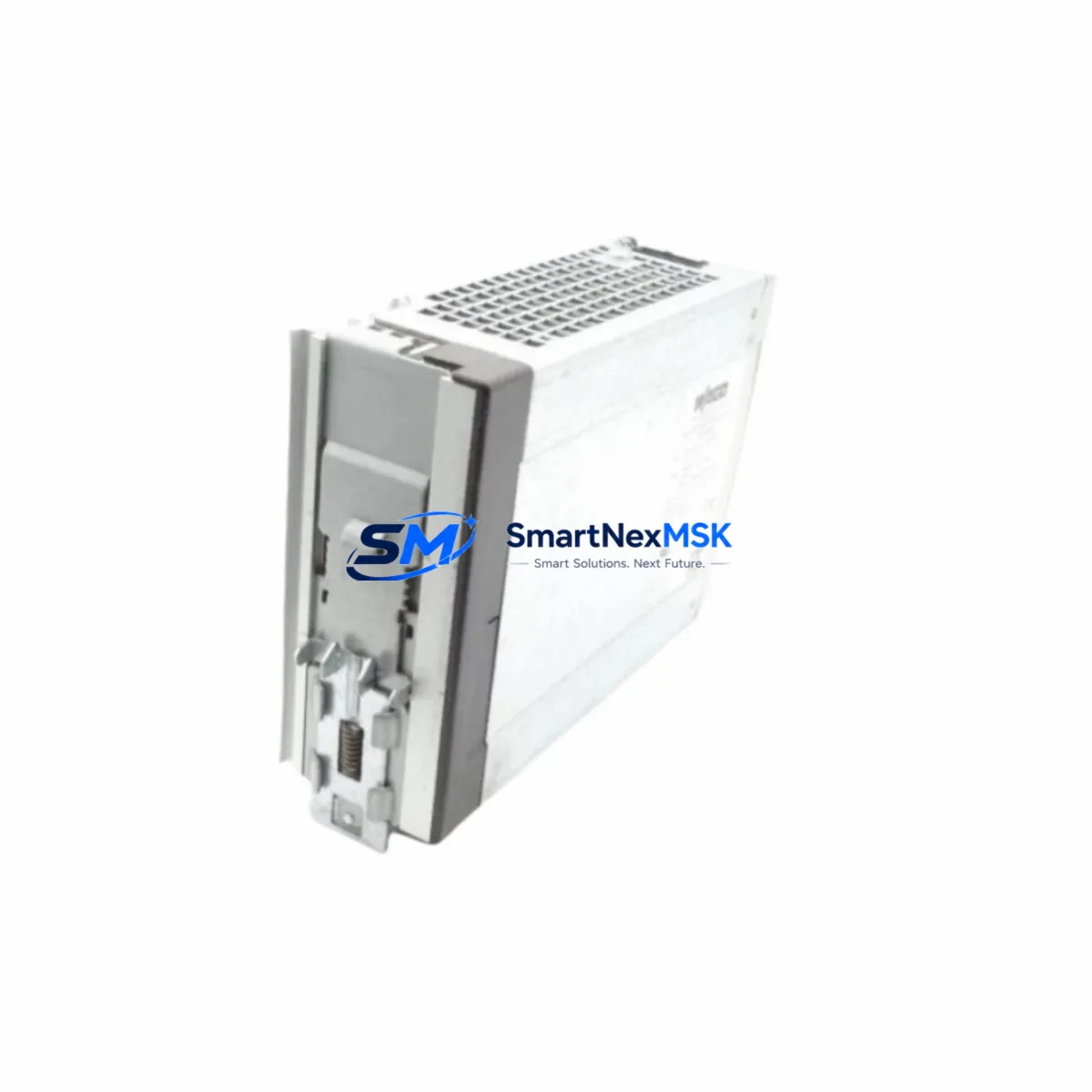
Power supply capacity is the first engineering checkpoint. If the retrofit involves adding I/O modules — for example, expanding a Siemens ET 200S distributed I/O station or adding a Beckhoff EL1008 digital input terminal — recalculate the 24VDC bus load and verify that the existing SITOP PSU100S or equivalent DIN rail power supply can support the additional current draw. The WAGO 280-104’s 32A rating provides headroom for high-current control circuits, but the upstream fuse and circuit breaker must be sized accordingly.
Backplane and rack considerations are equally important when the terminal retrofit is part of a broader controller upgrade. In projects migrating from a Siemens S5-115U to an S7-300 platform, the terminal strip layout often needs to be reorganized to align with the new I/O module addressing scheme. Similarly, when replacing a GE Fanuc Series 90-30 PLC rack with a modern Emerson PACSystems RX3i, the field wiring termination points must be remapped to match the new I/O module pinout. The WAGO 280-104, used as the field-side termination block, provides a stable, labeled connection point that remains unchanged regardless of the controller platform on the panel-side.
Communication protocol migration — for example, transitioning from PROFIBUS DP to PROFINET IO — does not directly affect terminal block selection, but it does affect the overall panel layout. PROFIBUS connectors such as the Siemens 6ES7 972-0BA52-0XA0 and PROFINET patch cables require dedicated cable management channels that may need to be added during the retrofit. Ensuring that the terminal strip, including the 280-104 sections, is positioned to allow clean cable routing to both the legacy and new communication modules is a key layout consideration during the planning phase.
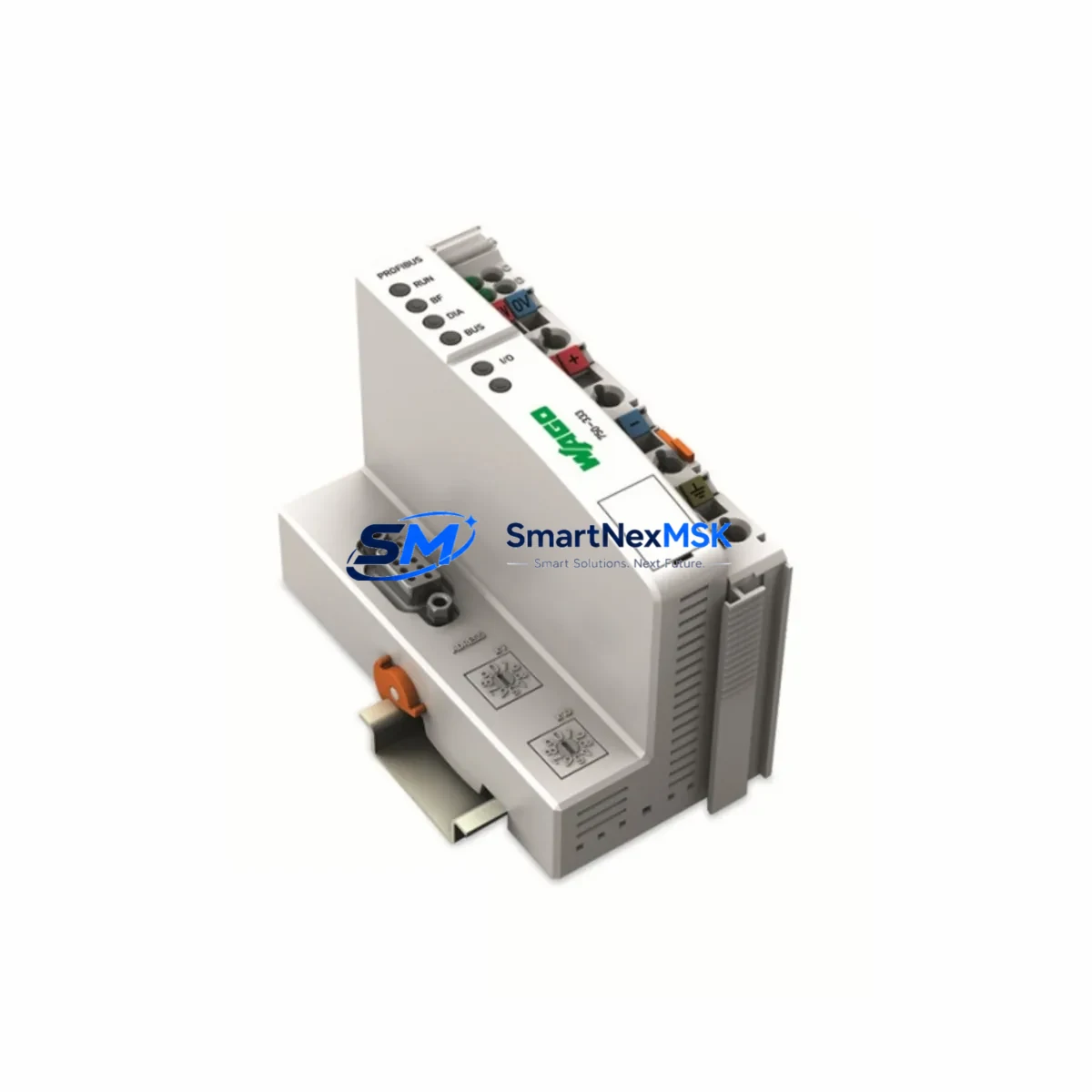
For I/O expansion projects, the 280-104 is commonly used in conjunction with WAGO 750-series fieldbus couplers and I/O modules. When adding a WAGO 750-352 PROFIBUS DP coupler or a WAGO 750-881 ETHERNET coupler to an existing panel, the associated field wiring terminates on 280-series through terminals before connecting to the coupler’s I/O module inputs. This separation of field wiring from the coupler assembly simplifies future module replacement and reduces the risk of wiring errors during maintenance.
Downtime Control During System Migration
Minimizing unplanned downtime is the primary operational constraint in any live-system retrofit. The recommended approach is to pre-assemble and pre-wire the replacement terminal section on a spare DIN rail segment outside the cabinet, using the existing wiring diagram as the reference. Each 280-104 block should be labeled, jumpered, and tested for continuity before installation. When the maintenance window opens, the old terminal section is removed, the pre-assembled replacement rail is installed, and conductors are transferred one circuit at a time, verifying each connection against the wiring diagram before moving to the next.
For systems where even brief interruptions are unacceptable — such as continuous process lines or safety-rated circuits — a parallel wiring strategy can be employed. Temporary terminal blocks are installed adjacent to the existing strip, field conductors are extended to the temporary blocks, and the control system is switched to the temporary termination before the permanent 280-104 section is installed. Once the new terminal strip is verified, conductors are transferred back from the temporary blocks, and the temporary assembly is removed.
Program logic preservation is a separate but equally critical concern. Before any hardware change, back up the PLC program to a laptop or USB drive using the appropriate programming software — Step 7, TIA Portal, RSLogix 5000, or Unity Pro, depending on the controller platform. Verify that the backup is readable and complete. If the retrofit involves any I/O address changes due to module replacement, update the program offline and perform a simulation run before downloading to the controller. This ensures that the first power-up after the retrofit does not trigger unexpected output states that could damage equipment or create safety hazards.
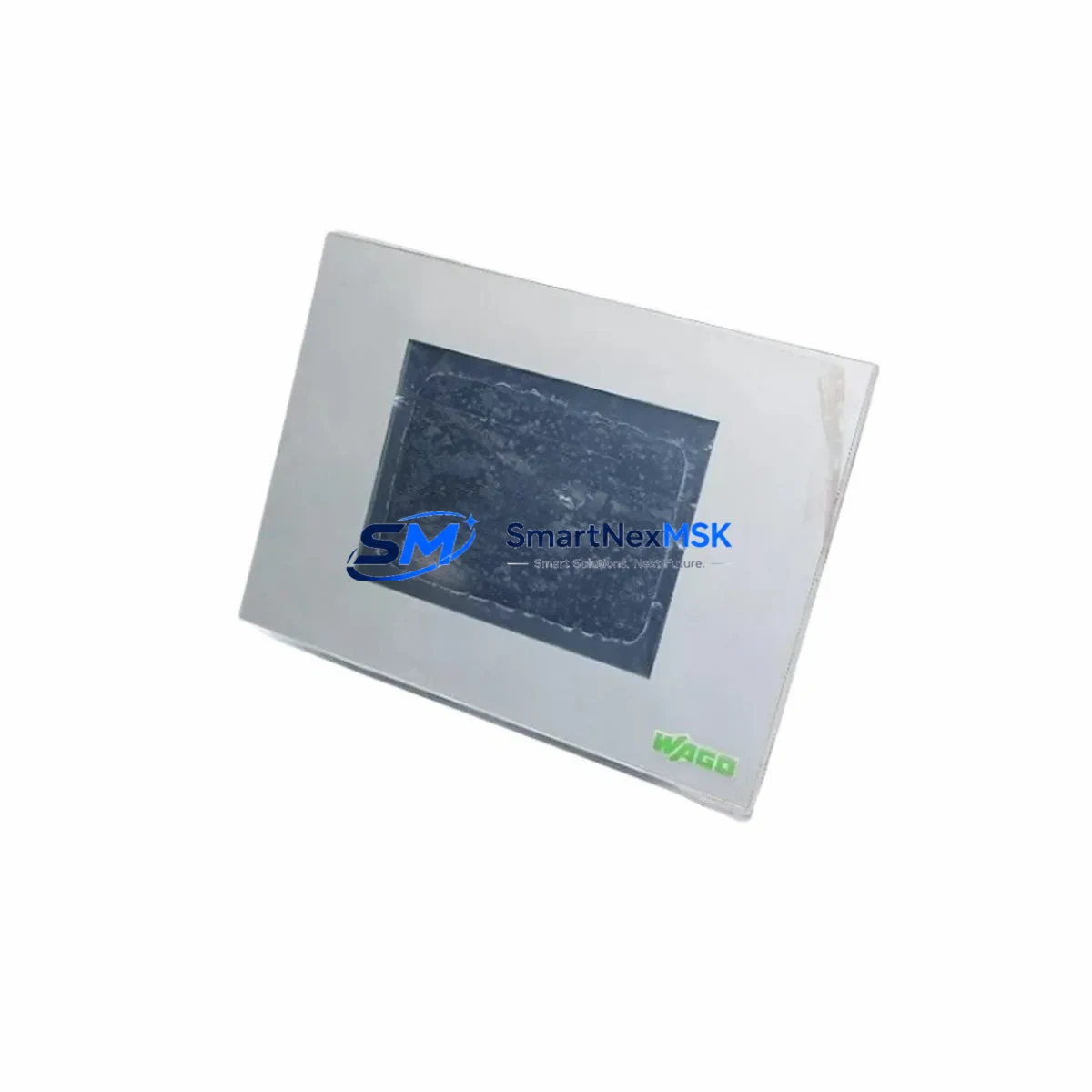
After installation, a structured commissioning sequence should be followed: energize the panel, verify 24VDC bus voltage at the terminal strip, check each I/O point against the signal list, and confirm HMI screen values match field instrument readings. Document any deviations and resolve them before returning the system to automatic operation. The WAGO 280-104’s orange actuator provides a quick visual check that all conductors are fully seated — a final walkdown of the terminal strip before closing the cabinet door takes less than five minutes and can prevent hours of fault-finding after startup.
Retrofit Support FAQ
Q: Is the WAGO 280-104 a direct replacement for older WAGO 280-series screw-type terminal blocks?
A: Yes. The 280-104 is dimensionally compatible with earlier WAGO 280-series blocks and mounts on the same 35 mm DIN rail. The push-in connection method replaces the screw clamp, so existing conductors can be reused without re-ferrulling, provided they are in good condition and within the 0.08–16 mm² conductor range.
Q: What pre-shipment testing is performed on the 280-104?
A: Each unit undergoes a functional inspection covering mechanical integrity, actuator operation, and conductor retention force before dispatch. Units are shipped in original manufacturer packaging with batch traceability. The 12-month warranty covers manufacturing defects identified after installation.
Q: Can the 280-104 be used in SIL-rated safety circuits?
A: The 280-104 is certified to IEC 60947-7-1 and carries UL 508A listing, making it suitable for use in safety-related control panels. For SIL 2 or SIL 3 applications, consult the WAGO safety terminal block range (e.g., WAGO 787-series) and verify with your functional safety engineer that the selected terminal block meets the specific SIL requirements of your application.
Q: How do I verify wiring compatibility before ordering?
A: Confirm the conductor cross-section (mm² or AWG), the circuit voltage and current rating, and the DIN rail type (35 mm EN 60715 standard). If your existing panel uses a non-standard rail or a pitch-sensitive terminal arrangement, contact our technical team at [email protected] with your wiring diagram and we will confirm compatibility before shipment.
© 2026 SMARTNEXMSK. All rights reserved.
Original Source: https://smartnexmsk.com
Contact: [email protected] | +86 18259474341