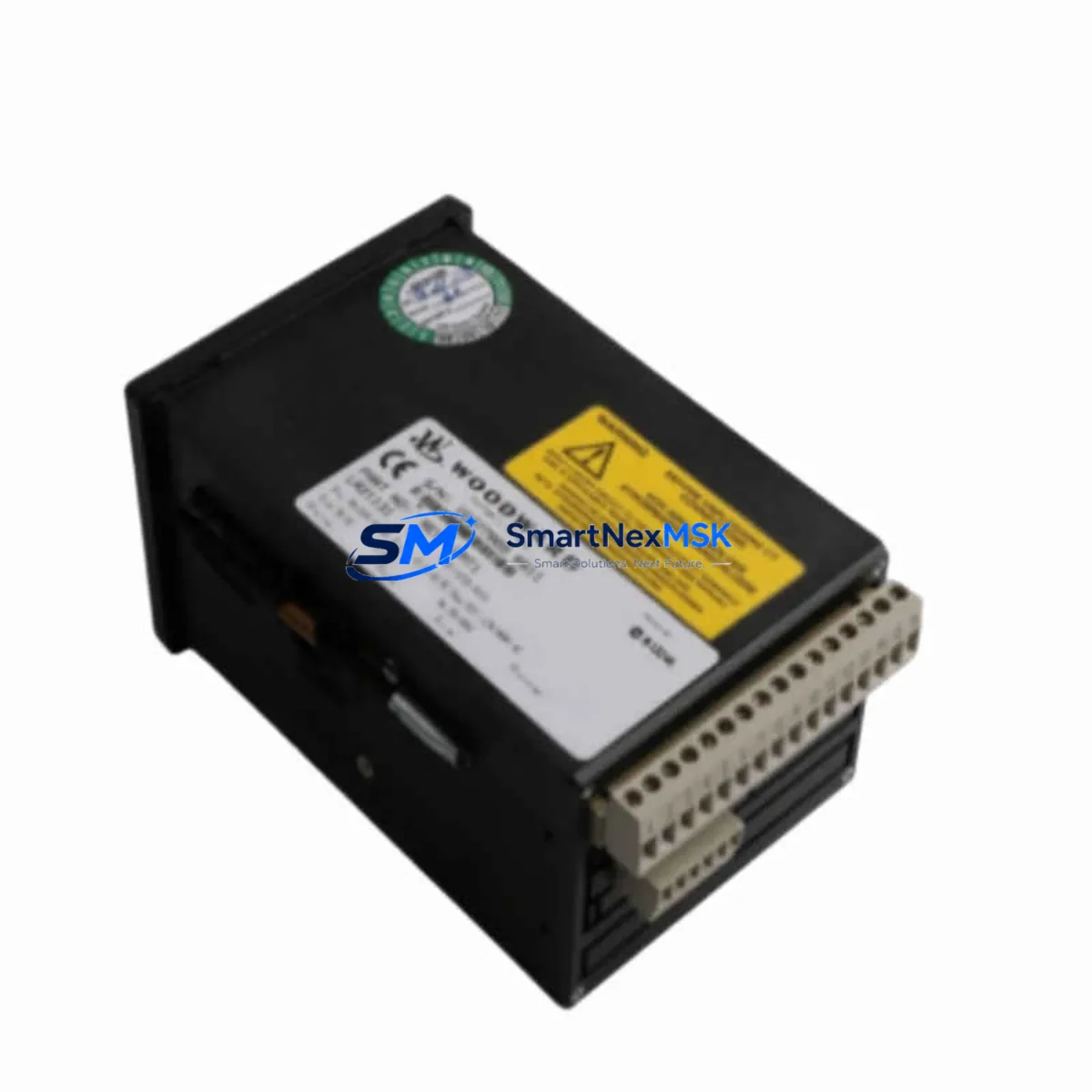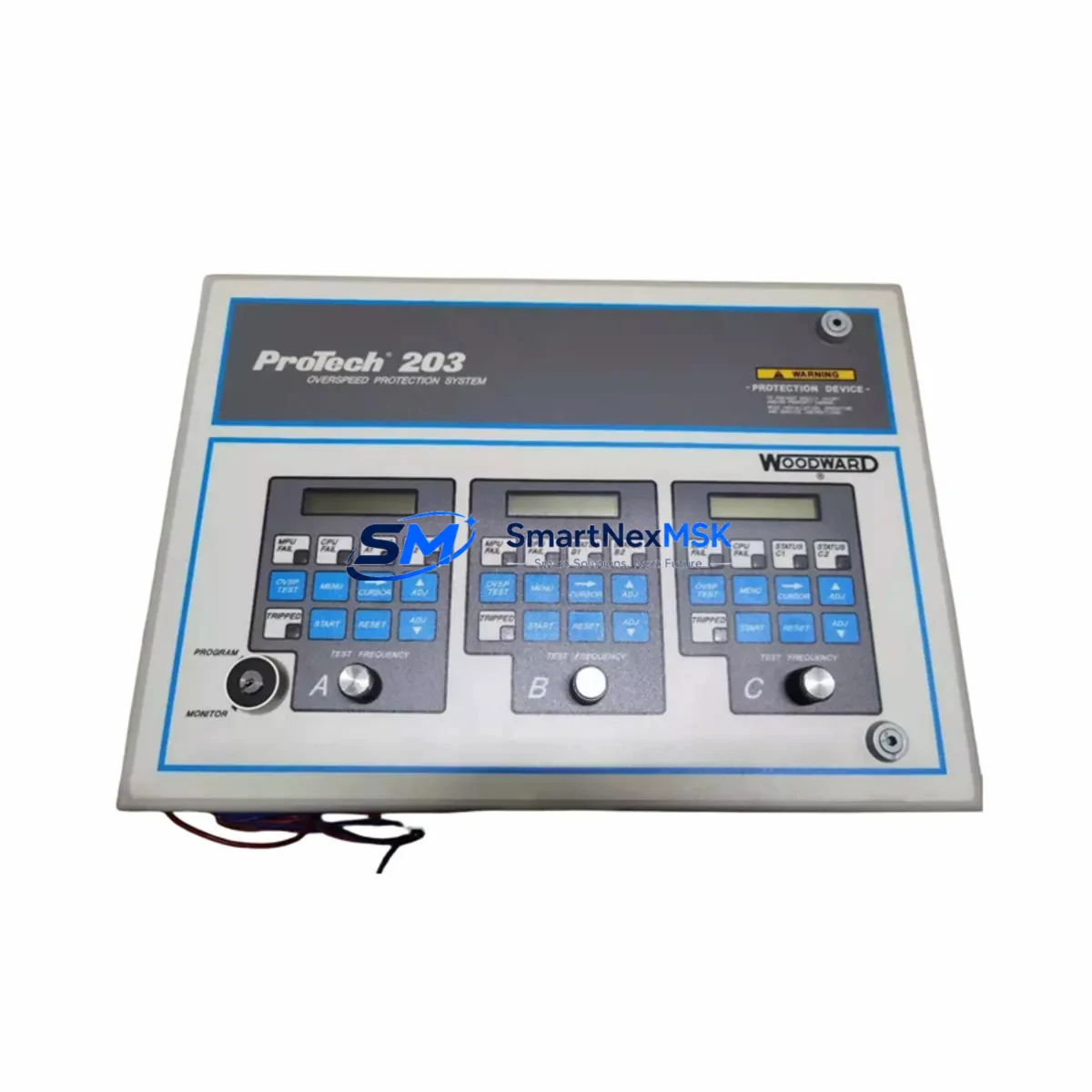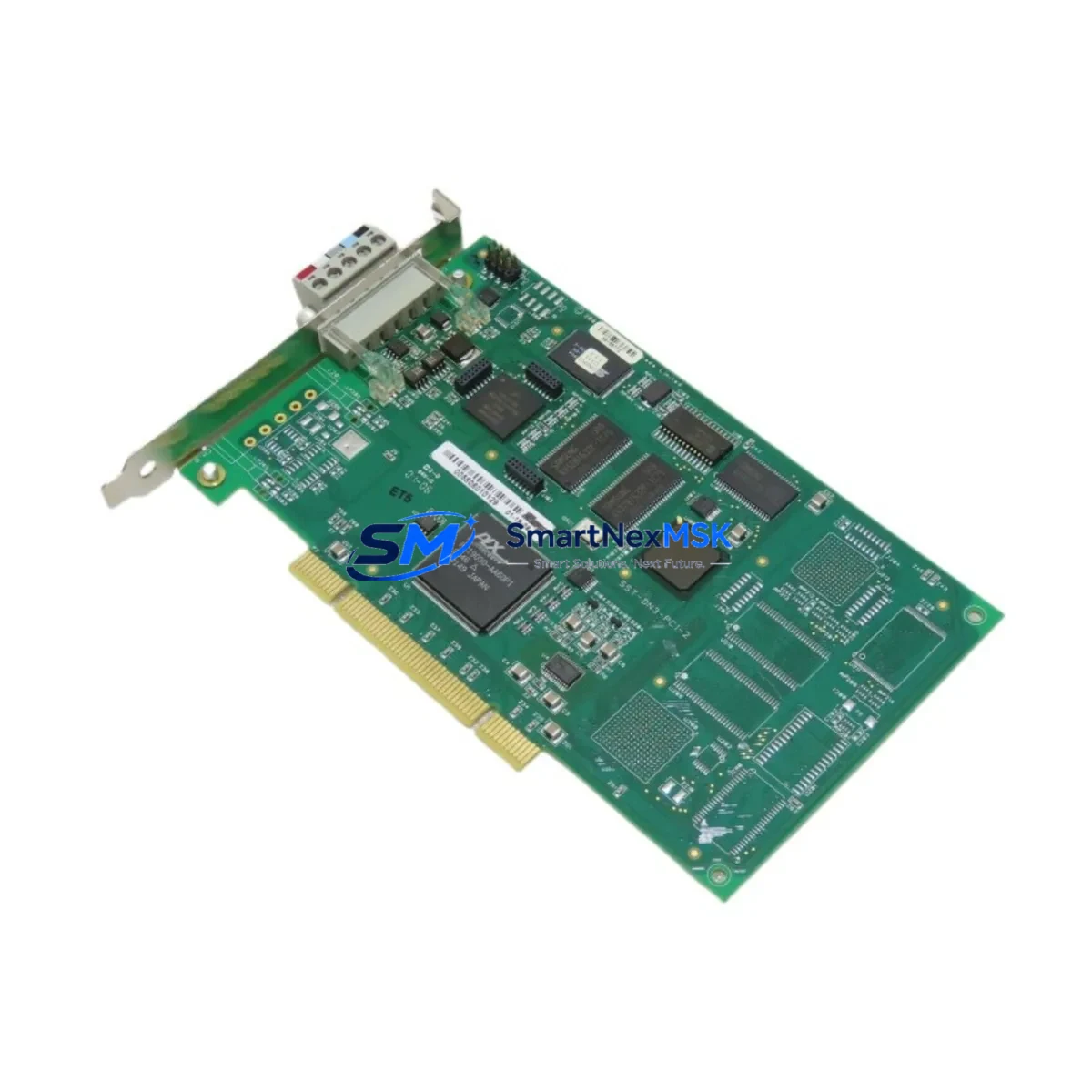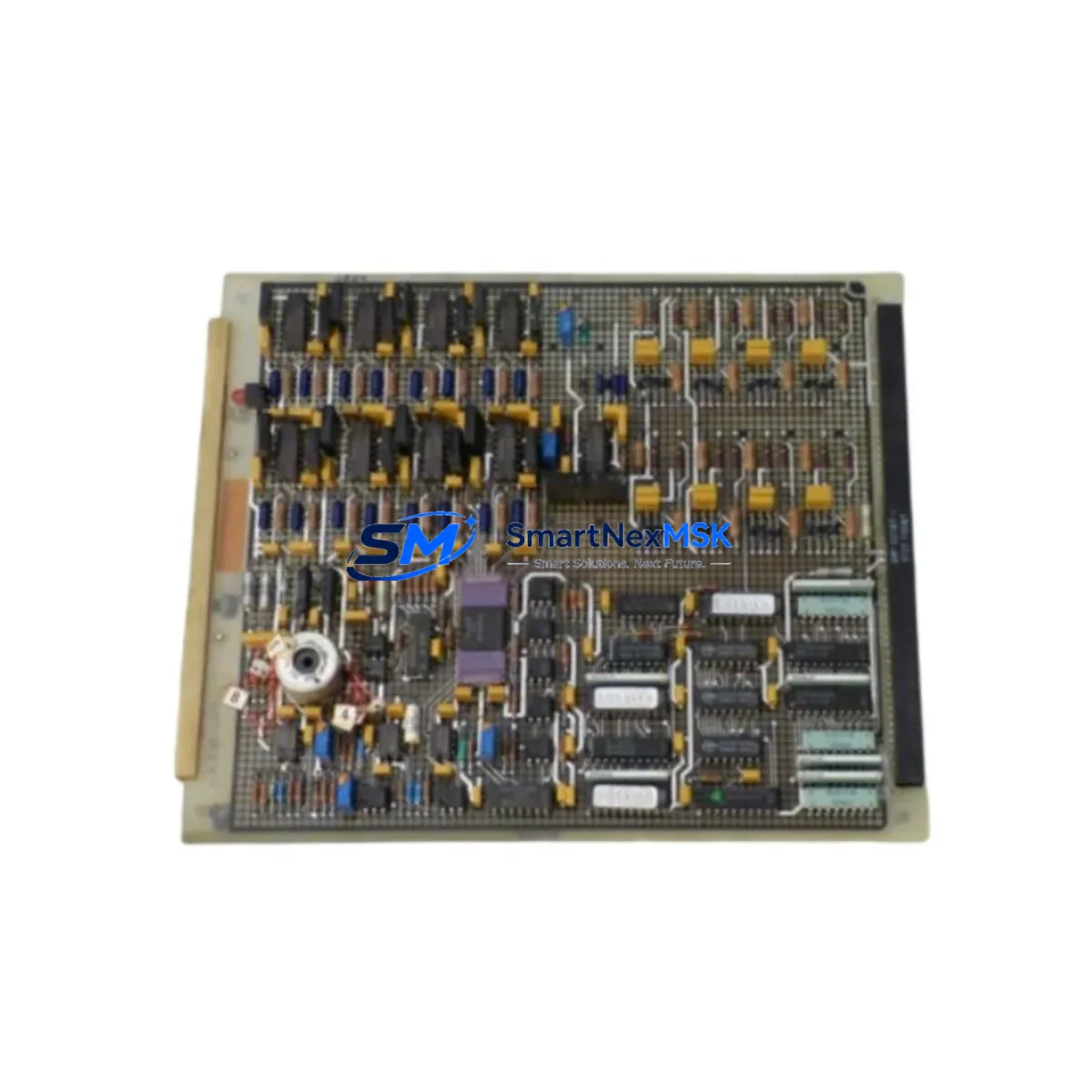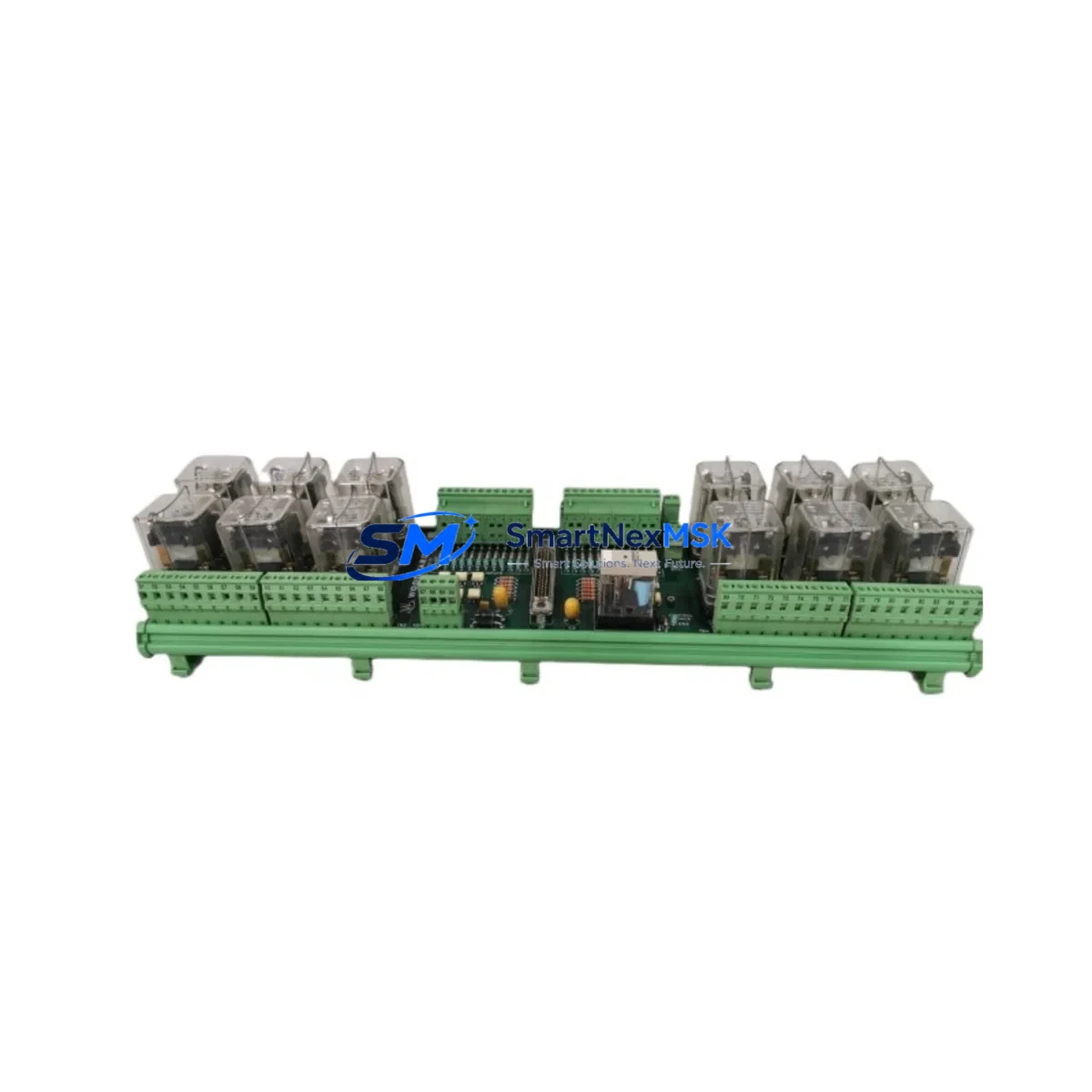
WOODWARD 5441-693 Retrofit-Ready I/O Module for MicroNet Control Systems
The WOODWARD 5441-693 is a high-reliability I/O module engineered for seamless integration into MicroNet turbine and generator control systems. As legacy control infrastructure ages and OEM support windows close, the 5441-693 has become a critical retrofit component for facilities managing gas turbines, steam turbines, and compressor trains that depend on the MicroNet platform. Whether you are executing a planned upgrade, responding to an unplanned failure, or building a strategic spare-parts inventory, the 5441-693 delivers the compatibility, signal integrity, and form-factor consistency required for a successful retrofit without reprogramming the base control logic.
This module is designed as a direct replacement for obsolete or end-of-life I/O cards within the MicroNet rack architecture. It maintains full electrical compatibility with the MicroNet backplane, preserving existing terminal wiring, module addressing, and I/O channel mapping. Engineers performing the swap do not need to modify the application program in the WOODWARD NetCon controller or reconfigure HMI display tags, provided the replacement module is installed in the same rack slot and the channel assignments remain unchanged.
Upgrade Compatibility Table
| Parameter | Details |
|---|---|
| Compatible Platform | WOODWARD MicroNet, MicroNet Plus, MicroNet TMR |
| Backplane Interface | MicroNet standard rack backplane connector |
| Installation Requirement | Same rack slot as original module; no mechanical modification required |
| Communication Compatibility | Compatible with WOODWARD NetCon communication protocol |
| I/O Channel Mapping | Preserved; no address reconfiguration required for direct slot replacement |
| HMI Impact | No HMI tag changes required for same-slot replacement |
| Replacement Recommendation | Direct drop-in for same-series MicroNet I/O modules |
| Commissioning Focus | Power-on self-test, channel verification, loop check, alarm validation |
| Warranty | 12 Months from date of shipment |
Retrofit Planning for Existing Automation Systems
A successful retrofit begins well before the module arrives on site. The first step is a thorough review of the existing MicroNet rack configuration. Identify the chassis type — whether a standard MicroNet rack or a MicroNet TMR triple-redundant chassis — and confirm the slot assignment of the 5441-693 in the original system documentation. Cross-reference the terminal block wiring diagram to verify that field signal cables, shielding, and grounding connections are intact and correctly labeled before removal of the legacy module.
Power supply capacity is a critical pre-check. The MicroNet power supply module — typically a WOODWARD 5441-838 or equivalent — must be verified to have sufficient headroom to support the replacement I/O card without causing voltage sag on the backplane bus. If the existing power supply is already operating near its rated output, consider replacing it concurrently as part of the upgrade scope.
For systems where the MicroNet communicates upstream to a DCS or SCADA platform via a WOODWARD 5441-780 communication module or a Modbus/TCP gateway, confirm that the I/O channel data addresses exposed to the supervisory system remain unchanged after the module swap. Any shift in register mapping will require a corresponding update in the DCS tag database or OPC server configuration.
If the retrofit scope extends beyond a single I/O card — for example, when upgrading an entire MicroNet rack that also includes analog input modules such as the WOODWARD 5441-704, digital output modules, or the NetCon processor card — sequence the work to maintain at least one redundant control path active at all times. In TMR configurations, replace modules one at a time and allow the system to re-synchronize between each swap before proceeding to the next card.
Terminal block compatibility should also be confirmed. The 5441-693 uses the standard MicroNet I/O terminal interface; however, if the field wiring was originally landed on a WOODWARD 5441-850 or similar marshalling panel, verify that the connector pinout and signal polarity are preserved. Label all wires before disconnection and photograph the original wiring for reference during reinstallation.
Downtime Control During System Migration
Minimizing unplanned downtime is the primary operational concern during any MicroNet retrofit. The recommended approach is to pre-stage the replacement 5441-693 module and perform a bench-level power-on test before the scheduled maintenance window. Confirm that the module passes its internal self-diagnostics and that all indicator LEDs respond correctly to simulated I/O signals using a portable loop calibrator.
During the maintenance window, follow a structured sequence: isolate the affected I/O channels at the field junction box, remove the legacy module from the rack, install the 5441-693 in the same slot, and restore field connections in the reverse order of removal. Do not power the rack with the module partially seated. Once fully installed, restore rack power and monitor the NetCon controller’s diagnostic display for any fault codes related to the replaced module.
Preserve the original application program by exporting a backup from the WOODWARD Toolkit software before beginning any physical work. If the control system includes a WOODWARD 5441-760 or similar historian or event logger module, verify that the event log is captured prior to shutdown so that pre-retrofit baseline data is retained for post-commissioning comparison.
For critical turbine applications where zero unplanned downtime is required, consider maintaining a pre-tested 5441-693 as a hot spare in the control room. This strategy, combined with a documented swap procedure and trained maintenance personnel, reduces mean time to repair to under 30 minutes for a single-module failure event.
Retrofit Support FAQ
Q: Is the WOODWARD 5441-693 a direct drop-in replacement for the original MicroNet I/O module in the same rack slot?
A: Yes. The 5441-693 is designed to occupy the same rack slot as the original module with no mechanical modification. Terminal wiring, backplane connections, and module addressing are preserved, allowing the replacement to be completed without changes to the application program or HMI configuration.
Q: What commissioning steps are required after installing the 5441-693?
A: After installation, perform a power-on self-test and verify that the NetCon controller recognizes the module without fault codes. Conduct a full I/O loop check on all channels, validate alarm setpoints, and confirm communication integrity with any upstream DCS or SCADA system. Document all test results before returning the unit to service.
Q: Can the 5441-693 be used in a MicroNet TMR triple-redundant configuration?
A: The 5441-693 is compatible with MicroNet TMR architectures. In TMR systems, replace one module at a time and allow the system to re-synchronize before proceeding to the next replacement to maintain redundancy throughout the upgrade process.
Q: What warranty coverage is provided, and has the module been tested before shipment?
A: Every 5441-693 unit is function-tested prior to shipment and covered by a 12-month warranty from the date of delivery. The warranty covers manufacturing defects and functional failures under normal operating conditions. Our technical team is available to support commissioning questions and compatibility verification throughout the warranty period.
© 2026 SMARTNEXMSK. All rights reserved.
Original Source: https://smartnexmsk.com
Contact: [email protected] | +86 18259474341