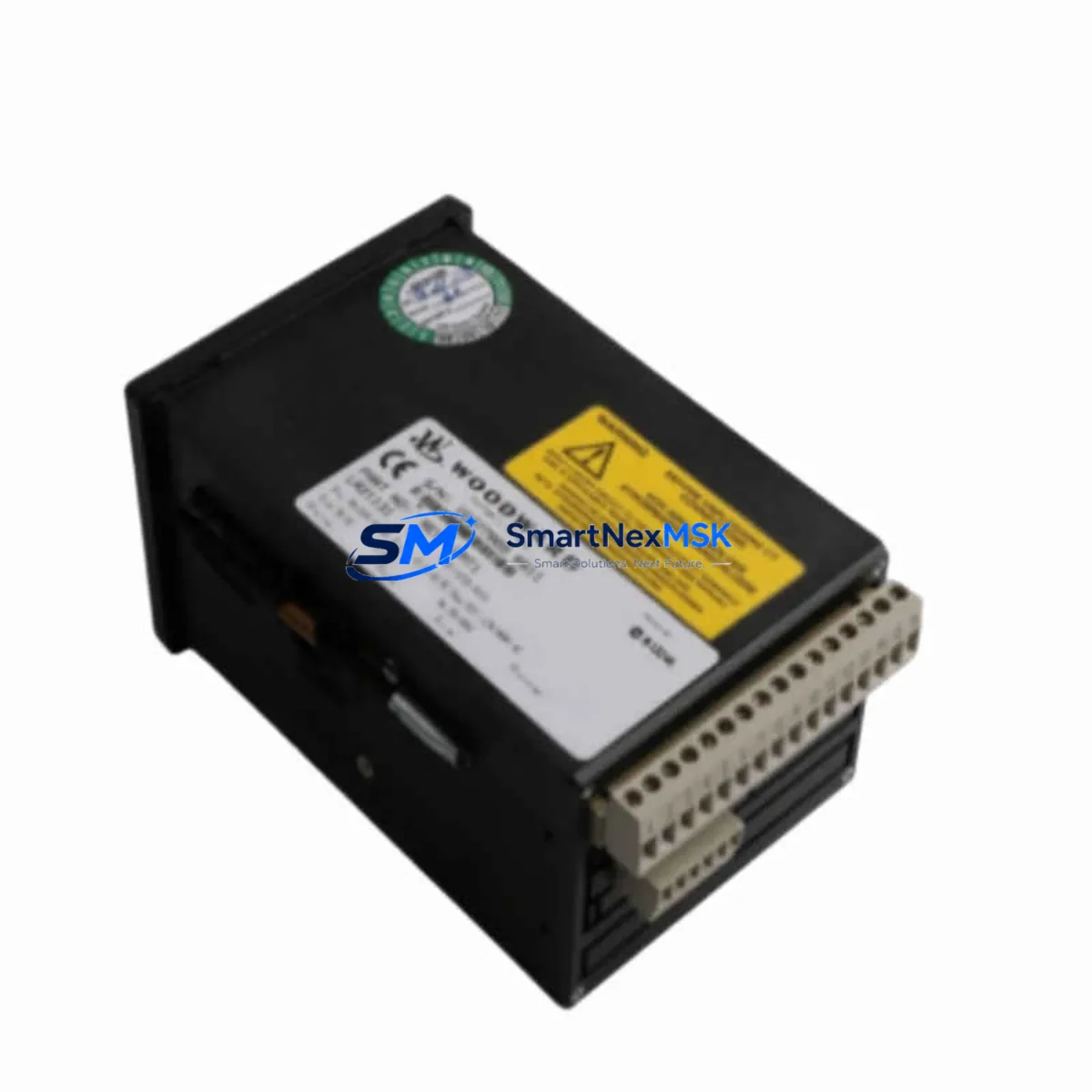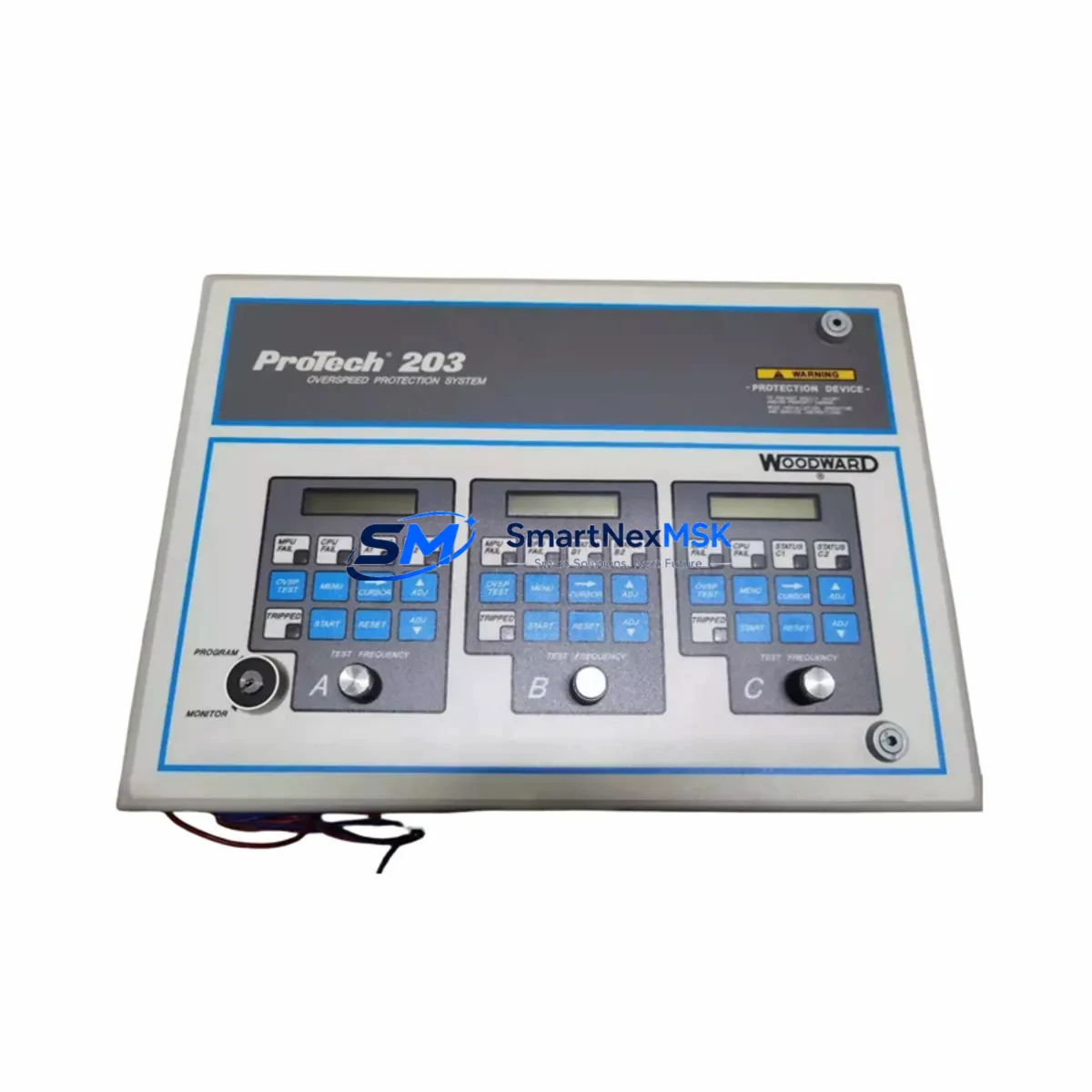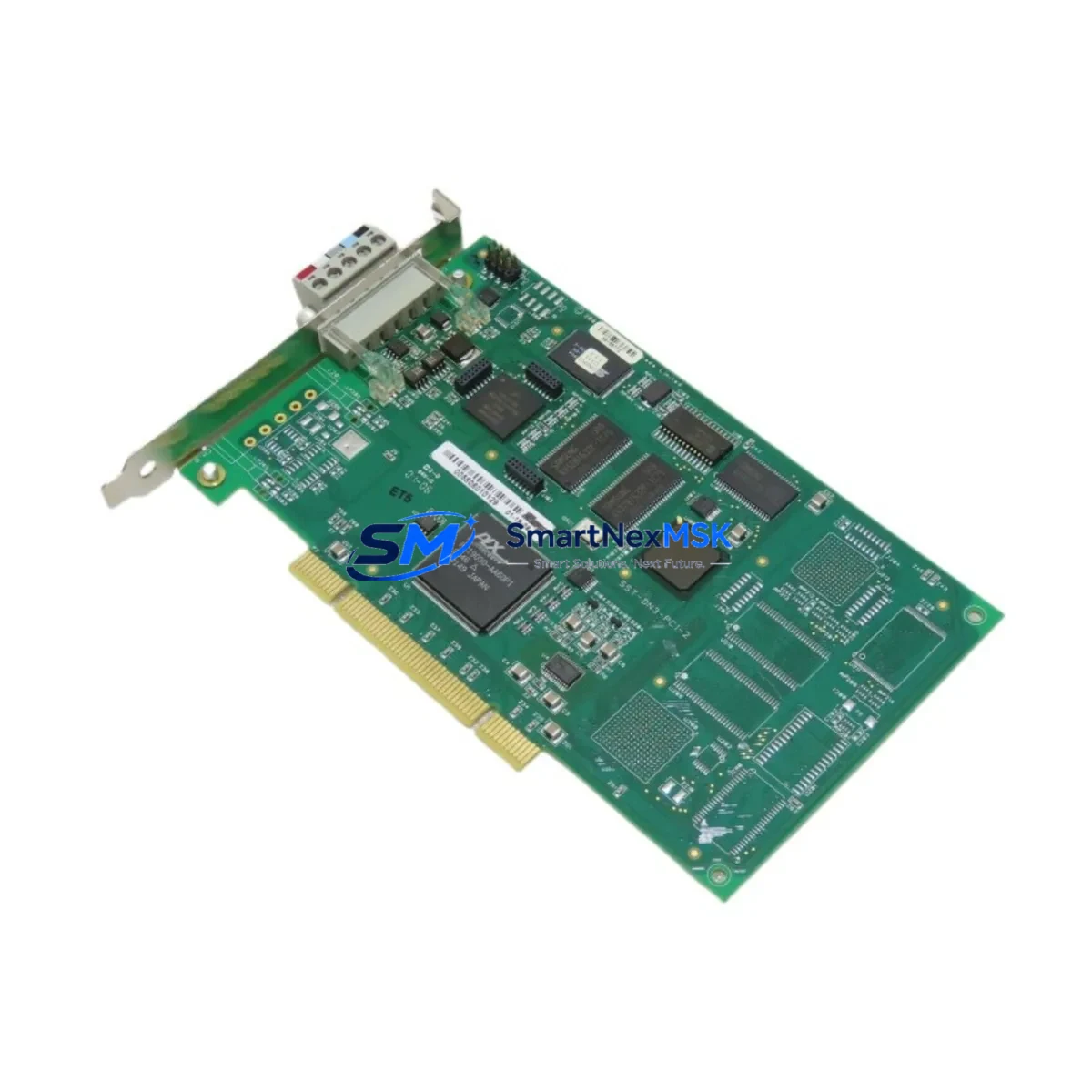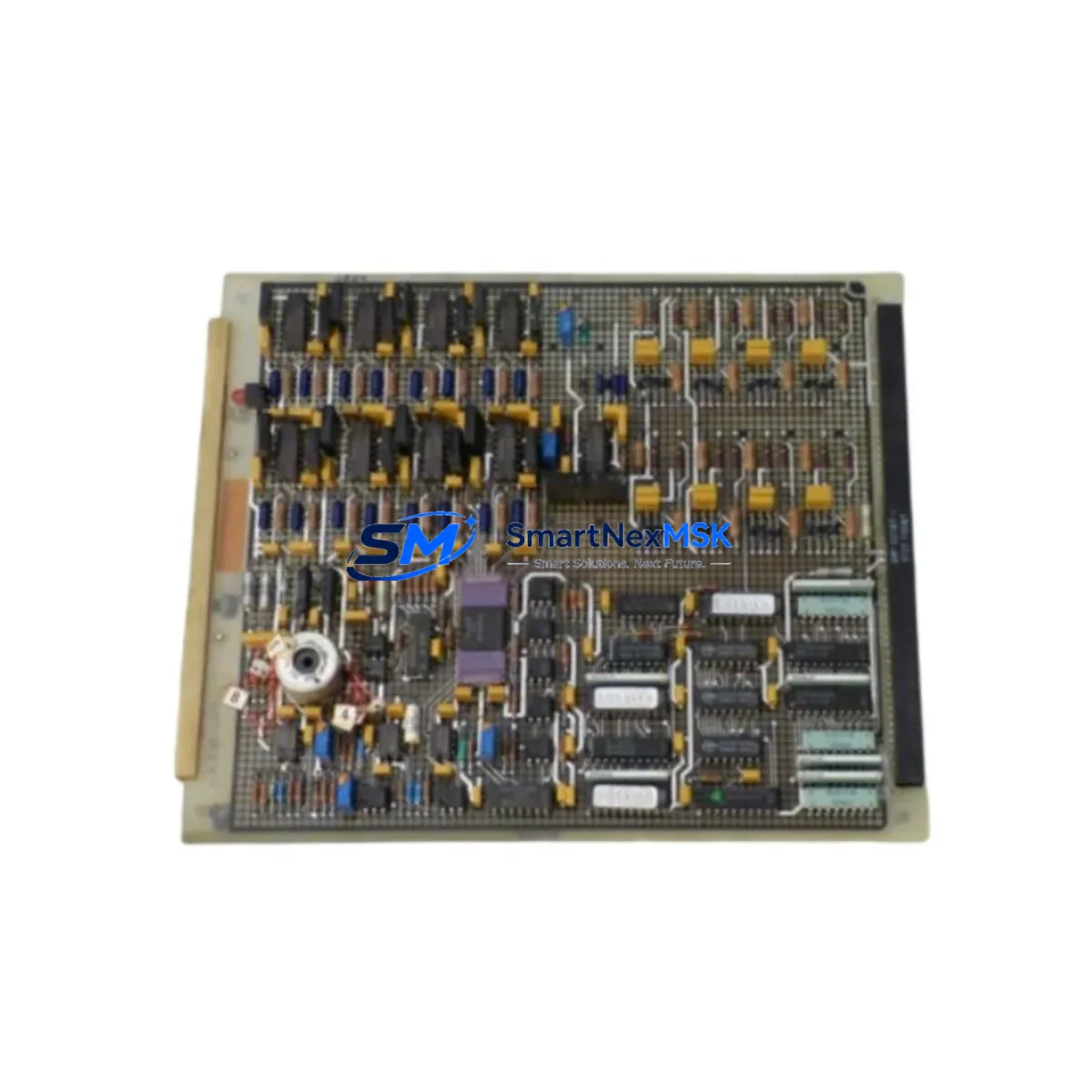
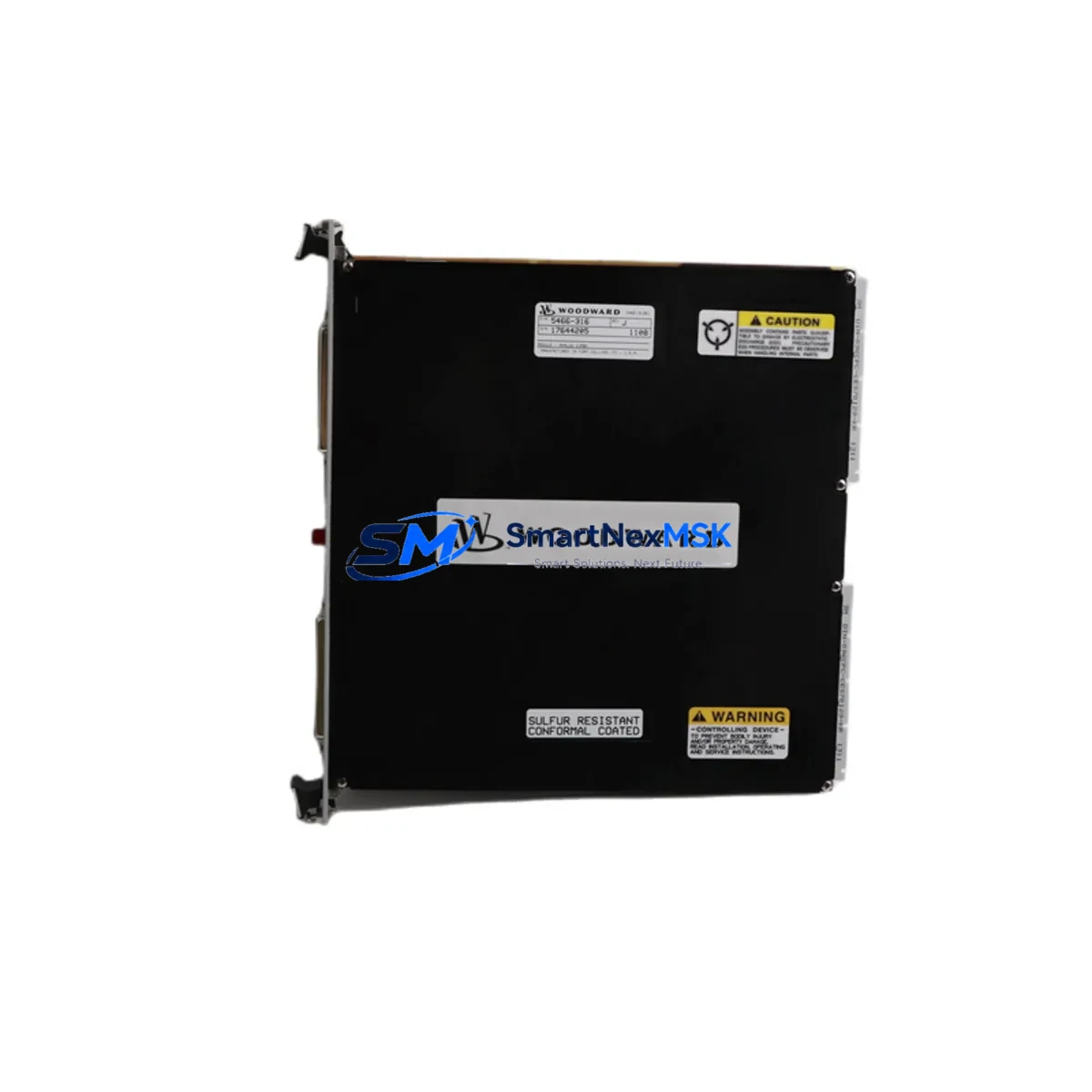
WOODWARD 5466-316 Retrofit-Ready Governor I/O for MicroNet Control Systems
The WOODWARD 5466-316 is a Governor MPU I/O Module designed for the MicroNet series turbine and engine control platform. As legacy MicroNet installations age and OEM support windows narrow, the 5466-316 has become a critical component in retrofit projects, emergency spare strategies, and planned control system upgrades across power generation, oil & gas, and industrial turbine applications. This module provides the interface between magnetic pickup unit (MPU) speed sensors and the MicroNet controller’s core logic, making it indispensable for any system that relies on accurate speed sensing, overspeed protection, and governor response.
Whether you are replacing a failed unit on an emergency basis, building a spare parts inventory for a long-running turbine train, or executing a phased modernization of an aging control cabinet, the 5466-316 is available as a tested, verified replacement with a 12-month warranty and documented compatibility with the MicroNet platform.
Upgrade Compatibility Table
| Parameter | Details |
|---|---|
| Module SKU | WOODWARD 5466-316 |
| Platform Compatibility | WOODWARD MicroNet Series (MicroNet TMR, MicroNet Plus, MicroNet Simplex) |
| Function | Governor MPU I/O — speed signal acquisition, overspeed detection, governor interface |
| Backplane Interface | MicroNet standard backplane slot; verify rack revision before installation |
| Terminal Wiring | Compatible with existing MicroNet MPU wiring harness; no re-termination required in most retrofit scenarios |
| Communication Compatibility | Integrates with MicroNet internal communication bus; compatible with WOODWARD NetCon and Modbus RTU supervisory links |
| Replacement Recommendation | Direct drop-in for failed or end-of-life 5466-316 units; confirm firmware revision with site engineer |
| Commissioning Notes | Module address assignment via MicroNet configuration tool; MPU gain and threshold calibration required post-installation |
| Installation Requirement | DIN rail or rack-mount per MicroNet chassis; 24 VDC backplane power from MicroNet power supply module |
| Warranty | 12-Month Warranty — covers manufacturing defects and functional failure under normal operating conditions |
Retrofit Planning for Existing Automation Systems
Successful retrofit of the WOODWARD 5466-316 into an existing MicroNet control system requires a structured approach that accounts for the full control architecture — not just the module itself. Before pulling the failed or aging unit, site engineers should document the current MicroNet rack configuration, including the position of the 5466-316 within the chassis, the backplane slot address, and the power draw from the MicroNet power supply module. Overloading the power supply during a retrofit is a common cause of post-installation instability, particularly in older cabinets where the original WOODWARD 5008 or 5009 power supply module may already be operating near capacity.
Terminal wiring to the MPU sensors should be verified against the original MicroNet wiring diagram. In most installations, the 5466-316 connects to passive magnetic pickup units via shielded twisted-pair cable, and the shield grounding practice at the terminal block is critical for noise immunity — especially in turbine environments with high electromagnetic interference from excitation systems and variable-frequency drives. If the existing WOODWARD MicroNet I/O terminal block shows signs of corrosion or thermal stress, this is an appropriate time to replace it as part of the retrofit scope.
For sites running MicroNet TMR (Triple Modular Redundant) configurations, the 5466-316 may be installed in triplicated slots. All three modules must be replaced simultaneously or the TMR voting logic must be temporarily bypassed under a formal management-of-change procedure. Coordinate with the WOODWARD MicroNet application engineer or use the MicroNet Service Tool to verify module health status before and after replacement. The MicroNet Service Tool communicates with the controller via the WOODWARD Watch Window software over a serial or Ethernet link, depending on the controller revision.
If the retrofit is part of a broader control system upgrade — for example, migrating from a legacy WOODWARD 505 or 505E digital governor to a full MicroNet platform — the 5466-316 will serve as the speed input module in the new architecture. In this scenario, the existing MPU wiring from the turbine can often be reused, but the signal conditioning parameters (MPU threshold voltage, gear tooth count, overspeed trip setpoint) must be re-entered into the MicroNet configuration. The WOODWARD NetCon communication module, if present in the rack, should also be reconfigured to reflect the new module map. HMI screens connected via Modbus or OPC-DA to the MicroNet controller will require tag remapping if the I/O module slot address changes during the retrofit.
For I/O expansion projects where additional speed channels are needed — for example, adding a second MPU input for a load gear or a compressor train — the 5466-316 can be added to an existing MicroNet rack provided spare slots are available. Confirm the total I/O count against the MicroNet chassis capacity and verify that the WOODWARD MicroNet analog output module and digital I/O module assignments do not conflict with the new slot address. A full I/O map review is recommended before any slot assignment changes are committed to the controller configuration file.
Downtime Control During System Migration
Minimizing unplanned downtime during a 5466-316 replacement is achievable with proper pre-staging and a disciplined hot-swap or cold-swap procedure. For MicroNet Simplex systems, the controller must be taken offline before the module is removed — this means coordinating with operations to bring the turbine or engine to a safe shutdown state. For MsourNet TMR systems, a single module can be replaced while the other two channels maintain control, provided the TMR voting logic is functioning correctly and the replacement is completed within the allowable maintenance window defined in the site’s safety instrumented system (SIS) documentation.
Before removing the 5466-316, use the MicroNet Service Tool to capture a full configuration backup, including the current module parameter set, calibration values, and I/O assignments. This backup protects the original program logic and ensures that the replacement module can be configured to an identical state without relying on paper records. Store the backup file on a secure engineering workstation and verify the file integrity before proceeding.
After installing the replacement 5466-316, perform a bench-level functional check before energizing the backplane: verify continuity on the MPU input terminals, confirm the module address DIP switch or firmware setting matches the original slot assignment, and inspect the backplane connector for bent pins or contamination. Once the module is seated and the rack is powered, use the MicroNet Service Tool to confirm that the module is recognized by the controller and that the speed input channel is reading correctly from the MPU. A controlled slow-roll test of the turbine or engine at low speed is the recommended final verification step before returning the unit to full automatic control.
For sites with critical uptime requirements, maintaining a pre-tested spare 5466-316 in the control room reduces mean time to repair (MTTR) from days to hours. Our stock is pre-tested under load conditions, and each unit ships with a test report and 12-month warranty documentation, supporting your site’s spare parts qualification process.
Retrofit Support FAQ
Q1: Is the WOODWARD 5466-316 a direct drop-in replacement for the original module?
In the majority of MicroNet installations, yes. The 5466-316 uses the standard MicroNet backplane interface and the same terminal wiring layout as the original unit. However, firmware revision compatibility should be confirmed with your site’s MicroNet configuration file before installation. If the controller firmware has been updated since the original module was installed, a module firmware update may be required — this is performed via the WOODWARD Service Tool and typically takes less than 30 minutes.
Q2: What commissioning steps are required after installing the replacement module?
After physical installation, the module address must be verified in the MicroNet configuration, and the MPU input parameters (threshold voltage, gear tooth count, overspeed setpoint) must be confirmed against the original calibration record. A slow-roll functional test is required to verify speed signal acquisition. If the module is part of a TMR rack, the TMR voting logic must be verified to confirm all three channels are in agreement before returning to automatic control.
Q3: Can the 5466-316 be used in a MicroNet system that has been upgraded to a newer firmware version?
Yes, in most cases. WOODWARD MicroNet firmware updates are generally backward-compatible with existing I/O modules including the 5466-316. The specific compatibility matrix depends on the MicroNet controller revision and the firmware version in use at your site. We recommend providing your controller part number and firmware version when placing your order so we can confirm compatibility before shipment.
Q4: What does the 12-month warranty cover, and what is the process for a warranty claim?
The 12-month warranty covers manufacturing defects and functional failure under normal operating conditions from the date of shipment. It does not cover damage resulting from incorrect installation, overvoltage, or physical mishandling. To initiate a warranty claim, contact our sales team with the order number, module serial number, and a description of the failure. We will arrange return shipping and provide a replacement or repaired unit within the agreed lead time. All warranty replacements are tested before dispatch.
© 2026 SMARTNEXMSK. All rights reserved.
Original Source: https://smartnexmsk.com
Contact: [email protected] | +86 18259474341