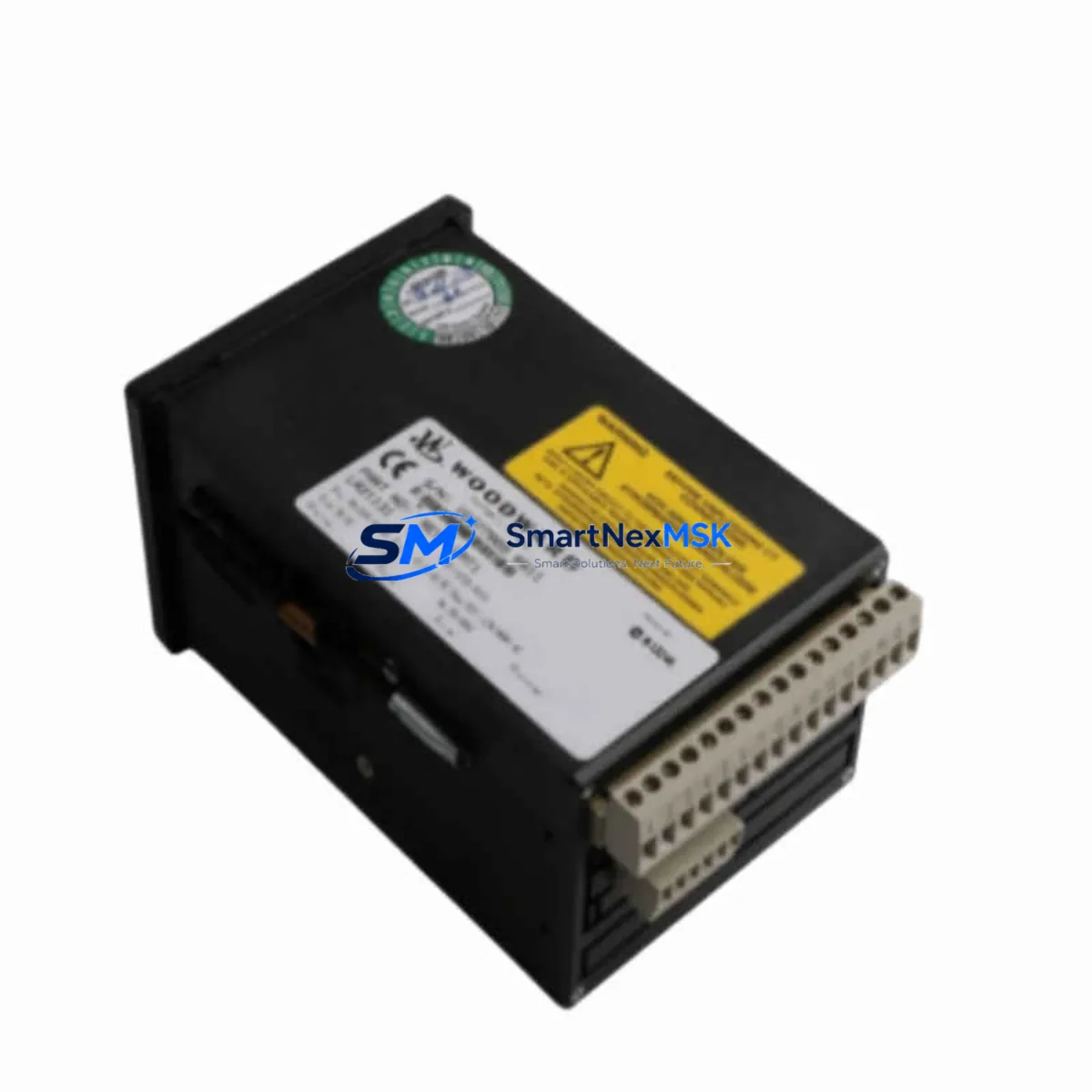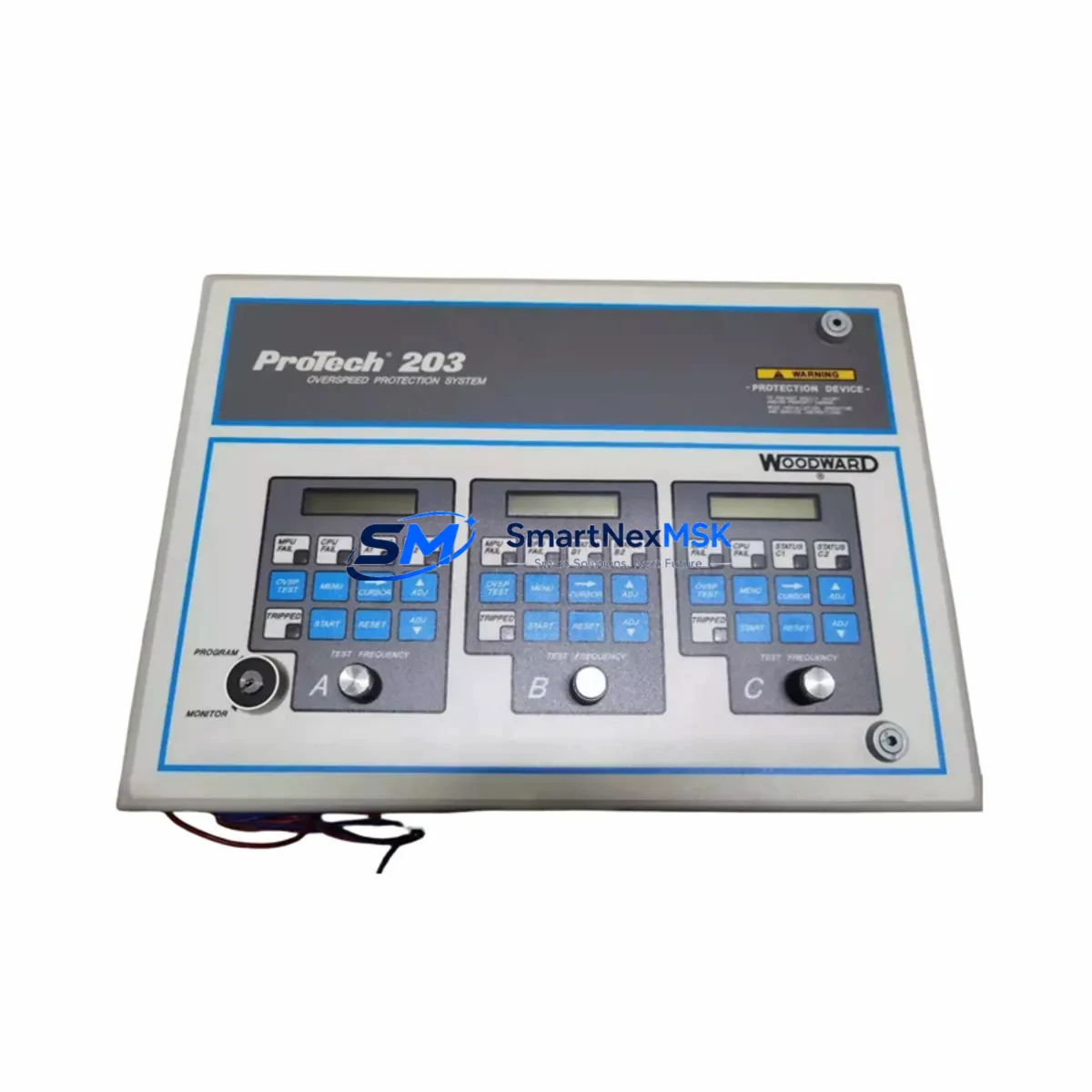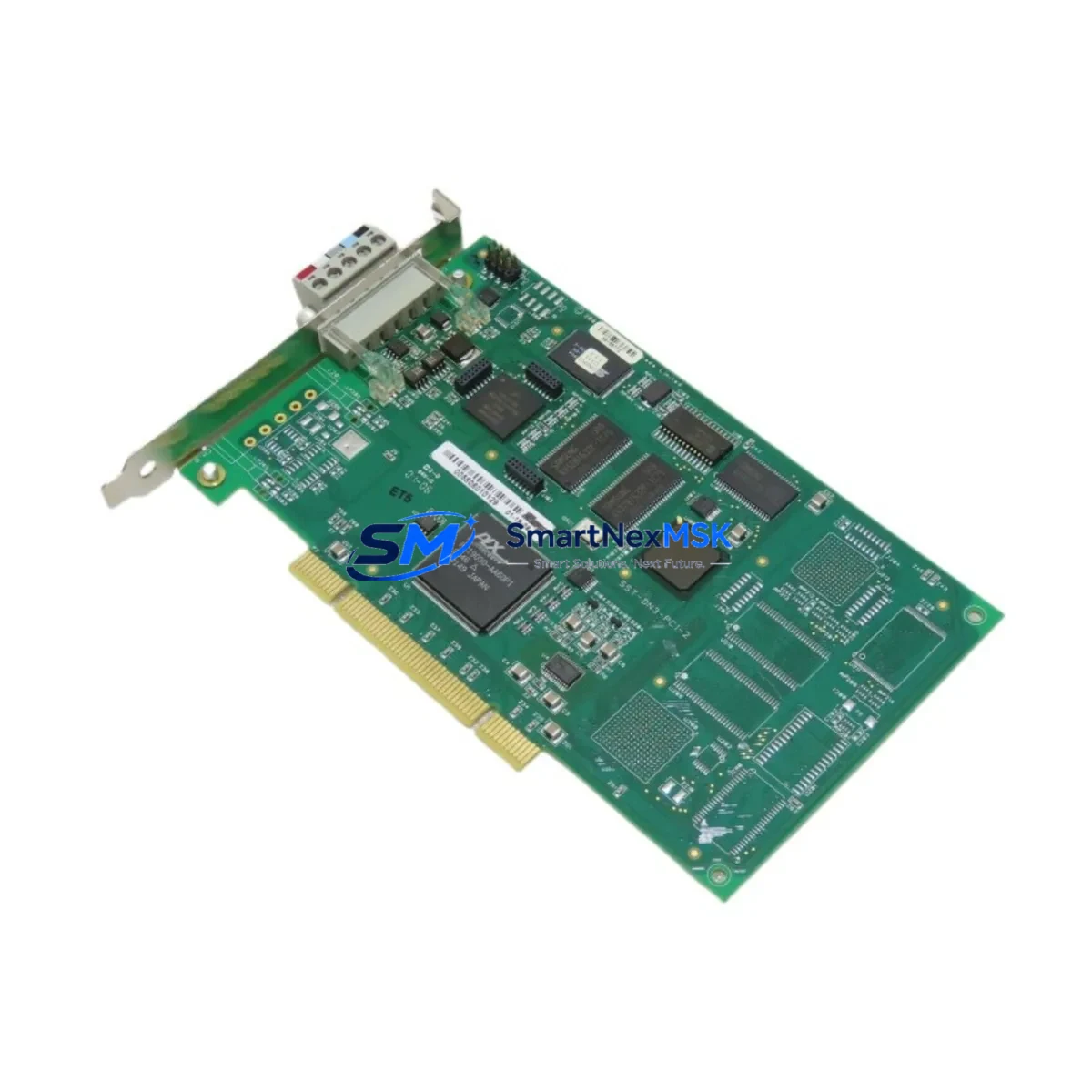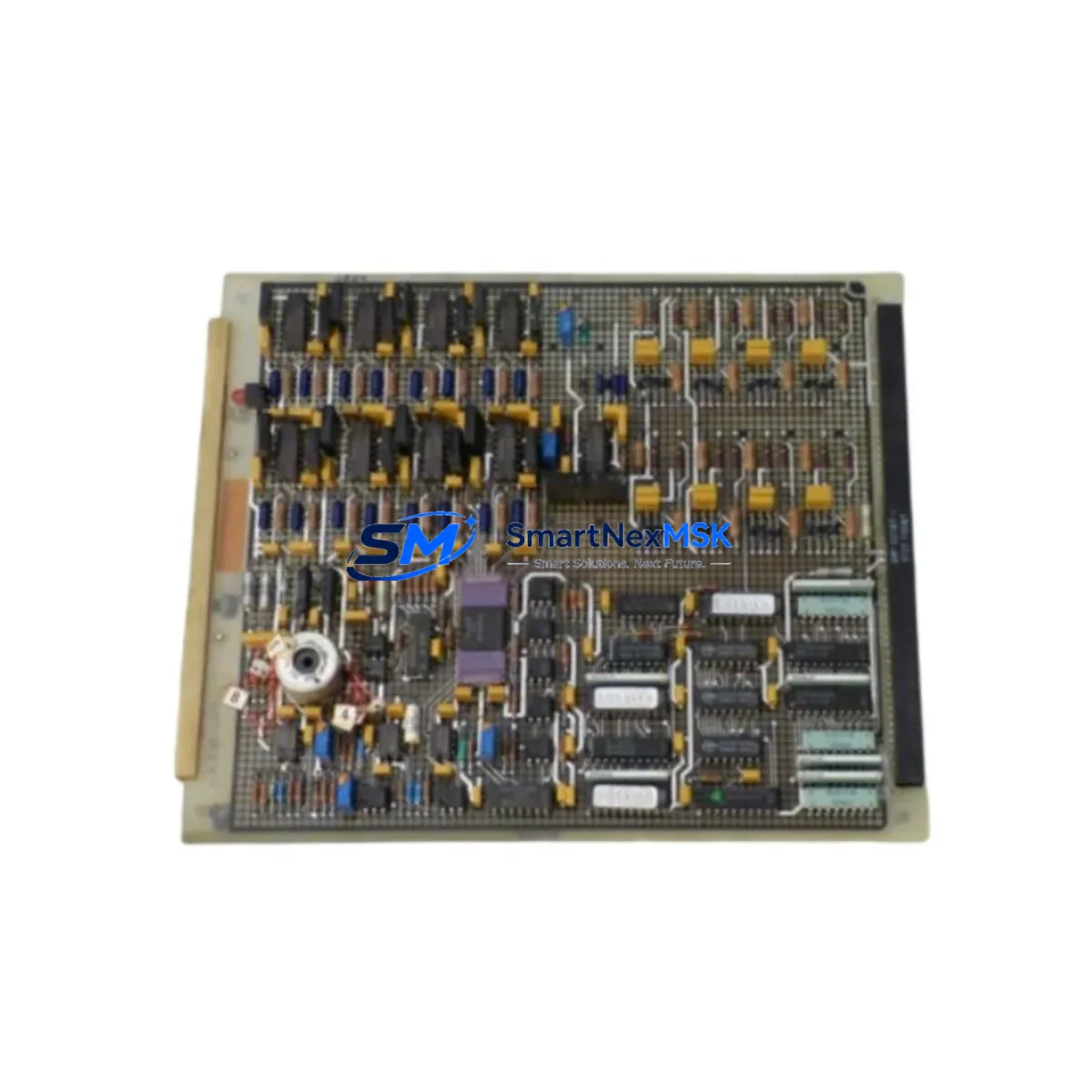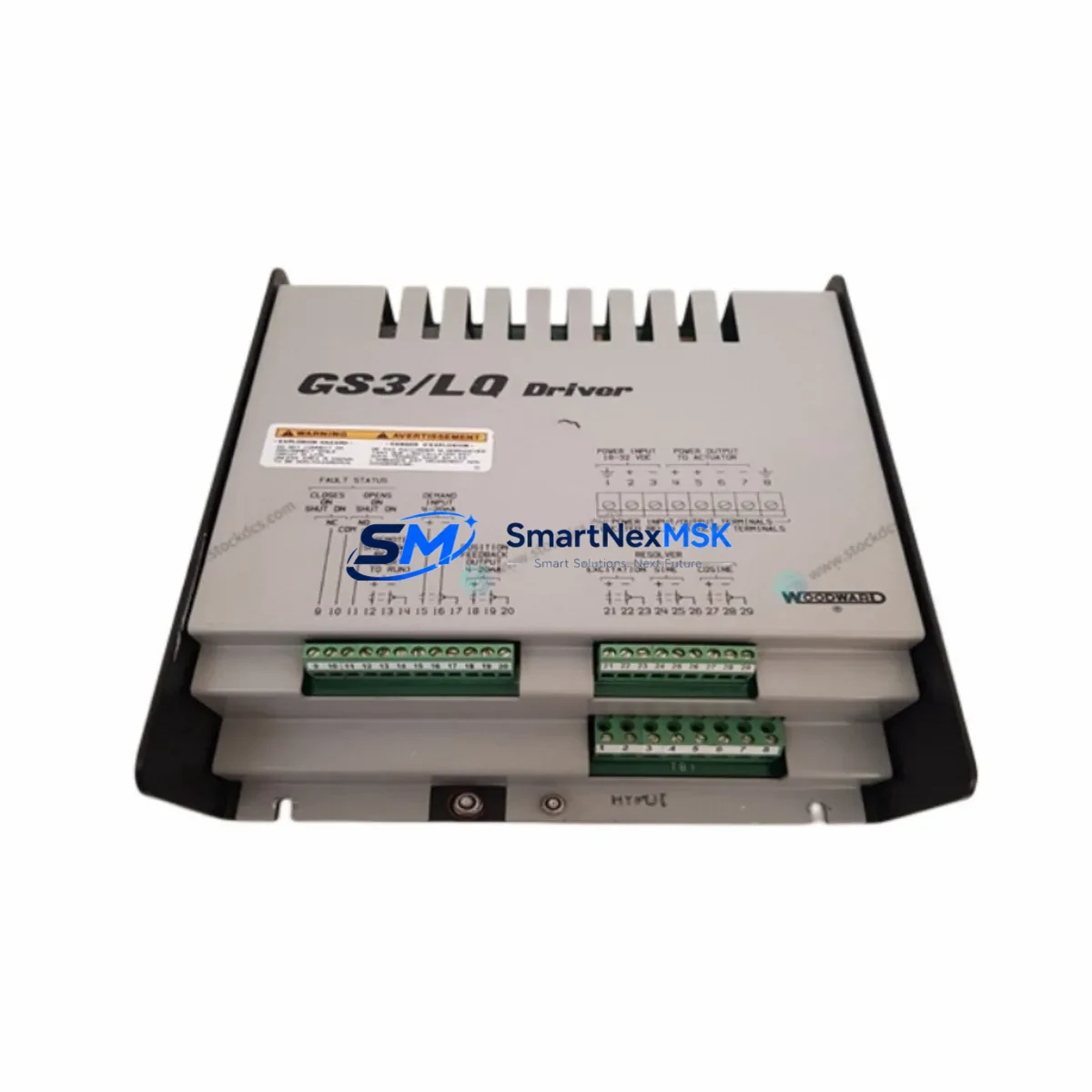
WOODWARD 9907-023 Retrofit-Ready Speed Governor for 9907 Series Control Systems
The WOODWARD 9907-023 is a proven analog PID speed governor controller engineered for seamless integration into legacy 9907 Series control architectures. As industrial facilities face increasing pressure to extend the operational life of aging turbine and engine control systems, the 9907-023 delivers a reliable, drop-in compatible upgrade path that eliminates the need for full panel redesigns or costly engineering overhauls. Whether you are replacing a failed unit, upgrading a deteriorating control cabinet, or migrating from an obsolete predecessor model, the 9907-023 provides the functional continuity and signal compatibility your system demands.
Designed for gas turbine governors, diesel engine speed control, and industrial generator set applications, the 9907-023 accepts standard magnetic pickup (MPU) speed sensor inputs and outputs a 4–20 mA or discrete actuator drive signal compatible with WOODWARD EG series actuators and Barber-Colman DYNA series actuators. Its analog PID architecture ensures stable isochronous or droop speed control without requiring reprogramming of upstream PLC logic or HMI screen modifications, making it the preferred choice for brownfield retrofit projects where minimizing downtime is critical.
Upgrade Compatibility Table
| Parameter | WOODWARD 9907-023 | Retrofit Notes |
|---|---|---|
| Input Voltage | 18–40 VDC | Verify panel PSU output; compatible with WOODWARD 9907-018 power supply modules |
| Speed Sensor Input | Magnetic Pickup (MPU), 0.5–50 Vrms | Direct replacement for 9907-021 and 9907-022 governor inputs; no rewiring required |
| Control Output | 4–20 mA / PWM actuator drive | Compatible with EG-3P, EG-10P, and Barber-Colman DYNA 8000 series actuators |
| Mounting | DIN rail / panel mount | Same footprint as 9907-021; existing cutout and DIN rail spacing retained |
| Communication | Analog (no fieldbus) | Upstream Modbus RTU or PROFIBUS DP PLC I/O modules handle supervisory comms |
| Replacement Models | 9907-021, 9907-022, 9907-025 | Confirm terminal block pinout against original wiring diagram before energizing |
| Commissioning | Potentiometer-based gain/droop tuning | Re-tune PID after installation; retain original gain settings as baseline reference |
| Warranty | 12-Month Warranty — covers manufacturing defects; includes pre-shipment functional test report | |
Retrofit Planning for Existing Automation Systems
A successful 9907-023 retrofit begins well before the unit arrives on site. Start by auditing the existing control cabinet for power supply capacity. The WOODWARD 9907-018 or equivalent 24 VDC regulated power supply must deliver sufficient current headroom to support the governor module alongside co-located I/O modules, relay output cards, and any WOODWARD 2301A or 2301D load sharing and speed control modules that may share the same bus rail. Undersized power supplies are a leading cause of erratic governor behavior after replacement.
Terminal block wiring is the next critical checkpoint. The 9907-023 uses a standard screw-terminal interface, and its pinout is largely consistent with the 9907-021 and 9907-022 predecessors. However, always cross-reference the original panel wiring diagram against the 9907-023 installation manual before making any connections. Pay particular attention to the MPU speed sensor shield grounding point, the actuator output polarity, and the remote speed reference input if your system uses a 4–20 mA setpoint signal from an upstream Modbus RTU I/O module or a WOODWARD 505 digital control.
For systems where the 9907-023 interfaces with a PLC-based supervisory layer — such as a Siemens S7-300 or Allen-Bradley SLC 500 with analog input modules — verify that the 4–20 mA feedback signal scaling in the PLC program matches the governor’s output range. No changes to the PLC ladder logic are typically required, but analog input channel scaling parameters in the hardware configuration should be confirmed. If the existing HMI displays speed, load percentage, or governor output as a trend, the engineering units mapping should be validated against the new module’s output characteristics before returning the unit to automatic control.
Backplane and rack considerations apply when the 9907-023 is installed alongside other 9907 Series modules in a multi-slot chassis. Confirm that the rack address switches or DIP switch settings on the new module match the slot addressing scheme of the original unit. Mismatched module addresses can cause the supervisory controller to fail to recognize the governor on the internal communication bus, resulting in a fault condition that prevents the engine from starting.
Communication protocol migration is relevant for facilities transitioning from older serial RS-232 or RS-485 links to modern Ethernet-based SCADA systems. While the 9907-023 itself is an analog device, the surrounding control architecture may include WOODWARD 723PLUS digital speed controls, Modbus TCP gateways, or PROFIBUS DP communication modules that require reconfiguration when the governor is replaced. Ensure that any protocol converters or gateway devices are updated with the correct baud rate, parity, and device address settings before commissioning.
Downtime Control During System Migration
Minimizing unplanned downtime during a 9907-023 swap requires a structured pre-outage preparation protocol. Before the scheduled maintenance window, photograph all existing terminal wiring, record all potentiometer positions (gain, droop, stability, speed reference), and export or print any relevant PLC program segments that reference the governor I/O channels. This documentation serves as your recovery baseline if commissioning does not proceed as expected.
During the outage, isolate the governor circuit at the panel disconnect before removing the original unit. Install the 9907-023, reconnect all terminals per the verified wiring diagram, and perform a continuity check before applying power. On initial energization, run the engine at no-load and observe the governor’s response to speed reference changes before transferring to automatic load control. The analog PID tuning potentiometers should be set to the recorded baseline values from the original unit as a starting point, then fine-tuned under live load conditions.
To protect original program logic, do not modify any PLC program files during the governor replacement. The 9907-023 is designed to be a transparent analog replacement — the PLC sees the same I/O signal characteristics as the original module. If the system uses a WOODWARD 505E or 505D digital control as the primary governor with the 9907-023 as a backup or auxiliary speed controller, confirm that the control mode switchover logic in the 505 configuration is not affected by the module swap. Retain a backup copy of the 505 configuration file before any changes are made to the control system.
Retrofit Support FAQ
Q: Is the WOODWARD 9907-023 a direct drop-in replacement for the 9907-021 and 9907-022?
A: In most applications, yes. The 9907-023 shares the same terminal block layout and signal interface as the 9907-021 and 9907-022. However, always verify the wiring diagram for your specific panel revision, as some OEM integrators modified the standard pinout during original installation. A pre-installation wiring audit takes less than 30 minutes and eliminates the most common source of commissioning delays.
Q: Does replacing the 9907-023 require changes to the PLC program or HMI screens?
A: No PLC program changes are required for a like-for-like replacement. The 9907-023 presents the same analog I/O interface to the supervisory PLC — whether that is a Siemens S7-400, Allen-Bradley ControlLogix, or a legacy Modicon Quantum — as the original unit. HMI screens referencing governor speed, output percentage, or fault status do not need to be modified. Only analog scaling parameters in the PLC hardware configuration should be verified.
Q: What pre-shipment testing does the 9907-023 undergo before delivery?
A: Every 9907-023 unit shipped by SMARTNEXMSK undergoes a functional bench test that verifies MPU input response, actuator output signal linearity, and PID stability across the operating voltage range. A test report is available upon request. All units are covered by a 12-month warranty against manufacturing defects from the date of shipment.
Q: What should I do if the engine hunts or is unstable after installing the 9907-023?
A: Speed hunting after installation is almost always a PID tuning issue rather than a hardware fault. Start by setting the gain and stability potentiometers to the midpoint, then increase gain gradually while observing speed response at no-load. If hunting persists, check the MPU signal amplitude at the governor input terminals — a weak or noisy MPU signal (below 1 Vrms at rated speed) can cause instability. Also verify that the actuator linkage is correctly adjusted and that there is no mechanical backlash in the fuel control linkage.
© 2026 SMARTNEXMSK. All rights reserved.
Original Source: https://smartnexmsk.com
Contact: [email protected] | +86 18259474341