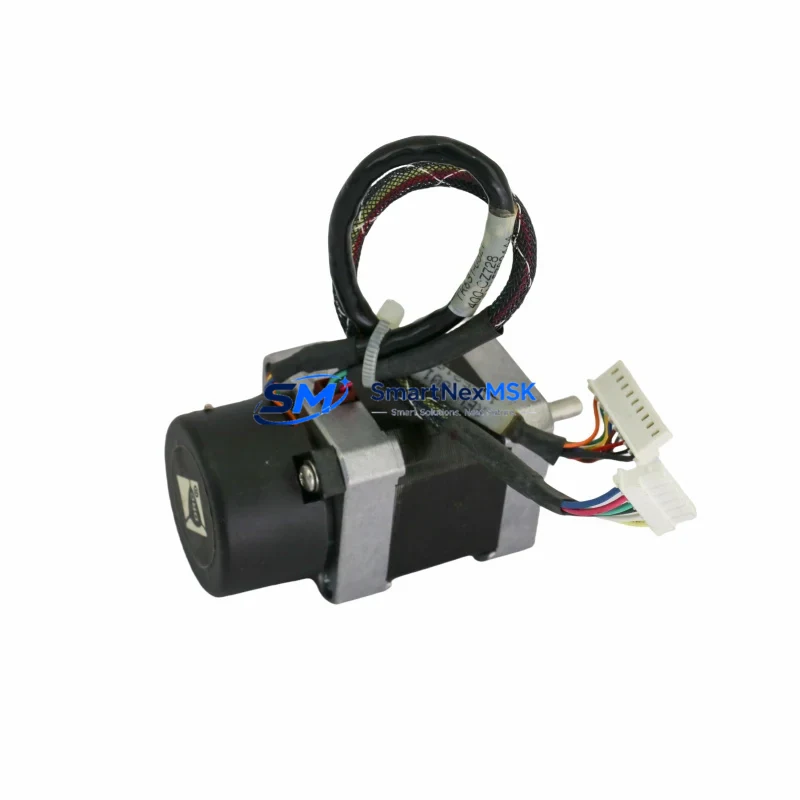
YASKAWA SGMPH-04AAAP20 Retrofit-Ready AC Servo Motor for SGMPH Control Systems
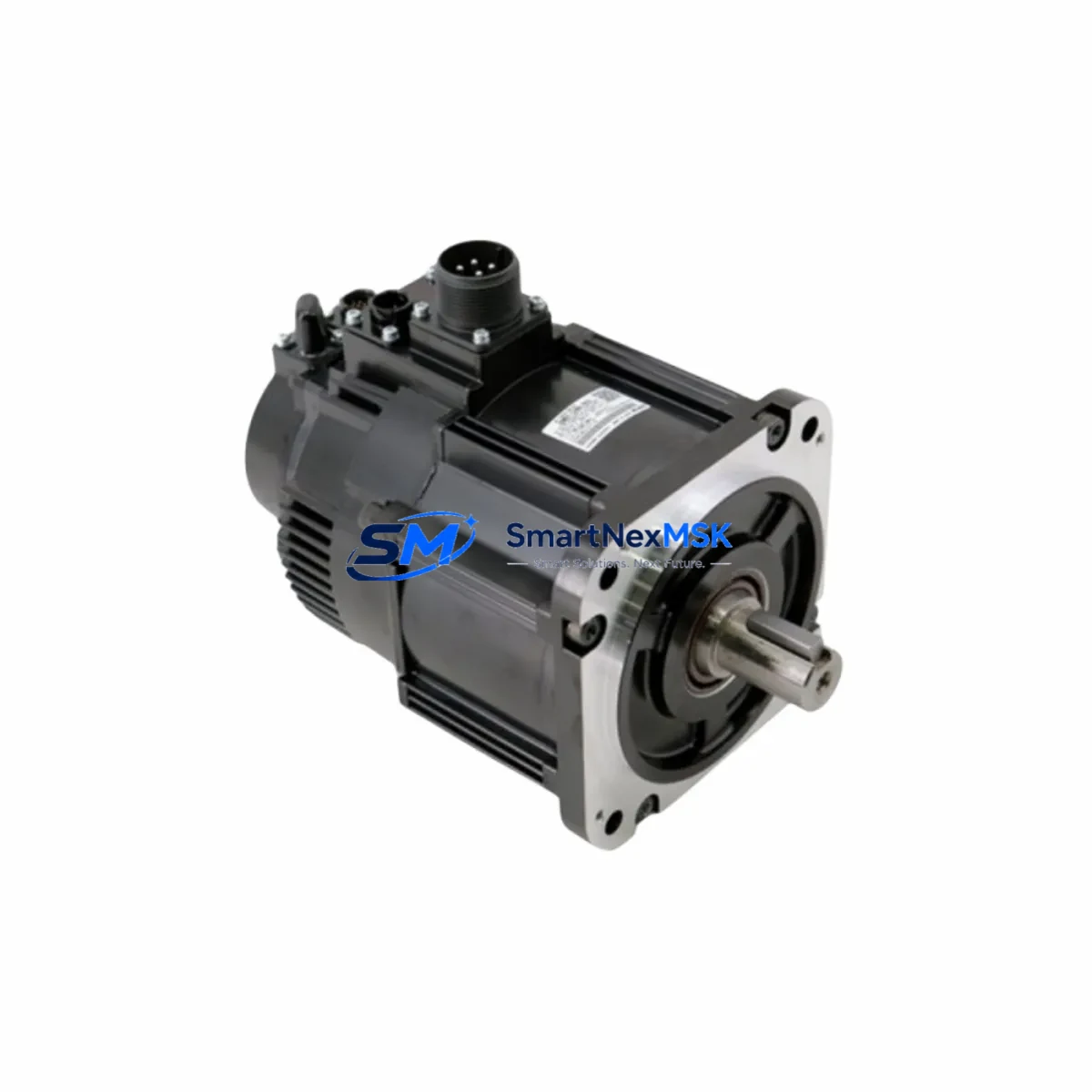
The YASKAWA SGMPH-04AAAP20 is a 400W AC servo motor from YASKAWA’s proven SGMPH Series, engineered for seamless retrofit integration into existing servo control architectures. Whether you are replacing an end-of-life unit on a legacy production line, upgrading a discontinued axis drive, or restoring a critical motion control loop after an unplanned failure, the SGMPH-04AAAP20 delivers the dimensional compatibility, encoder interface alignment, and drive-side parameter continuity that retrofit engineers demand. Its compact flange design and standardized shaft dimensions allow direct mechanical substitution in the vast majority of SGMPH-class installations without custom adapter plates or structural rework.
In retrofit and modernization projects, the SGMPH-04AAAP20 is most commonly paired with the YASKAWA SGDH-04AE or SGDM-04ADA servo amplifiers, both of which share the same encoder feedback protocol and parameter map as the original SGMPH drive family. Engineers migrating from older Σ-II or Σ-III platforms will find that the motor’s incremental encoder output remains fully compatible with these amplifier generations, significantly reducing the scope of drive-side reconfiguration. When the existing amplifier is also being replaced as part of a broader upgrade, the YASKAWA SGDV-2R8A01A (Σ-V series) provides a forward-compatible path with auto-tuning and vibration suppression features that extend the service life of the upgraded axis.
Successful retrofit planning for the SGMPH-04AAAP20 requires systematic verification across several integration checkpoints. Power supply capacity must be confirmed against the motor’s rated current draw and the amplifier’s regenerative braking requirements — in multi-axis cabinets, the YASKAWA JUSP-RA04 regenerative resistor unit is frequently required to absorb braking energy without tripping the DC bus overvoltage protection. Terminal wiring must be cross-referenced against the original installation drawings: the SGMPH-04AAAP20 uses a standard CN1 motor connector and CN2 encoder connector layout, but pin assignments should be verified against the specific amplifier revision in use. Backplane slot addressing and axis numbering within the host controller — whether a YASKAWA MP2300 machine controller, a third-party PLC, or a dedicated motion coordinator — must be preserved to avoid axis mapping errors that would require HMI screen remapping and program logic revision.
For installations where the host controller communicates via MECHATROLINK-II or MECHATROLINK-III protocol, the SGMPH-04AAAP20 paired with a compatible Σ-V or Σ-7 amplifier supports full network-based parameter management, eliminating the need for manual potentiometer adjustment during commissioning. In legacy installations still using analog ±10V command signals, the motor’s response characteristics remain consistent with the original SGMPH specification, allowing the existing velocity loop gains stored in the YASKAWA DriveWizard parameter file to be reloaded without re-tuning from scratch — a critical advantage when minimizing commissioning time on a live production floor.
I/O expansion requirements during the retrofit should also be assessed early. If the upgraded axis requires additional digital inputs for origin return, overtravel limit, or external latch functions, the YASKAWA SI-EN3 option card or equivalent I/O expansion module can be fitted to the replacement amplifier without modifying the motor wiring. For installations where the original control cabinet includes a YASKAWA JZRCR-NPP01B programming cable or USB-to-serial adapter for parameter backup, these tools remain compatible with the SGDH and SGDM amplifier families and should be used to capture a full parameter snapshot before any hardware swap begins.
All SGMPH-04AAAP20 units supplied by SMARTNEXMSK undergo pre-shipment functional verification including insulation resistance testing, encoder signal integrity checks, and shaft runout measurement. Each unit ships with a test report and is covered by a 12-month warranty from the date of delivery. Stock is maintained to support both planned retrofit schedules and emergency replacement scenarios, with expedited dispatch available for critical production downtime situations.
Upgrade Compatibility Table
| Parameter | Specification / Retrofit Guidance |
|---|---|
| SKU / Model | SGMPH-04AAAP20 |
| Brand / Series | YASKAWA / SGMPH Series |
| Rated Output | 400W |
| Rated Voltage | 200V AC (3-phase) |
| Encoder Type | Incremental encoder (2048 P/R), compatible with SGDH / SGDM / SGDV amplifiers |
| Flange Size | 60mm square flange — direct mechanical replacement for SGMPH-class installations |
| Shaft Dimensions | Standard SGMPH shaft; verify keyway and coupling bore before installation |
| Connector Interface | CN1 (motor power) + CN2 (encoder) — verify pin assignment against amplifier revision |
| Compatible Amplifiers | SGDH-04AE, SGDM-04ADA, SGDV-2R8A01A (Σ-V), SGDV-R70A (with parameter adjustment) |
| Communication Protocol | MECHATROLINK-II / MECHATROLINK-III (amplifier-dependent); analog ±10V also supported |
| Installation Environment | IP55 protection; operating temp 0–40°C; humidity ≤80% non-condensing |
| Retrofit Commissioning | Reload existing DriveWizard parameter file; verify axis address and I/O mapping before run |
| Origin | Japan |
| Warranty | 12-Month Warranty from date of delivery — covers manufacturing defects and functional failure |
Retrofit Planning for Existing Automation Systems
A structured retrofit plan for the SGMPH-04AAAP20 begins with a full audit of the existing control cabinet. The servo amplifier — typically a SGDH-04AE or SGDM-04ADA — should be inspected for firmware version and parameter backup status before the motor swap. If the amplifier is also being replaced, the SGDV-2R8A01A (Σ-V series) is the recommended upgrade path, offering auto-tuning, vibration suppression, and MECHATROLINK-III compatibility that future-proofs the axis for at least one additional equipment generation.
The control cabinet power section must be reviewed to confirm that the 24VDC control power supply — often a YASKAWA JUSP-OP05A-1 operator panel or a third-party DIN-rail PSU — can sustain the inrush current during amplifier initialization. The regenerative braking circuit should be verified: in multi-axis configurations, a shared JUSP-RA04 regenerative resistor is standard practice to prevent DC bus overvoltage faults during rapid deceleration cycles. Terminal block wiring should be documented with photographs before disconnection, and the encoder cable — typically a shielded JZSP-CMP00-03 encoder cable — should be inspected for insulation integrity and connector seating.
For systems using a YASKAWA MP2300 or MP2310 machine controller as the motion coordinator, the axis definition file and motion program must be backed up before any hardware change. The MECHATROLINK node address set on the replacement amplifier must match the original axis address exactly to avoid program re-mapping. HMI screens built on YASKAWA GP-Pro EX or third-party SCADA platforms referencing axis status tags will continue to function without modification provided the node address and register mapping are preserved. If the HMI communicates via a YASKAWA CP-317 communication module or equivalent gateway, the communication link should be tested in monitor mode before returning the axis to automatic operation.
I/O wiring for overtravel limits, origin sensors, and external latch inputs should be verified against the amplifier’s CN1 terminal map. Where additional digital I/O is required, the YASKAWA SI-EN3 option card provides EtherNet/IP connectivity and expanded I/O without modifying the motor or power wiring. A JZRCR-NPP01B programming cable or USB adapter should be on hand for final parameter verification and test run monitoring via DriveWizard Industrial software.
Downtime Control During System Migration
Minimizing production downtime during an SGMPH-04AAAP20 retrofit requires preparation that begins well before the maintenance window opens. The most effective strategy is to pre-configure the replacement amplifier offline: load the backed-up parameter file from DriveWizard, set the correct MECHATROLINK node address, and verify the regenerative resistor wiring on the bench before the unit enters the cabinet. This reduces in-cabinet commissioning time to encoder cable connection, power-on verification, and a short JOG test — typically achievable within 30–60 minutes for an experienced technician.
Program logic protection is achieved by locking the motion program in the host controller to a safe hold state before power-down, ensuring that the axis does not attempt to resume a mid-cycle position command on restart. For continuous production lines where adjacent axes must remain operational during the swap, the host controller’s axis inhibit function should be used to isolate the affected axis without halting the entire machine sequence. After the motor swap, a controlled origin return sequence should be executed before re-enabling automatic operation to confirm that the absolute position reference is correctly re-established.
Field continuity is further protected by maintaining a spare SGMPH-04AAAP20 unit in the local spare parts inventory. SMARTNEXMSK maintains ready stock of SGMPH Series motors and compatible SGDH/SGDM/SGDV amplifiers to support both scheduled maintenance and emergency replacement, with same-day dispatch available for critical downtime situations. All units are shipped with pre-shipment test documentation to eliminate incoming inspection delays on the production floor.
Retrofit Support FAQ
Q1: Is the SGMPH-04AAAP20 a direct drop-in replacement for my existing SGMPH Series motor?
In the vast majority of SGMPH-class installations, yes. The motor shares the same 60mm flange, shaft dimensions, encoder interface, and connector layout as the standard SGMPH family. Before installation, verify the shaft keyway dimensions and coupling bore, and confirm the encoder cable pin assignment against your specific amplifier revision. No drive-side parameter changes are typically required when replacing a like-for-like SGMPH unit.
Q2: What pre-shipment testing is performed on each unit?
Every SGMPH-04AAAP20 supplied by SMARTNEXMSK undergoes insulation resistance testing (motor winding to frame), encoder signal integrity verification, and shaft runout measurement before dispatch. A test report is included with each shipment. Units are covered by a 12-month warranty from the date of delivery covering manufacturing defects and functional failure under normal operating conditions.
Q3: Can I reuse my existing DriveWizard parameter file with the replacement amplifier?
Yes, provided the replacement amplifier is the same model or a compatible successor (e.g., SGDH-04AE to SGDV-2R8A01A upgrade path). Load the backed-up parameter file, verify the MECHATROLINK node address, and perform a JOG test before returning to automatic operation. For cross-generation upgrades (Σ-II to Σ-V), some parameters require manual re-entry due to register map differences — SMARTNEXMSK technical support can assist with parameter migration guidance.
Q4: What is the long-term supply commitment for SGMPH Series components?
SMARTNEXMSK maintains active inventory of SGMPH Series motors and compatible servo amplifiers to support both planned retrofit schedules and emergency replacement requirements. Stock levels are reviewed regularly to ensure continuity of supply for customers with multi-year maintenance contracts or large installed bases. Contact our sales team to discuss volume reservation, consignment stock arrangements, or long-term supply agreements.
© 2026 SMARTNEXMSK. All rights reserved.
Original Source: https://smartnexmsk.com
Contact: [email protected] | +86 18259474341