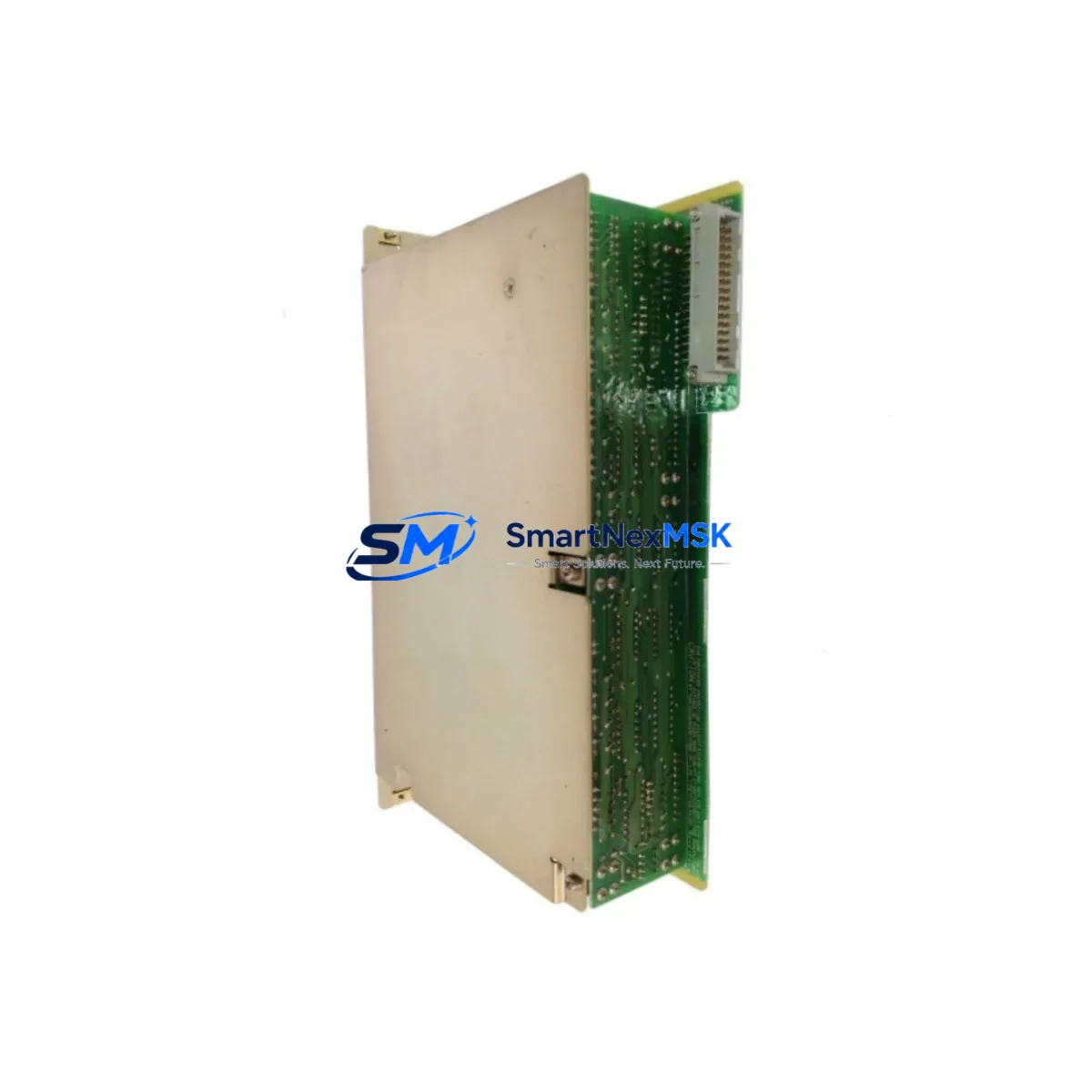
Yaskawa XRC-CPS-150F Spare for Motoman XRC Automation: Spare Replacement & Downtime Risk Control
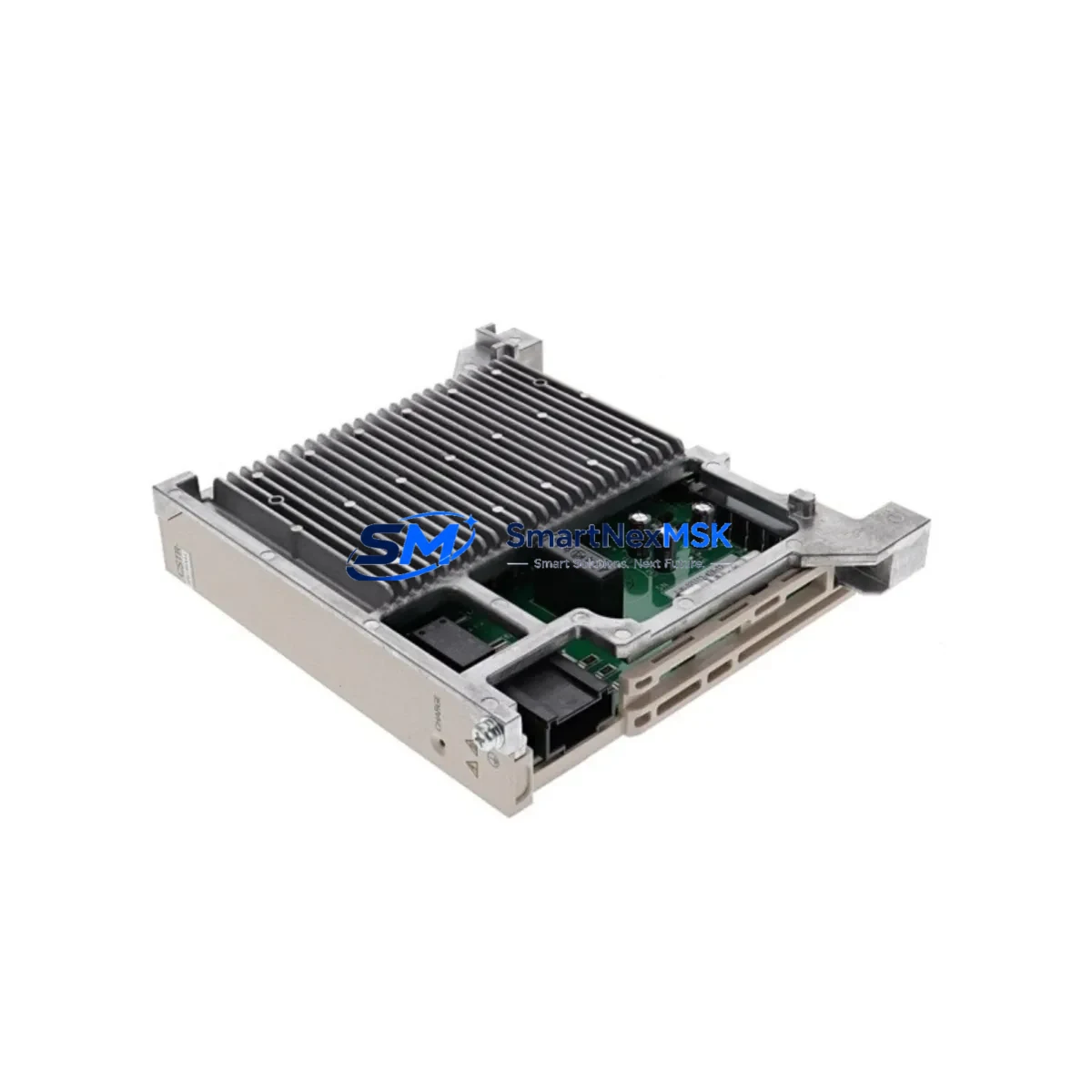
The Yaskawa XRC-CPS-150F is the original power supply unit (PSU) designed for the Motoman XRC robot controller series — one of the most widely deployed robot controller platforms in automotive, metal fabrication, arc welding, and general industrial automation environments. When this unit fails or degrades, the entire robot cell is at risk of unplanned downtime. Sourcing a verified, tested replacement is the fastest path to restoring production continuity.
This listing provides an original XRC-CPS-150F spare part, pre-tested before shipment, backed by a 12-month warranty, and available for long-term supply. Whether you are a maintenance engineer executing a planned overhaul or a procurement engineer responding to an emergency breakdown, this unit is stocked and ready to ship.
Spare Maintenance Table
| Parameter | Specification / Detail |
|---|---|
| Part Number / SKU | XRC-CPS-150F |
| Brand | Yaskawa Electric Corporation |
| Series Compatibility | Motoman XRC Robot Controller Series |
| Product Type | Robot Controller Power Supply Unit (PSU) |
| Origin | Japan (Original Yaskawa Component) |
| Weight | 560 g (approx.) |
| Application Environment | Industrial robot control cabinets, automated welding cells, material handling systems |
| Installation | Direct replacement for existing XRC-CPS-150F; slot-in mounting within XRC controller enclosure |
| Compatibility Verification | Confirm controller model plate reads XRC series before installation |
| Pre-Shipment Testing | Yes — functional output voltage and load test performed |
| Warranty | 12 Months from date of shipment |
| Condition | Original spare (new or refurbished-to-spec, clearly stated at order confirmation) |
| Lead Time | In-stock units ship within 1–3 business days |
| Long-Term Supply | Available — suitable for MRO blanket orders and spare parts kitting |
Maintenance Planning for Continuous Operation
The XRC-CPS-150F does not operate in isolation. In a Motoman XRC controller cabinet, the power supply unit is the upstream source for every downstream board, module, and I/O circuit. When planning a replacement or conducting a scheduled inspection, maintenance engineers should simultaneously evaluate the condition of adjacent components to prevent repeat failures and maximize the value of each planned maintenance window.
Start with the JZNC-XRK01B robot control board and the JZNC-XIU01B I/O unit — both draw regulated DC power from the CPS-150F and are susceptible to damage from PSU voltage irregularities. Inspect the JZNC-XEW01B servo amplifier board for signs of thermal stress, particularly if the PSU failure was preceded by axis alarms or servo fault codes. The JZNC-XCP01 CPU board should be checked for capacitor bulge or corrosion if the controller has been in service for more than five years.
On the power input side, verify the condition of the XRC controller input fuse block and the 24VDC auxiliary power rail before energizing the replacement PSU. A shorted downstream load can immediately damage a new power supply unit. Check all terminal blocks and wiring harnesses within the controller enclosure for insulation degradation, loose crimps, or oxidized contacts — these are common root causes of PSU overload in aging XRC systems.
For systems with teach pendant integration, inspect the JZNC-XPP01 teach pendant cable and the pendant interface board for continuity. Communication faults between the pendant and the controller CPU are sometimes misdiagnosed as PSU failures. If the XRC system is networked via DeviceNet or Ethernet/IP, verify the communication module’s power draw and connector integrity as part of the same maintenance cycle.
Facilities running multiple XRC cells should maintain at least one XRC-CPS-150F as a dedicated hot spare in the control room. Pairing this with a spare JZNC-XIU01B I/O unit and a set of XRC controller fuses creates a minimum viable spare kit capable of recovering from the most common XRC controller failure modes within a single shift.
Site Replacement Workflow
Step 1 — Fault Isolation: Before removing the XRC-CPS-150F, record all active alarms from the teach pendant. Document the controller’s axis configuration, I/O mapping, and any custom parameters stored in the JZNC-XCP01 CPU board. If the system has a backup battery, verify it is functional to preserve SRAM data during power-off.
Step 2 — Safe De-energization: Follow Yaskawa’s lockout/tagout procedure for the XRC controller. Disconnect the main breaker and allow the capacitor bank to discharge (minimum 5 minutes). Verify zero voltage at the PSU output terminals before proceeding.
Step 3 — Physical Replacement: The XRC-CPS-150F is a slot-mounted unit secured by standard M4 screws. Disconnect the input power harness and all output connectors in sequence. Install the replacement unit, reconnect in reverse order, and torque all terminal screws to specification.
Step 4 — Power-On Verification: Restore main power and observe the controller startup sequence. Confirm that all output voltages are within tolerance using a calibrated multimeter before enabling servo power. Clear any residual alarms and perform a low-speed axis jog test to verify full system recovery.
Step 5 — Documentation: Log the replacement in the equipment maintenance record. Note the date, replaced part number, and any observations about the failed unit’s condition. This data supports future predictive maintenance scheduling and spare parts budget planning.
This workflow minimizes mean time to repair (MTTR) and ensures the replacement is performed safely, with full system compatibility confirmed before returning the robot cell to production.
Spare Parts Support FAQ
Q1: Is the XRC-CPS-150F compatible with all Motoman XRC controller variants?
The XRC-CPS-150F is the standard PSU for the Motoman XRC series. However, XRC controllers were produced across multiple hardware revisions. Always verify the controller’s model plate and internal PSU slot dimensions before ordering. Our team can assist with compatibility confirmation if you provide your controller’s serial number or hardware revision code.
Q2: What pre-shipment testing is performed on each unit?
Every XRC-CPS-150F is tested for correct output voltage levels across all DC rails and undergoes a functional load test before packaging. Units that do not meet Yaskawa’s original output specifications are not shipped. A test report is available upon request for quality-critical applications.
Q3: What does the 12-month warranty cover?
The 12-month warranty covers manufacturing defects and functional failures under normal operating conditions. It does not cover damage caused by incorrect installation, overvoltage events, or use outside the XRC controller’s specified operating environment. Warranty claims are processed with return shipment support and priority replacement dispatch.
Q4: Can I order multiple units for long-term MRO stock?
Yes. We support blanket orders and MRO kitting for facilities managing multiple XRC robot cells. Volume pricing is available for orders of 3 or more units. Contact our sales team to discuss lead times, packaging requirements, and long-term supply agreements suitable for your maintenance planning cycle.
© 2026 SMARTNEXMSK. All rights reserved.
Original Source: https://smartnexmsk.com
Contact: [email protected] | +86 18259474341