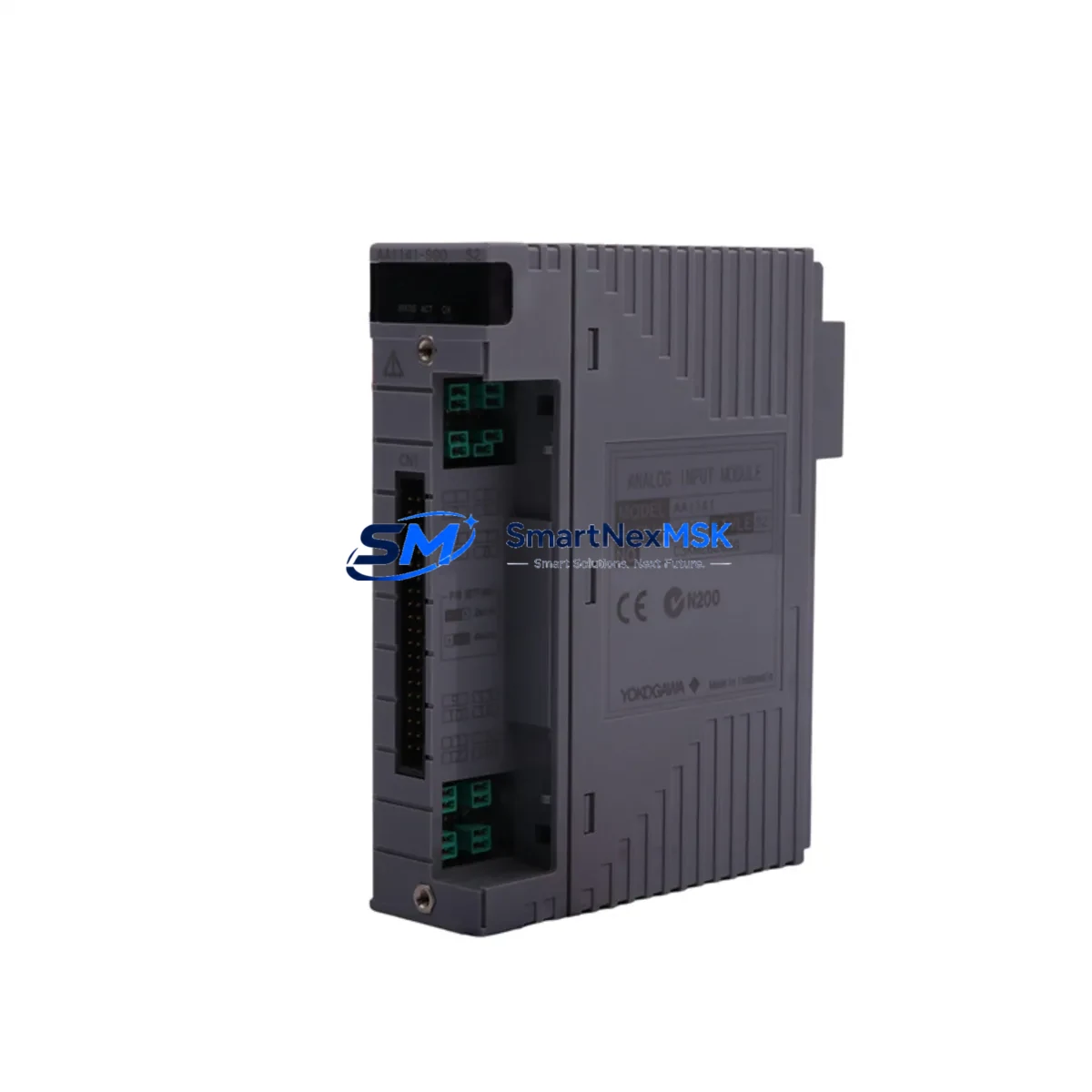
YOKOGAWA AAI141-S00 Retrofit-Ready Analog Input Module: Seamless Upgrade for CENTUM VP & CS 3000 Control Systems
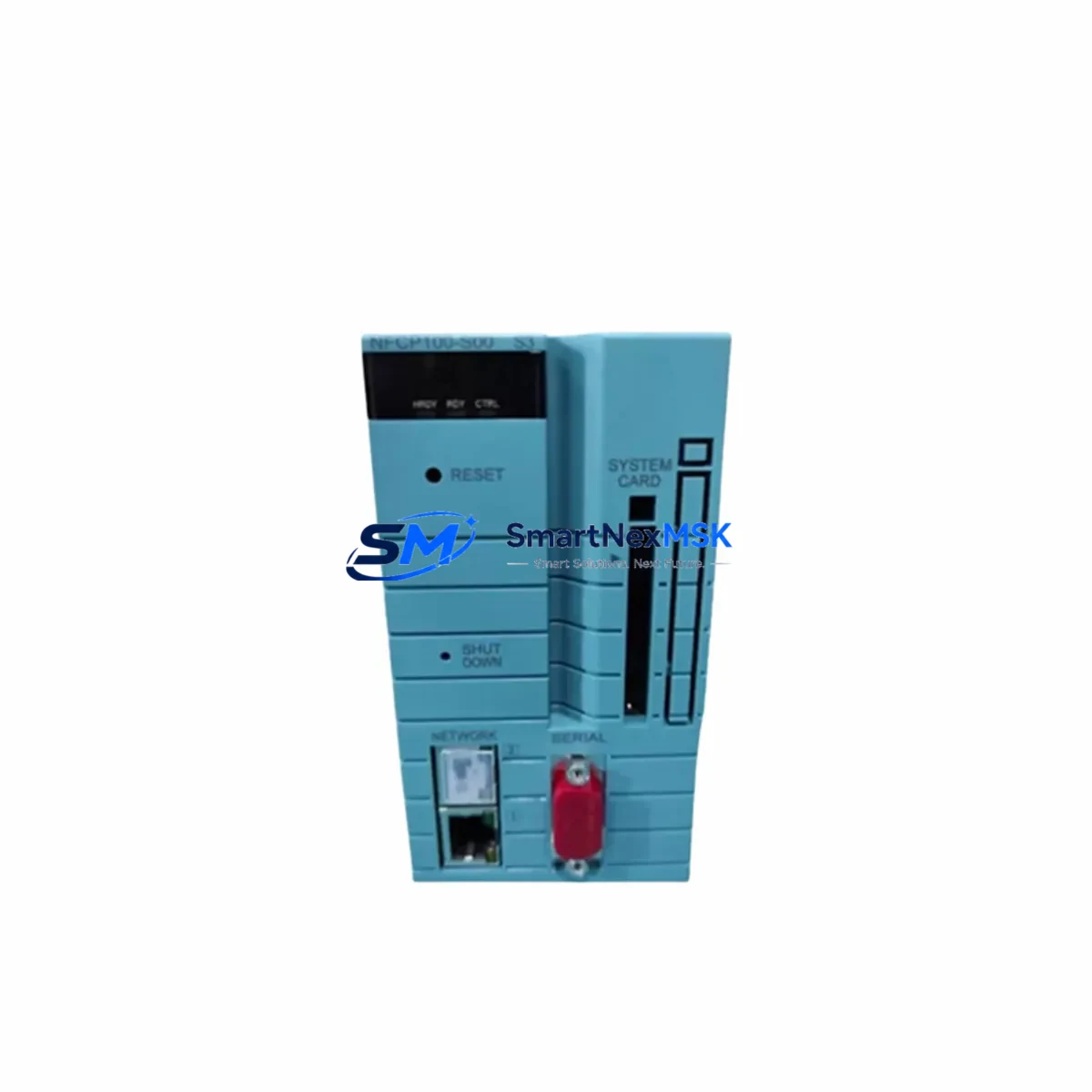
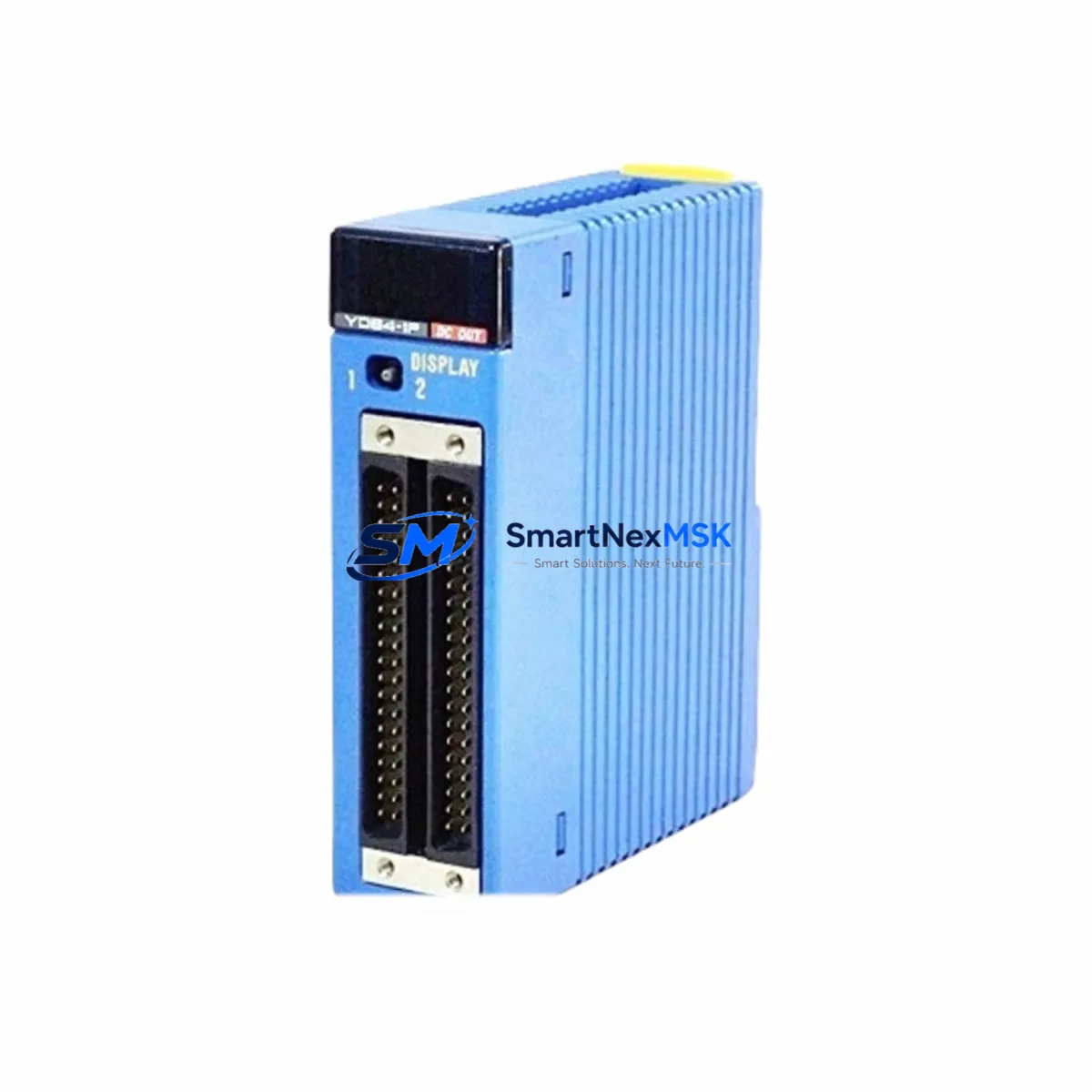
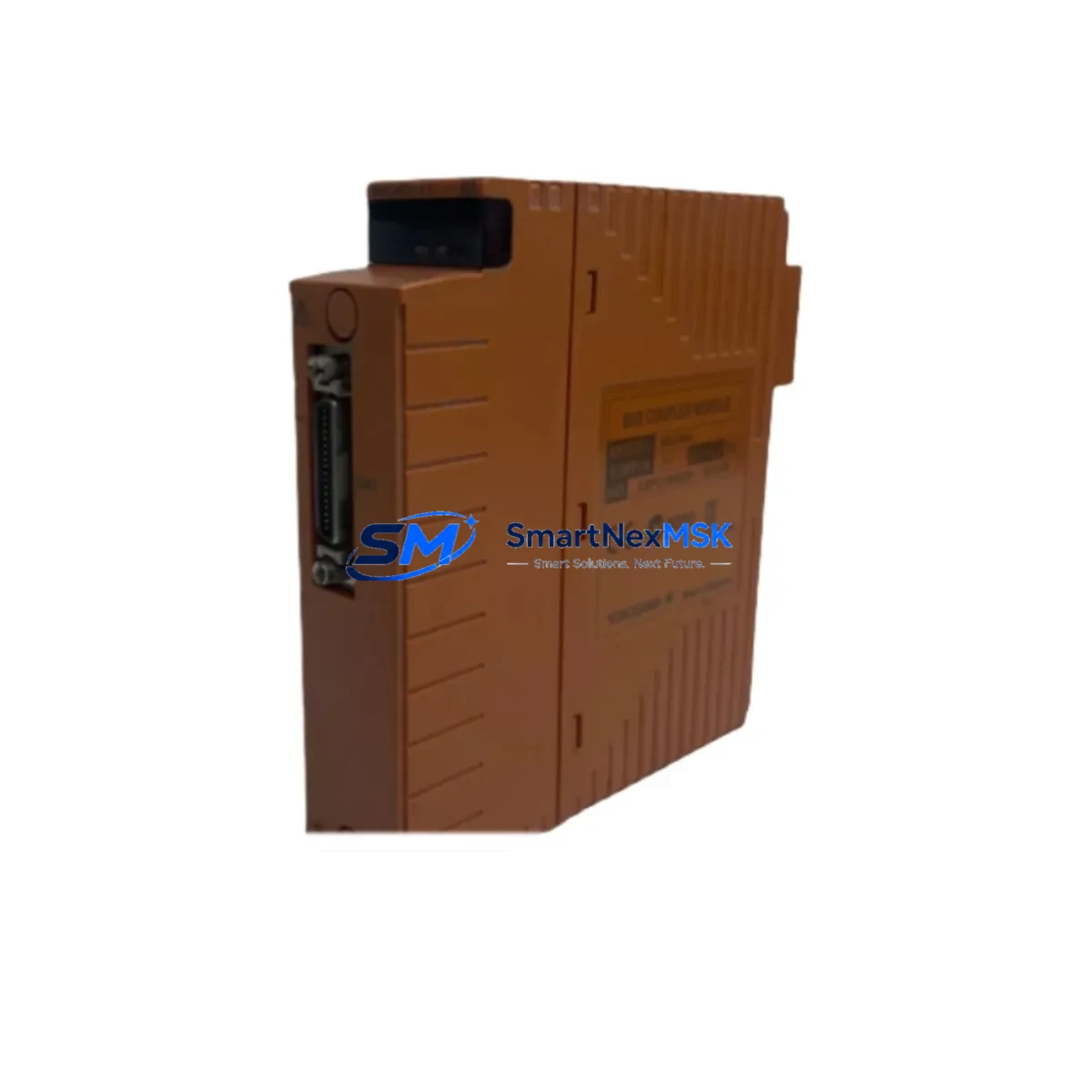
The YOKOGAWA AAI141-S00 is a 16-channel analog input module engineered for the CENTUM VP and CS 3000 distributed control system platforms. As legacy DCS installations age and original spare parts become increasingly scarce, the AAI141-S00 has emerged as a critical retrofit component for facilities seeking to extend the operational life of their existing control infrastructure without committing to a full platform migration. Whether you are replacing a failed module in an active production line, upgrading a control cabinet to meet revised safety standards, or consolidating spare parts inventory ahead of a planned turnaround, the AAI141-S00 delivers the electrical compatibility, signal accuracy, and backplane interface integrity required for a smooth, low-risk retrofit.
Each unit supplied by SMARTNEXMSK is sourced from verified industrial channels, subjected to functional bench testing prior to dispatch, and covered by a 12-month warranty. Stock is maintained in Xiamen for rapid fulfillment to domestic and international customers operating YOKOGAWA DCS environments.
Upgrade Compatibility Table
| Parameter | AAI141-S00 Specification | Retrofit Notes |
|---|---|---|
| Compatible Platforms | CENTUM VP, CS 3000 | Direct slot replacement; no hardware adapter required |
| Channel Count | 16 channels, analog input | Matches legacy AAI141 channel mapping; I/O address unchanged |
| Signal Range | 4–20 mA / 1–5 V DC | Verify field wiring polarity before insertion |
| Backplane Interface | CENTUM standard node bus | Compatible with RIO node units (e.g., ANB10D, ANB11D) |
| Power Consumption | Refer to YOKOGAWA datasheet | Confirm node power budget; check PW481 or PW482 capacity |
| Communication Protocol | CENTUM internal node bus | No protocol reconfiguration required for like-for-like swap |
| Module Address | Set via hardware DIP switch | Match address to removed module before powering on |
| Replacement Candidates | AAI141-S00, AAI141-S50, AAI143-S00 | Confirm suffix compatibility with your node revision |
| Installation Requirement | Hot-swap capable (node dependent) | Verify node firmware version supports online replacement |
| Warranty | 12 Months | Covers functional failure under normal operating conditions |
Retrofit Planning for Existing Automation Systems
A successful AAI141-S00 retrofit begins well before the module arrives on site. Engineers responsible for the upgrade should first audit the existing node cabinet to confirm the slot position, backplane revision, and current node firmware. The CENTUM VP RIO node — typically housed in an ANB10D or ANB11D node unit — must have sufficient available power from the installed PW481 or PW482 power supply module before an additional or replacement I/O card is inserted. Overloading the node power budget is a common cause of post-retrofit instability that is easily avoided with a pre-installation power audit.
Terminal wiring is the next critical checkpoint. The AAI141-S00 connects to field instruments via a terminal board, most commonly the ATB series terminal assembly used across CENTUM CS 3000 and CENTUM VP installations. Technicians should photograph and document all existing wiring before disconnection, paying particular attention to shield grounding, signal polarity, and any jumper configurations on the terminal board itself. Where the original module used an AAT141 or AAT143 terminal assembly, confirm that the replacement module’s connector pinout is identical before proceeding.
Module address configuration is performed via DIP switches on the module body. The address must match the slot assignment recorded in the CENTUM VP engineering database (ENG) before the module is powered. Mismatched addresses will cause the node controller — often an ACN11D or ACN21D — to report a hardware fault and prevent the channel from entering service. After physical installation, the CENTUM VP HMI operator station should be used to verify that all 16 channels report valid process values and that no diagnostic alarms are active on the FCS (Field Control Station).
For sites migrating from CS 3000 to CENTUM VP, the AAI141-S00 is fully compatible with both platforms, making it a practical bridging component during phased migration projects. During such migrations, the existing CS 3000 control drawings, loop sheets, and cause-and-effect matrices should be reviewed to confirm that channel scaling, engineering units, and alarm setpoints are correctly transferred to the CENTUM VP FCS database. Communication links between the FCS and the HIS (Human Interface Station) via the V-net/IP or Vnet bus should be verified after each node upgrade to ensure data integrity across the control network.
Sites that also operate YOKOGAWA STARDOM or ProSafe-RS safety systems in the same control room should note that the AAI141-S00 is a standard (non-SIL-rated) analog input module. Safety-critical loops must continue to use the appropriate SIL-certified I/O modules and must not be substituted with standard DCS I/O during a retrofit without a formal safety review.
Downtime Control During System Migration
Minimizing unplanned downtime is the primary operational concern during any DCS I/O retrofit. For the AAI141-S00, the most effective downtime reduction strategy is to complete all pre-installation verification steps — power budget check, address configuration, terminal wiring documentation, and HMI tag cross-reference — before the production line is taken offline. When the node supports online module replacement (hot-swap), the window of control interruption can be reduced to the time required for physical module exchange and channel verification, typically under 15 minutes per node slot.
Where hot-swap is not available or the node must be powered down, the original control program logic stored in the FCS should be backed up to the CENTUM VP engineering workstation before any hardware is disturbed. The FCS download function allows the program to be reloaded rapidly after the new module is confirmed online, preserving all PID tuning parameters, interlock logic, and sequence program steps without manual re-entry. Operators at the HIS should be briefed on the expected outage window and any manual control procedures that apply during the transition.
For multi-node upgrades involving several AAI141-S00 modules across a large control cabinet, a phased approach — replacing one node at a time while keeping adjacent nodes in service — is strongly recommended. This approach preserves partial plant visibility and control continuity throughout the upgrade campaign and allows each replaced node to be fully verified before the next is taken offline. Commissioning records, including channel-by-channel signal verification and alarm function tests, should be completed and signed off for each node before the plant is returned to automatic control.
Retrofit Support FAQ
Q1: Is the AAI141-S00 a direct drop-in replacement for the AAI141-S50 or AAI143-S00?
The AAI141-S00 and AAI141-S50 share the same hardware platform and are functionally equivalent in most CENTUM VP and CS 3000 applications; the suffix difference relates to the terminal assembly variant. The AAI143-S00 is a 32-channel variant and is not a direct slot replacement. Always confirm the channel count and terminal board type against your existing node configuration before ordering.
Q2: What pre-shipment testing is performed on each unit?
Each AAI141-S00 supplied by SMARTNEXMSK undergoes functional bench testing to verify channel continuity, signal conversion accuracy, and backplane connector integrity. Units that fail any test parameter are quarantined and not dispatched. A 12-month warranty covering functional failure under normal operating conditions is included with every unit.
Q3: Can the AAI141-S00 be used in a CENTUM VP R6 environment?
The AAI141-S00 is compatible with CENTUM VP releases including R5 and R6 environments, subject to the node firmware version installed in the ACN controller. Customers operating later CENTUM VP revisions should confirm the node firmware compatibility matrix with their YOKOGAWA service representative or consult the CENTUM VP hardware compatibility guide before installation.
Q4: What is the lead time and warranty coverage?
Stock units ship from Xiamen within 3–5 business days of order confirmation. A 12-month warranty is provided from the date of shipment, covering defects in materials and workmanship under normal industrial operating conditions. Warranty claims are supported directly by SMARTNEXMSK; customers should retain the original packing slip and test report supplied with each unit.
© 2026 SMARTNEXMSK. All rights reserved.
Original Source: https://smartnexmsk.com
Contact: [email protected] | +86 18259474341