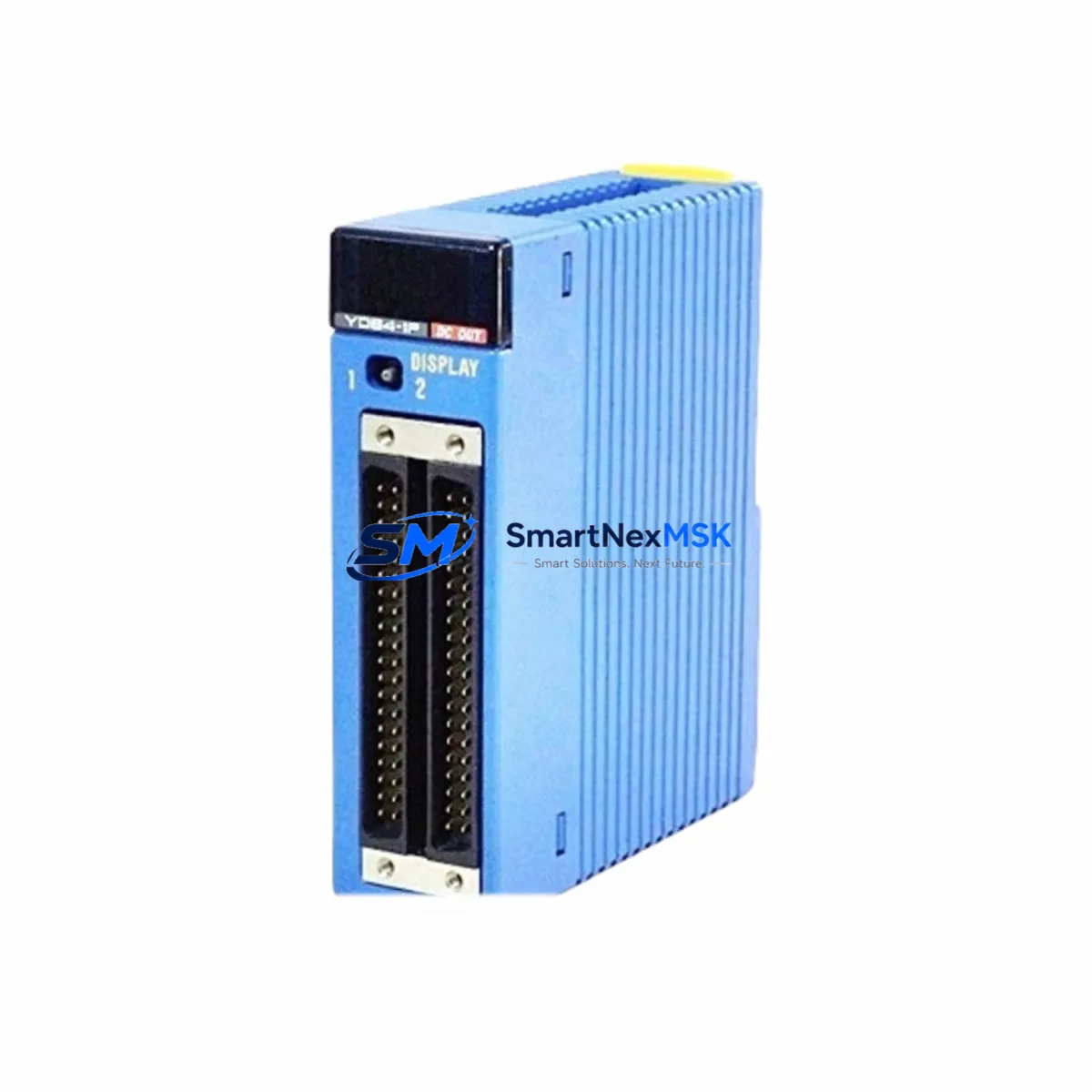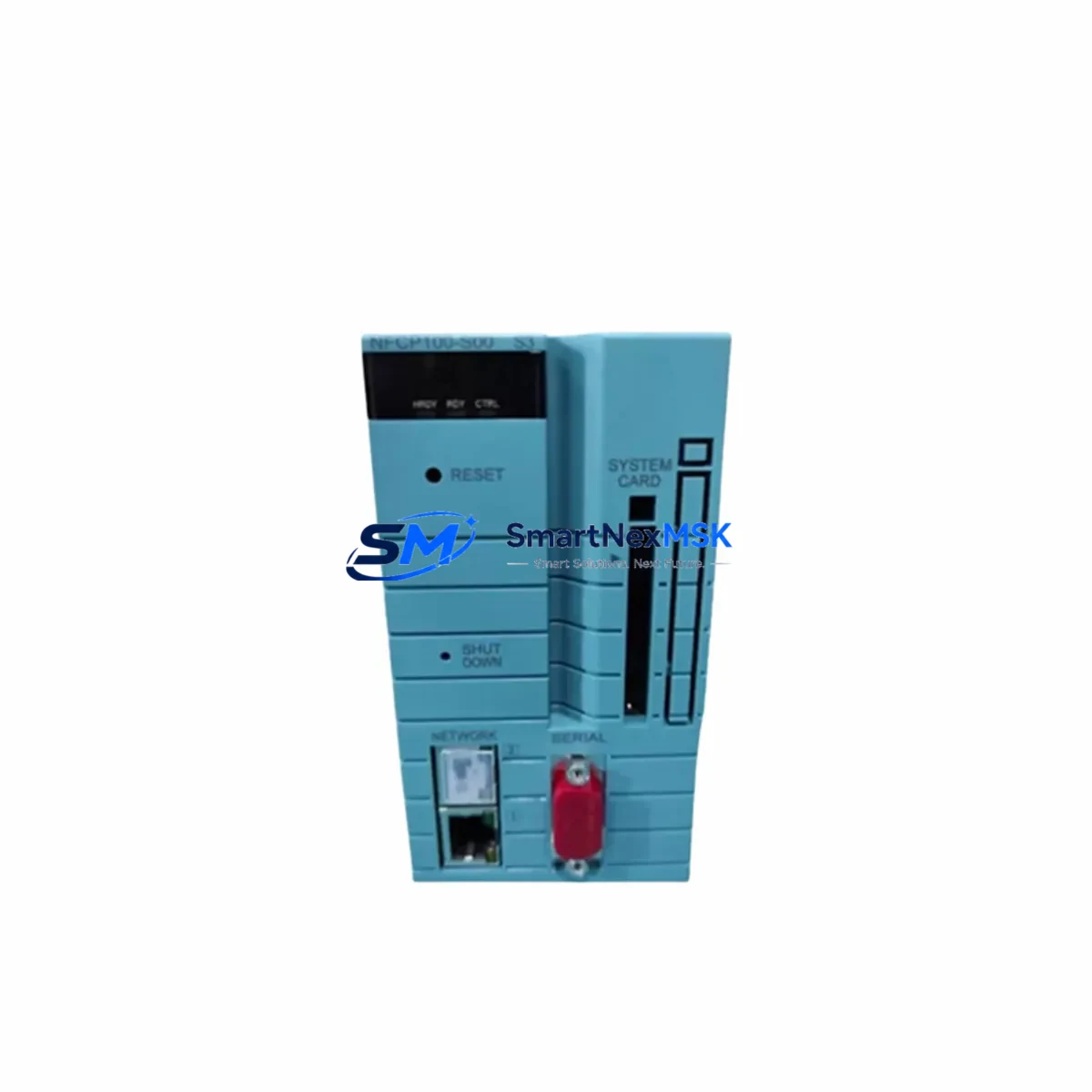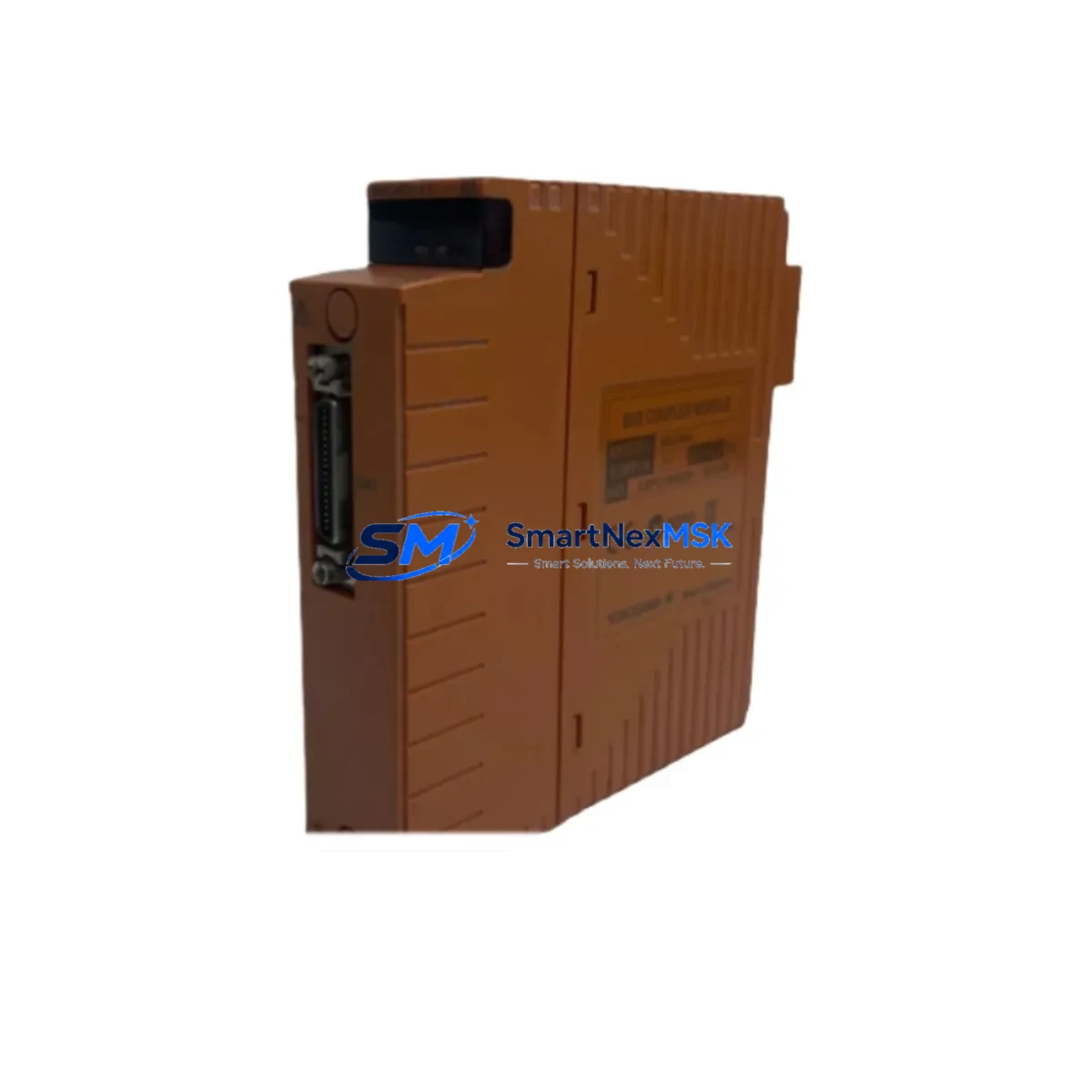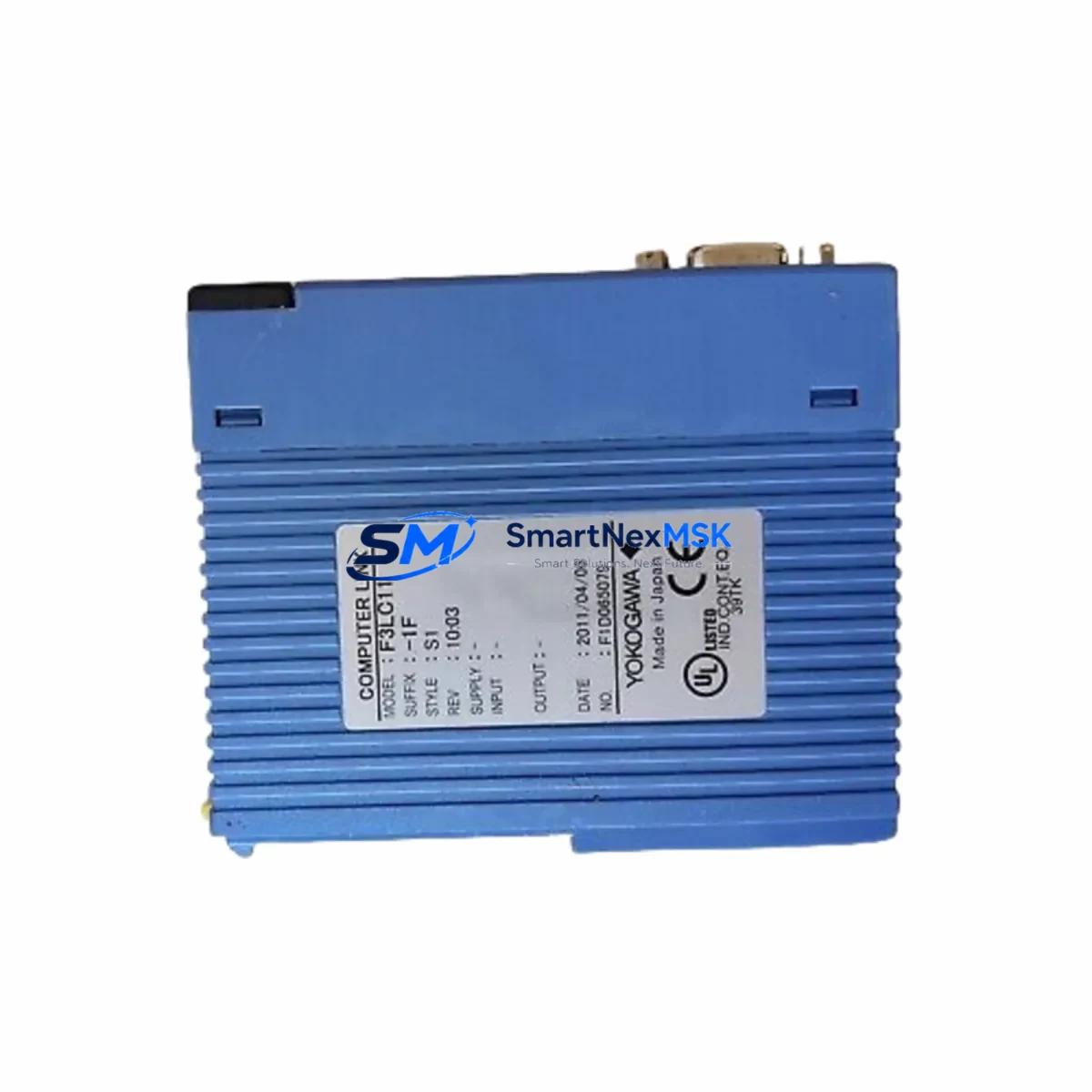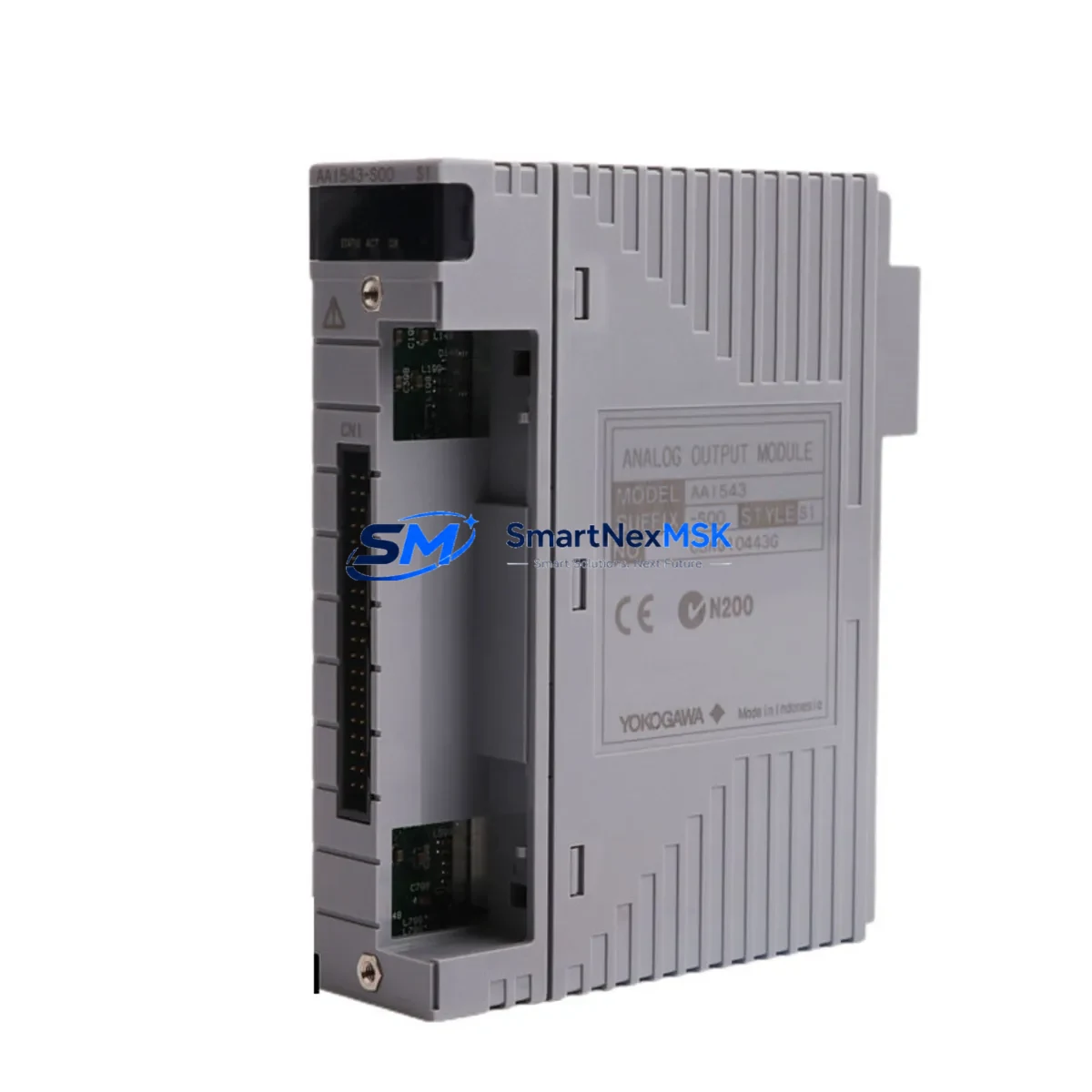
YOKOGAWA AAI543-S00 S1 Retrofit-Ready Analog Output Module: Seamless Compatibility for Legacy System Upgrades
The YOKOGAWA AAI543-S00 S1 is a 16-channel analog output module engineered for the CENTUM VP and CENTUM CS 3000 distributed control systems. As aging DCS installations approach end-of-support milestones, the AAI543-S00 S1 has become one of the most sought-after retrofit components for facilities seeking to extend operational life, restore discontinued spare parts, and execute controlled system migrations without full platform replacement.
Designed to mount directly into the standard YOKOGAWA field control station (FCS) node unit backplane, this module delivers 4–20 mA analog output across 16 independent channels, supporting HART pass-through communication where the host controller configuration permits. Its compact form factor and standardized terminal block wiring make it a practical drop-in replacement for failed or end-of-life AAI543 variants in existing control cabinets, minimizing the engineering effort required during unplanned shutdowns or scheduled turnarounds.
Upgrade Compatibility Table
| Parameter | AAI543-S00 S1 Specification | Retrofit Notes |
|---|---|---|
| Compatible Platform | CENTUM VP, CENTUM CS 3000 | Verify FCS node unit generation before installation |
| Output Channels | 16-channel analog output (4–20 mA) | Channel-for-channel replacement; no I/O mapping changes required |
| Backplane Interface | Standard YOKOGAWA node unit bus | Confirm slot address assignment in FCS builder before swap |
| Terminal Wiring | Screw-type terminal block, field-side | Retain existing field wiring; verify loop power supply capacity |
| Communication Protocol | HART (pass-through, host-dependent) | Confirm HART enable setting in CENTUM VP engineering tool |
| Replacing Discontinued Models | AAI543-S00, AAI543 legacy variants | Cross-reference part suffix; S1 denotes revision level |
| Installation Requirement | Hot-swap capable (FCS node dependent) | Confirm node unit supports online replacement before live swap |
| Commissioning Tool | CENTUM VP Engineering Environment (ENG) | Download and verify module configuration after insertion |
| Warranty | 12-Month Warranty | Covers manufacturing defects; includes pre-shipment functional test |
Retrofit Planning for Existing Automation Systems
Successful integration of the AAI543-S00 S1 into a running CENTUM VP or CS 3000 system requires a structured pre-installation review. Engineers should begin by auditing the existing node unit configuration using the CENTUM VP Engineering Environment to confirm the target slot address, verify that the FCS firmware version supports the S1 revision, and document the current I/O assignment table before any physical intervention.
Power budget verification is a critical first step. The node unit’s internal power supply — typically a PW481 or PW482 power module — must have sufficient headroom to support the additional load introduced by the replacement module. In installations where multiple analog output modules share a single node unit, the cumulative current draw across all 16 channels at full-scale output should be calculated against the rated supply capacity before proceeding.
Terminal block wiring should be photographed and labeled before disconnection. The AAI543-S00 S1 uses the same terminal pitch and connector type as its predecessors, allowing field cables to be reconnected without re-termination in most cases. However, engineers should inspect insulation condition and verify that loop power supply units — often a dedicated YOKOGAWA UPS or external 24 VDC rail — are within specification, particularly in installations that have been in service for more than a decade.
For systems that include a CENTUM VP HIS (Human Interface Station) or legacy CENTUM CS 3000 HIS, the HMI faceplate assignments linked to the replaced module’s channels should be reviewed. In most cases, because the AAI543-S00 S1 maintains the same channel count and address structure, existing HMI graphics will continue to function without modification. However, any custom alarm setpoints or engineering unit scaling stored at the module level should be re-verified after the swap using the CENTUM VP operator console.
Communication link integrity is another key consideration. In node units that also house communication modules such as the ALR111 or ESB bus coupler cards, the replacement procedure should be sequenced to avoid disrupting the inter-node communication path. Where the control network uses a Vnet/IP or legacy V-net backbone, the FCS should be confirmed as operating in redundant mode before the module swap is initiated, ensuring that the standby controller can maintain process control continuity throughout the procedure.
I/O expansion scenarios — for example, where the AAI543-S00 S1 is being added to a node unit alongside existing AAI141 analog input modules or ADV151 digital output modules — require that the FCS builder database be updated to reflect the new slot population before the engineering download is executed. Failure to update the I/O map prior to download can result in module address conflicts that require a full FCS restart to resolve.
For facilities migrating from CS 3000 to CENTUM VP, the AAI543-S00 S1 is fully compatible with the CENTUM VP FCS node unit, and the migration path is well-documented in YOKOGAWA’s official migration guide. The CENTUM VP FCS node unit (AFV10D or AFV30D) accepts the same module form factor, allowing hardware to be reused while the control database is migrated using YOKOGAWA’s CS 3000 to CENTUM VP conversion utility. Programming cables such as the KS1-USB or standard Ethernet-connected engineering workstations can be used for the configuration download without additional hardware investment.
Downtime Control During System Migration
Minimizing unplanned downtime is the primary concern for any facility replacing a critical analog output module in a live process environment. The AAI543-S00 S1 supports online replacement in node units that have been configured for hot-swap operation, allowing the module to be physically swapped while the FCS continues to execute the control program in the background. During the swap window, the FCS will hold the last known output value on the affected channels, preventing sudden process upsets caused by output dropout.
Before initiating the swap, the control engineer should place all affected loops in manual mode at the CENTUM VP HIS, confirm that field operators are aware of the planned intervention, and verify that the standby FCS (in redundant configurations) is synchronized and ready to assume control. The replacement module should be pre-configured offline using a spare engineering workstation if possible, reducing the time the node unit slot remains unpopulated.
After insertion, the CENTUM VP Engineering Environment will automatically detect the new module and prompt for a configuration download. The download process typically completes within 60–90 seconds for a single module, after which channel outputs can be returned to automatic mode sequentially, starting with the lowest-priority loops to allow field verification before critical control loops are re-engaged.
For facilities without redundant FCS configurations, a planned maintenance window of 2–4 hours is recommended to allow for module swap, configuration download, loop verification, and HMI confirmation. Pre-shipment functional testing performed on every AAI543-S00 S1 unit shipped by SMARTNEXMSK ensures that the module is verified operational before it arrives on site, reducing the risk of a failed swap during a live maintenance window.
Retrofit Support FAQ
Q1: Is the AAI543-S00 S1 a direct drop-in replacement for the original AAI543-S00?
Yes. The S1 suffix denotes a hardware revision that maintains full backward compatibility with the original AAI543-S00 in terms of backplane interface, terminal wiring, channel count, and I/O address structure. No changes to the FCS control database or HMI configuration are required in standard replacement scenarios. Engineers should confirm the FCS firmware version supports the S1 revision by consulting the YOKOGAWA compatibility matrix for their specific CENTUM VP or CS 3000 release.
Q2: What commissioning steps are required after installing the AAI543-S00 S1?
After physical installation, connect to the FCS using the CENTUM VP Engineering Environment and perform a module configuration download to the target slot. Verify that all 16 channels report correct engineering unit values at the HIS. Perform a loop check on each channel by commanding a known output value and confirming the corresponding field signal at the terminal block using a calibrated milliammeter. Re-enable automatic mode on all loops and monitor for alarm conditions for a minimum of 30 minutes before closing the maintenance window.
Q3: Can the AAI543-S00 S1 be used in a CENTUM CS 3000 system that has not yet been migrated to CENTUM VP?
Yes. The AAI543-S00 S1 is compatible with both CENTUM VP and CENTUM CS 3000 node units. No platform migration is required to use this module as a replacement part in an existing CS 3000 installation. The module will operate under the CS 3000 FCS control program without modification, and the existing HMI configuration will remain valid.
Q4: What does the 12-month warranty cover, and is pre-shipment testing included?
Every AAI543-S00 S1 unit shipped by SMARTNEXMSK is subject to a pre-shipment functional test that verifies channel output accuracy, backplane communication, and power consumption within specification. The 12-month warranty covers manufacturing defects and functional failures under normal operating conditions from the date of shipment. Warranty claims are supported by our technical team at [email protected], and replacement units are dispatched from stock to minimize site downtime.
© 2026 SMARTNEXMSK. All rights reserved.
Original Source: https://smartnexmsk.com
Contact: [email protected] | +86 18259474341