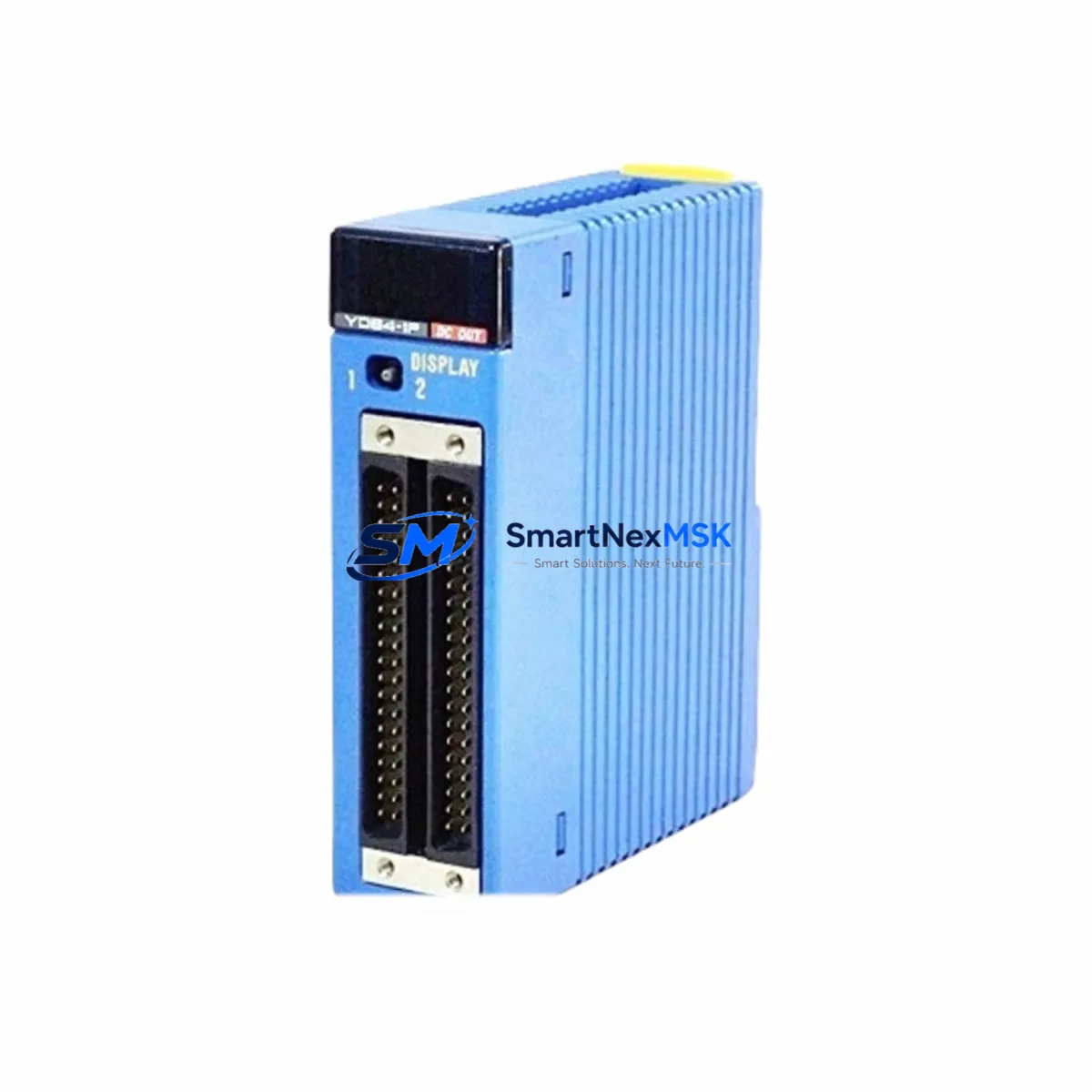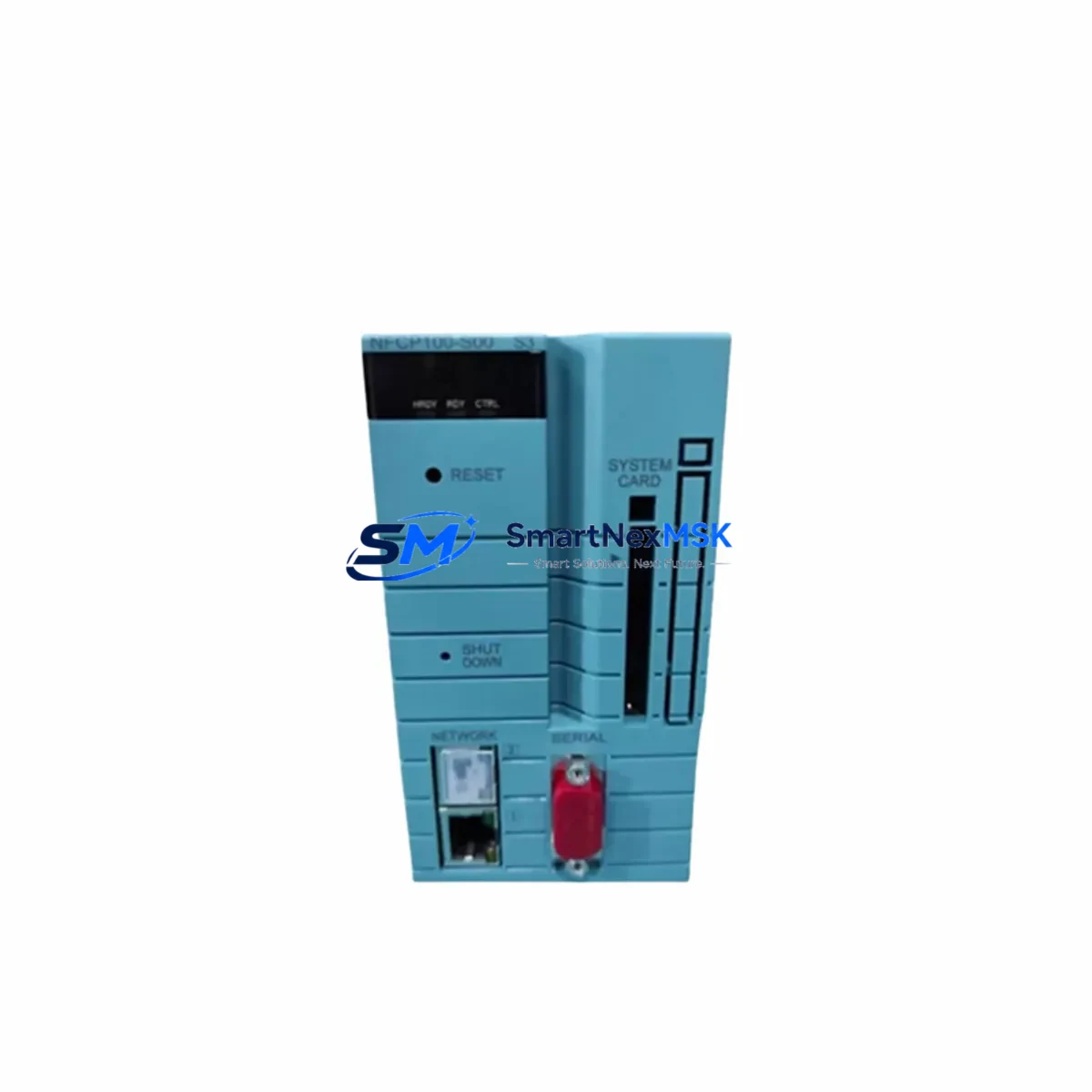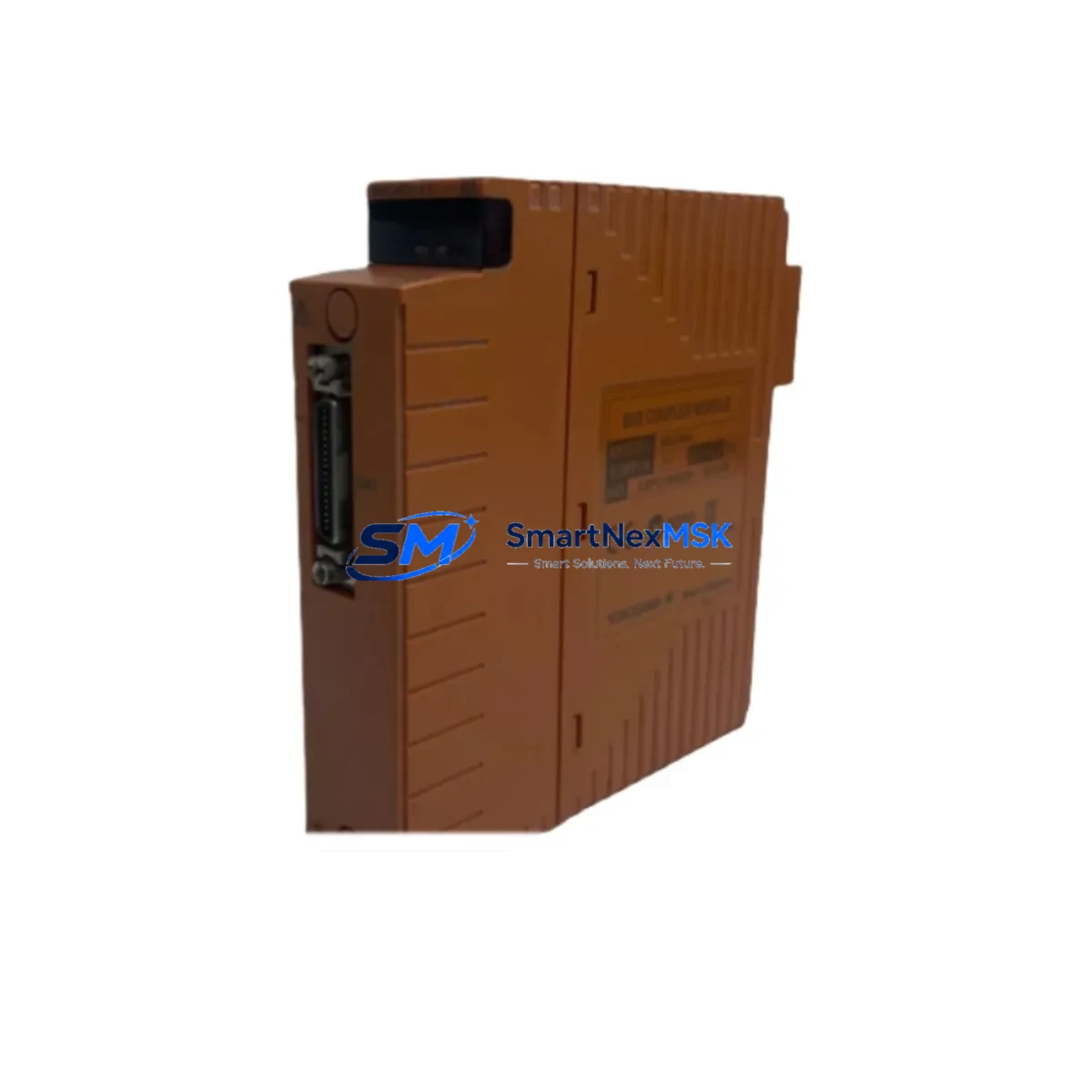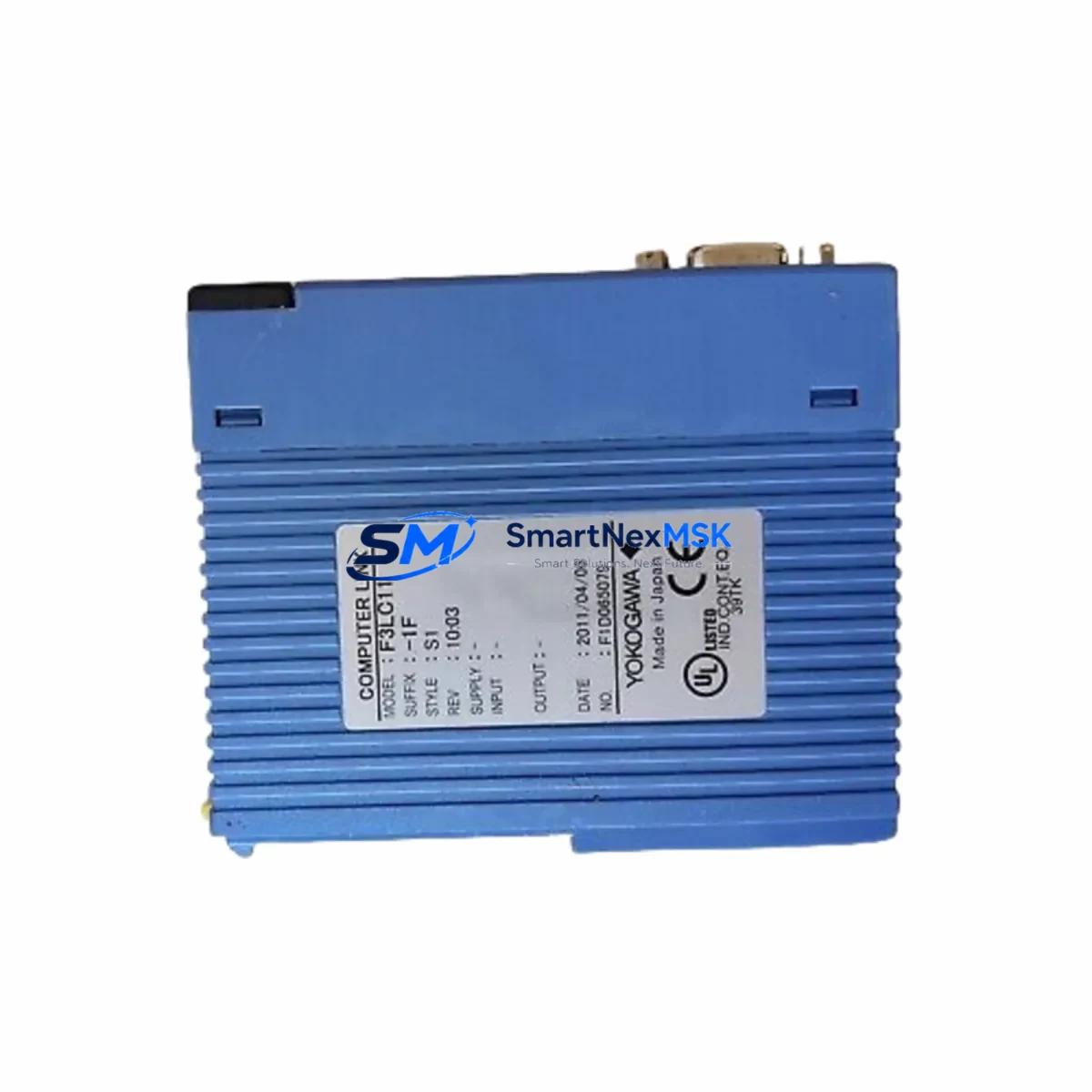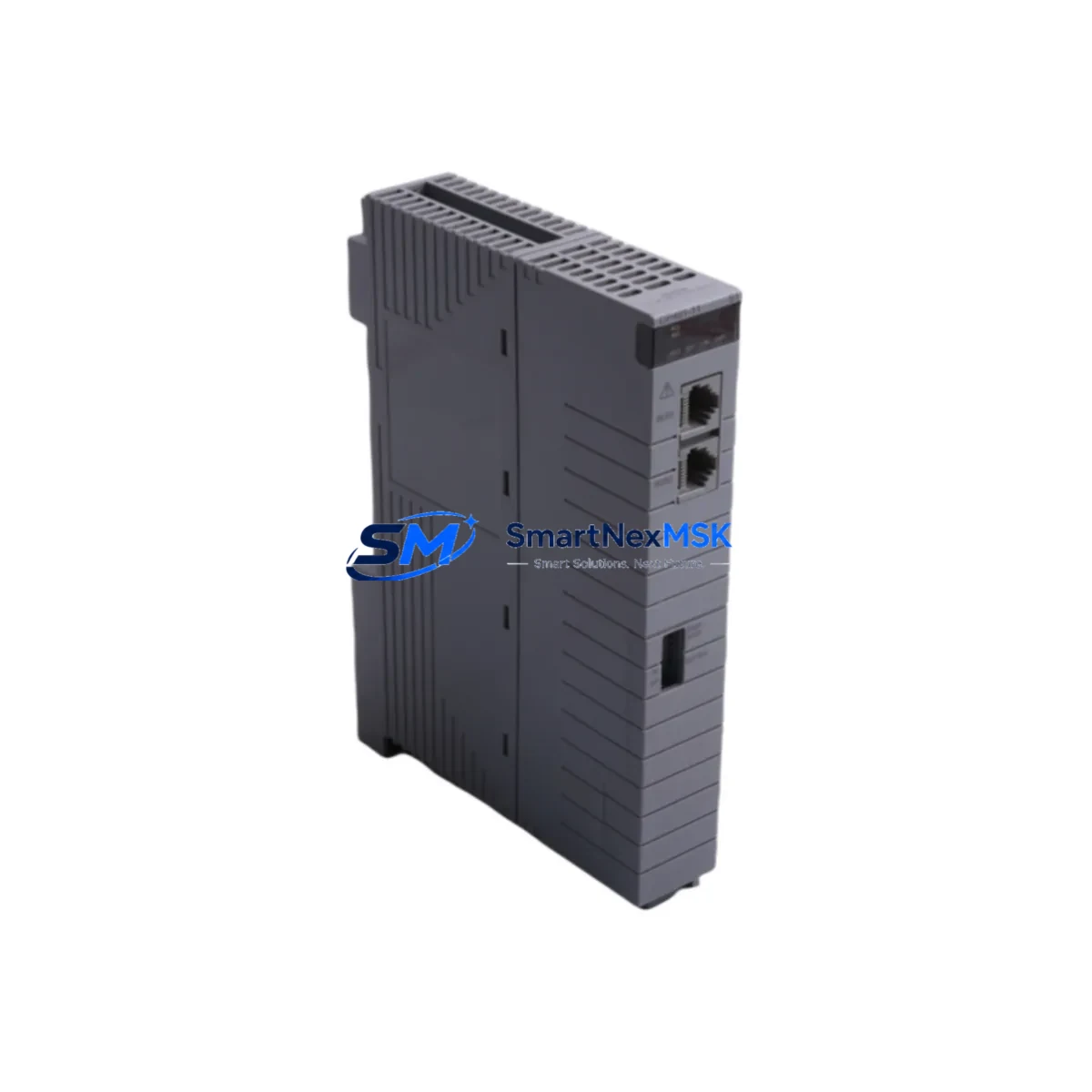
YOKOGAWA CP401-11 S1 Retrofit-Ready CPU for CENTUM CS3000 Control Systems
The YOKOGAWA CP401-11 S1 is a field controller CPU module engineered for the CENTUM CS3000 distributed control system platform. As legacy CENTUM CS3000 installations age and original spare parts become increasingly scarce, the CP401-11 S1 has become a critical component in plant modernization projects, emergency spare procurement, and phased DCS upgrade programs. Whether you are replacing a failed unit on a live production line or building a retrofit strategy for a multi-loop control cabinet, the CP401-11 S1 delivers the processing reliability and backplane compatibility that CENTUM CS3000 field stations demand.
This module is designed to slot directly into the CENTUM CS3000 field control station (FCS) chassis, interfacing with the existing RIO bus, V-net communication backbone, and engineering workstation without requiring changes to the control database or function block logic. Engineers undertaking a like-for-like replacement can retain their existing CENTUM CS3000 builder project files, HMI faceplates, and alarm configurations, significantly reducing commissioning time and the risk of logic regression during the swap.
Upgrade Compatibility Table
| Parameter | Detail |
|---|---|
| Compatible Platform | CENTUM CS3000 (R3.xx and above) |
| Module Type | Field Controller CPU (FCS CPU) |
| Backplane Interface | CENTUM CS3000 FCS chassis — direct fit |
| Communication Protocol | V-net (Vnet/IP compatible with gateway) |
| Power Supply Compatibility | 24 VDC redundant power bus (PW481, PW482 series) |
| I/O Bus | RIO bus — compatible with existing RIO node wiring |
| Replaces / Supersedes | CP401-10, CP401-11 (earlier firmware revisions) |
| Engineering Tool | CENTUM CS3000 Builder R3 / R4 (no re-engineering required for like-for-like swap) |
| Commissioning Requirement | Module address confirmation, online download verification, HMI tag check |
| Warranty | 12 Months — covers manufacturing defects and functional failure under normal operating conditions |
Retrofit Planning for Existing Automation Systems
A successful CP401-11 S1 retrofit begins well before the module arrives on site. The first step is a thorough audit of the existing FCS chassis configuration. Engineers should document the slot assignments of all installed I/O modules — including AI143, AO143, DI141, and DO141 series cards — and verify that the RIO bus termination resistors are correctly positioned. Any loose backplane connectors or corroded bus contacts should be addressed before the new CPU is installed, as these faults are frequently misattributed to the replacement module itself.
Power supply capacity is a common oversight in retrofit projects. The CP401-11 S1 draws its operating power from the FCS chassis power bus, typically supplied by a PW481 or PW482 redundant power module. Before installation, confirm that the combined load of the CPU, all populated I/O slots, and any communication modules — such as the ALF111 Vnet/IP interface card or the ESB bus coupler — does not exceed the rated output of the installed power supply pair. If the existing power modules are approaching end-of-life or showing voltage drift, replacing them concurrently with the CPU is strongly recommended to avoid nuisance trips during the post-retrofit stabilization period.
Terminal wiring on the RIO nodes does not need to be disturbed during a CPU swap, provided the node addresses are preserved. However, engineers should photograph and document all field terminal assignments on the NTD (Node Terminal Distributor) blocks before any work begins. If the project also involves migrating from a legacy V-net coaxial backbone to a Vnet/IP Ethernet architecture, the ALF111 interface module and associated Vnet/IP switches must be staged and configured in advance, with IP addressing aligned to the existing CENTUM CS3000 domain structure.
For sites running CENTUM CS3000 alongside third-party systems via Modbus RTU or FOUNDATION Fieldbus, the CP401-11 S1 replacement should be coordinated with a review of the FCU (Field Communication Unit) configuration. Fieldbus segment health — including device addresses, macrocycle timing, and link active scheduler settings — should be verified before and after the CPU swap to confirm that no communication parameters were disrupted during the power cycle.
Where the retrofit scope extends to HMI modernization, operators should verify that all CENTUM CS3000 graphic windows, trend displays, and alarm summary pages correctly reflect the restarted FCS after the new CP401-11 S1 comes online. Tag binding errors occasionally surface when a replacement CPU initializes with a different firmware build; these are resolved by performing a full online download from the CENTUM CS3000 Builder workstation and confirming that all function block statuses return to normal scan.
Downtime Control During System Migration
Minimizing unplanned downtime is the primary concern for any plant engineer executing a CP401-11 S1 replacement on a live production system. The recommended approach is a planned maintenance window with a pre-staged replacement module that has been bench-tested and confirmed functional before it enters the control room. Where the FCS supports redundant CPU operation — using a paired CP401-11 S1 in a dual-redundant configuration — the switchover can be executed with zero process interruption by promoting the standby CPU to primary, replacing the failed unit, and then re-establishing redundancy once the new module has synchronized.
For non-redundant FCS installations, the shutdown sequence should be carefully scripted. All analog output modules — including AO143 cards driving control valves — should be placed in manual mode at the DCS operator station before the CPU is powered down. This prevents uncontrolled output changes during the module swap. Digital output modules controlling motors, pumps, and solenoid valves should similarly be confirmed in a safe state before the chassis is de-energized.
After the CP401-11 S1 is installed and the FCS chassis is powered up, the startup sequence follows the standard CENTUM CS3000 FCS initialization procedure: the CPU performs a self-diagnostic, loads the control database from onboard flash memory, re-establishes V-net or Vnet/IP communication with the domain station, and resumes scan execution. The entire cold-start sequence typically completes within three to five minutes. Engineers should monitor the CENTUM CS3000 system alarm window during this period and confirm that all RIO nodes report healthy status before returning outputs to automatic control.
All units supplied by SMARTNEXMSK are subject to pre-shipment functional testing, including power-on verification, communication port check, and firmware version confirmation. Each CP401-11 S1 is shipped with a 12-month warranty covering manufacturing defects and functional failure under normal operating conditions, providing procurement teams with the confidence needed to maintain critical spare inventories without excessive capital commitment.
Retrofit Support FAQ
Q1: Is the CP401-11 S1 a direct drop-in replacement for the CP401-10?
Yes. The CP401-11 S1 is backward compatible with the CP401-10 in standard CENTUM CS3000 FCS chassis configurations. No changes to the control database, function block assignments, or RIO node wiring are required for a like-for-like swap. Engineers should confirm the firmware revision after installation and perform an online download from the CENTUM CS3000 Builder workstation to ensure all parameters are correctly loaded.
Q2: What wiring changes are needed when installing the CP401-11 S1?
No field wiring changes are required for a CPU-only replacement. The CP401-11 S1 connects to the FCS chassis backplane; all I/O wiring remains on the RIO node terminal blocks and NTD assemblies. If the project scope includes a V-net to Vnet/IP migration, additional network cabling and the installation of an ALF111 interface module will be required, but these are independent of the CPU swap itself.
Q3: How is compatibility verified before shipment?
Each CP401-11 S1 unit undergoes pre-shipment testing that includes power-on self-test, communication port verification, and firmware version confirmation. Units are inspected for physical condition, connector integrity, and correct labeling before packaging. A test report is available upon request for customers requiring documented evidence of pre-shipment verification.
Q4: What does the 12-month warranty cover?
The 12-month warranty covers manufacturing defects and functional failure under normal operating conditions from the date of shipment. It does not cover damage resulting from incorrect installation, overvoltage events, environmental contamination, or unauthorized modification. Warranty claims are processed through SMARTNEXMSK’s technical support team, with replacement or repair options available depending on the nature of the fault.
© 2026 SMARTNEXMSK. All rights reserved.
Original Source: https://smartnexmsk.com
Contact: [email protected] | +86 18259474341