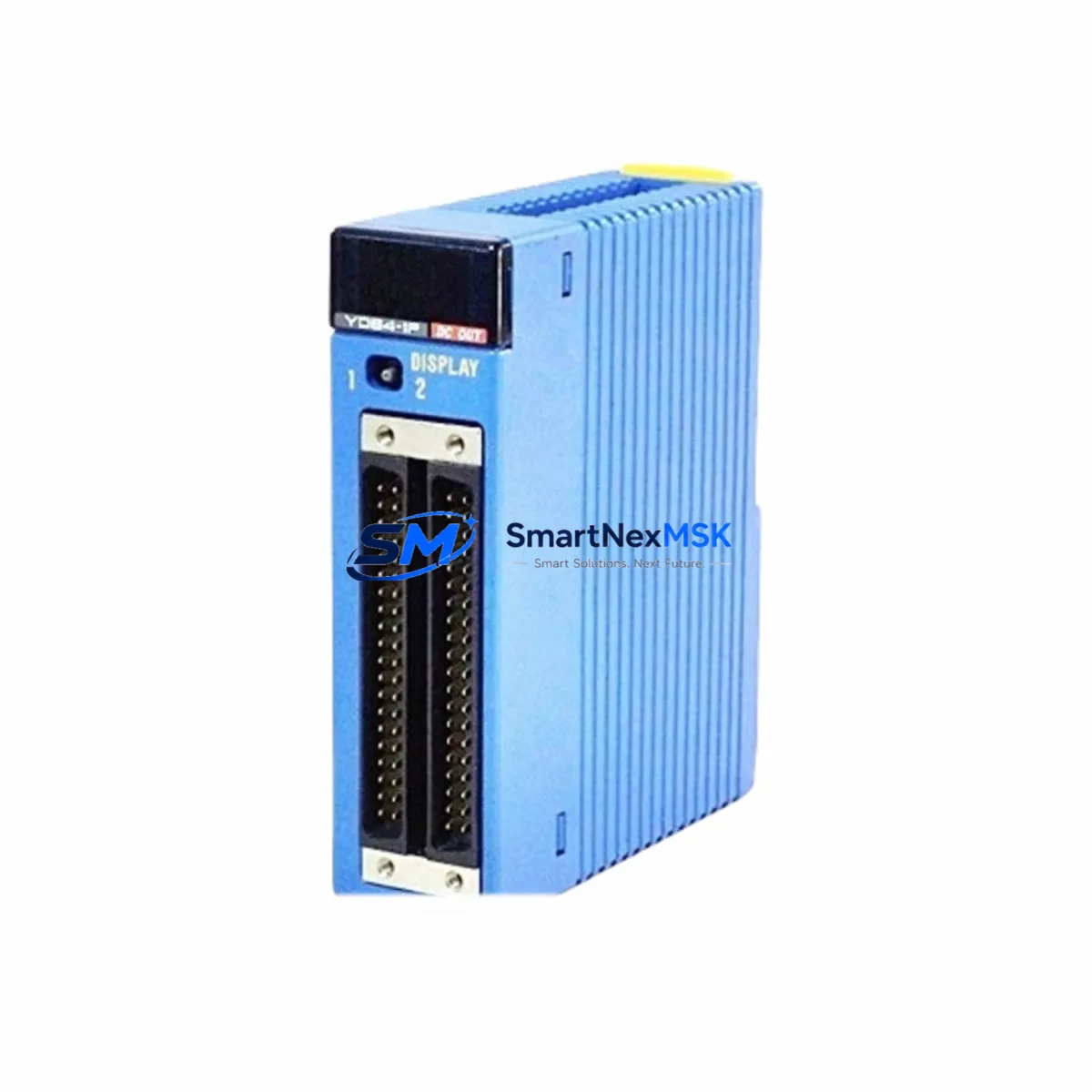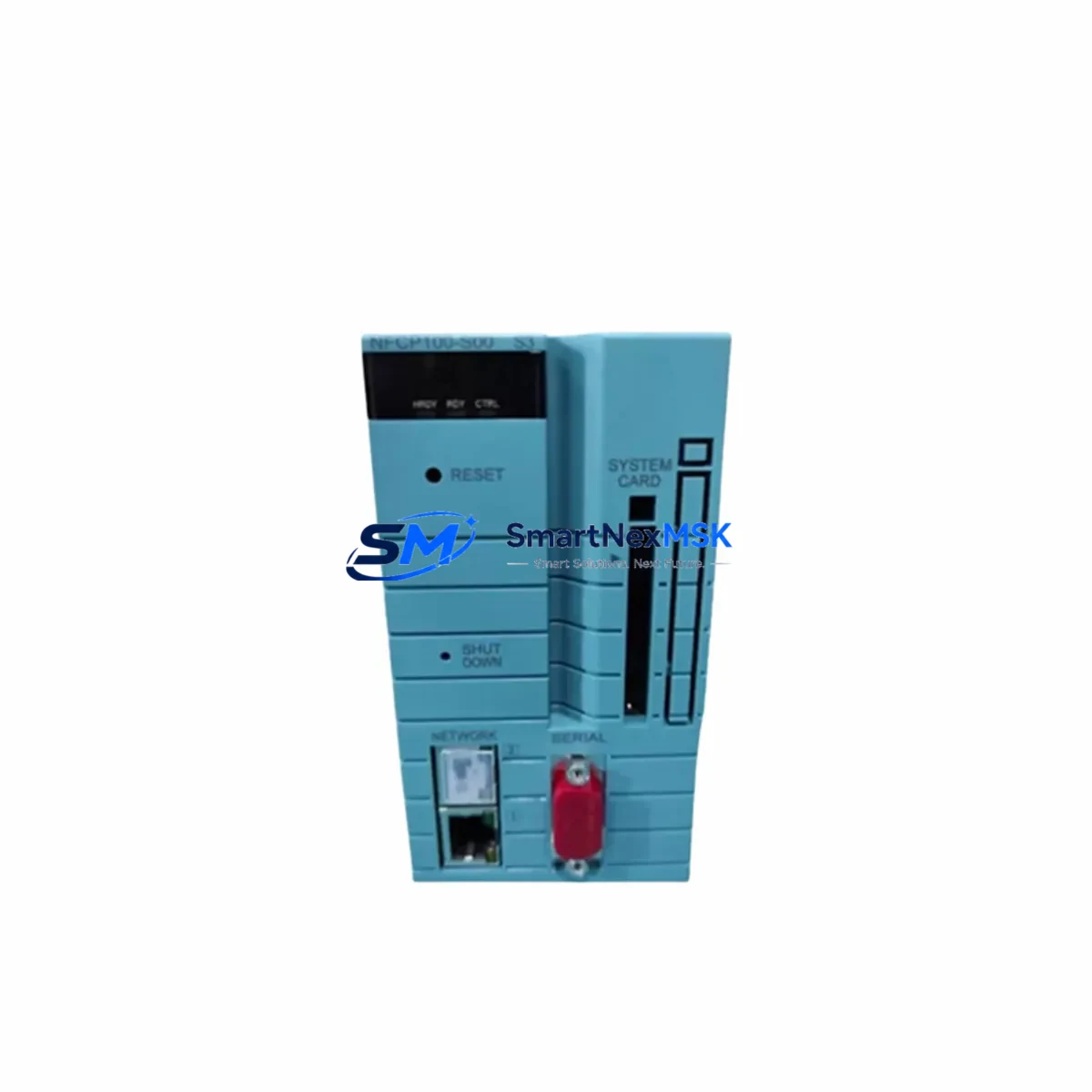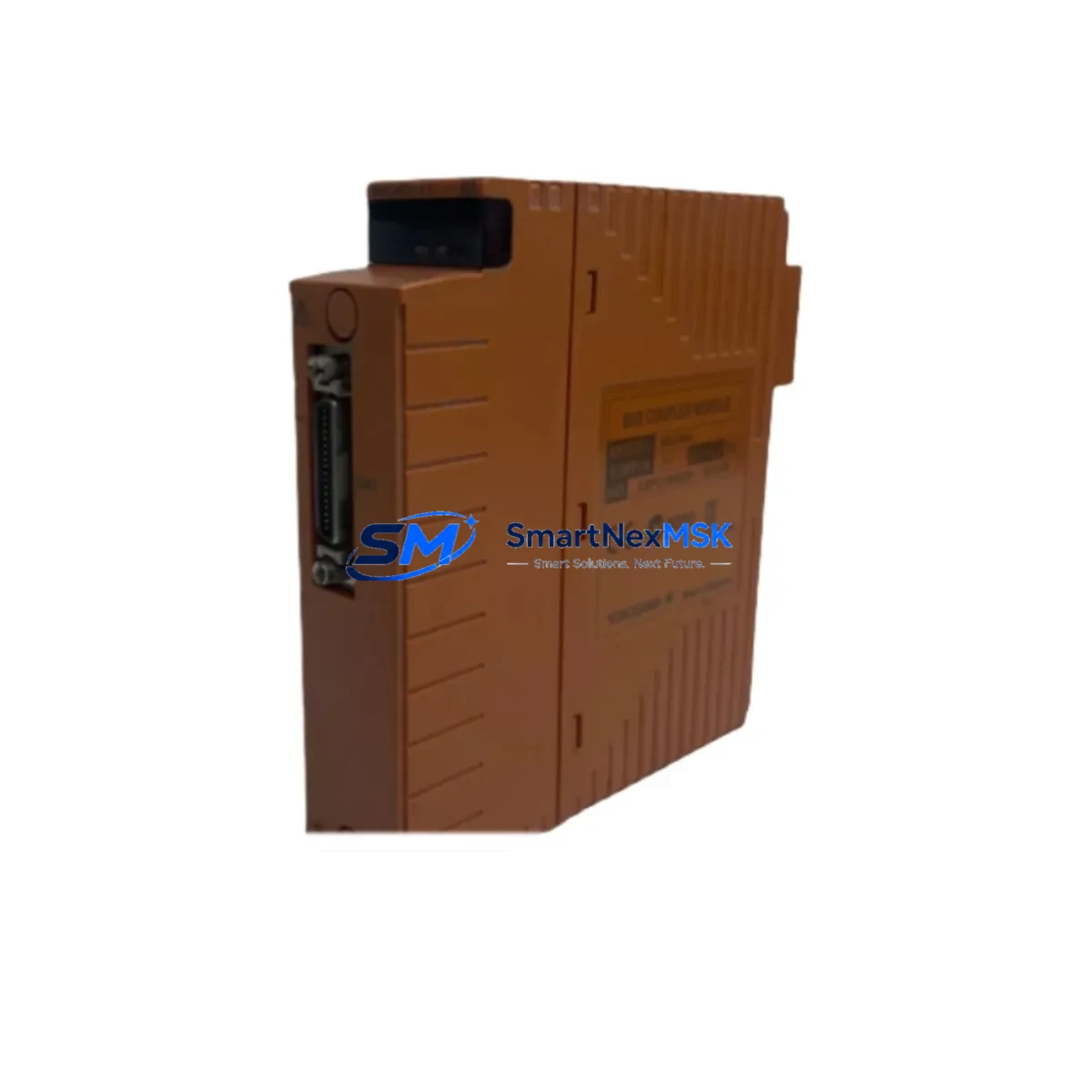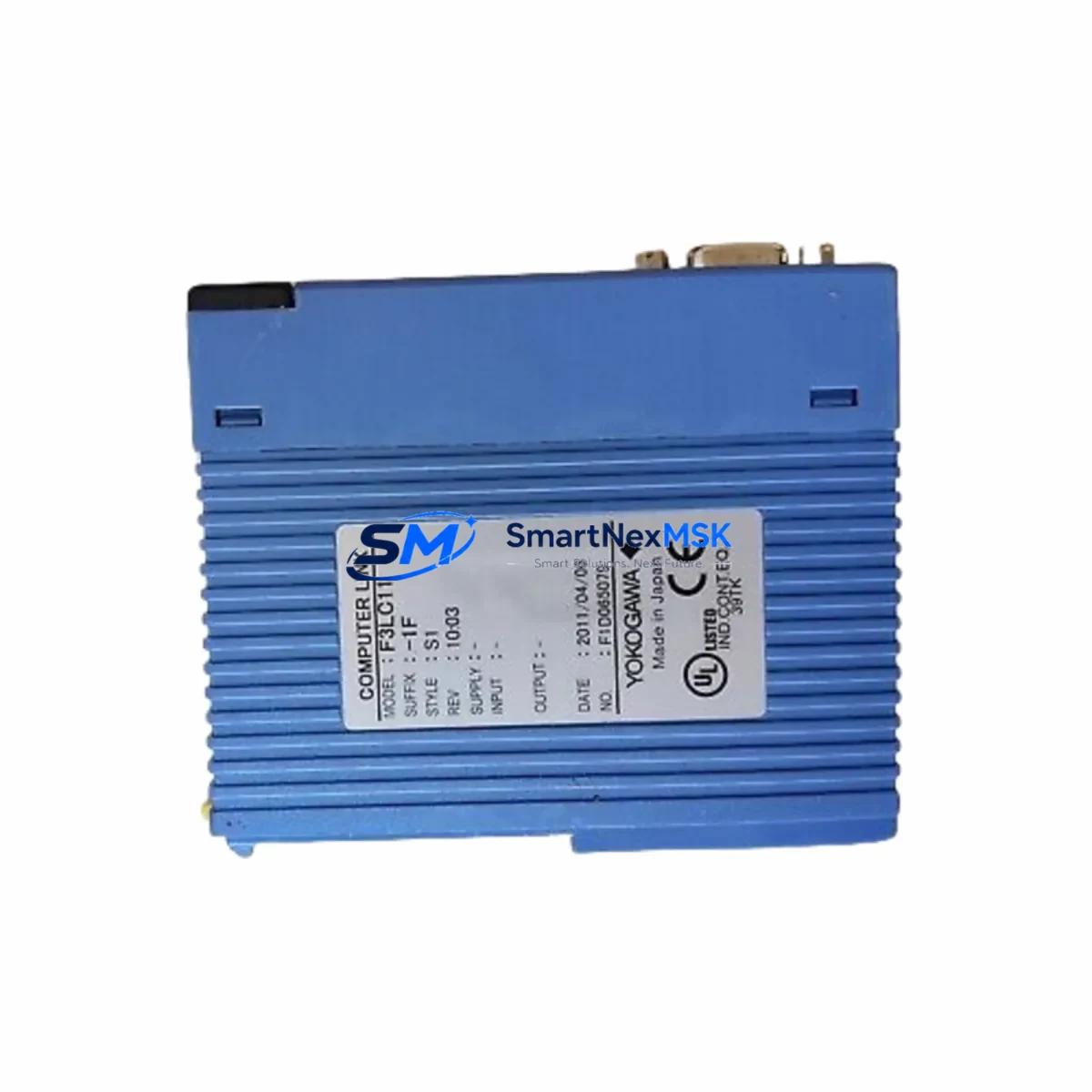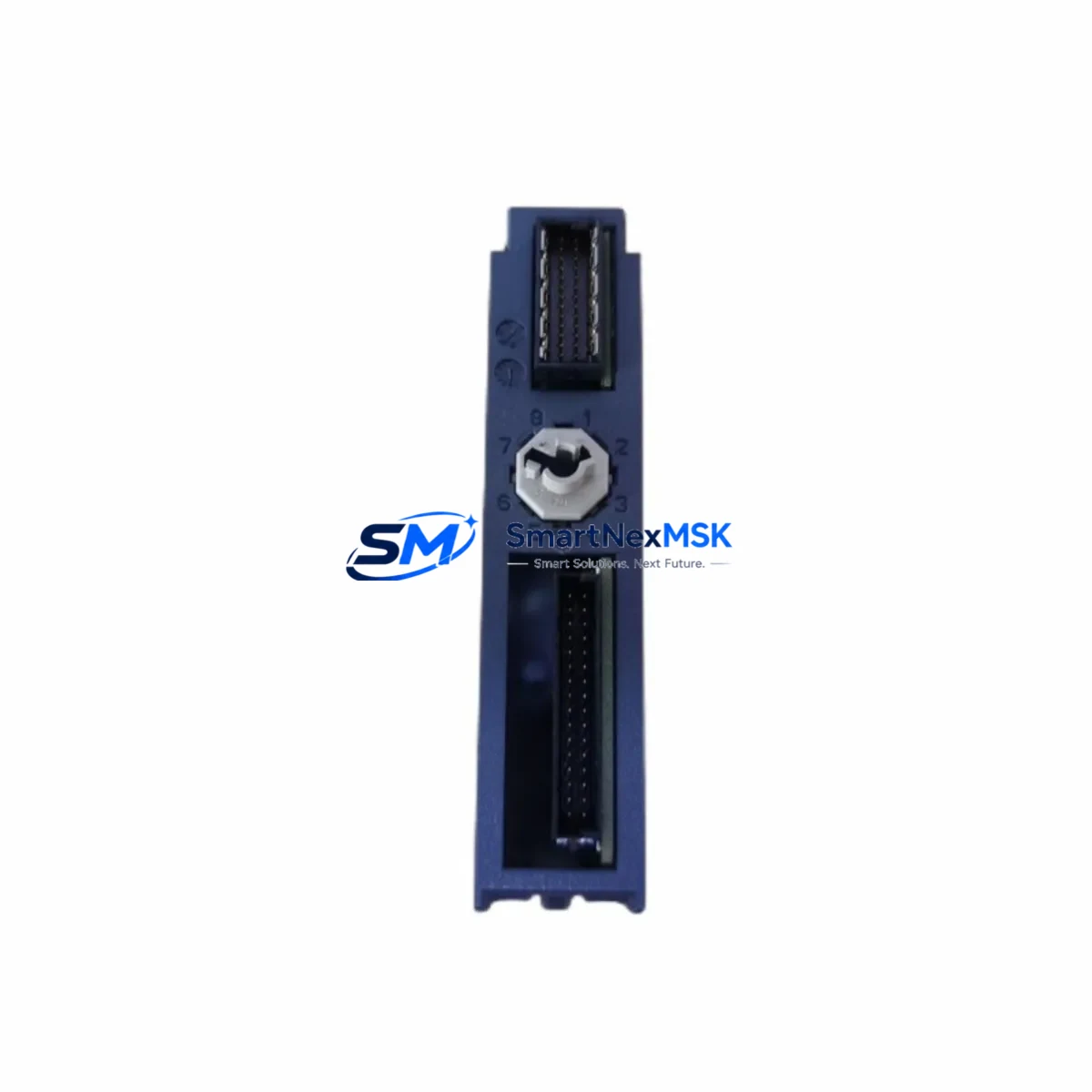
Yokogawa CP451-10-S2 Retrofit-Ready FCS CPU for CENTUM CS 3000 Control Systems
The Yokogawa CP451-10-S2 is a Field Control Station (FCS) CPU module engineered for the CENTUM CS 3000 Distributed Control System platform. As legacy CS 3000 installations approach end-of-life and original Yokogawa factory support for discontinued hardware becomes increasingly limited, the CP451-10-S2 remains one of the most sought-after retrofit and replacement components for plants that must maintain continuous operation without a full DCS migration. SMARTNEXMSK maintains verified stock of the CP451-10-S2, each unit fully tested, function-verified, and covered by a 12-month warranty.
Whether your facility is executing a targeted spare-parts replacement, a partial control-cabinet upgrade, or a phased migration from an older CENTUM CS 1000 or CENTUM-V architecture toward a modern CENTUM VP environment, the CP451-10-S2 provides a stable, drop-in-compatible CPU solution that preserves your existing Vnet communication topology, backplane wiring, and application program logic without requiring a full re-engineering effort.
Upgrade Compatibility Table
| Parameter | Detail |
|---|---|
| Compatible Platform | Yokogawa CENTUM CS 3000 (R2, R3, R3.08 and later) |
| Module Type | FCS CPU (Field Control Station Central Processing Unit) |
| Communication Interface | Vnet (coaxial) / Vnet-R (optical fiber) — dual-redundant capable |
| Backplane / Rack Interface | Compatible with ANB10D, ANB11D, and ANB12D node unit backplanes |
| Power Supply Requirement | 24 VDC via rack power bus; verify PSU capacity before hot-swap |
| Replaces / Supersedes | CP451-10, CP451-10-S1 (earlier hardware revisions) |
| Program Compatibility | Retains existing FCS application database; no re-download required in most cases |
| HMI / SCADA Compatibility | Compatible with HIS (Human Interface Station) running CS 3000 R3 or later |
| Installation Requirement | Module address (node number) must match original configuration; verify via SCS/EWS before insertion |
| Commissioning Note | Perform loop check and I/O verification after replacement; confirm alarm setpoints on HIS |
| Warranty | 12-Month Warranty — all units tested and function-verified prior to shipment |
Retrofit Planning for Existing Automation Systems
A successful CP451-10-S2 retrofit begins well before the module arrives on site. Engineers should audit the existing FCS node configuration using the CS 3000 Engineering Workstation (EWS) to document the current node address, I/O module assignments, and inter-station communication links. The CP451-10-S2 slots into the same ANB10D or ANB11D node unit backplane as its predecessors, meaning terminal wiring on connected I/O modules — such as AAI141-S00, AAI841-S00 analog input/output cards, or ADV151-P00 digital input modules — does not need to be disturbed during the CPU swap.
Power budget verification is a critical pre-retrofit step. The CP451-10-S2 draws its operating power from the rack’s 24 VDC bus, supplied by the PW481 or PW482 power supply module. Before replacement, confirm that the installed power supply has sufficient headroom to support the CPU alongside all co-installed I/O modules and communication cards. If the existing PSU is operating near capacity, consider upgrading to a higher-rated PW482 unit as part of the same maintenance window.
Communication continuity is equally important. The CP451-10-S2 connects to the plant-wide Vnet control bus via the node unit’s built-in Vnet interface. In redundant Vnet-R (optical) configurations, both fiber paths should be verified for signal integrity before and after the swap. The BCV-R Vnet/IP gateway or ESB-R bus coupler — if present in the control cabinet — should remain powered throughout the replacement to avoid interrupting inter-FCS data exchange with adjacent field control stations.
For sites running a hybrid architecture that includes both CS 3000 FCS nodes and newer CENTUM VP FCS nodes on the same Vnet segment, the CP451-10-S2 replacement is fully transparent to the VP-side controllers. The module address and domain configuration stored in the EWS project file govern station identity, so no changes to the VP engineering database are required.
I/O expansion considerations should also be reviewed during retrofit planning. If the replacement is being performed alongside an I/O count increase, the ANB12D extended node unit supports additional I/O nest slots and can accommodate a broader mix of AAI, ADV, and AAT series I/O modules without requiring a new FCS CPU — the CP451-10-S2 manages the expanded I/O map transparently once the EWS database is updated and downloaded.
Finally, if the retrofit scope includes migrating legacy RS-232 or RS-485 serial device links to Modbus TCP or FOUNDATION Fieldbus, the ALF111 fieldbus coupler or the ACF11 serial communication module can be added to the same rack during the same outage window, reducing total downtime and consolidating commissioning effort.
Downtime Control During System Migration
Minimizing process interruption during a CP451-10-S2 replacement requires a structured pre-outage preparation protocol. Before taking the FCS offline, export and archive the complete FCS application database from the EWS, including all function block definitions, tuning parameters, interlock logic, and alarm configurations. This backup serves as both a recovery baseline and a commissioning reference during post-replacement verification.
Where process conditions permit, place affected control loops in manual mode at the HIS operator station before initiating the CPU swap. This prevents uncontrolled output changes during the brief period when the FCS is offline. Analog output modules such as the AAO141 will hold their last commanded output value during a CPU absence, providing a short window for the physical replacement without immediate process impact.
The CP451-10-S2 is designed for rapid field replacement. Once the new module is seated in the backplane and powered, the FCS performs a self-diagnostic sequence and re-establishes its Vnet communication link automatically. In most CS 3000 R3 configurations, the FCS resumes execution of the resident application database without requiring a full re-download from the EWS, significantly reducing the time between module insertion and return-to-auto operation.
Post-replacement commissioning should include a systematic I/O verification pass — confirming that each connected AAI, ADV, and AAO channel reads correctly at the HIS faceplate — followed by a communication link check to confirm that all inter-FCS data tags are updating normally. Alarm setpoints and engineering unit ranges should be cross-checked against the pre-outage EWS export to confirm database integrity. Total planned downtime for a straightforward CP451-10-S2 swap in a well-prepared environment is typically under two hours.
Retrofit Support FAQ
Q1: Is the CP451-10-S2 a direct drop-in replacement for the CP451-10 and CP451-10-S1?
Yes. The CP451-10-S2 is hardware-revision-compatible with earlier CP451-10 and CP451-10-S1 modules installed in CENTUM CS 3000 systems. It uses the same backplane connector, node address configuration, and Vnet communication interface. No changes to the EWS project file or I/O wiring are required for a like-for-like swap.
Q2: Do I need to re-download the FCS application program after installing the CP451-10-S2?
In most CS 3000 R3 and later configurations, the FCS application database is retained in non-volatile memory on the CPU module. If the replacement unit is supplied as a blank module, a one-time download from the EWS is required. SMARTNEXMSK recommends confirming the memory state of the supplied unit before scheduling the maintenance window. All units are shipped with a function-verification test report.
Q3: How do I verify terminal wiring compatibility before the replacement?
Terminal wiring connects to the I/O modules (AAI, ADV, AAO, AAT series) mounted in the node unit nest — not directly to the CPU. Since the CP451-10-S2 uses the same backplane interface as its predecessors, existing I/O module wiring is unaffected. Verify that I/O module addresses (slot assignments) in the EWS database match the physical slot positions in the ANB10D or ANB11D node unit before powering the new CPU.
Q4: What warranty and testing does SMARTNEXMSK provide with the CP451-10-S2?
Every CP451-10-S2 unit supplied by SMARTNEXMSK is tested under simulated CS 3000 operating conditions prior to shipment, including Vnet communication verification, CPU self-diagnostic pass, and I/O bus integrity check. A 12-month warranty is provided from the date of shipment, covering manufacturing defects and functional failures under normal operating conditions. A test report is included with each unit.
© 2026 SMARTNEXMSK. All rights reserved.
Original Source: https://smartnexmsk.com
Contact: [email protected] | +86 18259474341