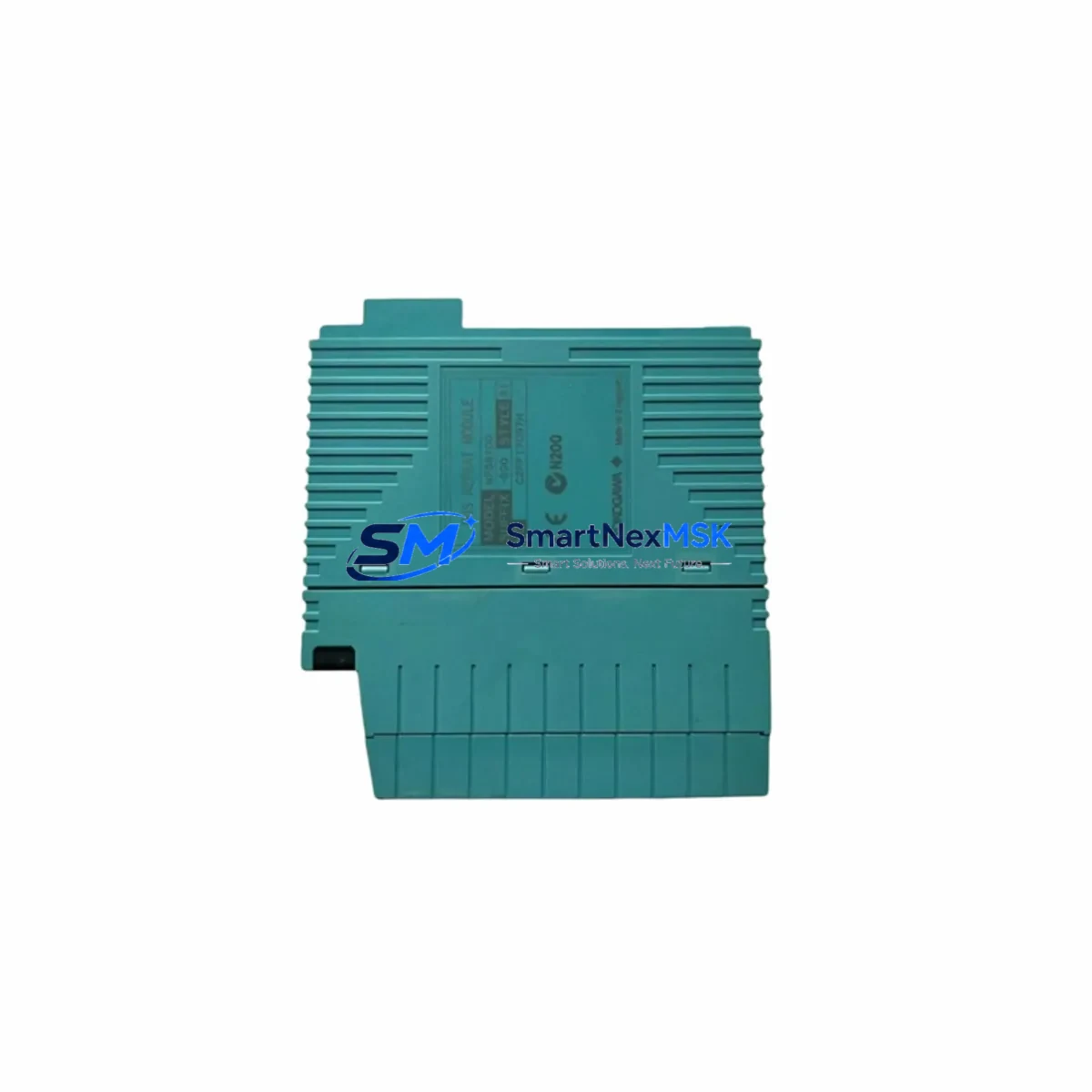
Yokogawa NFSB100-S01 Spare for CENTUM VP Automation: Spare Replacement & Industrial Downtime Risk Control
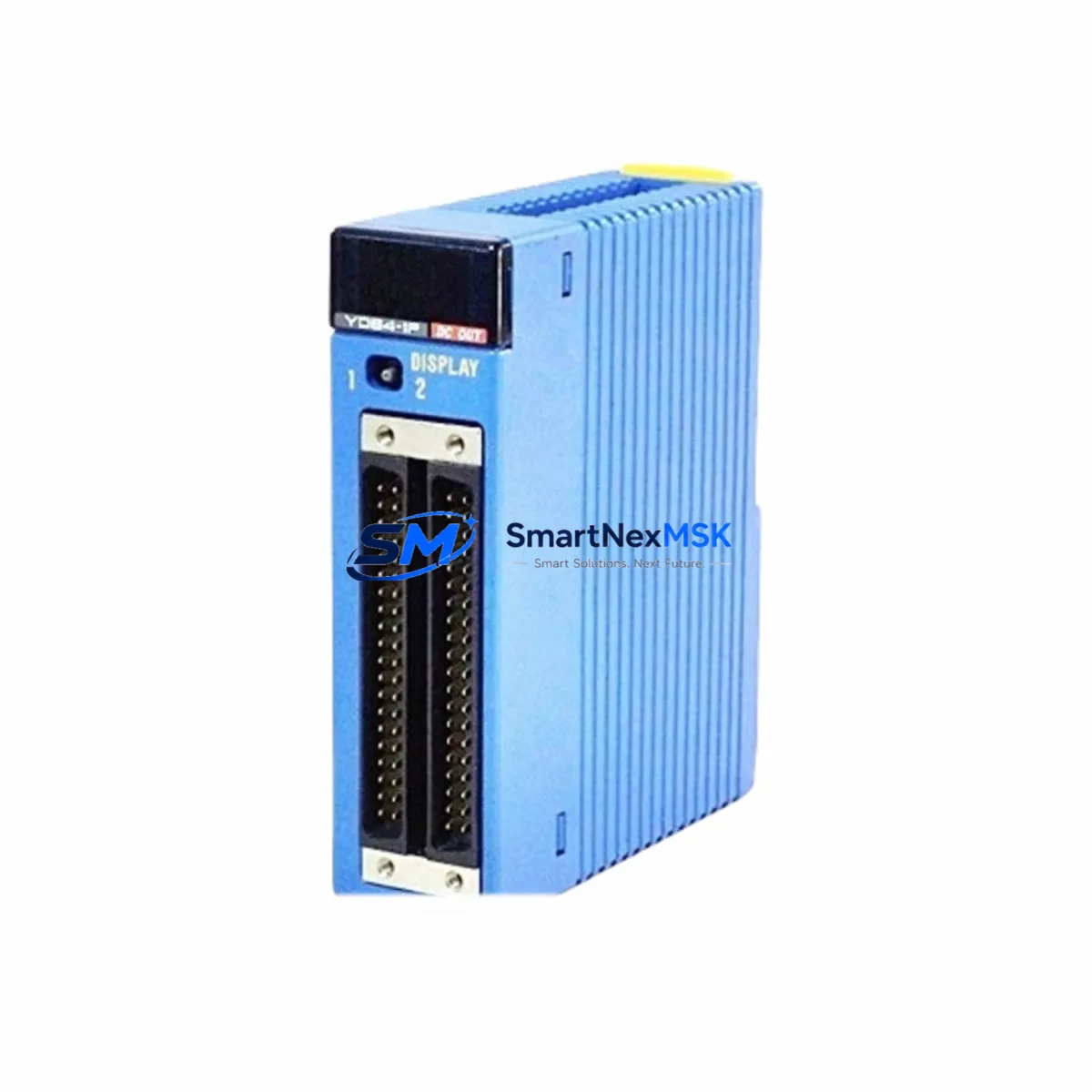
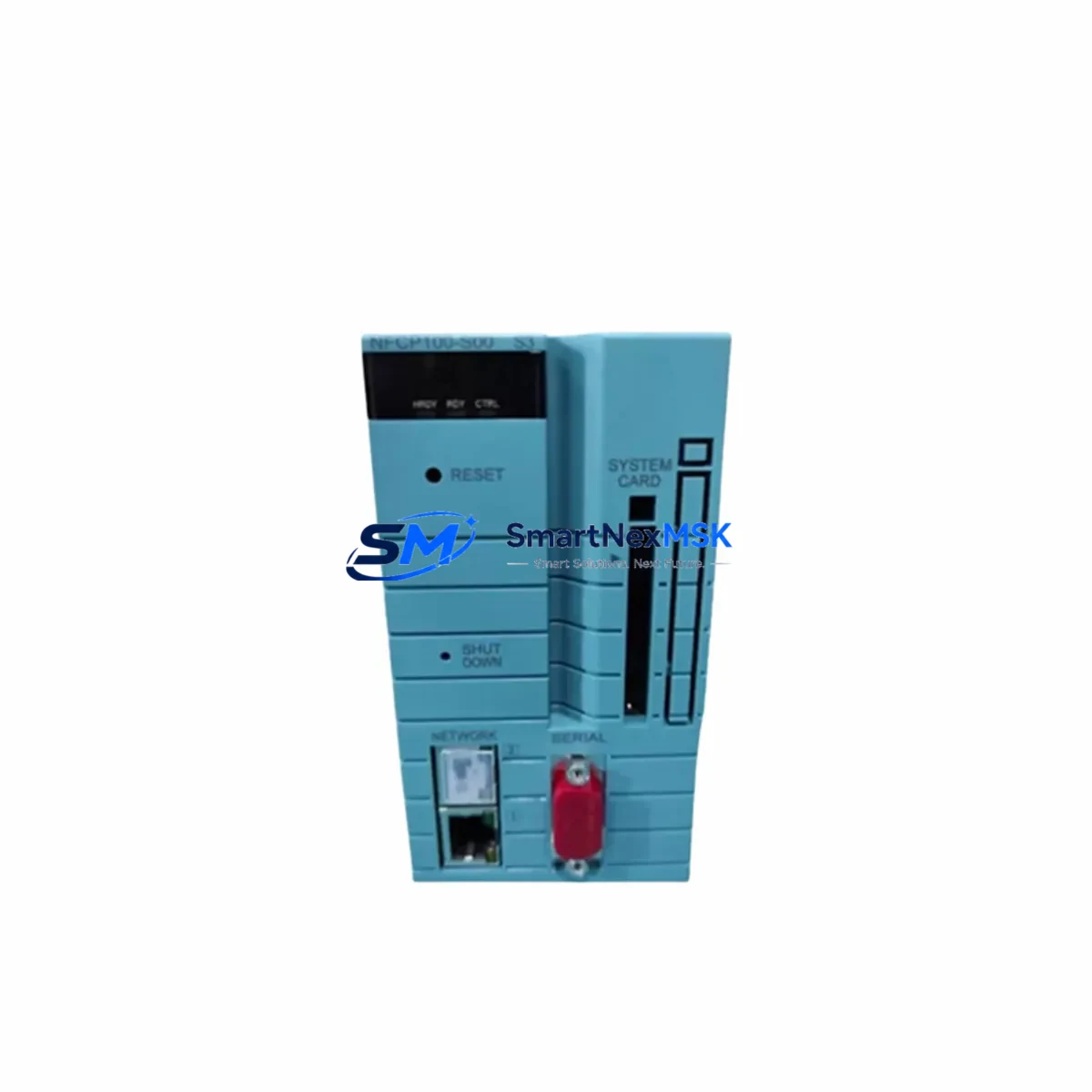
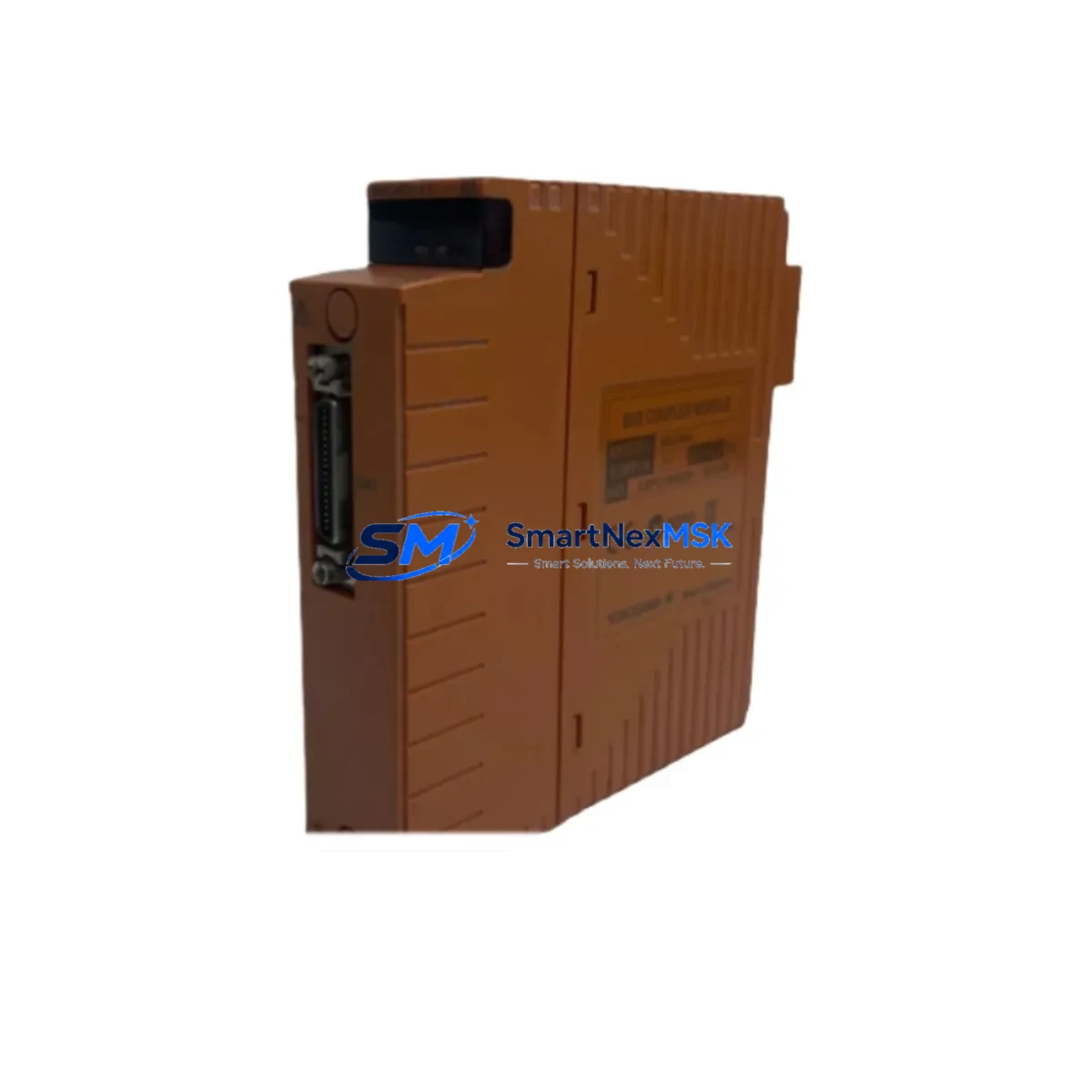
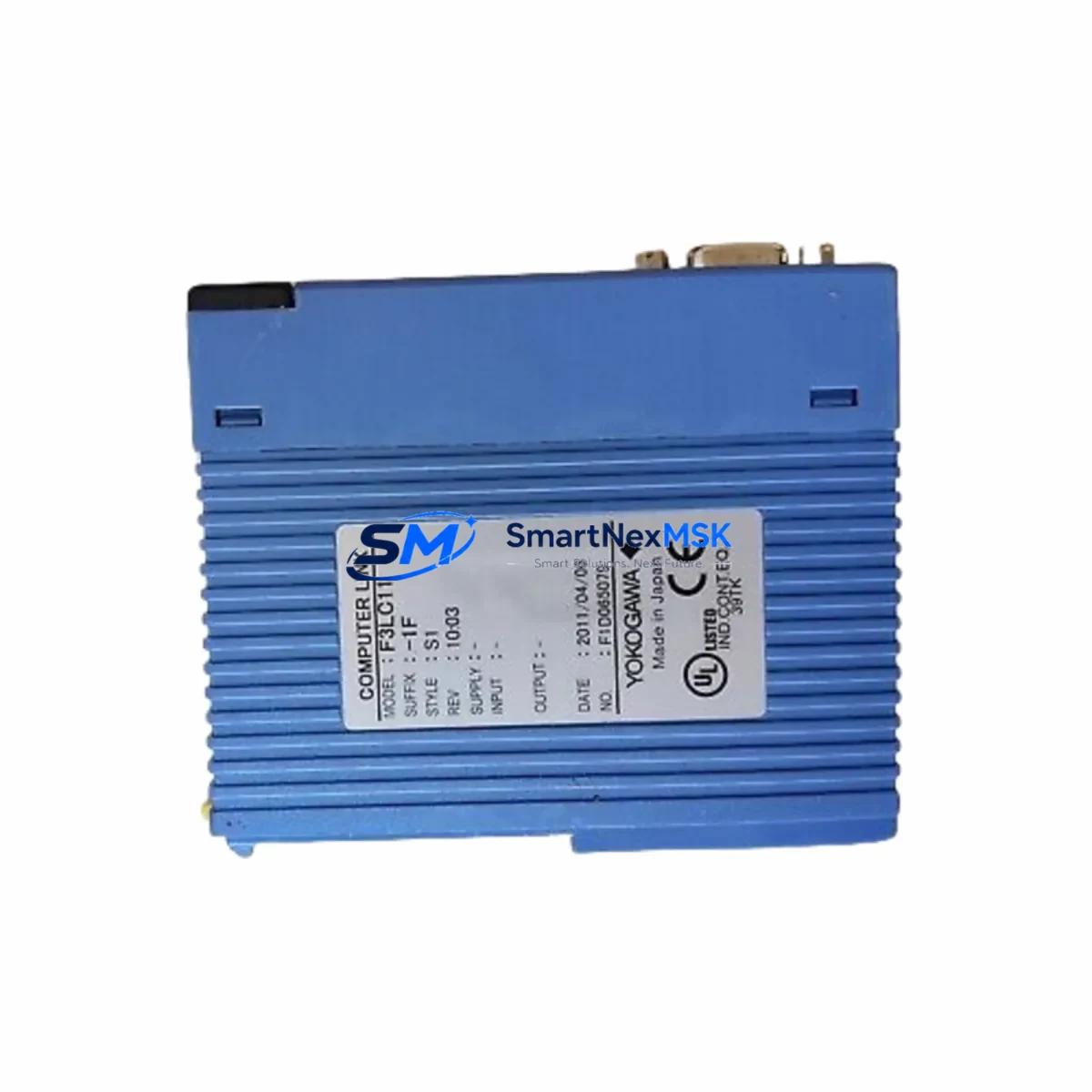
The Yokogawa NFSB100-S01 is an original S1 Bus Repeat Module designed for use within the CENTUM VP and CS 3000 Distributed Control System (DCS) platforms. As a critical communication backbone component, this module ensures reliable signal transmission across the S1 bus network that interconnects field control stations (FCS), engineering workstations (EWS), and operator stations (HIS) within the control architecture. For maintenance engineers managing aging DCS infrastructure, having a verified, tested spare of the NFSB100-S01 on hand is a fundamental element of any downtime-prevention strategy.
Unplanned bus communication failures in CENTUM VP or CS 3000 systems can cascade rapidly — isolating entire field control loops, triggering process shutdowns, and disabling operator visibility across the HMI layer. The NFSB100-S01 is a single-point-of-failure component in many legacy bus topologies, making its availability in the spare parts inventory a non-negotiable requirement for facilities operating continuous or semi-continuous processes in petrochemical, power generation, pulp and paper, and pharmaceutical environments.
Spare Maintenance Table
| Parameter | Specification / Detail |
|---|---|
| Part Number | NFSB100-S01 |
| Manufacturer | Yokogawa Electric Corporation |
| Module Type | S1 Bus Repeat Module |
| Compatible Systems | CENTUM VP, CENTUM CS 3000 |
| Bus Standard | S1 Bus (Yokogawa proprietary DCS communication bus) |
| Origin | Japan |
| Product Condition | Original / Genuine — New or Refurbished-to-OEM-spec |
| Pre-shipment Testing | Function-verified before dispatch |
| Installation Environment | Control cabinet / DCS rack enclosure |
| Mounting | DIN rail / rack-mount per CENTUM VP system architecture |
| Maintenance Recommendation | Inspect bus connectors and signal integrity annually; replace on first sign of intermittent communication faults |
| Warranty | 12 Months from date of shipment |
| Lead Time | In stock — ships within 1–3 business days |
| Long-term Supply | Available for legacy CS 3000 and CENTUM VP life extension programs |
Maintenance Planning for Continuous Operation
When scheduling a planned replacement of the NFSB100-S01, maintenance engineers should treat the intervention as an opportunity to audit the broader S1 bus segment and associated control cabinet components. A bus repeater failure rarely occurs in isolation — degraded power supply output, loose terminal block connections, or aging backplane contacts are common contributing factors that should be inspected concurrently.
Begin by verifying the output voltage and ripple of the DCS power supply module feeding the bus segment — Yokogawa CENTUM VP systems commonly use dedicated power supply units such as the PW481 or PW482 series, and any voltage deviation outside tolerance can stress bus communication hardware over time. Inspect the terminal blocks and wiring harnesses connected to the S1 bus segment for signs of oxidation, loose crimps, or insulation degradation, particularly in high-humidity or high-vibration environments.
The I/O modules connected downstream of the NFSB100-S01 — including analog input modules (AAI141, AAI143), analog output modules (AAO141), and digital I/O modules (ADV151, ADV161) — should be checked for communication error logs in the CENTUM VP system builder or engineering console. Persistent communication timeouts on specific I/O nodes often indicate upstream bus signal degradation rather than a failed I/O card itself.
For systems with redundant bus configurations, verify that the redundant S1 bus path is fully operational before taking the primary NFSB100-S01 offline. Confirm that the bus switchover function is active and that the redundant bus repeater module — if installed — is free of fault indicators. This is also an appropriate time to inspect the V net or Vnet/IP communication modules (such as the NV9W or CP461 series) that handle higher-level network communication between the FCS and the HIS operator stations, ensuring no latent faults exist at the network layer.
Relay output modules and signal isolators connected to critical process loops should be tested for contact integrity and isolation resistance as part of the same maintenance window. Fuse holders and circuit protection devices within the control cabinet should be inspected and replaced on a scheduled basis — a blown fuse on a bus power rail is a common cause of intermittent NFSB100-S01 communication errors that are frequently misdiagnosed as module failure. Finally, confirm that the HMI display stations and engineering workstations are receiving clean, stable communication from the FCS layer before returning the system to normal operation.
Site Replacement Workflow
Replacing the NFSB100-S01 in a live CENTUM VP or CS 3000 system requires careful sequencing to minimize process disruption. Where the system architecture supports hot-swap or online replacement, confirm this capability in the system engineering documentation before proceeding. For systems without hot-swap support, coordinate the replacement with the process control team to schedule a controlled shutdown of the affected bus segment during a planned maintenance window.
Before removing the existing module, document the current bus configuration, node addresses, and any custom parameter settings using the CENTUM VP system builder software. This ensures that the replacement NFSB100-S01 can be configured identically to the outgoing unit, preserving system compatibility and avoiding communication parameter mismatches that could delay restart.
After installing the replacement module, perform a full bus communication test — verify that all downstream I/O nodes are responding correctly, that no communication error flags are active in the FCS diagnostic display, and that the operator station HIS is receiving live process data without gaps or timeouts. Log the replacement in the site maintenance record with the new module’s serial number and the date of installation to support warranty tracking and future lifecycle planning.
For facilities managing multiple CENTUM VP or CS 3000 systems, maintaining a minimum of one NFSB100-S01 spare per bus segment in the site spare parts inventory is strongly recommended. This eliminates procurement lead time as a factor in downtime duration and supports rapid response to unplanned failures during off-hours or holiday periods when expedited shipping may not be available.
Spare Parts Support FAQ
Q1: Is the NFSB100-S01 compatible with both CENTUM VP and CS 3000 systems?
Yes. The NFSB100-S01 is designed for use across the Yokogawa CENTUM VP and CENTUM CS 3000 DCS platforms, both of which utilize the S1 Bus architecture for intra-system communication. Before installation, confirm the bus configuration and slot assignment in your system engineering documentation to ensure correct integration.
Q2: What pre-shipment testing is performed on the NFSB100-S01?
Each unit undergoes functional verification testing prior to dispatch, including communication signal integrity checks and visual inspection for connector and board condition. Units are shipped with protective packaging to prevent transit damage. A 12-month warranty is provided from the date of shipment, covering manufacturing defects and functional failures under normal operating conditions.
Q3: How should the NFSB100-S01 be stored if purchased as a long-term spare?
Store the module in its original anti-static packaging in a dry, temperature-controlled environment (typically 0–55°C storage range, per Yokogawa DCS module guidelines). Avoid exposure to direct sunlight, high humidity, or corrosive atmospheres. Inspect the module annually for any signs of connector oxidation or physical damage, and rotate stock on a first-in, first-out basis to maintain spare parts freshness.
Q4: Can the NFSB100-S01 be used to extend the operational life of a legacy CS 3000 system?
Yes. The NFSB100-S01 is a key component in CS 3000 life extension programs, where the goal is to maintain system operability beyond the original product lifecycle without a full DCS migration. Sourcing genuine spare modules from a reliable supplier with long-term inventory capability ensures that aging CS 3000 installations can continue operating safely and efficiently while a migration roadmap is developed and budgeted.
© 2026 SMARTNEXMSK. All rights reserved.
Original Source: https://smartnexmsk.com
Contact: [email protected] | +86 18259474341