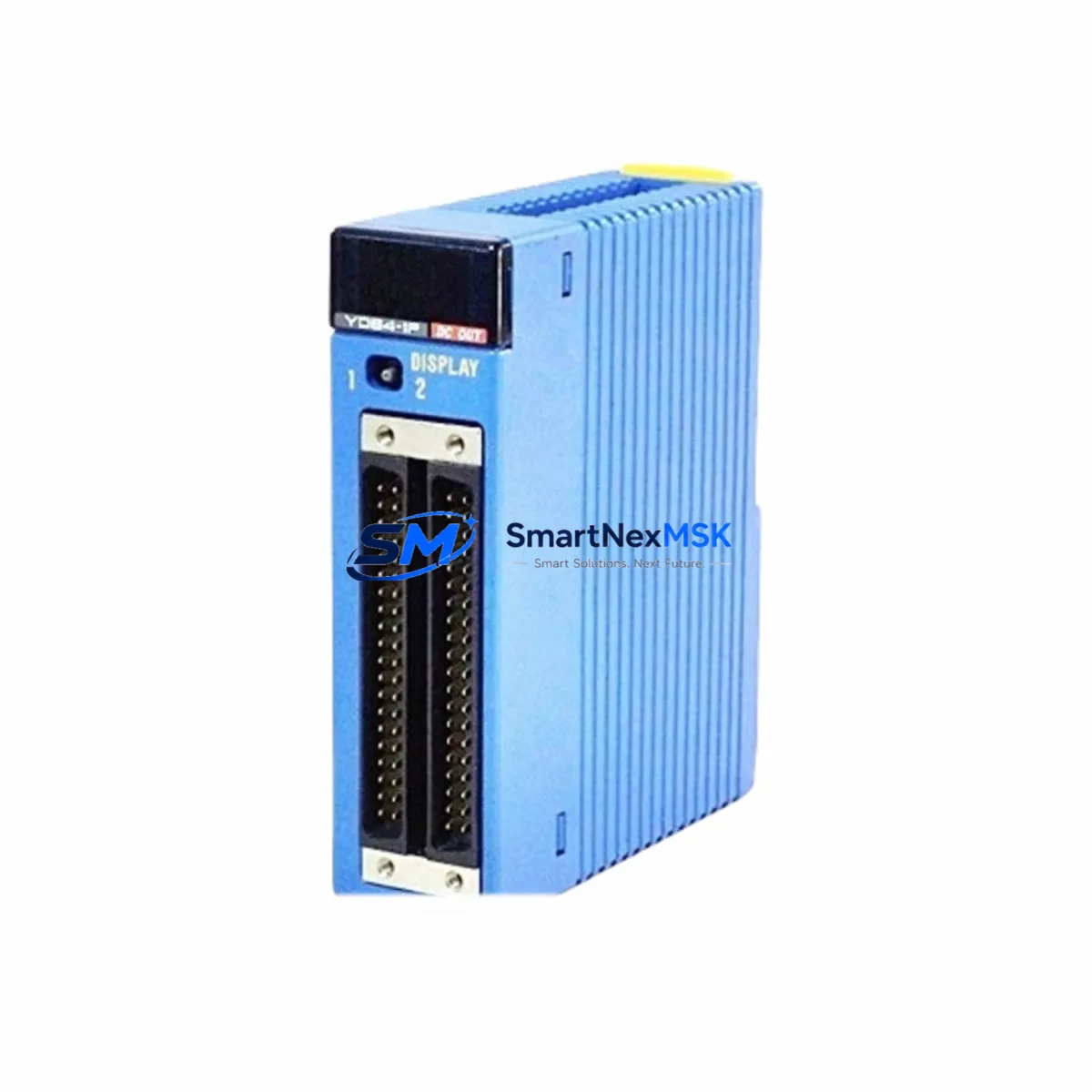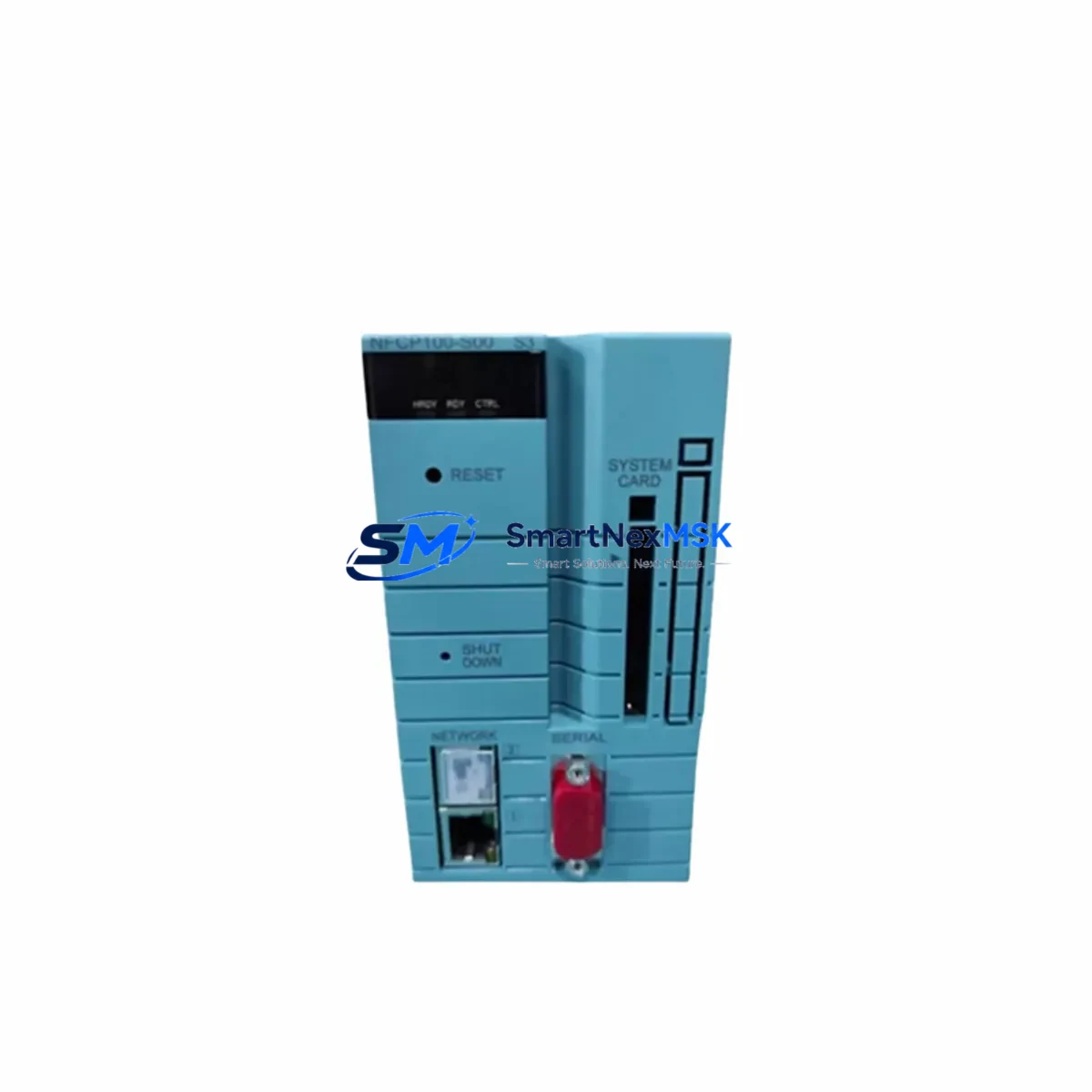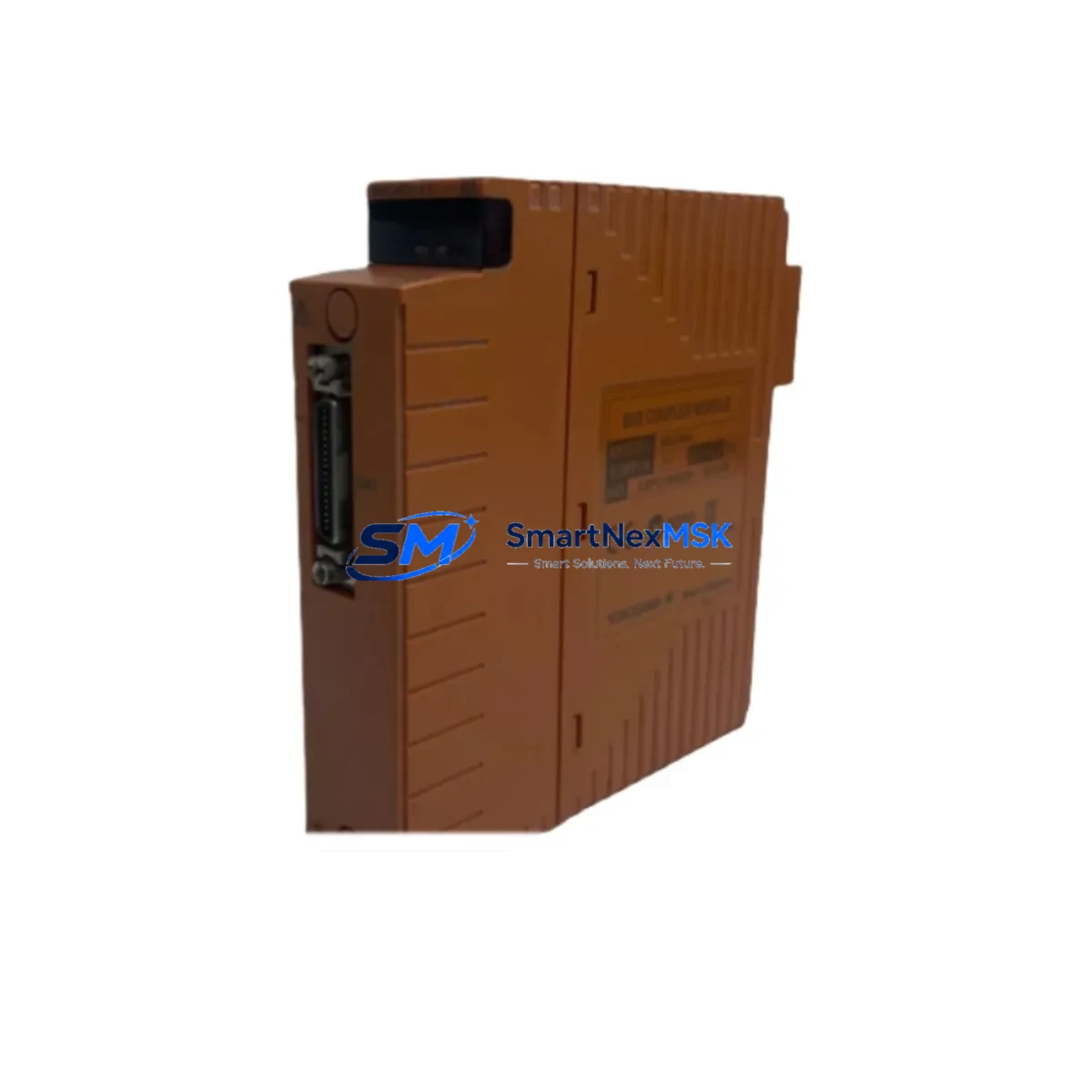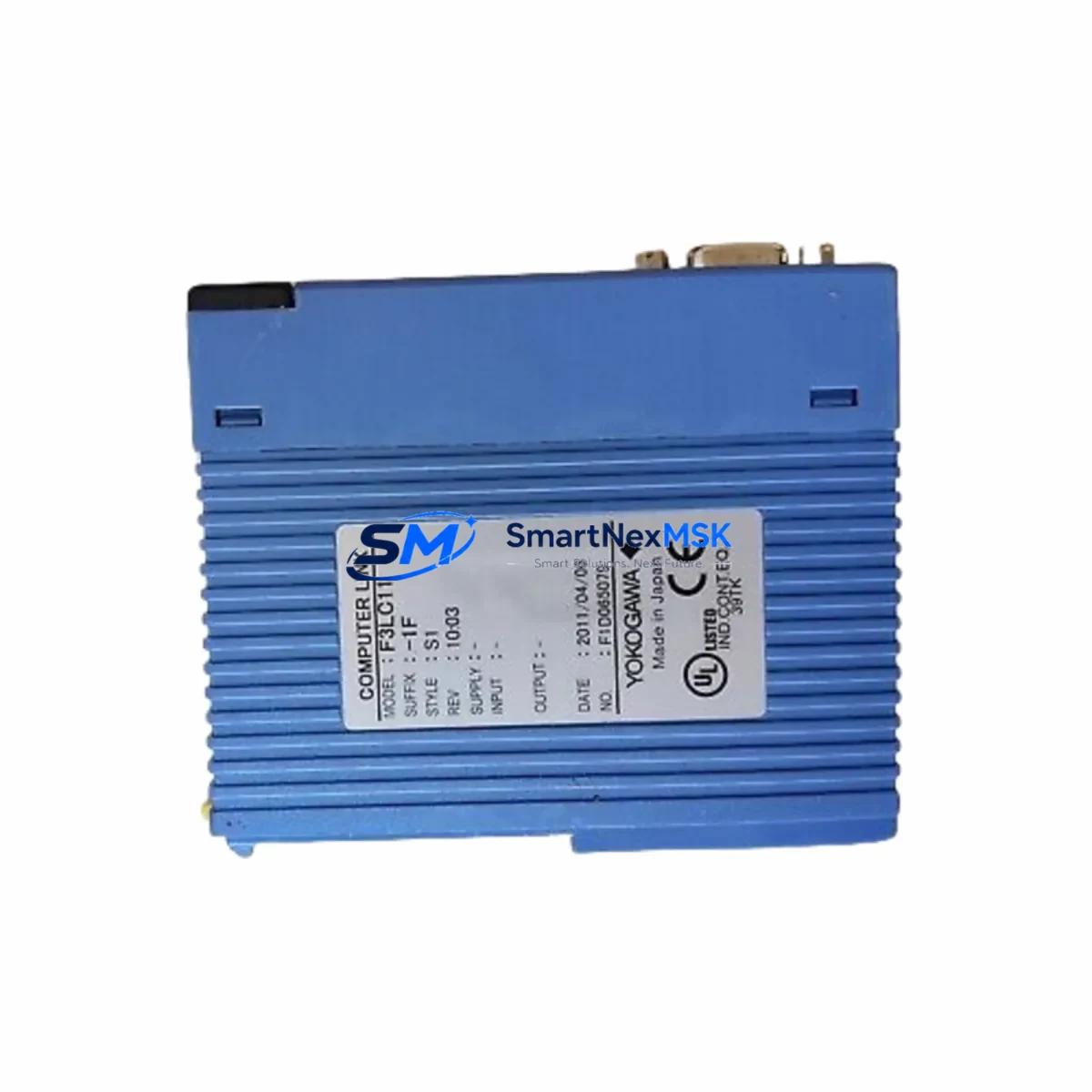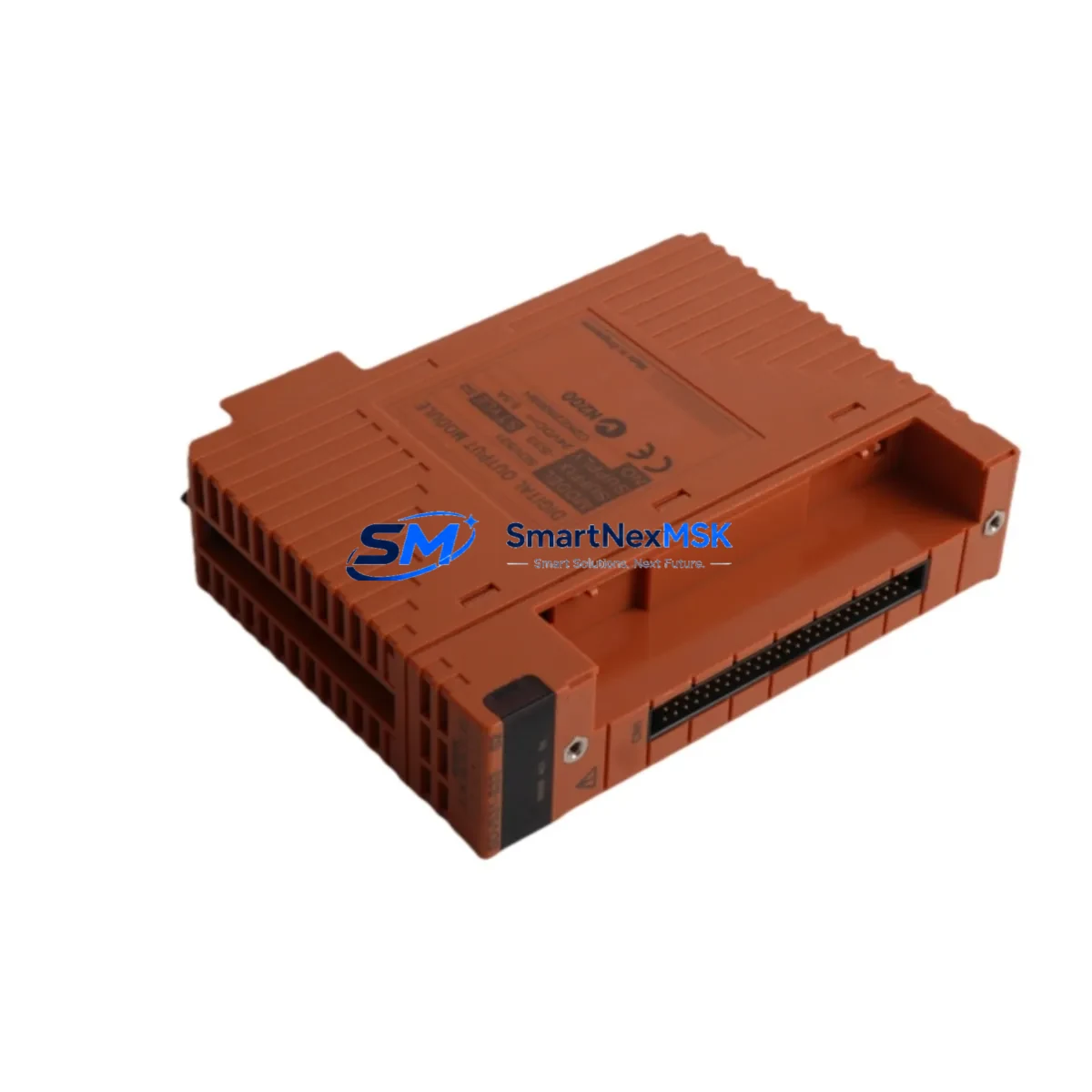
Yokogawa SDV531-S33/S3 Retrofit-Ready DO Module for CENTUM VP Control Systems
The Yokogawa SDV531-S33/S3 is a 32-channel digital output module designed for the CENTUM VP distributed control system platform. As legacy CENTUM CS 3000 and early CENTUM VP installations reach end-of-service milestones, the SDV531-S33/S3 has become one of the most sought-after retrofit components for engineers tasked with modernizing existing control cabinets without full system replacement. This module provides a direct, wiring-compatible upgrade path that preserves existing field wiring, terminal block layouts, and I/O address assignments — dramatically reducing the engineering effort and downtime associated with a full DCS migration.
Whether you are replacing a failed unit on an active production line, building a spare-parts inventory for a critical process, or executing a phased upgrade from CENTUM CS 3000 to CENTUM VP R6, the SDV531-S33/S3 delivers the output capacity and signal integrity required for reliable field device control. Each unit is functionally tested prior to shipment and backed by a 12-month warranty covering manufacturing defects and operational failures under normal service conditions.
Upgrade Compatibility Table
| Parameter | SDV531-S33/S3 Specification | Retrofit Notes |
|---|---|---|
| Output Channels | 32-channel digital output | Direct channel-for-channel replacement with legacy SDV531 variants |
| Output Signal | 24 VDC transistor output | Compatible with existing field wiring; no rewiring required in most installations |
| Installation | Yokogawa I/O nest / field control station (FCS) backplane | Fits standard CENTUM VP FCS nest; verify nest slot assignment before installation |
| Communication | Internal V-net / Vnet/IP backplane bus | Compatible with both Vnet (legacy) and Vnet/IP (current) FCS configurations |
| Replacement Compatibility | Replaces SDV531-S33, SDV531-S3, and equivalent legacy DO modules | Confirm firmware revision of FCS before hot-swap; cold-swap recommended for first installation |
| Commissioning | Address assignment via CENTUM VP Engineering Environment (ENG) | Re-download I/O builder data after module replacement; verify DO tag assignments in HMI |
| Warranty | 12 months from shipment date | Covers manufacturing defects; includes functional test certificate on request |
Retrofit Planning for Existing Automation Systems
Successful integration of the SDV531-S33/S3 into an existing CENTUM VP or CENTUM CS 3000 control system requires careful pre-installation planning. Before removing the legacy module, engineers should document the current I/O builder configuration using the CENTUM VP Engineering Environment and export a backup of the FCS database. This ensures that module address assignments, DO tag names, and interlock logic can be restored without manual re-entry.
In most field control station configurations, the SDV531-S33/S3 occupies a standard I/O nest slot alongside companion modules such as the SDV541 digital input module, the AAI141 analog input module, and the AAI543 analog output module. Power distribution within the FCS cabinet is typically managed through the PW481 or PW482 power supply modules — engineers should verify that the available power budget accommodates the SDV531-S33/S3’s current draw before installation, particularly in densely populated nests where multiple high-channel-count I/O modules share a single power rail.
For installations involving communication protocol migration — for example, transitioning from legacy Vnet to Vnet/IP — the SDV531-S33/S3 must be installed in an FCS that has already been upgraded to support the target communication standard. The FCU (Field Control Unit), such as the AFV10D or AFV30D, must be confirmed as Vnet/IP-capable before the I/O module replacement proceeds. In mixed-protocol environments, the ESB bus coupler and associated ESB10D or ESB20D bus interface modules should be inspected for firmware compatibility.
HMI screen updates are a frequently overlooked step in DO module retrofits. After replacing the SDV531-S33/S3 and re-downloading the I/O builder data, operators should verify that all associated HMI faceplates in the CENTUM VP HIS (Human Interface Station) correctly reflect the new module’s tag assignments. Any custom graphic displays referencing the replaced module’s physical address should be reviewed and updated in the HIS engineering environment. The RM (Remote I/O Module) network topology diagram should also be updated to reflect the new hardware revision.
For projects involving I/O expansion alongside the SDV531-S33/S3 replacement, the RIO (Remote I/O) nest and associated RIO cable assemblies should be inspected for wear and signal integrity. In older installations, the ANB10D node interface module and its associated termination resistors are common failure points that should be replaced proactively during any planned maintenance window involving DO module work.
Downtime Control During System Migration
Minimizing process downtime during a DO module replacement requires a structured approach that begins well before the maintenance window opens. The recommended sequence starts with a full FCS database backup, followed by a pre-shutdown verification of all DO tag states to establish a baseline for post-restoration comparison. Where process conditions permit, output channels should be placed in manual mode or forced to a safe state using the CENTUM VP sequence control function before the module is physically removed.
Cold-swap replacement — with the FCS powered down — is the safest approach for first-time SDV531-S33/S3 installations, as it eliminates the risk of transient output signals during module seating. After physical installation, the FCS should be powered up in maintenance mode, the I/O builder data re-downloaded, and each DO channel verified against the pre-shutdown baseline before returning the FCS to automatic control. This process typically requires 30 to 90 minutes depending on the number of affected channels and the complexity of the interlock logic involved.
For sites where continuous operation is critical, a parallel commissioning approach using a temporary spare FCS nest can be used to pre-configure and test the replacement SDV531-S33/S3 before the actual cutover. This approach, combined with pre-staged terminal block wiring and a pre-loaded FCS database, can reduce the active cutover window to under 15 minutes in well-prepared installations. Maintaining a documented commissioning checklist — covering power-up sequence, I/O download confirmation, HMI tag verification, and interlock re-enable — is essential for consistent, repeatable results across multiple retrofit projects.
Retrofit Support FAQ
Q: Is the SDV531-S33/S3 a direct drop-in replacement for the original SDV531-S33 and SDV531-S3 modules?
A: Yes. The SDV531-S33/S3 is designed as a wiring-compatible replacement for both the SDV531-S33 and SDV531-S3 variants. Terminal block pinouts, backplane connector positions, and I/O address structures are preserved. A cold-swap with I/O builder re-download is recommended to confirm tag assignments after installation.
Q: What commissioning steps are required after installing the SDV531-S33/S3?
A: After physical installation, re-download the I/O builder data from the CENTUM VP Engineering Environment to the FCS. Verify all 32 DO channel tag assignments in the HIS, confirm output states match pre-shutdown baselines, and re-enable any interlocks or sequence control functions that were placed in manual mode during the replacement.
Q: Can the SDV531-S33/S3 be used in a CENTUM CS 3000 system?
A: The SDV531-S33/S3 is specified for CENTUM VP. Use in CENTUM CS 3000 systems requires verification of FCS hardware revision and firmware compatibility. Contact our technical team with your FCS model number and current firmware version for a compatibility assessment before ordering.
Q: What does the 12-month warranty cover, and what is the shipping lead time?
A: The 12-month warranty covers manufacturing defects and functional failures under normal operating conditions from the shipment date. A functional test certificate is available on request. Units are stocked in Xiamen and typically ship within 1–3 business days of order confirmation. Expedited shipping options are available for urgent maintenance requirements.
© 2026 SMARTNEXMSK. All rights reserved.
Original Source: https://smartnexmsk.com
Contact: [email protected] | +86 18259474341