
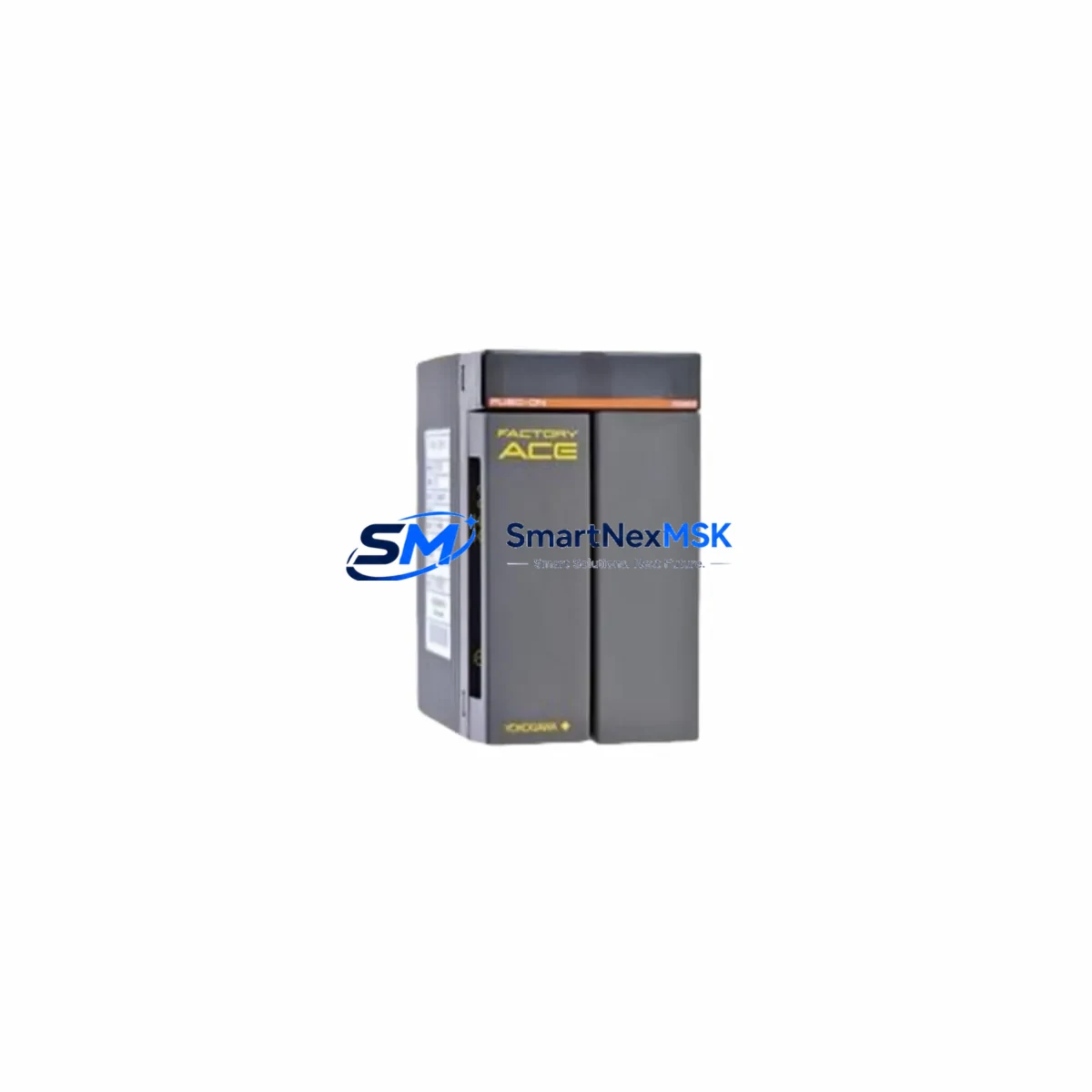
Yokogawa SNT411-5F Maintenance-Ready Spare for CENTUM Automation
The Yokogawa SNT411-5F is an original bus repeater module designed for CENTUM VP and CENTUM CS series Distributed Control Systems (DCS). In industrial automation environments where continuous process control is non-negotiable, maintaining a verified spare of the SNT411-5F in your parts inventory is a proven strategy for minimizing unplanned downtime and accelerating fault recovery. This module extends and regenerates field bus signals between control stations and I/O nodes, making it a critical link in the communication backbone of any CENTUM-based control cabinet.
Whether you are a maintenance engineer conducting scheduled inspections or a procurement engineer building a strategic spare parts list, the SNT411-5F represents a high-priority replacement component. Signal degradation, bus communication faults, or intermittent I/O response are common indicators that the bus repeater requires immediate attention. Having a tested, original SNT411-5F on hand eliminates the lead time risk associated with emergency sourcing and keeps your control system running within specification.
Spare Maintenance Table
| Parameter | Specification / Detail |
|---|---|
| Part Number | SNT411-5F |
| Brand | YOKOGAWA |
| Module Type | Bus Repeater Module |
| Compatible Series | CENTUM VP, CENTUM CS 3000, CENTUM CS 1000 |
| Function | Field bus signal extension and regeneration between control stations and I/O nodes |
| Installation | DIN rail / control cabinet backplane mount, standard CENTUM node slot |
| Operating Temperature | 0°C to 55°C (standard industrial cabinet environment) |
| Origin | Japan (Original Yokogawa manufacture) |
| Condition | Original spare — tested before shipment |
| Warranty | 12 Months |
| Shipping | Worldwide — EMS / DHL / FedEx with tracking |
| Maintenance Recommendation | Inspect bus signal integrity every 6 months; replace at first sign of communication fault or CRC error increase |
Maintenance Planning for Continuous Operation
When replacing the SNT411-5F in a CENTUM control cabinet, a disciplined maintenance engineer will treat the event as an opportunity for a broader system health check. Bus repeater faults rarely occur in isolation — they are often accompanied by degraded performance in adjacent components sharing the same communication loop or power rail.
Begin by verifying the ESB11S or ESB11D bus cable assemblies connecting the repeater to upstream and downstream nodes. Damaged or aged bus cables are a frequent root cause of repeater stress and premature failure. Next, inspect the PW481 or PW482 power supply modules feeding the node; voltage ripple or under-voltage conditions accelerate bus repeater wear. If the control station hosts multiple I/O nodes, check the ANT100 or ANT200 node interface units for firmware version alignment and communication error logs.
For systems with mixed analog and digital I/O, review the AAI141 analog input modules and ADV151 digital input modules on the same bus segment — a failing repeater can introduce latency or data corruption that manifests as spurious alarms on these cards. If your CENTUM system includes ACM12 communication modules for Modbus or HART integration, verify that their polling cycles remain stable after the SNT411-5F replacement, as bus timing changes can affect protocol performance.
In control cabinets with signal isolation requirements, inspect signal isolators or barriers on the I/O terminal blocks adjacent to the repeater’s bus segment. Aging isolators can introduce ground loops that stress bus communication hardware. Additionally, check terminal block assemblies and wiring ferrules for corrosion or loose connections — these are common culprits in intermittent bus faults that are incorrectly attributed to the repeater module itself.
For legacy CENTUM CS installations approaching end-of-life, maintaining a stock of the SNT411-5F alongside SCP401 or SCP451 controller processor cards is a recognized life-extension strategy. Pairing repeater spares with processor card spares ensures that a single component failure does not cascade into a full control station replacement event.
Site Replacement Workflow
Step 1 — Pre-replacement verification: Confirm the SNT411-5F part number against the installed module label and the CENTUM system configuration tool (CENTUM VP Engineering Environment or CS 3000 System Builder). Verify that the replacement module’s hardware revision is compatible with your node firmware version.
Step 2 — Safe isolation: Place the affected control station in manual mode or transfer control to a redundant station if available. Follow your site’s LOTO (Lockout/Tagout) procedure before opening the control cabinet.
Step 3 — Module swap: Remove the faulty SNT411-5F by releasing the module latch and sliding it from the backplane slot. Insert the replacement module, ensuring the bus connector seats fully. Restore power and observe the module status LED — a solid green indicates normal bus communication.
Step 4 — System validation: Monitor the CENTUM HIS (Human Interface Station) for communication alarms on the affected node for a minimum of 15 minutes post-replacement. Verify I/O data integrity by comparing live field values against known reference readings. Clear any latched alarms and document the replacement in your maintenance log.
Step 5 — Spare replenishment: Immediately initiate a purchase order for a replacement SNT411-5F to restore your spare parts buffer. A minimum stock of one unit per control station is recommended for critical process applications.
Spare Parts Support FAQ
Q1: Is this SNT411-5F an original Yokogawa module or a compatible replacement?
This is an original Yokogawa SNT411-5F module sourced from authorized industrial channels. It is not a third-party compatible or remanufactured unit. Each module is tested for bus communication function before shipment.
Q2: What is the warranty coverage and what does it include?
All SNT411-5F modules carry a 12-month warranty from the date of delivery. The warranty covers manufacturing defects and functional failures under normal operating conditions. Modules damaged by incorrect installation, overvoltage, or environmental factors outside specification are not covered.
Q3: How do I confirm compatibility with my specific CENTUM system version?
Provide your CENTUM system model (VP, CS 3000, or CS 1000), the node type, and the existing module hardware revision number (printed on the module label). Our technical team will confirm compatibility before shipment. In most cases, the SNT411-5F is backward compatible across CENTUM CS and VP generations.
Q4: What is the typical lead time and how is the module packaged for shipment?
In-stock modules ship within 1–3 business days. Each SNT411-5F is packaged in anti-static ESD protective material with a rigid outer carton to prevent transit damage. Tracking information is provided upon dispatch. Express delivery via DHL or FedEx is available for urgent maintenance requirements.
© 2026 SMARTNEXMSK. All rights reserved.
Original Source: https://smartnexmsk.com
Contact: [email protected] | +86 18259474341



