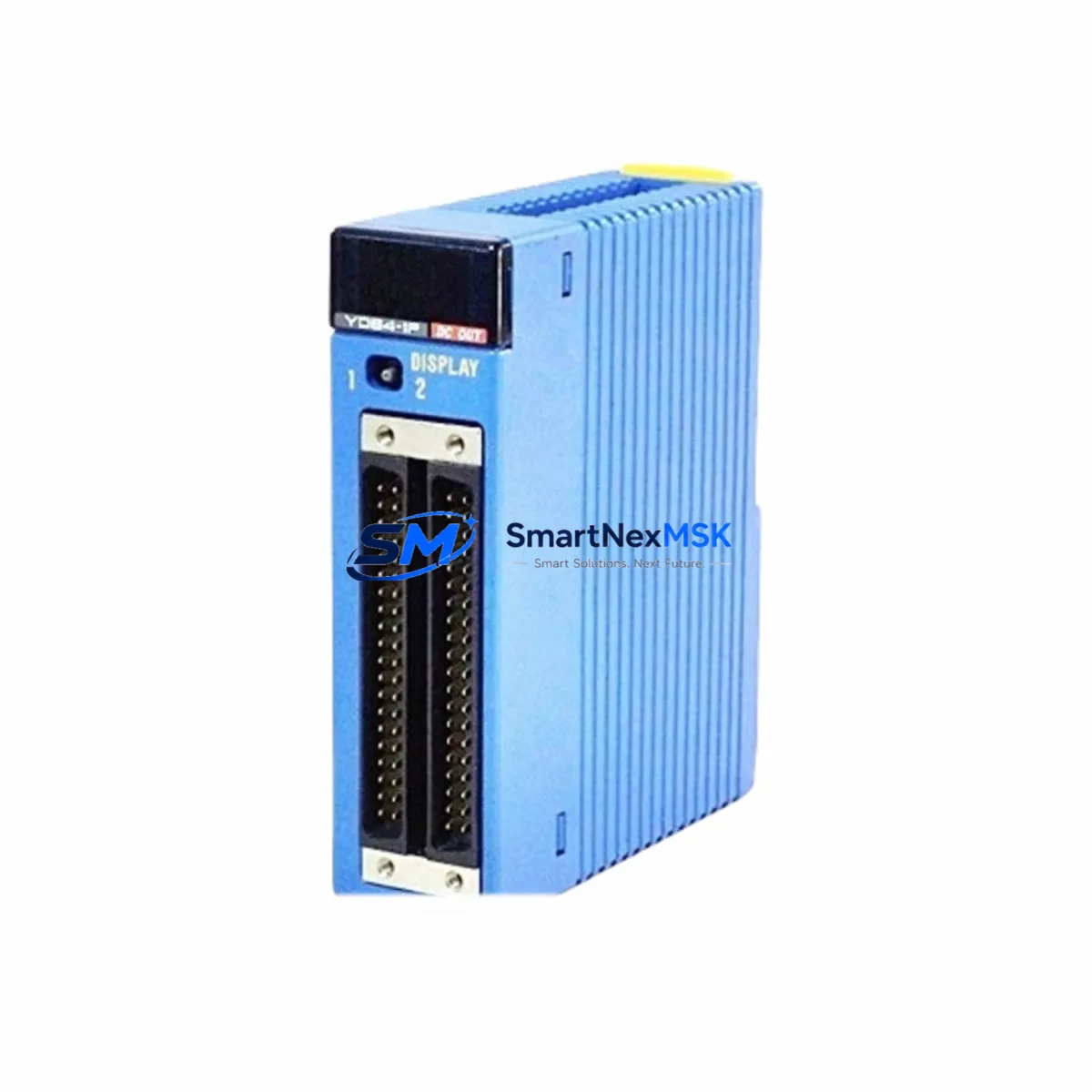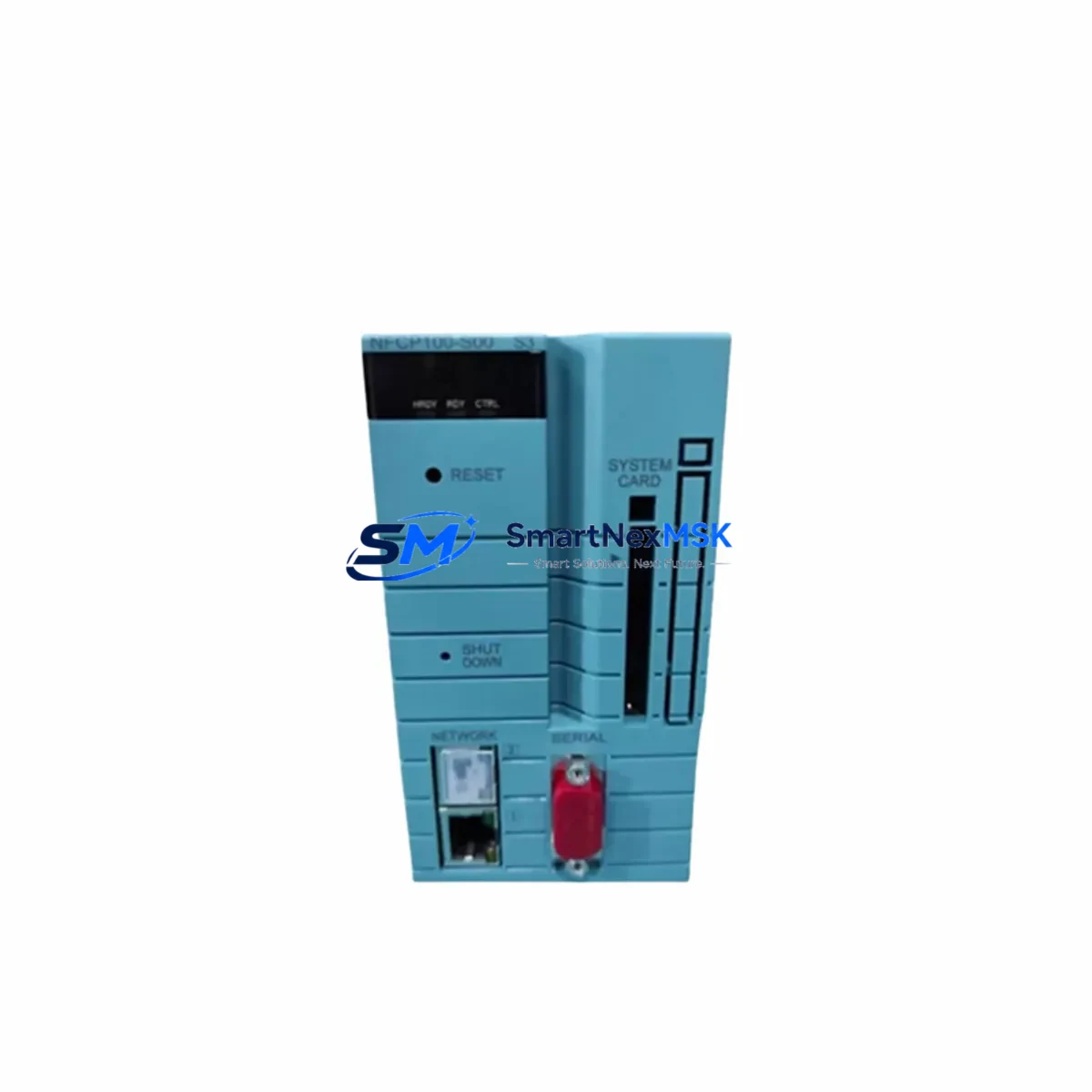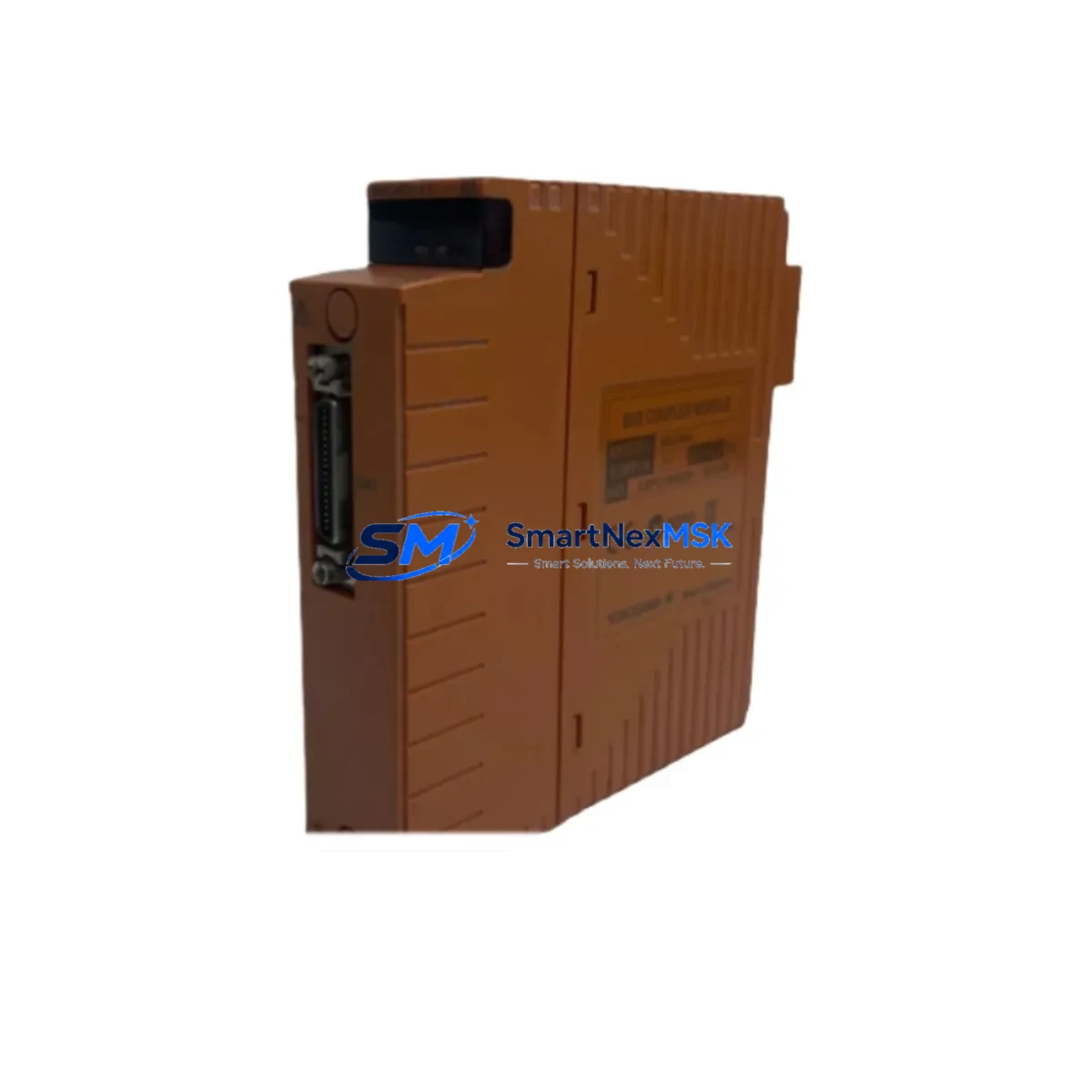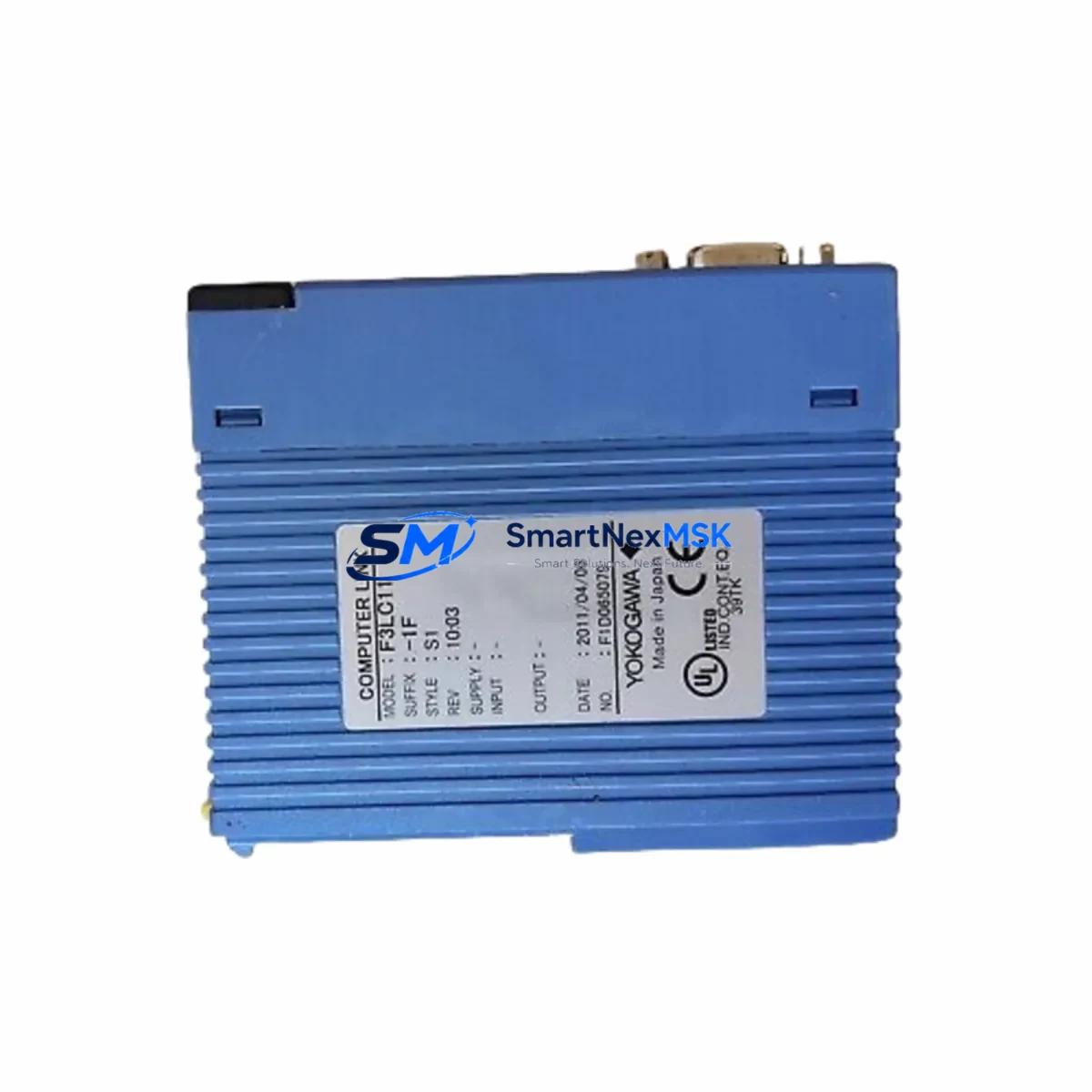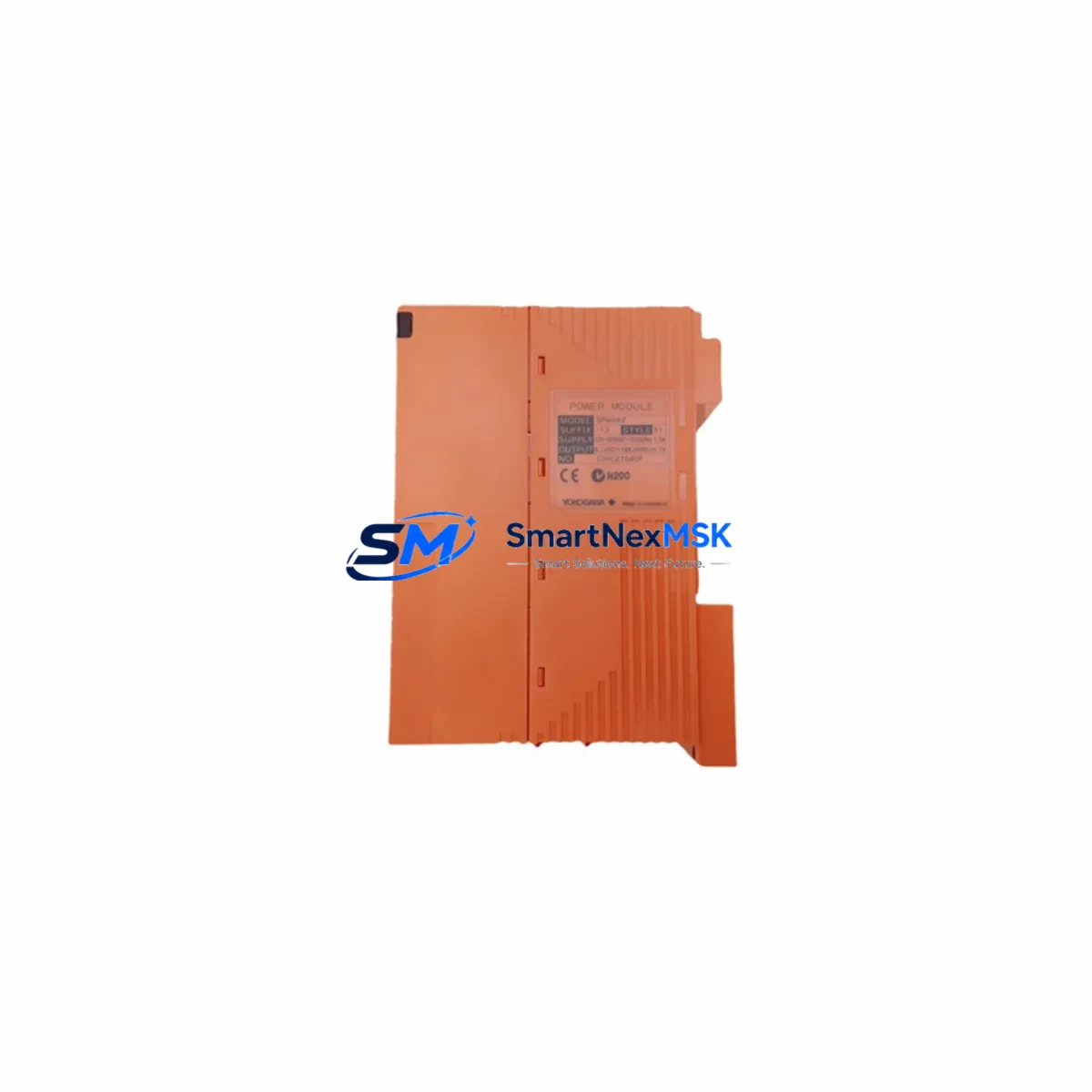
YOKOGAWA SPW482-50 Maintenance-Ready Spare for CENTUM CS3000 Automation
The YOKOGAWA SPW482-50 is an original redundant power supply module engineered for continuous-duty service within the CENTUM CS and CENTUM CS3000 Distributed Control System (DCS) platform. In process industries where unplanned downtime translates directly into production loss and safety risk, maintaining a verified spare of the SPW482-50 in your on-site inventory is a fundamental element of any responsible maintenance strategy. This module provides the regulated DC power backbone for field control stations (FCS), I/O nest assemblies, and communication bus infrastructure — making it one of the highest-criticality components in the control cabinet.
Sourced from original YOKOGAWA manufacturing channels, each SPW482-50 unit offered by SMARTNEXMSK undergoes pre-shipment functional verification, including output voltage stability testing, redundancy switchover simulation, and visual inspection of connectors and PCB integrity. Every unit ships with a 12-month warranty and full traceability documentation, supporting your site’s spare parts governance and audit requirements.
Spare Maintenance Table
| Parameter | Specification / Detail |
|---|---|
| Part Number | SPW482-50 |
| Brand | YOKOGAWA |
| Series | CENTUM CS / CENTUM CS3000 |
| Module Type | Redundant Power Supply Module |
| Output Voltage | 24 VDC (regulated) |
| Redundancy Mode | Hot-standby, automatic switchover |
| Input Voltage Range | 100–240 VAC, 50/60 Hz |
| Rated Output Current | 5.0 A (nominal) |
| Compatible Platforms | CENTUM CS, CENTUM CS3000 FCS/ACS/BCV stations |
| Installation | DIN-rail / nest-mount, front-access connector |
| Operating Temperature | 0°C to +55°C |
| Relative Humidity | 5% to 95% RH (non-condensing) |
| Weight | 2,140 g |
| Origin | Japan |
| Condition | Original, pre-shipment tested |
| Warranty | 12 Months |
| Lead Time | Ships within 3–5 business days |
Maintenance Planning for Continuous Operation
When a maintenance or reliability engineer schedules a planned inspection or responds to a power-related alarm on a CENTUM CS3000 system, replacing the SPW482-50 is rarely an isolated task. A thorough cabinet inspection should address the entire power distribution and signal chain to prevent repeat failures and ensure the system returns to full redundancy after the intervention.
Begin by verifying the upstream AC input supply and the condition of the associated fuse block or circuit breaker feeding the power supply nest. Degraded input power quality — including voltage sags, harmonic distortion, or loose terminal connections on the ACB-series terminal blocks — is a leading cause of premature power module stress. After confirming AC integrity, inspect the DC bus distribution wiring and the condition of the nest backplane connectors, as oxidized or mechanically fatigued contacts can cause intermittent faults that mimic power supply failure.
The SPW482-50 works in tandem with a second power module in hot-standby configuration. If one unit has failed, the partner module — often an SPW481 or SPW483 depending on the station generation — should be treated as a suspect and load-tested before being returned to service as the sole active supply. Procurement engineers maintaining a lean spare parts inventory should consider stocking both units as a matched pair.
Beyond the power subsystem, a complete cabinet inspection during an SPW482-50 replacement should include: the ALM111 or ALM121 alarm annunciator modules for any latched power fault indications; the ESB bus coupler and RIO bus interface cards that distribute I/O signals from the FCS to remote I/O units; the ACM11 or ACM12 communication modules responsible for Vnet/IP or Ethernet-based controller-to-controller communication; and the status of any SCP401 or SCP451 signal conditioner or isolator modules installed in the same cabinet. Thermal imaging of the cabinet interior, if available, can reveal hot spots on terminal strips, relay bases, or I/O module connectors that warrant attention before the system is returned to automatic control.
For facilities operating legacy CENTUM CS hardware approaching end-of-support, the SPW482-50 spare is also a cornerstone of a system life-extension strategy. Maintaining a buffer stock of two to four units — alongside critical I/O modules such as the AAI141 analog input card and AAI543 analog output card — allows operations to sustain reliable control without committing to a full DCS migration on an accelerated timeline.
Site Replacement Workflow
Step 1 — Pre-replacement verification: Confirm the standby power module has assumed load and the system is operating in degraded-redundancy mode. Do not proceed with hot-swap replacement unless the standby module is confirmed healthy via the CENTUM CS3000 HIS (Human Interface Station) alarm summary and the PWR LED status on the nest front panel.
Step 2 — Isolation and extraction: Loosen the front-panel locking screw on the failed SPW482-50. Slide the module forward along the nest guide rails. Disconnect the AC input connector and DC output bus connector in sequence. Tag and bag the failed unit for root-cause analysis.
Step 3 — Installation of replacement unit: Inspect the nest slot for debris or connector damage. Align the replacement SPW482-50 with the guide rails and slide fully into the nest until the front-panel latch engages. Reconnect DC output bus connector first, then AC input connector. Tighten the locking screw to the specified torque.
Step 4 — System verification: Observe the PWR LED sequence on the new module. Confirm the CENTUM CS3000 HIS clears the power fault alarm and shows both power modules in active/standby status. Log the replacement in the site maintenance management system (CMMS) with the unit serial number and date.
Step 5 — Spare replenishment: Initiate a purchase order for a replacement SPW482-50 to restore your on-site buffer stock. Downtime risk increases significantly when a redundant system is operating without a verified spare available on-site.
This workflow is compatible with YOKOGAWA’s recommended hot-swap procedure for CENTUM CS3000 power modules and does not require a full system shutdown, minimizing production impact to near zero when executed correctly.
Spare Parts Support FAQ
Q1: What is the expected service life of the SPW482-50, and when should I plan for replacement?
YOKOGAWA designs CENTUM CS3000 power modules for a nominal service life of 10 years under standard operating conditions. In practice, units operating in high-ambient-temperature environments or with poor AC power quality may show degraded performance earlier. We recommend proactive replacement at the 8-year mark or upon any indication of output voltage drift, increased fan noise, or intermittent redundancy switchover events.
Q2: How do I confirm compatibility between the SPW482-50 and my specific CENTUM CS3000 station generation?
The SPW482-50 is compatible with CENTUM CS and CENTUM CS3000 field control stations including the FFCS, SFCS, and standard FCS nest configurations. Compatibility is determined by the nest type and backplane revision. Please provide your station model number and nest part number when placing your order, and our technical team will confirm fit before shipment.
Q3: What pre-shipment testing is performed on each SPW482-50 unit?
Each unit undergoes output voltage regulation testing under rated load, redundancy switchover simulation, insulation resistance check, and full visual inspection of PCB, connectors, and housing. A test report is available upon request and ships with the unit to support your incoming inspection process.
Q4: What does the 12-month warranty cover, and what is the return process?
The 12-month warranty covers manufacturing defects and functional failures under normal operating conditions. It does not cover damage resulting from incorrect installation, overvoltage events, or physical mishandling. In the event of a warranty claim, contact [email protected] with the unit serial number and a description of the failure mode. We will arrange return logistics and ship a replacement unit within 5 business days of receiving the failed module.
© 2026 SMARTNEXMSK. All rights reserved.
Original Source: https://smartnexmsk.com
Contact: [email protected] | +86 18259474341