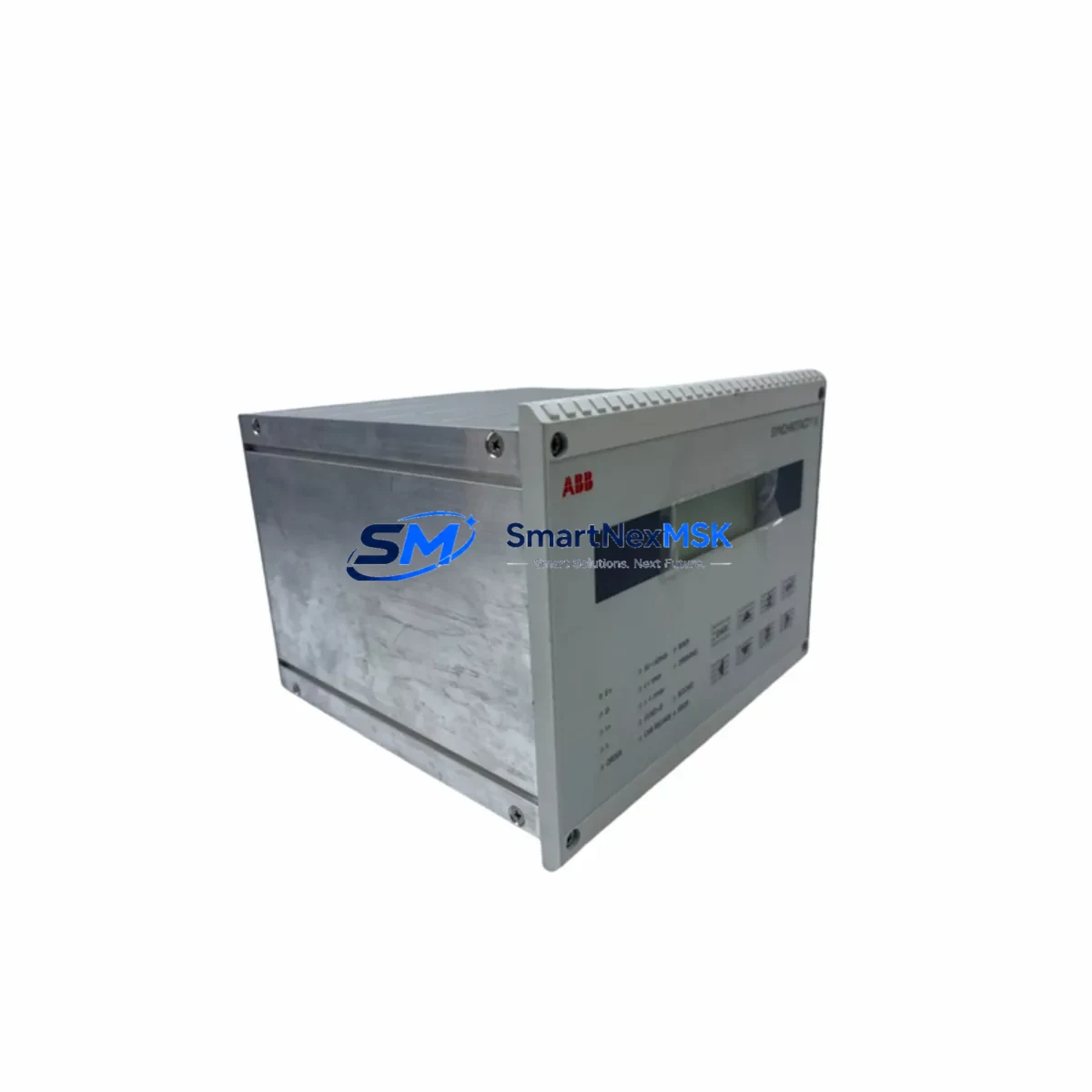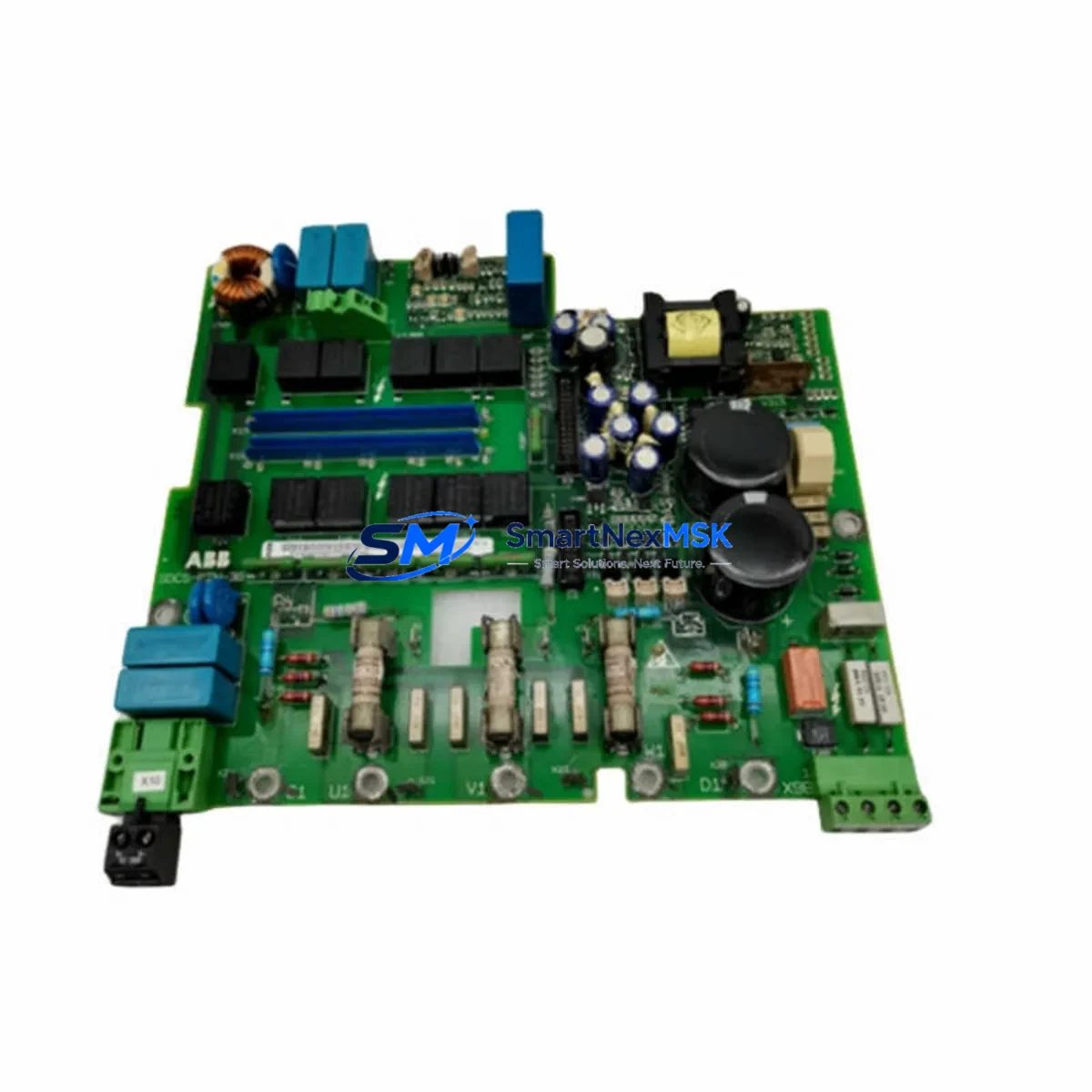
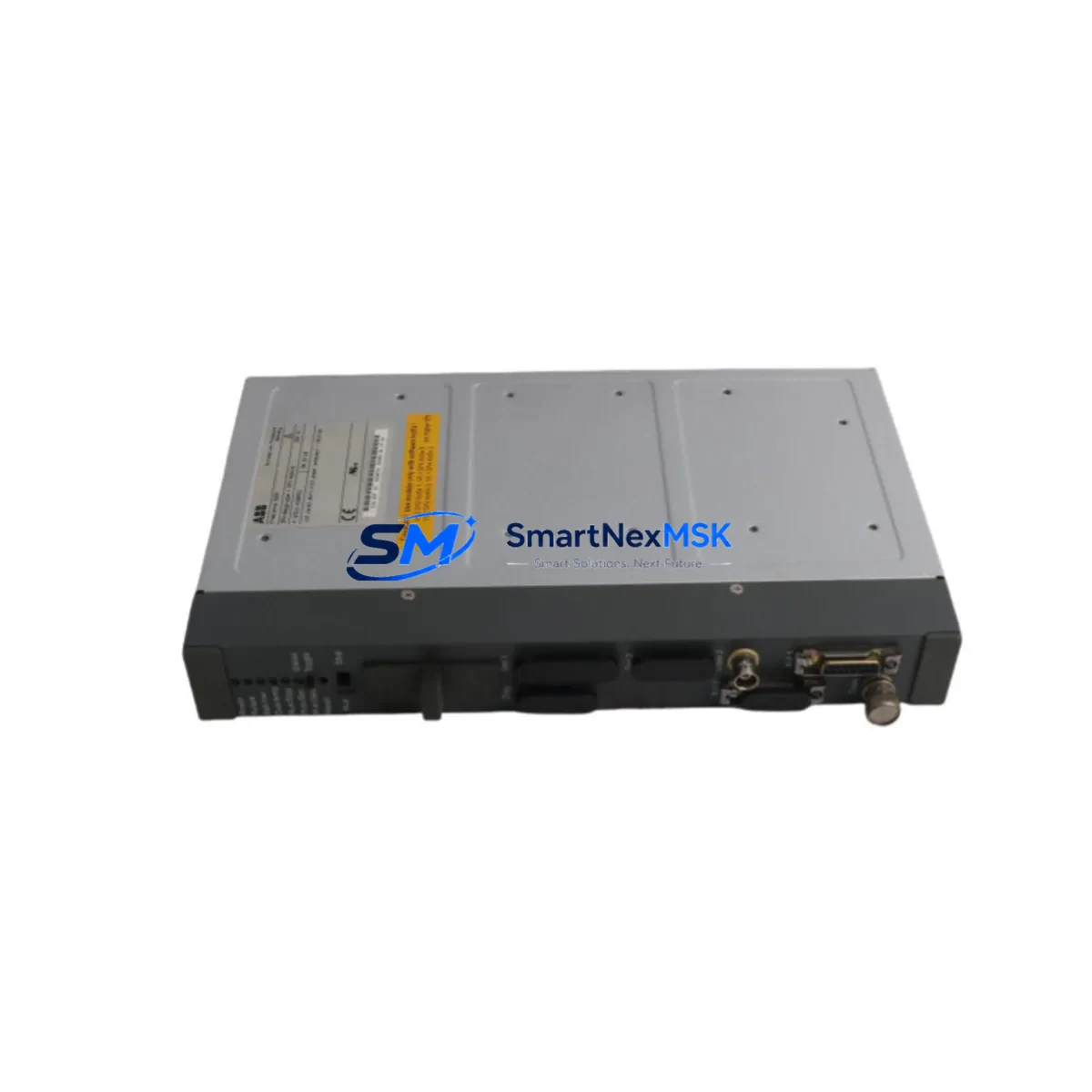
ABB DCP10 Safety-Enhanced CPU Module for Harsh Industrial Sites
The ABB DCP10 is a high-reliability central processing unit module designed for ABB’s DCI/DCP series Distributed Control Systems (DCS). Engineered to operate continuously in demanding industrial environments — including petrochemical plants, power generation facilities, metallurgical operations, mining control rooms, and water treatment infrastructure — the DCP10 delivers deterministic control execution with robust resistance to electrical noise, thermal stress, and power fluctuations. For facilities where control interruption carries safety and financial consequences, the DCP10 represents a proven, field-validated solution backed by ABB’s industrial automation heritage.
In high-load continuous production environments, the DCP10 maintains stable scan cycle execution even under elevated ambient temperatures and persistent electromagnetic interference. Its architecture is optimized to prevent signal drift across analog and digital I/O channels, ensuring that process variables — pressure, temperature, flow, and level — are accurately represented in the control loop at all times. This is especially critical in safety instrumented systems (SIS) and critical interlock circuits where a single erroneous output can trigger unplanned shutdowns or, worse, unsafe process conditions.
The DCP10 is fully compatible with the ABB DCI/DCP backplane architecture, allowing seamless integration alongside companion modules such as the ABB DSAI130 analog input module, DSDO110 digital output module, and DSDP140 pulse counter module within the same control cabinet. When paired with the ABB DSBC172 bus connection module and DSMB175 motherboard, the DCP10 forms the processing core of a complete, redundant DCS node capable of sustaining control authority even during partial hardware faults. For power supply integrity — a foundational requirement for CPU stability — the ABB DSQC604 or equivalent 24VDC regulated power supply unit should be deployed with appropriate surge arrestors and UPS backup to eliminate voltage transients that could cause module resets or memory corruption.
Communication reliability is equally addressed in the DCP10’s design. Operating within ABB’s INSUM or MODULEBUS communication architecture, the module maintains deterministic data exchange with operator workstations and engineering stations. In environments with high-frequency variable speed drives, large motor starters, or arc furnace operations nearby, proper cable shielding, grounding discipline, and the use of fiber-optic communication converters — such as the ABB DSTC190 — are recommended to prevent communication frame errors and watchdog faults that could force the CPU into a safe-state halt.
For facilities managing spare parts programs, the DCP10 is a strategic stocking item. Its role as the primary processing unit means that an unplanned failure without an available replacement can result in extended downtime measured in hours or days. SMARTNEXMSK maintains verified inventory of the ABB DCP10 with pre-shipment functional testing, ensuring that replacement units arrive ready for installation without the risk of receiving untested or counterfeit modules from unverified sources. Each unit is covered by a 12-month warranty from the date of shipment.
Safety Reliability Table
| Parameter | Specification / Capability |
|---|---|
| SKU / Part Number | DCP10 |
| Brand | ABB |
| Series | DCI / DCP DCS Series |
| Module Type | Central Processing Unit (CPU) Module |
| Country of Origin | Germany |
| Operating Voltage | 24 VDC (via backplane) |
| Communication Protocol | MODULEBUS / INSUM / Proprietary ABB DCS Bus |
| Environmental Protection | Conformal coating; designed for industrial EMC environments |
| Operating Temperature | 0°C to +55°C (typical DCS cabinet range) |
| Humidity Tolerance | 5% to 95% RH, non-condensing |
| Surge / Transient Protection | Compliant with IEC 61000-4 series EMC standards |
| Redundancy Support | Hot-standby CPU redundancy (system-level) |
| Safety Application Suitability | Critical interlock loops, SIS integration, process safety control |
| Backplane Compatibility | ABB DCI/DCP series backplane and motherboard |
| Weight | 1800 g |
| Warranty | 12 Months from shipment date — SMARTNEXMSK |
| Pre-shipment Testing | Functional power-on and communication verification performed |
Control Cabinet Protection Strategy
A reliable DCS control cabinet built around the ABB DCP10 requires a layered protection strategy that addresses power quality, signal integrity, communication stability, and thermal management simultaneously. At the power layer, a regulated 24VDC supply with redundant feed paths — supported by a UPS module and transient voltage surge suppressors — prevents the voltage dips and spikes that are the leading cause of CPU module resets in heavy industrial environments. The ABB DSQC604 power supply module is a well-matched companion in this architecture.
At the I/O layer, the DCP10 interfaces with analog input modules such as the ABB DSAI130 and DSAI155 for 4–20mA process signal acquisition, and with digital output modules such as the DSDO110 for relay-driven actuator control. These modules, when properly terminated with shielded twisted-pair cabling and grounded at a single point, dramatically reduce the risk of common-mode noise injection that can cause signal drift or false process alarms. For pulse and frequency measurement in flow or speed applications, the DSDP140 pulse counter module provides high-accuracy input processing without burdening the DCP10’s main scan cycle.
Communication between the DCP10 and remote I/O stations or operator interfaces should be routed through fiber-optic media converters — such as the ABB DSTC190 — wherever the cable run passes through areas with high electromagnetic emission sources, including variable frequency drives, large transformer banks, or welding equipment. This eliminates ground loop interference and ensures that the MODULEBUS communication remains error-free under all operating conditions. The ABB DSBC172 bus connection module serves as the physical interface between the DCP10 and the communication backbone, and its condition should be verified during any planned maintenance window.
For cabinet-level thermal management, ensuring adequate forced-air ventilation and monitoring ambient temperature with a dedicated temperature sensor relay prevents the thermal derating that can reduce CPU processing margin in summer peak-load periods. A complete, well-engineered cabinet built on the DCP10 platform — with proper power, I/O, communication, and thermal protection — provides the foundation for years of uninterrupted process control.
Critical Industrial Safety Applications
The ABB DCP10 CPU module is deployed across a wide range of critical industrial sectors where control system reliability directly impacts operational safety and regulatory compliance.
In petrochemical and refinery operations, the DCP10 manages continuous process control for distillation columns, reactor temperature regulation, and emergency shutdown interlock logic. Its deterministic scan cycle ensures that safety-critical outputs — such as emergency isolation valve commands — are executed within defined response times, even under high process load conditions.
In power generation facilities — including coal-fired, gas turbine, and hydroelectric plants — the DCP10 controls boiler combustion management, turbine governor interfaces, and grid synchronization sequences. The module’s resistance to the high electromagnetic interference generated by large generators and switchgear makes it particularly well-suited for these environments.
In mining and mineral processing operations, where dust, vibration, and wide temperature swings are constant challenges, the DCP10’s robust construction and conformal-coated PCB design provide reliable operation in crusher control systems, conveyor interlock circuits, and flotation cell automation.
In water and wastewater treatment plants, the DCP10 supports pump sequencing, chemical dosing control, and SCADA integration for remote monitoring. Its long-term availability as a spare part is especially valued by municipal operators who must maintain aging DCS infrastructure without full system replacement.
In metallurgical and steel production facilities, the DCP10 is used in electric arc furnace control, rolling mill automation, and ladle tracking systems — environments characterized by extreme electrical noise and thermal radiation that demand the highest levels of module robustness.
Safety and Quality FAQ
Q1: What warranty coverage is provided with the ABB DCP10?
Every ABB DCP10 unit supplied by SMARTNEXMSK is covered by a 12-month warranty from the date of shipment. This covers functional failures under normal operating conditions. Our technical team provides replacement support and failure analysis documentation upon request.
Q2: What pre-shipment testing is performed on each DCP10 unit?
Each unit undergoes a functional power-on test and communication bus verification prior to shipment. Modules that fail to meet operational parameters are quarantined and not shipped. Test records are available upon request for quality-critical procurement processes.
Q3: Is the DCP10 compatible with all ABB DCI/DCP series backplanes and I/O modules?
Yes. The DCP10 is designed for the ABB DCI/DCP DCS platform and is compatible with the full range of DCI/DCP series I/O modules, bus connection modules, and communication interfaces. If you require compatibility confirmation for a specific system configuration, please contact our technical team with your system’s hardware list.
Q4: Can SMARTNEXMSK support long-term or recurring supply of the ABB DCP10?
Yes. SMARTNEXMSK maintains standing inventory of the ABB DCP10 and can support scheduled spare parts programs, emergency replacement orders, and multi-unit procurement for plant-wide DCS maintenance contracts. Lead times and volume pricing are available upon inquiry.
© 2026 SMARTNEXMSK. All rights reserved.
Original Source: https://smartnexmsk.com
Contact: [email protected] | +86 18259474341