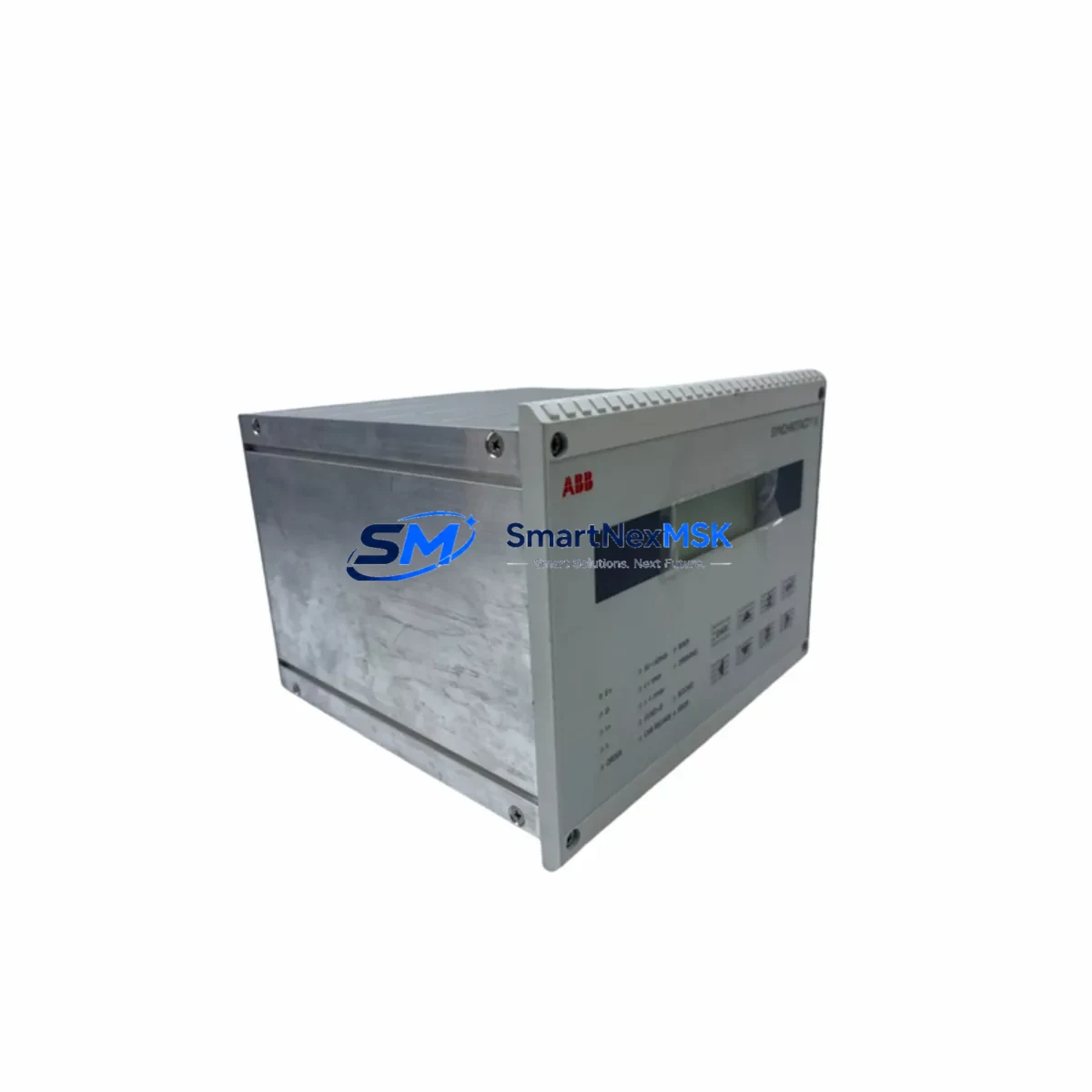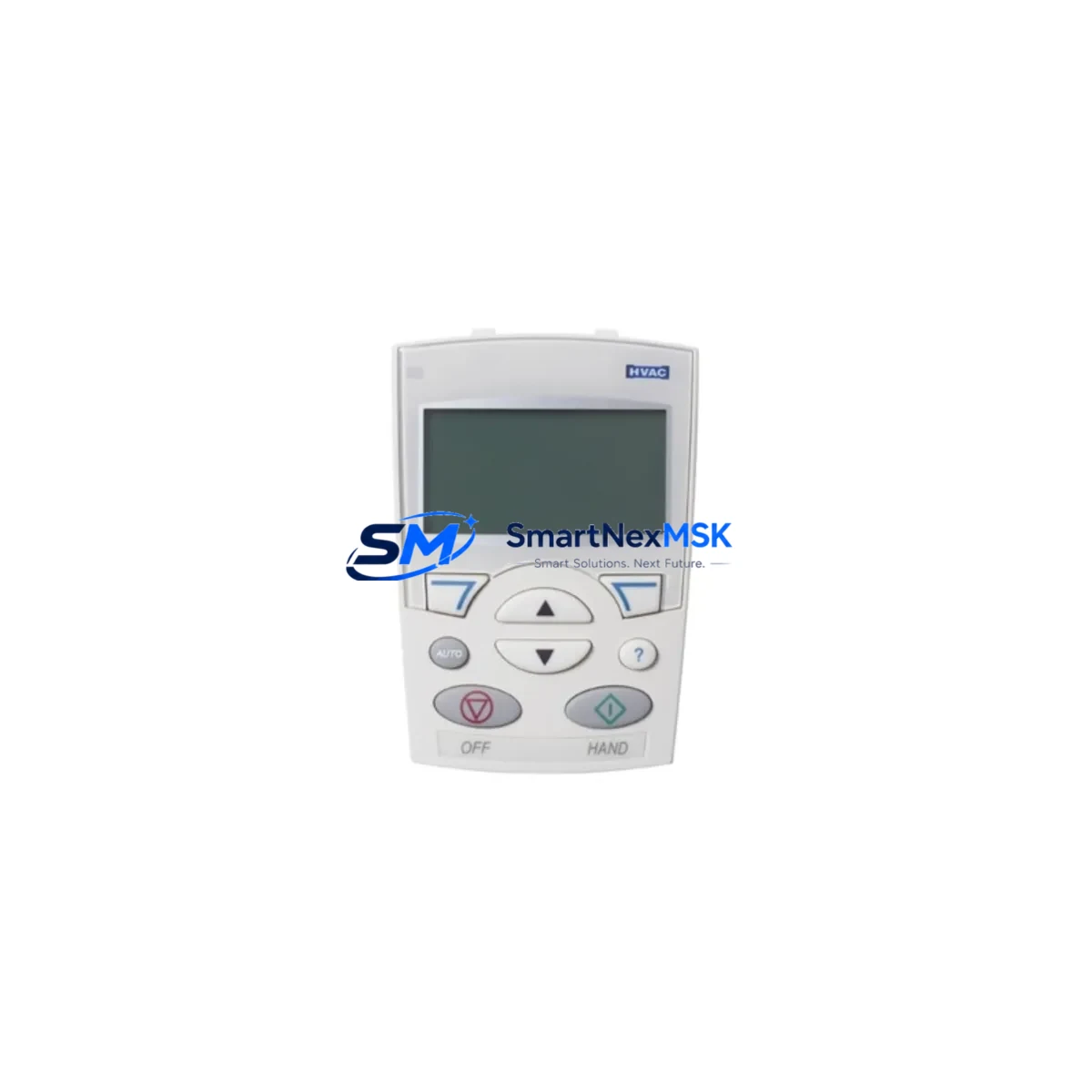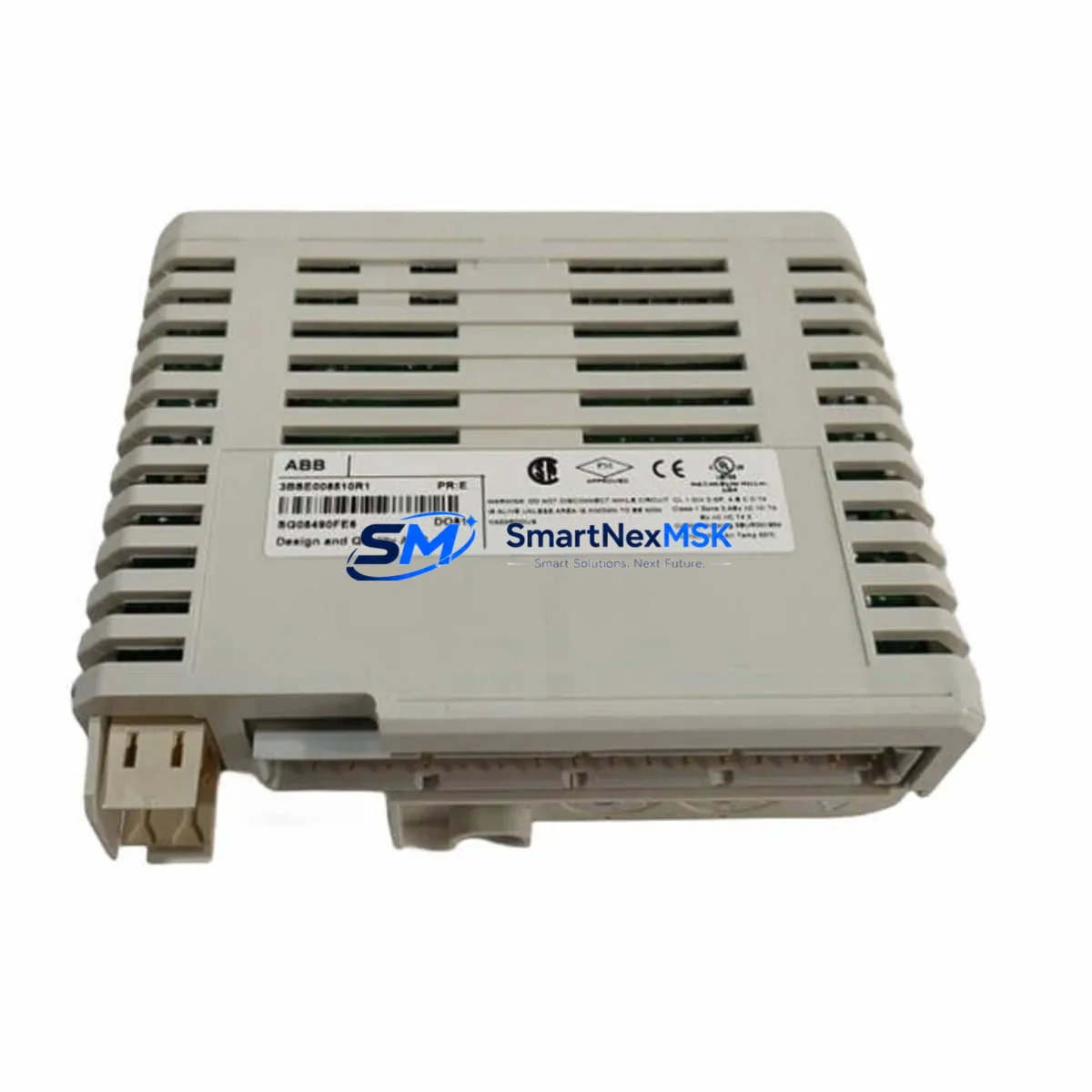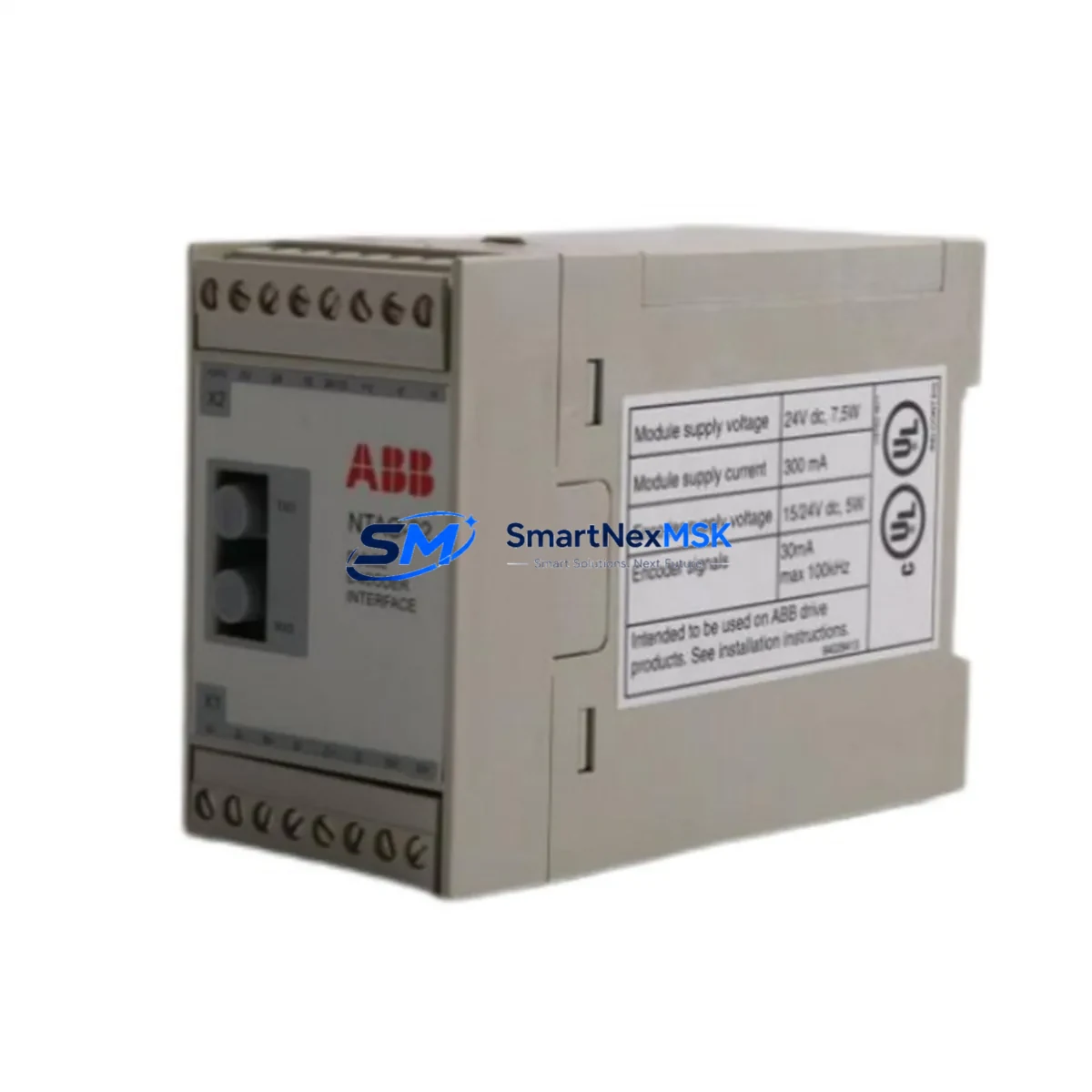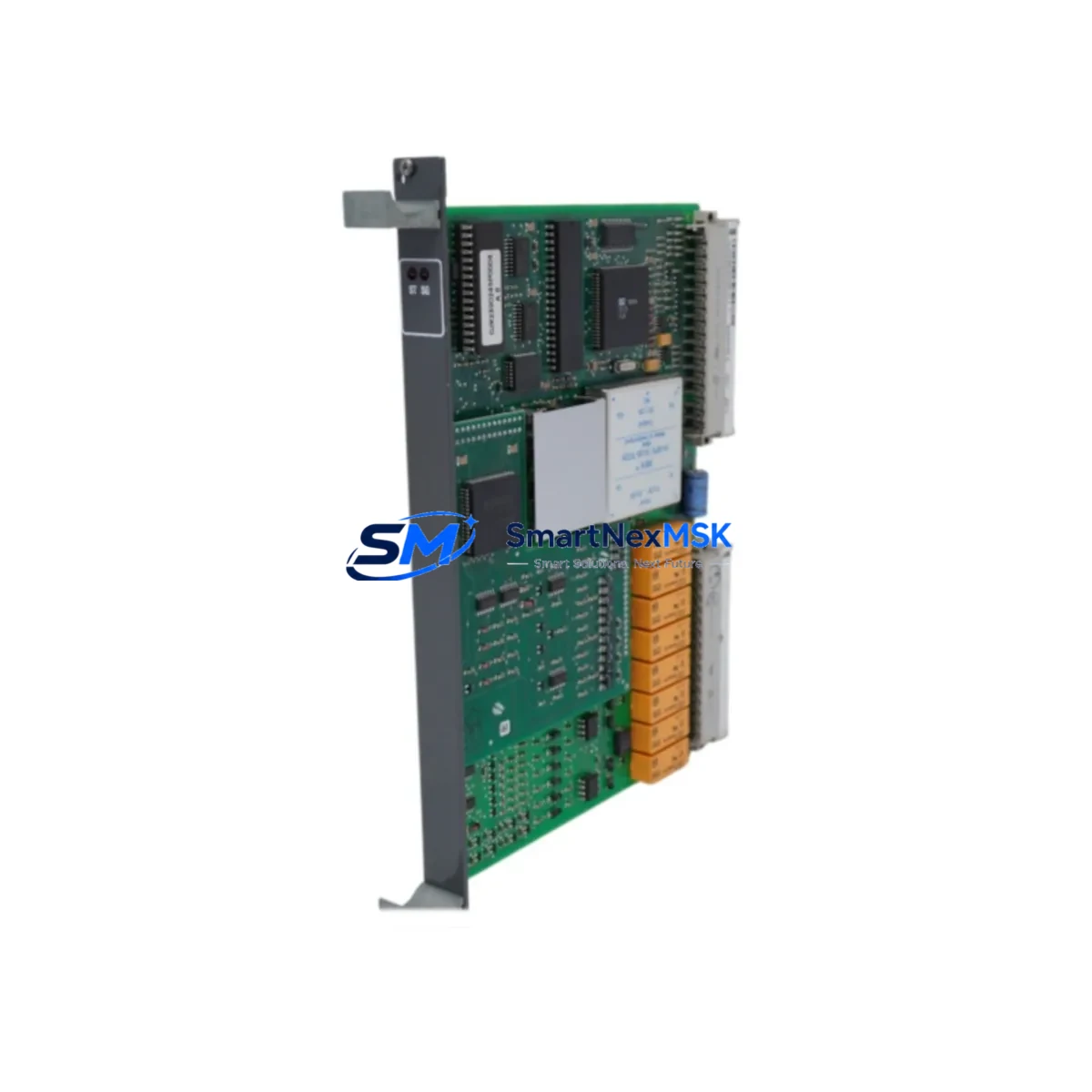
ABB GJR2390200R1411 Retrofit-Ready Binary I/O Module for AC 450 / MOD 300 DCS
The ABB GJR2390200R1411 is a binary control module engineered for seamless integration into ABB AC 450 and MOD 300 Distributed Control Systems. As legacy DCS installations approach end-of-life and OEM support windows close, this module serves as a verified drop-in replacement that preserves existing wiring topology, backplane addressing, and control logic — enabling plant engineers to execute a controlled retrofit without rewriting application programs or redesigning control cabinet layouts.
Whether you are managing a scheduled turnaround, responding to an unplanned module failure, or executing a phased modernization of an aging process control network, the GJR2390200R1411 delivers the electrical compatibility and firmware behavior required to restore system integrity with minimal disruption. Each unit is pre-tested against ABB factory acceptance criteria and ships with a 12-month warranty covering manufacturing defects and functional performance.
Upgrade Compatibility Table
| Parameter | GJR2390200R1411 Specification | Retrofit Notes |
|---|---|---|
| Compatible Platform | ABB AC 450 / MOD 300 DCS | Verify rack generation (S1/S2) before ordering |
| Module Type | Binary I/O Control Module | Replaces same-function legacy binary modules |
| Backplane Interface | AC 450 standard backplane bus | No backplane adapter required for same-generation racks |
| Power Supply Requirement | 24 VDC nominal (from rack PSU) | Confirm PSU capacity before adding modules; check PM645B or PM646 power module load |
| Terminal Wiring | Compatible with existing field wiring harness | Verify terminal block pinout against original I/O list; no re-termination typically required |
| Module Address | Configured via DIP switch / software | Record original address before removal; re-apply identical address on replacement unit |
| Communication Protocol | AC 450 internal bus (proprietary) | No protocol migration required for same-platform replacement |
| Program Compatibility | Full compatibility with existing AC 450 application | No PLC/DCS program modification required |
| HMI Integration | Transparent to Operator Station / HMI layer | No HMI screen rebuild required; tag mapping preserved |
| Commissioning Tool | ABB Master / Control Builder compatible | Use existing engineering station; no new software license needed |
| Warranty | 12 Months | Covers manufacturing defects and functional performance from shipment date |
Retrofit Planning for Existing Automation Systems
A successful retrofit of the GJR2390200R1411 into an operating AC 450 system begins well before the module is physically installed. The first step is a thorough audit of the existing control cabinet. Engineers should document the current rack configuration, noting the slot position of the binary module being replaced, the adjacent I/O modules sharing the same backplane segment, and the power distribution architecture feeding the rack. In most AC 450 installations, the PM645B or PM646 power supply module provides 24 VDC to the I/O bus; confirming that the replacement module’s current draw does not exceed the PSU’s remaining headroom is essential before proceeding.
Terminal wiring is the next critical checkpoint. The GJR2390200R1411 uses the same terminal block footprint as its predecessors in the AC 450 binary I/O family, meaning field cables connected to the original module can typically be transferred directly to the replacement unit without re-termination. However, engineers should cross-reference the original I/O list and loop drawings to confirm signal polarity, common return wiring, and any surge protection devices installed at the terminal strip. Where the original installation used a CI626 or CI627 communication interface module to bridge field signals to the DCS network, the replacement binary module must be verified against the same interface revision to ensure signal handshake compatibility.
Module addressing is a frequent source of commissioning delays during binary I/O replacement. In the AC 450 architecture, each module occupies a defined node address on the internal bus, and the DCS application program references that address to read input states and write output commands. Before removing the failed module, the engineer should record the DIP switch settings or software-configured address using the ABB Control Builder engineering tool. The replacement GJR2390200R1411 must be configured to the identical address before insertion into the rack. Failure to replicate the address will cause the controller — typically a PM511, PM630, or PM645 processor module — to report a module mismatch fault and suspend I/O scanning for the affected channel group.
For plants that are simultaneously upgrading their communication infrastructure — for example, migrating from the legacy MasterBus 300 fieldbus to PROFIBUS DP or Modbus TCP via a DP820 or CI840A gateway module — the binary I/O replacement should be sequenced after the communication layer migration is validated. This prevents the new gateway from masking I/O faults that originate from the binary module itself. Where the upgrade path includes expanding the I/O count, the TB820 or TB840 terminal base units can be used alongside the GJR2390200R1411 to extend the binary channel capacity without modifying the existing rack structure.
Finally, before closing the control cabinet and returning the system to automatic mode, a full channel-by-channel functional test should be performed. Each binary input should be exercised from the field device — valve limit switch, motor contactor auxiliary contact, or pressure switch — and verified at the Operator Station. Each binary output should be commanded from the DCS and confirmed at the field actuator. This test sequence, documented in the commissioning record, forms the basis of the 12-month warranty claim process should any functional issue arise after installation.
Downtime Control During System Migration
Minimizing unplanned downtime is the primary operational constraint in any binary I/O module replacement on a live process control system. The GJR2390200R1411’s drop-in compatibility with the AC 450 backplane means that the physical swap can typically be completed within a single planned maintenance window — often under 30 minutes for an experienced controls technician — without requiring a full system shutdown or controller restart.
To protect the original program logic during the replacement, the engineering team should perform a full backup of the AC 450 application using Control Builder before any hardware is disturbed. This backup captures the program structure, I/O configuration, module addressing, and alarm setpoints, and can be used to restore the system to its pre-maintenance state if an unexpected issue arises during commissioning. The backup file should be stored on a dedicated engineering workstation and, where site procedures permit, on a removable medium held in the control room.
For processes where even a brief interruption to binary I/O scanning is unacceptable, a hot-standby or redundant controller configuration — using paired PM645 or PM630 processor modules — allows the replacement to be performed on the standby channel while the active channel continues to execute the control program. Once the replacement module is installed and addressed, a controlled switchover transfers control to the updated channel, and the formerly active channel is then serviced. This approach reduces the effective control interruption to the switchover transient, typically less than one scan cycle.
Where redundancy is not available, the recommended practice is to place the affected control loops in manual mode at the Operator Station before removing the module, hold the last known output state at the field actuators, complete the module swap, verify the new module’s address and wiring, and then return the loops to automatic mode in a controlled sequence. This procedure preserves field control continuity and prevents process upsets caused by undefined output states during the module absence interval.
Retrofit Support FAQ
Q1: Is the GJR2390200R1411 a direct replacement for all binary I/O modules in the AC 450 series?
The GJR2390200R1411 is designed as a replacement for binary control modules within the ABB AC 450 and MOD 300 DCS families. Compatibility depends on the specific rack generation and backplane revision. Customers should confirm the original module’s part number and rack type before ordering. Our technical team can assist with cross-reference verification prior to shipment.
Q2: What pre-shipment testing is performed on each unit?
Each GJR2390200R1411 unit undergoes functional testing prior to shipment, including power-on self-test, binary I/O channel verification, and backplane interface check. Test records are available upon request. The 12-month warranty covers manufacturing defects and functional performance from the date of shipment.
Q3: Do I need to modify my existing field wiring or terminal blocks when installing this module?
In the majority of AC 450 installations, no re-termination is required. The GJR2390200R1411 uses the same terminal block footprint and wiring convention as the original binary I/O modules. Engineers should verify signal polarity and common return wiring against the original loop drawings before installation to confirm compatibility.
Q4: What should I do if the controller reports a module fault after installation?
The most common cause of a post-installation module fault is an incorrect module address configuration. Verify that the DIP switch settings or software-configured address on the replacement unit exactly match the address of the original module as recorded before removal. If the fault persists, check the backplane connector for contamination or damage, confirm the rack PSU output voltage is within specification, and contact our technical support team with the fault code displayed on the Operator Station.
© 2026 SMARTNEXMSK. All rights reserved.
Original Source: https://smartnexmsk.com
Contact: [email protected] | +86 18259474341